
Picture this: you’re dropping down into crystal-clear turquoise water, floating past ancient volcanic landscapes teeming with a dizzying array of fish. This is what it's like to go Big Island scuba diving, an experience that easily holds its own against the best dive destinations on the planet. The island's protected leeward coast serves up unbelievably calm conditions and phenomenal visibility all year long, making it a place divers return to again and again.
Why The Big Island Is a World-Class Scuba Destination
The Big Island of Hawaii isn't just another pretty spot to get away; it's a geological and biological marvel, both on land and under the sea. The real secret to its incredible diving is the sheer size of its volcanoes, Mauna Loa and Hualalai. They act as a massive shield, blocking the Kona coast from the gusty trade winds that churn up the water elsewhere. This natural barrier creates a peaceful, protected marine world where visibility often clears 100 feet.
This one-of-a-kind setting means divers of all stripes can explore an underwater world literally sculpted by lava. Forget just seeing standard coral reefs—here, you'll find dramatic lava tubes, massive archways, and sprawling submerged lava fields that have transformed into bustling habitats. It’s a true playground for exploration, with a new adventure hiding around every corner.
Unparalleled Biodiversity
What really makes Big Island scuba diving so special is the life you'll find here. The Hawaiian archipelago is the most isolated island chain on Earth, and that isolation has led to some incredible evolutionary twists.
A huge chunk of the marine life you'll see is endemic—you simply won't find these creatures anywhere else on the globe. Every dive is a chance to see animals in their one and only natural home.
When you go out with an experienced local crew, you aren't just going for a swim; you're getting a guided tour through a living, breathing museum. Their deep knowledge of the area is key to spotting everything from the electric yellow tangs and intricate butterflyfish to a master-of-disguise octopus hiding in plain sight.
Conditions for Every Diver
It doesn't matter if you're about to take your first breath underwater or you’re a seasoned pro with a logbook full of dives—the Kona coast has a site for you.
- For Beginners: The calm, shallow reefs are the perfect spot to get comfortable, build confidence, and nail down those essential skills in a beautiful, stress-free environment.
- For Experienced Divers: Advanced sites serve up thrilling drift dives, deep pinnacles, and complex lava tube systems that are a blast to navigate.
It’s this mix of perfect conditions, unique underwater terrain, and incredible marine life that puts the Big Island in a class of its own. To get the full picture, dive into our complete guide on Big Island scuba diving and start planning your underwater adventure.
Exploring the Top Kona Coast Dive Sites
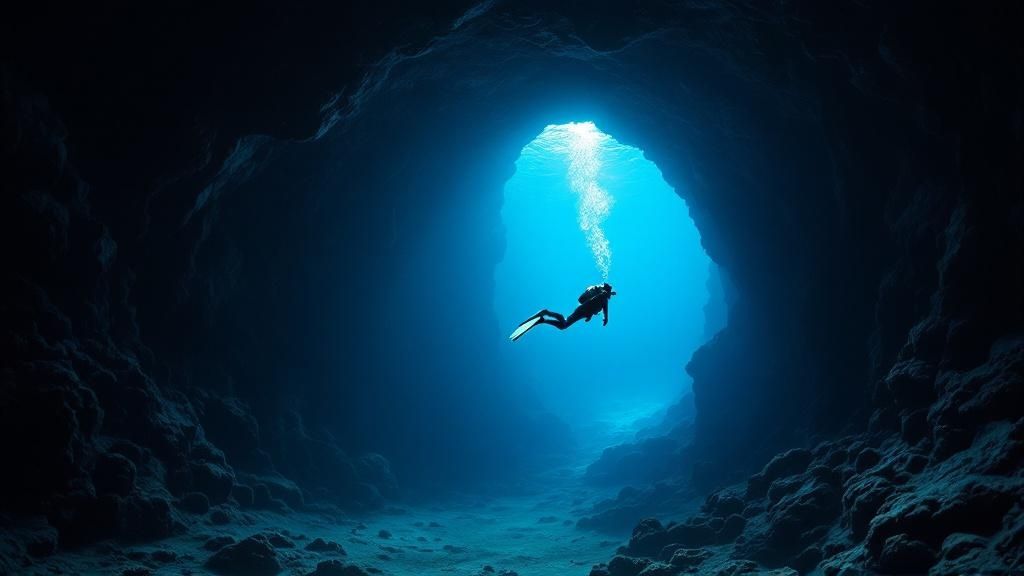
The Kona coast isn't just a destination; it's an underwater playground. Each dive site here tells its own story, carved out by ancient lava flows and now teeming with life. Think of it like a treasure map where every "X" marks a totally unique adventure. One day you're exploring a gentle reef, the next you're navigating a complex lava tube. This sheer variety is at the heart of any Big Island scuba diving trip.
Diving here feels like dropping into a submerged national park. The underwater landscape changes dramatically from one cove to the next. You might spend a morning dive drifting through sun-dappled archways and the afternoon exploring a vast reef that seems to stretch into infinity. It’s this diversity that keeps divers like us coming back, always wondering what’s just around the next corner.
With so many incredible options, the hardest part is often deciding where to splash in. This is where a local guide makes all the difference. An experienced crew doesn't just know the spots; they know how to read the day's conditions to make sure every single dive is as good as it can be.
Must-See Dive Sites for Every Level
While there are dozens of named sites along the coast, a few have become absolute icons of Kona diving. These spots showcase the very best the island has to offer, from dramatic volcanic structures to bustling marine ecosystems.
One of the most requested sites is Golden Arches, and for good reason. It’s a breathtaking series of massive lava rock arches that create incredible swim-throughs. When the sun filters down through the openings, it feels like you're in an underwater cathedral, making for some epic photo opportunities. You'll almost always find schools of vibrant reef fish dancing in the shadows.
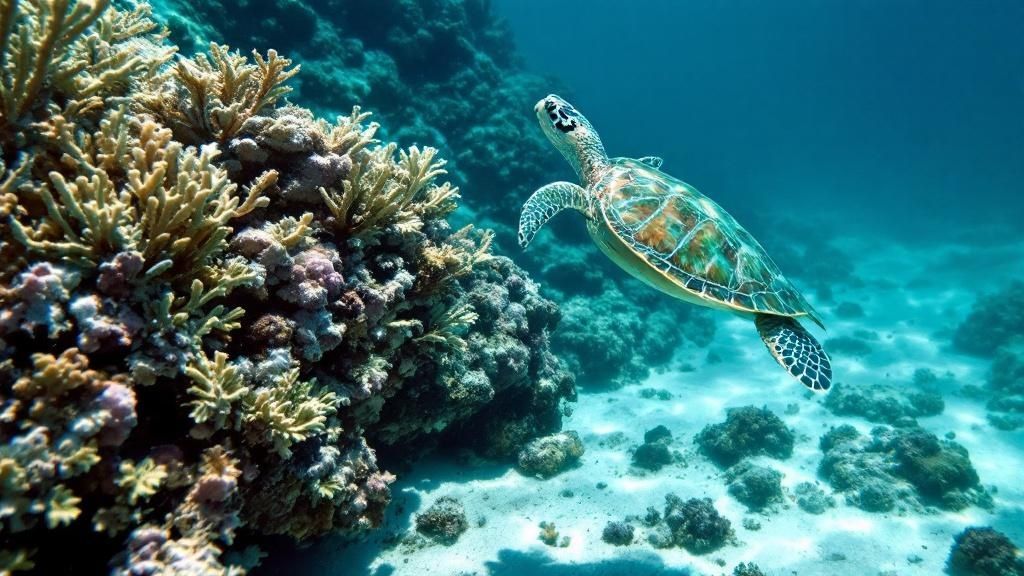
Another local favorite is Turtle Pinnacle. The name gives it away—this is one of the best spots to see our beloved Hawaiian green sea turtles, or 'honu'. They use this reef as a "cleaning station" where smaller fish nibble away algae and parasites. It's an amazing chance to just hang back and watch these ancient mariners relax and get groomed.
These dive sites are more than just geographical locations; they are living, dynamic environments. The marine life and conditions can change daily, meaning no two dives are ever exactly the same. It's this element of surprise that makes every descent exciting.
For those looking for a bit more of an adventure, a site like Suck 'em Up delivers a thrilling ride. It's a lava tube system where the ocean swell creates a gentle push-and-pull as you move through its chambers. It’s a fun, safe way to feel the power of the ocean, especially when you're with guides who know its rhythm inside and out.
Planning Your Underwater Itinerary
With such a rich menu of sites, you can build a dive plan that perfectly fits your style. A lot of divers love to mix it up, maybe starting with a relaxed reef dive in the morning and tackling something with more complex topography in the afternoon. It’s the best way to experience the full spectrum of Big Island scuba diving.
To help you get started, here’s a quick-reference guide to some of the most popular sites.
Top Big Island Dive Sites At A Glance
| Dive Site Name | Key Features | Typical Marine Life | Best For |
|---|---|---|---|
| Golden Arches | Dramatic lava arches, swim-throughs | Schooling reef fish, eels | All Levels |
| Turtle Pinnacle | Coral pinnacle, turtle cleaning station | Green sea turtles, butterflyfish | All Levels |
| Suck 'em Up | Lava tube with gentle surge | Eels, crustaceans, unique fish | More Experienced |
| Naked Lady Reef | Expansive, healthy coral gardens | Octopus, diverse reef fish | All Levels |
| Garden Eel Cove | Sandy bottom with garden eels | Eels, manta rays (night) | All Levels |
Of course, this is just a tiny taste of the underwater world waiting for you here. The best way to truly experience it is to get out there and start exploring. Ready to build your own dive list? You can see more incredible spots and book your next adventure on our diving tours page.
The Unforgettable Manta Ray Night Dive Experience
Of all the incredible adventures the Big Island offers, the manta ray night dive is in a class of its own. This isn't just another dive; it's an underwater ballet, a surreal performance that has earned its place as one of the most memorable aquatic encounters on the entire planet. As the signature Big Island scuba diving experience, it’s a non-negotiable must-do for anyone visiting.
Picture this: you descend through the warm, dark ocean and settle onto a sandy patch on the seafloor. Your guide has already placed a powerful light in the center of the group, creating a bright stage in the inky blackness. In minutes, the ocean's tiniest performers—plankton—are drawn to the glow, swarming the light beam like microscopic moths. This is the dinner bell.
Then, the stars of the show make their entrance. Massive manta rays, some with wingspans stretching up to 16 feet, emerge from the void. They glide effortlessly into the light, performing graceful barrel rolls and somersaults as they filter the plankton-rich water. It's a completely silent, breathtaking dance as these gentle giants pass just inches over your head.
The Science Behind the Spectacle
This incredible show is powered by a brilliantly simple concept. The manta rays that call the Kona coast home are local residents, and they’ve figured out that bright lights equal an easy buffet. Dive operators have perfected this by essentially creating an underwater campfire that attracts their food source.
It’s a beautifully symbiotic setup. The lights draw in the plankton, the plankton draws in the mantas, and we divers get a front-row seat to the whole stunning feeding behavior without disturbing the animals. It's a perfect example of responsible wildlife interaction.
This unique encounter is more than just a cool dive—it’s a cornerstone of the local community and economy. The manta ray night dive along the Kona coast is world-famous, attracting divers from every corner of the globe to witness the nocturnal feeding of Manta alfredi. Over the past few decades, it's grown from a niche activity into a major economic driver for the region.
What to Expect on Your Manta Dive
From the moment you step on the boat, the excitement is palpable. The crew gives a thorough briefing, covering safety protocols and the "rules of engagement"—the main one being to stay put on the bottom and let the mantas control the interaction.
- The Descent: You'll drop down as a group in the calm twilight hours and find your spot in a semi-circle around the central light source, which we affectionately call "the campfire."
- The Show: For about 45 minutes, you’ll simply kneel and watch in absolute awe as the mantas perform their hypnotic feeding dance right above you.
- Safety: The dive itself is relatively shallow and stationary. This makes it accessible even for newer divers who are comfortable with night conditions.
This is a profoundly moving experience that connects you directly with the magic of the ocean. To get a real sense of what makes this dive so legendary, you have to see it for yourself. Learn more in our deep dive on the manta ray night dive in Kona or book your spot on a manta ray dive tour today.
Advanced Diving and Unique Underwater Adventures
Sure, the Kona coast has plenty of beautiful, calm reefs that are perfect for any diver. But for those of us who hear the call of a bigger thrill, the Big Island is a playground that pushes the very boundaries of underwater exploration. This is where you graduate from gentle slopes to dramatic lava formations and specialty dives that feel like true discovery.
The island’s volcanic soul is what makes its underwater world so rugged and complex. If you've got the experience, you can explore intricate lava tube systems, navigate deep pinnacles that jut up from the seafloor, and master the art of the drift dive—letting the current be your guide along vibrant walls of life. These dives demand a higher level of skill, confidence, and buoyancy control, but the payoff is seeing a side of Big Island scuba diving most people never will.
The World-Famous Kona Blackwater Dive
The Kona Blackwater Dive is, without a doubt, one of the most unique underwater experiences on Earth. It’s often called a "pelagic magic carpet ride," and it's not for the faint of heart. This is an adventure that will completely reshape what you think you know about marine life.
Picture this: you're tethered to a boat, miles offshore, drifting in the deep, dark open ocean as night falls. You aren't diving to the bottom; you're suspended in the middle of the water column over thousands of feet of blackness. Your dive lights slice through the dark, attracting some of the ocean's most bizarre and rarely seen creatures. You're witnessing the largest vertical migration on the planet, as animals from the abyss rise toward the surface to feed under the cover of night.
The Kona Blackwater Dive is like taking a trip to another planet without ever leaving Earth. You'll see bioluminescent organisms, strange larval-stage fish, and gelatinous creatures that look like they belong in a science fiction movie. It's a true pelagic safari.
This is a highly specialized dive that requires a deep respect for the open ocean and a calm head. It’s a profound experience that connects you with the vast, mysterious heart of the sea. If you’re ready for a challenge that is genuinely one-of-a-kind, you can learn more about the Blackwater Dive tour and see this spectacle for yourself.
Pushing Your Limits with Advanced Dives
Beyond the blackwater experience, Kona Honu Divers runs specialized trips built specifically for certified divers who want to stretch their skills and explore more challenging sites. These aren't your average reef tours. They are curated adventures that take you to deeper, more remote locations.
An advanced dive tour with us might mean:
- Exploring Lava Tubes: Navigating through ancient lava tubes is a serious test of buoyancy and awareness. These structures often shelter unique creatures, from shy eels to sleeping reef sharks.
- Deep Reef Exploration: We venture to deeper reefs where the coral structures are different and you get a shot at seeing marine life you won't find in shallower waters.
- Thrilling Drift Dives: Some sites are just better when you "go with the flow." A drift dive lets you cover more ground, effortlessly gliding past stunning underwater landscapes.
These advanced opportunities are perfect for divers who have the basics locked down and are itching for the next level of adventure. The Kona Honu Divers team is made up of seasoned instructors and guides who know these sites like the back of their hand, ensuring every trip is as safe as it is rewarding.
How to Get Scuba Certified in Paradise
Thinking about finally taking the plunge and getting your Big Island scuba diving certification? Or maybe you're already a diver who wants to level up their skills? Let me tell you, there is simply no better classroom on the planet than the warm, crystal-clear waters of the Kona coast. Earning your scuba certification here isn't just a course—it's an adventure.
Forget learning in some cold, murky local quarry. Imagine practicing your buoyancy control while a massive Hawaiian green sea turtle glides past you. Picture nailing your mask-clearing skill surrounded by a shimmering school of yellow tangs. That’s what getting certified in paradise is all about. Every single training dive feels less like a lesson and more like a reward.
Your Path to Becoming a Certified Diver
For anyone just starting out, the first and most common step is the PADI Open Water Diver certification. This is your global passport to the underwater world, letting you dive with a buddy to depths of 60 feet anywhere you go. The whole thing is broken down into three easy, enjoyable parts.
- eLearning: You can actually knock out all the "book work" online, at your own pace, before you even pack your bags for Hawaii. This is a game-changer because it frees up your precious vacation time for what really matters: being in the ocean.
- Confined Water Dives: Once you're here, your instructor will take you to a calm, shallow spot—like a pool or a protected bay. This is where you'll get comfortable with all the gear and practice the essential safety skills in a super controlled, stress-free environment.
- Open Water Dives: Now for the best part! You'll head out into the open ocean for four dives under your PADI instructor's direct supervision. You get to apply everything you've learned while exploring Kona's absolutely stunning coral reefs.
The whole process is designed to build your confidence and make you a competent, safe diver. Learning from pros in such an incredible place is how you truly fall in love with the sport. You can check out all the details on a Kona scuba certification course to see how it works.
Not Ready to Commit? Just Dip a Toe In
If you're not quite sure about a full certification course but are dying to know what it's like to breathe underwater, the Discover Scuba Diving experience is perfect. It’s a fantastic, low-commitment way to give it a try. An instructor teaches you the absolute basics and then takes you on a shallow, fully supervised dive to see if it’s for you.
And for those who are already certified, the journey doesn't end there. You can expand your skills with courses like Advanced Open Water or Rescue Diver, which boost your confidence and open up a whole new world of diving opportunities.
The Big Island of Hawaii isn't just a great place to dive; it's a major global hub for the sport. We see roughly 100,000 certified scuba dives here every year. That massive number is supported by a solid infrastructure of more than 50 dive shops and charters that serve over 150,000 dive tourists annually. It’s clear this island has a powerful pull for divers from all over the world.
No matter where you're starting from, the Big Island offers a clear and seriously exciting path for your underwater education.
Essential Tips for Planning Your Dive Trip
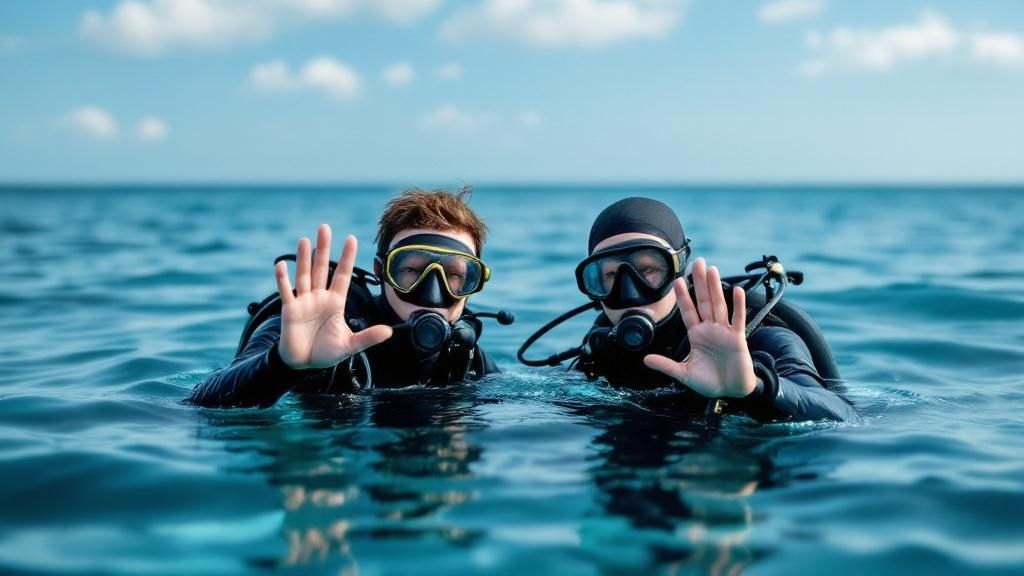
With so many incredible dive sites calling your name, the final piece of the puzzle is sorting out the logistics. A little prep work now will make sure your Big Island scuba diving adventure is everything you're hoping for. The good news? Planning a trip to Kona is pretty straightforward, especially since the diving is world-class all year.
One of the first things divers always ask is, "When's the best time to go?" The short answer is: anytime you can. Thanks to the island's protective leeward coast, Kona serves up fantastic diving conditions pretty much 365 days a year.
But there are a few seasonal perks. Summer usually brings the calmest seas and warmest water. Winter, on the other hand, offers a truly magical bonus—the chance to hear the haunting songs of migrating humpback whales echoing through the water on your dives.
Gearing Up and Getting Here
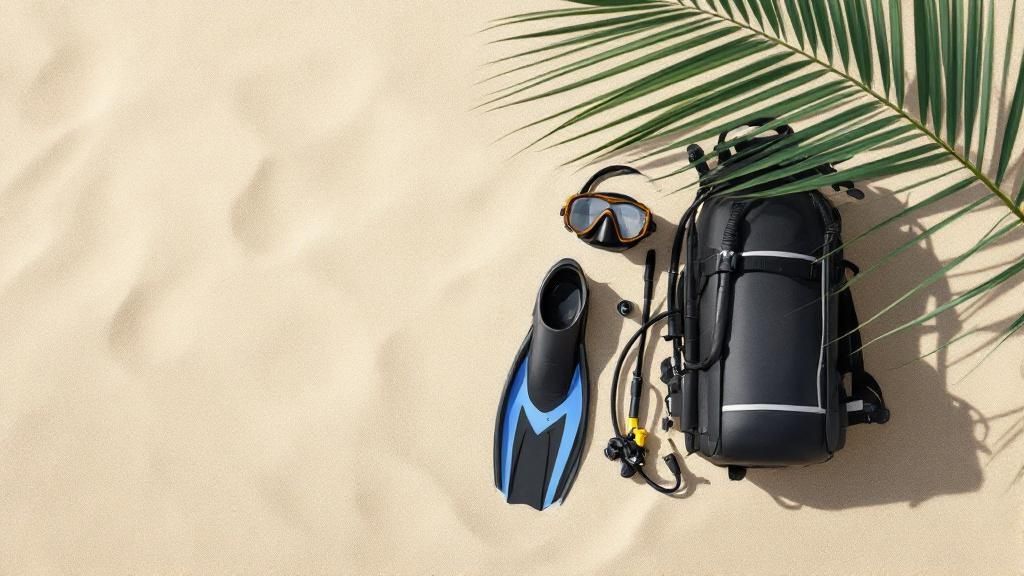
Packing for a Kona dive trip is refreshingly simple. The water temperature stays in that perfect sweet spot all year, hovering between a comfortable 75°F and 80°F (24°C to 27°C). This means you can leave your heavy-duty thermal gear at home.
For most people, a 3mm wetsuit is more than enough for winter dives. In the summer, you'll probably be perfectly happy in a light rash guard or a skin suit. If you want to dive deeper into Hawaii's unique underwater world, the experts at Oceanographic Magazine have a great piece.
Getting to the heart of the action couldn't be easier. You'll fly into Kona International Airport (KOA), which is just a quick drive from the main strip of hotels and dive operations. Once you land, you're literally minutes away from kicking off your underwater adventure.
Diving with Aloha: A Responsible Approach
Being a visitor in Hawaii carries a special responsibility, a concept the locals call kuleana. It's about more than just seeing the sights; it’s about showing respect for the local culture and the incredibly fragile marine environment that makes this place so special.
Adopting a mindset of sustainable tourism is crucial. It’s all about choosing to leave the places you visit a little better than you found them. Simple things—like using reef-safe sunscreen, never touching coral or marine life, and picking up any trash you find—add up to make a huge difference.
Here’s how you can be a responsible diver in Kona:
- Practice Perfect Buoyancy: This is non-negotiable. Keep your fins, hands, and gear well clear of the reef at all times. Even a tiny bump can damage delicate corals that have taken years to grow.
- Respect the Wildlife: Observe marine animals from a respectful distance. Chasing, feeding, or trying to touch them is a major no-go. You're a guest in their home, so let them go about their business naturally.
- Choose Sustainable Operators: Support dive shops like Kona Honu Divers that are deeply committed to conservation and follow strict guidelines for responsible wildlife encounters.
With your bags packed and plans in place, the only thing left is to book your dives and get ready for the trip of a lifetime.
Your Big Island Scuba Questions, Answered
Planning a dive trip always brings up a few last-minute questions. We get it. To make sure you're feeling totally confident and ready to hit the water, we’ve put together answers to the most common things divers ask us before they arrive.
What Is the Best Time of Year to Go?
Here’s the incredible thing about the Kona coast: the diving is fantastic all year long. We have the island's massive volcanoes to thank for that. They act as a giant shield, protecting the leeward (Kona) side from the winds and keeping our waters consistently calm and clear.
If you love warm water, the summer months from June to September are your sweet spot. The seas are often glassy calm, and water temps hover around a balmy 80°F (27°C). But winter (December-March) has its own magic. The water is still a comfortable 75°F (24°C), and you get an unbelievable bonus: the haunting songs of migrating humpback whales often provide the soundtrack for your dives. It’s an experience that’s hard to put into words.
Do I Need to Be Certified to Try Scuba?
Not at all! You can absolutely experience the thrill of breathing underwater without being certified. Here at Kona Honu Divers, we offer a fantastic program called "Discover Scuba Diving" designed specifically for beginners.
It’s a safe, closely supervised introduction to diving. A certified PADI instructor will walk you through the basics in a calm, controlled setting. Once you’re comfortable, they’ll take you on a real, shallow dive to explore one of Kona's beautiful reefs. It’s the perfect way to test the waters and see if diving is for you before committing to a full certification course.
Is the Manta Ray Night Dive Safe for Beginners?
Yes, absolutely. The world-famous manta ray night dive is surprisingly accessible and very safe, even for divers fresh out of their certification course. The dive itself is pretty shallow, and you'll spend most of it stationary. Divers usually kneel or sit on a sandy patch in a designated viewing area while the mantas put on their show, gliding gracefully overhead.
Divemasters give a very thorough safety briefing before anyone gets in the water, and they are right there with you the whole time to make sure everything goes smoothly. As long as you're comfortable with the idea of a night dive, it's an incredibly safe and unforgettable experience.
What Marine Life Will I See Besides Mantas?
The Big Island is bursting with life under the waves! On just about any given dive, you can expect to run into Hawaiian green sea turtles (we call them honu), different kinds of moray eels peeking out from the reef, octopus, and a kaleidoscope of endemic reef fish like the brilliant yellow tang and the milletseed butterflyfish.
And if you get a little lucky? You might spot pods of spinner dolphins, white-tip reef sharks resting on the sand, majestic eagle rays, or even a humpback whale from the boat during your surface interval in the winter. Every dive is a new adventure.
Ready to see it all for yourself? Kona Honu Divers has a bunch of different diving tours that will get you face-to-face with Hawaii's incredible underwater world.