
Ask any seasoned diver what makes Big Island scuba diving so special, and they'll tell you it’s a rare combination of two things: unbelievably clear water and dramatic underwater volcanic landscapes you won't find anywhere else on the planet. This isn't just another dive trip; it's a bucket-list destination that captivates you with its raw beauty and bustling marine life.
Why Big Island Diving Is So Unforgettable
Picture this: you descend into warm, crystal-clear water where the visibility is so good it feels more like flying than swimming. This isn't a once-in-a-while thing; it's just another day on the Kona coast. The island's massive volcanoes act as a natural barrier, shielding the leeward side from the strong trade winds. The result? Some of the calmest and most predictable sea conditions you could ever hope for.
This natural protection opens up a whole world of exploration. The island's volcanic past has carved out an almost alien underwater world. You can glide through ancient lava tubes, navigate majestic arches sculpted by the ocean, and drift over vast, healthy coral gardens bursting with color and life.
Big Island Diving At a Glance
So, what really sets the Big Island apart? Here’s a quick summary of why divers flock here from all over the world.
| Feature | Description |
|---|---|
| Pristine Conditions | Thanks to the volcanoes, the Kona coast enjoys exceptionally calm seas and visibility often exceeding 100 feet. |
| Volcanic Landscapes | Explore unique underwater formations like lava tubes, craters, and arches that you won't find anywhere else. |
| Warm Water | Year-round water temperatures stay comfortable, typically between 75-80°F (24-27°C). |
| Abundant Marine Life | Home to a rich 'ohana' of sea creatures, including many species endemic to Hawaii. |
| Manta Ray Heaven | The world's most reliable and famous Manta Ray night dive happens right here off the Kona coast. |
These elements combine to create a diving experience that is truly second to none, offering something new and exciting on every single dive.
A Vibrant Underwater 'Ohana'
The true magic of Big Island scuba diving, however, is its vibrant 'ohana' (family) of marine creatures. Because Hawaii is so isolated in the Pacific, it has developed a rich ecosystem with a high number of endemic species—fish you simply can’t see anywhere else.
The Big Island is a world-class diving destination for a reason. Its unique volcanic geography creates ideal, year-round conditions, with water temps holding steady at 75-80°F (24-27°C) and visibility that regularly surpasses 100 feet. It's a perfect playground for divers.
On any given dive, you'll likely be greeted by curious honu (Hawaiian green sea turtles), swim through mesmerizing schools of bright yellow tangs, or spot a well-camouflaged octopus. But the island is also famous for its bigger residents. Encounters with graceful eagle rays, playful spinner dolphins, and even the occasional reef shark add a real thrill to the experience.
The Kona Honu Divers Experience
Choosing the right guide is what separates a good dive from an unforgettable one. At Kona Honu Divers, we're all about safe, small-group adventures that show deep respect for the fragile marine environment we call our office. Our experienced crew knows these waters like the back of their hand, making sure you see the most incredible sights while learning a thing or two about the local ecosystem.
Whether you're exploring a coral reef by day or getting ready for the legendary manta ray night dive, our team is here to make your experience one for the books. Ready to jump in? Our diving tours are built for every skill level.
Check Availability
Exploring Kona’s Top Underwater Playgrounds
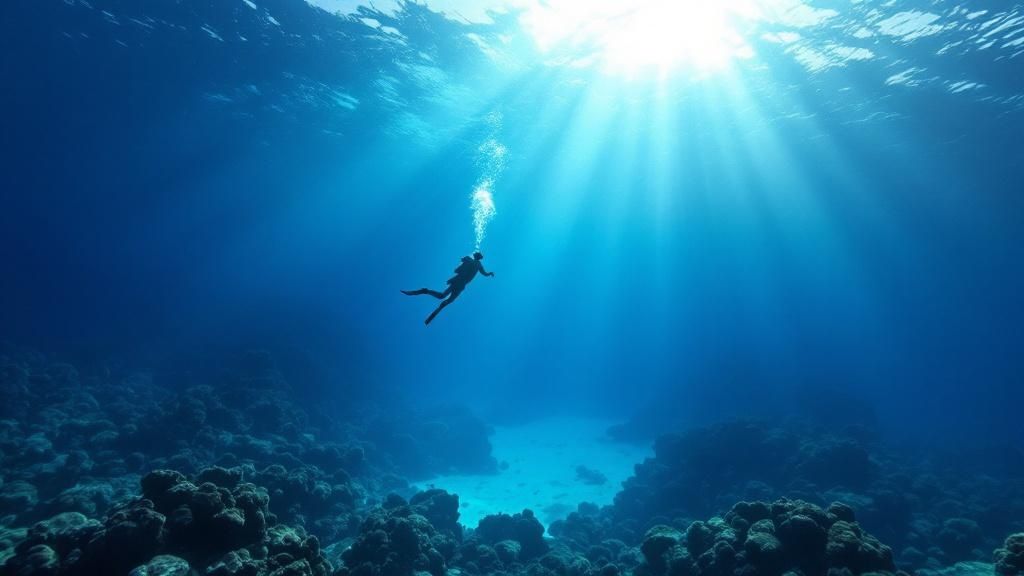
The Kona coast is a diver's paradise, plain and simple. What makes it so special is the sheer variety of underwater landscapes, all carved out by ancient lava flows and shaped by the Pacific. Each dive site is its own little world, with a unique story to tell. Diving here feels like stepping into a living storybook of geology and marine biology.
The best part? You can choose your own adventure. Are you in the mood for dramatic volcanic architecture, peaceful coral gardens, or a front-row seat to one of nature's greatest spectacles? Kona has it all, and thanks to the typically calm conditions and amazing visibility, you can really soak it all in. Let’s take a look at a few of the legendary sites that put Big Island scuba diving on the map.
Two Step (Honaunau Bay) A Diver's Easy Entry Point
Don't let the name fool you. While Honaunau Bay is famous for its super-easy shore entry—literally two natural lava rock "steps" that lead you into the water—it's so much more than just a convenient spot. It's a massive underwater amphitheater just buzzing with life, making it a favorite for divers and snorkelers alike.
Once you slip beneath the surface, you're greeted by a gently sloping reef packed with an incredible diversity of marine life. This place is a real hotspot for some iconic encounters:
- Spinner Dolphins: It's not uncommon for pods to rest in the bay's calm, protected waters during the day. Hearing their clicks and whistles underwater is pure magic.
- Hawaiian Green Sea Turtles (Honu): You're almost guaranteed to see these gentle giants cruising by or munching on algae.
- Colorful Reef Fish: The bay is a bustling metropolis for schools of yellow tang, parrotfish, and butterflyfish, painting the reef in a riot of color.
The terrain itself is fantastic, with coral gardens transitioning to sandy patches where you might even find a whitetip reef shark taking a nap. If you want a dive that’s both accessible and action-packed, Two Step is a must-do.
Golden Arches Where Sunlight Dances Underwater
Picture this: you descend into a world of massive, underwater archways formed by ancient lava flows. That’s exactly what you get at Golden Arches. The site earned its name from the way sunlight streams through these grand structures, creating heavenly beams of light that look like they're dancing on the ocean floor. It’s an absolute dream for photographers and an awe-inspiring experience for any diver.
Swimming through these arches feels like exploring the ruins of some lost aquatic city. They provide the perfect shelter for all sorts of creatures, from shy octopuses tucked into crevices to colorful nudibranchs clinging to the walls. That feeling of gliding through a massive arch and out into the vast blue is a core memory for anyone who experiences Big Island scuba diving.
Garden Eel Cove The World-Famous Manta Stage
Garden Eel Cove is a fantastic dive site during the day, named for the colonies of garden eels that poke their heads out of the sandy bottom, swaying in the current like a field of grass. But when the sun goes down, this spot transforms into the world's most famous underwater stage. This is the place for the legendary Manta Ray Night Dive.
As darkness falls, the show begins. The unique setup here creates the perfect conditions for one of the most mind-blowing animal encounters on the planet.
The Manta Ray Night Dive is consistently ranked among the top five dives in the world. The unique combination of reliable manta sightings and the spectacular "underwater ballet" they perform makes it an unforgettable, once-in-a-lifetime experience for nearly every diver who witnesses it.
Here at Kona Honu Divers, we've spent years perfecting this experience to be safe and unforgettable for both you and the mantas. Ready to see these incredible sites for yourself? Our expert-led diving tours will get you there safely for an adventure you'll never forget.
Check Availability
The World-Famous Kona Manta Ray Night Dive
Of all the incredible experiences Big Island scuba diving has to offer, one stands head and shoulders above the rest. It’s the adventure that lands on nearly every diver's bucket list and the one people travel across the globe to see for themselves: the Kona Manta Ray Night Dive.
This isn't just another dive; it's a mesmerizing underwater ballet, a natural spectacle that feels completely out of this world.
The idea behind it is brilliant in its simplicity. After the sun goes down, divers settle onto a sandy patch on the ocean floor. At the same time, snorkelers float up on the surface. Powerful lights are then pointed into the water, creating glowing pillars in the dark. These lights attract swarms of phytoplankton, which for Kona’s resident manta rays, is basically an all-you-can-eat buffet they simply can't pass up.
What happens next is pure magic. Drawn in by the promise of dinner, these gentle giants glide out of the darkness and into the light. With majestic wingspans that can stretch over 12 feet, they perform effortless barrel rolls and graceful swoops, filtering plankton just inches above your head. It’s an intimate, humbling, and unforgettable encounter.
The Science Behind the Spectacle
The crazy thing is, this dive is incredibly reliable, and it’s not by accident. It's all based on learned behavior. Years ago, a coastal hotel's lights would shine into the ocean, and mantas figured out that plankton gathered there. Dive operators quickly realized they could recreate this phenomenon in a safe, controlled way, essentially setting up "stages" for the nightly show.
These spots, like Garden Eel Cove (also known as Manta Heaven), have become established feeding stations for the local manta population. These are resident reef mantas, which means they live here year-round and don't migrate. That's exactly why Kona offers the world’s most consistent manta ray night dive, boasting a success rate of over 90%.
Choosing an Ethical Manta Ray Experience
With an activity this popular, protecting the mantas is everything. Choosing an ethical operator is critical to make sure this amazing interaction can continue for generations. A responsible company always puts the animals' safety first, following strict guidelines for a passive viewing experience.
Here’s what to look for in a top-notch operator:
- Clear Briefings: Your guide should walk you through all the rules, like no touching, chasing, or blocking the mantas' path. Touching a manta can strip off its protective mucous layer, making it vulnerable to infection.
- Proper Positioning: Divers are told to stay on the seafloor and snorkelers on the surface. This keeps the water column wide open for the mantas to swim and feed freely.
- Respect for the Animals: The whole point is to watch the mantas do their thing without interfering. It's their dinner table, and we're just lucky guests.
Kona Honu Divers is a leader in promoting these safe and respectful practices. Their commitment to manta conservation ensures that every dive is conducted with the utmost care for these magnificent creatures. You can learn more about the specifics of the dive by checking out our comprehensive guide to the Manta Ray Night Dive in Kona.
The Kona Manta Ray Night Dive is one of the most satisfying experiences a person can have in the water. It’s impossible to describe the feeling of watching a massive fish the shape of a stealth bomber coming into view.
Booking this once-in-a-lifetime tour with a trusted operator like Kona Honu Divers guarantees a breathtaking and responsible adventure. Their expert crew provides a safe, small-group setting, allowing you to fully immerse yourself in the magic.
Ready to witness the underwater ballet for yourself?
Check Availability
How to Choose Your Big Island Dive Operator
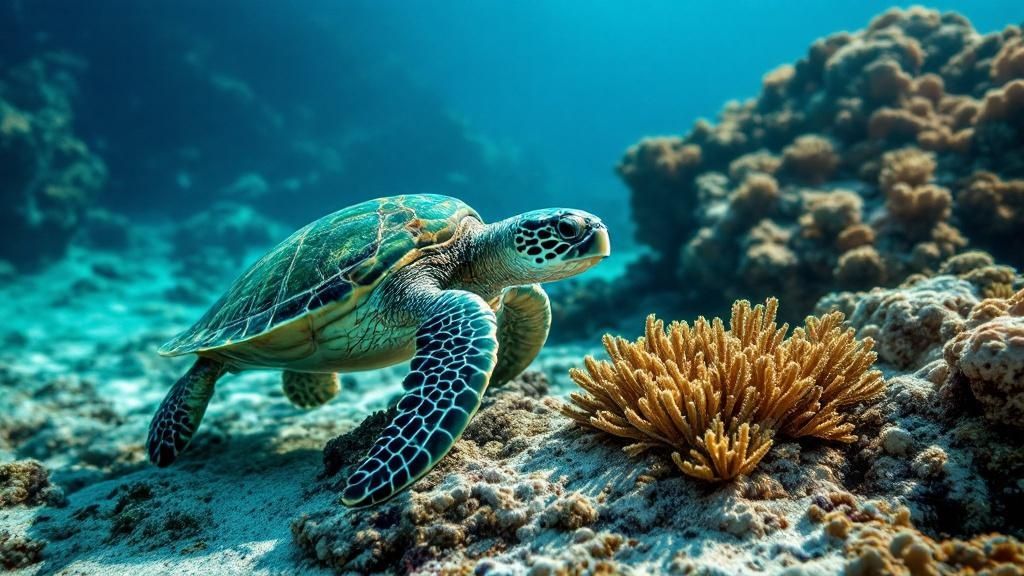
Let's be real—your dive operator is way more than just a taxi service to a dive site. They are your guide, your safety net, and the person who holds the key to an epic Big Island scuba diving trip. Picking the right shop can elevate a good dive into a "remember-it-for-life" kind of adventure. The wrong one? It can lead to disappointment or, worse, safety issues. This is probably the most important decision you'll make for your dive trip.
It's not just about what's printed in a glossy brochure. The true measure of a great operator is in the details: the deep knowledge of the guides, the condition of their gear, and a genuine, infectious passion for the ocean. A top-notch company makes sure every part of your dive is safe, fun, and totally unforgettable.
Key Factors in Selecting a Dive Shop
When you start researching, the number of options can feel overwhelming. To cut through the marketing fluff, here’s what you should actually focus on. These are the things that really define a quality dive operation.
- Safety First, Always: A great operator puts safety above everything. This means their boats are clean and equipped with emergency oxygen and first aid kits. It means their dive briefings are thorough and clear, and their divemasters are total pros who are paying attention.
- Experienced Local Guides: There's no substitute for local knowledge. Guides who have spent years, not months, diving Kona's waters know all the secret nooks and crannies. They can spot that perfectly camouflaged octopus, identify rare fish, and navigate the currents like the back of their hand.
- Small Group Sizes: This is a game-changer. Diving in a small group means you get more one-on-one time with your guide, less bumping into other divers, and a much more relaxed, personal experience underwater. You actually get to connect with the marine world.
- Quality of Rental Gear: Even if you bring your own equipment, pay attention to the state of a shop's rental gear. It says a lot about their standards. Look for shops that use reputable brands and obviously take good care of their regulators, BCDs, and wetsuits.
Kona Honu Divers A Commitment to Excellence
At Kona Honu Divers, these aren't just bullet points on a list; they're the core of how we operate. Our whole team is dedicated to creating safe, memorable, and eco-friendly dive adventures. We are huge believers in small group sizes because it ensures every single diver, whether you're a brand new Open Water diver or a seasoned pro, gets the personalized attention they deserve.
Your dive guides can make or break a trip. An experienced guide doesn't just show you a reef; they reveal its secrets, pointing out the camouflaged octopus or the rare dragon moray eel you would have otherwise missed.
This approach doesn't just make for a safer dive; it deepens your appreciation for Hawaii's incredible—and fragile—underwater world. If you want to see how we stack up against the competition, take a look at our detailed comparison of top-rated Kona dive shops.
Ultimately, choosing an operator like Kona Honu Divers is an investment in a better experience. Our crew lives and breathes Kona diving, and they can't wait to share the magic with you on one of our many diving tours, which are designed for every skill level and interest out there.
Check Availability
Next-Level Diving Adventures for the Bold
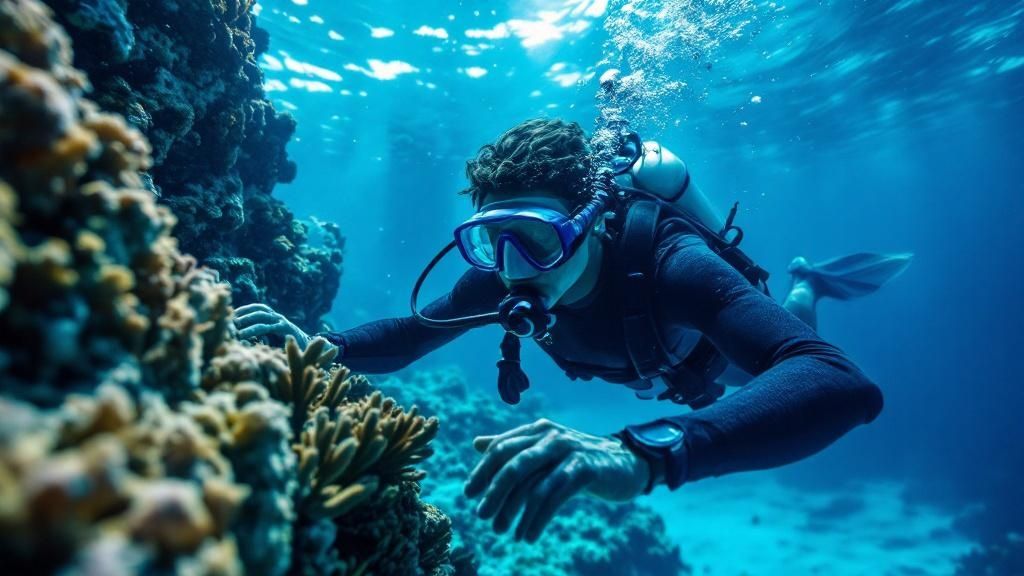
Sure, the vibrant reefs and graceful manta rays offer an incredible time for just about every diver. But there's another side to Big Island scuba diving—a side that calls out to the bold and experienced. If you've got the skills, confidence, and a real thirst for adventure, Kona serves up challenges that push the very edges of recreational diving.
These are the kinds of dives that become legends in your logbook.
For those of you ready to leave the familiar glow of the reef behind, the deep, dark, open ocean is waiting. It’s a realm that demands advanced certification, pinpoint buoyancy control, and a calm, focused mind. Here, you trade the bustling reef for the profound quiet of the deep blue, where the encounters are rarer but that much more rewarding.
The Legendary Kona Blackwater Dive
Picture this: you're suspended in the immense, inky blackness of the open ocean at night. You're miles from shore, with thousands of feet of water right below you. It sounds intense, and it is, but this is the setting for what many call the "pelagic magic carpet ride"—the legendary Kona Blackwater Dive. This isn't just another night dive; it's an otherworldly expedition into one of our planet's least-explored ecosystems.
Here's how it works: you drift from a boat tethered over deep oceanic trenches. Powerful lights are dropped into the water, attracting a bizarre and dazzling parade of creatures that migrate from the abyss toward the surface every single night. This event is known as vertical migration, and it’s like diving in outer space, surrounded by living constellations of bioluminescent life.
You’ll see things that look like they were pulled straight out of a sci-fi movie:
- Translucent Squids: With shimmering, almost iridescent bodies.
- Bioluminescent Jellies: Pulsating with their own strange, internal light.
- Alien-like Larval Fish: In their early, and often very weird-looking, life stages.
- Pteropods and Siphonophores: Complex, gelatinous organisms just drifting in the current.
The Kona Blackwater Dive is a truly humbling experience. You are a visitor in a vast, mysterious world, witnessing a nightly migration that is the largest on Earth by biomass. It’s a powerful reminder of how much of our ocean is still waiting to be discovered.
This dive is an absolute must for underwater photographers and any diver looking for an adventure that is profoundly different from anything else. It's a plunge into the great unknown, and Kona Honu Divers runs one of the most professional and safety-conscious trips out there. Ready to see what comes up from the deep? Book your spot on the one-of-a-kind Blackwater Dive tour.
Pushing the Limits with Advanced Diving
Beyond the blackwater experience, Kona is packed with opportunities for skilled divers to explore more challenging environments. These dives are the reward for your advanced training, giving you access to deeper, more remote sites where the topography gets wild and larger pelagic species often roam.
These trips go way beyond the standard reef tour, focusing on sites that demand top-notch dive skills. You might explore intricate lava tube systems, navigate deep underwater pinnacles that shoot up from the seafloor, or visit remote outer reefs known for stronger currents and bigger animal encounters. These are the spots where you might see scalloped hammerheads, oceanic whitetips, or even the occasional tiger shark cruising by.
At Kona Honu Divers, we know that experienced divers crave more demanding adventures. We cater to this with specialized charters built for those who have the training and comfort level for deeper, more technical dives. Our expert guides lead small groups to these exclusive sites, making sure the experience is both safe and absolutely thrilling. If you’re an experienced diver looking to see the wilder side of Kona, our premium advanced dive trip is your ticket to a next-level adventure.
Check Availability
Your Essential Big Island Dive Trip Planner
A great dive trip to the Big Island starts well before your fins ever hit the water. A little bit of planning is the secret to a smooth, stress-free adventure, letting you focus on what really matters: the incredible underwater world waiting for you.
Let’s get your Hawaiian dive adventure dialed in, covering everything from packing your bags to understanding the local culture.
When to Visit The Big Island
One of Kona's biggest draws is that you can dive here all year, but the seasons do offer slightly different flavors. The best time for you really just boils down to personal preference.
- Summer (May to September): This is when you'll typically find the calmest, flattest seas and the warmest water. It's perfect for divers who love glassy conditions and want to spend all day in the water without a chill. Visibility is often at its absolute best, making it a fantastic time for underwater photographers.
- Winter (October to April): The water might be a few degrees cooler and the surface a bit choppier, but winter offers something truly special. From December through March, you can often hear the haunting songs of migrating humpback whales echoing through the water on your dives. It's an unforgettable soundtrack to your adventure.
Your Essential Packing Checklist
Beyond your standard dive kit—BCD, regs, mask, and computer—a few extra items can make your trip way more comfortable and eco-friendly. Think beyond the gear bag.
- Reef-Safe Sunscreen: This is non-negotiable. Hawaii law actually mandates mineral-based sunscreens (zinc oxide or titanium dioxide) to protect our delicate coral. Leave the chemical stuff at home.
- A Light Jacket or Windbreaker: Even on the warmest days, the boat ride back to the harbor after a few dives can get surprisingly chilly once the wind hits your wet skin. A windbreaker is your best friend.
- Reusable Water Bottle: Staying hydrated is key to good diving. Help us cut down on plastic waste by bringing a reusable bottle you can top up all day.
- Dry Bag: A must-have for keeping your phone, wallet, keys, and towel safe and dry on the boat.
- Dive Log and Certification Cards: The basics! You'll need to show your cert card to the dive shop, so don't leave it behind.
Understanding Kuleana and Local Etiquette
In Hawaii, the concept of kuleana is a huge part of the culture. It’s a beautiful word that means both a right and a responsibility. As visitors enjoying the incredible beauty of the ocean, it becomes our kuleana to protect it.
This means practicing passive observation—look, but never touch the coral or marine life. It means making sure you leave no trace behind, packing out everything you pack in. Your dive guide will brief you on specific protocols, but the core idea is simple: respect this fragile, amazing place. This responsible approach is at the heart of the incredible diving tours offered by shops that truly care.
Logistics: Booking and Getting Around
Finally, the nuts and bolts. You'll want to fly into Kona International Airport (KOA), which is super convenient to all the main dive operations along the coast. For lodging, booking a place in or near Kailua-Kona is your best bet for easy access to the dive boats, great restaurants, and shops.
I can't stress this enough: rent a car. The Big Island is, well, big. A rental car gives you the freedom to explore the island's mind-blowing diversity on your off-gas days, from volcanic craters to lush rainforests. Get your flights, car, and lodging booked well in advance, especially if you're traveling during peak season, to lock in the best rates and make sure you get what you want.
Check Availability
Your Big Island Diving Questions, Answered
Got questions about your upcoming dive trip? You're not alone. Planning an adventure like this always brings up a few things. We get these questions all the time, so we've put together some quick, straight-to-the-point answers to help you get ready.
Do I Need to Be Certified to Dive in Kona?
Nope, not at all! While having a certification opens up every dive site on the island, you don't need one to get in the water. Most shops, including us at Kona Honu Divers, offer "Discover Scuba Diving" experiences.
This is a fantastic way to try diving for the first time. You'll go through a quick skills rundown with an instructor and then they'll guide you on a real dive. It's the perfect test drive to see if the underwater world is for you.
What Is the Water Temperature?
One of the best parts about diving in Kona is the water. It’s warm and comfortable all year long, usually hanging out between 75°F and 80°F (24-27°C).
For most people, a standard 3mm or 5mm wetsuit is more than enough to stay toasty, even if you're doing multiple dives in one day.
Will I See Sharks?
It's definitely possible, and when it happens, it's a real thrill! The most common sharks we see are whitetip reef sharks. They’re usually pretty shy and you'll often find them resting on sandy bottoms during the day.
Bumping into other species like tiger sharks or hammerheads is a lot less common, but it does happen. Those rare encounters are part of what makes diving in Kona so exciting and unpredictable.
Here's a pro tip we give everyone: book your tours well ahead of time. The really popular trips, especially the manta ray night dive, fill up fast, particularly during the busy season. Locking in your spot early means you won't miss out on the dive you've been dreaming of.
How Should I Book My Dives?
The smartest way to book is directly on a dive operator’s website. You'll get the most up-to-date availability, and it’s easy to get in touch with them if you have any specific needs or questions.
For a great experience with one of the top-rated crews on the island, take a look at the different diving tours we offer.
Here at Kona Honu Divers, our team is always ready to answer any other questions you might have. We're here to help you plan a dive trip you'll be talking about for years.
Check Availability