
Picture this: you're descending into a world carved out by ancient volcanic fire, now absolutely bursting with life. That’s what Big Island scuba diving is all about. It’s a unique blend of dramatic underwater landscapes and mind-blowing biodiversity that easily makes it one of the best dive destinations on the planet.
Why The Big Island Is A World-Class Diving Destination
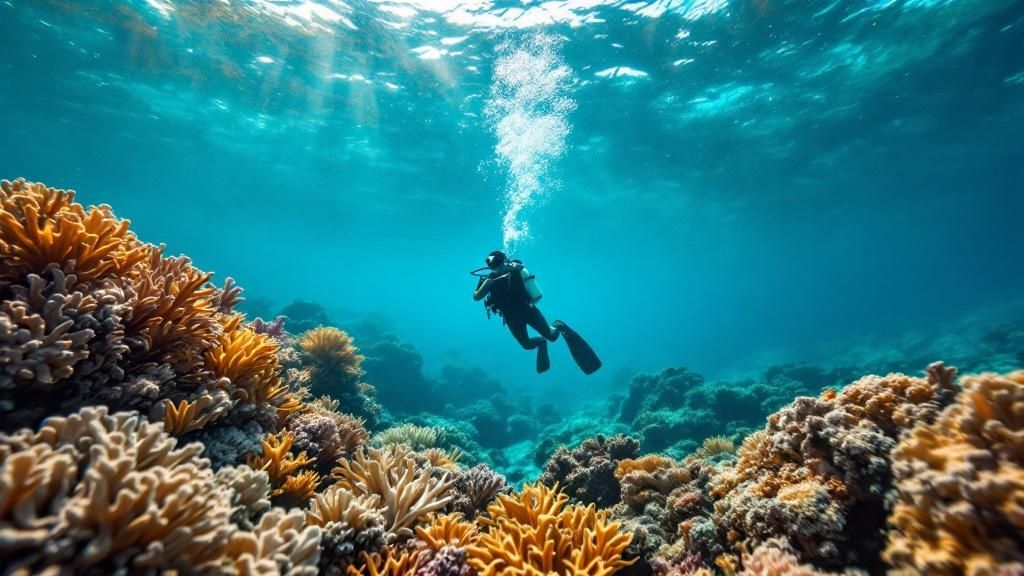
The Big Island of Hawaii isn't just another pretty spot in the tropics; it's a diver's paradise, forged right in the heart of the Pacific. Its volcanic origins and sheer remoteness have created an underwater world you just won't find anywhere else. Forget your standard reef dives—here, you're exploring ancient lava tubes, swimming through majestic arches, and peering into submerged volcanic craters.
This incredible geology is the perfect canvas for some of the most vibrant coral reefs you'll ever see. The calm, protected waters of the Kona coast are a huge plus, creating the ideal setup for corals to thrive and for divers to enjoy exceptional conditions almost any day of the year. This reliability is a big reason why diving Hawaii Big Island is a bucket-list trip for so many.
The Unique Underwater Topography
What really makes scuba diving Big Island Hawaii stand out is the unbelievable underwater terrain. You can see the island’s fiery past everywhere you look beneath the waves. On any given dive, you might explore:
- Lava Tubes and Caverns: These are natural underwater caves formed by old lava flows. They offer some seriously thrilling swim-throughs and a direct look into the island's geological heart.
- Arches and Pinnacles: The volcanic chaos left behind some stunning underwater architecture. Think massive arches and lonely pinnacles that jut up from the seafloor, acting as magnets for huge schools of fish.
- Craters and Ledges: Sunken craters and sharp drop-offs create all sorts of different habitats for marine life, from the tiniest critters hiding in crevices to big pelagic species cruising by.
This kind of variety means no two dives are ever the same. One day you’re navigating a dark, ancient lava tube, and the next you’re drifting effortlessly along a sun-drenched reef wall.
Unmatched Marine Biodiversity
Being so isolated out here in the middle of the Pacific has led to a crazy high number of endemic species—critters you literally cannot find anywhere else on Earth. In fact, over 20% of the reef fish in Hawaii are totally unique to these islands, which makes every single dive feel like a treasure hunt. If you're curious, you can dig deeper into what makes Big Island scuba diving so special in our detailed guide.
The island's volcanic past and isolation have created amazing Kona diving conditions that pull in divers from all over the world. The scuba Big Island experience isn't just about the fish you expect; it’s about bumping into endemic species you’ve never seen and having those big encounters with animals like tiger sharks and humpback whales. Plus, the water stays a comfortable 75-80°F (24-27°C) all year long, so there's never a bad time to jump in.
Of course, choosing the right guide is key to having a safe and incredible trip. The best Kona diving companies don't just know all the secret spots; they're deeply committed to protecting this fragile ecosystem. They make sure your adventure is both a thrill and a responsible one, helping to keep the magic of diving Big Island alive for years to come.
How Kona Became the Heart of Hawaii Diving
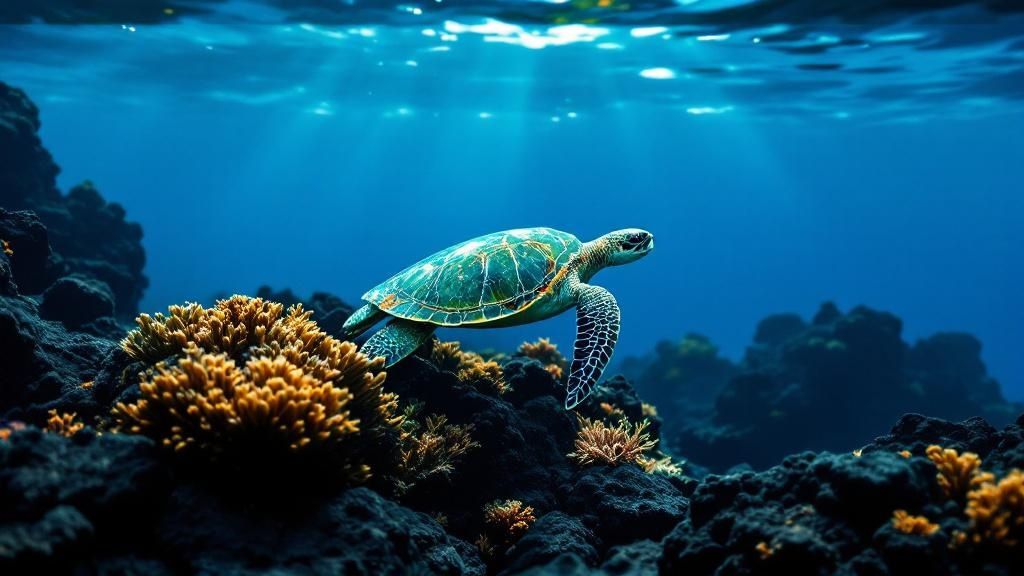
The Kona coast didn't just stumble into being the heart of Big Island diving. It's the result of a perfect storm of geography and a passionate community dedicated to sharing this underwater world. Picture the Big Island as a massive shield. The towering volcanoes of Mauna Kea and Mauna Loa act as a natural barrier, blocking the intense trade winds that whip across the rest of the islands. The result is the calm, protected leeward side we call Kona.
This geological gift gives us incredibly clear and tranquil waters all year long, creating a haven for marine life to thrive and for divers to explore. The conditions are so consistently good that diving Hawaii Big Island has become almost synonymous with the Kona coast. It’s this reliability that built Kona’s reputation from the ground up.
Of course, this idyllic setting was bound to attract a community of ocean lovers. They saw the potential for something truly special here—not just to open businesses, but to share the magic of this coastline with the world.
The Rise of Professionalism and Safety
From the very beginning, the pioneers of Kona diving knew that to build something that lasts, safety and professionalism had to be the top priority. This mindset created a culture where meticulous safety checks, top-notch gear, and expert-led tours became the standard, not the exception.
This commitment has helped turn the area into a global hub for scuba Big Island adventures. The proof is in the numbers. The island supports around 100,000 certified scuba dives every single year. This is made possible by a network of over 50 dive shops and charter operators who welcome more than 150,000 dive tourists annually. It’s a testament to a mature, well-respected industry. You can discover more about the scale of Big Island's diving industry and see how this benefits your dive trip.
Leading the way are Kona diving companies like Kona Honu Divers, which have become pillars of the local scene. They live and breathe this professional ethos, blending years of hands-on experience with a genuine love for the ocean. When you dive with a top-rated crew, you’re not just another customer; you're a guest being welcomed into their incredible underwater home.
A Deep Culture of Conservation
But what truly makes Kona special is the deeply ingrained culture of "mālama i ke kai"—caring for the ocean. The operators here aren't just running tours; they see themselves as guardians of a delicate ecosystem. It's not a marketing gimmick; it's a way of life that you can feel on every dive.
This commitment to conservation ensures that the vibrant reefs and unique lava formations you explore today will be just as breathtaking for future generations. It’s about sustainable tourism that gives back more than it takes.
You’ll see this philosophy in action every day:
- Strict Briefings: Before you hit the water, every tour includes a detailed briefing on responsible diving—how to maintain neutral buoyancy, look but don't touch, and respect the marine life.
- Mooring Buoy Usage: You won't see boats dropping anchors here. Operators use a system of established mooring buoys to prevent catastrophic damage to the fragile coral reefs below.
- Active Participation: Many dive pros are personally involved in conservation, from organizing reef cleanups to participating in citizen science projects that monitor the health of our local ocean life.
This dedication makes scuba diving Big Island Hawaii a more profound experience. You’re not just a spectator; you're an active participant in preserving this underwater paradise. When you choose a reputable operator, you're investing in the future of Hawaii's oceans. This shared sense of responsibility is what has cemented Kona’s place as a trusted, world-class destination for diving Big Island.
Ready to see it for yourself? Check out the available diving tours in Kona and let's get you in the water.
Experience the World-Famous Manta Ray Night Dive
When you talk to divers about the Big Island, one experience always comes up—a dive so unique it's on bucket lists worldwide. I'm talking about the Manta Ray Night Dive. It’s more than just a dive; it’s like watching an otherworldly ballet from the best seat in the house. Honestly, it's a must-do for any diving Big Island trip and an encounter you will carry with you forever.
The idea behind it is pure genius. After the sun goes down, dive boats head out and set up powerful, eco-friendly lights on the ocean floor. These lights act like a massive bug zapper for plankton, drawing in huge clouds of the tiny organisms that manta rays love to eat. And right on cue, the mantas arrive—these gentle giants with wingspans that can stretch over 12 feet—gliding in for their nightly buffet.
As a diver, your job is simple: settle onto the sandy bottom, aim your flashlight up, and just… watch. It’s a surreal feeling as these incredible creatures swoop, somersault, and barrel-roll just inches over your head, their huge mouths wide open. It’s a peaceful, profound, and utterly mind-blowing spectacle that really defines the magic of scuba diving Big Island.
The Science Behind the Spectacle
This amazing show isn't just a happy accident; it's a learned behavior. For decades, the local reef manta rays (Manta alfredi) have figured out that light means an easy, all-you-can-eat plankton buffet. This learned behavior has turned the Kona coast into one of the most reliable and spectacular places on the planet to see manta rays.
This is what makes Kona diving different. While other famous manta spots around the world focus on "cleaning stations," where mantas get parasites picked off, Kona offers the much more dynamic and breathtaking sight of them actively feeding. You might get lucky and see them during the day, but the night dive is where the real show happens.
Responsible Viewing Is Key
Joining this dive means we all share a responsibility to protect these magnificent animals. Any reputable Kona diving company you choose will be deeply committed to conservation and will follow strict rules to keep the mantas safe and stress-free.
When you choose a responsible operator, you're not just booking a dive; you're supporting the sustainable future of this unique marine encounter. The health of the mantas always comes first.
Before you even get in the water, your guide will give you a detailed briefing on "manta etiquette." The rules are straightforward but incredibly important:
- Observe, Don't Touch: This is the golden rule. Mantas have a protective mucus coating on their skin, and touching them can strip it away, leaving them vulnerable to infection.
- Stay on the Bottom: Divers are asked to stay put on the sand. This creates a predictable "stage" for the mantas, allowing them to glide and feed safely above you without risk of collision.
- No Chasing: Let the mantas come to you. Chasing or harassing them causes stress and can scare them away from their vital feeding area.
By following these simple guidelines, you help ensure this incredible experience is around for future generations to enjoy. And hey, if you aren't a certified diver, you don't have to miss out! Snorkelers can get in on the action, too, watching from the surface. You can learn more about that option in our guide to the manta ray night snorkel. No matter how you choose to see them, this encounter is the absolute pinnacle of diving Hawaii Big Island.
Discover More Premier Big Island Dive Sites
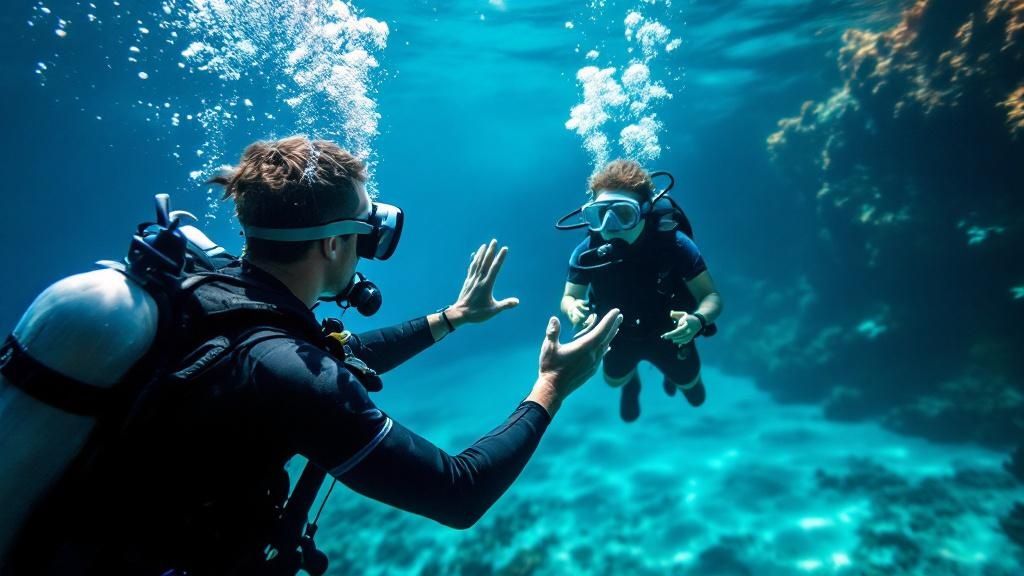
Look, the manta ray night dive is an absolute must-do, a true icon of Hawaii. But the adventure of Big Island diving goes so much deeper than that one incredible encounter. This entire volcanic coastline is packed with world-class sites, offering a little something for every kind of diver.
We're talking sun-drenched shallow reefs perfect for a lazy afternoon, but also deep, dark adventures that’ll get the heart of a seasoned explorer pounding. The variety here is just staggering. This is your guide to the other can't-miss spots that make scuba diving Big Island Hawaii so unforgettable, from the surreal Blackwater Dive to the dramatic lava formations that define advanced Kona diving.
The Ethereal Blackwater Dive
Picture this: you're drifting in the deep, inky-black ocean miles from shore, with thousands of feet of water right below your fins. This isn't some sci-fi movie scene—it's the legendary Kona Blackwater Dive. People call it an "underwater space walk," and honestly, that's the best way to describe one of the most unique dives on the entire planet.
On this dive, you’re tethered to the boat and descend into the open ocean at night. You're there to witness one of the largest migrations on Earth, as countless deep-water creatures rise toward the surface to feed. You’ll see things that look like they belong on another planet: bizarre larval fish, glowing squid, and all sorts of bioluminescent jellies. It’s a specialized dive for the more experienced, but the payoff is an unparalleled peek into a truly alien world.
Advanced Dives and Volcanic Formations
For divers with the right training and experience, diving Hawaii Big Island offers a chance to explore its raw, volcanic heart. The underwater landscape is just incredible, a playground of arches, collapsed craters, and ancient lava tubes carved out by mother nature. These sites often have stronger currents or deeper profiles, so they demand sharp buoyancy control and awareness.
Exploring these advanced sites is like venturing back in time to witness the island's fiery creation. The sheer scale and power of the underwater architecture are humbling and awe-inspiring.
These dives aren't just about the challenge; they're about the reward. You’ll find yourself navigating through massive underwater cathedrals, discovering critters hiding in deep crevices, and seeing scenes that very few people ever get to witness. The top Kona diving companies run specialized trips for certified divers ready to take on a bigger challenge on an advanced dive tour.
Vibrant Reefs and Gentle Drift Dives
Of course, not every dive needs to be an adrenaline rush. The scuba Big Island experience is just as much about its countless vibrant, healthy reef systems. Sites like Pu'uhonua O Honaunau (also known as Two Step) and Old Airport offer calm conditions, amazing visibility, and a pure explosion of color.
These are the spots where you can just relax and watch green sea turtles munching on algae, hunt for a shy octopus, or swim through massive schools of bright yellow tang. These daytime dives are where you'll really appreciate the incredible biodiversity of the Hawaiian islands and have the best chance to spot some of the endemic species found nowhere else on Earth.
Choosing which dive to do can be tough with so many great options. This table breaks down the most popular types of dives to help you pick the perfect adventure for your trip.
Choosing Your Big Island Diving Adventure
| Dive Type | Best For | What You'll See | Required Experience |
|---|---|---|---|
| Manta Ray Night Dive | Unique wildlife encounters, photography | Giant Manta Rays feeding on plankton, eels | Open Water Certified |
| Daytime Reef Dives | Beginners, photographers, marine life lovers | Turtles, colorful reef fish, coral gardens | All levels, including discovery |
| Blackwater Night Dive | Thrill-seekers, experienced divers | Bioluminescent creatures, larval fish, rare pelagics | Advanced Open Water |
| Advanced Lava Tubes | Explorers, unique topography seekers | Dramatic caves, arches, unique formations | Advanced Open Water |
Ultimately, whether you're floating with mantas, exploring lava tubes, or just cruising a colorful reef, you'll see why diving Big Island has something for absolutely everyone. To really dig into the specifics of what this island has to offer, check out our comprehensive guide to Big Island diving.
How to Plan Your Big Island Dive Trip
Figuring out the logistics for your Big Island scuba diving adventure is almost as fun as the trip itself. A little planning goes a long way, ensuring you’re set up for a smooth trip and ready for the magic waiting beneath the waves. This guide walks you through everything you need to know, from the best seasons to what gear to pack.
First things first: getting here. The vast majority of visitors fly into Kona International Airport (KOA), which is perfect because it puts you right on the west side of the island. This is the heart of the action for Kona diving, with the calmest conditions and the best selection of dive operators.
Choosing the Best Time to Visit
Honestly, one of the greatest things about diving Hawaii's Big Island is that you can't really go wrong. The water temperature is a beautiful 75°F to 80°F (24-27°C) all year, so any time is a good time to jump in. That said, certain seasons have their own unique draw.
- Summer (May – October): This is when you'll find the warmest water and the calmest, flattest seas. If you dream of glassy ocean conditions, this is your time. It’s absolutely fantastic for all divers.
- Winter (December – March): The water might be a few degrees cooler, but this is humpback whale season. There's nothing that can prepare you for hearing the haunting songs of these giants echoing through the water on your dive—it's a truly unforgettable experience.
- Shoulder Seasons (April-May & September-October): Many local divers consider these months the sweet spot. You get the best of both worlds: warm water, fantastic visibility, and noticeably fewer people than in the peak summer and winter months.
No matter when you decide to visit, it's always a good idea to book your dives in advance. The best tours fill up fast, especially the popular ones.
What to Pack for Your Dive Adventure
The classic dilemma: what to bring and what to rent? While you can get top-notch rental gear from most Kona diving companies, nothing beats the comfort and reliability of your own equipment.
Bringing your own mask, dive computer, and wetsuit can make a huge difference in your comfort and confidence underwater. A perfect fit with this gear is what really counts.
Here's a quick cheat sheet for your packing list:
- Must-Bring: Your certification card is non-negotiable! Also, pack your logbook, dive computer, and a mask that fits your face perfectly.
- Good to Bring: If you have them, your own regulators and a 3mm or 5mm wetsuit (depending on how easily you get chilled) are great to have.
- Easy to Rent: Heavy, bulky items like BCDs, tanks, and weights are a hassle to fly with. Just rent them here—it's affordable, easy, and saves you a headache (and baggage fees).
And don't forget your surface gear! You'll want reef-safe sunscreen, a hat, sunglasses, a reusable water bottle for staying hydrated, and a light jacket for those breezy evenings on the boat.
Finding Accommodations and Booking Tours
The Kona and Kohala coasts are loaded with places to stay, from sprawling luxury resorts to cozy, budget-friendly condos. If you can, find a place near Kailua-Kona or Keauhou. It makes those early morning treks to the harbor for your dive boat much less painful.
When it's time to book your dives, do a little research. Look for an operator with a stellar safety record and a real commitment to protecting our oceans. A great company provides more than just a boat ride; they offer professional guides, well-maintained vessels, and all the gear you need for an incredible day.
Ready to dive in? Don't wait to lock in your spot for an unforgettable scuba diving Big Island experience.
Frequently Asked Questions
Is there good diving on the Big Island?
Absolutely. "Good" is an understatement; it's world-class. The Big Island offers unique underwater landscapes shaped by volcanoes, such as lava tubes, craters, and arches, which you won't find elsewhere. The Kona coast provides exceptionally clear and calm waters year-round, making it a haven for diverse marine life, including a high percentage of species endemic to Hawaii. Add iconic experiences like the Manta Ray Night Dive, and you have a premier global diving destination.
What are the best months to scuba dive in Hawaii?
You can enjoy fantastic scuba diving in Hawaii year-round, thanks to water temperatures that stay between 75-80°F (24-27°C). However, different seasons offer unique advantages. Summer (May-October) brings the warmest water and calmest seas. Winter (December-March) is humpback whale season, and hearing their songs underwater is an unforgettable experience. The shoulder seasons (April-May & September-October) are often considered the sweet spot, with great conditions and fewer crowds.
Is Kona good for scuba diving?
Kona is the epicenter of scuba diving on the Big Island and arguably in all of Hawaii. Its location on the leeward side of the island's massive volcanoes protects it from trade winds, resulting in consistently calm, clear waters ideal for diving. This is where you'll find the most famous dive sites, including the Manta Ray Night Dive, and the best infrastructure of professional dive operators.
Is it better to snorkel or scuba dive in Hawaii?
It depends on the experience you want. Snorkeling is accessible and offers a great view of the shallow reefs. However, scuba diving allows you to become fully immersed in the underwater environment. With scuba, you can explore deeper, more complex volcanic formations like lava tubes and swim-throughs that are inaccessible to snorkelers. It allows for closer, more personal encounters with a wider variety of marine life and is necessary for signature experiences like the Blackwater Dive.
Which Hawaiian island is best for scuba diving?
While all the islands offer beautiful diving, the Big Island, specifically the Kona Coast, is widely regarded as the best for scuba diving. This is due to its superior water clarity, consistently calm conditions, and the most dramatic and unique underwater topography formed by volcanic activity. The sheer variety of dive sites, from vibrant reefs to advanced explorations, combined with iconic encounters like the manta ray night dive, sets the Big Island apart.
When to dive Kona?
Anytime! Kona offers spectacular diving 365 days a year. To pick the ideal time for your preferences: visit from May to October for the warmest, calmest water. Choose January through March if you want the chance to hear humpback whales during your dive. For a perfect balance of great weather and fewer people, plan your trip during the shoulder months, such as September and October.
Ready to book your Big Island scuba diving adventure? Look no further than Kona Honu Divers. With our experienced crew, custom-built dive boats, and unwavering commitment to safety and conservation, we provide an unmatched underwater experience. Explore all of our diving tours today!