
Imagine yourself dropping into crystal-clear, deep blue water. You’re surrounded by ancient volcanic tunnels and a dizzying swirl of colorful fish. This is what Big Island scuba diving is all about, and it’s an adventure that pulls in divers from all corners of the globe. The island's unique geology and vibrant underwater world make for a truly world-class experience.
Why Choose The Big Island For Scuba Diving
The Big Island isn’t just another pretty spot to go diving; it’s a destination literally sculpted by the raw power of volcanoes. The underwater landscape is a dramatic tapestry of lava tubes, submerged craters, and complex archways—a true playground for exploration that you just can't find anywhere else. This one-of-a-kind topography has created the perfect home for a staggering variety of marine life.
This special environment is what makes diving here so magnetic. The island’s leeward coast, especially around Kona, is naturally shielded from the heavy trade winds. What does that mean for you? Exceptionally calm, clear water year-round, with visibility that often stretches past 100 feet.
Before we dive deeper, here's a quick look at what sets the Big Island apart.
Why the Big Island is a Top Dive Destination
| Feature | Why It's Special | Best For |
|---|---|---|
| Volcanic Topography | Lava tubes, arches, and craters create a unique underwater playground unlike anywhere else. | Explorers, underwater photographers, and adventurous divers. |
| Sheltered Kona Coast | The leeward side of the island blocks trade winds, resulting in calm, clear conditions. | Divers of all skill levels, especially beginners and those prone to seasickness. |
| Rich Marine Biodiversity | Home to manta rays, turtles, dolphins, and endemic species found only in Hawaii. | Wildlife lovers and anyone hoping for "big animal" encounters. |
| World-Famous Dives | The Manta Ray Night Dive and Blackwater Dives are bucket-list experiences. | Divers seeking truly unique and memorable adventures. |
These key elements combine to create a diving destination that really delivers on its promises.
A World-Class Diving Hub
The island’s reputation as a premier diving location is definitely well-earned. The local dive scene started humbly back in the 1970s and has since grown into a sophisticated community built on safety, conservation, and pure adventure. With over 50 dive shops and charters operating today, there’s an option for every diver, no matter their skill level.
The Big Island is a true diver's paradise. It offers an incredible variety of underwater experiences. From the world-famous Manta Ray Night Dive to exploring hidden lava tubes, there’s an adventure waiting for everyone.
The growth has been incredible. The island now hosts an estimated 100,000 certified dives every year. This boom is a huge credit to the pioneers who established the first professional dive operations and built the island's reputation for quality. This long history means you’re getting guidance from seasoned pros who know these waters like the back of their hand. If you're curious, you can learn more about the history and growth of diving on the Big Island and see why it's a globally recognized destination.
What Makes It Special
So, what’s the big deal? It’s not just one thing, but a whole combination of factors that make the Big Island a perfect storm for incredible diving:
- Diverse Marine Life: You can run into everything from graceful manta rays and playful spinner dolphins to Hawaiian green sea turtles and countless species of colorful reef fish.
- Unique Underwater Geology: Where else can you explore otherworldly landscapes formed by volcanoes? We're talking caves, massive caverns, and swim-throughs that feel like another planet.
- Exceptional Conditions: Consistently clear and calm water, especially along the Kona coast, makes it a dream for both first-timers and seasoned underwater photographers.
- Iconic Dives: This is home to world-renowned dives like the Manta Ray Night Dive and the mysterious Kona Blackwater Dive—true bucket-list material for serious divers.
When you choose to dive here, you’re stepping into a vibrant, living ecosystem. Whether you’re looking to get certified or are hunting for more advanced challenges, the Big Island offers an underwater journey you won't forget. It's this mix of stunning natural beauty and a solid, experienced dive community that makes it an easy choice for your next adventure.
Exploring the Kona Coast Dive Scene
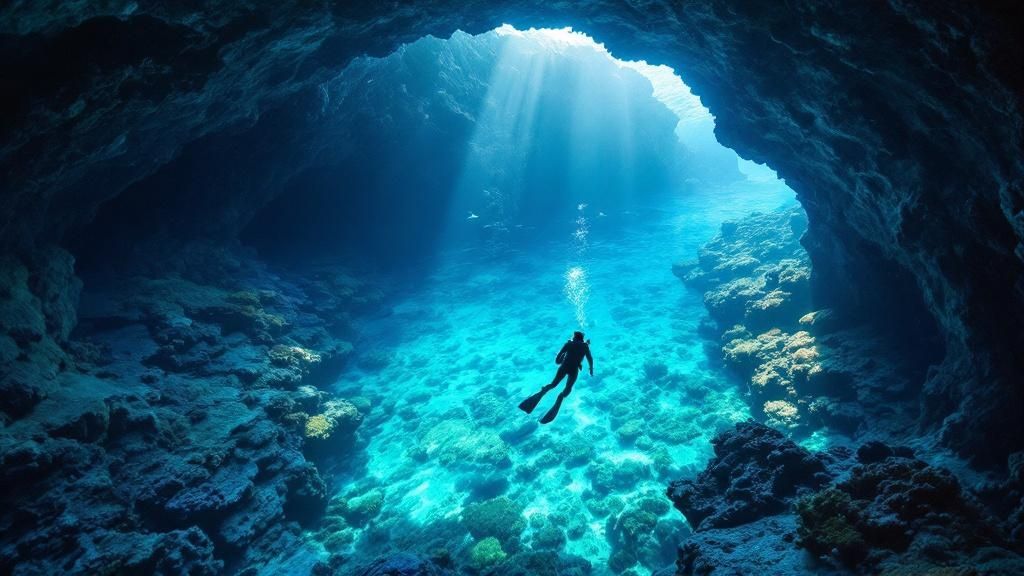
If the Big Island is the main stage for Hawaiian diving, then the Kona coast is its dazzling, sunlit spotlight. This western shoreline is the heart and soul of Big Island scuba diving, and for good reason. It all comes down to geography; the massive volcanoes of Mauna Loa and Hualālai act like giant bodyguards, shielding the coast from the powerful trade winds that batter other parts of the island.
This natural protection creates a diver's paradise. The water here is consistently calm and stunningly clear. On a good day, visibility can easily push past 100 feet, making the ocean feel more like a giant, crystal-clear swimming pool. These near-perfect conditions make exploring Kona's underwater world an absolute blast for divers of any experience level.
A Landscape Forged by Fire
Diving in Kona is like swimming through a history book of Earth's raw power. The underwater world you'll explore is the direct result of ancient lava flows that poured into the sea, cooling rapidly into a breathtaking underwater architecture. You won’t find just simple, flat reefs here. Oh no. You'll discover a maze of dramatic structures.
Imagine gliding through a massive lava tube, a natural tunnel carved by flowing magma, with shafts of sunlight piercing the darkness from openings above. We call these formations "cathedrals" for a reason—the experience is almost spiritual. The volcanic activity has also sculpted:
- Intricate Arches: Perfect swim-throughs that frame the deep blue water beyond.
- Hidden Caverns: Small caves and ledges where nocturnal critters love to hide out during the day.
- Complex Reefs: The volcanic rock provides the perfect foundation for coral to take hold, creating thriving, multi-layered homes for all sorts of marine life.
This dynamic terrain means every single dive is a true exploration. It's a world away from the usual sandy bottoms or uniform coral gardens, offering endless nooks and crannies to investigate.
Life in the Volcanic Gardens
And where there's structure, there's life. The complex volcanic formations of the Kona coast provide the perfect shelter and breeding ground for an incredible density of marine animals. A dive here is an explosion of color and movement. You’ll see schools of bright yellow tangs drifting over the reef, while shy octopuses cleverly camouflage themselves against the volcanic rock.
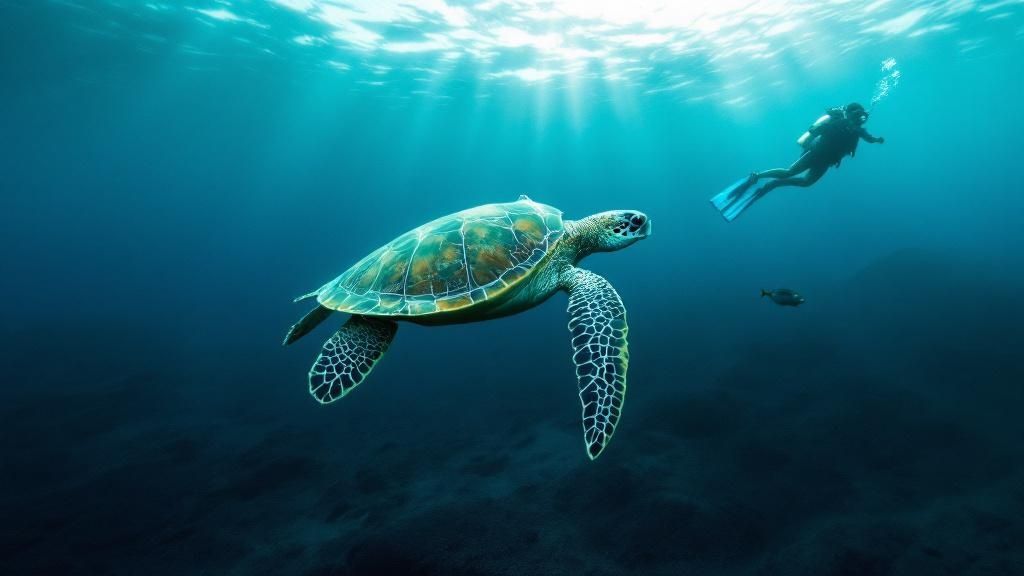
The area is famous for its healthy population of Hawaiian green sea turtles, or "honu," which you'll often spot munching on algae or just peacefully resting on the reef. It’s this mix of pristine conditions, unique topography, and tons of wildlife that has cemented Kona’s reputation as a world-class destination. While boat dives are the classic way to see it all, there's some amazing diving right from the shore, too. You can learn more about the best shore diving sites in Kona, Hawaii in our dedicated guide.
Kona's underwater world feels alive and is always changing. One moment you're navigating a lava tube, and the next you're face-to-face with a curious turtle. It's this variety that keeps us divers coming back for more.
For anyone eager to jump in and see this vibrant scene for themselves, guided diving tours are hands-down the best way to safely explore the top spots. With an expert leading the way, you can just relax and soak in the pure wonder of the dive.
Iconic Night Dives: Manta Rays and Blackwater Adventures
When the sun finally dips below the horizon, the real magic of Big Island scuba diving comes alive. Sure, the daytime dives here are incredible, but the island’s most legendary underwater experiences happen well after dark. These are true bucket-list adventures, drawing divers from every corner of the globe for encounters you simply won't find anywhere else on the planet.
For most of the world, night is when the ocean quiets down. In Kona, it’s showtime. Two dives, in particular, define the after-dark scene: the world-famous Manta Ray Night Dive and the hauntingly mysterious Kona Blackwater Dive. Each one offers a completely different, yet equally mind-blowing, glimpse into the Pacific's hidden wonders.
The Underwater Ballet of the Manta Ray Night Dive
Picture this: you're kneeling on the sandy ocean floor in the gentle darkness, your dive light aimed straight up. Out of the gloom, a colossal, graceful shadow emerges, a creature with a wingspan of 12 feet or more. This is the Manta Ray Night Dive, and it feels less like a dive and more like stepping into another reality.
This isn't just a quick flyby; it's a full-on underwater performance. The whole operation works on a brilliantly simple idea we call the "manta campfire." Divers and snorkelers gather together, pointing their lights up to create a massive beacon that attracts clouds of plankton. The manta rays, being filter-feeders, can't resist this all-you-can-eat buffet.
What happens next is nothing short of an acrobatic spectacle. The mantas swoop, glide, and perform effortless barrel rolls, passing just inches from your head as they funnel plankton into their giant mouths. It's a peaceful, mesmerizing, and deeply moving encounter with one of the ocean's most majestic animals.
The Manta Ray Night Dive is consistently ranked among the best night dives in the world. It’s an interactive, non-invasive way to see these gentle giants in their natural feeding habitat, forging a connection that stays with you forever.
Don't worry—manta rays are completely harmless to people and don't have the stingers their ray cousins do. This dive gives you a front-row seat to their world in a safe, controlled way. If you’re ready for an experience you'll never forget, you can learn all about the Manta Ray Dive in Kona and see what makes it so special.
Plunging into the Abyss: The Kona Blackwater Dive
If the manta dive is an underwater ballet, then the Kona Blackwater Dive is a trip to another dimension. Let's be clear: this is not a reef dive. You'll be suspended in thousands of feet of open ocean, tethered to the boat for safety. It’s a dive for the truly adventurous and deeply curious.
Every night, the largest animal migration on Earth happens as countless tiny, bizarre, and often bioluminescent creatures rise from the abyss to feed near the surface. The Blackwater Dive drops you right into the middle of this vertical parade. Floating in the inky blackness, you'll come face-to-face with life forms that look like they were dreamed up for a sci-fi movie.
What might you see on a Blackwater Dive?
- Larval Creatures: See the juvenile stages of animals like eels and lobsters, which look nothing like their adult forms.
- Bioluminescent Jellies: Witness pulsating, glowing organisms that create their own light shows in the deep.
- Pelagic Cephalopods: Encounter tiny, see-through squids and octopuses hunting in the darkness.
This dive is a macro-photographer's dream and a marine biologist's fantasy. It’s a rare chance to see a hidden world, showcasing the immense and mysterious biodiversity of the deep ocean. For any diver seeking a unique thrill that pushes the boundaries, this is a once-in-a-lifetime experience that will completely change how you see the ocean.
When to Plan Your Big Island Dive Trip
One of the best parts of planning a dive trip to the Big Island is figuring out when to go. The great news? There's really no bad time, especially when you stick to the sheltered Kona coast. That said, the experience can change a lot from one season to the next, so your "best" time depends entirely on what you want to see and feel underwater.
Are you dreaming of those days with glassy, calm seas and visibility that seems to go on forever? Perfect for photography. Or maybe the idea of hearing the haunting songs of humpback whales echoing through the water is what gets your heart pumping. Each season has its own unique magic.
Summer Diving: The Season of Calm and Clarity
From June through August, the Big Island settles into its prime season for clear, calm conditions. The ocean along the Kona coast often feels less like the open Pacific and more like a giant, tranquil swimming pool. The trade winds usually take a break, leaving the surface incredibly flat and inviting.
For underwater photographers, this is paradise. Visibility can easily soar past 100 feet, making the vibrant reef colors and intricate lava formations really pop. The calm seas also mean super relaxed boat rides, a massive bonus if you're prone to seasickness or just getting your fins wet in the world of diving. If your perfect trip is all about peaceful exploration and soaking up the sun between dives, you can't beat summer.
Winter Diving: Whalesong and Wilder Waters
Winter, which runs from about December to April, brings a whole different kind of energy to Big Island diving: humpback whales. This is when they arrive in Hawaii to breed and give birth, and their presence is nothing short of awe-inspiring. While actually seeing one on a dive is incredibly rare and takes a ton of luck, hearing them is a common and unforgettable experience.
Imagine descending onto a reef and feeling the deep, resonant vibrations of their songs in your chest—it’s a moment that truly defines "magical."
Of course, this incredible wildlife show comes with a trade-off. Winter can bring bigger ocean swells, especially on the north and east sides of the island. While the Kona coast usually stays pretty protected, conditions can be a bit more dynamic. You can learn more about how seasonal changes affect diving on the Big Island to get a better feel for the conditions.
To help you decide, here’s a quick breakdown of what you can expect throughout the year.
Big Island Diving Seasons Compared
| Season | Water Temperature | Visibility | Key Marine Life Sightings |
|---|---|---|---|
| Summer (Jun-Aug) | 78-82°F (25-28°C) | Excellent, often 100+ ft | Tiger Sharks, Calm Reef Life, Manta Rays |
| Fall (Sep-Nov) | 79-81°F (26-27°C) | Good, 80-100 ft | Manta Ray activity often peaks, Pilot Whales |
| Winter (Dec-Apr) | 75-78°F (24-26°C) | Variable, 60-90 ft | Humpback Whale songs, Hammerhead Sharks |
| Spring (May-Jun) | 76-79°F (24-26°C) | Good to Excellent, 80-100+ ft | Reef sharks, Turtle nesting season begins |
No matter when you visit, the water temperature stays comfortable, hovering between the mid-70s and low-80s Fahrenheit. Ultimately, whether you choose the calm clarity of summer or the powerful songs of winter, the Big Island is ready to deliver an incredible dive.
Dive Training and Advanced Opportunities
It doesn't matter if you've never breathed through a regulator or if you have hundreds of dives under your belt—the Big Island has something for you. The calm, clear waters of the Kona coast are basically a perfect natural classroom, making this one of the best places on the planet to up your diving game. The path from new diver to seasoned pro is packed with incredible rewards here.
For a lot of people, the whole adventure starts with getting certified. The idea of learning to dive can feel a little intimidating, but the quality of instruction you'll find in Kona makes it an exciting and totally achievable goal. It’s all about building confidence one skill at a time, in a place that feels both safe and absolutely spectacular.
Becoming a Certified Diver in Paradise
Forget learning to dive in a cold, murky quarry. Imagine your first open water training dives happening over vibrant coral reefs teeming with life. That's the reality of getting your Big Island scuba diving certification. The whole experience is elevated, turning what could be routine training drills into genuine underwater exploration from your very first day.
The best dive shops here offer a full lineup of PADI (Professional Association of Diving Instructors) courses. These certifications are your ticket to dive anywhere in the world, and they’re recognized everywhere. The journey usually kicks off with one of these:
- Discover Scuba Diving: A one-day taste of diving for total beginners, all under the watchful eye of a professional.
- PADI Open Water Diver: This is the big one—the foundational course that certifies you to dive with a buddy, no instructor needed.
- PADI Advanced Open Water Diver: Ready for more? This course builds on your skills, introducing you to new adventures like deep diving and underwater navigation.
The warm water and amazing visibility really help new divers relax and focus. It’s so much easier to master essential skills like buoyancy control when you’re not fighting the cold or struggling to see. If you're ready to take the plunge, you can check out everything involved in a Kona scuba certification course and get started.
Pushing Your Limits with Advanced Diving
For those of you who are already certified, the Big Island is a massive playground just waiting to be explored. Once you’ve got the basics dialed in, a whole new world of thrilling challenges opens up. The island’s volcanic past has created some mind-blowing underwater structures that are perfect for honing your advanced skills. This is where you get to test your abilities and see parts of the reef that most divers miss.
These advanced opportunities aren't just about dropping deeper; they're about diving smarter and with more purpose. They demand precision, spot-on buoyancy, and a solid understanding of the underwater environment.
"The real adventure begins when you move beyond the standard reef tour. Navigating an ancient lava tube or exploring a deep pinnacle is an experience that challenges you and rewards you with sights that are simply unforgettable."
Exploring these kinds of sites with a trusted guide is non-negotiable. Kona Honu Divers has built a fantastic reputation for running safe and seriously exciting trips for experienced divers.
An advanced dive tour is designed specifically for divers who are ready for a challenge. These trips often head to more remote sites with incredible features:
- Lava Tube Navigation: There’s nothing like gliding through immense underwater tunnels as sunlight streams in from above.
- Deep Reef Exploration: You’ll descend to underwater pinnacles and ledges where entirely different communities of marine life hang out.
- Complex Swim-Throughs: Master the fine-tuned buoyancy and finning needed to gracefully navigate intricate archways and caverns.
These dives are so much more than sightseeing. They are an active, engaging experience with a powerful, dynamic environment. They build serious confidence and give you a much deeper appreciation for the raw, volcanic beauty that makes diving on the Big Island so unique.
Your Big Island Scuba Diving Questions, Answered
Every great dive trip starts with a bit of planning, and planning always brings up questions. We get it. To help you get ready for an unforgettable underwater adventure, we’ve pulled together answers to the most common things people ask us about Big Island scuba diving. Our goal is to make sure you feel totally prepared and genuinely excited for what’s waiting in Kona’s amazing waters.
From figuring out the best season to what gear you should stuff in your bag, this is the essential info you need for a fantastic and safe trip.
What Is the Best Time of Year for Scuba Diving on the Big Island?
Honestly, it depends on what you’re looking for. Summer, from about June to August, is when we get those glassy, calm seas and incredible visibility, often pushing past 100 feet. If you're into underwater photography or just starting your dive journey, this is prime time.
Then there's winter, from December through April. This is humpback whale season, and while seeing one on a dive is the ultimate lottery ticket, hearing their songs echo through the reef is a common and truly mind-blowing experience. Winter can bring bigger swells, but the Kona coast stays remarkably sheltered, so the diving is still fantastic.
The real secret? There’s no "bad" time for Big Island scuba diving. The Kona coast is diveable year-round. Spring and fall are sweet spots, offering a perfect mix of great weather, fewer people, and amazing encounters with marine life.
Do I Need to Be an Experienced Diver to Dive in Kona?
Not at all! The Big Island, and the Kona side in particular, is one of the best places on the planet for divers of every skill level. We have tons of calm, shallow reef sites that are absolutely perfect for your first breaths underwater or for newly certified divers.
If you're curious about scuba but haven't taken the plunge yet, fantastic local shops like Kona Honu Divers offer the full spectrum of PADI courses. You can dip your toes in with a Discover Scuba Diving experience or go all-in for your Open Water Diver certification.
For those of you with a few more dives under your weight belt, Kona has plenty to challenge you. We're talking deep pinnacles, winding lava tubes, and of course, the world-renowned Kona Blackwater Dive. An advanced dive tour is the best way to get out to these more demanding spots with guides who know them inside and out.
What Kind of Marine Life Can I Expect to See?
The sheer amount of life packed onto our reefs is spectacular. On just about any dive, you’ve got a great shot at seeing some of Hawaii’s most famous underwater residents.
Here’s a little taste of what’s out there:
- Hawaiian Green Sea Turtles (Honu): You'll see these gentle giants everywhere. They’re often just chilling on the reef or cruising by gracefully.
- Spinner Dolphins: We see them from the boat all the time, and if you get really lucky, you might even have an underwater fly-by.
- Reef Fish: The reefs are buzzing with color from huge schools of yellow tangs, parrotfish, butterflyfish, and Moorish idols.
- Unique Critters: Keep your eyes peeled for moray eels peeking out of holes, camouflaged octopuses, and the odd-looking but very cool frogfish.
Of course, the legendary Manta Ray Night Dive gives you a guaranteed front-row seat to see majestic mantas. And for a truly unique thrill, the Kona Blackwater Dive reveals the bizarre and beautiful bioluminescent creatures that rise from the abyss after dark.
What Should I Pack for a Big Island Diving Trip?
Packing the right stuff can make all the difference between a good trip and a great one. While you can always rent a full kit, most divers find that bringing a few personal items makes everything more comfortable.
Here’s what we suggest throwing in your bag:
- The Non-Negotiables: Your certification card and logbook. You won't get on the boat without them!
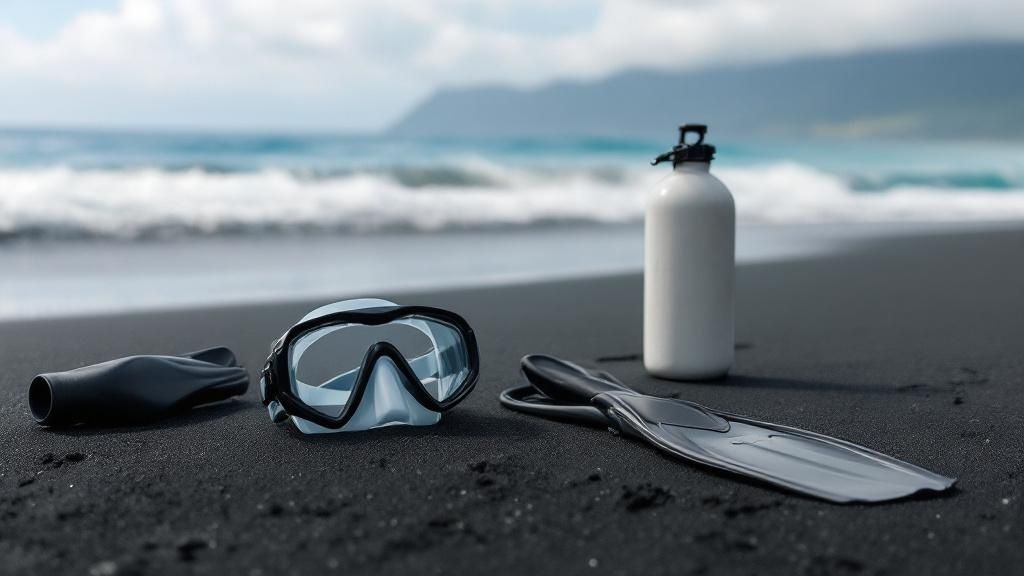
- Personal Gear: A mask that actually fits your face is a game-changer—no more constant leaking. A dive computer is another must-have for safety and logging your dives.
- Exposure Protection: The water here stays in that perfect range of mid-70s to low-80s Fahrenheit. A 3mm to 5mm wetsuit is usually just right.
- Surface Comfort: Reef-safe sunscreen is critical, both for your skin and for our coral. Also, toss in a reusable water bottle, a light windbreaker for the boat rides, and some motion sickness meds if you're prone to it.
Having these basics covered means you’ll be ready to fully enjoy all the incredible diving tours the Big Island has waiting for you.