
Picture this: you’re descending into brilliant turquoise water, light filtering down through the surface. Below you, ancient lava tubes form stunning underwater cathedrals, and vibrant coral gardens pulse with life. This isn't a dream; it’s the everyday reality of Big Island scuba diving, an experience that easily ranks among the world's best. The island's one-of-a-kind volcanic topography and mind-blowing biodiversity make every single dive a brand new adventure.
Why The Big Island Is A Diver's Paradise
The Big Island of Hawaii isn't just another pretty tropical spot; it's a world-class hub for underwater exploration. What really makes diving here special is its unique geology. The Kona coast is nestled in the shadow of the massive volcanoes, Mauna Loa and Mauna Kea, which shield it from the powerful trade winds. This creates exceptionally calm and clear water all year long.
This natural protection means visibility often stretches beyond 100 feet, giving you breathtaking, high-definition views of the world below. It's like swimming in an aquarium.
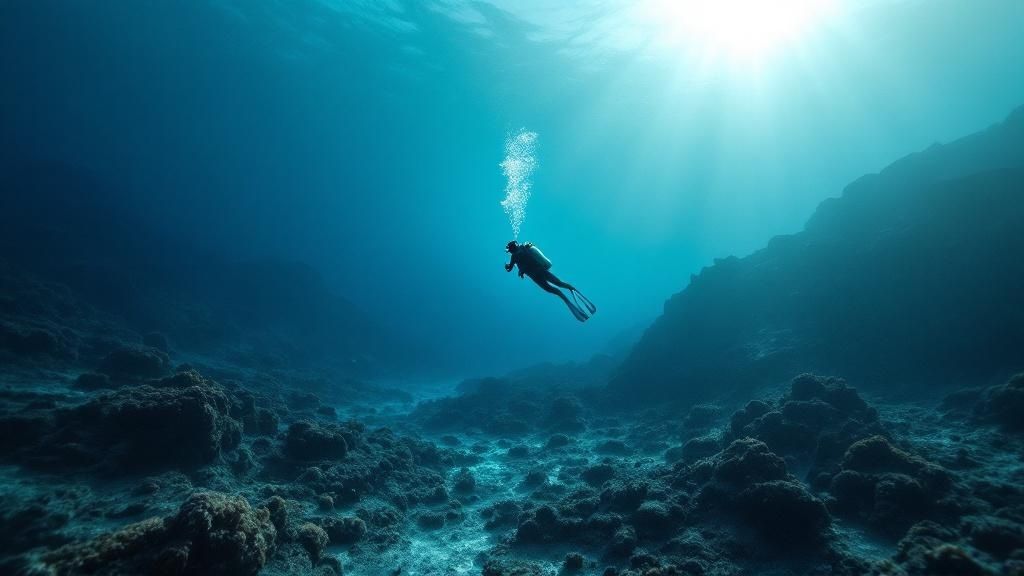
This calm, clear environment has allowed a spectacular marine ecosystem to flourish. Diving in Kona means sharing the water with an incredible cast of characters.
- Honu (Green Sea Turtles): You’re almost guaranteed to see these graceful reptiles. They’re often found resting on the reef or gliding effortlessly through the blue.
- Spinner Dolphins: It's a common and joyful sight to see pods of these acrobatic mammals playing in the bow waves of our dive boats.
- Endemic Fish Species: A huge portion of the fish you'll encounter here are found nowhere else on Earth. Every reef is a living, breathing gallery of evolution.
From Pioneering Days To A Global Hotspot
The island's stellar reputation as a top-tier diving location has a rich history. Over the decades, it has blossomed into a global hotspot, now hosting around 100,000 certified dives every single year.
This growth was built on the passion of early pioneers in the 1960s and '70s. They laid the groundwork for the vibrant dive culture we have today, which now supports over 50 dive shops and welcomes more than 150,000 dive tourists annually.
For a safe, unforgettable experience, choosing the right guide is everything. Kona Honu Divers stands out for our commitment to safety, excellence, and sharing the underwater magic of Kona. Our experienced team knows these waters like the back of our hands, and we can't wait to show you why we love it so much.
Exploring the Top Kona Coast Dive Sites

The Kona coast is a diver's paradise, a rugged coastline literally carved by ancient volcanic fire and now absolutely teeming with life. Every single dive site here tells a different story, which is what makes scuba diving Big Island Hawaii an adventure you'll want to repeat again and again. The underwater landscape is a direct result of ancient lava flows that have cooled into a spectacular playground of arches, caves, and vibrant reefs.
What really sets Kona diving apart is the consistently calm, clear water. You can thank the massive volcanoes for that—they shield this side of the island from the whipping trade winds. This natural protection gives us incredible visibility, often soaring past 100 feet, and has allowed a rich, diverse ecosystem to flourish. It’s a win-win, allowing brand-new divers and seasoned pros to find sites that perfectly match their skill level and thirst for adventure.
When you head out with experienced Kona diving companies, you’re not just going for a swim. You’re getting a guided tour through a living, breathing museum. Each spot offers a unique mix of topography and marine life, from sprawling coral gardens to dramatic underwater canyons. This is the real heart of what makes Big Island diving a world-class destination.
Dive Sites for Every Skill Level
One of the best things about diving Hawaii Big Island is the sheer variety of amazing sites just a short boat ride away. Let's look at a couple of our favorites that show just how diverse the underwater world is here.
Crescent Beach (Honokohau): This spot is one of our go-tos for first-time divers or anyone needing a refresher. It's a gentle introduction to Kona's magic, with a sandy bottom that slopes from about 20 to 60 feet. The reef is dotted with coral heads where all sorts of cool creatures hide out—you're almost guaranteed to spot moray eels, octopus, and tons of colorful reef fish.
Golden Arches: If you want a perfect example of how volcanoes shaped the diving Big Island scene, this is it. The site features a jaw-dropping lava archway coated in golden-hued corals, creating a swim-through that’s made for photos. The surrounding reef is a hotspot for finding well-camouflaged frogfish, scorpionfish, and the occasional whitetip reef shark chilling on the sandy floor.
Exploring these sites isn't just about what you see; it's about experiencing the unique personality of each location. The way light filters through a lava tube or how a current gently guides you along a reef wall makes every dive distinct and memorable.
Marine Life Encounters
While the underwater landscapes will take your breath away, it's the local residents that truly bring these sites to life. Scuba Big Island introduces you to a cast of marine characters that will leave you totally in awe.
Here’s just a glimpse of who you might run into:
- Spinner Dolphins: It's super common to see pods of these acrobatic dolphins from the boat. If you get really lucky, you'll hear their clicks and whistles underwater—an unforgettable sound.
- Green Sea Turtles (Honu): Seeing a honu is a classic Hawaii moment, and you're almost certain to meet these graceful reptiles. They can be found cruising over the reef or tucked under ledges for a peaceful nap.
- Endemic Species: A huge number of the fish here are found nowhere else on Earth. Keep your eyes peeled for the milletseed butterflyfish, the vibrant Potter's angelfish, and the busy Hawaiian cleaner wrasse.
These incredible sites and the marine life that call them home are what make scuba diving Big Island an experience you'll never forget. Whether you're navigating an ancient lava formation or just floating by as a turtle glides past, the Kona coast delivers every single time. Ready to see it for yourself? Check out our range of diving tours and find your perfect underwater adventure.
Witness the Magic of the Manta Ray Night Dive

Few experiences in the underwater world can truly be called awe-inspiring, but the Kona Manta Ray Night Dive is one of them. This world-renowned spectacle is a cornerstone of Big Island scuba diving and something every ocean lover should have on their bucket list. It’s a surreal, silent performance that unfolds in the dark waters just off our coast.
The idea behind it is brilliantly simple. After the sun goes down, we head to a special spot on the sandy ocean floor. Divers settle in, form a semi-circle, and point powerful dive lights up toward the surface. These beams act like giant magnets for plankton, the microscopic critters that form the base of the ocean's food chain.
This all-you-can-eat plankton buffet is an irresistible invitation for the area's resident reef manta rays. What happens next is a silent, graceful ballet. These gentle giants, some with wingspans over 12 feet, swoop and glide through the light beams, performing effortless barrel rolls as they filter-feed. Sitting on the seafloor, you have a front-row seat to one of nature's most incredible shows.
Why Kona Is the Manta Ray Capital
Kona isn't just a good spot to see mantas; it's hands-down the most reliable place on the planet for this specific encounter. The local manta ray population doesn't migrate—they live here year-round. Over decades, they've learned to associate the lights from dive boats with an easy meal.
This special relationship makes diving Hawaii Big Island a must-do, especially if you love marine megafauna. For anyone wanting to dive with a Kona Manta Ray, the experience here is consistently breathtaking. Divers on these tours report seeing an average of 15 manta rays per trip, which shows just how healthy and dependable our local population is.
Options for Divers and Snorkelers
One of the best parts about this adventure is that you don't have to be a certified diver to see the magic. Everyone can join in.
- Scuba Divers: You get the ultimate view from the ocean floor, looking up as mantas glide just inches above your head. It’s the most immersive way to experience the ballet. Book a manta ray dive tour for the ultimate experience.
- Snorkelers: You'll float comfortably on the surface, holding onto a custom light board. The lights shine down, drawing the mantas right up to you for a spectacular top-down perspective.
Both options offer an unforgettable encounter. Here at Kona Honu Divers, we run professional, safe, and eco-conscious tours for both divers and snorkelers. The well-being of these majestic animals is always our top priority. For a closer look at the non-diver experience, check out our guide to the Big Island Manta Ray Night Snorkel.
Advanced Diving for Thrill-Seeking Divers
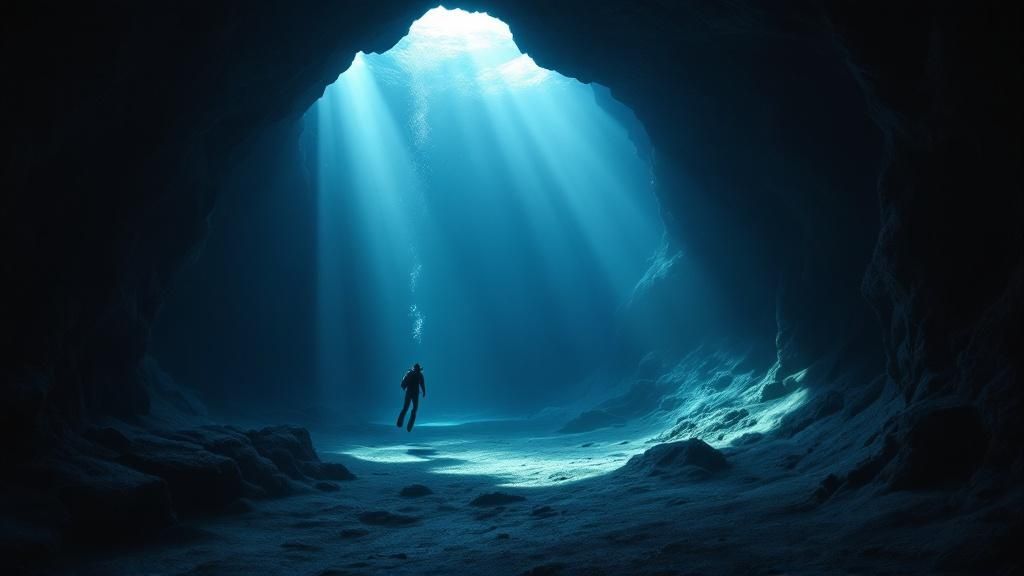
For those of you who are already certified and have a real taste for adventure, the thrill of Big Island scuba diving goes way beyond the sunlit reefs. Once you've got the basics down, a whole new world of exciting, more technical dives opens up. These are the kinds of experiences that push the boundaries of underwater exploration and show you what diving Hawaii Big Island is truly all about.
These advanced dives aren't for beginners; they're designed for divers who are confident in the water and hungry to see something genuinely rare. We're talking about deeper water, gentle currents, and the profound, inky darkness of the open ocean at night. This is precisely why choosing from the best Kona diving companies is so critical—having expert guides you trust is the key to both your safety and your enjoyment.
The Legendary Kona Blackwater Dive
Of all the advanced dives we offer, one stands out as a completely unique and mind-bending experience: the Kona Blackwater Dive. Just picture it: you're drifting in the dead of night, suspended over thousands of feet of pitch-black water. You're not exploring a reef. Instead, you're witnessing one of the planet's largest migrations—the nightly vertical journey of deep-sea creatures coming toward the surface to feed.
Your dive lights won't be illuminating coral and parrotfish. Here, they catch the light of bizarre and beautiful bioluminescent organisms that look like they're from another planet entirely. You'll see tiny, jewel-like squid, otherworldly larval fish, and shimmering, chain-like siphonophores. It's a psychedelic, pelagic safari that makes for an unforgettable night of scuba diving Big Island.
This dive is a world apart from anything else. It demands excellent buoyancy control and a calm, steady presence in the water. It’s your chance to see life forms that most marine biologists only ever get to see in sample jars. To witness this incredible spectacle for yourself, you can book a specialized Kona Blackwater Dive tour.
Exploring Lava Tubes and Drift Dives
Beyond the blackwater experience, advanced Kona diving has plenty of other incredible challenges up its sleeve. The same volcanic forces that forged the island also created a stunning network of underwater lava tubes and caverns. For a skilled diver, navigating these ancient formations is an exhilarating test of skill.
With one of our guides leading the way, you can safely explore these dark, cathedral-like spaces. You'll see light filtering in through cracks in the ceiling, creating a breathtaking visual effect. These spots are often home to unique creatures that prefer the shadows, like elusive crustaceans and even resting sharks.
Another favorite advanced dive is the drift dive. It's an amazing feeling. Instead of fighting the current, you just relax and let it gently carry you along the reef. You cover a ton of ground effortlessly, feeling like you're flying over the underwater landscape. It does require specific skills to manage your position and stick with the group, making it a really rewarding dive for confident divers.
For those ready to take their skills to the next level, Kona Honu Divers offers specialized charters. These trips are designed to explore more challenging sites that offer bigger rewards, ensuring an exciting and safe adventure for experienced divers.
These more demanding experiences are what make scuba Big Island a destination you can return to again and again, always finding a new challenge waiting for you. If you're ready for more experienced diving opportunities, our premium advanced dive trips are designed just for you.
How to Plan Your Perfect Dive Trip
Turning your dream of scuba diving Big Island Hawaii into a reality is way easier than you might think. Honestly, with just a little bit of smart planning, you can make sure your trip is unforgettable for all the right reasons. The whole key is just breaking down the logistics into manageable chunks, from figuring out the best season to deciding what to throw in your bag.
The first big decision is always when to come. The amazing news is that Big Island diving is fantastic all year long, but each season brings its own flavor to the experience. Your best bet is to decide what matters most to you: are you chasing the warmest water, the calmest seas, or do you have your heart set on a specific marine life encounter?
This incredible consistency is what makes the Big Island a diver's paradise. Unlike so many other spots with strict "on" and "off" seasons, the Kona coast is naturally protected, serving up reliable conditions pretty much any day you want to get in the water. That's why it's a top-tier destination for diving Hawaii Big Island.
Timing Your Adventure
While the Big Island’s dive conditions are famously stable, there are some subtle differences between the seasons. Getting a handle on these can help you lock in the perfect time for your trip.
- Summer (May – September): A lot of divers consider this the prime season. You’ll be treated to the warmest water, hovering around a balmy 79-80°F (26-27°C). The ocean is often at its absolute calmest—we're talking glass-like surfaces—which makes for super comfortable boat rides and chill surface intervals.
- Winter (December – March): The water might dip just a bit to a still-very-cozy 75-77°F (24-25°C), but winter brings something truly magical: humpback whales. This is their breeding and calving season, and hearing their haunting songs reverberate through the water on a dive is an experience that will stick with you forever. For many, that underwater concert alone makes a winter trip for scuba diving Big Island totally worth it.
No matter when you decide to visit, the underwater visibility is almost always spectacular, frequently pushing past 100 feet. Plus, the world-famous Manta Ray Night Dive is a year-round show, so you can't miss out on that bucket-list experience.
Logistics On The Ground
Okay, so you've picked your season. Now it's time to think about the nitty-gritty of your stay. The Big Island is, well, big, so where you stay and how you get around really does matter.
For diving, you absolutely want to be on the Kona side. It’s non-negotiable. Nearly all the Kona diving companies, including us here at Kona Honu Divers, launch from harbors along this western coastline. If you stay in or near Kailua-Kona, you'll be right in the middle of all the action—close to dive shops, great restaurants, and everything else you'll need.
We can't recommend renting a car enough. It gives you the freedom to really explore the island's mind-blowing diversity on your days off from diving. You can go from the volcanic craters of Hawaii Volcanoes National Park to the lush, green rainforests on the Hilo side, all at your own pace.
When you're packing for scuba Big Island, think beyond just your dive gear. Reef-safe sunscreen, a good hat, sunglasses, and a reusable water bottle are must-haves. It’s also a great idea to make sure your CPR and first aid certifications are current before any big dive trip—it’s all about being a prepared and responsible diver. For an even deeper look at what makes this island so special, be sure to check out our full guide on scuba diving Big Island Hawaii.
To make planning even simpler, we've put together a quick cheat sheet. This table gives you an at-a-glance guide to help you perfectly time your ultimate diving Big Island adventure.
Big Island Diving Conditions by Season
| Season | Average Water Temp | Average Visibility | Key Marine Life Sightings |
|---|---|---|---|
| Winter (Dec-Mar) | 75-77°F (24-25°C) | 80-100+ ft | Humpback whales (songs & sightings), Manta Rays, Turtles |
| Spring (Apr-Jun) | 77-79°F (25-26°C) | 100+ ft | Pilot whales, Dolphins, Manta Rays, Turtles |
| Summer (Jul-Sep) | 79-80°F (26-27°C) | 100+ ft | Calmest seas, Dolphins, Manta Rays, Turtles, Tiger Sharks |
| Fall (Oct-Nov) | 78-80°F (25-27°C) | 80-100+ ft | Manta Rays, Eagle Rays, Turtles, occasional Whale Sharks |
No matter which window you choose, you're in for an incredible time. Each season offers a unique slice of what makes diving here so unforgettable.
Frequently Asked Questions
Got a few questions before you book your dream dive trip? You're not alone. We get asked all the time about what makes Big Island scuba diving so special. To help you finalize your plans, we've pulled together the answers to the questions we hear most often.
We want you to feel totally confident when you book, knowing you're about to have an incredible underwater adventure. When you’re ready to jump in, choosing a top-rated, safety-focused operator like Kona Honu Divers makes all the difference. But don't just take our word for it—see what our divers have to say.
Is there good diving on the Big Island?
Absolutely. The Big Island, and the Kona coast in particular, has some of the best and most reliable diving in the world. The unique underwater landscape was formed by volcanoes, creating awesome lava tubes, arches, and reefs. Plus, the water is known for its unreal clarity—often over 100 feet—and it’s home to tons of marine life, including green sea turtles, spinner dolphins, and hundreds of fish you won't find anywhere else.
What are the best months to scuba dive in Hawaii?
You can dive in Hawaii all year long, but the "best" months are typically in the summer (May to September) when the water is warmest (around 80°F) and the ocean is flat as a lake. That said, winter (December to March) offers the incredible chance to hear migrating humpback whales singing underwater, which is a truly magical experience.
Is Kona good for scuba diving?
Kona is phenomenal for scuba diving. The west coast is protected from the trade winds by our giant volcanoes, which means the conditions are consistently calm and clear—perfect for divers of all levels. With over 50 unique dive sites, the world-famous manta ray night dive, and easy access to deep water for advanced dives, Kona is a top-tier global diving destination.
Is it better to snorkel or scuba dive in Hawaii?
It really just depends on what you want to get out of your time in the water. Snorkeling is fantastic for checking out the vibrant, shallow reefs and is something almost anyone can do. Scuba diving lets you go deeper, see different types of marine life, and explore unique underwater features like lava tubes and arches. For a truly immersive experience that gets you right into the action, scuba diving is tough to beat.
Which Hawaiian island is best for scuba diving?
While all the islands have beautiful underwater scenery, the Big Island is widely seen as the best for its sheer variety, quality of dive sites, and one-of-a-kind experiences. The Kona coast offers dependable, year-round diving and is the only place in the world for the Manta Ray Night Dive. Its mix of pristine reefs and dramatic volcanic landscapes makes it the top choice for most divers.
When to dive Kona?
Anytime is a great time to dive in Kona! The "best" time really depends on what you're hoping for. If you want the warmest water and calmest seas, plan your trip between May and September. If you're hoping to hear or see humpback whales, visit between December and March. And of course, the famous Manta Ray Night Dive runs all year long. No matter when you come, the water is always clear, warm, and full of life.
All that's left to do is book your diving tour and get ready to jump in.