
Picture this: you’re dropping down into water so clear it feels like flying, floating through ancient volcanic tunnels as vibrant coral gardens unfold around you. This isn’t a dream—it’s what Big Island scuba diving is all about. The island's Kona coast offers some of the most protected and lively waters in the entire world, making it a true bucket-list spot for divers of any skill level.
Why the Big Island Is a Diver’s Paradise
So, what makes diving Hawaii Big Island so legendary? It’s really a perfect storm of unique geology, ridiculously calm seas, and an insane amount of marine life. Unlike a lot of other dive destinations, the Big Island’s west coast is tucked behind massive volcanoes, sheltering it from big ocean swells. This creates a calm, predictable underwater playground that’s perfect for exploring, and it’s why Kona diving is consistently amazing all year.
This one-of-a-kind underwater world is a direct gift from the island's volcanic past. As a diver, you get to explore a landscape literally shaped by ancient lava flows. Think of it like this:
- Lava Tubes and Arches: You can actually swim through dramatic underwater caves and archways carved out by cooled lava. These structures are breathtaking on their own, but now they're also home to countless sea creatures.
- Pristine Coral Reefs: That volcanic rock provides the perfect anchor for some of Hawaii's healthiest and most colorful coral gardens. They are absolutely teeming with life.
- Dramatic Drop-Offs: The island's shoreline doesn't just stop at the beach; it plunges into the deep blue. These steep walls and drop-offs are a magnet for larger pelagic species cruising by.
What you get is a really dynamic environment for scuba diving Big Island Hawaii. Whether you're a brand new diver just getting your fins wet or a seasoned pro looking to explore deep volcanic structures, the variety here is just immense. Then there's the marine life. It’s pretty normal to see green sea turtles (we call them honu) snoozing on the reef, spot a pod of playful spinner dolphins, and of course, come face-to-face with majestic manta rays.
What Our Divers Say
But hey, you don't have to take our word for it. We love taking people on unforgettable underwater adventures, and our guests' experiences really say it all.
The Big Island consistently gets ranked as a top-tier global destination for scuba Big Island adventures, and for good reason. The water visibility often stretches beyond 100 feet, and water temps stay in that perfect zone between 75°F and 80°F. These ideal conditions, paired with world-famous dives like the Manta Ray Night Dive, bring thousands of divers here every year. The island really offers the complete package. You can learn more about all the incredible diving tours we offer.
Exploring the Top Big Island Dive Sites
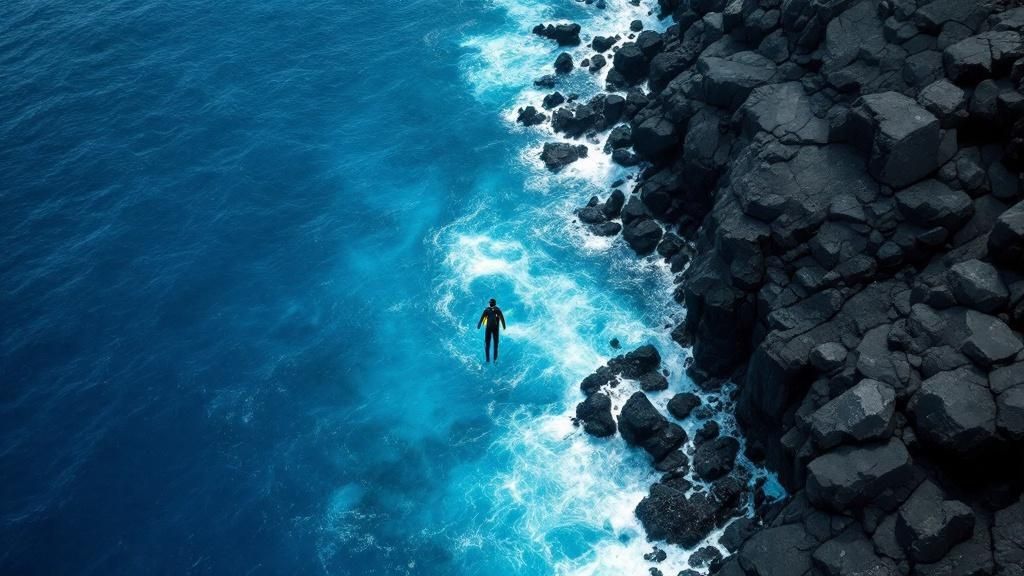
Alright, you're ready to plan your underwater adventures. Let's get into it. The Big Island is loaded with an incredible menu of dive sites, and each one offers a totally unique peek into Hawaii's marine world. The island’s volcanic geology has created a dramatic and thriving underwater landscape that's just perfect for scuba diving Big Island Hawaii. Think shallow, sun-drenched reefs, mysterious lava tubes, and deep blue drop-offs—there’s truly something for every diver here.
We're going to move beyond just a list of names and explore what really makes these spots unforgettable. These are the dives that define diving Hawaii Big Island.
Manta Heaven and Manta Village
These two sites are ground zero for the world-famous Manta Ray Night Dive. It's an experience that’s on almost every diver's bucket list, and you can book your own amazing manta ray dive tour right here. While both Manta Heaven (north of Kona) and Manta Village (south in Keauhou Bay) offer a front-row seat to the show, they are two distinct locations.
The magic happens after sunset. Dive operators set up powerful lights on the ocean floor, which act like a massive bug zapper for plankton. This plankton buffet draws in the gentle giants for their nightly meal. As a diver, you settle onto the sandy bottom and simply watch in awe as mantas with wingspans up to 16 feet swoop and glide inches above your head. It's a surreal, humbling, and absolutely silent ballet that has to be seen to be believed.
Turtle Pinnacle
If you have a soft spot for honu (Hawaiian green sea turtles), this spot is non-negotiable. Turtle Pinnacle isn't just a pretty reef; it's a "cleaning station." Think of it as an underwater spa day for turtles, where they patiently queue up to have algae and parasites picked off by helpful surgeonfish.
Watching multiple honu line up for their turn is a photographer's dream. It’s also a powerful glimpse into the complex relationships that keep a reef ecosystem healthy and shows you a slice of the daily life of these ancient mariners.
The main pinnacle itself rises from about 60 feet up to 35 feet and is teeming with healthy coral and all kinds of reef fish. It's a fantastic, relatively calm dive for all skill levels and one of the most reliable places to see these beloved creatures up close.
Lava Tubes and Arches
The Big Island’s fiery origins have left behind an underwater playground of spectacular structures. Dive sites like Golden Arches, Au Au Crater, and Suck 'em Up are famous for their lava tubes, caverns, and swim-throughs. Dropping into one of these formations feels like you're exploring a submerged cathedral carved by nature itself.
These unique sites offer a different kind of thrill for scuba Big Island adventurers:
- Golden Arches: Named for two incredible lava arches, this spot is a bustling hub for marine life, packed with schools of fish and moray eels peeking out from crevices.
- Au Au Crater: This is a collapsed lava dome that forms a stunning natural amphitheater, providing a sheltered home for more delicate sea life.
- Suck 'em Up: A site for more experienced divers, this one features a thrilling lava tube where the ocean's surge gently "sucks" you in and pushes you back out. It’s an awesome ride, but it demands excellent buoyancy control and calm conditions. For those with the right skills, we offer dedicated advanced dive tours.
While boat diving gets you to these premier offshore spots, don't overlook the incredible shore diving along the Kona coast. If you're keen on exploring right from the beach, you can learn all about the best shore diving sites in Kona, Hawaii.
Unforgettable Night Diving Experiences

When the sun dips below the horizon, the Big Island diving scene completely changes. The reefs you thought you knew fade into shadow, and a whole new cast of nocturnal characters emerges from the deep. This is when some of the most memorable underwater adventures really begin.
For a lot of divers, a night dive is the absolute highlight of their scuba diving Big Island trip. Two experiences in particular are legendary: the Manta Ray Night Dive and the mysterious Kona Blackwater Dive. These aren't just dives; they're incredible spectacles of nature that pull back the curtain on the ocean's greatest mysteries.
The World-Famous Manta Ray Night Dive
Picture this: you're kneeling on a sandy patch of the ocean floor, surrounded by the quiet of the sea at night. Your dive light points up, creating a column of light that illuminates a swirling cloud of plankton. Then, a massive shadow emerges from the darkness—it's a giant manta ray with a wingspan of up to 16 feet, swooping in to gracefully feed.
This is the Manta Ray Night Dive, an experience so unique and reliable that it's made diving Hawaii Big Island famous around the globe. The idea is simple: the lights attract plankton, and the plankton attracts the mantas. The result is a surreal underwater ballet, with these gentle giants performing acrobatic loops and glides, often coming within inches of awestruck divers. It’s a silent, humbling performance you truly have to see to believe.
To learn more about what makes this encounter so special, check out our complete guide on the Manta Ray Night Dive in Kona.
The Mysterious Kona Blackwater Dive
If the manta dive is a ballet, the Kona Blackwater Dive is a trip to another planet. Sometimes called a "Pelagic Magic" dive, this is one of the most thrilling and unusual experiences available to scuba Big Island divers. You aren't exploring a reef here; you're drifting in the open ocean, at night, thousands of feet above the sea floor. Book your own otherworldly experience on our Blackwater Dive tour.
Here's how it works:
- You descend to about 50 feet and clip onto a tether connected to the boat as it drifts with the current.
- Your lights cut through the inky blackness, revealing a world of bizarre and beautiful creatures.
- You're witnessing the largest migration on Earth, as countless deep-sea organisms rise toward the surface to feed under the cover of darkness.
You’ll see things that look like they belong in a sci-fi movie: nearly invisible larval fish, shimmering comb jellies, and strange, alien-like cephalopods. It’s a dive that rewards a patient and keen eye, offering a glimpse into a hidden world very few people ever get to see.
To capture these incredible moments, you might want to look into action cameras with advanced night vision capabilities that can really bring the deep, dark ocean to light.
The Blackwater Dive is a humbling reminder of how much life exists beyond the reef. It's a dive into the unknown, where every flicker of light reveals a creature you've likely never seen before.
How to Choose the Right Kona Diving Company
Picking the right partner for your scuba diving Big Island adventure is easily one of the most important decisions you’ll make. With so many Kona diving companies out there, it can feel a little overwhelming, but getting it right is the key to a safe and truly unforgettable experience. The best operators don't just take you to a dive site; they elevate the entire trip.
A company's reputation isn't just about good online reviews. It's built on a rock-solid commitment to safety, quality, and the very ocean you're there to explore. When you're looking at your options for Kona diving, you're really looking for a team that puts your well-being—and the health of the reef—above all else.
Core Factors to Consider
Before you click that "book now" button, it pays to do a little homework. A bit of research can be the difference between a good dive and a great one. Here are the things you should absolutely look for:
- Impeccable Safety Record: This is non-negotiable. Look for companies with a long history of safe dives, properly certified guides, and well-maintained gear. A thorough, serious safety briefing is a great sign.
- Experienced Guides and Crew: Local knowledge is everything. Guides who have spent years in Kona’s waters know the currents, can find the hidden gems, and can handle any curveball the ocean throws.
- Boat Comfort and Quality: You’ll be spending a fair bit of time on the boat, so comfort matters. Are the boats spacious? Do they have shade, easy ways to get in and out of the water, and refreshments?
- Sustainable Practices: The best dive shops are guardians of the ocean. Look for operators who enforce a strict "no-touch" policy with marine life and actively participate in local conservation efforts.
The best dive companies see themselves as stewards of the ocean. Their passion for marine conservation is often a clear indicator of their overall professionalism and commitment to providing a high-quality experience.
While researching, you might also come across more immersive trip styles, like specialized liveaboard diving options for those who want to spend several days out on the water.
The Value of an Established Operator
There's a reason some dive shops are local legends. The scuba diving Big Island Hawaii scene has been building since the 1980s, and some of the original dive centers are still going strong. With over 40 prominent dive operators clustered on the Kona coast, sticking around for decades says a lot. These companies have thrived by consistently delivering safe, top-tier experiences, from basic PADI certifications to highly specialized technical dives.
For a detailed breakdown of some of the best, check out our guide on the top 10 Kona diving companies ranked. It’s a great resource to help you narrow down the list.
Why Kona Honu Divers Stands Out
Here at Kona Honu Divers, we work hard to check all those boxes and then some. We believe that an incredible scuba Big Island trip is about the whole experience—from the moment you book with us to the amazing stories you'll be telling for years to come.
Our commitment is simple: provide unforgettable and professional diving tours that showcase the very best of Kona’s underwater world, all while keeping you safe and respecting the ocean we call home. We offer a wide range of diving tours on the Big Island for every skill level.
Frequently Asked Questions About Big Island Scuba
Is there good diving on the Big Island?
Absolutely. The Big Island is widely considered the best Hawaiian island for scuba diving. Its Kona coast is sheltered from big ocean swells by massive volcanoes, which creates calm, clear water almost all year. The underwater world here, shaped by ancient lava flows, is full of dramatic lava tubes, arches, and healthy coral reefs packed with life like green sea turtles, spinner dolphins, and the world-famous manta rays.
What are the best months to scuba dive in Hawaii?
You can dive here year-round, but the sweet spot is typically from May to October. During these months, the water is warmest (often hitting 80°F), the ocean is at its calmest, and visibility can easily top 100 feet. That said, the winter months (December to March) offer the magical experience of hearing humpback whale songs echoing through the water on your dive, though the surf can be a bit higher on northern shores.
Is Kona good for scuba diving?
Kona is exceptional for scuba diving. It’s the heart of the Big Island’s dive scene because its waters are so consistently calm, clear, and protected. This makes it perfect for all divers, from absolute beginners to seasoned pros. It’s also the home base for bucket-list dives like the Manta Ray Night Dive and the mysterious Blackwater Dive.
Is it better to snorkel or scuba dive in Hawaii?
It really depends on what you want to see. Snorkeling is amazing for exploring the shallow, sunlit reefs and their rainbow of colorful fish—it’s easy and accessible for just about everyone. But scuba diving lets you go deeper, see larger animals, and explore incredible underwater landscapes like lava tubes and canyons. To truly witness the dramatic topography and have those big pelagic encounters the Big Island is known for, you have to scuba dive.
Which Hawaiian island is best for scuba diving?
The Big Island consistently tops the list as the best island for scuba in Hawaii. Its unique volcanic underwater terrain, amazing year-round conditions on the Kona coast, and incredible biodiversity just set it apart. While Maui and Oahu certainly have some great spots, the Big Island offers a bigger variety and scale of world-class dive experiences.
When to dive Kona?
You can dive in Kona any time you want, as the conditions are almost always great. The "best" time really depends on your priorities. For the warmest water and flattest seas, aim for August and September. If you want the chance to hear humpback whales, plan your trip between January and March. For a perfect mix of excellent conditions and smaller crowds, the shoulder months of May, September, and October are fantastic.
When to Plan Your Big Island Diving Trip
Timing is everything. When it comes to scuba diving Big Island Hawaii, picking the right time of year can turn a great vacation into the trip of a lifetime. The good news? There really isn't a "bad" time to dive here.
The Kona coast is uniquely shielded by the island's massive volcanoes, which means the ocean stays remarkably calm almost all year long. This incredible consistency is a huge reason why Kona is famous for world-class diving. Still, knowing the subtle differences between seasons can help you tailor your trip to exactly what you're looking for.
Whether you're after the warmest water, hoping to hear the songs of giants, or just want to find that sweet spot with fewer people, there’s a perfect window for your trip.
Big Island Diving Conditions by Season
So, what can you expect throughout the year? This quick guide breaks down the water temps, visibility, and wildlife highlights to help you zero in on the best time for your dive adventure.
| Season | Months | Avg. Water Temp (°F) | Avg. Visibility | Key Highlights |
|---|---|---|---|---|
| Winter | Dec – Mar | 75°F – 77°F | Good to Excellent | Humpback whale songs underwater are a common and magical experience. |
| Spring | Apr – Jun | 76°F – 78°F | Excellent | Calm seas, warming water, and fewer crowds make for ideal diving conditions. |
| Summer | Jul – Sep | 78°F – 80°F | Excellent | The warmest water of the year and consistently calm conditions. |
| Fall | Oct – Nov | 77°F – 79°F | Good to Excellent | A great "shoulder season" with warm water and fewer visitors. |
As you can see, conditions are fantastic year-round. It really just comes down to personal preference—do you want the warmest water, or is the chance to hear whales the bigger draw?
Seasonal Marine Life Highlights
While many of the Big Island's most famous residents—like our beloved green sea turtles and manta rays—are here all year, some visitors only show up for a season. The most famous part-timers are, without a doubt, the humpback whales.
From December through March, these gentle giants migrate to Hawaii's warm, protected waters to breed and give birth. While strict regulations keep us from getting too close, you don't need to see them to experience their presence. Their complex, haunting songs travel for miles underwater, creating an unforgettable soundtrack for your winter dives. It’s a humbling, magical addition to any scuba diving Big Island trip.
Hearing the powerful, complex songs of humpback whales echoing through the water column while you explore a reef is an experience that stays with you forever. It's a profound reminder of the vibrant life that fills these waters.
Statistically, the absolute best months often fall between May and September, when the seas are at their calmest and the water temps hit their peak. During this period, it's not uncommon for visibility to range from 60 to over 100 feet.
But if you ask a local, many will point you to the "shoulder season" months of September and October. This window offers a fantastic blend of warm water, great visibility, and fewer crowds, making it a perfect time for divers who want a more laid-back vibe. You can learn more about what makes the Big Island a premier scuba diving destination on thisweekhawaii.com.
Ultimately, the constant presence of incredible marine life means any time is a great time to explore the underwater world. We're ready when you are with our amazing Big Island diving tours.