
Picture this: you're weightless, suspended in warm, impossibly clear turquoise water. Sunlight filters down from the surface, illuminating ancient lava tubes and reefs teeming with color. This isn't a dream—it's what Big Island scuba diving is all about, and it’s an experience that easily ranks among the best on the planet.
Why the Big Island Offers World-Class Diving
Hawaii's largest island, especially the Kona coast on its western side, is a diver's haven for one simple reason: it's sheltered. The massive volcanoes of Mauna Loa and Hualalai block the powerful trade winds that churn up the waters around the other islands, leaving the Kona coast remarkably calm and clear nearly all year long.
These perfect conditions are the secret ingredient to what makes diving here so spectacular. The island’s volcanic past has sculpted a dramatic underwater landscape. You’ll find incredible structures like lava tubes, sweeping archways, and massive craters that have since blossomed into vibrant coral gardens. To get a real feel for this underwater world, check out our comprehensive guide to Big Island diving.
The Kona Coast Advantage
Those calm Kona waters aren't just a local secret; they're world-renowned. It’s not uncommon for visibility to exceed 100 feet, which is the kind of clarity that lets you soak in every detail—from the brilliant colors of the coral to the intricate patterns on a passing fish.
This protected environment is also a magnet for an incredible variety of marine life. On any given dive, you’re likely to see:
- Graceful green sea turtles (honu) gliding by.
- Playful spinner dolphins leaping in the boat's wake.
- A kaleidoscope of reef fish, including bright yellow tangs and elegant butterflyfish.
Signature Underwater Experiences
What truly puts the Big Island in a league of its own are its signature dives. The world-famous Manta Ray Night Dive is a bucket-list experience you'll never forget. You simply kneel on the ocean floor and watch as these gentle giants perform a mesmerizing underwater ballet, swooping and barrel-rolling just inches above your head.
For those with a taste for the extraordinary, the Kona Blackwater Dive is a trip into the abyss. You drift in the deep, open ocean at night, watching as bizarre and beautiful bioluminescent creatures rise from the depths. These are the kinds of dives that change how you see the ocean, and they are only possible here.
Exploring the Top Big Island Dive Sites

The Kona coast isn't just a place to dive; it's a world-class underwater playground. The volcanic forces that built this island left behind a spectacular sub-aquatic landscape. Imagine dramatic lava tubes, sweeping archways, and vibrant reefs, all teeming with an incredible diversity of marine life.
Each dive site has its own personality and secrets to share, offering something for everyone, from a brand new diver to a seasoned pro with hundreds of dives logged. So, let’s gear up and explore some of the absolute must-do spots that make Big Island scuba diving an unforgettable adventure.
H3 Gentle Dives for Beginners
Just earned your certification or looking for a calm, beautiful dive? The Big Island has you covered with plenty of sheltered spots that are shallow, easy, and packed with life. These sites are perfect for dialing in your skills while being completely surrounded by the magic of Kona's underwater world.
-
Kailua Pier: Don't let its simple appearance fool you. This shore dive is a hidden gem, especially for beginners and underwater photographers. The pier's columns have become an amazing artificial reef, drawing in schools of fish, moray eels, and even the elusive frogfish. It's an easy entry and the perfect place to fine-tune your buoyancy in a controlled yet stunning environment.
-
Pawae Bay: As a protected marine area accessible only by boat, Pawae Bay remains incredibly pristine. The shallow reefs are like a thriving underwater garden, bursting with colorful corals and countless reef fish. This calm sanctuary is also one of the best places to spot green sea turtles, or honu, resting on the sandy bottom.
These sites offer a gentle, awe-inspiring introduction to Kona diving, ensuring your first breaths underwater here are both safe and spectacular.
The World-Famous Manta Ray Night Dive
If there's one dive that defines the Big Island, this is it. The Manta Ray Night Dive isn't just another dive on your log; it's a genuinely profound experience that divers travel across the globe to witness. After sunset, you descend to a designated spot where bright lights are placed on the ocean floor. We call it the "campfire."
These lights attract swarms of plankton, which in turn rings the dinner bell for magnificent reef manta rays. These gentle giants, with wingspans stretching over 12 feet, perform a graceful, swooping ballet as they feed, often just inches from your head. All you have to do is relax on the bottom and take in the show.
This ethereal underwater spectacle is often described by divers as one of the most unforgettable moments of their lives. The silent, graceful dance of the mantas is a powerful reminder of the ocean's majesty.
To see this in a safe and responsible way, check out the specialized 2-tank Manta Ray Dive tour offered by Kona Honu Divers. It’s an absolute must-do.
Advanced Diving and Unique Thrills
For those with more experience logged, the Big Island presents thrilling challenges that will test your skills and reward you with mind-blowing sights. These advanced dives often mean greater depths, overhead environments, or truly one-of-a-kind conditions.
The island’s volcanic past has left a legacy of underwater lava tubes and caverns. Exploring these ancient formations is like swimming through a submerged cathedral, with shafts of light piercing the darkness from above.
But for a truly unique thrill, nothing beats the Kona Blackwater Dive. This isn't a reef dive. Instead, you'll find yourself tethered to the boat, drifting in the pitch-black open ocean over thousands of feet of water. You're there to witness the largest migration on Earth, as bizarre, bioluminescent creatures rise from the abyss to feed. It’s a sensory experience filled with alien-like organisms you won't see anywhere else. Kona Honu Divers runs guided Blackwater Dive tours for those ready for a real adventure.
For divers seeking deep reef exploration, sites with dramatic drop-offs and towering pinnacles offer a chance to see pelagic fish and even sharks. These dives demand excellent buoyancy and air management. If you’re ready to push your boundaries, check out the available advanced dive trip options.
Top Big Island Dive Sites at a Glance
With so many incredible options, it can be tough to choose. Here’s a quick-reference table to help you compare some of Kona's most famous dive sites.
| Dive Site | Best For | Key Feature | Max Depth |
|---|---|---|---|
| Manta Heaven | Night Diving, All Levels | Manta Ray Night Dive | 40 ft |
| Golden Arches | Intermediate Divers | Lava Tube Swim-Throughs | 60 ft |
| Turtle Pinnacle | All Levels, Photographers | Turtle Cleaning Station | 65 ft |
| The Hive | Advanced Divers | Deep Pinnacle, Sharks | 100+ ft |
| Blackwater Drift | Advanced, Adventurous | Pelagic Bioluminescent Life | 50 ft (over 4000 ft) |
This incredible variety is what makes diving the Big Island so special. In a single trip, you can glide with manta rays by moonlight and explore ancient lava flows the next day, all in the warm, crystal-clear waters of the Kona coast. It’s a destination that will have you coming back for more, year after year.
How to Choose the Right Dive Operator
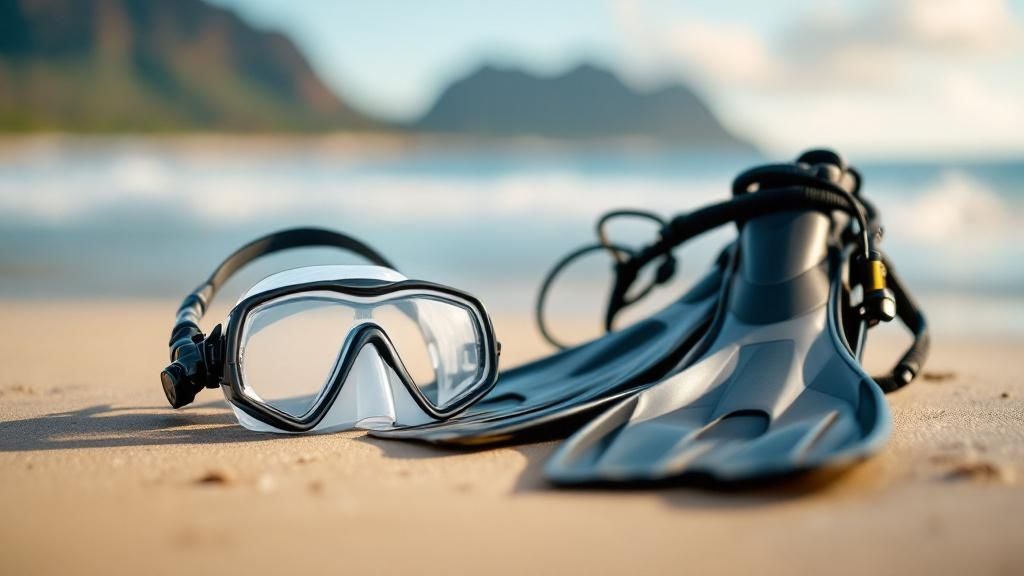
Picking the right dive operator for your Big Island scuba diving adventure is probably the single most important decision you'll make. Think of it like choosing a guide for an epic mountain trek—the right one makes the journey unforgettable, while the wrong one can ruin the whole experience.
This choice is about so much more than just getting a boat ride out to a reef. You're putting your safety, your enjoyment, and your underwater discoveries into the hands of a professional crew.
A truly great operator doesn't just drop you at a dive site; they bring it to life. They're the ones who know the exact coral head where an elusive octopus likes to hide, what time of day the garden eels are most active, and the secret ledges where reef sharks often nap. That kind of insider knowledge is what elevates a good dive into a truly spectacular one.
What Separates the Best from the Rest
When you start researching dive shops in Kona, you'll quickly see that most offer similar-sounding trips. So, what really sets them apart? It boils down to a few critical things that will directly shape your day on and in the water.
-
Safety Record and Philosophy: This is absolutely non-negotiable. A top-notch operator is obsessed with safety. Look for shops that are open about their emergency procedures and staff training. You want a crew that meticulously maintains their gear and always builds their dive plans around conservative, safe profiles.
-
Group Size: Would you rather be one of 20 divers trying to keep up with a single guide, or part of a small group of 6? Smaller groups mean more personal attention from your guide, a much lower impact on the delicate marine life, and a far better chance of spotting timid creatures. It’s the difference between a crowded tour bus and a private safari.
-
Boat Quality and Comfort: Remember, a good chunk of your day is spent on the boat. A spacious, well-kept vessel with creature comforts like a hot shower, plenty of shade, and an easy-to-use dive ladder makes a world of difference. These "little things" are what keep you comfortable and energized between dives.
Premier Operators on the Big Island
Here on the Big Island, a few operators have earned their reputation for being a cut above the rest. One standout is Kona Honu Divers, a PADI 5-Star IDC (Instructor Development Center) known for its incredible customer service and commitment to small groups. This focus ensures a more personal, intimate dive every time. Their staff’s deep local knowledge means you aren't just going for a dive; you're getting a guided tour of Kona's best-kept underwater secrets.
Another long-standing and highly respected name is Jack’s Diving Locker. They've been a cornerstone of the Kona dive community since 1981, certifying thousands of divers over the decades. As another PADI 5-Star IDC, Jack's offers everything from beginner courses to professional-level training, and their legacy on the island is undeniable.
When weighing your options, think about what you want to achieve. Are you dreaming of the world-famous Manta Ray Night Dive, or is the thrilling Kona Blackwater Dive calling your name? Make sure the operator you choose specializes in the diving tours you're most excited about.
Aligning an Operator with Your Goals
Ultimately, the best dive operator for you is the one that fits your personal style and goals. An advanced diver searching for challenging deep sites will have different priorities than a family with newly certified teenagers.
Before you book, don't be shy—ask questions! Inquire about their guide-to-diver ratio, the specific sites they plan to visit, and their policies on things like dive time limits. A great operator will be happy to give you clear, confident answers.
If you plan on diving for a few days, it's always smart to ask about multi-day packages. Many shops offer discounts that can make an extended dive trip much more affordable. To make planning a breeze, you can explore various Kona diving packages that bundle several trips together for a complete underwater adventure.
Choosing your operator is the most important gear decision you'll make. Choose wisely, and you’ll be setting yourself up for an incredible Big Island scuba vacation.
Getting Your Scuba Certification in Paradise
If you've ever dreamt of breathing underwater, there's no better classroom than the warm, crystal-clear ocean surrounding the Big Island. Earning your scuba certification here turns what might be a sterile pool session back home into an unforgettable adventure. Your training dives aren't just about checking off skills—they’re genuine explorations of a world-class aquarium.
Getting certified might sound intense, but it's a surprisingly straightforward and incredibly rewarding process. You don’t need to be an Olympic swimmer, just reasonably comfortable in the water and curious about what lies beneath the surface. That feeling of going from a land-dweller to a certified diver is a massive accomplishment.
Your First Breath: The Open Water Diver Course
The first step for almost every new diver is the PADI Open Water Diver certification. Think of it as your passport to the underwater world, recognized globally. The course is brilliantly designed to build your skills and confidence one step at a time.
It’s broken down into three main parts:
- Knowledge Development: First, you’ll get the hang of diving theory. Many people knock this out before they even pack their bags using PADI’s eLearning, which lets you study at your own pace.
- Confined Water Dives: This is where you take your first breaths underwater, but in a calm, controlled setting like a pool. Your instructor will guide you through all the essential skills until they feel like second nature.
- Open Water Dives: Now for the main event! You’ll complete four dives in the actual ocean, putting your new skills to use while exploring Kona's incredible reefs. These aren't just tests; they are your very first real dives.
Why Learn on the Big Island?
Learning to dive in a place like Kona gives you a huge head start. Instead of staring at the tiled walls of a pool, your "classroom" is a living, breathing ecosystem. On your training dives, it's totally normal to be swimming alongside graceful green sea turtles (honu), munching parrotfish, and schools of curious butterflyfish.
This environment makes learning feel less like a class and more like a discovery. I've seen countless students who were a bit nervous at first completely forget their anxiety once they were distracted by all the amazing marine life. When you finish your certification here, you're not just a new diver—you're a diver who has already experienced some of the best Big Island scuba diving out there.
Charting Your Continuing Dive Education
Getting your Open Water card is just the beginning. For many, it's the spark that ignites a lifelong passion, leading them to new courses that unlock different skills and even more underwater adventures. Once you're certified, you can explore a whole range of diving tours and courses to keep the journey going.
Your Open Water card is really a license to learn. Each new certification opens up a deeper, more exciting part of the ocean, allowing you to explore new environments and master new challenges with confidence.
Some of the most popular next steps include:
- Advanced Open Water Diver: This course is all about exploration. You'll try out five different "adventure dives," each focused on a specialty like deep diving, underwater navigation, or even night diving. It's the perfect next step for a place like Kona, preparing you for the incredible variety of sites here.
- Rescue Diver: Divers consistently call this the most challenging yet rewarding non-professional course. You learn to look beyond yourself and become a safer, more aware dive buddy.
- Specialty Courses: This is where you can really tailor your skills. Courses like Night Diver, Deep Diver, or Enriched Air (Nitrox) Diver are fantastic for taking full advantage of the unique dive opportunities the Big Island offers.
Planning Your Big Island Dive Trip

A truly unforgettable Big Island scuba diving trip starts long before you ever hit the water. Getting the details sorted out ahead of time is the secret sauce that separates a good vacation from a great one. Think of it as your pre-flight check; it ensures you arrive confident, prepared, and ready to focus on the incredible underwater world that awaits.
Answering a few key questions now takes the stress out of the equation and lets you maximize every moment in paradise. From the best time of year to visit to your role in protecting this fragile ecosystem, a little prep work goes a very long way.
Best Seasons for Big Island Diving
One of the absolute joys of diving in Kona is just how consistent it is. The island's massive volcanoes act as a natural shield, protecting the coast from the brunt of the trade winds and serving up fantastic conditions pretty much year-round. Still, there are some subtle seasonal nuances that might influence when you book your ticket.
- Summer (May – October): This is when things really warm up, with water temperatures consistently sitting between a balmy 78-80°F (25-27°C). The seas are often glassy and calm, making for some spectacular visibility. It's an absolutely prime time for any kind of diving you have in mind.
- Winter (November – April): The water temperature dips just a bit, hovering around a still-very-comfortable 75-77°F (24-25°C). The real headliner for this season, though, is the arrival of humpback whales. There’s nothing quite like hearing their songs reverberate through the water during a dive—it’s pure magic.
No matter when you come, you’ll find the diving is world-class. You don't have to take our word for it; traveler reviews consistently show exceptionally high satisfaction. Top-tier operators often earn average scores of 4.86 out of 5 stars, largely because they focus on small, intimate groups. Many boats cap their trips at just six divers, which makes for a much more personal and safe experience for everyone.
Gear Up: Rent or Bring Your Own?
It's the classic diver's dilemma: do you haul all your own gear across the ocean, or do you rent when you get there? The Big Island has excellent rental shops, so it really boils down to your personal comfort and convenience.
Bringing your own equipment means you get to use the gear you know and love, especially personal items like your mask, computer, and regulator. On the other hand, renting frees you from those pesky airline baggage fees and the hassle of lugging heavy bags around. Reputable shops like Kona Honu Divers are meticulous about maintaining their rental fleet, so you can trust you're diving with safe, high-quality gear.
A great middle-ground for many divers is to bring their "personal fit" items—mask, dive computer, and maybe a wetsuit—and then rent the heavier stuff like the BCD and regulators. It's the perfect balance of personal comfort and travel convenience.
Beyond the Dive Bag: Your Essential Packing List
Your dive gear is obviously the star of the show, but don't forget these other essentials that will make your time in Hawaii that much better.
- Reef-Safe Sunscreen: This is a must. Standard sunscreens are loaded with chemicals that are incredibly damaging to our coral reefs. Protect your skin and the ocean by sticking to mineral-based sunscreens (look for zinc oxide or titanium dioxide on the label).
- Reusable Water Bottle: The tropical sun is no joke. Stay hydrated while doing your part to cut down on single-use plastic waste.
- Light Rain Jacket: Quick, pop-up showers are common in Hawaii. A packable jacket is perfect for staying dry during surface intervals or when you're out exploring the island.
- Dry Bag: An absolute lifesaver for keeping your phone, wallet, and a towel completely dry while you're out on the dive boat.
Protecting Paradise: Dive Insurance and Malama i ke Kai
Before you zip up your suitcase, there are two final, crucial things to consider: your peace of mind and your responsibility to the environment. First, dive insurance is something we strongly recommend. Diving is a very safe sport, but it's always smart to be prepared for the unexpected. Companies like DAN (Divers Alert Network) provide excellent, affordable coverage.
Second, embrace the local concept of malama i ke kai, which translates to "to care for the ocean." As a guest here, you have a vital role in protecting the stunning ecosystems you've traveled so far to see. This means practicing perfect buoyancy, never touching the coral or marine life, and picking up any trash you might find. This mindful approach is what keeps the reefs vibrant for everyone, and it's especially critical during special encounters. You can learn more about respectfully interacting with marine life and why you should go on a manta ray dive in Kona to see how it's done right.
Your Big Island Scuba Questions Answered
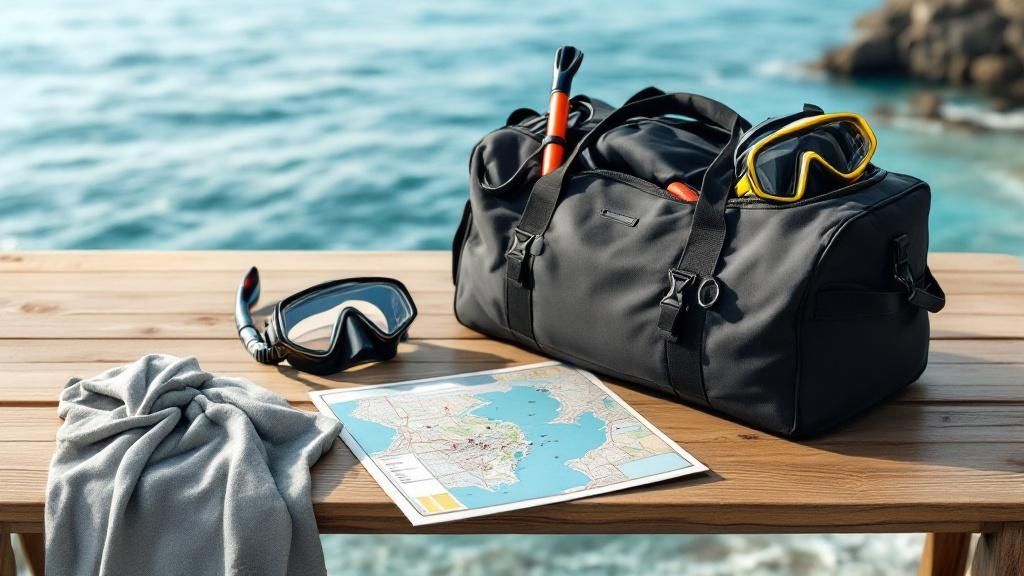
It’s totally normal to have a bunch of questions when you’re planning an underwater adventure like this. Getting ready for a Big Island scuba diving trip is about more than just booking a flight—it’s about knowing what to expect so you can hit the ground running (or, well, hit the water swimming).
This section is here to give you clear, straightforward answers to the questions we hear most often from divers. We'll get into everything from water temps and what gear to bring to the safety of our most famous dives. Think of it as your pre-dive briefing, designed to give you the confidence to jump right in and explore everything the Kona coast has to offer.
Let's get these last few questions sorted so you can focus on the amazing journey ahead.
What Is the Water Temperature and Do I Need a Wetsuit?
One of the best parts about diving in Hawaii is the incredibly pleasant water temperature. You can definitely leave your drysuit at home! The ocean around the Big Island stays in a wonderfully comfortable range all year long, usually somewhere between 75-80°F (24-27°C).
Now, while a few hardy souls might go in with just a swimsuit, most of us will want a bit of thermal protection to stay comfortable. For the vast majority of divers, a 3mm full wetsuit is the sweet spot, giving you enough warmth without sacrificing flexibility on your daytime dives.
If you know you get cold easily, or if you're planning on doing multiple dives in one day, a 5mm wetsuit is a fantastic choice. It'll keep you perfectly toasty. For the world-famous Manta Ray Night Dive, we definitely recommend a 5mm suit to ensure you stay warm and can fully enjoy the show.
Can I Dive If I’m Not Certified?
Absolutely! You don't need a certification card to experience the magic of the underwater world here. In fact, the Big Island is one of the best places on the planet to try scuba for the very first time. The calm, clear waters along the Kona coast create the perfect, low-stress classroom for beginners.
The go-to option for anyone not yet certified is the PADI Discover Scuba Diving (DSD) experience. This isn't a full certification course, but rather a guided introduction to breathing underwater. You'll get a quick, easy-to-understand lesson on safety and basic skills, then head out on a boat with a certified instructor. They'll be right by your side for a real ocean dive, managing your gear so you can just focus on the fish. It's the perfect test drive!
Of course, if you'd rather stick to the surface, our guided snorkeling tours are an incredible way to see the vibrant reefs from above. You can check out all the possibilities on our diving tours page to find an adventure that fits your style.
Is the Manta Ray Night Dive Safe for Beginners?
Yes, without a doubt. The Manta Ray Night Dive is specifically designed to be exceptionally safe and welcoming, even for newer divers (as long as you have good buoyancy control). I know a "night dive" can sound a little intimidating, but this experience is so well-supervised and controlled that it's probably one of the safest night dives you could ever do.
Here’s how it works: you get a very detailed safety briefing before you even touch the water, so you know exactly what to expect. Once you descend, you’re not swimming around in the dark. Instead, everyone stays in one spot, either holding onto a rock or a special light structure placed on the sandy bottom. This passive approach means you can just relax and watch the spectacle as the magnificent manta rays glide right over your head. The controlled environment and constant supervision from our guides make it a surprisingly calm and truly awe-inspiring experience for all skill levels.
What Marine Life Will I See Besides Manta Rays?
The mantas are definitely the headliners, but the sheer biodiversity around the Big Island is incredible. Our healthy volcanic reefs are buzzing with life, making every single dive feel like a treasure hunt.
On just about any dive, you have a great chance of spotting:
- Honu (Green Sea Turtles): These graceful creatures are practically everywhere, gliding by or just chilling out on the reef. It's rare not to see them.
- Spinner Dolphins: You'll often see them from the boat, and sometimes, if you're really lucky, these playful acrobats will zip by underwater.
- Moray Eels: Take a moment to peek into the reef's nooks and crannies—you'll often find these fascinating critters poking their heads out.
- Reef Sharks: White-tip reef sharks are the most common. You'll usually find them resting peacefully on sandy patches under ledges.
- A Kaleidoscope of Fish: The reefs are just bursting with color! Get ready for butterflyfish, angelfish, triggerfish, wrasses, and sometimes massive, swirling schools of tangs.