
Picture this: you're weightless, suspended in brilliant sapphire water. Below you, ancient lava flows have created a dramatic, otherworldly landscape that now bursts with life. This isn't a dream—it's what Big Island scuba diving is all about, and it's an experience that rightfully earns its place among the world's best. The underwater visibility often feels endless, and the marine life is as spectacular as it is varied.
Why Big Island Scuba Diving Is an Underwater Paradise
The Kona coast isn't just another pretty spot to dive. It's a truly world-class destination, thanks to some unique geology. The island’s massive volcanoes, Mauna Loa and Hualālai, act as a giant natural shield, protecting the entire western coastline from the strong trade winds. This creates some of the most consistently calm and predictable diving conditions you'll find anywhere. It’s perfect for everyone, from first-timers just getting their fins wet to seasoned pros looking for their next great dive.
That incredible calmness is also a key reason for Kona's other famous feature: its gin-clear water. It’s not uncommon for visibility to push past 100 feet, turning every dive into a wide-screen cinematic experience. These stellar conditions are why the Big Island is a top-tier global destination for divers. The clear, calm water lets you really soak in the stunning underwater terrain and diverse dive sites all year long. You can learn more about what makes the conditions here so special and start planning your own Big Island diving adventure.
To give you a quick overview, here are some of the standout features that make diving here so unforgettable.
Big Island Diving Highlights at a Glance
| Feature | Why It's Exceptional | Best For |
|---|---|---|
| Volcanic Topography | Lava tubes, arches, and caves create a unique underwater playground shaped by the island's fiery origins. | Explorers, photographers, and anyone looking for dramatic scenery. |
| Exceptional Visibility | Consistently clear water, often exceeding 100 feet, provides panoramic views of reefs and marine life. | All divers, especially underwater photographers and videographers. |
| Calm Conditions | The Kona coast is sheltered from trade winds, resulting in predictable and gentle water ideal for diving. | Beginners, courses, and divers who prefer relaxed conditions. |
| High Marine Biodiversity | Home to over 20% endemic species, including countless fish, turtles, and unique invertebrates. | Marine life enthusiasts and underwater naturalists. |
| Iconic Manta Ray Night Dive | A world-famous, bucket-list experience to witness majestic manta rays feeding up close at night. | Thrill-seekers and anyone wanting a truly once-in-a-lifetime encounter. |
These elements combine to create a diving environment that is truly second to none.
An Ecosystem Unlike Any Other
So, what really makes diving on the Big Island a cut above the rest? It’s the incredible tapestry of life that calls these volcanic structures home. The lava substrate has created a complex network of tubes, swim-throughs, and caverns that are perfect habitats for an amazing variety of ocean creatures.
- Vibrant Coral Gardens: The shallower reefs are absolutely bursting with color, packed with countless species of reef fish, curious moray eels, and all sorts of crustaceans.
- Unique Topography: You get to explore ancient lava flows frozen in time, giving you a direct look at the powerful forces that created this island paradise.
- Encounters with Gentle Giants: The area is a haven for Hawaiian green sea turtles (honu), and of course, it’s home to the world-renowned manta ray night dive.
This one-of-a-kind mix of perfect conditions and incredible wildlife ensures that every single dive is an exploration you won't forget. Whether you're after a peaceful drift over coral gardens or a heart-pounding night dive with giants, the Kona coast has it all.
The expert guides at Kona Honu Divers live and breathe these waters, and they're ready to show you the very best of Kona.
You can check out the full range of incredible Kona Honu Divers diving tours we offer, designed for every diver's interest and skill level.
Exploring Kona’s Must-See Underwater Worlds
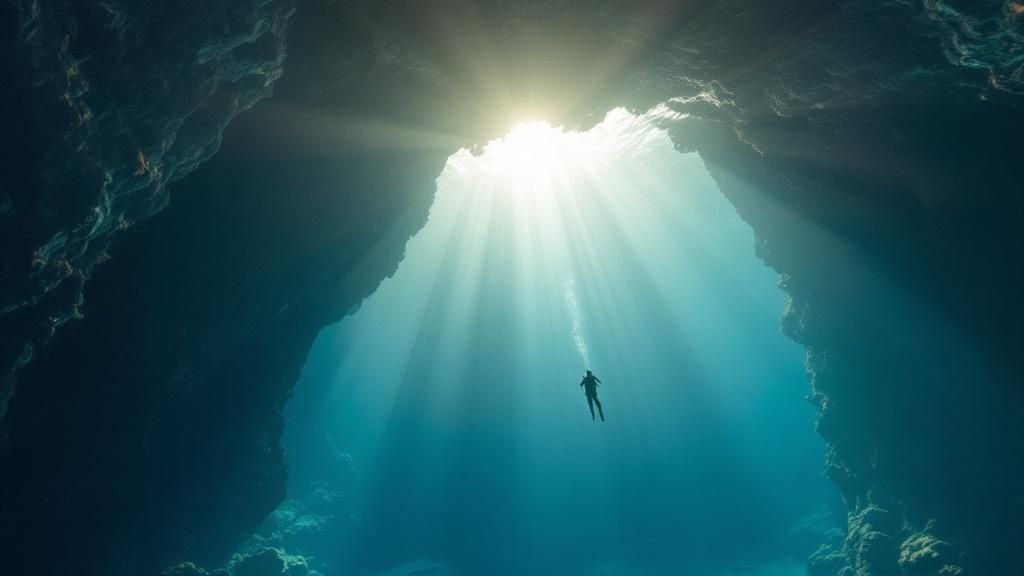
The Kona coast is a submerged volcanic wonderland, a place where every dive site tells a story of creation and life. When you go Big Island scuba diving, you're exploring a dramatic landscape sculpted by ancient lava flows and slowly reclaimed by the sea. Each site has its own personality, a unique underwater chapter just waiting to be read.
Imagine descending into a world of incredible lava tubes, soaring archways, and vibrant reefs teeming with creatures found nowhere else on Earth. The geology here is the star of the show, providing a stunning backdrop that turns a simple swim into an otherworldly exploration. That amazing diversity also means there's an adventure perfectly suited for every diver's dream.
The Magic of Lava Tubes and Arches
Some of the most unforgettable Big Island scuba diving experiences happen while navigating the incredible underwater architecture left behind by Pele, the volcano goddess. These ancient lava flows have created a playground for divers.
- Golden Arches: Just as the name implies, this site is famous for its magnificent lava archways. Swimming through them feels like flying through the grand halls of a submerged cathedral, especially as sunlight filters down from above. It’s an absolute favorite for underwater photographers trying to capture that perfect shot of light and shadow.
- Crescent Beach (Kua Bay): This spot is a fantastic maze of swim-throughs and small caverns. It’s like exploring an underwater labyrinth where you’re always wondering what’s around the next corner. It's not uncommon to find white-tip reef sharks resting on the sandy floor or schools of colorful reef fish ducking into crevices.
Gliding through a lava tube that was once a fiery river is a feeling that stays with you long after you surface. Having a professional guide who knows these intricate sites inside and out is key to a safe and truly awe-inspiring journey. We visit these incredible locations on our expertly guided Kona diving tours.
Dive Sites for Every Skill Level
Whether you’re taking your first ocean breaths or you're a seasoned veteran with hundreds of dives logged, Kona has the perfect spot for you. The sheltered coast offers a huge range of depths and topographies, so we can always find a site that matches your comfort level and interests.
For more experienced divers, Kona offers thrilling opportunities to push your limits. We're talking deep pinnacles, challenging currents, and intricate cave systems that provide a playground for those with advanced training. These are the dives where you see more elusive marine life and witness the raw, untamed power of the ocean.
Here’s a quick look at the kind of variety you can expect:
| Dive Site Category | What to Expect | Recommended Skill Level |
|---|---|---|
| Shallow Reefs | Bright, sunny coral gardens teeming with fish, eels, and turtles. Depths typically range from 20-50 feet. | Beginner / Open Water |
| Lava Tube Sites | Dramatic underwater architecture with swim-throughs and arches. Depths vary from 40-80 feet. | Intermediate |
| Deep Pinnacles | Offshore seamounts rising from the abyss, attracting larger pelagic species. Dives can exceed 100 feet. | Advanced |
For those ready to take on more complex environments, exploring these deeper and more structurally intricate sites is a must. These dives build serious confidence and create unforgettable memories. If you’re looking for that kind of challenge, check out our premium advanced dive trips, designed specifically for experienced divers.
From the tranquil beauty of a shallow reef to the adrenaline rush of a deep lava tube exploration, Kona delivers. Each dive is a chance to connect with the unique geological and biological story of Hawaii. Ready to jump in?
Discovering Hawaii’s Unforgettable Night Dives
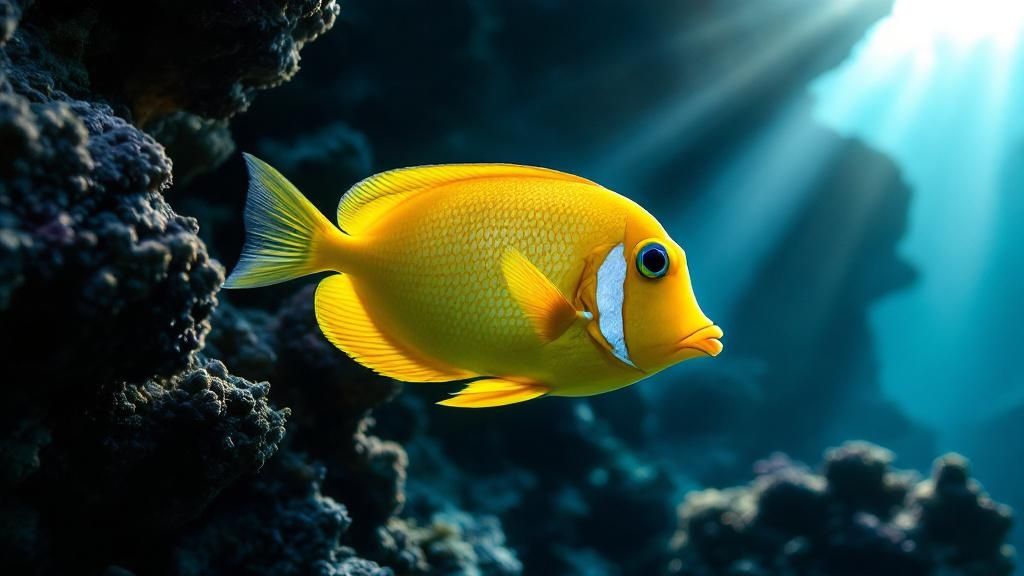
When the sun finally dips below the horizon, the world of Big Island scuba diving completely transforms. It's as if a switch is flipped. The familiar, sunlit reefs give way to a mysterious, hidden realm as nocturnal creatures begin their nightly routines. Among all the after-dark adventures here, two experiences are truly legendary.
These aren't just regular dives; they are genuine, bucket-list encounters that will redefine what you think is possible underwater. One is a silent, graceful ballet with gentle giants. The other is a plunge into a surreal, alien-like abyss. Both give you a front-row seat to a world that’s completely invisible during the day, creating memories that stick with you for life.
The World-Famous Manta Ray Night Dive
Picture this: you're kneeling on the sandy ocean floor, and massive manta rays—some with wingspans stretching up to 16 feet—are gliding, swooping, and somersaulting just inches over your head. This isn't a scene from a nature documentary. This is the Kona Manta Ray Night Dive, an experience so incredible it's consistently ranked as one of the best dives on the entire planet.
The setup is brilliantly simple. Dive operators place powerful, upward-facing lights on the seabed. These light beams attract huge clouds of plankton, which happens to be the mantas' favorite meal. You're essentially a guest at their all-you-can-eat buffet. The rays swoop in to feast, performing an elegant, seemingly choreographed dance as they filter the water for food.
This is a totally passive experience for divers. Your job is to find a comfortable spot, aim your dive light upwards, and simply watch the show unfold. It’s a peaceful, awe-inspiring encounter that feels like a genuine connection with these intelligent creatures.
To learn more about what makes this dive so special, check out our complete guide to the manta ray night dive in Kona.
The Thrilling Kona Blackwater Dive
If you're looking for a completely different kind of nocturnal adventure, the Kona Blackwater Dive is a trip into the great unknown. This isn't a reef dive. Far from it. Your boat takes you several miles offshore where the seafloor is thousands of feet below. Suspended in the inky blackness, you'll become a spectator to one of the largest migrations on Earth.
Every single night, a countless number of bizarre and bioluminescent creatures journey from the deep ocean toward the surface to feed. Many of these animals are in their larval stages, looking nothing like their adult forms. It's like diving into an alien world filled with tiny, living lights.
On a blackwater dive tour, you might see:
- Pygmy Squids: Tiny, iridescent cephalopods that flash with brilliant colors.
- Bioluminescent Jellies: Strange, pulsating jellies creating their own light shows in the dark.
- Larval Creatures: Weird and wonderful baby versions of familiar fish and invertebrates.
This is easily one of the most unique Big Island scuba diving opportunities available, offering a rare peek into a part of the ocean few ever get to see. It takes a good dose of adventure and being comfortable in open, dark water, but for experienced divers, it's an absolute must-do.
Meeting the Unique Marine Life of the Big Island
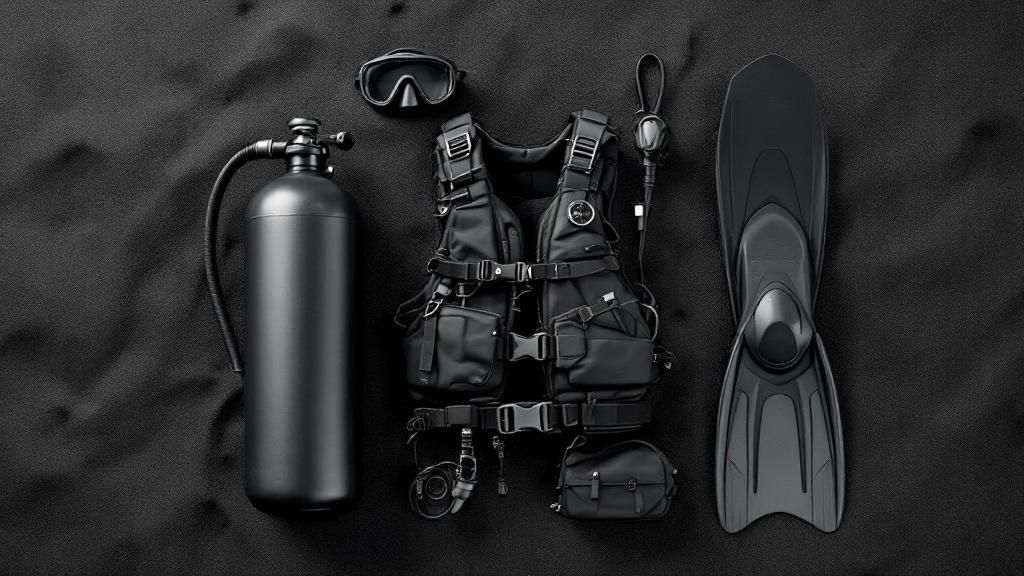
Sure, the volcanic landscapes above the water are breathtaking, but the real heart and soul of Big Island scuba diving lies beneath the waves. The marine life here is vibrant, bustling, and always full of surprises. Think of it less like just exploring a reef and more like visiting a thriving underwater neighborhood, complete with its own unique cast of characters.
You'll get to know some residents so well they’ll feel like old friends by the end of your trip. The most famous local, without a doubt, is the Hawaiian green sea turtle, or honu. These gentle giants are a protected species and a deeply revered symbol of good luck and longevity in Hawaiian culture. There’s something truly magical about watching them glide effortlessly over the reef.
Then you have the spinner dolphins. You can often spot huge pods of them resting in the calm, shallow bays along the Kona coast during the day. Seeing them leap and spin above the surface is a joy, but getting to witness their sleek forms cruising underwater is a privilege reserved for lucky divers. It’s these reliable encounters that make diving here so special.
The Unique Residents of Hawaii's Reefs
What really sets the marine life here apart is something biologists call endemism. In simple terms, it means a huge chunk of the species you'll see here are found only in Hawaii and nowhere else on the planet. It’s like visiting an art gallery where every single piece is a one-of-a-kind original.
Over 20% of Hawaii's reef fish are endemic. This incredible biological isolation means that when you're Big Island scuba diving, you are seeing fish, invertebrates, and corals that have evolved in this specific volcanic paradise for millions of years. It turns every dive into a genuine journey of discovery.
This is why responsible diving is so critical here. We all have a shared responsibility to protect this fragile, irreplaceable ecosystem so these unique creatures can continue to thrive for generations.
Beyond the Reef Commoners
While you're almost guaranteed to see turtles, the Big Island's waters hold so many more treasures for the patient diver. Keep your eyes peeled for the more elusive, but equally stunning, creatures. Spotted eagle rays, for instance, often cruise along the reef edges in elegant squadrons, their white spots standing out like stars against their dark wings.
The marine ecosystem around the Big Island is incredibly diverse. Divers regularly encounter iconic species like green sea turtles, white-tip reef sharks, and if you're lucky, even tiger sharks and the majestic manta rays. During the winter, migrating humpback whales add a whole other layer to the underwater spectacle. Thanks to strong conservation efforts, Hawaiian waters have maintained healthy marine populations. You can discover more about the incredible biodiversity in Hawaiian waters on PADI.com.
Here are a few other amazing animals to add to your must-see list:
- Frogfish: These guys are the ultimate masters of camouflage. Spotting one of these ambush predators as they blend perfectly with sponges and coral is a true challenge and a huge reward.
- Reef Sharks: Don't be alarmed! White-tip reef sharks are a common and harmless sight, usually found chilling out on sandy patches or tucked under reef ledges.
- Moray Eels: You'll find dozens of species, from the beautifully patterned zebra moray to the intimidating yellowmargin moray, peeking out from crevices in the reef.
Every single dive offers a new possibility, a new creature to log, and another reason to fall completely in love with the Big Island's underwater world.
Choosing the Right Dive Operator in Kona
Let’s be honest: your Big Island scuba diving adventure is only as good as the crew leading it. You can have the most spectacular reef in the world, but the wrong operator can sour the whole experience. Think of your dive company as your underwater concierge, safety team, and local expert all rolled into one. They can elevate a good dive into a truly unforgettable one.
When you're looking for a charter, it’s easy to get fixated on the price tag, but that's often a mistake. The best outfits put your safety and comfort first, and that often starts with a commitment to small group sizes. There's a world of difference between being herded like cattle and feeling like a welcome guest on a private excursion.
What to Look for in a Top-Tier Operator
So, how do you spot a great dive company? There are a few non-negotiables you should always look for. First, check out their gear. High-quality, well-maintained rental equipment is a huge green flag for both safety and your own enjoyment. Also, pay attention to the guides—you want people who are genuinely passionate about marine life, not just punching a clock.
Here are the key things I always tell people to look for:
- Safety First: Does the company have a rock-solid safety record? Are their emergency plans clear and professional? Their boats should be well-equipped and their crew highly trained. No compromises here.
- Small Group Philosophy: A smaller diver-to-guide ratio is a game-changer. It means you get more personal attention, the dive site feels less crowded, and the entire experience is safer and more relaxed.
- Passionate and Knowledgeable Guides: The best guides don't just point and grunt. They tell stories, spot creatures you'd never find on your own, and share a contagious enthusiasm for the ocean.
- PADI 5-Star IDC Rating: This isn't just a fancy sticker. A PADI 5-Star Instructor Development Center (IDC) has met the absolute highest standards for training divers and dive professionals. It shows a deep, long-term commitment to the sport.
Premier Dive Companies in Kona
Here in Kona, a couple of names consistently rise to the top for their deep roots in the community and commitment to quality: Kona Honu Divers and Jack’s Diving Locker. Both are PADI 5-Star IDCs, which really sets the standard for diving on the island. Jack's, for example, has been around since 1981 and has been instrumental in building the local dive community from the ground up.
Kona Honu Divers is constantly praised for an approach that puts the customer first, focusing on creating personalized and exceptional tours. Their reputation is built on one simple foundation: delivering incredibly fun, safe, and memorable adventures beneath the waves. You can see for yourself why many consider them the best dive operator in Kona.
At the end of the day, the right operator is making an investment in your experience. They're providing the expert crew and top-notch gear to make sure every single moment—from the boat briefing to your final ascent—is safe, comfortable, and absolutely amazing. By choosing a top-rated company, you’re not just booking a dive trip; you’re putting your adventure in the best possible hands.
Start or Advance Your Scuba Training in Paradise
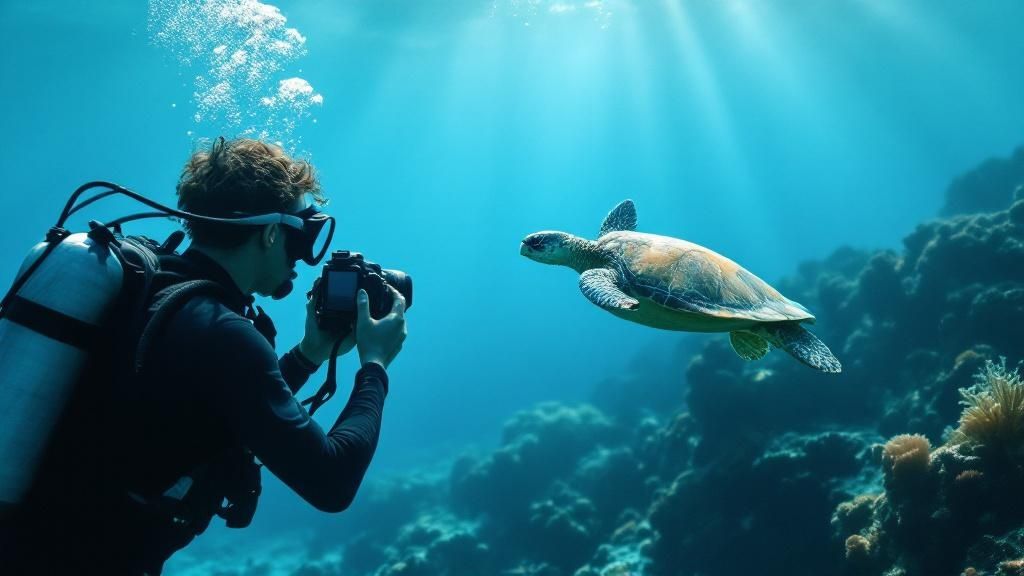
If you've ever dreamt of breathing underwater, I can’t think of a better place to make it happen than the Kona coast. The conditions here are about as close to perfect as you can get for learning. The water is warm, the visibility is incredible, and the gentle currents mean you can focus on your skills without fighting the ocean. It just takes a lot of the usual learning stress out of the equation.
This is why so many people choose to get their PADI Open Water Diver certification right here. It's your ticket to exploring the other 71% of the planet. And trust me, learning to fine-tune your buoyancy while a curious honu (Hawaiian green sea turtle) glides by is an experience that sticks with you. It turns a simple training exercise into pure magic.
Your First Breaths Underwater
Getting your Open Water certification is a game-changer, and the process is designed to build your confidence step-by-step. There's a natural progression that makes it feel exciting, not overwhelming.
- Knowledge Development: You’ll start with the theory, usually through e-learning you can do at your own pace. This gets all the "book smarts" out of the way before you even touch the water.
- Confined Water Dives: Next, you’ll head to a calm, pool-like setting to get comfortable with the gear and practice the essential hands-on skills with your instructor right there to guide you.
- Open Water Dives: This is where it all comes together. You'll take everything you've learned and apply it in the ocean, exploring beautiful Kona reefs under the watchful eye of your instructor.
For anyone ready to jump in, Kona Honu Divers has a full lineup of training programs. Our instructors are fantastic at making people feel comfortable and confident. You can see our full range of Kona diving tours and courses and find the perfect fit to get you certified in paradise.
Take Your Diving to the Next Level
Already have your certification card? The adventure is just getting started. Big Island scuba diving offers the ideal playground to build on your skills and unlock even more of the underwater world. Becoming a better diver isn't just about safety; it's about opening the door to more challenging and rewarding sites.
I’ve seen it time and again: continuing your education is what separates a casual vacation diver from a truly confident explorer. An Advanced Open Water course, for example, isn't just about depth. It's a chance to sample different kinds of diving—like navigation or night diving—and discover what really excites you.
Here are a few popular next steps divers take:
- Advanced Open Water Diver: This course is all about experience. You'll build on your foundational skills and get introductions to new adventures like deep diving and underwater navigation, which qualifies you for some of Kona's more dynamic sites.
- Rescue Diver: Many divers say this is the most challenging but also the most rewarding course they've ever taken. You learn to anticipate, prevent, and manage problems, making you a much more capable and self-assured dive buddy.
- Specialty Courses: Why not master skills that are perfect for Hawaii? The Night Diver specialty will make you a pro for the manta ray dive, while the Deep Diver cert lets you safely explore Kona's dramatic volcanic drop-offs.
Earning these advanced certifications means you can access dives that are truly off the beaten path. For those ready to explore the deeper lava tubes and remote pinnacles, Kona Honu Divers runs special charters. Take a look at our premium advanced dive tours designed specifically for more experienced divers.
Your Big Island Scuba Diving Questions Answered
Got a few questions before you plan your first Big Island scuba diving trip? You're not alone. To help you get ready for an unforgettable adventure, we've pulled together the answers to some of the most common things we get asked by divers.
What Is the Best Time of Year for Big Island Scuba Diving?
Honestly, there's no bad time to dive in Kona. We have the island's massive volcanoes to thank for that—they act as a natural shield, protecting the Kona coast from the trade winds and keeping the ocean remarkably calm year-round.
The water is always inviting, hovering around a comfortable 75°F (24°C) in the winter and warming up to a balmy 82°F (28°C) in the summer. While any month is great, the sweet spots are often the shoulder seasons. Think April, May, September, and October. You'll usually find the perfect blend of warm water, fewer people, and visibility that can easily top 100 feet.
Plus, if you visit in the winter (December-March), you get an incredible bonus: hearing the haunting songs of humpback whales echoing through the water on your dives. It’s pure magic.
Do I Need to Be an Advanced Diver?
Not at all! Kona is a fantastic destination for divers of every skill level, from your very first breath underwater to seasoned pros. Many of our best sites are shallow, protected reefs that are absolutely perfect for beginners, introductory dives, and getting certified. These spots are like underwater gardens, teeming with sea turtles, vibrant reef fish, and curious eels.
But if you’re looking for a bigger thrill, the Big Island scuba diving scene delivers. We have deep dives with dramatic drop-offs, exciting lava tube swim-throughs, and adventures you won't find anywhere else. This includes truly unique experiences like our Kona Blackwater Dive tour for a night dive you’ll never forget. Our guides at Kona Honu Divers are pros at matching the dive to the diver, and we offer dedicated advanced dive trips for those ready for a challenge.
The famous Manta Ray Night Dive is an incredibly safe and well-organized activity when booked with a professional operator. These companies have perfected the logistics over decades, ensuring a secure and awe-inspiring experience for everyone.
Is the Manta Ray Night Dive Safe?
Yes, absolutely. The Manta Ray Night Dive is exceptionally safe. Before you even get in the water, you'll get a detailed briefing that covers all the procedures and explains how to passively and respectfully interact with these gentle giants. For the dive, you'll settle onto a sandy spot on the ocean floor while our lights draw in the plankton that the mantas come to eat.
The mantas are completely focused on their meal and couldn't be less interested in the divers. Just follow your divemaster's simple instructions, and you're guaranteed a safe and magical encounter for both you and the rays. There's a reason it's a bucket-list experience, and you can book your spot on our world-famous manta ray dive tour.
There is so much to learn and explore, and our comprehensive guide to Big Island diving can help answer even more of your questions.