
Picture this: you descend into warm, brilliant blue water, and instead of just sand and coral, you're greeted by dramatic, ancient volcanic formations. A rainbow of marine life flits in and out of lava tubes and arches. This isn't a dream—this is what Big Island scuba diving is all about.
Your Underwater Adventure in Hawaii Begins Here
Diving on the Big Island is more than just a fun activity; it’s like stepping into a completely different, protected world. The underwater landscape here is shaped directly by volcanic eruptions, creating a stunning seascape you simply won't find anywhere else. Think massive archways, intricate lava tubes, and sprawling underwater caves. The island's leeward Kona Coast is especially blessed, as it's sheltered from the strong trade winds, which means the water is often incredibly calm and clear.
This unique geology is the secret behind the island's mind-blowing biodiversity. All those nooks and crannies in the hardened lava rock are prime real estate for an incredible variety of marine creatures. It’s a thriving underwater metropolis, where every lava tube acts as a high-rise apartment building and each coral head is its own bustling neighborhood.
Why Is the Big Island a Premier Dive Destination?
The Big Island has rightfully earned its spot as a top-tier global diving destination. It offers a rare mix of easy access, one-of-a-kind wildlife encounters, and an amazing variety of dive sites. The numbers speak for themselves—with a vibrant dive community welcoming over 150,000 dive tourists annually, it's clear this island has something special. You can get more details on the growth of Big Island diving from our friends at Kona Honu Divers.
This popularity isn't by accident. It's built on a few key things that truly set the Big Island apart:
- Legendary Marine Life: The island is world-famous for its gentle giants, from the graceful manta rays to the majestic humpback whales that visit seasonally. You're also almost guaranteed to spot Hawaiian green sea turtles, or Honu, on nearly every single dive.
- Volcanic Underwater Landscapes: You aren't just swimming over a standard reef; you're exploring the submerged slopes of a volcano. This means you get to navigate through incredible natural sculptures, including swim-throughs, caverns, and arches formed by ancient lava flows.
- Exceptional Water Clarity: On the Kona coast, it's not uncommon for visibility to exceed 100 feet. It often feels like you're flying through an endless, deep blue sky.
- Protected and Calm Waters: The Kona side's geography shields it from rough seas. This makes for smooth boat rides and incredibly safe, pleasant dives that are perfect for everyone, from seasoned pros to brand-new divers.
For anyone planning a trip, here's a quick look at why Hawaii's Big Island stands out.
Why Choose the Big Island for Your Next Dive Trip
| Feature | What Makes It Special |
|---|---|
| Volcanic Topography | Explore unique underwater lava tubes, arches, and craters you won't find elsewhere. |
| Manta Ray Night Dive | A world-famous, bucket-list experience to see dozens of mantas feeding up close. |
| Year-Round Diving | The sheltered Kona Coast offers consistently calm and clear conditions 365 days a year. |
| Rich Marine Biodiversity | Home to over 20% endemic species, including countless colorful reef fish and turtles. |
| Humpback Whale Season | From December to April, you can often hear whale songs underwater—a truly magical experience. |
| Accessibility for All | With easy shore dives and calm boat dives, it's perfect for both beginners and advanced divers. |
Simply put, the Big Island delivers an unforgettable underwater experience that keeps divers coming back year after year.
At Kona Honu Divers, we are dedicated to making your adventure safe, fun, and truly memorable. We specialize in small groups, which means you get the personal attention you deserve. But don't just take our word for it—see what fellow divers have said about their experiences with us:
This guide is designed to be your go-to resource for planning the ultimate dive trip. We’ll cover everything from the iconic Manta Ray Night Dive to hidden gems you might not know about, so you can feel completely prepared for the adventure of a lifetime. If you're ready to see what's waiting for you beneath the waves, check out our complete list of diving tours.
Experience the Famous Kona Manta Ray Night Dive
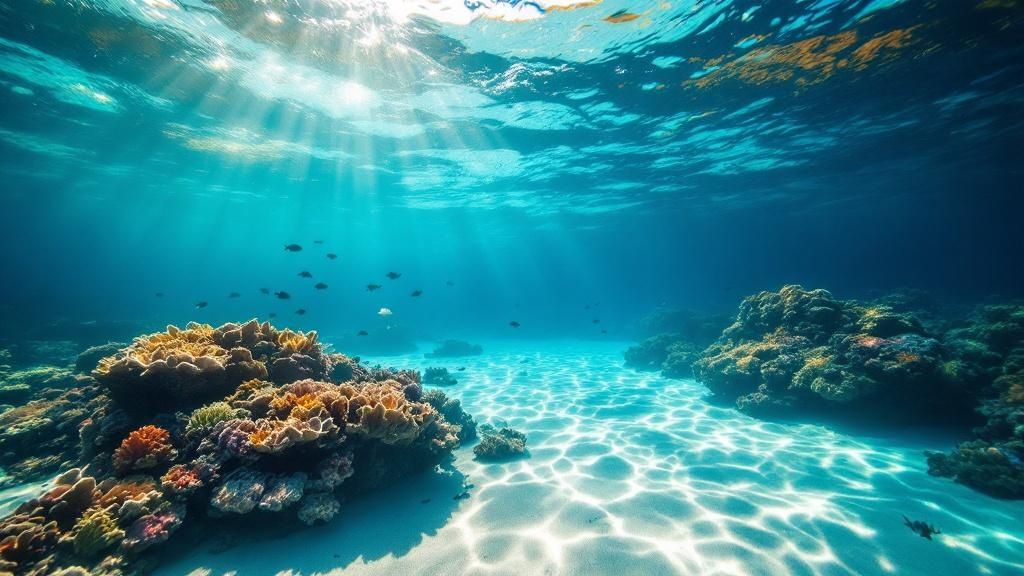
If there's one experience that defines Big Island scuba diving, this is it. The world-famous Kona Manta Ray Night Dive isn't just another trip underwater; it's a front-row seat to an otherworldly ballet, a memory that will be etched in your mind for life. Picture yourself kneeling on the sandy seafloor as giant, silent shadows glide out of the darkness and into the glow of underwater lights.
These gentle giants, some with massive wingspans reaching up to 16 feet, are drawn to the shallow Kona coast for one simple reason: dinner. The setup is genius. Dive operators set up powerful, stationary lights on the ocean floor. These lights attract huge clouds of plankton, which just so happens to be a manta ray’s favorite meal.
What happens next is pure magic. Dozens of manta rays swoop and soar, performing effortless barrel rolls just inches from your head as they filter the plankton from the water. It’s an encounter that feels both intensely thrilling and profoundly peaceful. The experience is so dependable that it has rightfully become the island's signature dive.
"Diving with mantas is one of the most satisfying things a person can do in the water. It’s impossible to describe the feeling of watching a massive fish the shape of a stealth bomber coming into vision. It’s akin to watching your child ride a bike for the first time or finding a winning lottery ticket."
Where the Underwater Magic Happens
This nightly spectacle happens at two main locations, and each offers a slightly different flavor of the same incredible experience.
- Manta Heaven (Garden Eel Cove): Just north of Kona, this site lives up to its name by often attracting huge groups of mantas. It’s not unusual to be surrounded by a dozen or more, creating a swirling vortex of gentle giants.
- Manta Village (Kīholo Bay): Located south of town, this spot is legendary for its consistency. While you might see slightly fewer rays than at Manta Heaven, the encounters here are incredibly reliable and just as close-up.
Both sites are set up for a safe, controlled, and awe-inspiring show. Divers settle on the bottom and look up, while snorkelers hold onto a lighted raft at the surface, watching the mantas ascend from the depths. It's a beautifully choreographed operation designed for maximum wonder and minimal impact on the animals. To learn more about this incredible dive, check out the complete guide to the Kona Manta Ray Night Dive.
The Manta Ray Night Dive is a cornerstone of the Big Island’s identity, offering a sustainable and unforgettable wildlife encounter. An average tour boasts about 15 manta ray sightings, making it one of the most reliable adventures you can book.
This isn't just a dive; it's a genuine connection with the natural world. Seeing these intelligent, graceful creatures up close is a humbling experience you won’t soon forget. Kona Honu Divers runs an exceptional manta ray dive tour that puts your safety—and the well-being of the mantas—first.
Exploring Top Dive Sites Beyond the Mantas
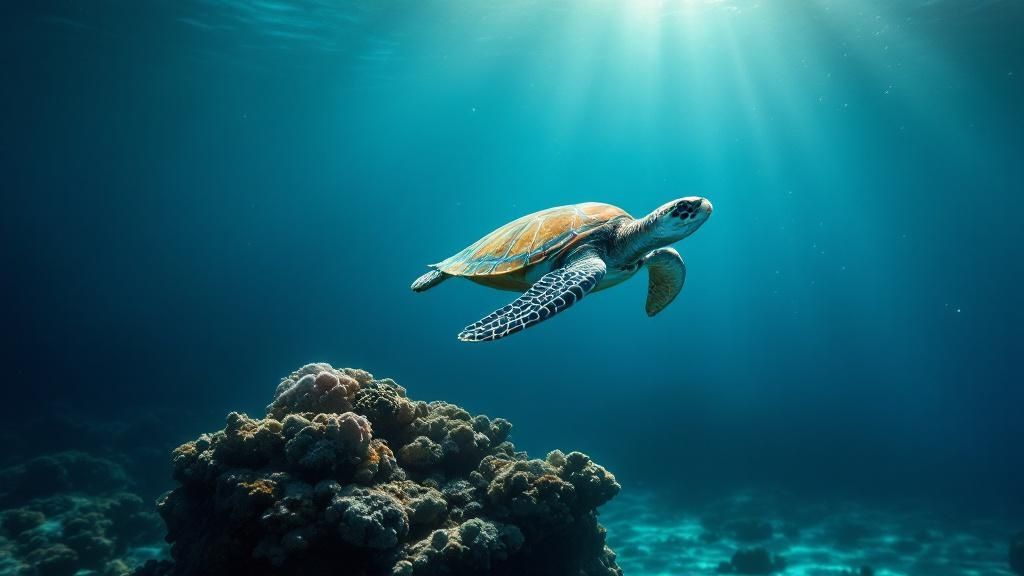
Look, everyone knows the Manta Ray Night Dive is a showstopper. It's truly a once-in-a-lifetime experience. But it's only the beginning of what the Big Island has to offer underwater. The Kona and Kohala coasts are absolutely packed with world-class dive sites, each with its own personality.
Think of it as a massive underwater playground carved by ancient volcanoes. One day you're exploring a dramatic lava tube that feels like a submerged cathedral, the next you're watching a bustling turtle cleaning station. The sheer variety here is incredible and guarantees you'll never have the same dive twice. Many of our favorite spots are featured on our Kona Honu Divers diving tours, so you can come see for yourself.
Golden Arches
This site is named for a good reason. As soon as you descend, you'll find yourself navigating a stunning series of archways and swim-throughs formed by ancient lava flows. It’s a fantastic spot for divers of all levels because the underwater landscape itself is the main event.
Sunlight streams through the openings in the rock, creating these beautiful, shifting beams of light in the clear water. The arches themselves are decorated with colorful sponges and corals. It's also a major hangout for marine life—keep an eye out for huge schools of bright yellow tangs, bandit angelfish, and the occasional whitetip reef shark resting on the sandy floor.
Turtle Pinnacle
If you have a soft spot for Hawaiian green sea turtles (honu), this dive is an absolute must. Turtle Pinnacle is basically a natural "spa" for these gentle giants. They gather here and patiently let surgeonfish and other small cleaner fish nibble algae and parasites right off their shells.
It's a mesmerizing behavior to watch; they literally line up and wait for their turn. The site is a submerged pinnacle that juts up from the seafloor, acting as a magnet for all kinds of reef fish. With its shallow to moderate depths, it's a perfect, relaxing dive for photographers or anyone who just wants a beautiful experience with pretty much guaranteed turtle sightings.
Witnessing a turtle cleaning station is like being let in on one of the reef's best-kept secrets. It's a peaceful, profound moment that reminds you just how connected and cooperative life is under the surface.
Suck 'em Up Cavern
Don't let the name fool you—this site is more thrill than threat and a huge favorite for divers who enjoy exploring caverns and overhead environments. Suck 'em Up is a large lava tube with two openings: one on the shallow reef top and an exit in deeper water.
When there's a bit of surge, water gets pushed into the cavern from the deeper end and flows out the top, creating a gentle pull that gives the site its memorable name. The cavern itself is roomy and completely safe, offering shelter for nocturnal critters like lobsters and crabs even during the day. It's an exciting but very accessible cavern dive that really shows off the Big Island's incredible volcanic geology.
Au Au Crater
For divers with a bit more experience under their belts, Au Au Crater delivers a truly dramatic, awe-inspiring dive. This is a partially collapsed underwater crater, and dropping into it feels like you're descending into a massive, submerged amphitheater.
You're surrounded by steep walls that plummet into the deep blue. This unique structure provides a haven for larger marine life, so it's common to see big schools of jacks swirling in the center or even spot a majestic eagle ray gliding by. The sheer scale of this site makes it a standout adventure, perfect for those on our premium advanced dive tours who want to experience the island's more rugged and wild side.
Advanced and Specialized Diving Adventures
Once you've gotten a few dozen dives under your belt, the Big Island reveals a whole new side of itself. This is where the real adventure begins. For divers who are past the basics and hungry for a genuine challenge, the island offers some of the most unique underwater experiences you'll find anywhere on Earth.
We're talking about more than just another pretty reef. These are the dives that test your skills and reward you with sights that few people ever get to see. If you’re an experienced diver looking for something truly memorable, this is it.
The Otherworldly Kona Blackwater Dive
Picture this: you're suspended in the deep, dark ocean, miles from shore, with thousands of feet of water below you. The only thing connecting you to the world is a tether to the boat, and the only light comes from your own torch slicing through the inky blackness. This is the Kona Blackwater Dive, and it’s less like a scuba dive and more like a spacewalk.
You aren’t exploring a reef here. Instead, you're drifting in the open ocean to witness one of the planet's largest daily migrations. Every single night, countless strange and bioluminescent creatures—the ocean's pelagic life—make a journey from the abyss toward the surface to feed. You’ll see things that look like they're straight out of a science fiction movie: tiny, glowing squid, larval fish that look nothing like their adult forms, and jellyfish that pulse with alien light.
This dive is pure, unadulterated discovery. You’re literally floating in the planet's inner space, watching a parade of creatures that live their entire lives in the deep. It's a humbling, mind-bending experience that will completely redefine what you think a night dive can be.
Make no mistake, this is a highly specialized dive. It demands excellent buoyancy and a calm, confident mindset. But for those who are ready, it's an unparalleled glimpse into the mysterious heart of the ocean. If you think you're up for it, check out the specialized Blackwater Dive tour offered by Kona Honu Divers.
Pushing the Limits with Advanced Deep Dives
For those with advanced training, the Big Island’s deeper reefs are a well-kept secret. These sites are far beyond the reach of the average dive boat, which means they're pristine, bursting with life, and free of crowds. Getting down there requires solid skills—especially sharp buoyancy control, disciplined gas management, and a firm grasp of deep diving safety.
The payoff is huge. You get to explore:
- Pristine Coral Gardens: See vibrant, healthy corals that have been sheltered from the pressures affecting shallower reefs.
- Remote Pinnacles: Descend onto massive underwater mountains that rise from the seafloor, acting as magnets for big marine life.
- Rare Marine Encounters: The deep is a different world with different residents. This is your chance to spot elusive sharks, majestic eagle rays, and huge schools of pelagic fish.
Modern recreational deep diving stands on the shoulders of decades of serious exploration. Here in Hawaii, research submersibles were pushing boundaries for years. By 2001, they were hitting depths of over 1,000 meters, and the knowledge they brought back helps inform the advanced diving we can safely enjoy today. You can read more about this fascinating history of deep-sea exploration from NOAA.
If you have the training and the desire to see what lies beyond the standard tour, our premium advanced dive trips are built for divers like you. We'll take you to the island's most remote and challenging sites for an adventure you won't soon forget.
Planning Your Big Island Dive Vacation
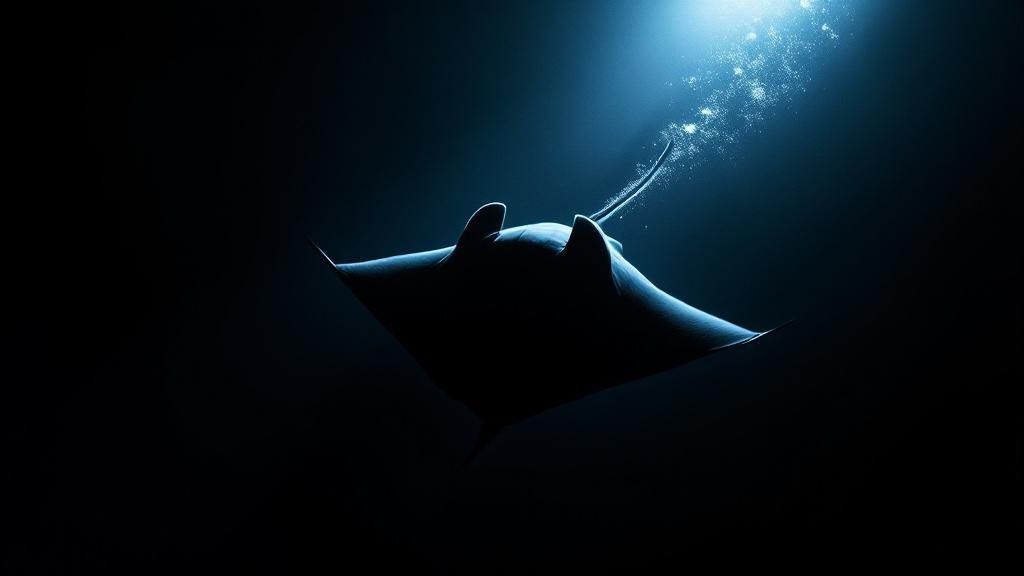
So, you're dreaming of a Big Island scuba diving trip. That's fantastic. The good news is that turning that dream into a well-planned reality isn't complicated at all. A little bit of smart planning upfront means you can forget the logistics and just focus on the incredible underwater world waiting for you here in Hawaii.
Your first decision is often when to come. Honestly, the diving on the Kona coast is spectacular any time of year. We have the massive volcanoes to thank for that; they act as a natural shield, keeping the waters on the island's western side remarkably calm and clear almost every day. That said, there are a few subtle differences between the seasons worth considering.
Best Time of Year to Dive
Water temperatures here are pretty much always inviting. They hover around a comfortable 75°F (24°C) in the winter and warm up to a balmy 81°F (27°C) by late summer. Visibility is another huge plus, frequently stretching beyond 100 feet. You can't ask for much better than that.
Here’s a quick look at how the seasons feel:
- Summer (June – September): This is when the water hits its peak warmth. It’s perfect for long, comfortable dives where a thin wetsuit or even a dive skin is all you need.
- Winter (December – March): The water might be a few degrees cooler, but this season offers something truly magical: the humpback whale migration. While you won't be swimming alongside them, hearing their haunting songs echo through the water during a dive is an experience that will stay with you forever.
When it comes down to it, there's really no bad time for a Big Island scuba diving adventure. The best time for you simply depends on what you value most—the warmest water temperatures, or the soul-stirring sound of whale song during your safety stop.
What to Pack: Bring or Rent?
This is a classic diver's dilemma: lug your own gear across the Pacific or rent from a local shop? Both have their merits, and the Big Island is perfectly set up for whichever you choose. Here at Kona Honu Divers, we offer a complete selection of high-quality, meticulously serviced rental equipment, which takes a lot of hassle out of traveling. We even include tanks and weights on all of our general dive tours.
A great dive vacation is built on trust—trust in your skills, your buddy, and your gear. Renting from a reputable shop like Kona Honu Divers means you're using equipment that is meticulously maintained, giving you one less thing to worry about.
See what our customers have to say about their experiences with us.
Essential Logistics and Travel Hacks
A couple of insider tips can make your whole trip run smoother. First and most important: if diving is your main reason for visiting, stay on the Kona side of the island. This is where you'll find almost all the dive boats and shops. Trust us, you don't want to start your vacation with a pre-dawn drive from Hilo just to make an early boat.
We also highly recommend booking your dive charters in advance. This is especially true during the high season or if you have your heart set on a world-famous trip like the Manta Ray Night Dive. Locking in your spots early means you get the dates and experiences you came for. For a deeper look at what makes this place a diver's paradise, check out our complete overview of Big Island scuba diving.
Once you get these details sorted, you’re all set for a stress-free adventure. Your only job will be to relax, breathe, and soak in the phenomenal beauty of Hawaii's underwater world.
Get Certified or Advance Your Dive Skills
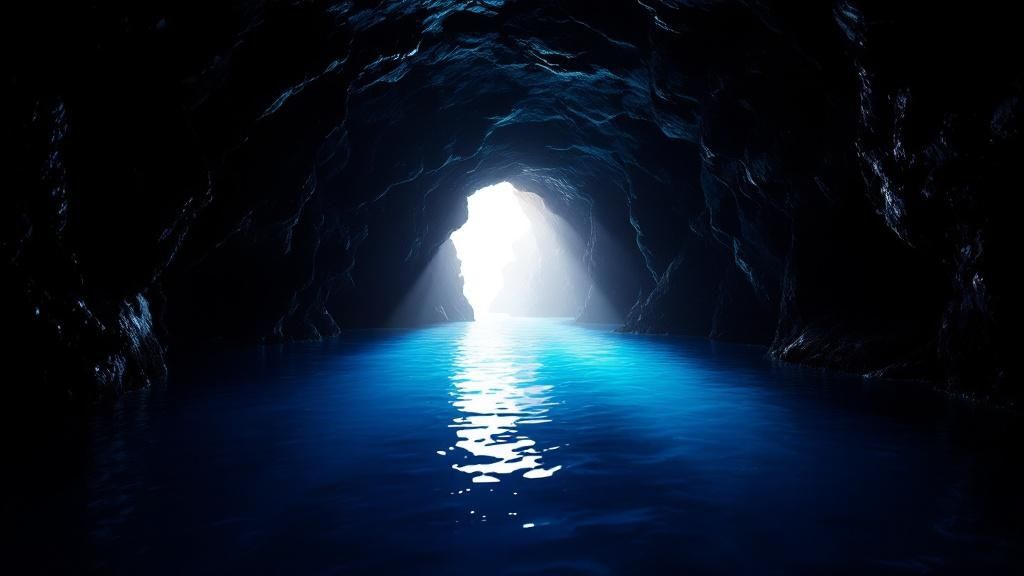
Whether you're dreaming of your first-ever breath underwater or you're already a certified diver looking to sharpen your skills, the Big Island is a world-class classroom. The Kona coast, in particular, offers an incredible learning environment with its calm, warm, and stunningly clear water. It’s the kind of place that turns education into a genuine adventure.
Think of a trip here as more than just a vacation. It's an investment in your passion for diving, a chance to weave skill-building into your holiday and open up a lifetime of new underwater experiences.
Becoming a Certified Diver
For most people, the journey starts with the Open Water Diver certification. This is your ticket to the underwater world, and honestly, I can't think of a better place to earn it than Kona. The gentle conditions help build confidence right from the start.
The process is pretty straightforward. You'll begin with e-learning, which you can knock out at your own pace before you even pack your bags. Once you're here in paradise, you’ll meet your instructor for confined water sessions to get comfortable with the gear and basic skills. Then comes the best part: your "checkout dives" in the open ocean, where you'll be exploring beautiful reefs while showing what you've learned. Kona Honu Divers offers a fantastic Kona scuba certification course that makes the whole experience safe, fun, and memorable.
It's completely normal to feel a bit nervous before your first dive. Just about everyone does! But the moment you drop below the surface and see the reef teeming with life, that anxiety almost always fades into pure wonder. A patient instructor and calm conditions are key, and that's exactly what you'll find here.
Advancing Your Dive Skills
Already have your certification? Great. Big Island scuba diving is the perfect playground to continue your education and become a more capable and confident diver. These courses aren’t just about collecting another certification card; they're about unlocking totally new kinds of dives.
- Advanced Open Water Diver: This course is all about exploration. You get to try five different types of adventure dives. A deep dive and an underwater navigation dive are required, but you can choose the other three—maybe a night dive, a boat dive, or even a drift dive.
- Rescue Diver: Ask any seasoned diver, and they'll tell you this is one of the most challenging but rewarding courses you can take. It shifts your focus from your own diving to looking out for the safety and well-being of others.
- Specialty Courses: This is where you can really fine-tune your interests. Want more bottom time? The Enriched Air (Nitrox) course is for you. Love what you see down there? An Underwater Photography specialty will help you capture it.
Many of these advanced courses can be worked right into our regular dive charters. This way, you can level up your skills while still enjoying some of the most spectacular dive sites the island has to offer.
Your Top Big Island Diving Questions, Answered
Alright, let's tackle some of the most common questions divers have before they jump in. Getting these details sorted out ahead of time means you can relax and focus on the incredible experience waiting for you beneath the waves.
What’s the Water Like? Do I Really Need a Wetsuit?
You'll be happy to know Hawaii’s water stays pretty comfortable all year. We see temperatures dip to around 75°F (24°C) in the winter and warm up to a balmy 81°F (27°C) by late summer.
So, do you need a wetsuit? For most people, yes. A 3mm or 5mm full wetsuit is usually the sweet spot. It'll keep you warm enough to enjoy your dive without getting chilled, especially if you're doing multiple dives or going a bit deeper. Some tough folks might brave a shorty in the summer, but a full suit offers much better protection and warmth.
Is a Manta Sighting Guaranteed on the Manta Ray Dive?
Nature never gives a 100% guarantee, but the Kona Manta Ray Night Dive gets incredibly close. The success rate is consistently over 90%. These mantas are regulars, and they know where to find their nightly plankton buffet.
Just in case it's a rare off-night, most reputable operators have your back. Here at Kona Honu Divers, if the mantas don't show, we'll get you on another tour for free. That's why we always suggest booking this unforgettable manta ray dive tour early in your vacation—it gives you a flexible window to reschedule if needed.
Is Diving with Manta Rays Actually Safe?
It’s not just safe—it’s one of the most magical and peaceful wildlife encounters you can imagine. Manta rays are true gentle giants. They're filter feeders, so they're only interested in microscopic plankton, not people.
It’s also important to remember they are not stingrays; mantas have no stinger, barb, or teeth, so they pose zero threat. The golden rule is to look but don't touch. Touching them can damage the protective mucous coating on their skin. Your job is simple: float, watch, and be amazed by their underwater ballet.
I'm an Experienced Diver. Do You Have Anything That Will Challenge Me?
Of course. If you’ve got hundreds of dives logged and are looking for something beyond the beautiful shallow reefs, the Big Island delivers. We have some seriously thrilling advanced dives that will put your skills to the test.
Think remote, deep-water pinnacles, dramatic lava-formed craters, and sites where bigger pelagic animals tend to cruise by. For a truly unique and mind-bending experience, the Kona Blackwater Dive is an absolute must—it's a nighttime drift dive in the deep open ocean. If you’re ready for a real adventure, take a look at our advanced dive tour page.