
Picture this: You're slowly descending into warm, turquoise water, the world above fading away. All around you, ancient volcanic lava tubes and vibrant coral reefs explode with color and life. This isn't just a dream—it's what Big Island scuba diving is all about. From the world-famous Kona Manta Ray Night Dive to swimming alongside graceful sea turtles, the island delivers one bucket-list adventure after another.
Welcome to an Underwater Paradise
The Big Island isn't just another beautiful spot in Hawaii; it's a world-renowned destination for scuba divers, and the legendary Kona coast is the main reason why. The island’s volcanic origins have created an underwater landscape you won’t find anywhere else on the planet. Massive, ancient lava flows have carved out dramatic arches, mysterious caverns, and intricate swim-throughs that are now home to an incredible array of marine life.
What really makes Big Island scuba diving stand out is the phenomenal water clarity. Visibility often pushes past 100 feet, which is a real treat. It lets you take in the full scale of the sprawling coral gardens and spot animals from a distance. With water this clear, you won't miss a thing—from a tiny, jewel-toned nudibranch crawling on a rock to a majestic eagle ray gliding through the deep blue. You can get a better sense of what makes the island so unique by reading about the diverse marine ecosystems in Hawaii.
What Makes Kona Diving So Special?
The Kona coast is the heart of the island’s dive scene, and for good reason. It's sheltered from the prevailing trade winds by the island's massive volcanoes, which creates consistently calm and clear conditions year-round. This natural protection makes it a perfect playground for divers, with a rich tapestry of sites, each with its own distinct personality.
- Healthy Reefs: You'll find thriving coral ecosystems packed with butterflyfish, parrotfish, and Moorish idols.
- Volcanic Topography: Get ready to navigate incredible lava tubes, archways, and underwater canyons—a direct result of the island's fiery past.
- Abundant Wildlife: Encounters with Hawaiian green sea turtles (honu) are practically a given, and you'll have a great chance of seeing spinner dolphins, octopuses, and reef sharks.
- Unforgettable Night Dives: The Big Island is famous for two of the most spectacular night dives in the world: the Manta Ray Night Dive and the mysterious Blackwater Dive.
Whether you're looking to get your first certification or an experienced diver searching for your next big thrill, the sheer variety of what you can see and do here is amazing. As your guides, we at Kona Honu Divers live to share the best of this aquatic wonderland with you, always with safety and respect for the ocean at the forefront. We’re passionate about the magic waiting just beneath the waves.
Ready to jump in? We offer a wide range of incredible scuba diving tours on the Big Island for every skill level.
Discover the Best Big Island Dive Sites
The Kona coast is a diver's paradise, plain and simple. What makes it so special is its dramatic underwater landscape, shaped by ancient lava flows that have created a spectacular playground of arches, caverns, and intricate reefs. It’s like stepping into a different world, one where every dive reveals something new.
Choosing where to splash in can feel overwhelming, but it's the key to an unforgettable trip. Are you a new diver looking for a calm, shallow reef teeming with fish? Or are you a seasoned pro chasing the thrill of a deep wall or a drift dive? Understanding what each site offers helps you build the perfect https://konahonudivers.com/big-island-scuba-diving/ itinerary.
This is where local knowledge becomes your best friend. A good dive crew, like the one at Kona Honu Divers, doesn't just take you to a spot; they take you to the right spot for that day's conditions and your skill level. They know the secret hideouts of rare critters and the best angles to view the underwater architecture.
Big Island Dive Site Snapshot
To give you a clearer picture of what the Big Island has to offer, here’s a quick look at some of the most popular spots. Each one has its own personality and unique draws.
| Dive Site | Key Features | Common Marine Life | Skill Level |
|---|---|---|---|
| Kealakekua Bay | Protected marine sanctuary; incredible coral health. | Spinner dolphins, schools of yellow tang, honu (turtles). | Beginner |
| Golden Arches | Stunning lava rock archway, perfect for photos. | Reef fish, moray eels, octopuses. | Beginner/Intermediate |
| Suck 'Em Up | Thrilling lava tube swim-through with water surge. | Whitetip reef sharks (resting), unique invertebrates. | Intermediate/Advanced |
| Manta Heaven | Famous for the nighttime manta ray snorkel/dive. | Manta rays, garden eels, various fish. | Beginner |
This is just a small sample, of course. The Kona coast is lined with dozens of world-class sites, each waiting to be explored.
Choosing the Right Dive Site for You
So, with all these amazing options, how do you pick? It really boils down to three things: your certification level, your comfort in the water, and what you’re genuinely excited to see.
Beginners will feel right at home in the crystal-clear, protected waters of a site like Pawai Bay. Meanwhile, experienced divers might get a bigger kick out of exploring deeper sites or navigating the gentle surge of a swim-through.
Think about your personal bucket list. Are you hoping for a face-to-face encounter with a majestic manta ray, or are you more fascinated by the tiny, hidden world of macro life like nudibranchs and frogfish? Don't be shy about sharing your interests with your dive guide. A great operator will always try to tailor the day's plan to give you the best shot at seeing what you came for.
The real magic of diving here is the sheer variety. One day you can be gliding over vibrant coral gardens in 20 feet of water, and the next you can be exploring a dramatic lava tube that drops off into the deep blue. The Kona coast truly has it all.
Experience the World-Famous Manta Ray Night Dive
If there's one dive you absolutely must do on the Big Island, this is it. The manta ray night dive isn't just a local highlight; it's a world-renowned natural wonder that divers talk about for a lifetime.
Imagine this: you slip into the dark, warm ocean just after sunset and settle onto a sandy spot on the seafloor. Your guides place powerful lights on the bottom, which quickly attract swarms of plankton. It’s like setting up an irresistible, all-you-can-eat buffet for the ocean’s most graceful giants.
Then, the show begins. They glide in from the darkness, huge shadows that resolve into magnificent manta rays. Some have wingspans stretching over 12 feet! They swoop and barrel roll just inches above your head, performing a silent, hypnotic ballet through the beams of light. It’s a profoundly moving and humbling experience—a true connection with one of nature’s most incredible spectacles.
This isn’t just another dive; it’s an encounter that stays with you. These gentle giants are completely harmless, and their serene, curious nature is breathtaking to witness up close.
Choosing Your Manta Experience
When you start planning this unforgettable adventure, you'll find two main locations pop up: Manta Village and Manta Heaven. Both are fantastic, but knowing the difference can help you choose.
- Manta Village (Keauhou Bay): This is the original, classic site and is known for having the most consistent sightings all year long. It’s just south of Kona, which means a shorter boat ride—a huge plus if you’re worried about seasickness.
- Manta Heaven (Garden Eel Cove): A bit further north, near the airport, this spot often attracts bigger groups of mantas. It’s not uncommon to see a dozen or more rays dancing together, which is a truly jaw-dropping sight.
Honestly, you can’t go wrong with either. Your choice might simply come down to your operator’s schedule or how much time you want to spend on the boat. Both spots provide a front-row seat to this incredible underwater performance. You can find even more details by reading our complete guide to the Kona manta ray night dive.
Why Responsible Diving Matters Here
The magic of this experience relies entirely on doing it the right way. Manta rays are covered in a thin mucus layer that protects them from infection. Touching a manta, even by accident, can strip this protective coating and cause serious harm. This is why picking a reputable, eco-conscious operator is non-negotiable.
Good operators live by a strict "look, don't touch" rule. They'll instruct divers to stay on the sandy bottom and snorkelers to remain on the surface. This creates a safe, open "ballroom" for the mantas to glide through without feeling stressed or crowded.
At Kona Honu Divers, we are absolutely committed to these principles. We ensure every encounter is safe for our guests and for the precious marine life we're there to see. These best practices have helped make the manta dive one of the most successful and sustainable wildlife interactions anywhere.
In fact, the experience consistently earns incredibly high satisfaction ratings—averaging 4.86 out of 5 stars across hundreds of reviews. It's proof that you can have a mind-blowing adventure while still putting the animals' welfare first.
Explore Advanced and Unique Diving Adventures
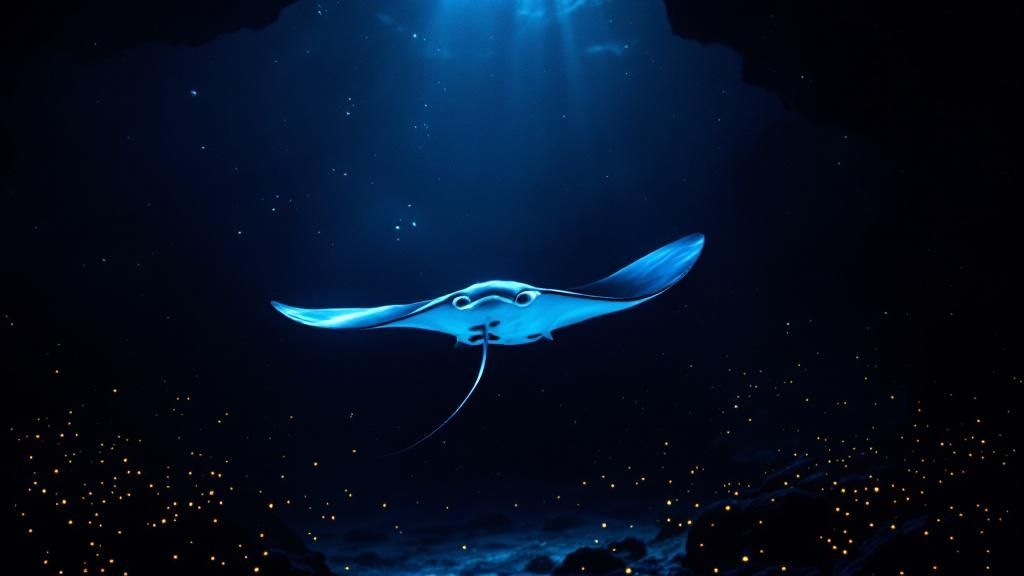
While the stunning coral gardens and the legendary Manta Ray Night Dive are absolute must-dos, the Big Island has a wilder side that calls to certified divers looking for a real challenge. If you're itching to go beyond the usual and see things most people only dream of, you’re in the right place. These aren't just deeper dives; they are full-blown expeditions into the more mysterious corners of Hawaii's underwater world.
The undisputed champion of these adventures has to be the Kona Blackwater Dive. It’s an experience that’s tough to put into words but impossible to ever forget. Picture this: you're miles offshore, floating in the deep, dark ocean under a canopy of stars. Tethered to the boat, you are suspended over thousands of feet of inky black water, witnessing one of the largest migrations on Earth happening right before your eyes.
Your dive lights pierce the darkness, attracting a parade of bizarre and beautiful creatures rising from the abyss. You'll encounter larval fish that look nothing like their adult counterparts, strange jellies pulsing with their own light, and otherworldly squid decorated with hypnotic patterns. This isn’t a reef dive—it's like being granted a visitor's pass to a hidden dimension of the ocean.
Pushing the Boundaries of Big Island Scuba Diving
The blackwater dive is just the beginning. The Big Island’s volcanic heart offers plenty of other opportunities for experienced divers to explore unique geology and encounter massive marine life. These dives aren't for everyone; they demand advanced certification, sharp skills, and excellent buoyancy control due to depth, currents, or overhead environments. For those who have what it takes, they represent the absolute pinnacle of Big Island scuba diving.
Exploring deep lava tubes is one of those next-level thrills. I’m not talking about the simple swim-throughs you find at shallower sites. These are complex, cavernous networks that twist and turn through ancient volcanic rock, a direct, awe-inspiring link to the island's fiery birth.
Out at sea, certain offshore pinnacles and sites with ripping currents act as magnets for big pelagic animals. These are the spots where you have a real shot at seeing:
- Schools of scalloped hammerhead sharks
- Majestic whale sharks cruising by in season
- Huge schools of swirling jack and barracuda
- The occasional curious oceanic whitetip shark
These advanced dives aren’t just about going deeper. They're about precision, skill, and having a profound respect for the ocean's raw power. It's a chance to see the ecosystem at its most dynamic and untamed. For those certified and ready for a challenge, consider an advanced dive tour.
To truly understand what makes night diving here so special, check out our firsthand account of what it's like to go on the manta ray dive.
How to Plan Your Big Island Dive Trip
Turning that dream of Big Island scuba diving into a real-life adventure is a lot easier than you might think. With just a bit of forethought, you can make sure your trip is smooth, safe, and utterly unforgettable. Let's walk through the logistics, from figuring out the best time to visit to picking the perfect dive shop for you.
First up, when should you come? One of the truly great things about the Kona coast is that the diving is fantastic all year long. But if you're chasing the absolute calmest seas and warmest water—hovering around a blissful 77-80°F (25-27°C)—aim for the shoulder seasons. Spring (April-June) and fall (September-November) typically deliver incredible visibility and the added bonus of fewer crowds.
Winter brings slightly cooler water, but it also offers a trade-off that is nothing short of magical: the chance to hear humpback whale songs echoing through the water on your dive. It's an experience that will stay with you forever. Summer is also a wonderful time to be here, but just remember it's peak tourist season, so booking your dive charters well in advance is a must.
Gearing Up for Your Dives
It's the age-old diver's question: bring your own gear or rent when you get there? Honestly, it boils down to personal preference and how much diving you have planned. If you're particular about the fit of your own BCD and regulator, bringing them can be worth the extra effort. On the other hand, high-quality rental gear is easy to find and saves you from dealing with airline baggage fees and lugging heavy equipment around.
- Bring: You'll definitely want to pack your personal items. Things like your dive computer, your favorite mask (especially if it has prescription lenses), and fins are usually good to bring. A 3mm wetsuit is the sweet spot for most of the year, though you might be happier in a 5mm during the cooler winter months.
- Rent: Major items like BCDs, regulators, and tanks are easily rented from any reputable shop. Operators like Kona Honu Divers offer excellent, proactively serviced rental equipment, giving you peace of mind that you're diving with gear you can trust.
A fantastic dive operator can make or break your trip. While the island has several great companies, you'll want to find one that puts safety, small group sizes, and environmental respect at the top of their list. For example, Jack's Diving Locker has been a cornerstone of the Kona dive scene since 1981, earning a stellar reputation for its thorough training and well-outfitted boats. You can dive deeper into the history of Big Island scuba diving to get a feel for the community.
Certification and Choosing an Operator
Kona is the perfect classroom to level up your dive skills. If you're not yet certified, you can get your PADI Open Water Diver certification right here in warm, crystal-clear water. Already certified? This is an amazing place to earn your Advanced Open Water or try a mind-blowing specialty like the Kona Blackwater Dive or the world-famous Manta Ray Dive.
When you're comparing dive shops, keep an eye out for a PADI 5-Star IDC (Instructor Development Center). This is a big deal in the dive world—it's a mark of quality that means the shop meets the highest standards for training, safety, and service. Kona Honu Divers is a perfect example, run by seasoned instructors who live and breathe for sharing the underwater world.
Choosing a top-tier operator like Kona Honu Divers isn't just about a boat ride; it's about the entire experience. It means smaller dive groups, personalized attention, expert guides who know the secret spots, and a deep commitment to protecting the fragile marine environment you’ve come to see.
This focus on quality ensures that every single dive, whether it’s a laid-back reef tour or an advanced technical trip, is handled with true professionalism. It's the difference between just going for a dive and having a truly exceptional adventure.
Your Big Island Diving Questions, Answered
Alright, you've got the inspiration and a good idea of what's waiting for you beneath the waves. Now, let's tackle some of those lingering questions that pop up before any big dive trip. Think of this as a quick chat with a local expert to sort out the final details, so you can hit the water with complete confidence.
What’s the Best Time of Year to Dive the Big Island?
Honestly, the diving here is incredible any time you can get away. But if you're looking for that absolute sweet spot, aim for spring (April to May) or fall (September to October). During these months, the ocean tends to lay down, giving us the calmest seas and warmest water, typically hovering around a blissful 78-80°F (25-27°C). The visibility can be breathtaking, often clearing 100 feet or more.
Summer is also fantastic, but it's peak season, so you'll be sharing the island with more visitors. Winter can bring bigger swells, especially on the north and east sides, but the Kona coast is wonderfully protected and usually stays calm. Plus, winter dives come with an unforgettable soundtrack—the haunting, beautiful songs of humpback whales echoing through the water. It’s pure magic.
Do I Need to Be Certified to Scuba Dive in Kona?
Not at all! In fact, Kona's calm, clear conditions make it one of the best places on the planet to take your first breath underwater. Reputable PADI 5-Star shops like Kona Honu Divers offer what's called the PADI Discover Scuba Diving program. It’s a fantastic one-day experience designed for total beginners.
An experienced instructor will teach you the essentials in a safe, controlled setting before personally guiding you on a shallow reef dive. All you need is a sense of adventure. It’s the perfect test run, and if you get hooked (which, let's be honest, you probably will), you can easily roll right into a full PADI Open Water Diver certification course and finish it while you're here.
What Kind of Marine Life Will I See?
The sheer amount of life packed onto our reefs is astounding, and no two dives are ever the same. You're almost guaranteed to spot Hawaiian green sea turtles (we call them honu), often on every single dive. Beyond that, you'll be surrounded by:
- Schools of vibrant butterflyfish and angelfish
- Curious moray eels peeking out from their rocky homes
- Clouds of brilliant yellow tang
- Masters of disguise like frogfish and scorpionfish
Our unique volcanic underwater landscape, with its countless lava tubes and ledges, provides the perfect hiding spots for octopuses and other rare critters. For bigger thrills, the world-famous manta ray night dive is a must, and drift dives can bring you face-to-face with eagle rays, reef sharks, and sometimes even a pod of dolphins.
And if you want something truly unique, the Kona blackwater dive is an otherworldly experience, revealing a hidden universe of tiny, glowing deep-sea creatures you won’t find anywhere else.
Is the Manta Ray Night Dive Safe?
Yes, it’s exceptionally safe, especially when you go with a seasoned, professional operator like Kona Honu Divers. They have this dive dialed in, with years of experience ensuring the safety and comfort of both the divers and the mantas. You'll get a thorough safety briefing from your divemaster before you even touch the water.
The dive itself is actually very relaxed. You'll head down to a sandy patch around 30-40 feet deep and simply watch the spectacle unfold above you. Manta rays are gentle giants; they’re filter feeders without teeth, stingers, or barbs. They are only interested in the plankton attracted to the lights. The whole operation is built around respect for these incredible animals, making it an unforgettable and safe encounter for everyone.
To see all the amazing Big Island scuba diving trips on offer, from beginner-friendly reef tours to advanced charters, take a look at the full lineup of Kona Honu Divers' diving tours.