
Picture this: you're weightless, descending into brilliant turquoise water. All around you, ancient volcanic lava tubes twist and turn, while vibrant coral reefs pulse with life. This isn't a dream; it's the reality of Big Island scuba diving, an experience that easily ranks among the very best underwater adventures on the planet. From the placid Kona coast to its one-of-a-kind marine ecosystems, the Big Island is a spectacular subaquatic playground for divers of every skill level.
Welcome to an Underwater Paradise
Think of this guide as your personal compass for exploring one of the world's most breathtaking underwater destinations. We're going to show you exactly why the Kona coast is a diver's dream, from its calm, protected waters to its incredibly unique marine life. This is more than just a list of sites—we'll share the stories that make each spot a true adventure.
The island's reputation is definitely well-earned. The diving Hawaii Big Island scene brings in over 150,000 dive tourists annually, who log around 100,000 certified dives each year. This is all supported by a fantastic local infrastructure of more than 50 professional Kona diving companies and charters.
Get ready to discover the magic waiting just beneath the waves.
Why Is Scuba Diving on the Big Island So Special?
The magic of scuba Big Island adventures comes down to a perfect storm of geology, geography, and incredible biodiversity. The island's volcanic origins have carved out a dramatic underwater world you simply won't find anywhere else.
- Volcanic Topography: Imagine exploring ancient lava tubes, swimming through magnificent archways, and navigating submerged volcanic craters. It's an underwater landscape built by fire and reclaimed by the sea.
- Vibrant Coral Reefs: These volcanic foundations provide the perfect anchor for healthy, thriving coral reefs that are absolutely bursting with color and life.
- Abundant Marine Life: The ecosystem here supports an unbelievable diversity of creatures, including endemic fish species—animals you literally cannot see anywhere else on Earth.
This guide will take you on a journey through all the must-see experiences, from the world-famous manta ray night dive to the thrill of exploring deep pelagic zones. And for when you're back on land, you can also check out our guide to the 10 best beaches in Kona for some well-deserved surface-interval relaxation.
We'll also give you the essential tips for picking the right dive operator, like Kona Honu Divers, to make sure your trip is both incredibly safe and totally unforgettable. Your adventure into the heart of Kona diving starts right now.
Why Kona Is the Heart of Hawaii Diving
So, what’s the secret sauce that makes Kona diving so consistently incredible? It all comes down to geography. The Kona coast is tucked away on the leeward, or western, side of the Big Island, perfectly sheltered by the massive volcanoes of Mauna Loa and Hualālai.
Think of these volcanoes as giant, natural shields. They block the powerful trade winds that can stir up the ocean on other parts of the island. The result? A diver's dream. We're talking remarkably calm waters and phenomenal visibility that often stretches beyond 100 feet.
This predictable calm is the key ingredient for world-class scuba diving Big Island Hawaii. It sets the stage perfectly for exploring the dramatic underwater landscapes and meeting the vibrant marine life that puts diving Hawaii Big Island on every diver's bucket list.
A Year-Round Underwater Haven
That volcanic protection means Big Island scuba diving is fantastic any time you decide to visit. Sure, the summer months (June to September) are famous for those glassy, flat-calm seas, but winter brings its own kind of magic.
From December to March, it's not uncommon for divers to hear the haunting songs of migrating humpback whales echoing through the water. It’s an unforgettable experience. This blend of reliable conditions and seasonal wonders is what solidifies Kona's reputation as a top-tier global diving destination. You can dive deeper into the unique climate and geography of Big Island scuba diving and see how it shapes your trip.
It's these same steady conditions that allow the underwater ecosystem to thrive. Without constant battering from wind and waves, delicate coral reefs can flourish, creating intricate cities for a mind-boggling array of marine animals. This is exactly why scuba diving Big Island is synonymous with biodiversity.
Meet the Premier Kona Diving Company
Getting the most out of this underwater paradise means going with guides who know these waters like the back of their hand. Among the best Kona diving companies, Kona Honu Divers stands out. They are absolutely committed to safety, small group sizes, and, most importantly, creating experiences you'll be talking about for years.
Their crew's deep, local knowledge of the dive sites ensures every trip is dialed in for the best possible encounters, whether you're taking your first breaths underwater or you're a seasoned pro. Choosing a top-notch operator like Kona Honu Divers isn't just about booking a dive; it's an investment in a safe, personal, and genuinely awe-inspiring adventure.
But don't just take our word for it. See what other divers are saying:
From the world-famous Manta Ray Night Dive to exploring sunlit reefs teeming with life, there's a dive here for everyone. Take a look at the full lineup of incredible Kona Honu Divers diving tours to find the perfect trip for your skills and interests. Whether it's the dramatic lava tubes or the schools of colorful reef fish that catch your eye, the diving Big Island scene delivers.
Iconic Dives You Cannot Miss
When you plan a Big Island scuba diving trip, some experiences are just non-negotiable. They're the kind of dives that define Hawaiian underwater adventure—the ones you’ll be talking about for years to come. From silent, glowing ballets in the dark to explorations of the mysterious deep, the Kona coast delivers some truly legendary encounters.
This is your guide to the absolute can't-miss dives. We’ll kick things off with the crown jewel of Kona diving and then get into the abyss and sun-drenched reefs that make diving Hawaii Big Island an unforgettable experience.
The World-Famous Manta Ray Night Dive
Picture this: you’re kneeling on the sandy ocean floor in the quiet darkness. A powerful light illuminates the water column above you, drawing in clouds of plankton. Then, like silent, graceful ghosts, they arrive.
Giant manta rays, with wingspans stretching over 12 feet, glide into the light. They perform a mesmerizing, silent ballet, barrel-rolling effortlessly just inches above your head as they feed. It's a surreal and deeply moving spectacle that has rightfully earned its reputation as one of the best night dives on the planet.
This isn't just another dive; it's a profound connection with one of the ocean's most majestic creatures. The whole operation is incredibly safe and well-managed by top-tier Kona diving companies, so even newer divers can join in.
To witness this unforgettable spectacle is to understand the magic of scuba diving Big Island. It’s a peaceful, awe-inspiring encounter that feels completely otherworldly.
Ready to see it for yourself? You can book this life-changing experience directly through the Kona Honu Divers Manta Ray Dive tour page.
The Kona Blackwater Dive: An Abyss of Wonders
For the true thrill-seeker, the **diving Big Island** scene offers an adventure that’s in a class of its own: the Kona Blackwater Dive. Forget the reef. On this dive, you’re tethered to the boat, drifting in the deep open ocean miles offshore, suspended over thousands of feet of inky black water.
At night, a natural phenomenon called vertical migration happens. Strange, beautiful, and often bizarre creatures rise from the abyss toward the surface to feed. You’ll come face-to-face with life forms that look like they belong on another planet—tiny larval fish, see-through squids, and glowing bioluminescent jellies.
This pelagic experience is a must for any serious underwater photographer or anyone captivated by the deep sea's secrets. It’s a highly specialized dive that demands a skilled crew, so you want to go with the best. If you're up for this unique challenge, you can learn more and book a Blackwater Dive tour.
Must-See Daytime Dive Sites
While the night dives steal a lot of the spotlight, the daytime **scuba diving Big Island Hawaii** has to offer is just as incredible. The underwater volcanic landscape has created a stunning playground of lava tubes, dramatic arches, and coral-covered canyons just waiting to be explored.
Here are a few types of sites you just can't miss:
- Turtle Heavens: Spots like Pawai Bay and Golden Arches are famous for their huge populations of Hawaiian Green Sea Turtles (Honu). It’s not uncommon to see dozens of these gentle giants resting on the sandy bottom or swimming gracefully past you.
- Lava Tube Explorations: Sites like Golden Arches and Suck 'em Up give divers the chance to swim right through ancient lava tubes. The way the light filters through openings in the rock creates a dramatic and beautiful effect you have to see to believe.
- Reefs for Everyone: Whether you're a brand new diver or a seasoned pro, there are countless vibrant reefs to check out. Places like Garden Eel Cove and Crescent Beach are packed with fish species found only in Hawaii, colorful corals, and the occasional whitetip reef shark cruising by.
Advanced and Premium Dive Opportunities
Are you an experienced diver looking to push your limits a bit? The **scuba Big Island** adventure doesn’t end with the main attractions. For those with the right certifications and experience, there are awesome opportunities to go beyond the usual dive profiles and explore deeper, more remote sites.
These advanced trips often head for sheer drop-offs, more challenging environments, and sites further from shore. You might explore a deep pinnacle, hunt for rare marine life, or just enjoy a more demanding dive with a small group of other experienced divers. It’s the perfect way to level-up your Big Island diving vacation.
If a bigger challenge sounds like your kind of thing, check out the Premium Advanced Dive Tours offered by Kona Honu Divers.
Planning Your Dive: When to Go and What to Expect
Timing is everything. While the Kona coast offers incredible diving pretty much year-round, knowing the subtle differences between seasons can take your trip from great to absolutely perfect. Think of it as the insider knowledge that turns a good plan into a once-in-a-lifetime experience.
The best part? There’s really no "bad" time for diving the Big Island. Thanks to the island's geography, the leeward coast is protected from the worst of the weather, which means calm seas and fantastic visibility are the norm. Still, each season brings its own special flavor to the underwater world.
Summer Diving: The Season of Calm
For a lot of divers, summer (June through September) is the absolute sweet spot for Kona diving. This is when the ocean lays down, offering up bathtub-calm seas and water clarity that will blow your mind. It’s not uncommon for visibility to push past 100 feet, making the reefs pop in high-definition color.
These glassy conditions are perfect for everyone, whether you're just getting your certification or you're a seasoned pro looking for some easy, beautiful dives. If you want the most serene underwater escape possible, summer is your season.
Winter Diving: The Season of Song
Winter on the Big Island, from December to March, offers a magical trade-off. While you might get a bit more texture on the surface from distant ocean swells, what’s happening below is truly profound. This is peak humpback whale season.
You don’t even have to see a whale for them to completely change your dive. Their complex, haunting songs travel for miles underwater, creating a live, moving soundtrack for your entire time on the reef. It's an awe-inspiring experience that adds a whole new dimension to scuba diving on the Big Island. Much like other marine adventures and seasonal viewing are tied to wildlife, timing a winter dive here means you get this incredible acoustic show.
So, it really comes down to what you're looking for: the epic calm of summer or the enchanting whale songs of winter. No matter your choice, the water stays in that perfect range of 75-81°F (24-27°C). For most people, a simple 3mm wetsuit is all you'll need.
Big Island Diving Seasons at a Glance
To make it even easier, here’s a quick breakdown of what to expect during the two main diving seasons.
| Feature | Summer (June – September) | Winter (December – March) | Year-Round |
|---|---|---|---|
| Sea Conditions | Almost always flat and calm | Generally calm, with occasional surface chop or swells | Consistently good, protected by the island |
| Visibility | Excellent, often 100+ feet | Very good, can fluctuate a bit with weather | Typically 60-100+ feet |
| Water Temp | Warmer, 78-81°F (25-27°C) | Cooler, 75-77°F (24-25°C) | Always comfortable for diving |
| Key Highlight | Bathtub-like calm and max visibility | Humpback whale songs underwater | Thriving reefs and abundant marine life |
Ultimately, whether you come for the summer calm or the winter songs, Kona’s underwater world is waiting. The local Kona diving companies are masters at reading the daily conditions to make sure every dive is safe, comfortable, and absolutely unforgettable.
Choosing the Best Kona Diving Company
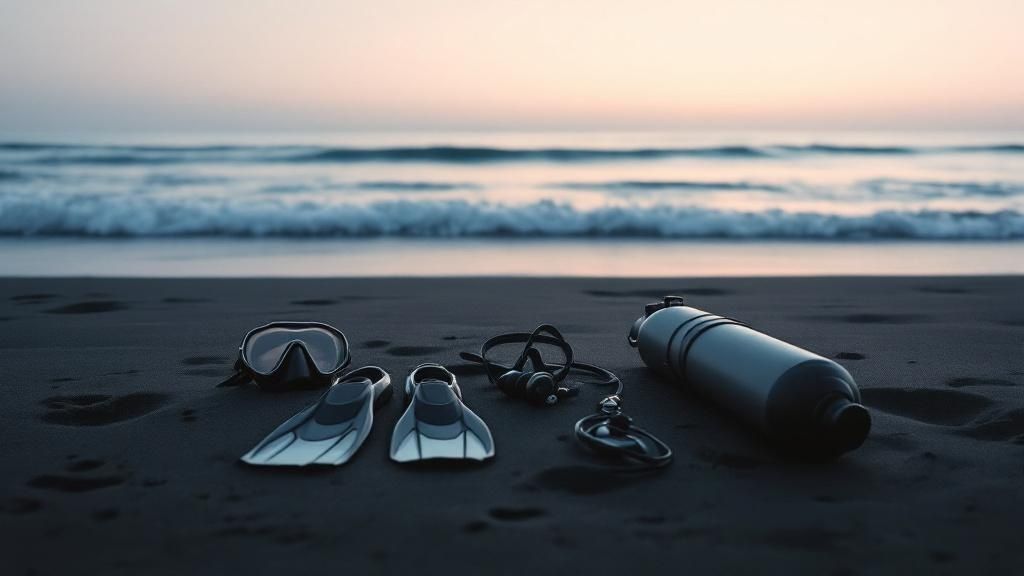
Picking the right dive operator can honestly make or break your entire Big Island scuba diving trip. A fantastic dive is about so much more than just a boat ride. It’s about the crew's expertise, their commitment to safety, and the passion they bring to showing you their underwater world. Sifting through the Kona diving companies is one of the most important decisions you'll make.
The right company takes a good dive and makes it an experience you'll be talking about for years. It's like choosing a mountain guide—you want someone who intimately knows the trails, respects the wilderness, and puts your well-being above everything else. The same exact principle applies to diving Hawaii Big Island.
Safety First, Always
Let’s be clear: a spotless safety record is the absolute minimum you should accept from a dive operator. This isn’t just a box to check. It means well-maintained boats, modern rental gear that you trust, and a crew that’s sharp on emergency procedures and first aid. A truly professional outfit never, ever cuts corners on safety.
When you're looking at a company, check for real evidence of this commitment. Do they give a thorough, clear safety briefing before you even get on the boat? Does the equipment look clean and in great shape? A top-tier operator weaves safety into everything they do, from the moment you book to the second you’re back on the dock.
The Power of Small Groups
One of the biggest things separating an average **Kona diving** trip from a truly exceptional one is the group size. Big, crowded boats can feel impersonal, rushed, and a little chaotic. On the other hand, operators who deliberately keep their groups small offer a fundamentally better, more personal experience.
Choosing a dive company that limits group size is an investment in your safety and enjoyment. It means more personalized attention from your guide, less impact on the delicate marine environment, and a more relaxed, intimate dive.
This hands-on approach means your guide has the time to point out that camouflaged octopus you would have missed, or to adjust the dive plan to match everyone's comfort level. It’s a tell-tale sign of a quality operation that cares more about the experience than just packing the boat. If you want to see what that philosophy looks like in action, you can dive the Big Island of Hawaii with Kona Honu Divers and feel the difference for yourself.
Environmental Stewardship Matters
How a dive company treats the ocean says a ton about its professionalism. The best operators aren’t just guides; they’re passionate guardians of the marine world. You can usually see this commitment in their official certifications and their day-to-day actions.
Keep an eye out for operators with PADI Green Star or Blue Star designations. These aren't just fancy badges; they show that a company is actively protecting the underwater world by:
- Promoting responsible diving practices to minimize any damage to the reef.
- Participating in conservation efforts like local reef cleanups.
- Educating divers about the incredible, yet fragile, local ecosystem.
When you choose a company that respects the ocean, you're doing more than just planning a vacation. You’re helping ensure that the stunning sites you enjoy while scuba diving Big Island will be just as beautiful for the next generation of divers.
Frequently Asked Questions
If you're thinking about Big Island scuba diving, you've probably got a few questions. That's a good thing! Knowing the best time to visit or what makes this island so special is the first step to planning an unforgettable underwater trip. We get these questions all the time, so we've put together some answers to help you get your plans sorted and get you excited to jump in.
Our goal here is to clear up any questions you might have and show you exactly why a scuba diving Big Island Hawaii trip is something you just can't miss. Let's dive into the details.
Is there good diving on the Big Island?
Absolutely. The Big Island, especially the Kona Coast, has some of the best and most reliable diving conditions you'll find anywhere in the world. The combination of unique volcanic seascapes, calm water, and tons of marine life makes it a bucket-list spot for divers of all levels.
What are the best months to scuba dive in Hawaii?
You can dive year-round in Hawaii! Summer (June-September) generally has the calmest seas and warmest water. But winter (December-March) offers that incredible chance to hear humpback whale songs on your dive, even if the water is a few degrees cooler.
Is Kona good for scuba diving?
Kona is exceptional for scuba diving. Its leeward location protects it from the trade winds, which means you get clear, calm water almost every single day. That reliability, plus over 50 different dive sites to explore, makes it a world-class diving destination.
Is it better to snorkel or scuba dive in Hawaii?
It really depends on what you're after. Snorkeling is amazing for seeing tons of life in shallow reefs. Scuba diving takes you deeper, letting you explore incredible underwater structures like lava tubes and arches and see different creatures. It’s a much more immersive experience.
Which Hawaiian island is best for scuba diving?
While all the islands have something special to offer, the Big Island is widely seen as the best for scuba diving. This is thanks to the superior visibility and calm conditions on the Kona coast, not to mention unique experiences like the manta ray night dive that you can't find anywhere else.
When to dive Kona?
Any time is a great time to dive in Kona! If you want the absolute calmest, flattest water, plan your trip for June through September. If you want to add the magic of hearing humpback whales to your dive log, aim for December through March.