
If you're a diver, you've probably heard the whispers about the Big Island of Hawai'i. And let me tell you, the rumors are true. This place offers some of the most consistently spectacular diving on the planet. Forged by volcanoes and shielded by its own massive mountains, the island boasts an underwater world that feels like it was designed specifically for us.
Think dramatic lava tubes, sprawling, healthy coral reefs, and water so clear and calm it almost feels like a swimming pool—especially along the legendary Kona coast.
So, What Makes Big Island Diving a Cut Above the Rest?
The Big Island isn't just another pretty spot in Hawaii; it's a diver's playground, literally built by fire and water. The volcanic origins have sculpted a jaw-dropping underwater landscape. You'll find yourself exploring massive archways, intricate caverns, and lava tubes that twist and turn. It’s this unique geology that really sets the diving Hawaii Big Island apart.
Another huge factor is the island's sheer size. The massive volcanoes, Mauna Loa and Hualalai, create a "rain shadow" over the western Kona coast. This leeward side is protected from the trade winds, which means you get incredibly calm and clear ocean conditions pretty much 365 days a year. For divers trying to plan a trip, that kind of reliability is gold.
Of course, the stunning topography wouldn't mean much without a thriving marine ecosystem. To keep these waters vibrant for generations to come, it's worth learning how to stop water pollution and supporting local conservation.
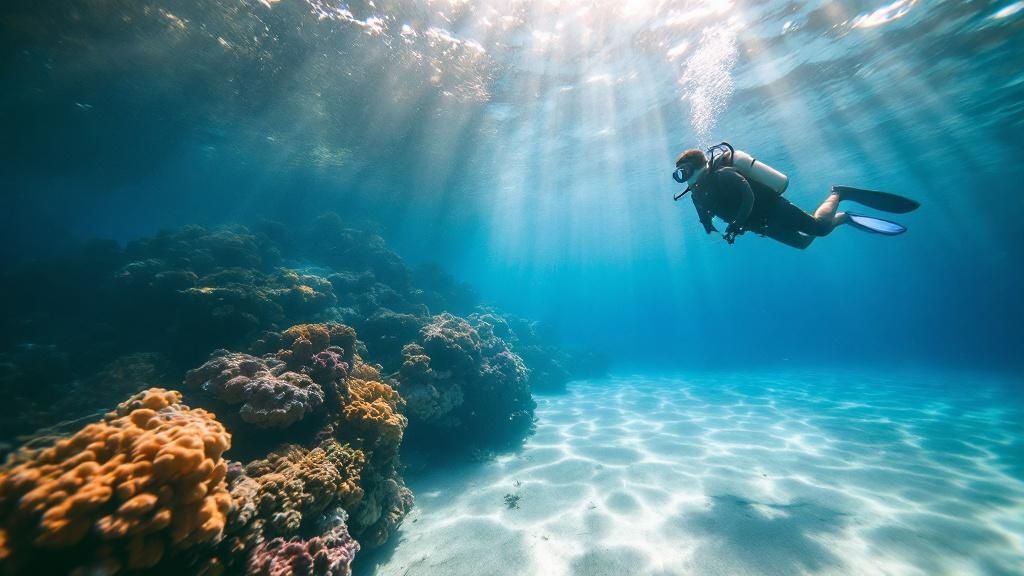
To give you a clearer picture, here's a quick summary of what makes the Big Island a world-class diving location.
Big Island Diving at a Glance
| Feature | What It Means for Divers |
|---|---|
| Volcanic Topography | Unique lava tubes, arches, and caverns for incredible exploration. |
| Kona's Leeward Coast | Calm, clear water nearly every day of the year. Unbeatable reliability. |
| Healthy Reefs | Vibrant coral and abundant marine life. |
| Endemic Species | About 30% of marine life is found only in Hawaii. |
| Deep Water Proximity | Opportunities to see large pelagics like mantas, sharks, and whales. |
This combination is what draws divers back year after year.
A Legacy of Exploration and Excellence
Diving on the Big Island has a fascinating history. Back in the 1960s and 70s, the pioneers of the sport were exploring these waters with very limited gear. Their passion paved the way for the awesome dive community we have today.
The real shift happened when organizations like PADI standardized training, turning a niche hobby into something accessible to more people. A huge milestone was the opening of Jack's Diving Locker in 1981, which really put Kona on the global diving map.
Today, the island welcomes over 150,000 dive tourists who log around 100,000 certified dives annually. It's a journey from rugged adventure to a mature, world-renowned destination. You can dive deeper into the island's top spots in our complete guide to Big Island scuba diving.
Finding Your Perfect Dive Experience on the Big Island
The magic of Big Island diving really comes down to its sheer variety. It doesn’t matter if you’ve logged hundreds of dives or have never breathed through a regulator before—there’s an incredible underwater adventure here with your name on it.
Your main choice boils down to two distinct styles: shore diving and boat diving. Each offers a completely different way to explore. Beyond that, there are fantastic diving tours and options for anyone wanting to get their feet wet for the first time or even earn a full scuba certification.
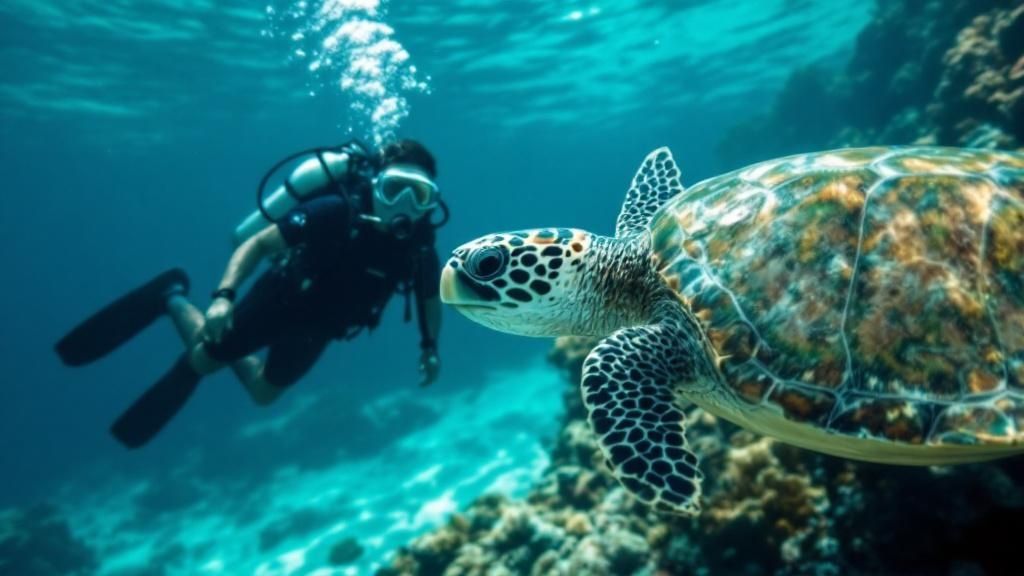
Boat Diving vs. Shore Diving
Deciding between a boat and a shore dive usually comes down to what you want to see and how much work you want to do.
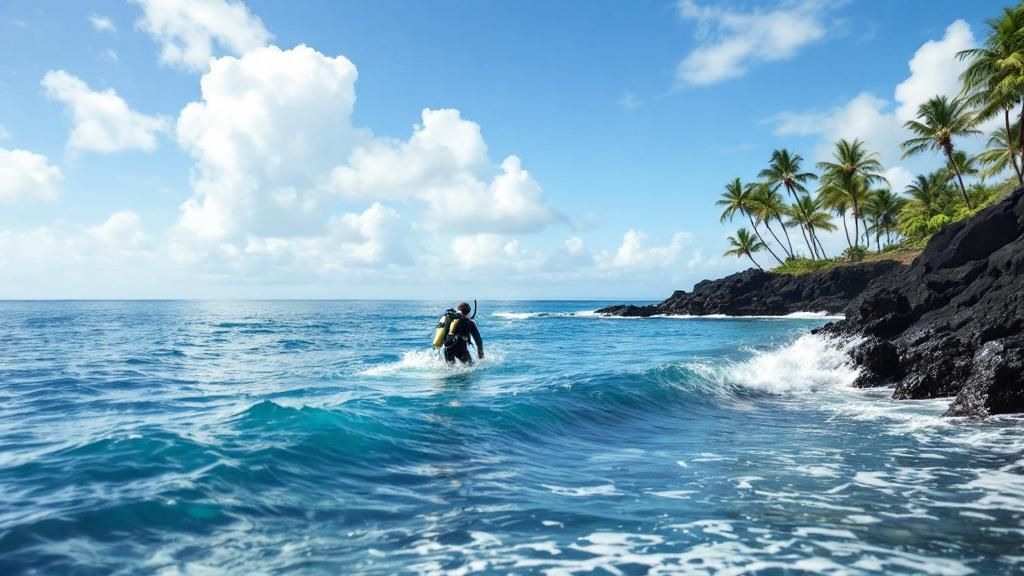
- Shore Diving: The Big Island has some truly excellent shore diving. You can gear up right on the beach and walk straight into the ocean. This gives you total flexibility to dive on your own time. But, it takes more planning, your own gear, and solid knowledge of tricky entry and exit points, which often involve scrambling over lava rock.
- Boat Diving: If you want to see the most pristine, remote dive sites, a boat is the only way to go. Kona diving companies take you to offshore reefs that are simply out of reach from the coast. This is where you'll find the healthiest corals and the most vibrant marine life, far from any shoreline crowds.
Going with a top-notch operator like Kona Honu Divers just makes everything smoother. They handle the logistics—from navigating to the perfect spot to giving you a thorough site briefing—so you can just relax and enjoy the dive.
Why a Diver-Focused Boat Matters
One of the biggest things that sets Kona Honu Divers apart is their diver-only boat policy. They are the only company in Kona that doesn't mix snorkelers on their dive boats. This small detail creates a huge difference, resulting in a streamlined, professional atmosphere that’s all about the divers.
This diver-only approach means no crowded boats trying to serve two different crowds, no rushed schedules, and a crew whose expertise is 100% focused on making sure you have a safe and spectacular dive.
This commitment has earned them a slew of awards, including being named the best in the Pacific. They are consistently the highest-rated and most-reviewed dive company in Kona, a testament to the trust they’ve built with divers of all levels.
No Certification? No Problem.
Curious about diving Hawaii Big Island but don’t have a certification card? You’re in luck. Most reputable shops offer a "Try Scuba" or Discover Scuba Diving experience.
An instructor will get you geared up and guide you as you take your first breaths underwater in a calm, shallow spot. It’s the perfect, low-commitment way to see if diving is your thing.
And if you get hooked (and trust me, a lot of people do), you can get your full PADI Open Water Diver certification right here. Learning in Kona's warm, clear water is an unforgettable experience, and you'll go home with a skill that opens up a lifetime of adventure. Kona Honu Divers offers a full spectrum of courses to help you get certified.
Options for Your Non-Diving Friends and Family
What if you're a die-hard diver traveling with people who’d rather stay on the surface? It’s a common situation with an easy solution.
While Kona Honu Divers is all about creating the ultimate experience for scuba divers, their sister company, Kona Snorkel Trips, happens to be the best snorkel company on the Big Island. They run dedicated snorkeling trips to the top reefs, so your non-diving crew can have an equally amazing day on the water. It’s the perfect setup for everyone in your group.
Ready to book your Kona diving adventure with the best?
Check Availability
The Unforgettable Dives You Can Only Do in Kona
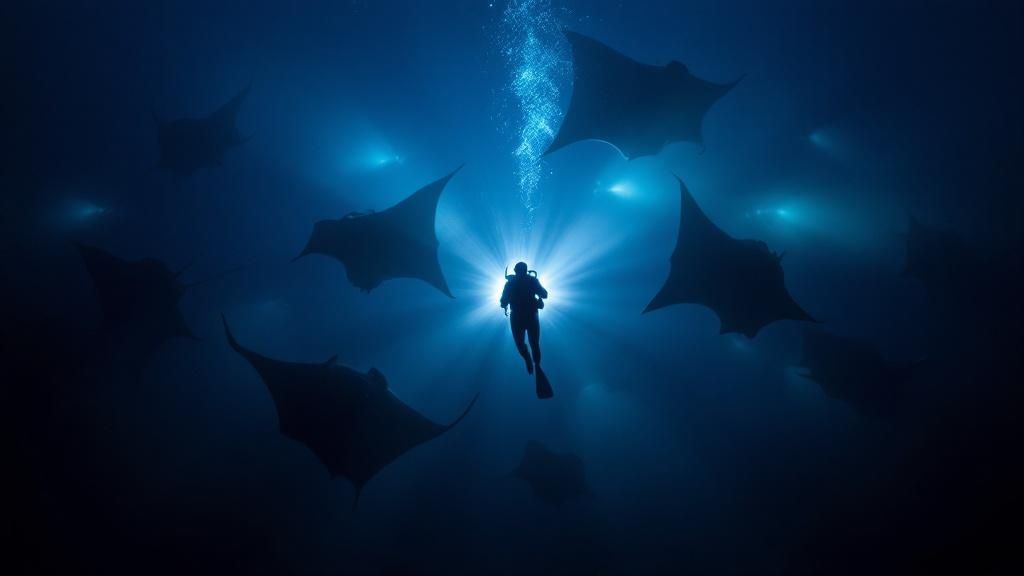
While the daytime reefs are stunning, the Big Island scuba diving scene really comes alive after dark. Kona is home to a few signature dives that are so unique they pull in divers from all over the world. These aren’t just another notch on your dive belt; they're the kind of life-list experiences you’ll be talking about for years to come.
When it comes to unforgettable underwater encounters, Kona diving delivers in ways few other places can. From the world-famous ballet of giant manta rays to a surreal journey into the deep ocean's midnight zone, the diving here is true adventure. These are the absolute peak moments of diving Hawaii Big Island.
The World-Famous Manta Ray Night Dive
If there’s one dive that defines Hawaii, it's the Manta Ray Night Dive. It’s an experience so profound and otherworldly that it’s consistently voted one of the best night dives on the entire planet.
The setup is surprisingly simple, yet genius. After sunset, dive operators place powerful lights on the ocean floor. These lights attract clouds of plankton, which in turn draws in the magnificent resident manta rays. These gentle giants can have wingspans stretching up to a massive 16 feet.
As a diver, you descend to a sandy spot, settle in, and aim your own dive light upward, creating a "campfire" of beams that attracts the plankton. What happens next is pure magic. The mantas swoop and glide just inches above your head, performing a silent, weightless ballet as they feed. It’s an incredibly moving and humbling experience.
The Kona Blackwater Dive
For the truly adventurous at heart, the Kona Blackwater Dive pushes the very boundaries of exploration. This isn't your typical reef dive; it’s a journey straight into the abyss.
At night, your boat heads miles offshore, positioning you over thousands of feet of water. Tethered to the boat, you simply drift in the pitch-black open ocean. This unique scuba Big Island adventure lets you witness the largest migration on Earth, as countless strange and beautiful creatures rise from the depths to feed near the surface. You'll see bioluminescent jellies, larval fish that look nothing like their adult forms, and bizarre, alien-like cephalopods.
It honestly feels like you're floating through outer space, surrounded by constellations of tiny, glowing life forms. It’s a dive that takes a bit of nerve, but the reward is a glimpse into a hidden world that very few people will ever get to see.
Advanced Dives for Experienced Divers
While Kona is incredibly welcoming to new divers, it also holds serious thrills for those with more bottom time. The island's volcanic past has sculpted a dramatic underwater landscape that's just perfect for advanced dive opportunities. These sites offer a different kind of Big Island diving that seasoned divers are always looking for.
Some of the best opportunities for advanced divers include:
- Deep Lava Tubes and Caverns: Imagine exploring ancient lava tubes that have created massive underwater archways and swim-throughs. Navigating these requires excellent buoyancy control and a calm, experienced mindset.
- Dramatic Walls and Drop-offs: Sites along the Kona coast feature sheer walls that plummet into the deep blue. These drop-offs are often covered in rare corals and sponges and give you a chance to see larger pelagic species cruising in from the open ocean.
- Thrilling Drift Dives: Certain spots have currents perfect for an exhilarating drift dive. You just relax and let the water carry you over vast stretches of reef with minimal effort.
These more challenging dives are where you can truly appreciate the raw, powerful geology that formed the Big Island.
How to Choose the Right Kona Diving Company
Picking the right dive operator is probably the single most important choice you'll make for your Big Island scuba diving trip. It’s a decision that goes far beyond just finding the cheapest price. With a bunch of Kona diving companies out there, your safety and the quality of your entire underwater experience really depend on who you go with. The right crew can turn a good dive into a truly unforgettable one.
When you're looking at different Kona diving outfits, you need to dig a little deeper. What's their reputation? How experienced is the crew? What's their safety record look like? Are they running a massive, crowded boat or do they offer smaller, more personal trips?
This is exactly where Kona Honu Divers stands out from the crowd. They didn't become the highest-rated and most-reviewed dive company in Kona by accident. They earned it, award after award, by building their whole operation around one thing: the diver.
The Kona Honu Divers Difference
With so many options, choosing an operator can be tough. But Kona Honu Divers consistently stands out as the highest-rated and most-reviewed dive company in Kona. Why? They've built their award-winning reputation by focusing on one thing: the diver.
Their secret sauce is a diver-only boat policy. This means you'll never be crowded out by large snorkeling groups. The entire boat, crew, and atmosphere are dedicated to making your dive the best it can be.
This approach makes a world of difference. The crew can dedicate their full attention to safety briefings, gear checks, and finding the best marine life, instead of splitting their focus. It elevates the whole experience, making every trip feel less like a tour and more like a dedicated charter for serious divers. Honestly, it’s a game-changer. They are brilliant at making everyone feel at home, from new divers to experienced pros.
Want to see how they compare to the competition? We've put together a full breakdown of the top 10 Kona diving companies ranked.
Ready to dive with the best?
Check Availability
Frequently Asked Questions
Is there good diving on the Big Island?
Absolutely. The Big Island is hands-down the best diving destination in Hawaii. Its volcanic origins created a dramatic underwater world full of lava tubes, arches, and healthy reefs. Throw in the super clear and calm water on the Kona coast, and you've got world-class conditions for Big Island diving.
What are the best months to scuba dive in Hawaii?
You can dive year-round here, especially on the sheltered Kona coast. Summer (June-September) usually means the flattest, calmest seas. Winter (December-March) has an incredible bonus: you can often hear humpback whales singing during your dives, though the surface can get a bit choppier.
Is Kona good for scuba diving?
Kona is exceptional for scuba diving. It's the hub of the Big Island’s dive scene because it's protected from the trade winds. This means consistently calm, clear water and easy access to famous sites like the Manta Ray Night Dive, Blackwater Dives, and dozens of stunning coral reefs.
Is it better to snorkel or scuba dive in Hawaii?
It really depends on what you want to experience. Snorkeling is great for seeing the colorful reef tops from above. But scuba diving Big Island Hawaii lets you go deeper, explore complex structures like lava tubes, and spend real time with marine life like manta rays, sharks, and eels in their own environment.
Which Hawaiian island is best for scuba diving?
While all the islands have something to offer, the Big Island consistently comes out on top for scuba. The combination of its water clarity, calm Kona coast, unique volcanic topography, and world-famous dives you can't do anywhere else makes it the clear winner for diving Hawaii Big Island.
When to dive Kona?
Anytime is a great time to dive Kona! The leeward coast is protected all year. For the absolute calmest water, aim for summer. For the magical experience of hearing humpback whale songs on your dive, book your trip between December and March.