
Olapa, Moana Luʻu, and Kahanuola are the named boats in the Big Island Divers fleet, not dive sites, staff members, or individual divers. If you searched Big Island divers olapa luu kahanuola, you were really looking at vessel names, and that clue opens the door to how Kona boat diving works.
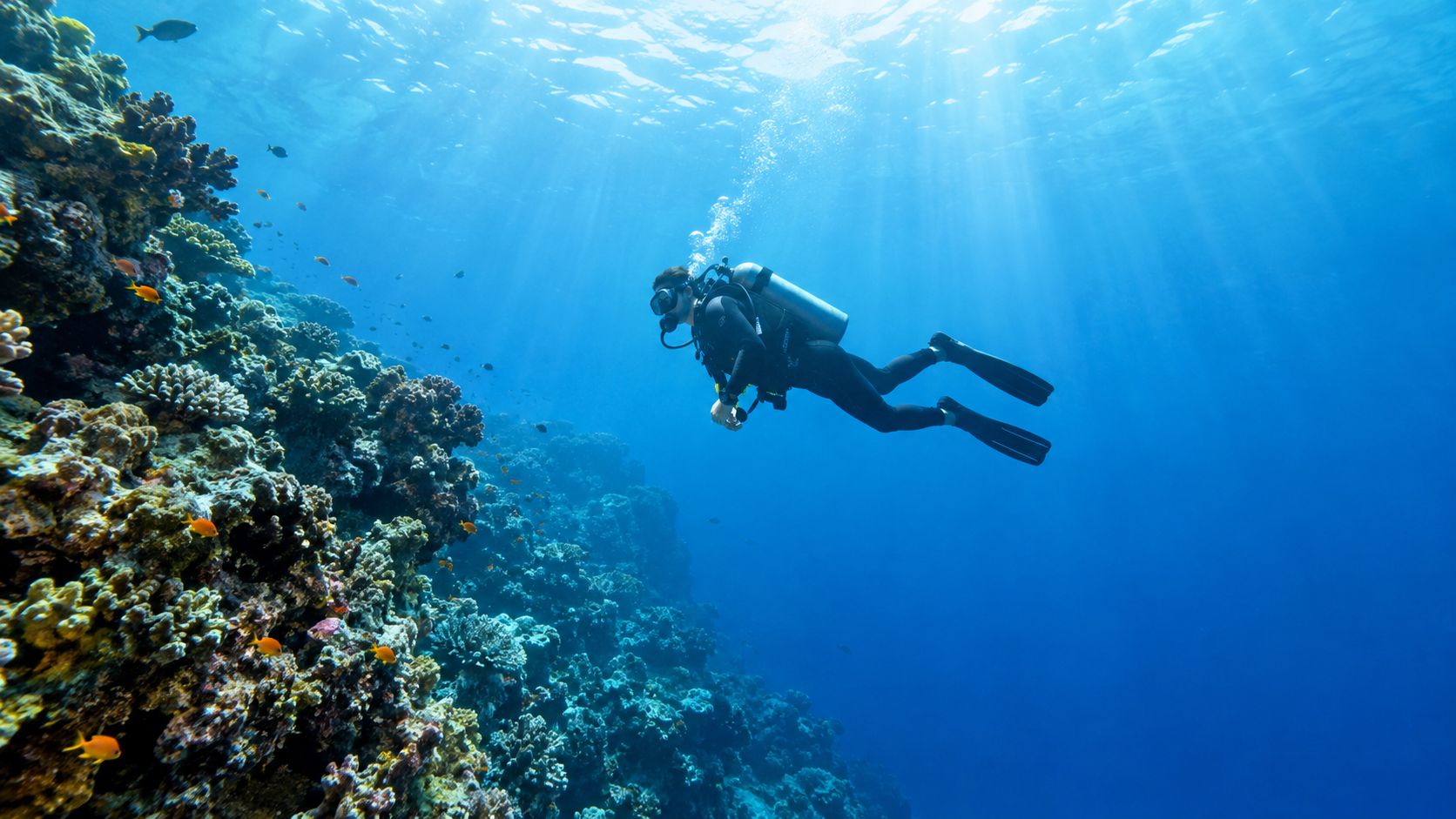
Decoding the Search for Big Island Divers Olapa Luu Kahanuola
A lot of visitors type those three Hawaiian words into a search bar and expect a person, a reef, or maybe a hidden tour package. They usually find confusion instead, because Olapa, Luʻu, and Kahanuola are boat names tied to a working charter fleet.
That matters more than it first seems. Once you realize you're reading vessel names, not site names, the rest of the picture starts to make sense, from passenger count to how flexible a captain can be when the water changes.
What the names tell you
In practical terms, a named boat tells you something about the kind of day you're buying. A charter boat isn't just transportation, it's the platform that decides how quickly the crew can reach a site, how many divers are aboard, and how comfortably the group fits together.
If you're planning your first Kona trip, that is the core question behind the keyword. You're not only asking “what is Olapa Luʻu Kahanuola,” you're asking what kind of diving a named fleet like this supports, and how to compare one operator to another. For a crew-facing introduction to how a dive team is organized, see the diving team page.
Practical rule: when a search term looks mysterious, treat it like a fleet clue first. In Kona, boat names often matter more than the words themselves.
The Fleet Behind the Names
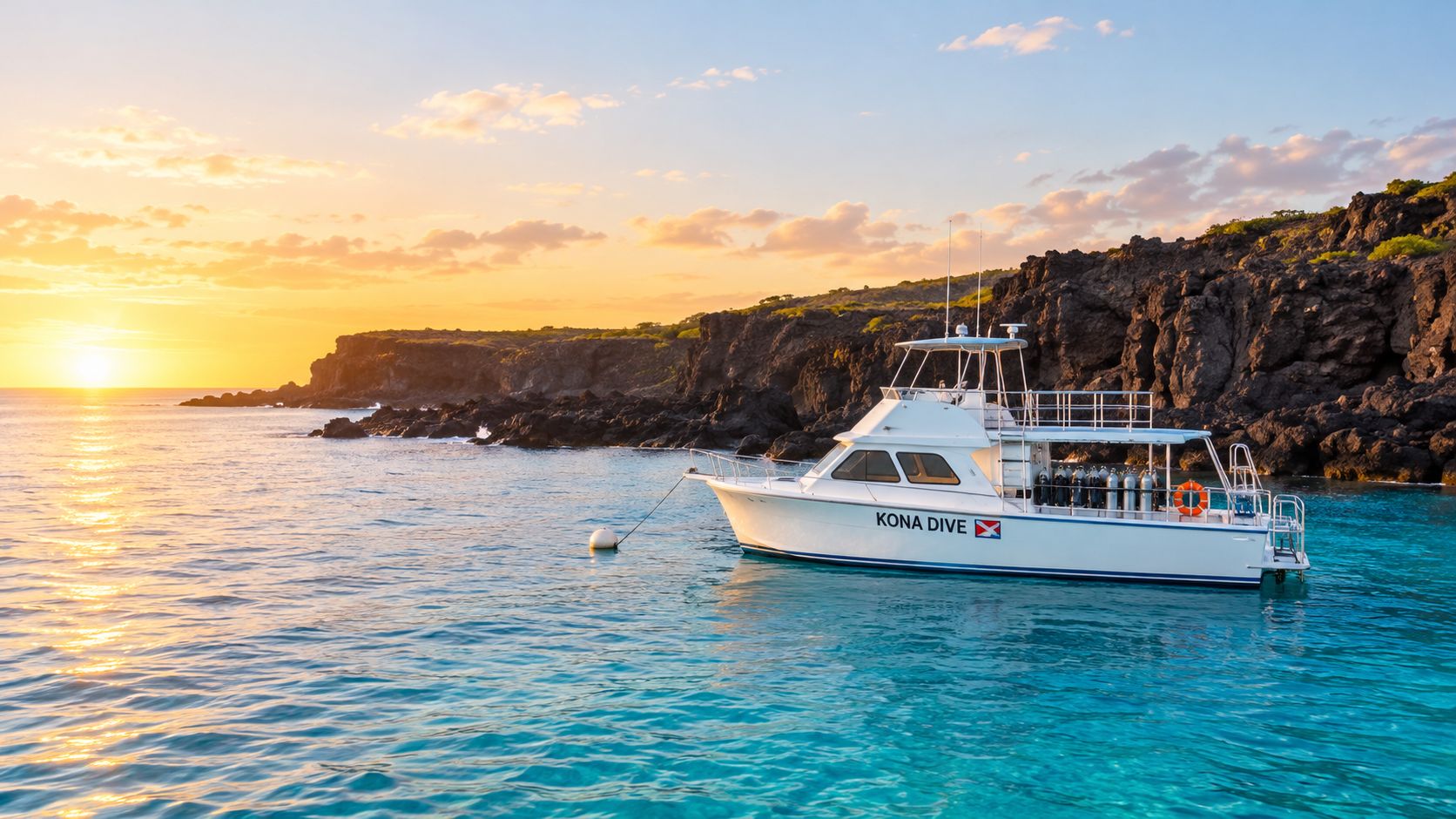
Reading a fleet page like a diver
If you are trying to match the names Olapa, Luʻu, and Kahanuola to a real boat, start with the fleet pages. The published descriptions place Honu Iki, Kahanuola, and Moana Olapa among the company's larger boats, each described as 36 feet and able to carry up to 18 guests. That gives you a useful first read on the operation. These are not tiny runabouts, but they are still sized for moving a dive group without turning the deck into a crowd.
The details get more specific once you look at individual vessels. The operator describes Kahanuola as a 36-foot Lightning Radon on one page, while the private charter page says capacity can range from 14 to 22 guests depending on the activity and setup (Big Island Divers private charters). That difference is not a problem to solve. It just shows that a boat's use can change with the day's format, much like a van that seats fewer people once you add gear and leave room to move.
Why one company page can show two specs
Fleet pages often mix general descriptions with vessel-specific details. The company's boat listings also describe Moana Olapa as a 35-foot Force Marine vessel on one page, while the broader fleet information groups it with the 36-foot, up to 18 guest boats (Big Island Divers boat listings). For a reader, that usually means the company is giving both a wide-angle view and a tighter look at a particular boat.
The same habit helps when you compare charter types. Ask how many divers will be on your trip, whether the boat layout changes for a private charter, and whether the vessel you are seeing is the one used for scuba or for another activity. The company also lists Moana Luʻu as a 28-foot boat for snorkeling and whale-watching, which is a different setup from a full-size dive boat.
Good question to ask: “How many guests are on board for my specific trip, and is that the same as the boat's maximum capacity?”
If you want to see how a captain thinks about those choices, the dive-boat captain page is a useful companion read.
What boat size means for your day
A larger boat usually gives you more room for gear and movement. A smaller one can feel more personal and easier to manage. In Kona, the best boat is the one that fits your dive style, your comfort level, and the site changes a captain may need to make during the day.
How Kona Became a Diving Destination
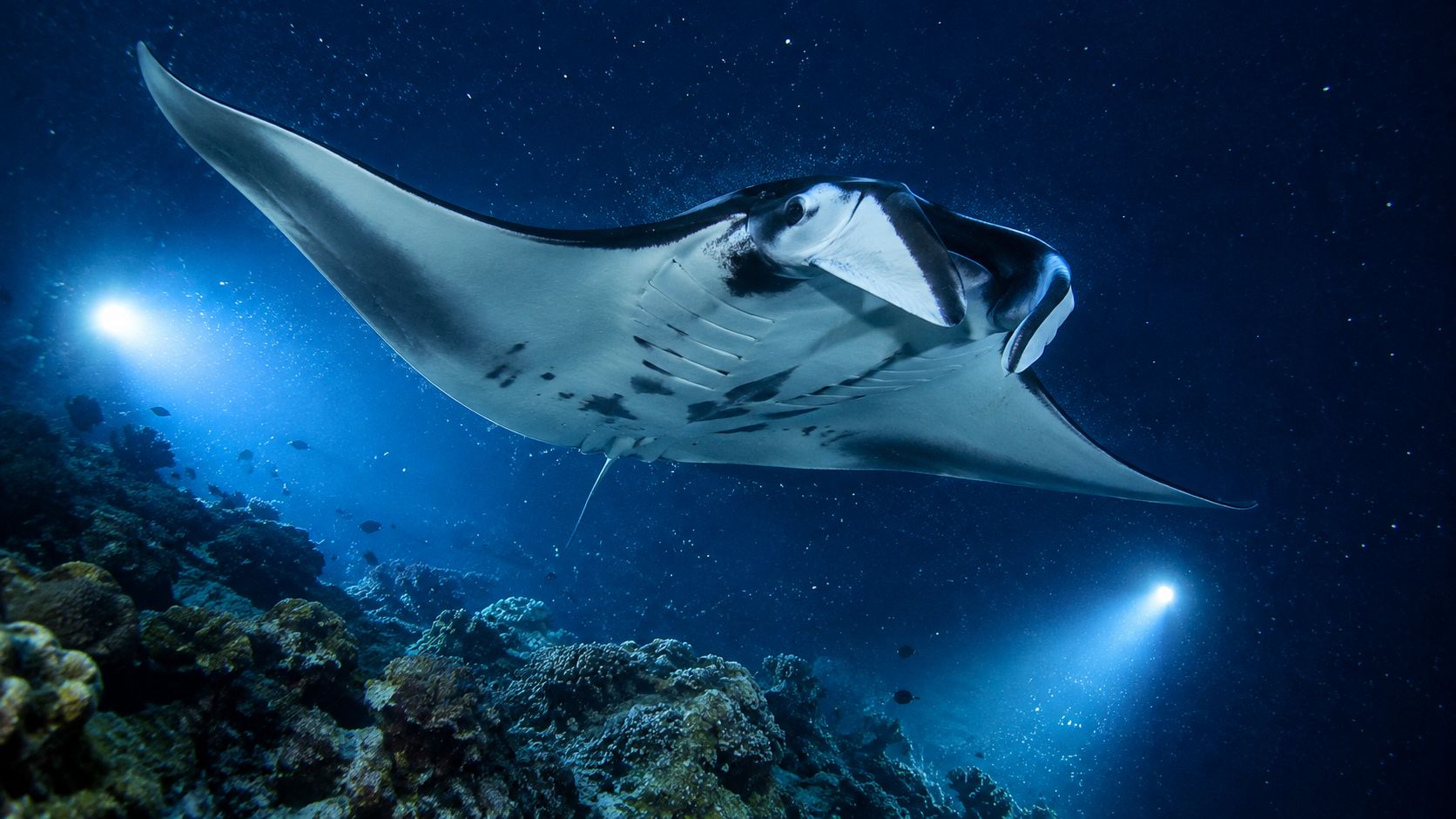
From a few shops to a full dive economy
How did Kona grow from a small cluster of operators into one of Hawaii's best-known dive bases? A historical account places the early industry in the late 1960s and 1970s, when fewer than five shops served fewer than 10,000 annual dive tourists (historical overview). By the 1980s, that account says the number had risen to about 20,000 tourists, then 50,000 in the 1990s, and about 100,000 in the 2000s.
One milestone stands out in that history, the founding of Jack's Diving Locker in 1981. The same source treats that opening as a turning point in formalizing Big Island dive tourism, even though the founder, Jack Clothier, died eight months later and new leadership carried the business forward.
Why the coastline supports so many boats
The coastline explains the business model. Big Island Divers' published operational information says there are more than 30 selectable dive sites along the Kona Coast, most of them no more than one-quarter mile from shore, with the average boat journey from the harbor taking no more than 25 minutes (Big Island Divers private charters). That setup gives captains a short-run, site-rich coastline instead of a long transit to reach the water.
Because the coast is compact and site-dense, crews can choose based on current, swell, wind, and visibility instead of sending every boat to the same place. That flexibility helps explain why boat names matter here, they point to a working fleet built around quick decisions and short crossings.
The best Kona charters feel nimble, not rigid. A good captain can move quickly because the coast gives them choices.
What that means for first-time visitors
The result is a mature visitor industry, not a handful of scattered boats. The same historical account estimates the island now supports more than 50 dive shops and charters, and it also places the annual count at over 150,000 dive tourists with about 100,000 certified scuba dives each year (historical overview). Those figures point to a busy recreational-diving economy with enough scale to support specialized boats, trained crews, and different trip styles.
For a wider explanation of the setting, the what makes diving in Kona unique page adds helpful geographic context.
Signature Big Island Dive Experiences Compared
In Kona, the choice is about the kind of dive, not just the boat. Some trips focus on daylight reef life, others on night encounters, and some are designed for experienced divers who want a longer, more adventurous day on the water.
Matching the trip to your comfort level
A standard two-tank dive fits divers who want a classic reef day with enough flexibility for changing conditions. Big Island Divers says divers may use their tanks until either 700 psi or 60 minutes, whichever comes first, and that the dive does not end just because one person breathes faster than the rest (Big Island Divers contact information). That tells you the crew is managing the group as a whole, not rushing to match the quickest air consumer.
Night dives work on a tighter timetable. The company states that both the Manta Ray Night Dive and the Black Water Night Dive spend 45 minutes underwater, so the pace is more fixed than on a daytime reef trip. If you are comparing manta options, Garden Eel Cove tends to outperform other sites because its bay shape shelters the viewing area from current and swell.
Kona Dive Types at a Glance
| Dive Type | Best For | Typical Duration | Highlight |
|---|---|---|---|
| Standard two-tank dive | Reef divers and first-time Kona visitors | Up to 60 minutes or 700 psi | Flexible site choice |
| Manta ray night dive | Divers who want the classic Kona night experience | About 45 minutes | Fixed viewing setup |
| Blackwater night dive | Advanced divers seeking an unusual open-ocean experience | About 45 minutes | Night descent in open water |
| Advanced long-range trip | Experienced divers who want a broader day on the water | Varies by trip | More ambitious sites |
For current tour options, the diving tours page is the main overview. The dedicated manta night dive page and the blackwater night dive page help separate those specialty trips from a standard two-tank day. If you are already an experienced diver and want more range, the advanced long-range dive tour is the right place to compare options.
Finding and Booking a Reputable Kona Dive Charter
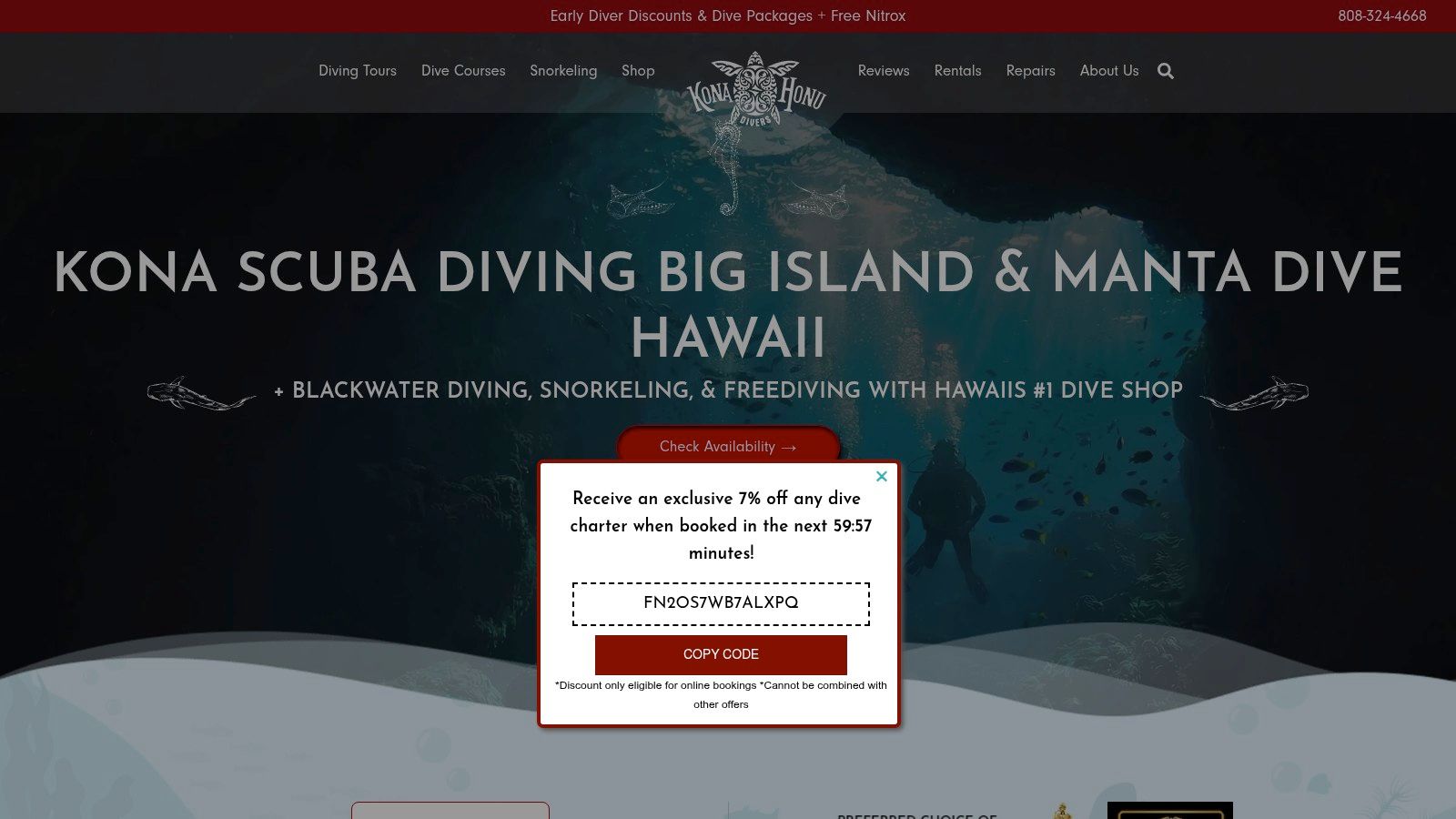
A good Kona charter should answer basic questions before you hand over a card. Ask who is leading the dive, how many guests will be on the boat, whether the crew can change the site if conditions shift, and how the gear is maintained between trips.
What to verify before you book
Start with three basics. Training, boat size, and safety briefing quality tell you a lot about how the day will feel.
- Crew credentials: Ask who is acting as instructor, divemaster, or guide, and whether that person will be in the water with your group.
- Boat capacity: Compare the published maximum with the actual number of guests on your date, especially on private or smaller-group trips.
- Gear and flexibility: Confirm how the operator handles maintenance, air fills, and site selection when weather shifts.
If you are still comparing operators, the Kona diving company guide gives a useful framework for choosing a fit.
Why some operators feel easier to book
Some dive companies keep the process simple because their trips are built around repeatable logistics. Kona Honu Divers, for example, presents itself as a Big Island operator with over 200 years of combined crew experience, custom dive boats, free nitrox, and early-diver discounts, and its tour pages make it easier to separate standard dives, manta trips, blackwater dives, and longer-range options.
If you want to check availability for a standard scuba trip, use the button below.
The manta dive page is the right place to look if you are aiming for the night manta experience, while the main diving tours overview helps separate specialty trips from a standard two-tank day.
Booking early helps most on manta trips, since the most popular dates can fill before you arrive. If you are traveling with mixed experience levels, confirm that the charter can keep newer divers comfortable without making the trip feel slow for the rest of the group.
Safety Certification and Night Diving Rules
Night diving in Hawaiʻi has its own rule set, and the distances matter. Hawaiʻi requires a diver flag for scuba or freediving, says nighttime flags must be visible from at least 100 feet, restricts surfacing to within 100 feet of the flag except in emergencies, and generally bars vessels from approaching within 100 feet of a marked dive group (Hawaiʻi Division of Boating and Ocean Recreation).
What those rules mean in real water
That framework changes how a night trip looks from the boat. It affects where the group stays together, how the crew sets the float, and how a captain manages spacing around manta-viewing formations or blackwater descents.
The rules also answer a common fear: night diving isn't automatically reckless, it's just procedurally different. Good operators brief guests on where to surface, how to keep track of the flag, and how to avoid crowding the dive team.
Practical rule: if a charter can't explain the flag distance and boat-exclusion rule clearly, keep asking questions.
Certification and comfort
A manta night dive can be approachable for many recreational divers, while blackwater dives usually suit more experienced guests who are comfortable with darkness, open water, and a more technical rhythm. That's why certification level matters, but so does the way the crew frames the dive before entry.
The safest booking decision is simple. Choose a trip that matches both your cert level and your comfort with night procedures, then make sure the operator explains how the flag, surfacing point, and boat position will work on that specific outing.
Practical Tips and Your Pre-Dive Checklist
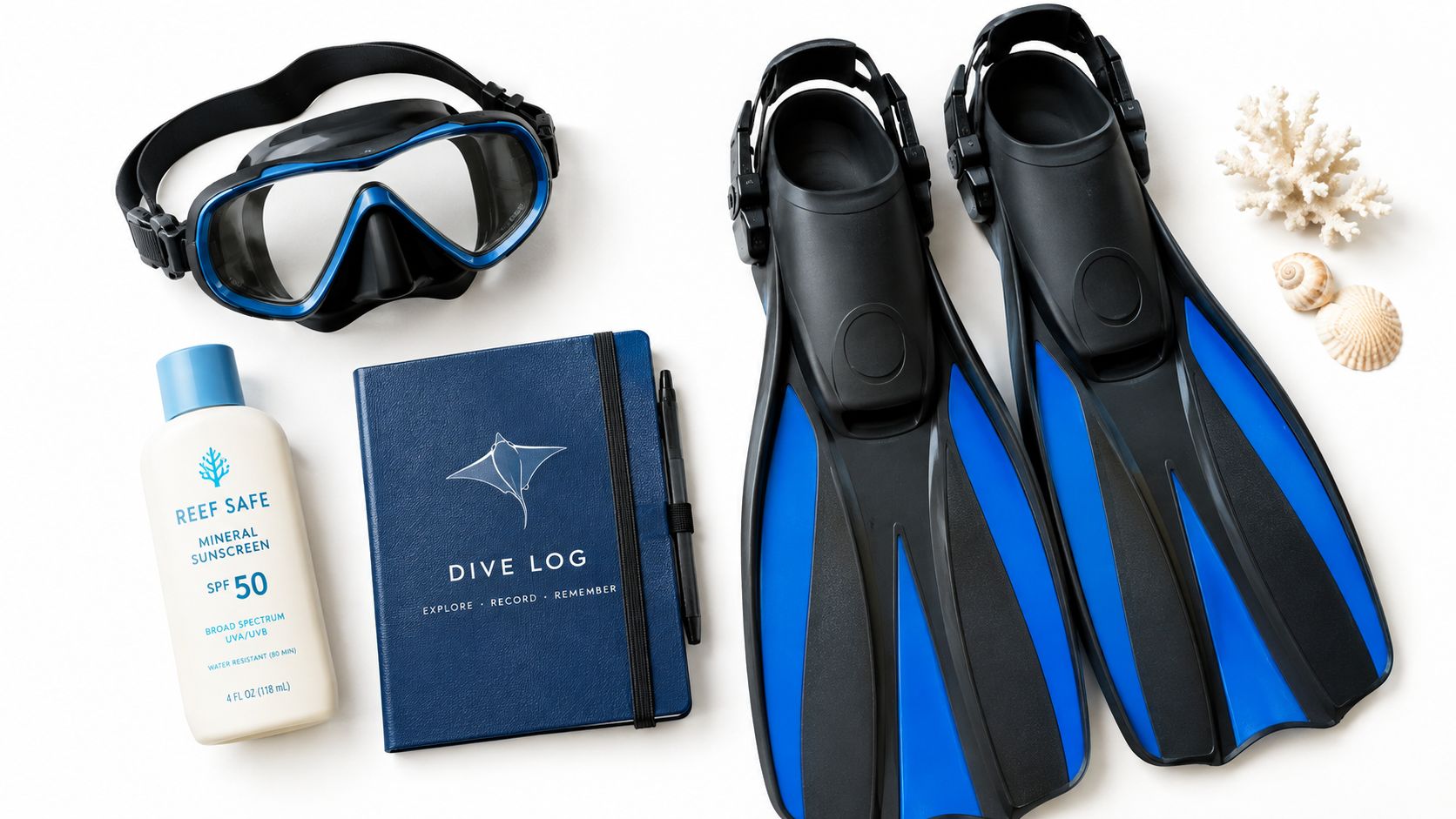
A Kona dive day goes better when you pack for the boat, not just the water. Bring reef-safe sunscreen, a light layer for a night return, your certification card, and anything you personally need to keep motion sickness under control.
What to pack
If you get queasy on boats, don't wait until the dock to think about it. Some divers prefer a Ship-EEZ Seasickness Patch (amzn.to/4rrvDTv), Dramamine pills (amzn.to/3ZQw9OX), Bonine pills (amzn.to/3MoU4lA), Sea Band wristbands (amzn.to/3OS9dwk), or ginger chews (amzn.to/4aKB5tM). Pick the option that fits your body and your doctor's guidance, then test it before the trip if you can.
- Certification card: Bring it even if you've dived for years, because operators still need proof.
- Layer for after sunset: A dry shirt or light jacket helps more than most first-timers expect.
- Motion-sickness plan: Take something you trust before boarding, not after the boat has already started moving.
- Small dry bag: Keep your phone, ID, and meds together so you're not digging through a pack on deck.
When to book and why timing matters
Morning conditions are often the calmest choice for many guests, especially if they're new to boat diving or worried about nausea. Popular manta trips also deserve earlier reservations, since a good date can disappear fast once travelers start building an itinerary.
If you're still deciding between a day dive, a manta trip, or a more advanced night option, use the earlier comparison to match the experience to your comfort level. A well-chosen charter should feel organized before you leave the harbor, not improvisational.
If you want a Kona dive trip that's well organized, clearly explained, and suited to your experience level, Kona Honu Divers is a strong place to start. Their boats, manta options, blackwater trips, and longer-range dives make sense for visitors who want the details handled cleanly before they get on the water.