
You're standing on the Honokohau Harbor ramp at 7:15 a.m., looking at three boats, three price sheets, and three very different promises. One crew is selling the manta encounter, another is talking about small groups, and a third is advertising deeper water and longer-range sites. The difficult question isn't just where to dive on the Big Island. It's which operator fits the trip you truly want.
That distinction matters in Kona. The coastline is unusually consistent, the headline dives are different from one another, and operator choice affects the boat ride, group atmosphere, site selection, equipment support, and the quality of the briefing. Use this guide to match your certification, confidence, budget, and priorities with the right kind of Kona dive operation. If you're comparing Big Island divers in Kona, compare the experience they deliver, not just the logo on the boat.
Why Kona Is a Different Kind of Dive Destination
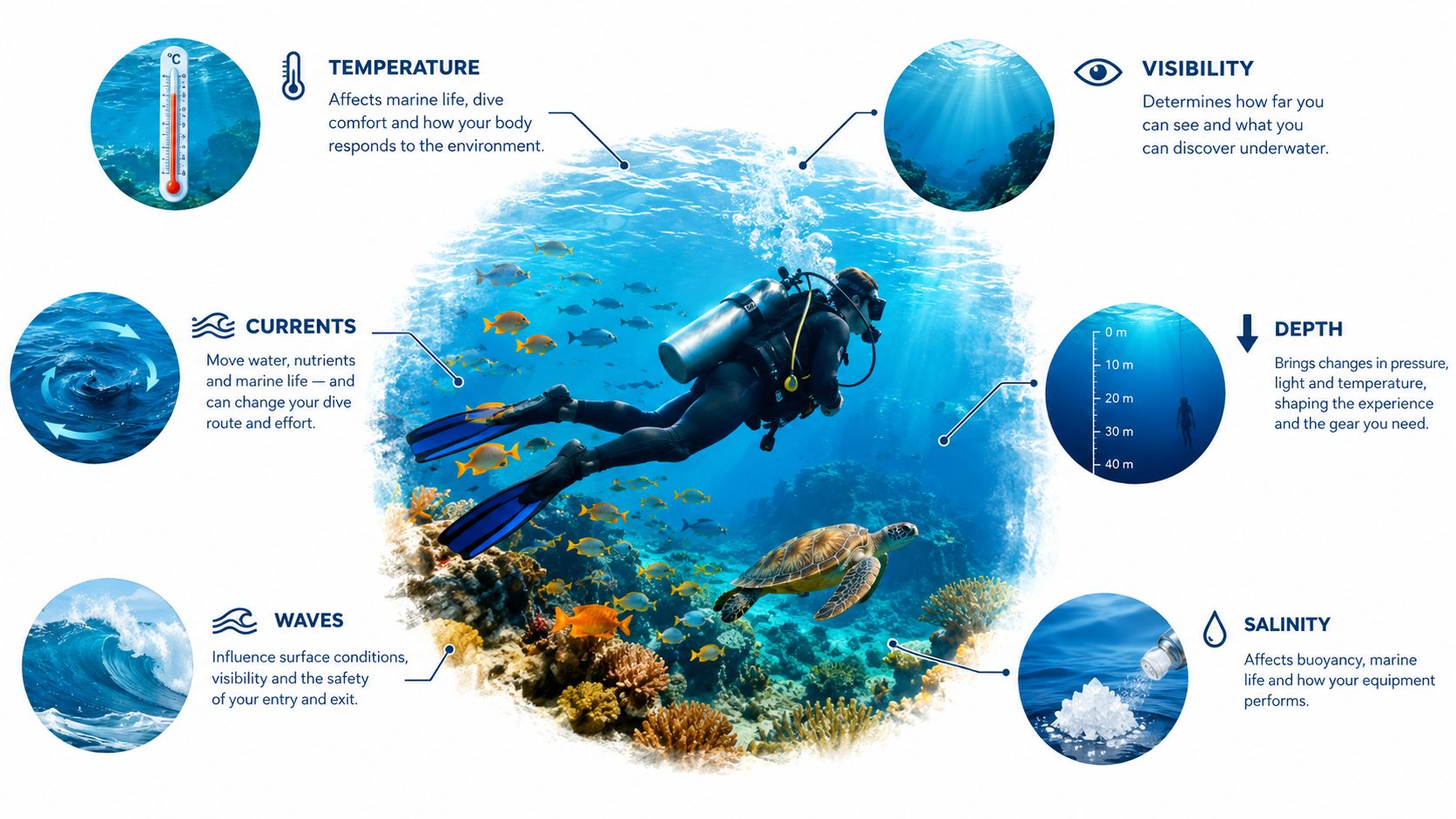
Kona sits on the leeward side of Hawaii Island, in the shelter created by the island's volcanic mass. Mauna Loa and Hualālai reduce wind-driven chop along the coast, while the steep volcanic shoreline gives boats relatively quick access to deep water. Independent dive guidance describes Kona as having calm conditions, water temperatures around 74 to 76°F in late winter and 82 to 84°F in late summer, with visibility often around 100 feet or more (Big Island scuba diving conditions).
That geography changes the operator decision. In destinations where weather regularly determines whether a boat leaves the harbor, the main question is availability. In Kona, the question is more often what kind of day you want. Do you want an easy reef tour, a dedicated manta boat, a late-night pelagic dive, or a more demanding trip for divers who already have strong buoyancy and deeper-water experience?
The practical rule: Choose the operator first by trip philosophy, then by price.
Kona's underwater terrain is also more distinctive than a generic tropical reef. Lava formations create arches, ledges, walls, and irregular reef profiles close to shore. The coast supports calm sightseeing dives, but it also gives experienced crews access to deeper and more specialized environments. That range is why a first-time diver and a technical-minded recreational diver can both have a productive trip here, even though they shouldn't necessarily book the same boat.
A useful overview of what makes diving in Kona unique is a good starting point, but don't stop at the destination description. Read the actual trip pages. Check whether the boat is dedicated to scuba, whether snorkelers share the schedule, how the crew handles site changes, and whether the operator runs the specialty dive you care about.
The most reliable choice is the one that matches your tolerance for structure. Beginners usually benefit from clear briefings, patient guides, and a forgiving pace. Experienced divers often want more bottom time flexibility, challenging profiles, and a crew willing to discuss conditions rather than force every group into the same itinerary. Kona gives you those options, but you need to select deliberately.
The Ocean Conditions That Shape Every Dive
Kona's calm reputation comes from the island's physical geography, not from a promise that the ocean is always flat. The coast lies in the lee of Mauna Loa and Hualālai, which helps suppress surface chop created by the trade winds. With less wind exposure and limited nearby runoff, the water often stays clear enough for strong site orientation and photography.
The conditions matter most underwater. A diver who can see the reef structure, descending line, and buddy clearly has less work to do with navigation and buoyancy. That leaves more attention for animals, lava formations, and photography. The same independent guidance reports visibility often around 100 feet or more, while other Kona diving information describes visibility often exceeding 100 feet (Kona diving environment and conditions).
What the weather means for your booking
Kona's water temperature remains comfortable across the year, but most divers will still appreciate exposure protection. Late winter is cooler than late summer, and a diver who gets cold on repeated dives should choose a thicker wetsuit or layer accordingly. Ask the operator what thickness its rental inventory uses rather than assuming a thin suit will be enough.
The lee coast also creates a useful planning advantage. A normal weather variation doesn't automatically cancel a dive, and crews can make site decisions based on the actual harbor and coastal conditions. South swells and unusual wind events can still affect the schedule, particularly during winter. The right attitude is confidence without entitlement. Kona is reliable, not invulnerable.
Book the trip you care about early, then keep one flexible block in your itinerary for weather.
The calm reef environment has a trade-off. You won't get a strong drift on every dive, and a daytime reef trip isn't designed to deliver constant pelagic action. Kona's manta and blackwater programs fill that gap by using specialized conditions and behavior rather than relying on luck. That's why the best operator menus include more than standard reef dives.
The Four Signature Kona Trips and Who They Suit
Kona's dive menu makes more sense when you stop treating every charter as interchangeable. The four trips below serve different divers, and the wrong match can leave you either overwhelmed or under-stimulated.
| Trip Type | Cert Floor | Max Depth | Duration | Best For |
|---|---|---|---|---|
| Two-tank reef dive | Open Water | Confirm with operator | Morning charter | New certified divers, families, reef photographers |
| Manta ray night dive | Open Water with night comfort | Shallow viewing area | Evening charter | First bucket-list wildlife dive |
| Blackwater dive | Advanced Open Water and strong experience | Suspended midwater | Late-night charter | Experienced divers seeking pelagic life |
| Advanced long-range or deep trip | Advanced certification and recent experience | Confirm with operator | Extended charter | Divers seeking demanding profiles and less routine sites |
The two-tank reef dive
This is the sensible first booking for most certified visitors. You'll usually make two daytime descents over lava reef, with the crew choosing sites according to swell, current, visibility, and group ability. It suits divers who want turtles, reef fish, lava formations, and a relaxed introduction to Kona without committing to a night operation.
Ask about the maximum planned depth, surface interval, group size, and whether the boat carries only divers. Those details matter more than a glossy site list.
The manta ray night dive
The manta dive is the easiest signature experience to recommend to a certified diver who's comfortable in the dark. Operators place lights on or near the seafloor, drawing plankton into the illuminated water. Manta rays then arrive to feed, often passing over stationary divers who remain in a defined viewing area.
Kona's reported night-dive success is exceptionally consistent, with commonly reported sighting rates around 85% to 90% year-round, and some operator-reported nights reaching 95% or higher (Kona manta ray dive overview). No wildlife encounter is guaranteed, but this is a repeatable feeding event rather than a random search.
The blackwater dive
Blackwater is for divers who already manage buoyancy automatically. The boat travels miles offshore, and divers suspend roughly 40 to 60 feet below the surface over thousands of feet of water while deep-ocean animals rise during their vertical migration (Kona blackwater dive description).
Published listings commonly require Advanced Open Water certification and at least 50 logged dives, with the experience lasting about two to three hours (Kona blackwater requirements). If the thought of losing the bottom makes you tense, choose a reef or manta dive instead.
The advanced long-range trip
Experienced divers should look beyond manta marketing. Ask whether the operator runs deeper profiles, longer boat rides, drift-style diving, or sites selected for current and terrain rather than mass appeal. You'll need recent diving, stable gas management, and honest comfort with changing conditions.
For a more demanding itinerary, review the advanced long-range dive option and compare its requirements with your logbook, not with your ambition.
Inside a Manta Ray Night Dive at Garden Eel Cove
A good manta night begins before anyone enters the water. At Honokohau Harbor, the crew checks certification, exposure protection, lights, and comfort level. The briefing should explain where divers will sit, how to enter and exit the viewing area, and why chasing a manta is both unnecessary and disruptive.
Garden Eel Cove, commonly identified with the northern Manta Heaven site, is the stronger choice for most visitors. Independent reporting describes it as more protected, generally calmer, and better suited to a concentrated viewing area than the south-side alternative at Keauhou Bay (Kona manta sightings and site comparison). The surrounding reef setting also gives the dive more character than a bare viewing platform.
What happens underwater
Divers descend into a shallow sandy area, commonly around 30 feet, and settle into position. The lights attract plankton, and the plankton attracts manta rays. A large manta may appear as a dark shape above the lights, then turn onto its side and glide close enough for the diver to see its mouth, cephalic fins, and underside markings (Big Island manta dive explanation).
The best divers do almost nothing. Keep your body low, control your breathing, point your light as directed, and let the animals choose their path. Guides monitor the group and the animals, helping maintain spacing while counting individual mantas and identifying whether the site is producing steady activity.
Garden Eel Cove's protected position is especially valuable for first-timers. A calmer surface transfer reduces stress before the descent, and a concentrated viewing area lets divers focus on animal behavior instead of searching across a broad reef. Repeat customers may notice individual mantas returning, while first-time visitors usually remember the scale and silence of the encounter.
A dedicated scuba operation can add practical comfort here. Smaller groups make it easier to hear the briefing, hold a clean viewing position, and receive help with cameras or lights. A warm drink after the dive is welcome, but the primary advantage is a crew that can explain why one night is active and another is quieter without pretending wildlife follows a script. See the Kona manta ray night dive before choosing an operator.
Certification, Health, and Gear Requirements
Start with the certification floor, then assess your actual readiness. An Open Water certification is generally the appropriate baseline for a two-tank reef trip and a manta dive, provided you're comfortable with the planned profile and the operator's night-dive briefing. Advanced trips require more than the card. They require recent dives, stable buoyancy, and the ability to respond calmly when the site doesn't look like a training platform.
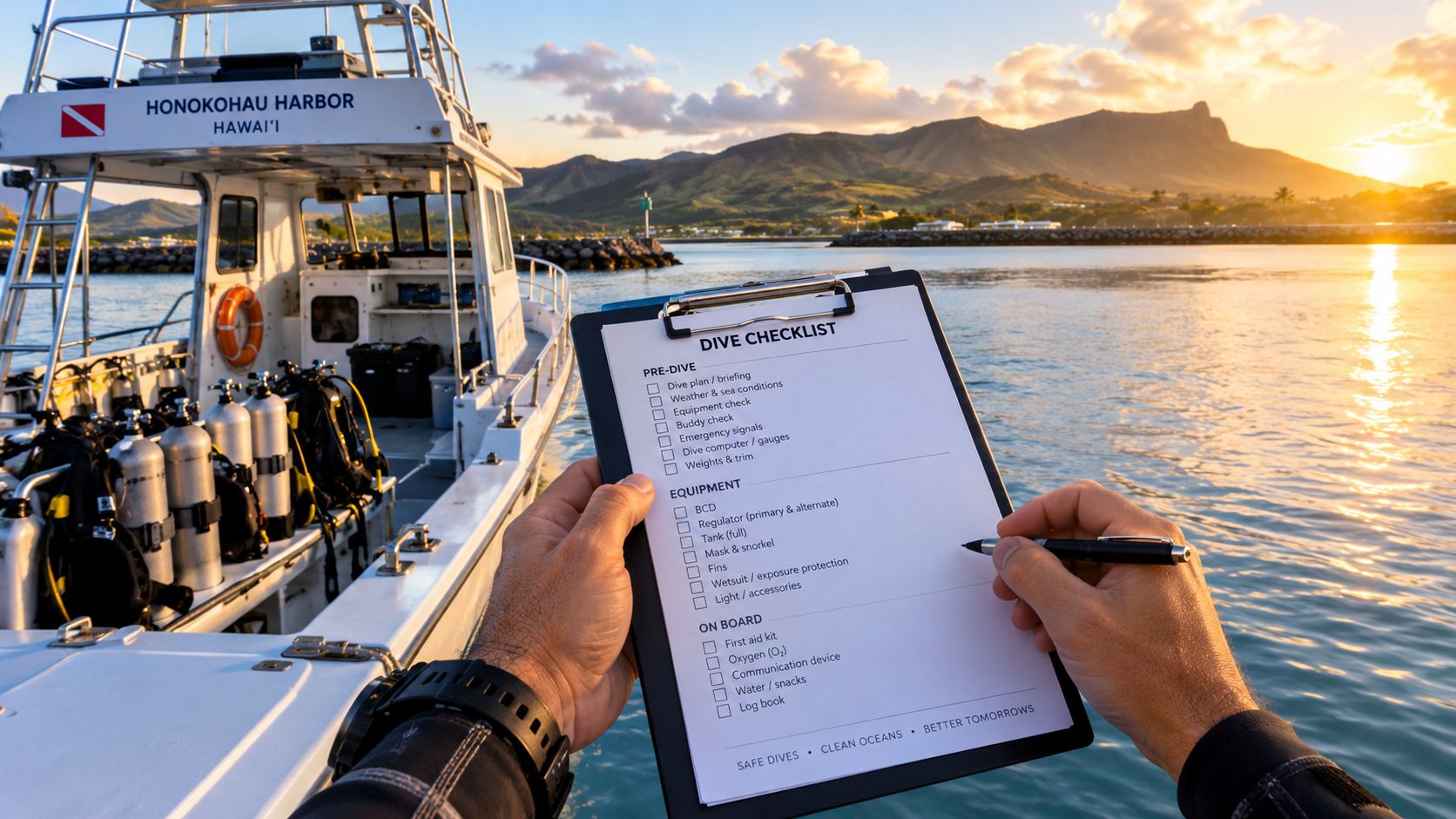
Use this prebooking checklist
- Certification card: Keep a physical or digital copy available for check-in.
- Recent experience: Tell the operator when and where you last dived, especially if you haven't been underwater recently.
- Medical disclosures: Answer the medical questionnaire truthfully. Recent surgery, ear problems, asthma, pregnancy, or other relevant conditions may require clearance from a physician.
- Night comfort: A manta dive is shallow, but darkness changes navigation and communication. Ask for a refresher if you're uneasy.
- Midwater buoyancy: Blackwater divers must remain controlled without a visible bottom. Published Kona listings commonly require Advanced Open Water and 50 logged dives for this type of trip (blackwater certification guidance).
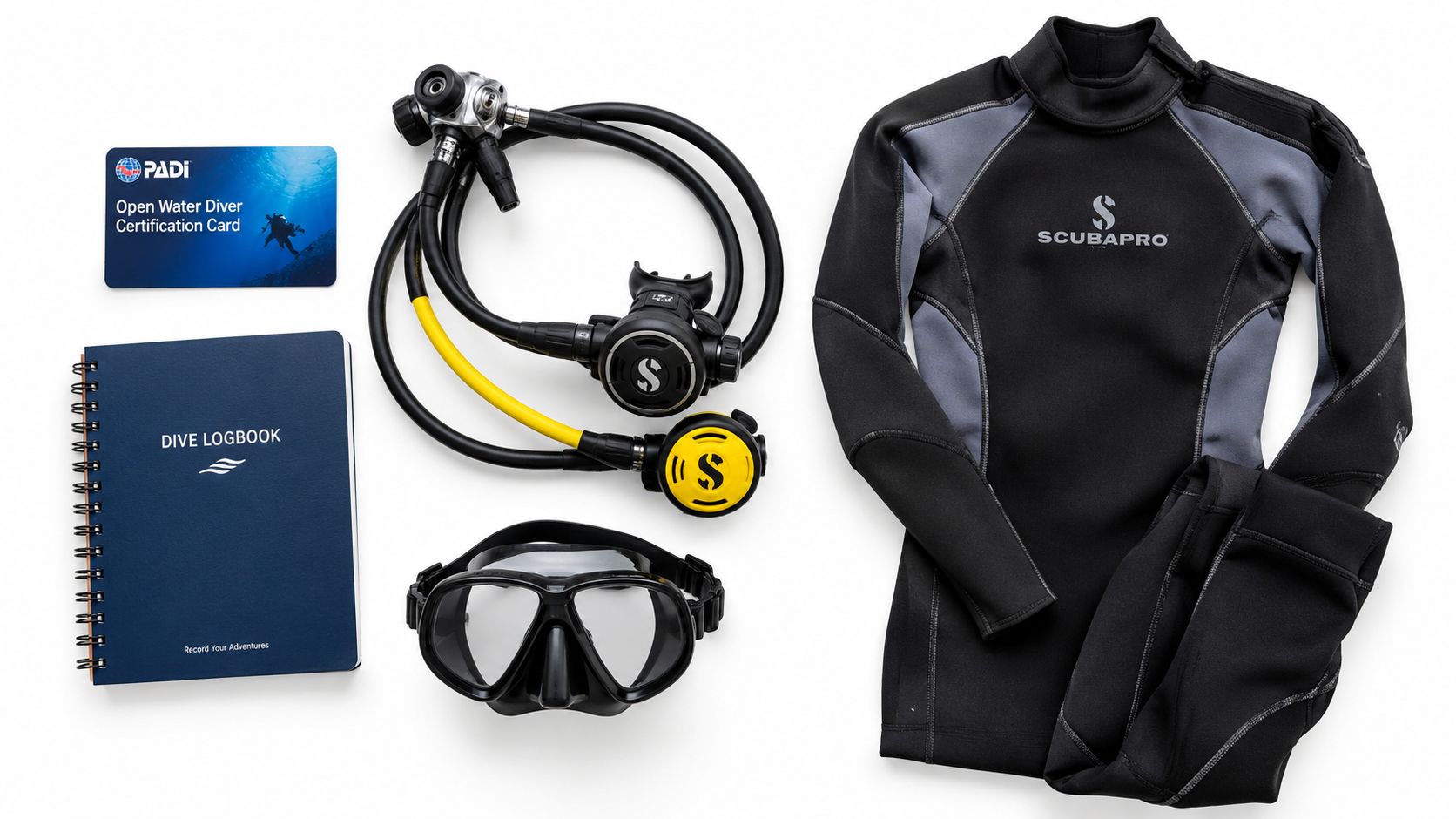
- Personal equipment: Bring a functioning dive computer and a reliable torch. Confirm what the operator supplies before packing bulky equipment.
- Exposure protection: Ask whether a 5mm wetsuit is available or suitable for your dates. Divers who run warm may prefer less, while cold-sensitive divers usually appreciate more insulation.
A rental package should cover the basics, but don't assume every operator carries the same camera accessories, lights, or computer models. Send specific equipment questions before arrival. The best way to start learning to scuba is to build comfort gradually, not to use a demanding specialty dive as a test of courage.
Your health decision deserves more attention than your gear choice. If a medical answer raises a question, pause the booking and obtain professional advice. A responsible operator would rather lose a reservation than put a diver into conditions they can't safely manage.

Pricing, Packages, and Booking Windows
Price comparison is useful only when you compare equivalent trips. A two-tank reef charter, a manta night dive, and a blackwater operation have different staffing, equipment, boat-time, and scheduling demands. A low headline price can also exclude rental gear, nitrox, lights, or harbor fees.
One independent Kona guide places a two-tank boat dive at around $169, while also noting that guided operators cluster on the west side of the island (Kona dive trip pricing context). Treat that figure as a reference point, not a universal 2026 rate. Operators change prices, packages, taxes, and inclusions, so verify the live booking page before paying.
| Trip Type | Single Booking Price | Package Price | Typical Savings | Included Add-ons |
|---|---|---|---|---|
| Two-tank reef | Varies by operator | Ask about multi-dive rates | Compare total inclusions | Confirm tanks, weights, rentals, and nitrox |
| Manta night dive | Varies by operator | Ask about reef combination | Compare equipment and boat format | Confirm light, snacks, and exposure gear |
| Blackwater dive | Premium specialty rate | Ask whether packages apply | Compare crew and equipment support | Confirm lights, qualification rules, and timing |
| Advanced long-range | Varies by profile | Ask about repeat-diver packages | Compare boat time and site range | Confirm depth, gas, and experience requirements |
What deserves a premium
Pay more for the thing you'll notice underwater. A diver who gets seasick may value a stable boat and a calm transfer more than a discount. A photographer may prefer a smaller group and a crew that understands composition. An experienced diver may care about site flexibility, advanced profiles, and whether the operator separates serious scuba from mixed sightseeing traffic.
Package discounts can be worthwhile when you already know you'll make several dives. They're less attractive when they lock you into dates that leave no room for weather or fatigue. Read cancellation terms before choosing a bundle.
The Hawaii scuba diving packages page is useful for comparing bundled options, but always check exactly what the package includes. Ask about online rates, rental charges, nitrox, lights, taxes, and whether a canceled specialty trip converts to another dive.
Packing, Seasickness, and Seasonal Planning
Pack for the actual operation, not for an imaginary expedition. A swimsuit, reef-safe sunscreen, mask defog, towel, dry clothes, and a dry bag for cameras cover the basics. Add a rashguard for sun protection and extra warmth during a night operation. If you're bringing a camera, protect it from spray during boarding and keep the lens cap on until you're ready to shoot.
A 3mm or 5mm wetsuit choice depends on your cold tolerance, the season, and whether you're making repeated dives. Late winter water is cooler than late summer water, with typical Kona ranges of 74 to 76°F in late winter and 82 to 84°F in late summer (Kona water temperature guidance). Ask the operator what its standard rental suit is and whether you can request a different thickness.
Avoid turning the boat ride into the main event
If you're prone to motion sickness, plan before departure rather than waiting until you feel ill. Discuss medication with a pharmacist or physician, follow the product label, and test any medication before the trip so you know how it affects you. Helpful options include a Ship-EEZ Seasickness Patch, Dramamine pills, Bonine pills, Sea Band wristbands, and ginger chews.
Eat lightly, hydrate, and avoid alcohol before diving. Choose a seat with a clear view of the horizon, tell the crew early if you're uncomfortable, and don't wait until symptoms become severe. Medication can cause drowsiness, so confirm its suitability for scuba diving with a qualified medical professional.
Match the season to the experience
- Calmest general planning: Summer conditions are often attractive for divers who want warm water and straightforward boat days.
- Manta priority: Manta encounters operate throughout the year, but reported seasonal timing and demand can affect availability. Check the operator's current calendar rather than relying on a generic “best month.”
- Whale interest: Winter can add the possibility of hearing humpback whales underwater, although the manta dive remains a separate wildlife experience.
- Blackwater priority: Blackwater is available as a specialized nighttime trip, and the crew still needs suitable surface and offshore conditions.
Confirm the check-in time, harbor location, parking arrangement, and equipment return process directly with the operator. Bring a dry bag for electronics and leave valuables in the car or hotel safe. The Kona seasickness guide can help you build a more detailed prevention plan.
Booking Checklist and Frequently Asked Questions
Before you confirm a reservation, run through the decisions that affect the day:
- Certification: Match your card and recent experience to the trip requirement.
- Logbook: Have your logged dives available if you're booking blackwater or an advanced profile.
- Medical form: Complete it accurately and resolve questions before check-in.
- Equipment: Confirm computer, torch, wetsuit, camera, and rental inclusions.
- Boat format: Ask whether the trip is dedicated scuba or shared with snorkelers.
- Group expectations: Confirm the usual group style and whether private guiding is available.
- Location: Choose accommodation and transport that make the harbor check-in practical.
- Motion sickness: Prepare medication or non-drug aids in advance, and check their diving suitability.
- Booking timing: Reserve the manta or specialty trip early when your travel dates are fixed, especially during popular travel periods.
- Weather flexibility: Keep another ocean activity available in case the crew changes the itinerary.
Questions worth asking before payment
What is the cancellation policy?
Policies vary. Read the exact deadline, weather clause, no-show rule, and rebooking terms before buying a package.
Can I add a private guide?
Some operators offer private guiding or photography support. Ask whether the guide joins the whole boat trip or only the underwater portion.
Can a non-diver come along?
Observer spaces and rates depend on the boat and trip. Confirm this before assuming a family member can ride along.
Is there a photographer upgrade?
Ask whether the upgrade includes a photographer, camera rental, edited files, or only additional equipment. Those are different products.
Should I carry dive insurance?
Divers who travel frequently or plan specialty profiles should consider dive-specific coverage. DAN is a commonly recognized organization to research, but compare the policy's evacuation, treatment, and trip limits.
Do manta trips run in rain?
Rain alone doesn't determine the dive. The crew evaluates wind, swell, visibility, and safety. Ask how the operator handles a site change or cancellation.
Are children allowed on the boat?
Age rules differ by operator and trip. Ask about minimum age, swimming ability, certification, and whether the boat environment suits your child.
Should I tip the crew?
Tipping is customary when the crew provides attentive service, safe guidance, and a well-run trip. Give what fits your budget and experience, and don't treat it as a substitute for choosing a responsible operator.
My recommendation
Book a calm two-tank reef trip if you're newly certified or returning after a long break. Add Garden Eel Cove for the signature wildlife experience if you're comfortable at night. Choose blackwater only if you meet the operator's advanced requirements and genuinely enjoy suspended midwater diving. Experienced divers should ask for the advanced long-range option rather than repeating the same shallow itinerary. For a dedicated scuba format, specialty trips, rental support, and advanced choices, review the current offerings from Kona Honu Divers, then reserve the trip that matches your actual ability.
Kona Honu Divers offers guided reef dives, manta ray night dives, blackwater diving, and advanced trips for different experience levels. Review the current trip requirements and visit Kona Honu Divers to choose your Kona itinerary and check availability.