
When people talk about the best manta snorkel Big Island experience, they’re usually thinking about a few key things: safety, small groups, guides who really know their stuff, and a deep respect for the animals. It's not just snorkeling; it's like watching a surreal underwater ballet. You're floating in the dark, calm waters off the Kona coast while these massive manta rays glide, swoop, and do somersaults just inches below you. It's easily one of the most magical wildlife encounters on the entire planet.
Your Guide to an Unforgettable Manta Ray Encounter
Picture this: you've got a front-row seat to an incredible underwater show. Just after sunset, powerful lights are switched on, lighting up the water and drawing in clouds of plankton—the manta rays' favorite meal. Before you know it, these graceful giants, some with wingspans over 12 feet, show up for their nightly buffet. It’s this nightly feast that has put Kona on the map as a world-famous destination for this specific adventure.
The experience is so reliable that it draws about 80,000 people every year. Tour operators consistently report sighting success rates between 80% and 90% all year long, which makes seeing a manta almost a sure thing. You can get more of the backstory on why Kona is such a unique manta hub in this great article on KonaSnorkelTrips.com.
Key Snorkel Locations at a Glance
Before we get into the nitty-gritty of planning, it helps to know the two main spots where this all happens. Both offer amazing chances to see mantas, but they have their own quirks that might make one a better fit for you. Picking the right location is a big part of planning the perfect night. We break down the differences between Manta Village and Manta Heaven in more detail here.
To help you get started, here's a quick look at how the two sites stack up.
Quick Comparison of Big Island Manta Snorkel Sites
| Feature | Manta Village (Keauhou Bay) | Manta Heaven (Garden Eel Cove) |
|---|---|---|
| Location | South of Kailua-Kona | North of Kailua-Kona |
| Travel Time | Shorter boat ride from Keauhou Harbor | Longer boat ride from Honokohau Harbor |
| Consistency | Often considered the most reliable site | Very high success rate, sometimes more mantas |
| Conditions | Typically calmer and more protected | Can be more exposed to open ocean swells |
This little chart gives you a starting point. Each spot provides a slightly different stage for the manta ballet, and figuring out these differences is the first step toward creating a memory you’ll never forget. The choice often comes down to what you value more—a shorter boat ride or the potential for a bigger crowd of mantas.
Why Kona Honu Divers Delivers the Premier Manta Adventure
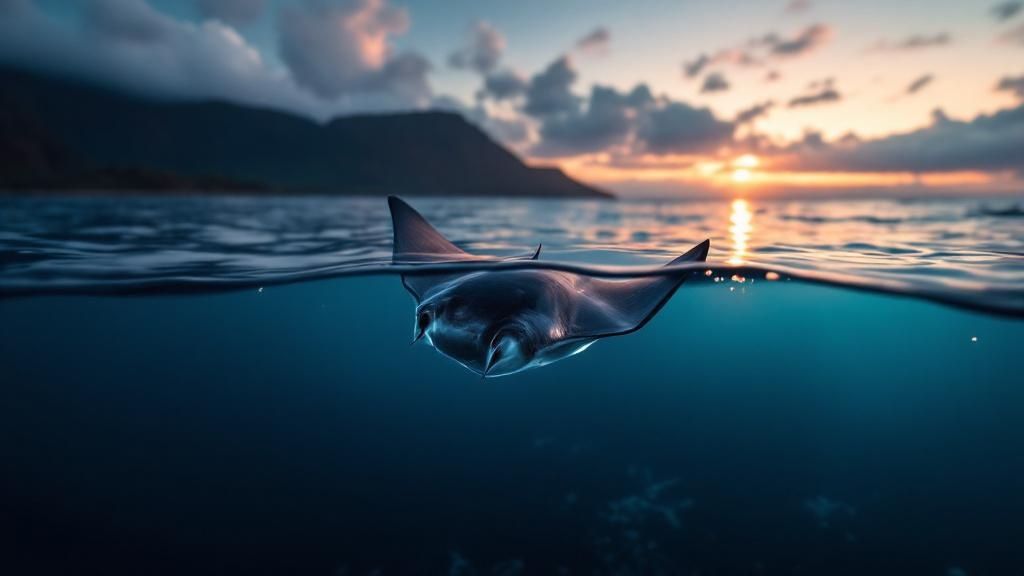
Picking the right tour operator can make or break your whole experience. When you're looking for the best manta snorkel Big Island tour, the company you go with matters just as much as the location itself. It's not just about ticking a box that says "saw manta rays"—it's about the safety, the quality of the encounter, and doing it all respectfully.
This is where Kona Honu Divers really shines. They’ve built a reputation for creating unforgettable nights that are as much about taking care of the mantas as they are about blowing guests' minds. It all comes down to their expertise, top-notch gear, and a genuine respect for the ocean.
You’ll feel the difference from the second you get on the boat. This isn't one of those massive, impersonal cattle-call tours. It's more like being welcomed into an "ohana" (family) where your comfort and the quality of your adventure are the top priority.
A Commitment to Small, Intimate Groups
One of the biggest things that sets Kona Honu Divers apart is their dedication to small group sizes. A lot of other boats pack as many people on as they possibly can, which leads to a crowded, chaotic mess in the water. You end up fighting for a spot on the light board and staring at the back of someone’s fins instead of the mantas.
Kona Honu Divers deliberately caps the number of guests on each tour. It’s a simple decision, but it makes a huge difference for you:
- A More Personal Vibe: With fewer people, the guides can give you more one-on-one attention, answer all your questions, and make sure you’re feeling confident in the water.
- A Front-Row Seat: You get an unobstructed view of the manta ballet without having to elbow your way to the front.
- Better Safety: The crew can keep a close eye on every single snorkeler, making sure everyone is safe from start to finish.
"Diving with mantas is one of the most satisfying things a person can do in the water. It’s impossible to describe the feeling of watching a massive fish the shape of a stealth bomber coming into vision." – Samuel Beckett, Planet Dive
This focus on a quality-over-quantity experience means you'll remember the majestic mantas, not a sea of other snorkelers.
Expert Guides and Superior Equipment
The crew at Kona Honu Divers aren’t just boat captains and lifeguards. They're passionate marine nerds and total pros who live and breathe this stuff. Their knowledge turns a cool sightseeing trip into a genuine learning experience.
You’ll learn cool facts about the specific mantas you're seeing—yep, many of them have names—and walk away with a much deeper appreciation for these animals and their home.
They also have some seriously smart gear. You’ll hold onto a custom-built manta floatation board, which is a big, stable platform that keeps you comfortable on the surface. Bright lights are built right into the bottom of it, and they do two very important things:
- They Attract Plankton: The lights pull in massive clouds of microscopic plankton, which is what the mantas eat.
- They Bring the Mantas to You: As the mantas chow down on the plankton buffet, they glide, swoop, and do barrel rolls right underneath you—often just inches away.
This awesome setup means you don’t have to swim around chasing the action. The action comes right to you for a stable, comfortable, and absolutely mind-blowing encounter.
Unwavering Dedication to Manta Safety
Maybe the most important thing is that Kona Honu Divers runs its tours with a deep commitment to the health and safety of the manta rays. We are guests in their home, and every tour is run with that respect at its core.
Before anyone gets in the water, the guides give a thorough briefing on the cardinal rule: look, don’t touch. They explain how touching a manta can strip off its protective slime coat, making it vulnerable to infections.
By choosing Kona Honu Divers, you’re supporting a local business that is actively helping protect this incredible natural wonder. Their eco-friendly approach ensures that Kona’s mantas will be here to amaze people for many, many years to come. Ready to see the difference for yourself? Check out their highly-rated manta ray tour page for all the details.
Choosing Your Perfect Manta Ray Snorkel Location
When you book the best manta snorkel Big Island tour, you’re basically getting a front-row ticket to one of nature’s most incredible shows. But like any great performance, the venue makes a difference. Along the Kona coast, there are two main "stages" where this underwater ballet happens every night: a southern site called Manta Village and a northern one known as Manta Heaven.
Even though both spots offer mind-blowing encounters, they provide very different experiences. Figuring out these differences is the key to picking the adventure that’s right for your comfort level, schedule, and what you’re hoping to see.
Things like how long it takes to get there from the harbor, what the ocean is typically doing, and even the number of mantas you might see can change between the two. One spot might be a dream for someone who gets seasick, while the other could be the ticket for adventurers hoping to see a whole squadron of mantas. Let’s break down what makes each of these world-class locations special.
Manta Village: The Reliable Southern Star
Just off the coast of the Sheraton Kona Resort in Keauhou Bay, Manta Village is the original, and many would say the most dependable, spot for seeing mantas. It's been a consistent feeding ground for decades, earning its legendary status among snorkelers and divers.
The biggest wins for Manta Village usually boil down to logistics and comfort:
- Shorter Boat Ride: For boats leaving from Keauhou Harbor, the trip is super short—sometimes just a few minutes. This is a massive bonus if you're worried about seasickness or just want to spend more time in the water and less time getting there.
- Protected Conditions: The shape of the bay usually shields it from big ocean swells, which means calmer water. This can make the whole thing a lot more comfortable, especially for first-time night snorkelers or families.
- High Success Rate: This place has an amazing track record. Its consistency is a huge reason why tour operators and guests love it so much.
The only real downside is that its popularity and easy access can sometimes mean more boats and bigger crowds. That said, choosing a top-notch operator like Kona Honu Divers, who focuses on smaller groups, helps guarantee you still get that up-close and personal feeling.
Manta Heaven: The Bustling Northern Metropolis
Head a bit north, closer to the Kona International Airport, and you'll find Manta Heaven (which daytime divers know as Garden Eel Cove). This is another major manta hotspot, and it's where many of the boats departing from Honokohau Harbor head. It’s earned a reputation for sometimes drawing in a larger crowd of mantas all at once.
While both spots are fantastic, many operators lean towards Manta Heaven because of its unique conditions. It’s better protected from certain currents and has more moorings for boats, which helps keep everything organized. This often creates a more concentrated viewing area where all the action is focused. Statistically, Manta Heaven pulls in sighting rates between 85-90%, making it a seriously reliable bet for an unforgettable night. You can get more details on what makes this site a premier manta destination.
The trade-off for potentially seeing a bigger group of mantas is a longer boat ride—usually around 30-45 minutes from the harbor. That extra travel time means you're more exposed to the open ocean, which is something to think about if the water is looking choppy.
No matter which spot your captain picks for the night, the mission is always the same: give you the safest, most respectful, and most awe-inspiring experience possible. The crews are constantly checking conditions to choose the absolute best site for that evening.
At the end of the day, you really can’t go wrong. Both Manta Village and Manta Heaven give you a real shot at witnessing one of the most magical events in the ocean. The best choice just comes down to what matters most to you—a quick, calm trip or the chance to see a massive gathering of these gentle giants.
How to Prepare for Your Manta Snorkel Adventure
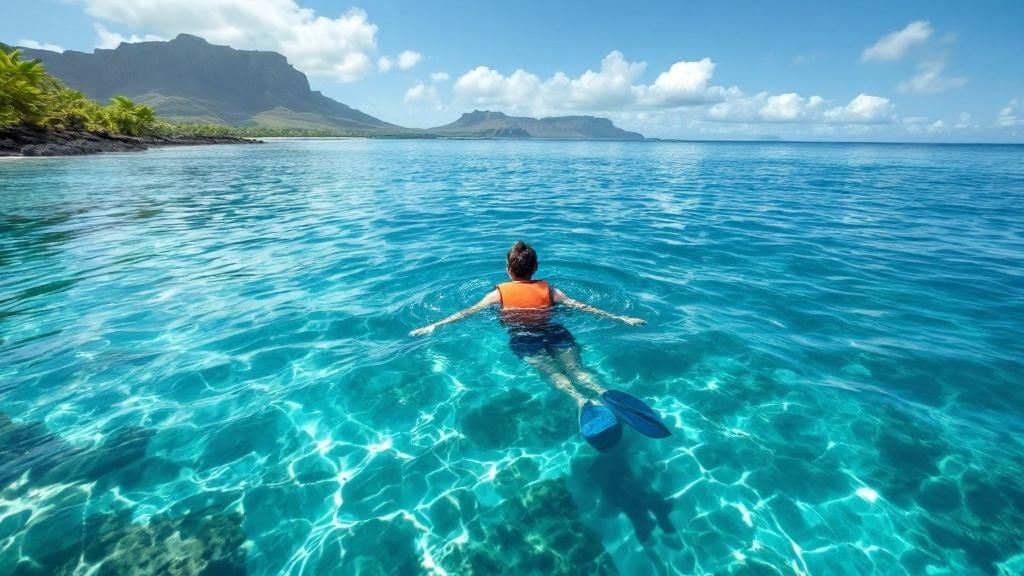
A little bit of prep work can make the difference between a good manta ray tour and a truly mind-blowing one. Knowing what to bring, what to expect, and how to feel your best lets you focus on the main event: seeing these gentle giants dance through the water. This is your no-nonsense guide to getting ready for the best manta snorkel Big Island has to offer.
One of the first questions we always get is, "Do I need to be a strong swimmer?" Absolutely not. You don't need to be Michael Phelps to enjoy this. Top-tier operators like Kona Honu Divers use large, stable flotation boards that you simply hold onto. The lights attached to the board do all the work, attracting plankton which in turn brings the mantas right up to you.
Your only job is to float, watch, and be completely mesmerized by the underwater ballet unfolding inches from your face.
What to Bring (And What Your Tour Provides)
Packing for this trip is simple. The best tour companies will handle all the essential gear for being in the water, but you'll want a few personal items to stay comfortable before and after.
For instance, Kona Honu Divers provides high-quality snorkel gear and, critically, warm wetsuits. Even in paradise, the ocean gets chilly at night, especially after you hop out. A good wetsuit is a game-changer for staying comfortable and warm through the whole experience.
We've put together a simple checklist to help you pack smart for your manta adventure.
Your Manta Snorkel Packing Checklist
| What to Bring | Why You Need It | What to Leave Behind |
|---|---|---|
| Swimsuit | To wear under the provided wetsuit. | Your own snorkel gear |
| A fluffy towel | Nothing beats a dry towel after a night snorkel. | Valuables & jewelry |
| Warm, dry clothes | A sweatshirt and pants feel amazing on the ride home. | Heavy, greasy food |
| Underwater camera | If you have a GoPro, this is its moment to shine! | Non-reef-safe sunscreen |
| Reef-safe sunscreen | For sunset tours, apply it before you leave. | Unnecessary electronics |
| Motion sickness aid | Take it an hour before if you're prone to seasickness. | Worries & stress! |
Basically, the tour operator handles all the important in-water equipment like snorkels, masks, and wetsuits. You can leave your personal gear at home; the provided stuff is perfectly suited for this unique night adventure.
Feeling Your Best on the Water
The last thing you want is a queasy stomach when the mantas are putting on their show. A little prep can help you avoid seasickness and enjoy every minute.
If you're even slightly prone to motion sickness, think about taking a non-drowsy medication about an hour before the boat leaves. While the ocean is often calmer at night, it's always better to be safe than sorry. The combination of being on a boat after dark and looking down into the water can affect people in funny ways.
What you eat that day matters, too. Have a light meal an hour or two before your tour—skip anything too heavy, greasy, or acidic. Staying hydrated with water is also a huge help. These simple steps will set you up for a comfortable and unforgettable evening with the mantas.
Snorkeling Safely and Respectfully with Manta Rays

When you slip into the dark water for the best manta snorkel Big Island offers, you’re stepping into their house. The most unforgettable moments happen when both people and mantas feel safe and respected. The whole experience hinges on one simple idea: passive observation. Look, but never, ever touch.
This isn’t just about being polite; it’s a crucial rule for the mantas’ health. They’re covered in a protective mucous layer—a natural slime coat that’s their first line of defense against nasty bacteria and infections. Touching them, no matter how lightly, can rub this coating off and leave them wide open to disease.
In the same way, chasing a manta or trying to swim after it messes up its natural feeding patterns. The beauty of this whole thing is that you don’t have to chase anything. Your guides will get you into the perfect spot and let the mantas come right to you.
How the Magic Happens The Right Way
Professional tour operators have this down to a science, creating a system that gives you incredible, up-close views without bugging the animals. The key is a big, floating light board that you hold onto while you float at the surface.
This board does two really important jobs:
- It gives you a stable spot to hang out: You can just relax and float without having to kick around.
- It’s a plankton magnet: The bright lights shine down into the water, attracting a massive cloud of microscopic plankton—the mantas’ absolute favorite meal.
Drawn in by the buffet, the mantas swoop, glide, and do these amazing barrel rolls right underneath you. It brings the show directly to you, giving you a front-row seat to their nightly ballet without you having to lift a finger. You can learn more about what goes into a truly amazing and responsible manta snorkeling trip in our detailed guide.
The Importance of Sustainable Tourism
Picking an operator that’s committed to these respectful practices is the single most important choice you'll make. These guidelines don’t just protect the manta rays; they actually make your experience way better by allowing for more natural and awe-inspiring encounters.
Long-term science has been key to understanding these gentle giants. Studies from 2009 to 2014 meticulously tracked individual mantas along the Kona Coast, using nightly video to record their behavior and population patterns. This data has been priceless for their conservation.
"Resist the urge to ‘pet’ the mantas. This will rub off their protective mucus coating. Do not chase, grab, or try to take a ride on the mantas. This doesn’t benefit the animal in anyway." – PADI Project AWARE Guidelines
By following these simple rules, you become part of the solution, helping to protect this incredible natural wonder for years to come. When you support eco-conscious operators, you’re ensuring that Kona's manta rays continue to thrive and mesmerize visitors for generations.
Explore More Big Island Underwater Adventures
After floating with those gentle giants, you might think you've seen it all. That the silent, graceful ballet of the manta rays is the peak of Kona’s underwater world. But honestly? Your manta ray snorkel is just the opening act.
The Big Island's volcanic coastlines and deep blue waters hide an entire universe of adventures. For many, that thrilling night snorkel is the very spark that ignites a lifelong passion for exploring what lies beneath the waves.
Once you’ve witnessed the magic that happens after dark, you’ll naturally wonder what those same reefs look like when the sun is out. This is your chance to see the whole, vibrant picture.
Dive into a World of Color and Life
If the night snorkel left you hungry for more, the next logical step is exploring Kona's reefs by daylight. Picture this: dropping into a sunlit world of complex coral gardens, where schools of bright yellow tangs cruise by and shy sea turtles nap on ancient volcanic ledges. Kona Honu Divers offers incredible daytime scuba diving tours that peel back the curtain on this other side of the island's marine life.
These guided dives are perfect for certified divers of any level, showing off the stunning biodiversity that makes Hawaii so special. It’s a completely different vibe from the focused spectacle of the manta feeding frenzy, but every bit as mesmerizing. For more ideas, check out this guide to the 5 best Big Island snorkeling tours.
For the Truly Adventurous Diver
For certified divers who felt a thrill in the darkness with the mantas, there are even more profound night-time experiences waiting. I'm talking about the world-famous Kona blackwater dive. We take you miles offshore, where you'll drift tethered in the deep, open ocean. Here, bizarre and beautiful deep-sea creatures rise from the abyss—many of them glowing—creating a scene that feels more like floating through outer space than swimming in the ocean.
This isn't just a dive; it's an expedition into one of the planet's last true frontiers. You’ll see creatures that look like they belong on another world, making for underwater photography opportunities you just can't get anywhere else.
And for divers looking to sharpen their skills and explore more demanding environments, our advanced dive tours are the ultimate ticket. These trips venture to deeper sites, exploring dramatic underwater pinnacles, vast lava tubes, and sponge-covered walls that very few people ever get to see. It’s your gateway to becoming a true ocean explorer on the Big Island.
Ready for your next adventure?
Frequently Asked Questions About Manta Snorkeling
Even with all the excitement bubbling up, it's totally normal to have a few lingering questions before you book the best manta snorkel Big Island has to offer. We get it. This is a big deal!
Let's clear up some of the most common questions we hear so you can feel completely confident and ready for an experience you'll never forget.
Is There a Best Time of Year to See Manta Rays?
This is probably the easiest question we get, and the answer is fantastic: any time of year is a great time! The manta rays here on the Kona coast are residents; they don't migrate. They show up for their plankton buffet pretty much every single night, all year long.
Sure, the summer months might bring slightly calmer ocean conditions, but the manta sightings themselves are amazingly consistent whether it's June or January.
What Happens if No Mantas Show Up?
Look, nature is nature, and while it's rare, there's always a slim chance the mantas decide to skip dinner. It only happens about 10-15% of the time. Any reputable tour company knows this and will have a "no manta guarantee."
This usually means you get to come back another night for free. Here's a pro tip: always try to book your manta tour for one of your first nights in Kona. That way, if you hit that rare unlucky night, you have plenty of time to re-book your second chance!
Is This Experience Safe for Children?
Absolutely! The manta ray snorkel is an incredible, awe-inspiring activity for the whole family. If your child is comfortable putting their face in the water with a mask and snorkel, they're good to go. You’ll be holding onto a large, stable float the entire time, so being an Olympic swimmer isn't necessary.
Our guides are always right there, making sure everyone feels safe and secure. It’s one of the best ways to introduce kids to the magic of the ocean.
Can I Touch the Manta Rays?
This is the golden rule, the big one: look, but don't touch. Manta rays have a special mucus coating on their skin that acts like their immune system, protecting them from nasty infections. Touching them can rub this protective layer off.
The entire experience is designed for you to be a passive observer. By holding onto the float at the surface, you let the mantas do their thing. And trust us, when a 1,000-pound animal gracefully glides inches from your face on its own terms, it's a far more powerful and respectful encounter.
Ready to book the adventure you'll be telling stories about for years to come? Grab your spot on the premier manta ray dive and snorkel tour and get ready for a truly magical night.
Check Availability