
Sorting out your trip to see the manta rays in Kona is way easier than you might imagine. Honestly, it's one of those must-do wildlife encounters you hear about, and for good reason. The Kona coast is the place for it, offering the most reliable sightings anywhere on the planet. This is all thanks to a really unique underwater setup that basically creates a perfect feeding spot for these massive, gentle creatures.
This guide will give you the confidence and know-how to book a trip you'll be talking about for years.
Why Kona is the Global Hotspot for Manta Rays
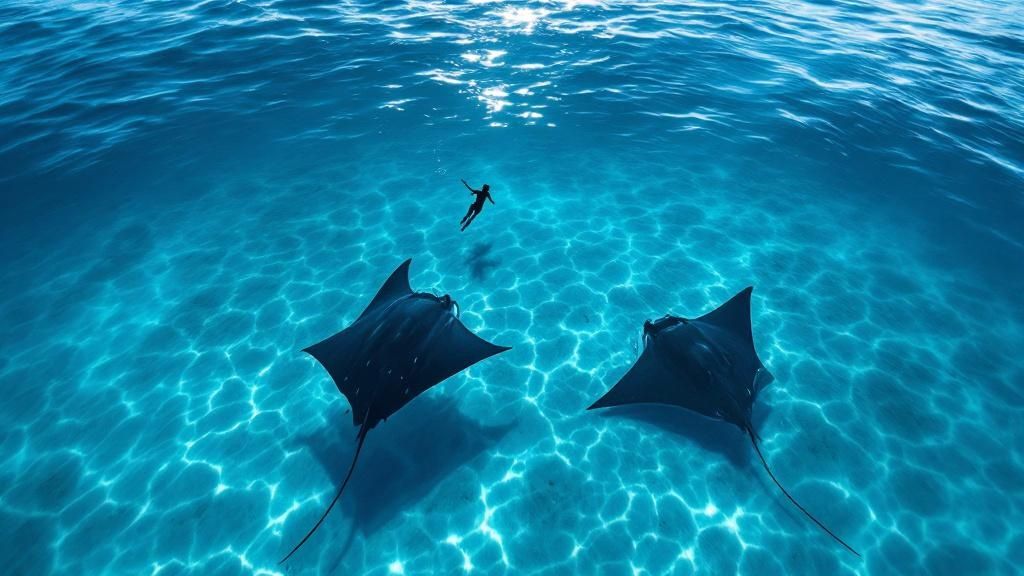
The Big Island isn't just a decent place to see manta rays; it's hands down the best place in the world. That's not just hype—it's based on how incredibly consistent the sightings are here. It's no accident, either. The specific conditions along the Kona coast act like a "manta magnet."
So, what makes this whole thing so special? It's a perfect storm of factors that come together right after sunset:
- A Plankton Buffet: Tour boats shine super bright lights into the water, which attracts clouds of plankton—the manta rays' favorite meal.
- Gentle Giants: Manta rays are harmless. They're filter feeders with zero stingers, which means you can get incredibly close to them safely.
- A Nightly Ballet: As the mantas chow down, they do these graceful swoops and somersaults, creating this mesmerizing underwater dance just inches from your face.
This predictability is a huge draw. We're talking about 80,000 people coming here every year just for this. The volcanic underwater landscape and nutrient-rich currents keep the plankton coming, which means manta sightings are reliable about 80% to 90% of the time, all year long.
This isn't just another snorkeling trip; it's a completely immersive experience with one of the ocean's most majestic animals. Seeing a manta ray with a wingspan over 12 feet glide right up to you is something you just don't forget.
Understanding the Manta Phenomenon
What you're really seeing is a learned behavior. It all started years ago when a hotel started shining lights into the water, attracting plankton. The local mantas quickly figured out that lights meant an easy dinner. Today, tour operators just replicate that process, creating a sustainable and predictable feeding ground night after night.
We'll walk you through everything you need to know, from picking the right tour to the simple rules that keep the mantas safe. If you want to dig deeper into what makes this such a must-do, check out our guide on finding the best manta snorkel Big Island tour for you at https://konahonudivers.com/best-manta-snorkel-big-island/.
Choosing the Right Manta Snorkel Adventure
Let’s be real: not all manta tours are the same. Your choice of boat and crew can be the difference between a pretty good night and an absolutely unforgettable, life-changing memory. Finding the best manta snorkel Big Island has to offer means looking past the price and really digging into what makes a quality experience.
It’s the little details that add up. Think about the size of the tour group, for instance. A smaller boat almost always means a more personal, less chaotic time in the water. Fewer people splashing around gives you a much better, clearer view and more one-on-one time with your guides. It’s a calmer, more respectful way to meet these gentle giants.
Then there’s the gear. Most tours use some kind of floating light board that you hang onto. These boards have powerful lights that beam down into the dark water, attracting the plankton that the mantas come to eat. A well-built, stable board makes a huge difference in how comfortable you are, letting you relax and just soak in the incredible show happening right below you.
Prioritizing Safety and Expertise
When you’re floating in the open ocean after dark, safety is everything. Any operator worth their salt puts this above all else. You’ll want to see experienced, certified guides and a solid safety briefing before anyone even thinks about getting in the water. These guides aren’t just there to spot mantas; they’re trained professionals who know how to manage the group, read the ocean conditions, and make sure everyone feels secure.
The crew's expertise is what really elevates the trip. A great guide can share fascinating stories about manta ray biology and behavior. They can even identify individual mantas by their unique spot patterns, telling you their names and histories. It adds a whole new layer to the experience. An operator like Kona Honu Divers is a perfect example of this, known for their small groups, expert guides, and serious commitment to conservation.
Commitment to Eco-Friendly Practices
It's so important to choose a tour operator that truly respects the mantas and their home. Responsible tourism is the only way these incredible encounters can continue for years to come.
Here are a few things to look for that signal a company cares:
- Clear Viewing Guidelines: The crew should make it crystal clear that no one is to touch the mantas. Ever. Touching them can damage the protective mucous coating on their skin.
- Manta Ray Green Listed: Although the official program isn't active anymore, operators who followed its principles show a long-term dedication to manta safety and ethical viewing.
- Educational Component: A top-notch tour isn't just about the spectacle; it's about learning to appreciate these amazing animals. The best guides are passionate educators.
When you pick a tour that aligns with these values, you're doing your part to protect Kona's beloved manta ray population. It’s all about finding an adventure that’s not just thrilling, but also feels good.
Kona’s Top Manta Ray Snorkel Sites
So, where exactly does this incredible underwater ballet take place? There are two main hotspots along the Kona coast that have become world-famous for seeing manta rays. Tour operators will make the final call on which site to visit based on the night's conditions, but knowing a bit about each spot helps you understand what to expect.
These aren't just random locations. They're well-established feeding grounds where generations of mantas have learned to show up for an easy meal.
How does it work? It's all about the light. Bright lights from the boats (and a nearby hotel at one site) attract swarms of plankton—the mantas' favorite food. It’s a simple but brilliant way to ring the dinner bell and bring these gentle giants right to you.
Manta Village Keauhou Bay
Just offshore from the Sheraton Kona Resort & Spa, Manta Village is probably the most legendary of the two sites. Its history as a manta hangout goes back decades, kickstarted by the hotel's lights drawing in plankton night after night.
It’s a crowd favorite for a few good reasons:
- Insanely High Success Rate: The consistency here is off the charts, with sightings happening over 90% of the time.
- Super Accessible: It's a quick boat ride from Keauhou Bay, which is a huge plus if you're worried about getting seasick.
- Calmer Waters: The bay is often more sheltered from open ocean swell, making for a much smoother experience in the water.
This reliability and easy access make Manta Village a fantastic pick, especially for families and first-timers. You get calm seas and a nearly guaranteed chance to see the mantas—a perfect recipe for an unforgettable night.
Manta Heaven Garden Eel Cove
A little further north of Kailua-Kona, near the airport, is the second prime location: Manta Heaven. By day, it's known as Garden Eel Cove. The experience here can be just as mind-blowing, though it feels a bit different.
Sometimes you'll see even more mantas here, but the trade-off is that the site is more exposed to the open ocean, so conditions can be a little choppier than in the bay.
Manta Heaven (Garden Eel Cove) has depths around 30 to 40 feet, while Manta Village (Keauhou Bay) can range from 20 to 50 feet deep. You can always explore more details about these manta ray sites to get a better feel for what each one offers.
Ultimately, it doesn't matter which spot your tour heads to. The experience is the same: you'll be floating at the surface, watching magnificent, gentle giants perform an acrobatic feeding dance just inches below. Both locations give you a front-row seat to one of nature's greatest shows.
Preparing for Your Night Snorkel Adventure
A little bit of prep work is what separates a good manta tour from an unforgettable one. It’s all about making sure you’re comfortable and mentally ready so you can just float and soak in the magic. When you feel at ease, you can really focus on the incredible ballet happening just inches below you.
Here's a pro tip: wear your swimsuit under your clothes when you head to the marina. It seems simple, but it makes gearing up on the boat a breeze. You'll spend less time wrestling with clothes in a tiny boat bathroom and more time getting hyped for the adventure.
What to Pack for the Boat
Your tour company will handle all the necessary gear for the water, but you’ll want to bring a few things to stay comfortable, especially after the snorkel. Once the sun drops and you’re wet, that boat ride back can get surprisingly chilly.
Here’s a quick checklist of things you'll be glad you brought:
- A big, dry towel. This is an absolute must for warming up the moment you get out of the water.
- Warm clothes for later. Think a sweatshirt, sweatpants, or at least a windbreaker. Trust me, it feels amazing on the ride home.
- Reef-safe sunscreen. If you're on a sunset tour, you'll want to apply this before you even leave the dock.
- An underwater camera. Got a GoPro? Make sure it's fully charged. You're going to want to capture this.
Try to leave valuables like your wallet, car keys, and other electronics locked in your car or back at the hotel. The less stuff you have to worry about on the boat, the better.
Tackling Any Pre-Snorkel Jitters
Feeling a little nervous is totally normal. Whether you’re worried about the dark, the open ocean, or getting seasick, it’s smart to plan ahead.
When it comes to motion sickness, prevention is everything. If you're prone to it, take a non-drowsy Dramamine or Bonine about an hour before you get on the boat. If you wait until you feel queasy, it's usually too late. The ocean has its own plans, and it's always better to be prepared.
It's common to feel anxious about snorkeling at night, but your guides are seasoned pros. They do this every single evening. Listen closely to their safety briefing—they’ll cover everything, and they're right there in the water with you to make sure you feel totally secure.
Remember, you'll be holding onto a big, stable, brightly lit float board the whole time. Your only job is to relax and watch the show.
If you want to get a better feel for the whole experience, check out our deep dive into the manta ray night snorkel in Kailua-Kona. A little prep goes a long way toward enjoying one of the most incredible wildlife encounters you'll ever have.
How to Be a Responsible Manta Viewer
Sharing the ocean with these gentle giants is an incredible privilege. With that privilege comes the responsibility to be a respectful guest in their home.
The whole experience is designed to be passive viewing. Your only job is to float, watch, and be completely amazed. Following a few simple rules ensures the mantas stay safe and that this magical encounter can continue for generations to come.
The single biggest rule, the one you absolutely can't forget, is to never, ever touch a manta ray.
Think of their skin as being covered in a protective slime coat—it's basically their immune system. Touching them strips this layer off, leaving them wide open to nasty parasites and bacterial infections. It’s a simple "look, don't touch" policy that keeps both you and these amazing animals safe.
Following In-Water Best Practices
Once you're in the water, your guides will give you a few key instructions to make sure the mantas have plenty of room to do their thing. The most important one is to stay horizontal on the surface and hold onto the light board. This creates a predictable "ceiling" for the mantas, which allows them to glide gracefully just inches below you without worrying about a collision.
Try to avoid splashing or making any sudden, jerky movements. The whole idea is to be as calm and quiet as a log floating on the surface. When the environment is calm, the mantas can focus on feeding, which is what creates those spectacular, up-close views you came for. Your behavior directly impacts the quality of the experience for everyone.
By following these simple guidelines, you become more than just a tourist; you become an advocate for the mantas. Your respectful behavior helps ensure this natural wonder continues to thrive.
Supporting Manta Ray Conservation
You can make a positive impact before you even step on the boat. To protect the delicate marine environment you're about to enter, please consider choosing reef-safe sunscreen. It's also vital to pick a tour operator that follows responsible viewing standards.
These practices aren't just guesses; they're backed by years of observation and data. Long-term monitoring along the Kona Coast has shown consistent sighting rates between 85% and 90% on night tours. This kind of research helps tour operators manage sustainable tourism and protect the mantas' habitat.
If you're curious about what makes this encounter so unique, check out our article explaining why you should go on a manta ray dive in Kona.
Your Manta Ray Snorkeling Questions, Answered
It’s totally normal to have a few lingering questions before jumping into an adventure like this. After all, getting in the ocean at night to see giant marine animals isn’t something you do every day!
We get it. You want to feel completely confident before you book one of the most unforgettable experiences on the Big Island. So, let’s clear up some of the most common questions we hear from first-timers.
Is This Safe for Beginners and Kids?
Absolutely. You don't need any prior snorkeling experience to have an amazing time. Tour operators set everything up to be incredibly safe and accessible for just about everyone.
You'll be given all the gear you need, including a wetsuit that keeps you warm and adds a ton of extra buoyancy. Once in the water, you'll simply hold onto a big, sturdy light board that floats on the surface. Very little swimming is involved. Plus, professional guides are right there in the water with you the whole time, making sure everyone is comfortable and secure.
Most companies welcome kids, usually with a minimum age of around 6 to 8 years old. It's always a good idea to double-check with your specific tour operator when you book, just to be sure.
What If We Don’t See Any Manta Rays?
This is a big one, but luckily, it's rarely an issue. Manta sightings along the Kona coast are incredibly consistent, with most tours boasting a success rate well over 90%. That said, these are wild animals in their natural habitat, so a sighting can never be 100% guaranteed.
Because of this, almost all reputable tour operators have a "manta guarantee."
If your tour is one of the very rare unlucky ones and you don't see any mantas, most companies will let you come back another night for free (subject to availability). It’s a great policy that shows just how confident they are. Always confirm this guarantee before you book!
This is also why we recommend scheduling your manta tour early in your trip. It gives you plenty of flexibility to rebook if you need to.
Can I Go If I’m Not a Strong Swimmer?
Yes, you sure can. This experience is perfectly designed for non-swimmers or anyone who feels a little anxious in the water. The wetsuit they provide makes you incredibly buoyant—it's like wearing a full-body life vest.
You'll be holding onto a large, stable float for the entire duration of the snorkel. There's no need to kick or swim. Your only job is to relax, float, and enjoy the incredible show happening just below you. Just be sure to give your guides a heads-up about your comfort level; they are pros at making everyone feel safe.
What’s the Difference Between Snorkeling and Diving with Mantas?
Think of it as choosing between a fantastic balcony seat and a front-row seat at the world's best underwater show. Both are incredible, they just offer a different perspective.
- Snorkelers: You float on the surface, looking down as the mantas swoop and glide beneath you, feeding on the plankton drawn to your light board. It's a breathtaking, top-down view of their graceful ballet.
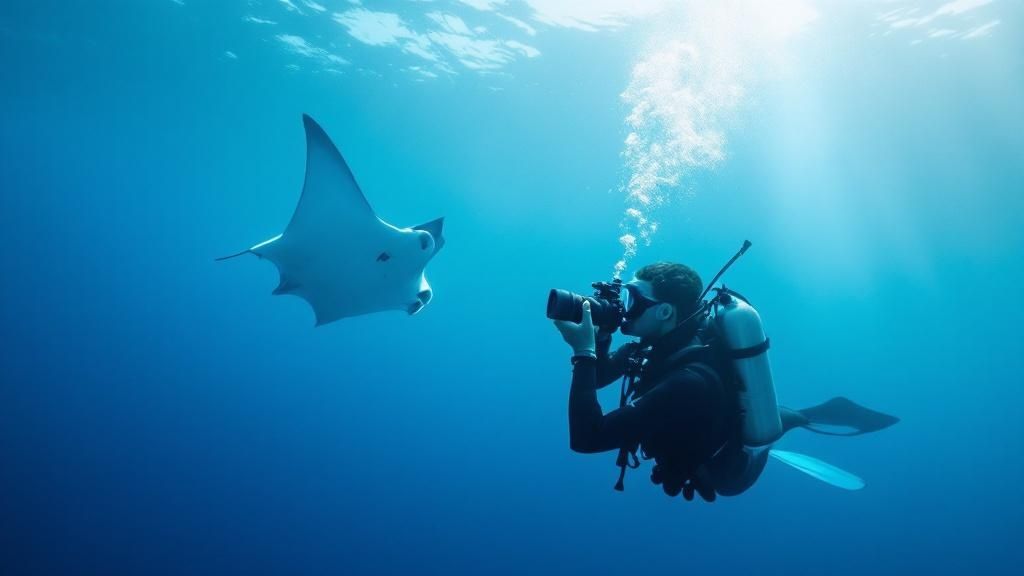
- Scuba Divers: If you're certified, you'll be on the ocean floor, looking up. This gives you a truly immersive experience as these gentle giants somersault just inches over your head. It's a game-changer.
Many operators, including Kona Honu Divers, run trips that accommodate both snorkelers and divers on the same boat. This is perfect for families or groups with different experience levels. For certified divers, the manta ray dive tour is something you'll never forget.
Ready for an adventure you'll be talking about for years? Kona Honu Divers provides a world-class manta ray experience with expert guides, top-tier safety, and a deep respect for Hawaii's marine life. Book your tour today and get ready to be amazed.