
Picture this: you're floating in the calm, dark ocean. Below you, massive, gentle creatures with wingspans wider than a car glide through the water like graceful ghosts. That's the magic of the Kona manta ray snorkel. It's an experience you'll never forget and probably the reason you're searching for the best manta snorkel Big Island has to offer.
This incredible encounter is totally safe, easy for most people to do, and is consistently ranked as one of the best night dives on the planet.
Your Guide to the Ultimate Manta Snorkel Experience
The Kona coast isn't just a good place for manta ray encounters; it's the best place in the world. And for good reason. The experience here is almost unreal.
Tour operators have figured out a brilliant system to bring these amazing animals right to you for a nighttime ballet. They anchor in special bays and shine powerful lights down into the water, creating an all-you-can-eat buffet that mantas simply can't resist.
These lights attract huge clouds of plankton, which is what mantas eat. Think of it like a massive underwater dinner bell. As the plankton swarm to the light, the manta rays show up to feast, performing graceful barrel rolls and somersaults just a few feet below you. It's a wild display of nature that feels both huge and incredibly personal at the same time.
What Makes a Manta Tour the "Best"
When you're looking for the best manta snorkel Big Island can provide, it's not just about seeing the mantas. The quality of your tour really comes down to the operator you choose. A truly great tour prioritizes three things: safety, the well-being of the animals, and making sure you're comfortable.
Here are a few things that set a top-tier operator apart from the rest:
- A Serious Commitment to Safety: This means they have a low guide-to-guest ratio, give you a thorough safety briefing, and their boat and gear are in top shape.
- Eco-Conscious Practices: The best tours are strict about "Manta Etiquette." No one touches or bothers the animals. Period. They're caretakers of the ocean.
- An Expert Crew That Loves to Teach: A great crew makes the trip so much better by sharing cool facts about manta ray biology and the local ocean life.
- Knowing the Prime Viewing Spots: Experienced captains know the most reliable locations, like Manta Village and Manta Heaven, which gives you the best possible chance of a mind-blowing encounter.
The best part? The manta rays of Kona don't migrate; they live here year-round. That means you have an excellent shot at seeing them no matter when you visit, with sighting rates often hitting over 90%.
Going with a reputable company doesn't just guarantee your safety; it helps protect this amazing marine environment for years to come. If you're ready to see the magic for yourself, you can check out one of Kona's best manta ray snorkel and dive tours to see what a world-class operation looks like.
To help you sort through the options, we put together a simple table breaking down what really matters when you're booking your adventure.
Quick Guide to Choosing Your Manta Snorkel Tour
| Factor | Why It Matters | What to Look For |
|---|---|---|
| Safety Record | This is a no-brainer. Your well-being is the top priority. A company's history says a lot about its safety standards and crew training. | Look for established companies with tons of great reviews, certified guides, and clear safety briefings. |
| Eco-Friendly Policies | Protecting the mantas is essential. Responsible tour operators make sure these encounters can happen for generations to come. | Go with operators who enforce a strict no-touch policy and are involved in local conservation efforts. |
| Boat Size & Comfort | A smaller boat often means a more personal trip. A bigger boat might be more stable and have more amenities. | Think about what you prefer. Check for things like wetsuits, snacks, and maybe even a warm shower for after. |
| Sighting Guarantee | Seeing mantas is super reliable, but it's still nature. A guarantee gives you some peace of mind. | Ask about their policy. Lots of good operators will offer you a free second trip if you don't see any mantas. |
Choosing the right tour can make the difference between a good trip and an unforgettable one. Taking a few minutes to check on these details is always worth it.
Why Kona Is a Global Manta Ray Hotspot
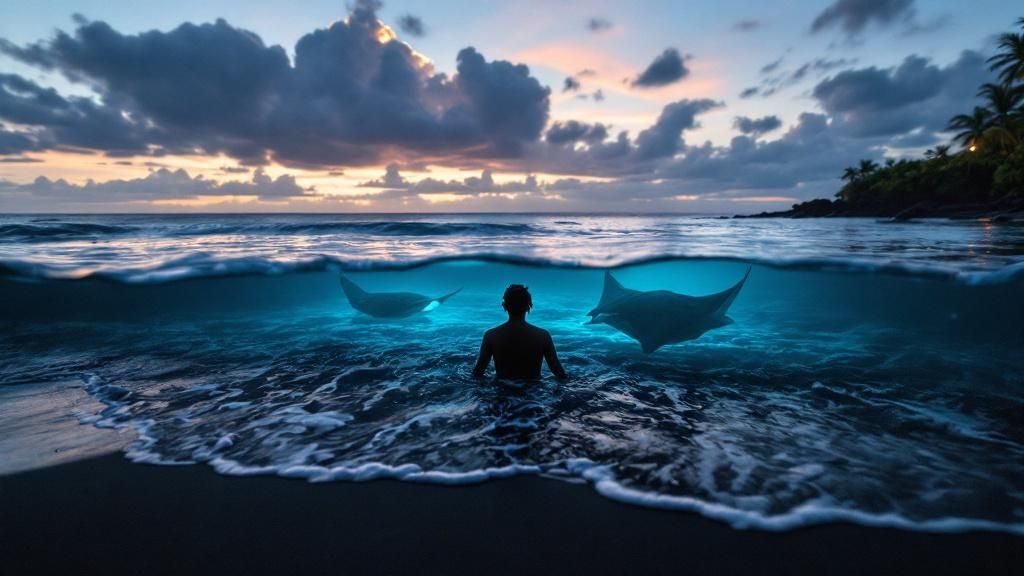
The Kona coast isn't just a great spot to see manta rays; it’s literally the most reliable place on the entire planet for it. This isn’t just a lucky coincidence. It's a perfect storm of geography, ocean currents, and biology that brings these gentle giants to the same spots, night after night.
It all starts with the island's unique underwater landscape. The coast here is lined with ancient volcanic slopes that gently drop into the deep. These slopes created sheltered bays and coves, protecting them from the powerful currents of the open Pacific. Think of these bays as calm, quiet dining rooms where the mantas can eat without getting tossed around.
This calm water is the first key ingredient. Without these protected areas, the delicate feeding frenzy we see every night just couldn't happen. It’s this natural shelter that really sets the stage for the main event.
The Plankton Buffet
The second piece of the puzzle is the food: plankton. These tiny organisms are the mantas' absolute favorite meal. During the day, plankton hang out in the deep, cool water offshore. But once the sun goes down, they begin a massive migration up toward the surface to feed.
As this huge cloud of plankton rises, the gentle currents along the Kona coast push it right into those sheltered bays. The volcanic geography acts like a natural net, trapping and concentrating the plankton into a thick soup. For the mantas, it's a guaranteed, all-you-can-eat buffet they've been coming back to for decades.
This nightly gathering of plankton is so predictable that it supports a resident population of manta rays. Unlike other spots in the world where sightings are seasonal, Kona's mantas are here all year long.
And the proof is in the numbers. Tour operators on the Kona Coast report an incredible 85-90% sighting success rate on their night tours. With a local population of over 450 identified individuals—many with wingspans over 12 feet—it’s no surprise that 80,000 people come every year just for this experience. You can read more about this amazing Kona manta ray phenomenon and what makes it so special.
Iconic Manta Gathering Spots
This whole natural system has created a few world-famous viewing sites. These aren't just clever nicknames; they are specific locations where the conditions are absolutely perfect for the nightly manta feast.
Two of the most famous spots are:
- Manta Village: Down in Keauhou Bay, this was one of the original viewing sites. Years ago, a nearby hotel's lights attracted the plankton, and the mantas naturally followed. Tour operators just continue the tradition, making it one of the most consistent spots on the island.
- Manta Heaven: Located north of Kona near the airport, this site (also called Garden Eel Cove) is another prime location. The underwater layout here is perfect for trapping plankton, often attracting huge numbers of mantas for what looks like a choreographed underwater ballet.
Knowing the "why" behind this magical encounter just makes you appreciate it that much more. You're not just watching a random event; you're seeing a finely tuned ecological machine that has made the Big Island the undisputed world capital for manta ray encounters.
How to Choose the Best Manta Ray Snorkel Tour
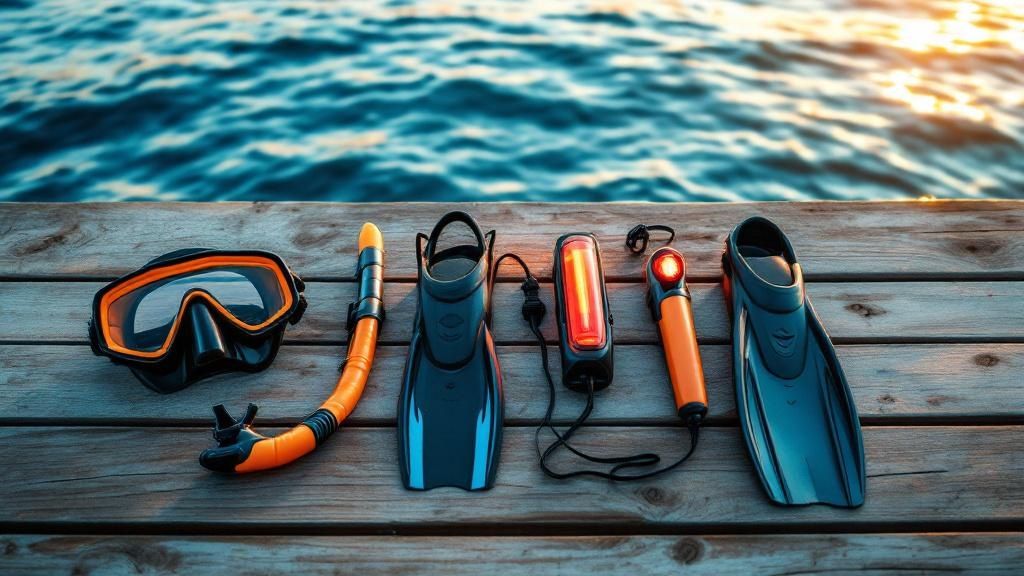
Picking the right tour company is hands down the most critical decision you'll make. The best manta snorkel Big Island experience truly comes down to the quality, safety, and mindset of the crew taking you out. This isn't just about finding a boat—it's about finding a team that ensures your encounter with these incredible creatures is safe, unforgettable, and respectful.
A top-notch tour is a perfect mix of a well-kept boat, a crew that knows their stuff, and a genuine love for the ocean. Let's break down what you should be looking for so you can book your trip with total confidence.
Boat Size and Group Dynamics
The kind of boat you're on will shape your whole evening, and there's no single "best" option. It all boils down to what you're looking for.
- Large Catamarans: These boats are super stable, which is a huge plus if you get seasick. They usually have more comforts like bathrooms and bigger decks, but they also tend to pack in more people.
- Smaller, Agile Vessels (Zodiacs): These offer a more personal, up-close-and-personal ride and can zip out to the snorkel spots faster. With a smaller group, you'll get more attention, but the ride can be a bit bumpier, and you won't find many frills.
So, what's your style? Do you want a smooth, comfy ride with all the perks, or are you after a more thrilling, intimate adventure?
Choosing the right operator is about matching their tour style with what you want. A family with young kids will probably love a big, stable boat, while a crew of adventurous friends might get a kick out of a faster, smaller vessel.
Safety and Crew Expertise
Okay, this is the big one. There's no compromising on safety. A quality tour operator puts your well-being above everything else. Before you even think about booking, look for a few tell-tale signs of their commitment to safety. A low guide-to-snorkeler ratio is a must; it means there are enough eyes on everyone in the water.
Hunt for companies with a solid reputation and a boatload of positive reviews that talk specifically about their safety drills and the crew's professionalism. An experienced crew does more than just keep you safe—they make the trip. The best guides will give you a full rundown on manta biology and behavior, turning a cool sightseeing trip into a real educational experience. Their knowledge is usually a dead giveaway of their passion and expertise. For a better idea of what the trip is like, check out this guide on the Kona manta ray snorkel experience.
Commitment to Manta Ray Conservation
The future of Kona's manta ray population rests on us being responsible visitors. The best operators aren't just running a business; they're guardians of the ocean. They live and breathe "Manta Etiquette," which is a set of rules designed to make sure we're just passive observers.
That means absolutely no touching, chasing, or getting in the mantas' way. A company that cares will drill these rules into you before you even dip a toe in the water. Companies like Kona Honu Divers are leaders here, known for their stellar safety record and serious focus on eco-friendly tours that protect these animals for years to come. Their whole approach is about making sure this incredible natural wonder is still here for our kids and grandkids to see.
You can usually see this commitment reflected in guest reviews, which should give you the peace of mind you need when choosing.
By weighing these factors—the boat, the safety standards, and the conservation ethics—you can pick a tour that will give you a breathtaking adventure while also letting you feel good about your choice.
What to Expect During Your Snorkel Adventure
It helps to have a picture of how the whole evening will unfold. Knowing the play-by-play builds the excitement and makes sure you feel totally comfortable. Finding the best manta snorkel Big Island tour is as much about the experience on the boat as it is about the time in the water. So, let's walk you through it.
Your adventure starts about an hour before sunset. You'll meet the crew down at the harbor, get checked in, and hop on the boat. The first leg of the journey is a beautiful ride along the Kona coast as the sun starts to dip, lighting up the sky. It's the perfect, peaceful start to what will be a truly wild night.
The Pre-Snorkel Briefing
While you're cruising out to the manta spot, the guides will give you a full rundown on safety and what's about to happen. This is a super important part of the trip. They'll go over all the gear, show you how to get a good seal on your mask, and explain the rules for having a safe and respectful swim with the mantas.
This is where you'll hear about the number one rule of manta ray tourism: passive observation. Basically, it means you're there to watch, not to interact. The crew will make it crystal clear that you should never, ever touch, chase, or get in the way of the mantas. By just floating quietly, you become part of the background, which lets the mantas feel safe enough to do their amazing feeding acrobatics right in front of you.
The manta rays you'll see have a delicate, protective slime coat on their skin. Touching them strips this layer off, leaving them wide open to infections. Just looking is the best way to protect these gentle giants.
Entering the Water
Once the boat is anchored up and the last bit of sun disappears, it's go time. The crew will help you get into your gear, including a wetsuit to keep you warm and give you a little extra float. Then, you'll slip into the dark, calm ocean. Don't let the "dark ocean" part spook you; the snorkel sites are in protected bays where the water is usually super tranquil.
You won't be swimming around on your own. Instead, everyone holds onto a specially designed, floating light board. This board is genius for two reasons:
- It gives you something stable to hold onto: It’s your secure spot on the surface, so you don't have to be an Olympic swimmer. You just hang on and float.
- It's a dinner bell: Powerful lights underneath the board shine down into the water. This light attracts swarms of the microscopic plankton that manta rays love to eat.
Think of the light board as an underwater campfire. It lights up the whole scene and draws the main attraction right to you. If you want to get a deeper look into their behavior, you can learn more about the Kona manta ray dive experience.
The Main Event: An Underwater Ballet
As you're floating there, holding onto the board, you’re hit with all your senses. You can feel the gentle thrum of the ocean and see the bright beams of light slicing through the black water. And then, it begins. The first massive, silent shadow glides up from the depths and into the light.
Before you know it, there are more. You'll be absolutely mesmerized watching these incredible creatures, some with wingspans over 12 feet, perform graceful barrel rolls and somersaults just inches below your face. They swoop and soar, their giant mouths open to filter the plankton from the water. It’s a silent, hypnotic dance that feels both completely out of this world and incredibly intimate. You'll get about 45 minutes in the water, which is plenty of time to soak in a memory that will stick with you forever.
Practicing Responsible Manta Ray Tourism
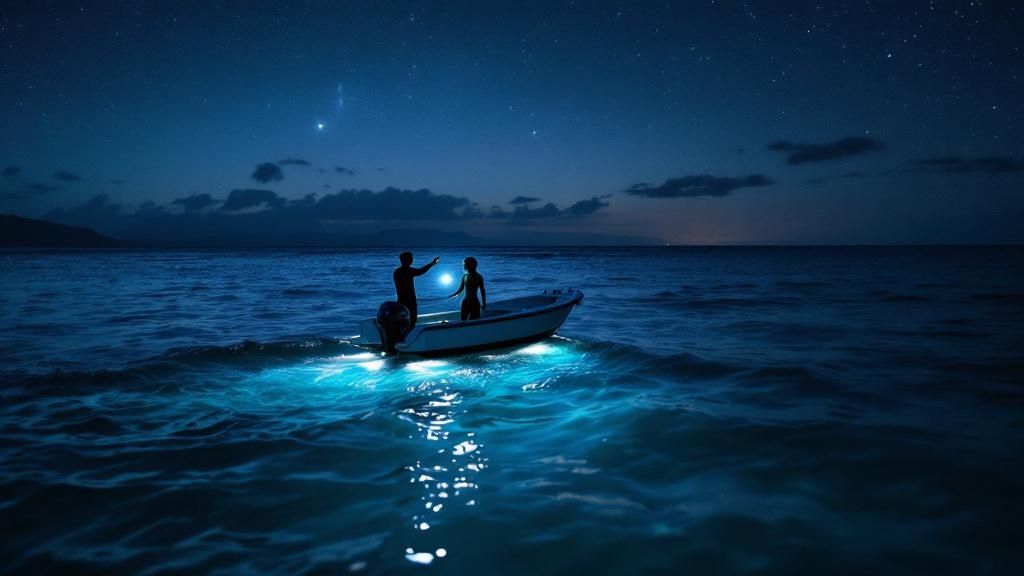
Seeing Kona's manta rays up close is an incredible privilege. With that privilege comes the responsibility to protect these gentle giants. They are wild animals, and we are guests in their home. The best way to be a good guest is to follow what we call "Manta Etiquette"—a simple set of rules that makes a world of difference.
These guidelines weren’t just made up; they were developed by researchers, conservationists, and the most reputable tour operators to ensure every encounter is safe and stress-free for the mantas. The golden rule is passive observation. You just float, watch, and let the show unfold around you. This allows the mantas to go about their business without feeling threatened or disturbed.
Following Manta Etiquette
The single most important rule is to never, ever touch a manta ray. Their skin is covered in a delicate, protective slime coat that acts as their first line of defense against harmful bacteria. Touching them can strip this layer away, basically crippling their immune system and leaving them wide open to infection.
The top operators will be strict about these other key guidelines, too:
- No Chasing: Let the mantas come to you. Never swim after them, try to ride them, or block their path.
- Stay Horizontal: As a snorkeler, your job is to stay flat on the surface and hold onto the light board. This creates a predictable "ceiling" that the mantas can safely swim beneath.
- No Flash Photography: Sudden, bright flashes can startle and disorient the mantas. The tour lights are more than enough to give you a spectacular view and let you capture amazing photos without a flash.
When you book a tour that takes these rules seriously, you're doing more than just buying a ticket. You're casting a vote for the long-term health of Kona's entire manta ray population.
How Your Tour Choice Supports Conservation
Picking an eco-conscious operator goes way beyond just having a good time. The best companies are deeply involved in marine conservation. Operators like Kona Honu Divers, for example, are on the front lines of manta ray research, helping scientists identify and track individual animals.
How does it work? Each manta has a unique pattern of spots on its belly, like a human fingerprint. Crews take photos of these patterns, which allows researchers to monitor the population, track their movements, and keep an eye on their health. This is vital work for protecting the species.
Thanks to more than a decade of this kind of careful documentation, we know that Kona's resident manta population is stable, with over 450 identified individuals who stick to their local home ranges. You can learn more about what to expect on a Kona manta ray night dive with an operator that prioritizes these conservation efforts.
Being a responsible visitor also means thinking about what you put on your skin. Many sunscreens contain chemicals that are toxic to coral reefs and marine life. Making the switch to one of the best non-toxic sunscreens is a simple way to minimize your impact and help protect the entire ecosystem, from the tiniest coral polyp to the majestic mantas themselves.
Answering Your Top Manta Snorkeling Questions
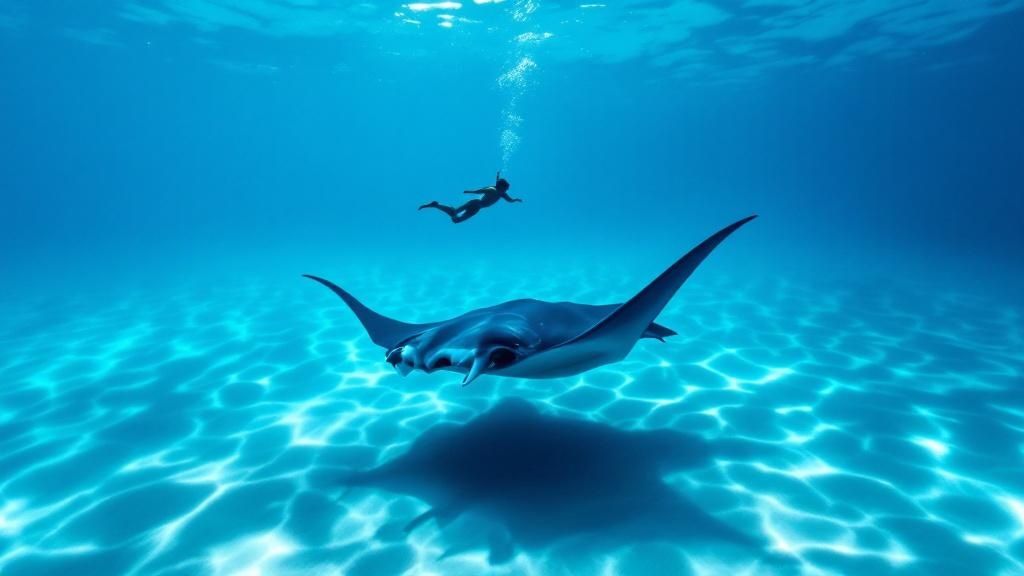
Even with all the excitement, it's totally normal to have a few questions before diving into an adventure like this. Feeling prepared is the key to having the best possible manta snorkel Big Island experience. We've gathered the most common questions we hear to help you feel confident and ready to go.
Is Manta Ray Snorkeling Safe?
Absolutely. There's a reason everyone calls manta rays "gentle giants"—they've earned that nickname. They are completely harmless to people. Manta rays don’t have teeth, stingers, or barbs. They're filter feeders, so their diet is just tiny plankton, and they couldn't care less about the humans floating above them.
The tours themselves are built around safety. Professional guides are in the water with you the whole time, and you're given top-notch flotation devices. Before anyone even dips a toe in the ocean, the crew runs through a detailed safety briefing so everyone knows the plan and feels secure.
What Is the Best Time of Year to See Manta Rays in Kona?
This is one of the best parts: it’s an incredible year-round activity. Unlike a lot of marine wildlife, Kona’s manta rays are residents. They live here all year long because the food supply is consistent, so they have no reason to migrate. That gives you a fantastic chance to see them no matter when you visit.
Kona’s manta ray snorkel is one of the most popular marine wildlife encounters in the world, bringing in around 80,000 visitors every year. A huge reason for that is the sighting rate, which is consistently between 80% and 90%—that's almost unheard of compared to other manta habitats. The coast’s unique underwater landscape creates predictable feeding spots, making Kona the world's top destination for this encounter. You can get more insights on the best times to see Kona’s mantas on mantaraynightsnorkelhawaii.com.
Do I Need to Be a Strong Swimmer?
Not at all. This experience isn't really about swimming—it's about floating and watching the show. You don't need to be Michael Phelps to enjoy it.
You'll spend your time in the water holding onto a large, super-stable light board that does all the work of keeping you afloat. Operators provide buoyant wetsuits for warmth and extra flotation, and many even have pool noodles if you want more support. The whole setup is designed to make it comfortable for just about everyone.
The goal is to relax and let the ocean support you. The less you move, the more comfortable the mantas are, so being a passive observer is actually the best way to enjoy the show.
The entire system is designed so you can focus on the amazing spectacle below without giving a second thought to staying afloat.
What If I Have Never Snorkeled Before?
Perfect! The manta ray tour is an ideal introduction to snorkeling. If you've never worn a mask before, this is a fantastic first-time experience. The crew are experts at helping beginners and will give you a full lesson on how to use the gear before you even leave the boat.
They'll show you how to get a good seal on your mask and breathe comfortably through the snorkel. It's a calm, controlled environment, and the guides are right there to help you every step of the way.
Your only job is to relax, breathe, and take in the awe-inspiring underwater ballet happening just feet below you.
For an unforgettable adventure that combines world-class safety with a deep respect for marine life, look no further than Kona Honu Divers. Our experienced crew is dedicated to providing the best manta snorkel Big Island has to offer, making sure your encounter is both magical and educational.
We invite you to join our 'ohana for a night you'll remember forever. Let us show you why this experience is consistently rated one of the best on the planet. For more details on our manta ray dive and snorkel tours, click the link and get ready for an incredible journey.