
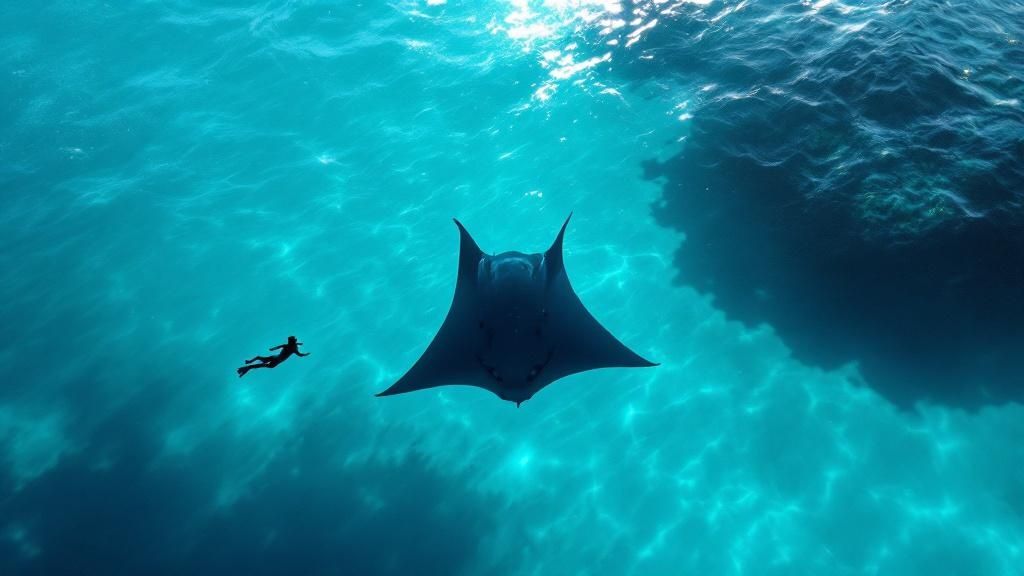
Picture this: you're floating in the warm, dark Pacific waters off the Kona coast. Suddenly, a giant, graceful shadow with a wingspan wider than you are tall emerges from the depths, gliding and barrel-rolling just inches beneath you. This isn't a scene from a documentary—it's the signature adventure on the Big Island, and it's absolutely unforgettable.
Why Is Kona the Manta Ray Capital?
There's a reason Kona is one of the most reliable places on the planet for this magical encounter. The unique geography of the coastline creates calm, protected bays where plankton—the manta rays' favorite food—thrives.
The setup is brilliant. Tour operators bring out these large, floating light boards. You hold onto the board, and its bright lights shine down into the water, attracting a massive cloud of plankton. Before you know it, the mantas arrive for the all-you-can-eat buffet, putting on an incredible underwater ballet right before your eyes.
This method is so effective that the sighting success rate hovers between 85% and 90%. That's an astoundingly high number for any wildlife encounter. Sites like "Manta Village" and "Garden Eel Cove" have become world-famous for this very reason. It’s no wonder these tours attract around 80,000 people every year.
For a deep dive into what makes this trip so special, check out this guide to the https://konahonudivers.com/manta-ray-night-dive-kailua-kona/ to see why it's a must-do. And if you're trying to pick the perfect operator, this breakdown of the best manta ray night snorkel experiences in Kona is a huge help.
Snorkeling vs. Scuba Diving: Which Is Right For You?
While most people snorkel, certified divers have the option to watch the show from below. So, which one should you choose? Both are amazing, but they offer very different perspectives.
Here's a quick rundown to help you decide.
| Manta Ray Encounter Options at a Glance |
| :— | :— | :— |
| Feature | Manta Ray Snorkeling | Manta Ray Scuba Diving |
| Experience Level | Beginner-friendly; no experience needed. | Must be a certified scuba diver. |
| Viewing Angle | Top-down view, looking at their backs. | Bottom-up view, looking at their bellies. |
| Proximity | Very close; mantas often come within inches. | Close, but you're stationary on the sea floor. |
| Effort | Low; you just float and hold onto a board. | Requires full scuba gear and comfort in the dark. |
Ultimately, snorkeling is the most accessible way to see the mantas and offers a phenomenal, up-close view. Diving gives you a unique vantage point from the ocean floor, but it requires certification and a bit more commitment. You really can't go wrong either way
How to Choose the Right Tour Operator
With so many companies offering manta ray snorkel tours on the Big Island, picking the right one is probably the most crucial decision you'll make. It’s the difference between a good trip and an absolutely unforgettable one. More importantly, your choice directly impacts the well-being of the mantas.
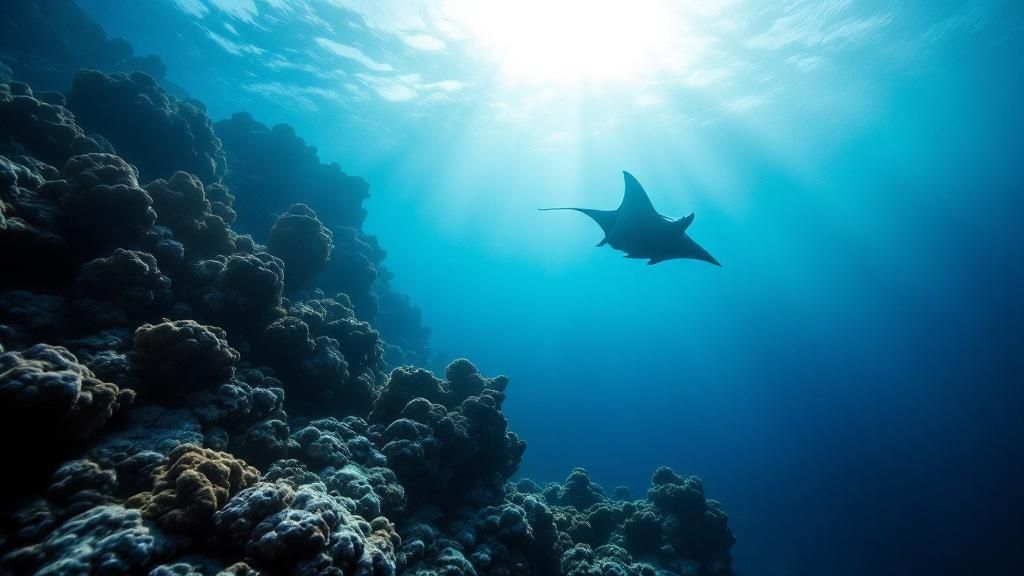
A great starting point is to look for operators who were previously Manta Ray Green List certified. While this specific certification program ended in 2023, the companies that adhered to its high standards are the ones who have long prioritized sustainable and respectful tourism. They built their operations around protecting the mantas and keeping their guests safe, and that's the kind of company you want.
What Really Matters When Comparing Tours
It’s easy to just compare prices, but the cheapest option is rarely the best. To find a truly quality tour, you need to dig a little deeper.
Here’s what I always look for:
- Boat and Group Size: I always prefer a smaller boat. It just feels more personal, and having fewer people in the water often leads to a calmer, more respectful encounter with the mantas. It's less chaos, more magic.
- The Crew's Expertise: A knowledgeable crew can completely transform your experience. You want guides who not only keep you safe but also share their passion. When they can point out specific mantas, call them by name, and share little-known facts, it adds so much depth to the adventure.
- Serious Safety Briefings: A top-notch operator will always give you a detailed safety briefing before you even think about getting in the water. They should cover everything, especially proper manta etiquette—like the critical rule of never, ever touching them, which can harm their protective mucous coating.
If you're looking for an example of a company that checks all these boxes, look no further than Kona Honu Divers. Their entire philosophy is built around marine conservation, and their expert-led tours are the real deal. They’ve earned their stellar reputation for a reason.
Key Questions to Ask Before You Hand Over Your Credit Card
Don't be shy about calling or emailing a company before you book. Getting answers to a few specific questions can save you a lot of guesswork.
I always ask about their sighting success rate. Good companies are proud of their track record and will be upfront about it. And what happens if the mantas don't show up? Most will have a "rain check" policy that lets you re-book for free. Also, find out what's included—do they provide wetsuits and snacks? These little details can make a big difference.
While you're planning your Big Island water adventures, it’s also worth reading a guide to choosing a Captain Cook snorkel tour, as the principles of picking a quality operator are similar.
A little bit of homework goes a long way. It ensures you can book a manta ray snorkel or dive tour with total confidence, knowing you’re in for an incredible and ethical experience.
So, what’s it really like to be on one of these manta snorkel tours? Knowing the play-by-play can help you shake off any pre-trip jitters and get you even more excited for what's ahead.
Your adventure starts on land at the harbor, where you'll meet the crew and get checked in.
This is where you'll get fitted for a wetsuit and listen to the safety briefing. Pay close attention here—it's not just about rules. The crew will share crucial tips on interacting with the mantas respectfully and making sure everyone (you and the rays) has a safe and incredible experience.
After that, it's time to hop on the boat. You'll cruise along the beautiful Kona coast, and since most tours run in the evening, you're usually treated to a jaw-dropping Hawaiian sunset. It’s a pretty amazing opening act. The boat ride itself can be anywhere from 15 to 45 minutes, depending on where you leave from and which viewing site is buzzing with activity that night.
Getting in the Water With the Giants
Once the captain drops anchor, the real show is about to begin. The crew will deploy a big floating light board that illuminates the water below. This isn't just for show; these powerful lights attract a massive buffet of plankton, which is exactly what the manta rays are coming for.
You'll make your way into the ocean, typically down a ladder, and swim a very short distance to the light board. The board has handles all around it for everyone to hold onto, so you don't need to be an Olympic swimmer—you just float and watch.
That wetsuit they give you is a game-changer. It does more than just keep you warm in the evening water; it adds a ton of buoyancy, so you can float effortlessly without having to kick or tread water.
You’ll spend about 30 to 45 minutes in the water, mask down, watching the magic unfold. As the plankton gathers under the bright lights, the mantas arrive. They swoop and barrel-roll right underneath you, sometimes just inches away, gulping down the plankton. It's a surreal, silent ballet, and truly one of the most unforgettable things you can do on the Big Island.
The Best Time of Year for Manta Ray Snorkeling
One of the best parts about planning a manta ray snorkel on the Big Island is that there’s really no bad time to go. Kona’s resident reef manta rays stick around all year, so you have a great shot at an amazing encounter no matter when you visit.
That said, the experience definitely changes with the seasons. Your "best" time will depend on what you value most—perfect conditions or a more personal, less crowded trip.
Weighing Your Options: Summer vs. Winter
The summer months, running from about May through September, are often what people consider prime time. This is when you'll typically find the calmest seas, warmest water, and clearest skies. Those ideal conditions help bring more plankton to the surface, which in turn attracts larger numbers of hungry manta rays to the viewing sites.
Of course, perfect conditions also attract more people. Summer is peak tourist season, which means you'll be sharing the water with more boats and fellow snorkelers. It's a classic trade-off: incredible viewing opportunities versus a bigger crowd.
On the flip side, visiting during the winter months (October to April) can feel like a more exclusive experience. With fewer tourists on the island, the boats are often less packed, giving you a bit more elbow room in the water.
The catch? The weather can be less predictable. Winter often brings bigger ocean swells and a higher chance of rain, which can lead to a bumpier ride or, in rare cases, a trip cancellation.
Seasonal variations matter. Summer almost guarantees calm, clear waters and peak manta activity, but it also draws the biggest crowds—over 80,000 visitors come for this experience annually.
Ultimately, you can't go wrong. If you want the absolute best odds for calm seas and tons of manta action, book for the summer. If you'd rather avoid the crowds and are okay with a little unpredictability, a winter trip can be just as magical.
For an even deeper dive into what each season holds, check out our guide on the best time of year to see manta rays in Kona. Whenever you decide to go, you're in for an unforgettable adventure.
Getting Ready for Your Manta Trip (and Manta Etiquette!)
A little prep work before you head out can make a world of difference between a good night and a truly unforgettable one. Even more important, though, is knowing how to act around the mantas. Following a few simple rules ensures these gentle giants stay safe, healthy, and happy to visit us for years to come.
The boat ride to the manta site is usually pretty quick, but the trip back to the harbor can feel surprisingly chilly once you’re out of the water. Tossing a few extra things in your bag will keep you comfortable.
What to Pack for Your Manta Snorkel
You don't need much, but a few key items will seriously upgrade your experience. I never leave for a tour without these:
- A Towel and Warm Layers: Trust me on this one. You’ll be so happy to have a dry towel and a warm hoodie or jacket to throw on for the boat ride home.
- Seasickness Meds: If you even think you might get motion sick, take something beforehand. The last thing you want is a queasy stomach distracting you from the main event!
- Reusable Water Bottle: It’s always smart to stay hydrated, and bringing your own bottle is a great way to cut down on single-use plastic.
The Golden Rules of Interacting with Mantas
Okay, this is the most important part of your prep. Learning how to be a respectful observer is crucial for the well-being of the mantas. These aren't just polite suggestions; they are serious rules that protect the animals.
The absolute, #1 non-negotiable rule is to NEVER, EVER touch a manta ray. They have a protective mucus coating on their skin that acts as a shield against bad bacteria. If you touch them, you can rub that layer off, leaving them wide open to dangerous infections.
Think of yourself as a visitor in their underwater home. Your job is to be a passive observer. To keep both you and the mantas safe, always follow these guidelines:
- Keep Your Feet Up: When you’re floating, keep your legs and fins parallel to the surface. Dangling them down or kicking can lead to accidentally hitting a manta as it glides underneath you.
- No Diving Down or Chasing: Your place is at the surface, holding onto the light board. Trying to dive down or chase a manta will just scare it off and ruin the experience for everyone. Let them come to you.
- Ditch the Flash: The powerful lights from the boats are all you need. A sudden camera flash can startle and disorient the mantas, so please keep your flash turned off.
Common Questions About Manta Ray Snorkeling
Let’s tackle some of the most common questions we hear from first-timers. Getting these answers sorted out ahead of time will help you feel confident and ready for an incredible night on the water.
Is The Manta Ray Snorkel Experience Safe?
Yes, it’s remarkably safe. Think of manta rays as the gentle giants of the ocean. They have no teeth, no stingers, and no barbs—their only interest is scooping up microscopic plankton.
Every reputable tour company puts safety first. You'll be with experienced guides who run through safety protocols, and they provide all the gear you need. Honestly, the biggest thing to worry about is a bit of motion sickness on the boat ride out, so if you're sensitive to that, it’s a good idea to prepare beforehand.
Can I Go If I'm Not A Strong Swimmer?
Absolutely. You don't need to be Michael Phelps to enjoy this. You'll be holding onto a large, custom-made float—think of it as a big, stable surfboard with lights shining down—the entire time you're in the water.
The wetsuit they provide also gives you a ton of extra buoyancy, so you'll float with ease. The key is just to let the crew know your comfort level when you board. They’re pros and will make sure you feel secure.
What if We Don't See Any Mantas?
This is a fair question—we are dealing with wild animals, after all. But the good news is that the success rate for seeing mantas in Kona is incredibly high, often over 90%. The lights from the tour boats have created such a reliable nightly buffet that the mantas consistently show up.
Many operators are so confident you'll see mantas that they offer a "manta guarantee." If your trip is one of the rare ones where the mantas don't appear, you can come back for a second trip for free.
Here’s a pro tip: try to book your tour for one of the first few nights of your vacation. That way, if you need to use that rain check for any reason (weather or no-show mantas), you have plenty of time to reschedule.
Which Manta Viewing Site Is Better?
Kona has two world-famous spots for this experience: Manta Village (near Keauhou Bay) and Garden Eel Cove (also called Manta Heaven), which is a bit north of town.
Honestly, you can't go wrong with either one. Both sites offer fantastic, up-close encounters. The boat captains are experts and will always choose the best location for the night based on ocean conditions and where the mantas have been most active. They want you to have an amazing show, so trust their judgment!
You can dive deeper into the experience and find out why you should go on a manta ray dive in Kona on our blog.