
If you're hunting for the best manta snorkel Big Island has to offer, you can stop looking. The Kona coast is the place. This isn't just another item on a travel checklist; it's a chance to float in the dark, calm ocean while absolute giants—some with wingspans stretching up to 16 feet—glide, loop, and dance right underneath you. It’s an underwater ballet, and you have a front-row seat.
Your Guide To The Ultimate Manta Ray Snorkel
Welcome to the only guide you'll need for what is easily one of the most magical wildlife encounters on the entire planet. We’ll cut through all the noise and give you a straight-up roadmap for your adventure. Let’s be clear: Kona isn't just a good place for this… it's the best.
This is your complete resource, stuffed with insider tips and everything you need to know to feel totally prepared and genuinely excited. We'll get into what makes this so special, from the gentle nature of these massive creatures to the simple science that makes the whole thing work night after night.
To give you a quick snapshot, here's the essential info you'll need to plan your trip.
Big Island Manta Snorkel at a Glance
This table breaks down the key information to help you quickly plan your manta ray snorkel adventure.
| Aspect | Details |
|---|---|
| Location | Kona Coast, Big Island of Hawaii |
| Best Time | Night, just after sunset |
| Creature | Reef Manta Rays (Manta alfredi) |
| Experience | Floating on the surface holding onto a light board |
| Manta Size | Wingspans can reach up to 16 feet |
| Safety | Mantas are gentle filter feeders with no teeth or stingers |
| Sighting Success | Typically >90%, one of the most reliable wildlife tours |
| Who Can Go? | Most ages and swimming abilities are welcome |
With the basics covered, let's dive into what makes this experience tick.
Understanding The 'Underwater Campfire'
The magic behind this whole encounter is brilliantly simple. Tour operators head out after sunset and shine powerful, submerged lights into the water. These lights act like magnets for tiny plankton, the manta rays' favorite meal.
Think of it as an all-you-can-eat buffet that opens for business every single night. The light draws in a massive cloud of plankton, and the mantas show up for dinner.
This nightly gathering of plankton creates a feeding hotspot so irresistible that it draws manta rays from all over the area. It's the reason sighting success rates are consistently sky-high, often topping 90%.
Why It's A Must-Do Big Island Adventure
This is so much more than just a snorkeling trip. It’s an immersive, almost spiritual event. You'll be floating comfortably on the surface, holding onto a specially designed light board, while these majestic animals perform aquatic acrobatics just inches from your face.
Here’s what makes it an absolute must-do:
- A Truly Unique Interaction: You’re not chasing them; you’re simply a passive observer in their world. This allows for incredibly close encounters that are completely on their terms.
- Gentle Giants: Manta rays are completely harmless. They have no teeth, no stingers, and no barbs. They are the definition of gentle giants, making this a safe and awe-inspiring activity for almost everyone.
- Incredibly Accessible: You don't need to be a scuba diver or even a super strong swimmer to join in. This is one of those rare, epic adventures the whole family can actually do together.
Top-tier operators like Kona Honu Divers have spent years perfecting this tour. They've figured out how to create an unforgettable experience for people while ensuring the interaction remains safe and sustainable for the mantas we're all there to see.
Why Kona Is the Manta Ray Capital of the World
So, what is it about the Kona coast that makes it the global hotspot for manta rays? It's a brilliant, almost accidental, mix of biology and human ingenuity that sets the stage for a spectacular show every single night. The whole thing started years ago when a hotel pointed floodlights at the ocean, kicking off a phenomenon that would eventually define Big Island tourism.
Think of it this way: the tour operators have basically created the most popular, five-star restaurant in town for mantas, and it only opens for business after sunset. The powerful underwater lights they use act like a giant magnet for plankton, which are microscopic organisms floating in the water. For the mantas, this dense cloud of plankton is an irresistible, all-you-can-eat buffet.
Mantas are what we call filter-feeders. They just glide through the water with their mouths wide open, gracefully filtering out their tiny food source. It's a simple, yet incredibly effective, feeding strategy, and it’s why they gather so reliably here, night after night.
An Accidental Discovery Becomes a Global Attraction
This whole world-renowned eco-tour was really just a happy accident. Once operators figured out that lights attracted plankton, and the plankton attracted mantas, they started refining the process. What started as a fluke evolved into the highly organized, safe, and sustainable wildlife encounter you see today. It’s a perfect example of tourism working with nature, not against it.
The Kona Coast is now known globally for these incredible manta experiences, drawing around 80,000 people every year. The tours offer a chance to get up close with mantas whose wingspans average over 12 feet, creating one of the most memorable underwater encounters on the planet. Operators consistently see sighting success rates between 85% and 90%—all thanks to the reliable presence of these amazing animals. You can learn more about what makes the Kona manta ray experience so consistent.
Gentle Giants of the Sea
It’s really important to understand that despite their massive size, these creatures are completely harmless to people. Manta rays don’t have teeth, stingers, or barbs on their tails like stingrays do. They are gentle, surprisingly intelligent animals whose only mission is to eat that plankton buffet.
Your job during this encounter is simple: just be a passive observer. By floating calmly and never, ever touching them, you allow the mantas to feel safe. The result is a much closer and more natural interaction.
This deep respect for the animals is what makes the whole experience so profound. You're not just looking at wildlife; for a little while, you're being welcomed into their world. Understanding their gentle nature and how this all came to be gives you a much deeper appreciation for the incredible animals you’re about to meet.
Choosing Your Snorkel Site: Manta Heaven vs. Manta Village
When you're gearing up for the best manta snorkel Big Island has to offer, one of your first big decisions is where you'll get in the water. The Kona coast is home to two world-famous manta viewing spots. Both are incredible, but they offer two very different vibes.
Think of it this way: this isn't about which site is "better," but which one is the right fit for you and your group.
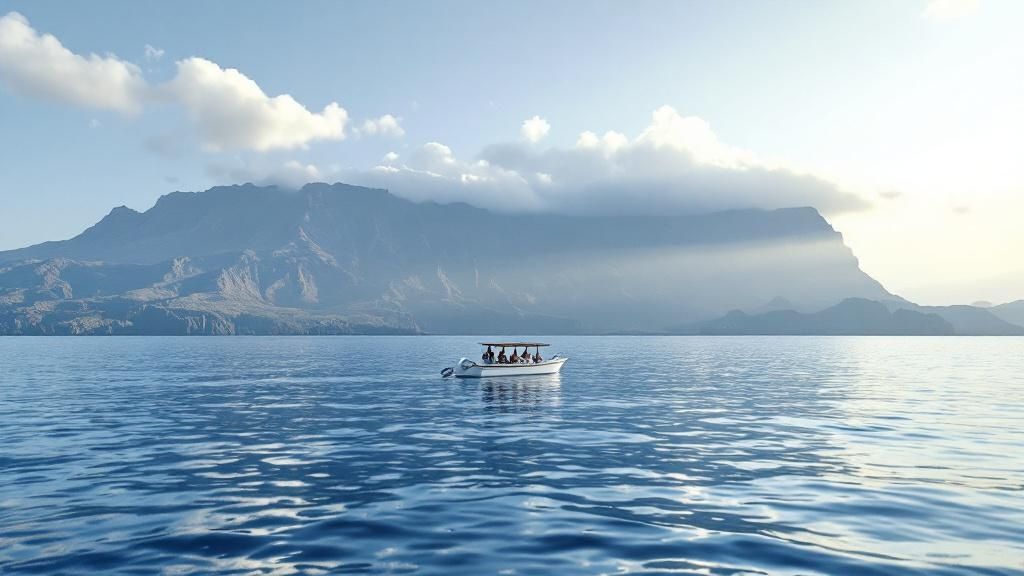
The two main players are Garden Eel Cove (nicknamed Manta Heaven) just north of Kailua-Kona, and Keauhou Bay (known as Manta Village) to the south. Each one has its own personality, shaped by geography and typical ocean conditions. Find out more about the Big Island's premier manta locations to get the full picture.
Let's break down what makes each spot unique.
Manta Heaven (Garden Eel Cove)
Manta Heaven is just a quick boat trip from Honokohau Harbor, north of the main Kona town drag. It earned its name for a good reason—it’s the place to go if you want to see a full-on manta ray ballet.
- Higher Manta Count: On any given night, this spot often attracts a larger congregation of mantas. If you're hoping for a breathtaking spectacle of graceful giants, this is usually your best bet.
- Deeper Water: The viewing area here is a little deeper than its southern cousin. This doesn’t really change things for snorkelers on the surface, but it gives the mantas more room to perform their amazing barrel rolls.
- Close to Kona: Because it’s so close to the harbor and airport, boat rides are typically shorter, getting you to the action faster.
Manta Village (Keauhou Bay)
Located a bit further south, Manta Village has a charm all its own and is the go-to for anyone looking for a calmer experience. The site is right out in front of the Outrigger Kona Resort.
- Calmer & Shallower: The bay is naturally protected, and the water is noticeably shallower. This combination makes it a fantastic choice for families with kids or anyone feeling a bit nervous about hopping into the ocean at night.
- The OG Spot: This is where it all started! Manta Village is the original manta ray viewing site, where the whole phenomenon was first discovered decades ago.
- Potentially Fewer Boats: While it's definitely a popular place, it can sometimes feel a little less crowded than Manta Heaven, though this changes from night to night.
The Takeaway: If your top priority is seeing the absolute maximum number of mantas and you're a comfortable swimmer, Manta Heaven is a killer choice. If you'd prefer calmer, shallower water for a more mellow night, Manta Village is probably your perfect match.
Honestly, you can't go wrong with either spot. The best tour operators, like Kona Honu Divers, are constantly checking conditions and manta sightings. They make the call each night on where to go to give their guests the most unforgettable experience possible.
What to Expect During Your Manta Snorkel Tour
Knowing how the whole evening plays out can help settle any nerves and get you even more stoked for what's to come. It's a well-oiled machine, designed to be safe, comfortable, and absolutely unforgettable, from checking in at the harbor to cruising back under the stars.
Let's walk through what a typical trip for the best manta snorkel Big Island has to offer looks like.
Your adventure kicks off in the late afternoon. Once you're checked in at the harbor, the crew gets you sized up for gear. This means a wetsuit to keep you toasty warm in the water, plus a quality mask and snorkel.
Next up is a gorgeous boat ride along the Kona coast. As the sun dips low and paints the sky, your guides will give you the full rundown. This isn't just a quick "don't do this" speech; it's a proper briefing on manta ray etiquette (like the super important "no touching" rule) and exactly how the night will unfold. It’s the perfect time to ask any questions you have.
Entering the Manta's World
Once you reach the manta spot, the crew springs into action, deploying a custom-made floating light board. This thing is pretty cool. It’s not just a raft; it’s purpose-built with powerful lights pointing straight down into the ocean. This serves two key purposes: it gives you a stable handle to hold onto, and more importantly, those lights are a dinner bell for plankton, kicking off the food chain that brings the mantas right to you.
You'll slip into the dark, surprisingly warm water one by one and swim over to the light board. The crew will even give you a pool noodle to tuck under your ankles, letting you float effortlessly. All you have to do is hang on and look down. This setup makes you a passive observer, which is exactly what we want for a natural, up-close encounter.
The Main Event
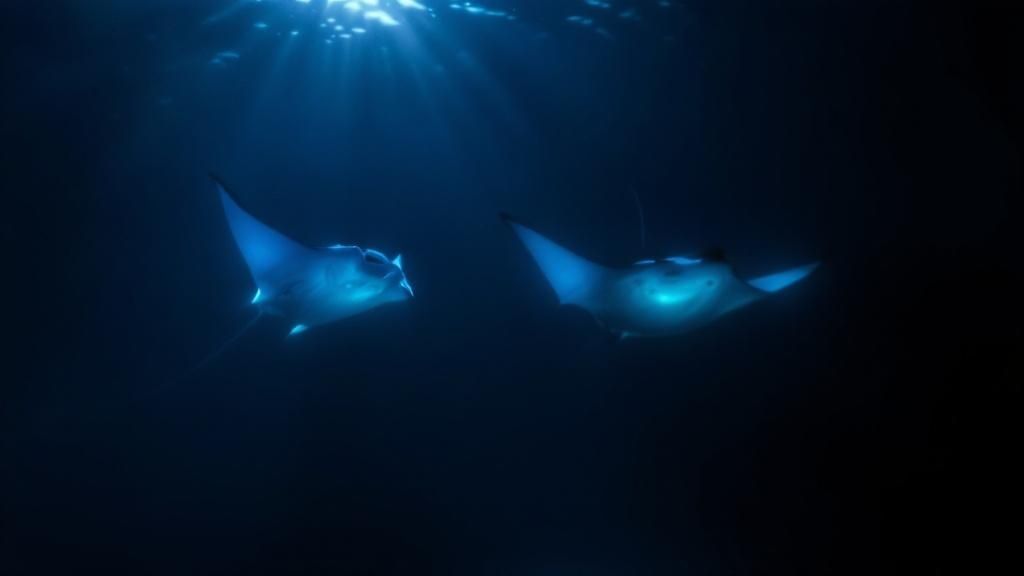
As the lights do their thing, plankton swarm into the illuminated water, and then the real show begins. You'll see a shadow move in the distance, then another. Before you know it, these massive, gentle creatures are gliding and barrel-rolling right beneath you, scooping up mouthfuls of plankton.
The feeling of a 12-foot manta ray swooping inches below your chest is something you'll never forget. Their grace is just staggering. It's like watching a silent, underwater ballet that's both humbling and completely awe-inspiring.
You’ll get a good 30 to 45 minutes in the water, totally immersed in their world. While you're enjoying the view from the surface, certified divers can opt for a manta ray dive, watching the spectacle from the ocean floor looking up. To really get into the nitty-gritty of the diving experience, check out our guide to the Kona manta ray night dive.
When the show's over, you’ll climb back on the boat, buzzing from the experience. Most crews will have hot chocolate and snacks waiting—the perfect ending to warm up and trade stories about the incredible giants you just met.
How to Select the Best Manta Snorkel Operator
Choosing the right tour company is honestly the single biggest decision you’ll make. It’s the difference between an unforgettable, jaw-dropping experience and a flat-out disappointing one. Nailing down the **best manta snorkel Big Island** has to offer really comes down to a few key things that separate the truly great operators from the merely okay.
First and foremost, a top-notch company lives and breathes safety. This means you’ve got experienced, certified guides right there in the water with you, not just watching from the boat. They give you a real safety briefing that makes sense, and their boats and gear are clearly well-cared-for. A well-run tour just feels calm and confident.
Just as critical is their respect for the mantas. The best operators are deeply committed to conservation and follow strict rules, like the non-negotiable "no-touching" policy. Look for companies recognized on the Manta Ray Green List—it's a solid indicator they’re serious about protecting these incredible animals for the long haul.
Checklist for Choosing a Top Operator
When you're trying to decide, run through this mental checklist. A solid, reputable company is going to tick every single one of these boxes, which all but guarantees a better, safer, and way more memorable night.
- Stellar Safety Record: Do a little digging. Look for companies that have been around a while and have tons of glowing reviews mentioning how professional and attentive the crew was.
- Small Group Sizes: This is huge. Fewer people per guide means you get more personal attention and a much more intimate, less crowded view of the action. You're not just another face in the crowd.
- Comfortable and Well-Maintained Boats: A clean, spacious boat makes a world of difference. Little things like a hot shower for the ride back or some decent snacks can turn a good trip into a great one, especially when you’re chilled from the water.
- Commitment to Conservation: Are they on the Manta Ray Green List? Do they actively teach you how to interact responsibly with the mantas? Choose an operator who cares.
- High-Quality Gear: Nothing ruins a snorkel faster than a leaky mask or a wetsuit that doesn't fit. A good company provides gear that keeps you warm and comfortable the whole time.
Why Kona Honu Divers Stands Out
When you look at who excels in all these areas, Kona Honu Divers just consistently raises the bar. Their crew is known for being absolute pros—they're not just experts, they're genuinely passionate about marine life and completely dedicated to your safety. Plus, they run comfortable, custom-built dive boats specifically designed to give you the best possible manta viewing experience.
That dedication has earned them a rock-solid reputation, which you can see in the endless stream of positive reviews from guests who can't stop talking about their knowledgeable guides and amazing service. For a closer look at other awesome underwater adventures, check out our guide on the 5 best Big Island snorkeling tours.
Hearing what other travelers have to say is often the best reality check. Real feedback from real people gives you the unfiltered truth about what to expect.
By focusing on these factors and going with a proven leader like Kona Honu Divers, you’re not just booking a tour. You’re setting yourself up for a truly unforgettable night with one of the ocean's most majestic creatures.
Pro Tips for an Unforgettable Experience
A little bit of prep can turn a great manta ray snorkel into the absolute highlight of your vacation. Seriously, these aren’t just random suggestions; they’re the little things that seasoned guides and repeat visitors swear by. Following them helps you stay comfortable and safe, and it also ensures we’re all respecting the incredible animals we’re here to see.
Let's start with the basics. The ocean gets surprisingly chilly after the sun goes down, even in Hawaii. Trust me on this one: a warm towel and dry clothes for the ride back to shore are game-changers. Tour operators will give you a wetsuit to keep you toasty in the water, but you’ll be so happy you brought a hoodie for when you get out.
Mastering Your Manta Encounter
To have the best time and be a good guest in the mantas' world, just remember a few simple rules. These are the key to a responsible and totally mind-blowing encounter.
- Beat Motion Sickness: If you even think you might get seasick, take medication about an hour before you get on the boat. Being proactive is everything here.
- Listen to the Crew: These guides do this every single night. They know their stuff. Pay close attention to their safety briefing—it's for your benefit and makes the whole trip run smoothly.
- Be a Passive Observer: This is the golden rule. Your job is to simply float, watch, and be amazed. Hold onto the light raft, stay horizontal on the surface, and let the show unfold beneath you.
The single most important rule in the water is to never, ever touch the manta rays. They have a protective slime coat on their skin, and our touch can rub it off, making them susceptible to nasty infections. When you let them come to you on their own terms, the experience is so much more authentic and powerful anyway.
Timing Your Tour for the Best Views
People always ask about the best time of year or moon phase for manta sightings. Here's the cool thing: you can see them all year long. Researchers on the Kona Coast have been tracking these animals for years and have identified over 450 individual manta rays!
What they've found is that the mantas have strong "site fidelity," which is a fancy way of saying the same individuals keep coming back to the same feeding spots, night after night. This is why our sighting rates are consistently sky-high. If you want to geek out on the science, you can dive into the data from the long-term manta ray population studies.
Ultimately, the best advice is just to relax and enjoy the ride. Follow these tips, and you'll be perfectly set up for what many people call the best wildlife encounter on the planet.
Your Manta Snorkeling Questions Answered
Still have a few questions floating around? Perfect. Let’s tackle some of the most common ones we hear from guests so you can feel totally confident before you even step on the boat.
Is Manta Ray Snorkeling Safe in Kona?
Yes, it's incredibly safe. This is probably the number one question people have, and the answer is a resounding yes. Manta rays are gentle giants—they don't have teeth, stingers, or barbs. They're just big, graceful filter feeders.
When you go with a top-notch operator like Kona Honu Divers, safety is their absolute priority. They have professional, lifeguard-certified guides in the water with you the entire time, making sure everything runs smoothly. It’s a secure and comfortable experience from start to finish.
Do I Need to Be a Strong Swimmer?
Not at all. This is a common misconception! The whole experience is designed to be accessible. You'll be holding onto a large, custom-built light raft that floats on the surface. It’s super stable and provides all the support you need, so you can just relax and watch the show below.
You’ll also be wearing a wetsuit, which gives you extra buoyancy (and keeps you warm). If you're comfortable putting your face in the water and breathing through a snorkel, you've got all the skills you need.
What Is the Best Time of Year to See Manta Rays?
Honestly, any time is a great time. The Kona manta ray snorkel is an amazing year-round activity with a success rate that’s consistently over 90%. The mantas here are residents, not migratory visitors, so they're hanging out every month of the year.
While the summer months often bring the calmest ocean conditions, you can have a mind-blowing tour on any given night. For a deeper dive into the seasonal nuances, check out our article on the best time of year to see manta rays in Kona.
Can Certified Divers Participate?
Absolutely! If you're a certified scuba diver, you're in for a treat. The manta ray night dive gives you a completely different—and equally spectacular—view. Imagine sitting on the ocean floor and watching these massive creatures swoop and barrel roll right above you. It's unforgettable.
Most of the best operators also offer a dedicated manta ray dive tour so certified divers can experience the magic from below.