
The Philippines, an archipelago nation of over 7,600 islands, sits at the epicenter of the Coral Triangle, the global center of marine biodiversity. This unique geographical positioning makes it a non-negotiable destination for scuba divers worldwide. The sheer variety of underwater experiences is staggering, from majestic World War II wrecks in Coron Bay to the pristine, protected reefs of Tubbataha, a UNESCO World Heritage site. The incredible density of marine life means every dive offers a new discovery, cementing the country’s reputation for having some of the best diving in the Philippines.
This comprehensive guide is designed to be your definitive resource for exploring this underwater paradise. We will navigate beyond a simple list of locations and provide actionable insights for divers of all skill levels. Whether you are a novice hoping to swim alongside gentle sea turtles at Apo Island, an advanced diver seeking the elusive thresher sharks of Malapascua, or an underwater photographer ready to capture the macro wonders of Anilao, this article has you covered.
For each premier dive region, we will detail exactly what you can expect to see, including iconic marine species and unique underwater topography. We'll provide essential logistical information, covering the best seasons to visit for optimal conditions, how to get there, and what to expect from local operations. This guide cuts through the noise to deliver a practical roadmap, helping you plan your next dive trip with confidence and ensuring you experience the very best of what the Philippine seas have to offer. Prepare to immerse yourself in a world of vibrant coral gardens, dramatic drop-offs, and unforgettable marine encounters.
1. Tubbataha Reefs Natural Park
Regarded as the crown jewel of Philippine diving, Tubbataha Reefs Natural Park is a UNESCO World Heritage site representing the gold standard for marine biodiversity. Located 150km southeast of Puerto Princesa in the middle of the Sulu Sea, its extreme isolation has preserved an underwater ecosystem teeming with life. This remote location means Tubbataha is accessible only via liveaboard boats during a very short season from March to June, making it an exclusive and highly coveted experience for serious divers. This exclusivity is a key reason it consistently tops lists of the best places to dive in the world.
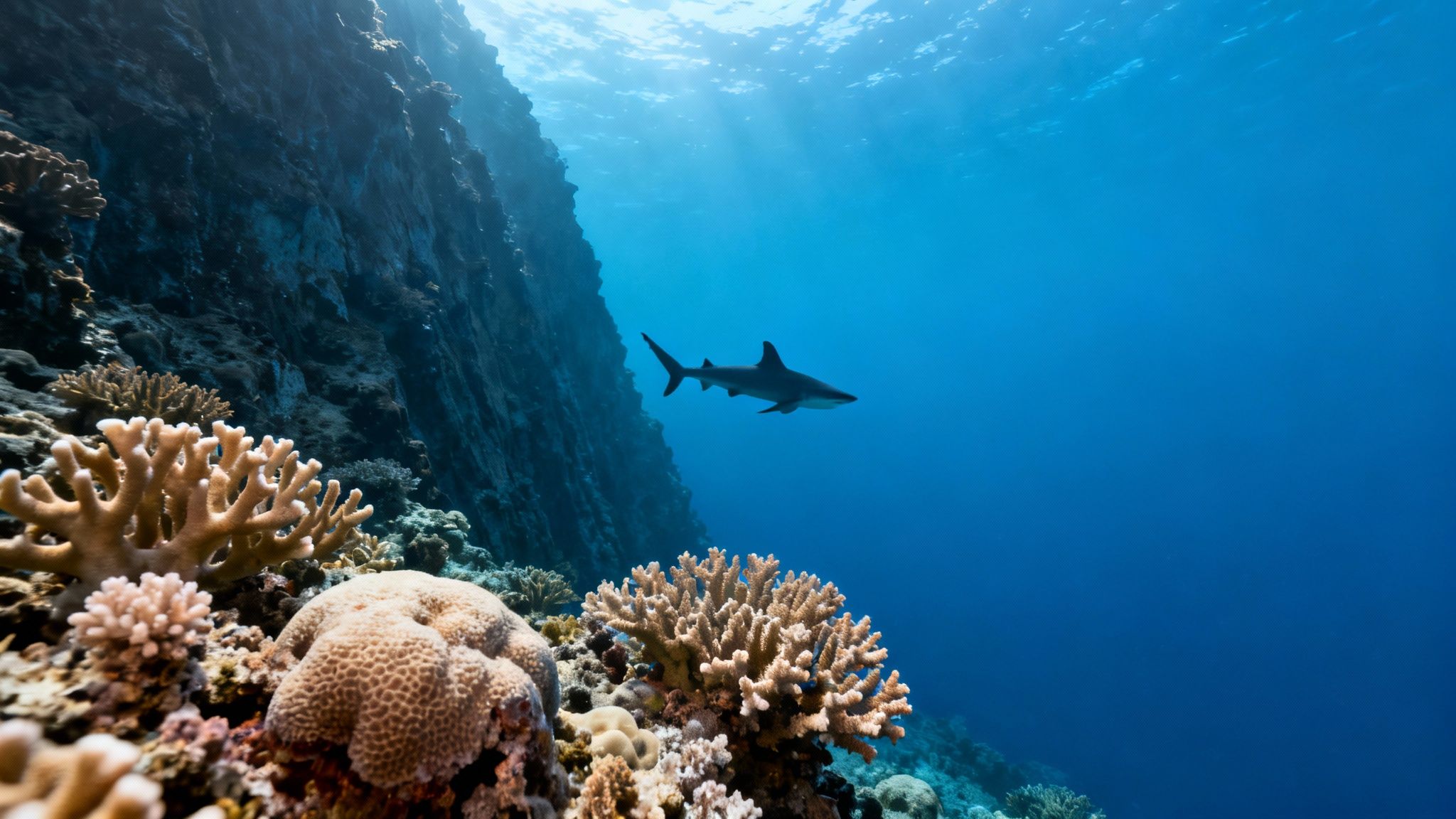
The park consists of two massive atolls, North and South, and the smaller Jessie Beazley Reef. Divers can expect breathtaking vertical walls that plummet over 2,000 meters, pristine coral gardens, and an astonishing density of marine creatures. It’s a pelagic paradise where encounters with reef sharks (whitetip, blacktip, grey), turtles, massive schools of jacks and barracuda, and even the occasional whale shark or manta ray are common. The sheer volume and health of the coral are unparalleled, forming a vibrant backdrop for every dive.
Actionable Dive Plan
- Skill Level: Advanced Open Water certification with significant experience is recommended due to strong, unpredictable currents.
- Best Time to Visit: The diving season is strictly limited to the calmest months, from mid-March to mid-June.
- Logistics: Access is solely by liveaboard from Puerto Princesa, Palawan. The journey takes approximately 10-12 hours.
- Pro Tip: Book your liveaboard trip at least a year in advance, as spots fill up incredibly fast. Bring seasickness medication for the open-water crossing and multiple camera batteries, as charging opportunities can be limited.
2. Apo Island
A prime example of successful community-based marine conservation, Apo Island is a world-renowned destination celebrated for its incredible turtle encounters and vibrant reefs. Located off the southeastern tip of Negros Island, this small volcanic outcrop is a protected marine sanctuary managed by the local community. The result is a thriving underwater ecosystem that offers some of the best diving in the Philippines, balancing pristine nature with accessible eco-tourism. Its success has made it a model for sustainable marine management globally.
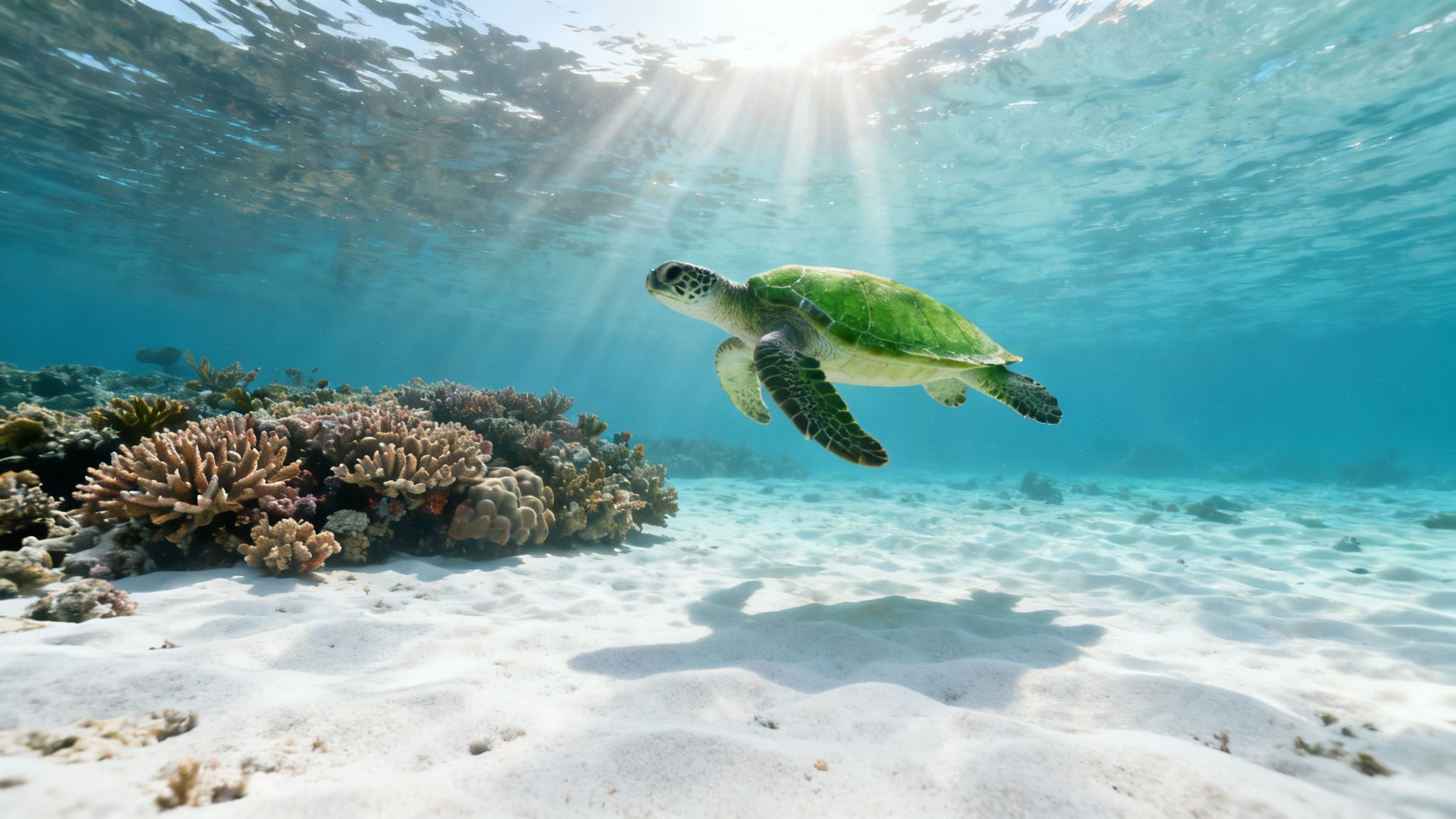
Divers visiting Apo Island are treated to a spectacle of marine life. The island is most famous for its large population of green and hawksbill turtles, which are found grazing on the seagrass beds in astounding numbers. Beyond the turtles, the dive sites feature impressive coral gardens, gentle slopes, and fascinating rock formations teeming with life. Expect to see large schools of jacks, clownfish hiding in anemones, sea snakes, and a diverse array of macro life like nudibranchs and frogfish. The clarity of the water and the sheer abundance of fish make every dive memorable. Dive travel tips for Apo Island can help you prepare for this unique adventure.
Actionable Dive Plan
- Skill Level: Suitable for all levels, from beginners to experienced divers. The calm conditions at many sites make it ideal for training.
- Best Time to Visit: The dry season from November to May offers the best visibility and calmest sea conditions.
- Logistics: Apo Island is most easily accessed via a 30-minute boat ride from Malatapay Port, which is a short drive from Dumaguete City.
- Pro Tip: Stay on the island for a few days to fully experience its charm and dive its multiple sites. Hire a local guide to support the community directly, and always use reef-safe sunscreen to help protect the delicate coral ecosystem.
3. Coron Bay and Wrecks
For divers fascinated by history, Coron Bay in Palawan is a world-class underwater museum. This site offers some of the best wreck diving on the planet, featuring a fleet of Japanese supply ships sunk by American forces in September 1944. Beyond its historical significance, Coron’s dramatic limestone cliffs and clear turquoise waters create a stunning backdrop for any dive adventure. The accessibility of these wrecks, many of which lie in relatively shallow water, makes this a must-visit destination for divers of all levels interested in exploring submerged history.
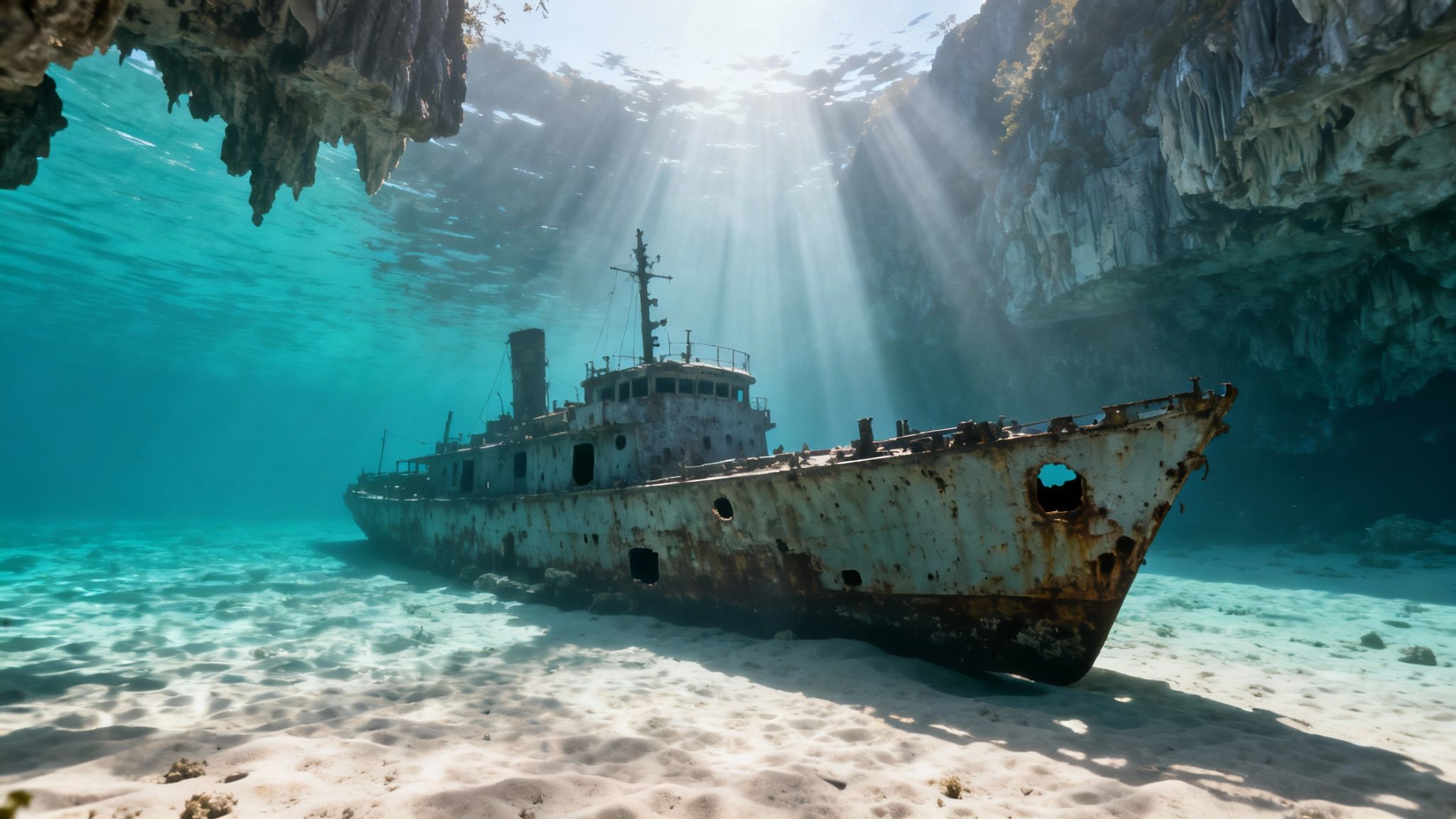
The bay is home to over ten significant wrecks, each with its own unique character. Popular sites like the Okikawa Maru, a 160-meter-long tanker, and the Irako, known for its excellent visibility and swim-throughs, are now artificial reefs encrusted with corals and sponges. They host a vibrant marine ecosystem, attracting schools of fusiliers, batfish, lionfish, and scorpionfish. Penetrating these historical relics reveals ghostly engine rooms and cargo holds, offering an unparalleled glimpse into the past. It’s this blend of history and thriving marine life that cements Coron's spot as a top choice for the best diving in the Philippines.
Actionable Dive Plan
- Skill Level: Open Water divers can explore the exteriors of many wrecks. Advanced Open Water and a wreck specialty certification are highly recommended for any penetration.
- Best Time to Visit: The dry season from November to May offers the best conditions with calm seas and excellent visibility.
- Logistics: Fly into Francisco B. Reyes Airport (USU) on Busuanga Island. Coron town is the main hub for dive operators and accommodation.
- Pro Tip: Penetrating wrecks requires specific skills and equipment. Ensure you have redundant light sources and book with a reputable local guide who knows the layouts intimately. Divers new to this environment should invest in the proper equipment; you can find more information about the best scuba gear for beginners on konahonudivers.com.
4. Moalboal Reef (Pescador Island)
Off the coast of Cebu, Moalboal offers one of the most accessible and mesmerizing underwater spectacles in the Philippines. Its claim to fame is the legendary "sardine run," a year-round phenomenon where millions of sardines form a colossal, swirling bait ball just meters from the shore. This living vortex of fish attracts divers of all levels, offering a surreal experience as the school parts and reforms around you. Pescador Island, a short boat ride away, complements this with stunning walls, vibrant coral gardens, and a rich diversity of reef fish.
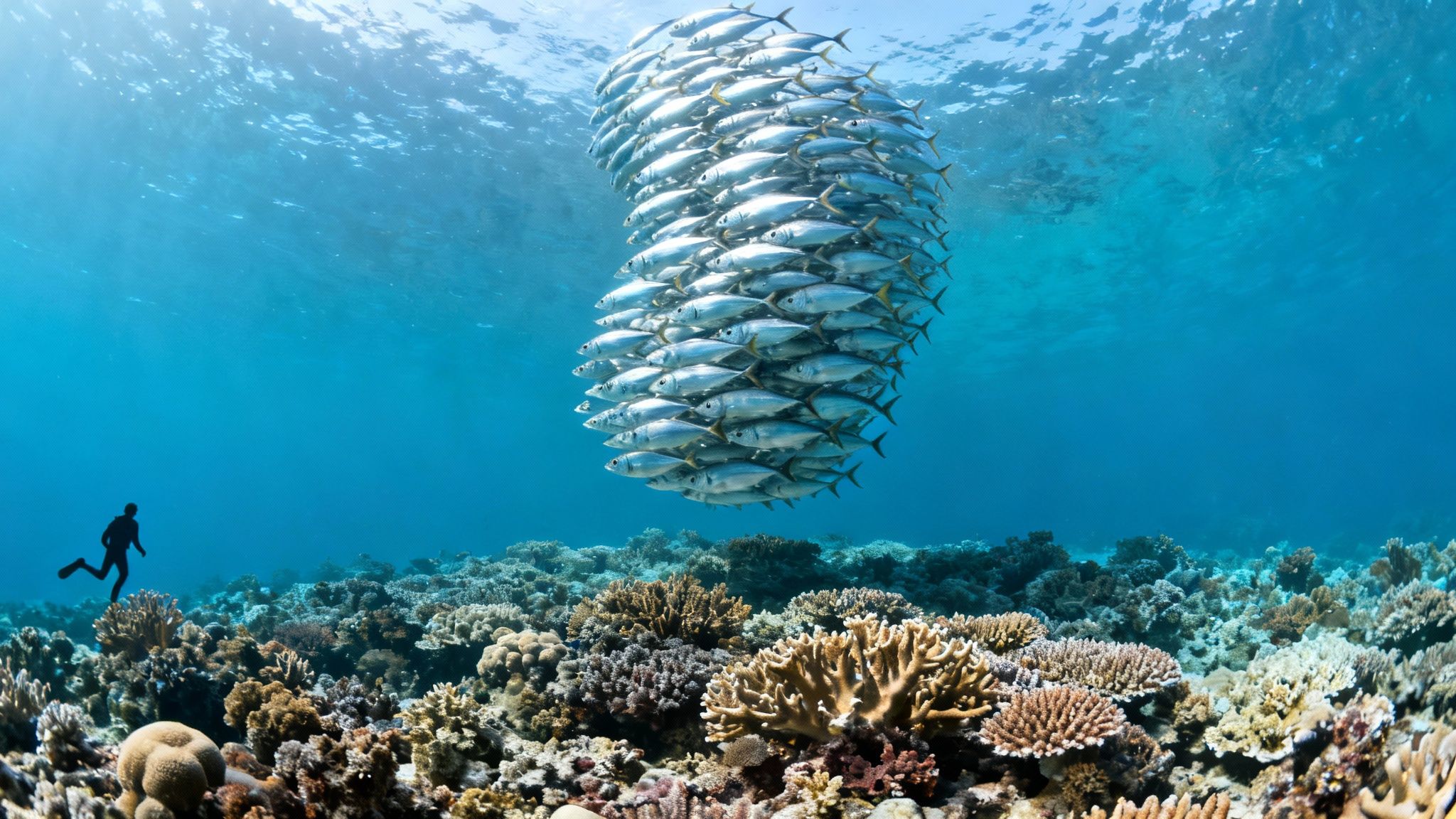
The area combines the thrill of the sardine bait ball with classic reef diving. Pescador Island itself is a marine park with dramatic drop-offs and a "cathedral" swim-through teeming with life. Divers frequently encounter turtles, frogfish, and large schools of jacks. The sheer density and variety of marine life, combined with excellent visibility, make Moalboal an essential stop for anyone seeking the best diving in the Philippines without the high cost or logistical challenges of more remote locations.
Actionable Dive Plan
- Skill Level: Open Water Diver. The sardine run is accessible to beginners, while Pescador Island offers sites suitable for all levels.
- Best Time to Visit: The dry season from November to May offers the calmest seas and best visibility for viewing the sardine school.
- Logistics: Fly into Mactan-Cebu International Airport (CEB) and take a 3-4 hour bus or private transfer to Moalboal. Most dive sites are accessible via short boat rides from Panagsama Beach.
- Pro Tip: Dive early in the morning (7-9 AM) for the most active and reliable sardine school sightings. Use a wide-angle lens to capture the immense scale of the bait ball, and descend slowly to avoid spooking the school. Staying 2-3 days greatly increases your chances of experiencing this phenomenon in ideal conditions.
5. Balicasag Island
A short boat ride from the bustling shores of Panglao, Bohol, Balicasag Island is a protected marine sanctuary renowned for its spectacular wall dives and abundant marine life. This small, circular island is encircled by a narrow, shallow reef that dramatically plunges into the abyss, creating breathtaking underwater cliffs. The accessibility from Panglao makes it a cornerstone of the Visayan diving scene, offering world-class experiences without the need for a liveaboard, making it a favorite for both day-trippers and those staying longer in the region.
The island's main draw is its collection of sheer walls, like the famed Black Forest and Cathedral Wall, which are adorned with vibrant soft corals, gorgonian sea fans, and sponges. Divers can drift along these vertical landscapes while looking out into the blue for passing pelagics. Balicasag is particularly famous for its resident school of jackfish that often forms a mesmerizing, swirling vortex. Encounters with green sea turtles are almost guaranteed, and the healthy reefs support a dense population of anemonefish, frogfish, and colorful anthias, solidifying its spot as one of the best diving destinations in the Philippines.
Actionable Dive Plan
- Skill Level: Suitable for all levels, from Open Water to advanced divers. Certain sites with stronger currents are better for more experienced divers.
- Best Time to Visit: The dry season from November to May offers the calmest seas and best visibility.
- Logistics: Easily accessible via daily boat trips from numerous dive operators based on Alona Beach, Panglao. The boat ride is typically 30-45 minutes.
- Pro Tip: Start your day early to be among the first boats at the dive sites, avoiding the midday crowds. Inform your guide if you are interested in specific marine life like the jackfish school, as they can take you to the most likely spots, such as the Rico's Wall and Black Forest areas.
6. Oslob Sardine Run (Cebu)
While Moalboal is globally recognized for its sardine run, a similarly spectacular, albeit different, phenomenon occurs in Oslob, Cebu. This site offers an incredibly accessible and predictable encounter with enormous baitballs of sardines. Unlike other locations where sardine runs can be seasonal or mobile, the congregation here is remarkably consistent, allowing divers to immerse themselves in a shimmering, swirling vortex of millions of fish on almost any given day. This reliability makes it a top destination for underwater photographers and divers seeking one of nature's most impressive displays.
The experience is nothing short of breathtaking. Divers descend along a gentle slope to find the massive school moving as a single, fluid entity. The sheer density of the fish can block out the sun, creating a surreal, otherworldly environment. This spectacle is not just about the sardines; the immense food source attracts predators. It's common to see jacks and tuna darting into the baitball, creating explosive moments of action perfect for photographers. The easy conditions and shallow depth make this an unforgettable experience for divers of all levels, solidifying its place as a must-do dive in the Philippines.
Actionable Dive Plan
- Skill Level: Open Water Diver. The site is shallow with typically mild currents, making it accessible to beginners.
- Best Time to Visit: The sardine run is present year-round, but the best water conditions are during the dry season from November to April.
- Logistics: Oslob is on the southern tip of Cebu island, accessible by a 3-4 hour bus or private car ride from Cebu City. Numerous dive shops operate directly in the area.
- Pro Tip: Go early in the morning to avoid the biggest crowds. Practice excellent buoyancy control to hover effortlessly alongside the school without disturbing them or the reef below. An experienced guide can help you find the best spots where predators are actively hunting.
7. Anilao (Batangas)
Just a few hours' drive from Manila, Anilao in Batangas province is celebrated as the birthplace of scuba diving in the Philippines and a world-renowned mecca for muck and macro diving. Its volcanic underwater topography, featuring sandy slopes, coral rubble, and seagrass beds, creates the perfect habitat for an incredible array of bizarre and beautiful critters. This accessibility and unique biodiversity make it a global hotspot for underwater photographers and marine biologists eager to find rare and unusual subjects.
Often referred to as the "Nudibranch Capital of the World," Anilao’s dive sites are treasure troves for the small and strange. Divers can spend hours searching for countless species of nudibranchs, flamboyant cuttlefish, mimic octopuses, hairy frogfish, and rare shrimp and crabs. While it’s famous for macro life, sites like Beatrice Rock also offer vibrant reefs with healthy coral and schooling fish, providing a great mix of experiences. The sheer density of unique critters is why Anilao is a key destination for anyone serious about the best diving in the Philippines.
Actionable Dive Plan
- Skill Level: Suitable for all levels, from beginners to expert macro photographers. Many sites are calm and shallow.
- Best Time to Visit: Diving is possible year-round, but the prime season for calm seas and the best visibility is from November to May.
- Logistics: Easily accessible by car or bus from Manila (2-3 hour drive). Most resorts are located along the coast and offer full dive packages.
- Pro Tip: Hire a private, experienced dive guide. Their trained eyes are essential for spotting the well-camouflaged critters that make Anilao famous. Consider a night dive at sites like Secret Bay to see nocturnal creatures come to life.
8. Camiguin Island
Known as the "Island Born of Fire," Camiguin offers some of the most geologically unique diving in the Philippines. This small volcanic island off the northern coast of Mindanao presents an underwater landscape sculpted by lava flows, creating stunning rock formations, swim-throughs, and even underwater hot springs. Its relative seclusion has kept its reefs exceptionally healthy and its dive sites uncrowded, offering a more serene and exploratory experience for adventurous divers.
Divers can explore sites like the Sunken Cemetery, where volcanic eruptions submerged a town graveyard, now a cross-adorned marine sanctuary teeming with fish. Other highlights include Black Forest, known for its fields of black coral, and Jigdup Wall, a dramatic drop-off with caverns and overhangs. The mix of volcanic topography and vibrant coral life creates a striking contrast, attracting photographers and those looking for an underwater environment that tells a powerful geological story, solidifying its place among the best diving in the Philippines.
Actionable Dive Plan
- Skill Level: Suitable for all levels, from beginners to advanced divers. Certain sites have currents that require more experience.
- Best Time to Visit: The dry season from November to May offers the calmest seas and best visibility.
- Logistics: Fly into Camiguin Airport (CGM) via Cebu, or take a ferry from Balingoan Port in Mindanao.
- Pro Tip: Hire a local guide who can explain the geological history of the dive sites. Bring reef-safe sunscreen to protect the delicate corals and consider an underwater photography course to capture the unique dark volcanic rock against colorful marine life.
9. Malapascua Island (Cebu)
Malapascua Island, a tiny, idyllic paradise just north of Cebu, holds a singular, world-famous attraction: the elusive pelagic thresher shark. This is one of the only places on the planet where these magnificent sharks can be reliably seen. Divers flock here for the unique opportunity to witness them at Monad Shoal, a submerged seamount that acts as a cleaning station, making it a bucket-list destination for shark enthusiasts and underwater photographers. Malapascua's reputation as a thresher shark haven makes it a vital stop for anyone seeking the best diving in the Philippines.
The main event is the pre-dawn dive at Monad Shoal. Divers descend to a viewing area on the sandy slope, often around 30 meters, and wait for the thresher sharks to arrive for their morning cleaning ritual. Beyond the sharks, Malapascua offers a surprising variety of other dive sites. Gato Island is a marine reserve and sea snake sanctuary with tunnels, whitetip reef sharks, and impressive macro life, including pygmy seahorses and nudibranchs. The combination of thrilling big-animal encounters and rich macro diving provides a complete and unforgettable experience.
Actionable Dive Plan
- Skill Level: Advanced Open Water certification is required for Monad Shoal due to the depth (around 30m/100ft). Nitrox certification is highly recommended.
- Best Time to Visit: The sharks are present year-round, but the best conditions are during the dry season from December to May.
- Logistics: Fly into Mactan-Cebu International Airport (CEB), take a bus or van to Maya Port (approx. 4 hours), then a short public boat to Malapascua Island.
- Pro Tip: Be prepared for very early morning wake-up calls (around 4:30 AM) for the thresher shark dives. Stay at least three days to maximize your chances of a great encounter and to explore the island’s other fantastic sites like Gato Island.
10. Verde Island Passage (Mindoro & Batangas)
Positioned at the "center of the center" of marine shore fish biodiversity, the Verde Island Passage is a strait separating the islands of Luzon (Batangas) and Mindoro. This channel acts as a marine superhighway, where strong, nutrient-rich currents foster an almost unbelievable concentration of marine life. This isn't a destination for tranquil reef-gazing; it’s an action-packed arena for experienced divers seeking thrilling drift dives and unparalleled biodiversity. The passage’s powerful water movement attracts everything from vibrant nudibranchs clinging to walls to schools of pelagic fish hunting in the blue.
The dive sites here, particularly around Verde Island itself, are characterized by dramatic underwater pinnacles and walls blanketed in a kaleidoscope of hard and soft corals. The currents can be challenging, but they are the lifeblood of the ecosystem, supporting a density of species that is among the highest in the world. Divers can expect to drift past massive gorgonian sea fans, encounter huge schools of anthias that cloud the reef, and spot various macro critters hiding in the crevices. This dynamic environment makes Verde Island Passage a top-tier destination for advanced divers looking for some of the best diving in the Philippines.
Actionable Dive Plan
- Skill Level: Advanced Open Water with significant drift diving experience is mandatory. Excellent buoyancy control and physical fitness are essential to handle the often-fierce currents.
- Best Time to Visit: The dry season from November to May offers the calmest surface conditions and best visibility.
- Logistics: Most divers access the passage via dive resorts in Anilao, Batangas, or Puerto Galera, Mindoro. Day trips to Verde Island are common from both locations.
- Pro Tip: Always dive with a reputable operator who has extensive local knowledge of the tides and currents. A surface marker buoy (SMB), reef hook, and audible signaling device are non-negotiable pieces of safety equipment for every dive here.
11. Pamilacan Island (Bohol)
A short boat ride from Panglao, Pamilacan Island offers a more serene and community-focused diving experience. This small island is a prime example of successful marine conservation, where local efforts have transformed its surrounding waters into a thriving sanctuary. The name "Pamilacan" is derived from the word "pamilac," meaning harpoon, a nod to the island's history of cetacean hunting, which has since been replaced by sustainable eco-tourism and dolphin watching. This rich heritage and commitment to preservation make it a special stop for conscientious divers.
The dive sites around Pamilacan are characterized by healthy coral slopes, walls, and gardens teeming with life. It's renowned for its frequent encounters with green and hawksbill turtles, which are often seen resting on the reef or feeding on sponges. The fish life is abundant, with large schools of jacks, fusiliers, and anthias painting a vibrant scene. Macro enthusiasts will also find plenty to see, including nudibranchs, frogfish, and shrimp. The island's protected status ensures a robust ecosystem, offering some of the best diving in the Philippines for those seeking both beauty and a meaningful conservation story.
Actionable Dive Plan
- Skill Level: Open Water Diver and above. The sites are generally suitable for all levels, with mild to moderate currents.
- Best Time to Visit: The dry season from November to May offers the calmest seas and best visibility.
- Logistics: Easily accessible via a 45-60 minute boat trip from Alona Beach in Panglao, Bohol. Most Panglao-based dive shops offer day trips.
- Pro Tip: Hire a local guide on the island to support the community and learn firsthand about their turtle conservation projects. Always use reef-safe sunscreen to help protect the sanctuary's delicate corals.
12. Siargao Island (Mindanao)
Primarily celebrated as the surfing capital of the Philippines, Siargao is rapidly gaining recognition as an exceptional, off-the-beaten-path diving destination. Its relative obscurity in the diving world means its reefs are remarkably pristine and the dive sites are refreshingly uncrowded. This growing reputation makes Siargao a prime choice for divers seeking authentic underwater exploration away from the mainstream tourist hubs, offering a glimpse into some of the most untouched marine ecosystems in the country.
Siargao's underwater topography is diverse, featuring impressive walls, vibrant coral gardens, and unique rock formations like the famous Blue Cathedral, an incredible cavern dive. The island’s protected bays and surrounding reefs boast excellent visibility and support a rich variety of marine life. Divers can encounter schools of jacks, barracuda, and batfish, along with colorful reef fish, moray eels, and sea snakes. The healthy coral systems provide a thriving habitat for both macro and megafauna, making every dive a potential discovery.
Actionable Dive Plan
- Skill Level: Suitable for all levels, from beginners to advanced divers. Certain sites like the Blue Cathedral require advanced certification.
- Best Time to Visit: The dry season, from March to October, offers the calmest seas and best visibility.
- Logistics: Fly into Sayak Airport (IAO) in Siargao from major hubs like Manila or Cebu. Most dive operators are based around the General Luna area.
- Pro Tip: Combine your diving adventure with a surfing lesson to experience both of Siargao’s famed attractions. Book dive trips and accommodation well in advance, especially during peak season, as the island's popularity is surging.
Top 12 Philippine Dive Sites Comparison
| Site | Access & Complexity (🔄) | Requirements & Cost (⚡) | Experience Quality (⭐) | Ideal Use Cases (📊) | Quick Tips (💡) |
|---|---|---|---|---|---|
| Tubbataha Reefs Natural Park | Remote liveaboard only (Mar–Jun); strong currents | Advanced certification, multi-day liveaboard; high cost | World-class biodiversity; pristine reefs ⭐⭐⭐⭐⭐ | Advanced divers, pelagic encounters, pro photographers | Book 6–12 months ahead; bring seasickness meds |
| Apo Island | Day trips from Dumaguete; community-managed, sheltered | Beginner-friendly; low–moderate cost | Healthy reefs with regular turtle sightings ⭐⭐⭐⭐ | Families, beginners, conservation-minded travelers | Stay 2–3 days; hire local guides; use reef-safe sunscreen |
| Coron Bay & Wrecks | Well-developed access; many wreck sites with variable conditions | Intermediate certification recommended; moderate cost | Exceptional WWII wreck diving and dramatic scenery ⭐⭐⭐⭐ | Wreck specialists, history enthusiasts, photographers | Take wreck specialty course; use redundant lights |
| Moalboal (Pescador Island) | Shore/boat accessible; easy logistics, can be crowded | All levels; very affordable | Iconic schooling jacks; reliable conditions ⭐⭐⭐⭐ | Budget divers, wide-angle photographers, families | Dive early morning; use wide-angle lens |
| Balicasag Island | Day trips from Panglao; wall dives with strong currents | Intermediate+ required; moderate cost | Thrilling wall dives with pelagic encounters ⭐⭐⭐⭐ | Wall diving enthusiasts, pelagic photographers | Use drift techniques; consider nitrox certification |
| Oslob Sardine Run (Cebu) | Shallow, accessible site; baitball occurrence unpredictable | Intermediate; affordable | Spectacular baitball/feeding action when present ⭐⭐⭐ | Action photographers, wildlife observers, researchers | Visit Nov–Apr; book multiple dives to increase success |
| Anilao (Batangas) | Close to Manila; shore diving and protected coves | All levels; very affordable | Premier macro/critter diving and workshop hub ⭐⭐⭐⭐ | Macro photographers, marine researchers, course students | Take macro courses; do night dives for critters |
| Camiguin Island | Remote with limited infrastructure; unique geology | Intermediate+ recommended; low cost but fewer services | Unique volcanic/thermal underwater features ⭐⭐⭐ | Geology/volcanology enthusiasts, uncrowded adventurers | Hire local guides; book accommodations early |
| Malapascua Island | Short boat rides; early-morning thresher dives required | Intermediate+; moderate cost | High thresher shark sighting rates; excellent shark photography ⭐⭐⭐⭐ | Shark enthusiasts, wildlife photographers, adventure divers | Prepare for 3–4 AM starts; stay 2+ days |
| Verde Island Passage | Dynamic currents and pinnacles; advanced planning needed | Advanced skills and experienced operators required | Exceptional pelagic biodiversity; thrilling drift dives ⭐⭐⭐⭐ | Advanced/current-experienced divers, drift specialists | Check tide/current tables; dive only with experienced guides |
| Pamilacan Island | Short trips from Panglao; protected marine sanctuary | Intermediate; affordable | Healthy reefs with reliable turtle encounters ⭐⭐⭐ | Eco-tourists, turtle watchers, intermediate divers | Support community programs; dive early morning |
| Siargao Island | Emerging dive infrastructure; less crowded, growing options | All levels; very affordable | Pristine, authentic dive sites with good biodiversity ⭐⭐⭐ | Off-the-beaten-path divers, eco-conscious travelers, surf/diving combos | Book operators in advance; support local conservation |
Your Next Dive Awaits in the Philippines
From the remote, pristine walls of Tubbataha to the thresher shark encounters of Malapascua, the Philippines has unequivocally proven itself as a diver's paradise. We've journeyed through this guide exploring the staggering diversity that makes this archipelago a crown jewel of the Coral Triangle. You've seen how the historic, ghostly wrecks of Coron Bay offer a window into World War II history, while the vibrant, protected reefs of Apo Island showcase the power of community-led conservation. The best diving in the Philippines isn’t a single location; it's a collection of world-class, unique ecosystems, each offering a distinct adventure.
Whether you're a novice diver captivated by the kaleidoscopic soft corals of Anilao or an advanced wreck penetration specialist charting the depths of Coron's Imperial Japanese Navy fleet, there is a current, a reef, or a wreck perfectly suited to your skills and interests. The key takeaway from our exploration is the sheer variety. One trip might have you swimming through a bait ball of millions of sardines in Moalboal, and the next could see you spotting pygmy seahorses and flamboyant cuttlefish in the Verde Island Passage, the "center of the center of marine shore fish biodiversity."
Planning Your Philippine Dive Adventure
To transform this inspiration into a real-world itinerary, actionable planning is crucial. Remember the key insights we've covered for maximizing your underwater experience:
- Timing is Everything: Align your travel dates with the optimal diving seasons for each region. The Tubbataha liveaboard season is a brief window from March to June for a reason-calm seas and peak visibility. Similarly, visiting Malapascua during the dry season improves your chances of consistent thresher shark sightings.
- Logistics and Accessibility: Each destination presents unique travel logistics. Tubbataha requires a multi-day liveaboard from Puerto Princesa, while Anilao is a relatively simple drive from Manila. Researching flight paths, ferry schedules, and local transport in advance will save you time and prevent unnecessary stress.
- Operator Selection: Your dive operator is your gateway to the underwater world. Choose PADI or SSI-certified shops with strong safety records, a commitment to marine conservation, and experienced local divemasters. Their knowledge of secret spots and critter behavior is invaluable.
- Skill Level and Certification: Be honest about your experience. While destinations like Balicasag and parts of Anilao are fantastic for beginners, the deep wrecks of Coron and the sometimes-challenging currents of Tubbataha demand advanced certifications and experience.
Key Insight: The true magic of diving in the Philippines lies not just in its megafauna but in its macro wonders. Don't overlook the "muck diving" sites in places like Anilao or Dauin (near Apo Island). It's here, in the volcanic sand, that you'll find the bizarre and beautiful critters that make for unforgettable underwater encounters and award-winning photographs.
The Philippines offers more than just a dive log entry; it offers a profound connection to the ocean. It’s the thrill of seeing a whale shark glide by, the satisfaction of spotting a perfectly camouflaged frogfish, and the quiet awe of floating over a 100-meter drop-off teeming with life. By embracing responsible diving practices, supporting local communities, and respecting the delicate marine sanctuaries, you become part of the solution, helping to preserve this underwater Eden for generations to come. Your next great dive adventure is waiting for you in the heart of the Pacific. All that's left to do is take the plunge.
While your next dive trip might be to the Philippines, if your adventures ever bring you to the Pacific shores of Hawaii, the team at Kona Honu Divers offers the same commitment to safety, conservation, and unforgettable underwater experiences. Explore the vibrant reefs and unique volcanic topography of the Kona coast with our expert guides by visiting us at Kona Honu Divers.