
You're probably deciding whether this is a once-in-a-lifetime Kona activity or just another boat trip you'll talk yourself into because everyone says you should do it. My blunt advice, as someone who'd rather give you an honest version than the brochure version, is simple: the manta ray night snorkel on the Big Island is worth doing, but only if you book it with a clear head, realistic expectations, and a good tolerance for a crowded surface float. The mantas are real, the lights are real, and the most common mistake is assuming the whole thing will feel serene.
How Kona Manta Ray Night Snorkel Tours Actually Work
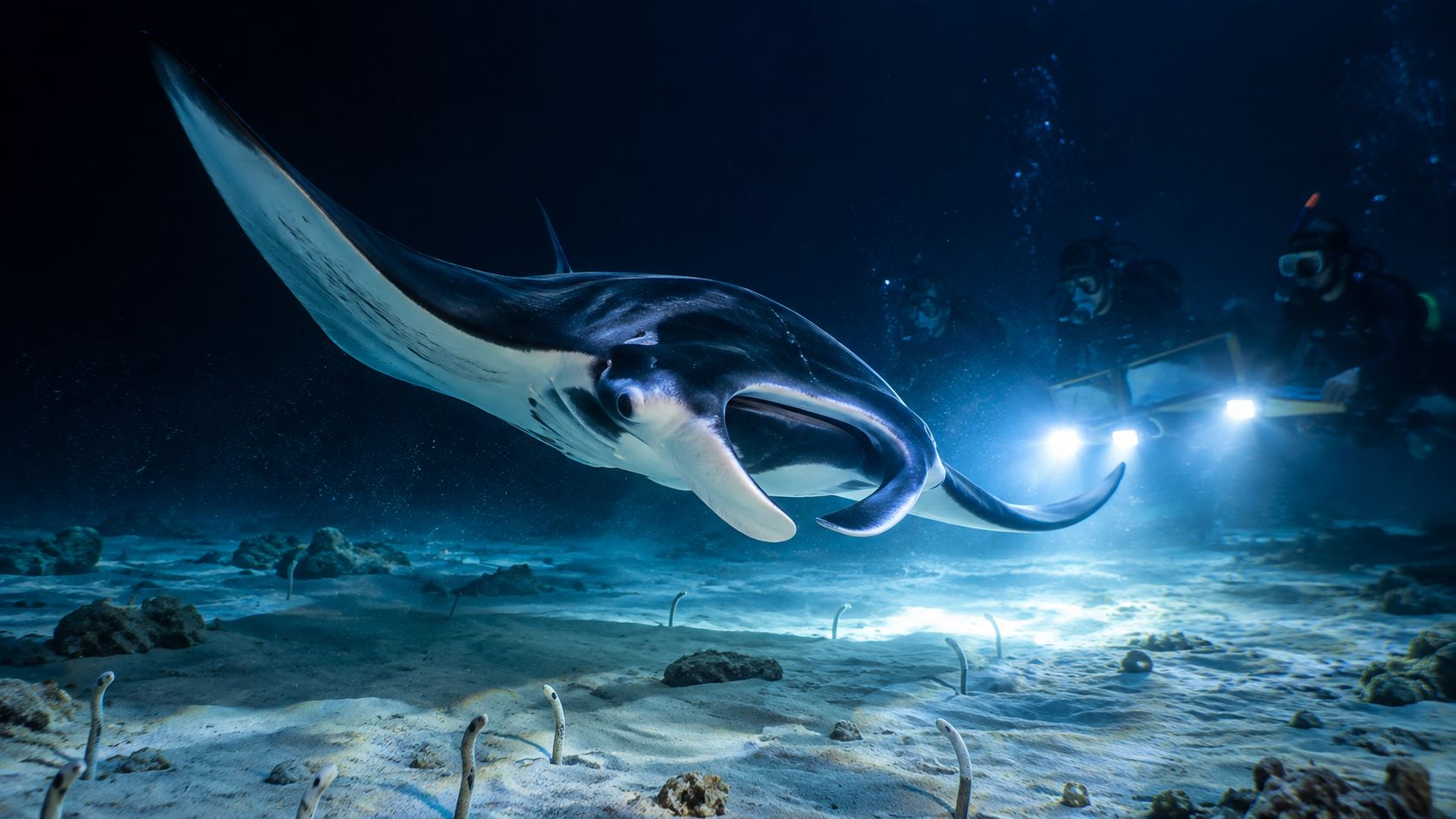
The mechanic is simple, and that's why it works. The lights don't call the manta rays, they attract zooplankton, and the mantas come to feed on the concentrated plankton cloud. NOAA's archived Kona study makes that long-term pattern clear, with repeated nighttime use at both principal sites rather than a few lucky encounters, including 25,444 observations of 118 individually identified reef manta rays across six years at Manta Heaven and Manta Village. NOAA's Kona manta study
What the night actually looks like
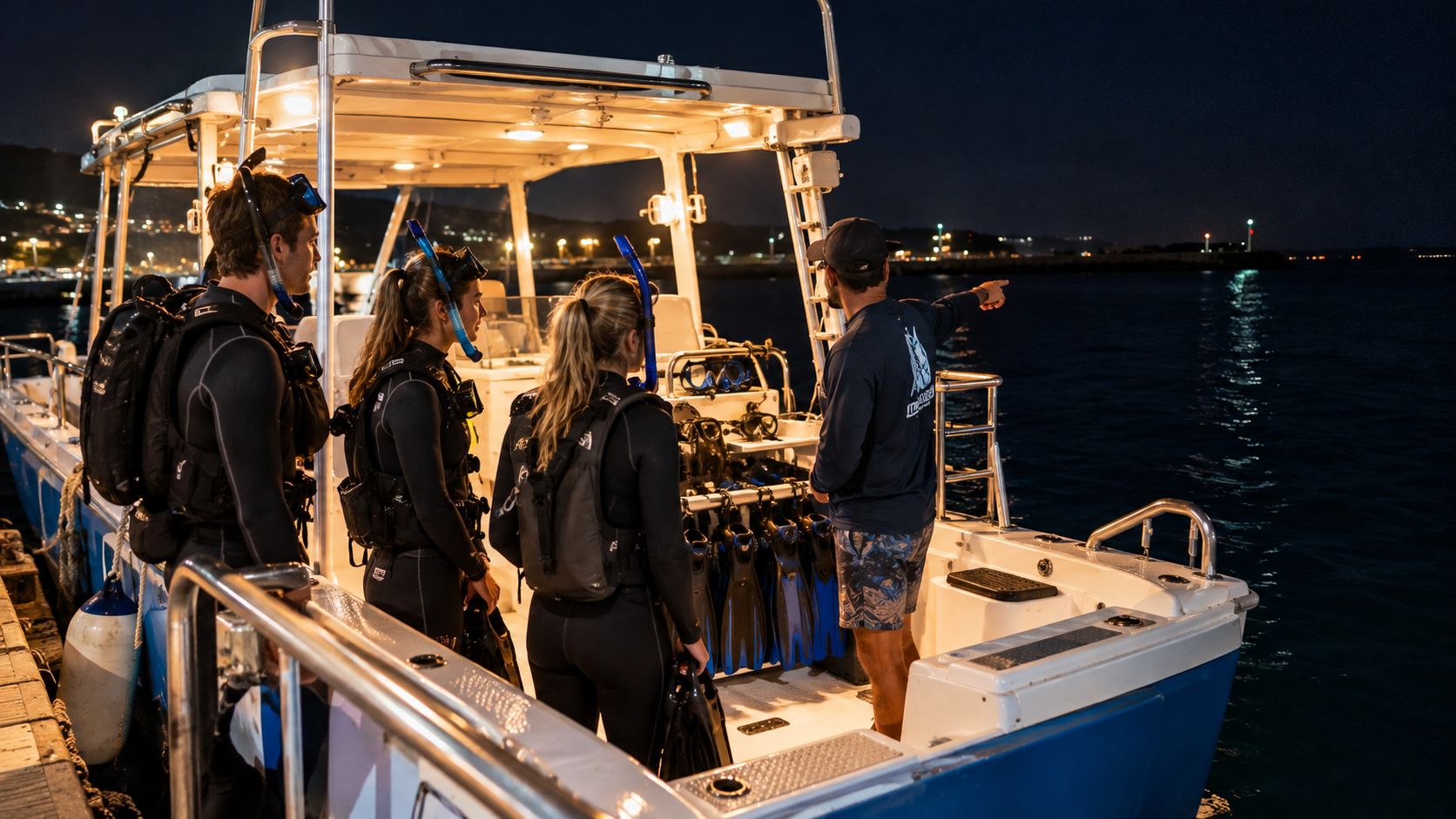
The usual flow starts with a boat ride at dusk, then a briefing, then a controlled entry into the water. Once you're in, you hold a floating light board or similar flotation device at the surface while the crew keeps the light column steady beneath you. That surface position matters because the viewing happens above the feeding zone, not inside it.
The whole setup is a surface-observation activity built around artificial light, not a chase scene. NOAA guidance says snorkelers stay on the surface, shine lights downward, and avoid diving toward the feeding mantas, while divers use a different lighting orientation from below. If you remember one thing, remember this, the mantas are there for the plankton, not for you.
Practical rule: float flat, stay calm, and let the animals decide how close they want to come.
The exit is just as controlled as the entry. You climb back on the boat, warm up, and head in while your brain catches up with what just happened. If you want a deeper breakdown of the site depth and the underwater setup, this Kona manta depth guide is useful context.
When to Go and What Conditions Matter Most
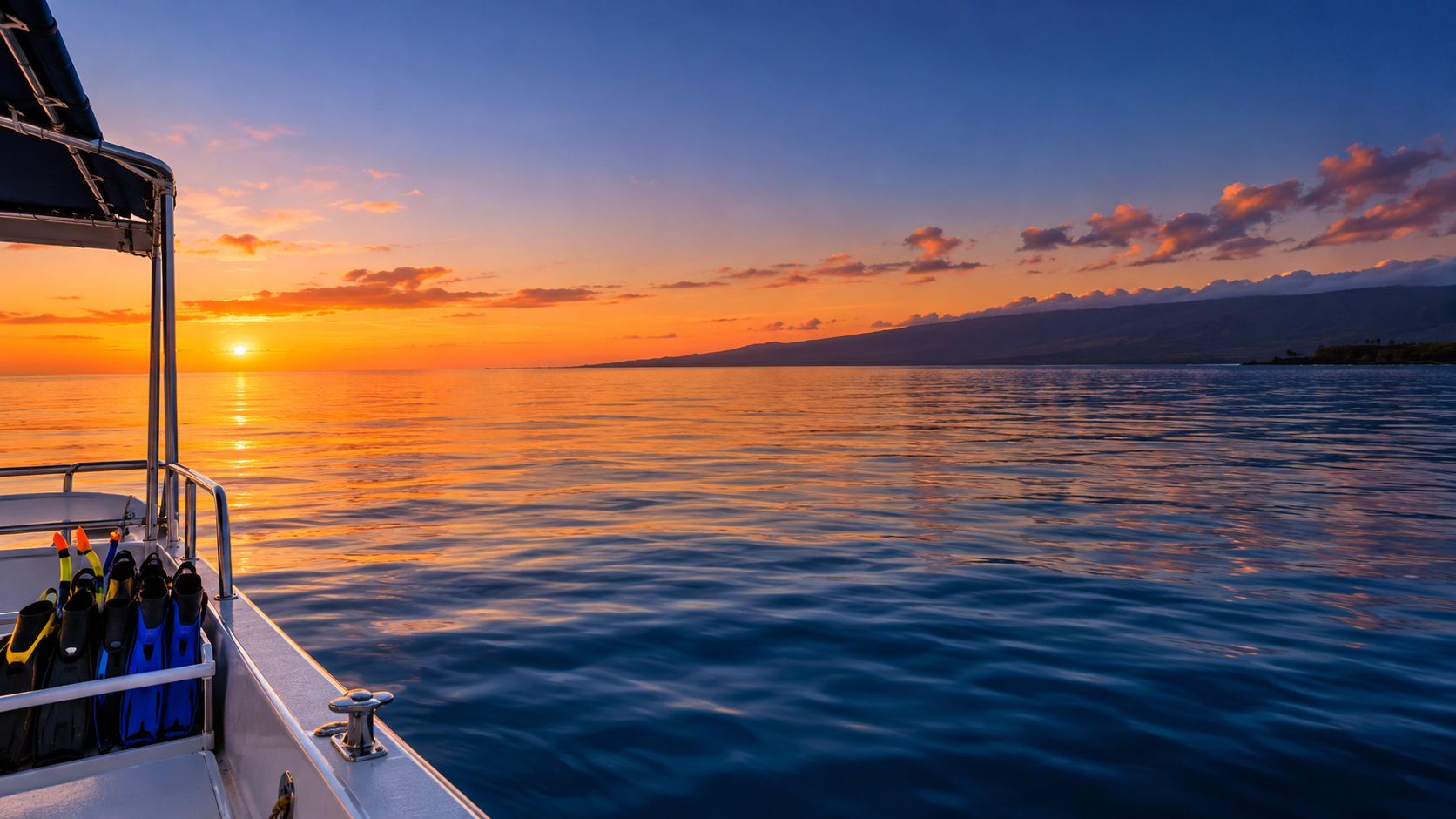
Don't plan this like a land tour. Ocean mood matters more than calendar optimism. The long-term Kona record shows a resident population with repeated site use, but manta encounters still track nighttime food availability, not a promise on your booking confirmation. Research from Hawaiʻi found more than 23,000 sightings of 167 unique reef mantas from 2010 to 2022, and aggregation size shifted with zooplankton density, which is exactly why some nights feel electric and others feel thin. University of Hawaiʻi's long-term manta study
Pick the date for the water, not the brochure
If you want smoother conditions, you want the calmer part of Kona's seasonal pattern, and you want to avoid nights when swell or wind makes the boat ride rougher than it needs to be. The earlier source notes that winter storms can occasionally roughen the ocean, while the broader Hawaii guide says sighting odds are generally good year-round but not guaranteed. Use that as your framework, not as a promise.
What I tell nervous guests is this. Book early in your trip, not at the tail end. That gives you room to move the night if weather or surf gets ugly, and honest operators will do exactly that when safety calls for it.
The internal link worth reading here is when to dive with manta rays in Kona, because timing advice is only useful if it's tied to the actual site conditions.
A good night is usually the one where the boat can hold position cleanly, the surface isn't bouncing you around, and the crew doesn't have to fight the ocean just to keep the viewing zone organized.
If you're choosing between months, favor the periods that tend to feel calmer to you personally. If you're choosing between specific nights, trust the forecast and the operator's judgment, not your vacation calendar.
Choosing an Operator and a Site That Fit Your Priorities
If you want a good manta night, do not start with price. Start with how the boat is run. A well-run trip keeps the water organized, keeps the briefing clear, and keeps people from fighting for space. A sloppy one feels crowded fast, and that is exactly where a lot of first-timers get frustrated.
What to ask before you book
Ask how many guests they put in the water, whether an in-water guide stays with the group, and what they do if wind, swell, or visibility force a site change. Ask how the briefing works. A crew that can explain positioning, entry, and hand signals usually knows how to handle the night.
Site choice matters too. The Kona's manta site comparison guide lays out why Garden Eel Cove, also called Manta Heaven, and Manta Village do not feel the same in practice. I favor Garden Eel Cove for snorkelers who want the cleaner viewing setup and a better chance of feeling less boxed in at the surface.
That said, Manta Village has its own long track record, and some guests prefer it for that reason. The point is simple. Do not let anyone sell the sites as interchangeable. Choose the one that matches the night you want, not the one that sounds easiest to market.
For a first trip, I want a manta-specific operation, not a generic sunset cruise that makes a wildlife stop on the side. If you are looking at Kona Honu Divers, they offer guided manta night snorkeling from Kona with standard gear and flotation support, which is the kind of setup a first-timer should look for. Their main site is Kona Honu Divers.
Red flag: if the booking page dodges basic operational questions, shrugs off crowding, or treats the manta stop like a bonus add-on, keep looking.
What to Bring and How to Prepare Your Body
Pack for dark water, a moving boat, and a cold return ride. That's the environment. The trip might only be about an hour in the water, but the combo of darkness, open ocean, and motion is enough to make the wrong prep feel miserable.
Don't improvise seasickness
If you're prone to motion sickness, handle it before you leave the dock. A Hawaii guide says the boat ride is generally about 15–20 minutes and recommends taking motion-sickness medication before departure, not after symptoms start. Useful options include Ship-EEZ Seasickness Patch, Dramamine pills, Bonine pills, Sea Band wristbands, and ginger chews. Kona seasickness advice
Eat something light and familiar a couple of hours before the trip. Skip alcohol, stay hydrated, and tell the crew if you've got a history of seasickness, anxiety, poor mask fit, cold sensitivity, or fatigue. If your stomach starts to turn, say something early.
Bring the boring stuff that saves the night
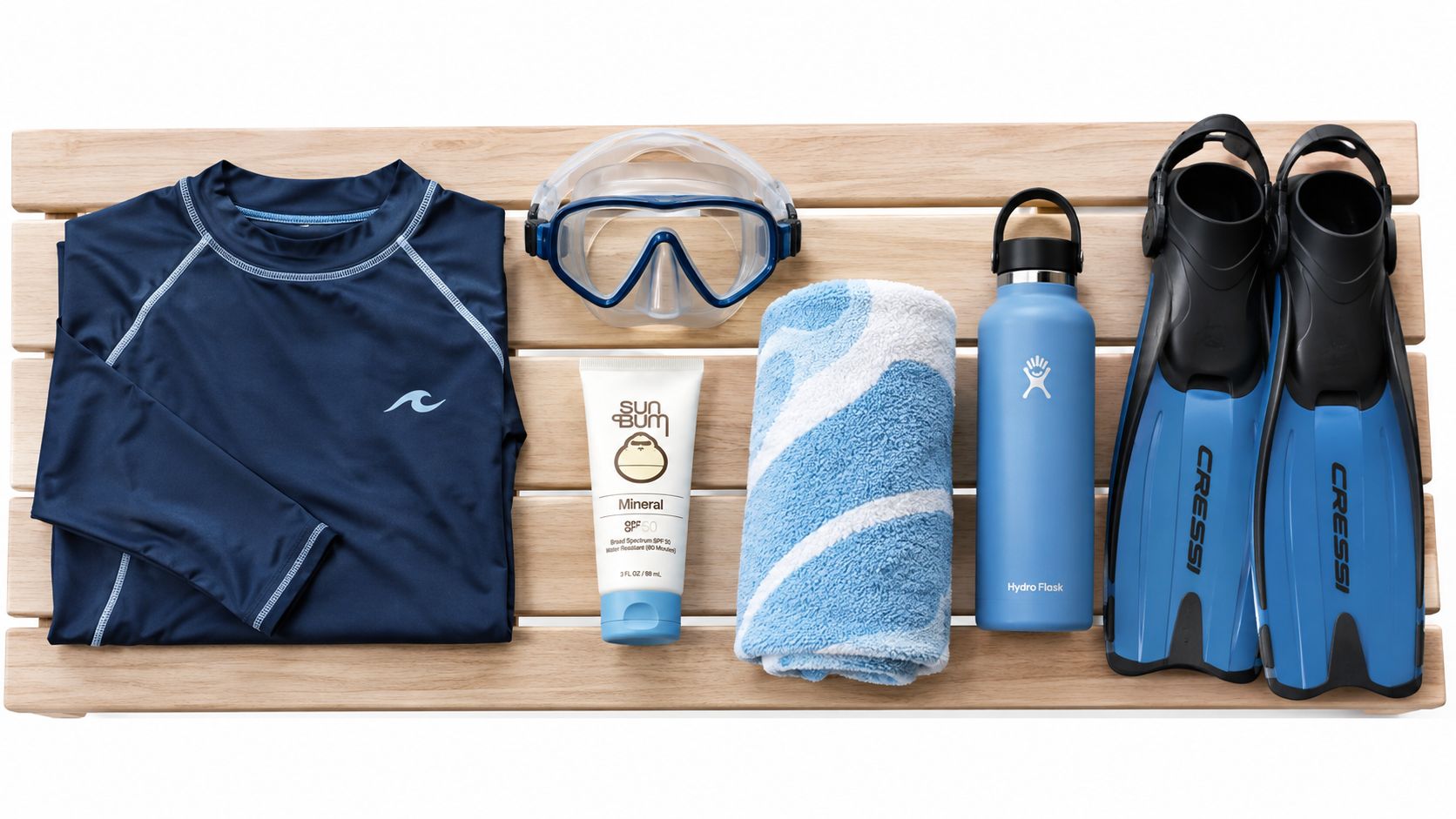
A snug swimsuit, towel, dry clothes, and a warm layer are essential. A rash guard or wetsuit layer helps more than people expect once you're floating in the dark. Reef-safe sunscreen belongs on your skin before sunset, not slathered on at the dock after you're already rushed.
A properly fitting mask matters more than fancy gear. If your mask leaks or your snorkel feels awkward on land, it'll feel worse in black water at night. Tell the crew before boarding, because they can fix fit problems fast if they know about them early.
If you want a straightforward prep checklist, this sea-sickness guide is a practical read.
Staying Safe and Respectful Around the Mantas
You can love the animals and still ruin the experience by getting in the way. That happens more often than most glossy guides admit. A 444-person survey at Kona's Garden Eel Cove found 82% felt crowded by snorkelers, 78% by boats, and 69% by scuba divers, which tells you crowd pressure is not some edge case. Needham et al. on crowding and user conflict
Crowding is the real issue, so act like it
Stay with your group. Keep your fins behind you. Don't drift out for a better photo angle and don't swim into the boat lane. If the site feels congested, the answer isn't to squeeze closer, it's to back off and hold your position.
NOAA guidance is blunt on the in-water mechanics. Snorkelers stay on the surface, use the light zone, and avoid diving down toward the mantas, while Hawaii guidance says not to touch or chase them. The manta's skin has a protective mucus layer, and you do not get to be the person who rubs that off because you wanted a selfie.
Who should be cautious
Families, nervous swimmers, older travelers, and anyone who gets anxious in open water after dark should treat this as a controlled activity, not a casual dip. If you can't stay calm at the surface, don't push through it. Signal the crew, get out, and watch from the boat if needed.
The risk isn't just discomfort. Hawaiʻi safety testimony also points to boat and propeller hazards when non-divers are put in open water at night. That's why you want a crew that controls spacing tightly and explains the exit path before anyone gets wet. County safety assessment on manta viewing operations
If a night feels too crowded, too rough, or too hectic, the smart move is to leave the water early. The mantas won't care, and your safety matters more than your pride.
For etiquette basics that matter in the water, this diver etiquette guide is worth a look.
What Underwater Actually Looks and Feels Like
The best way to understand this trip is to stop expecting a dramatic sprint and expect a long, patient float instead. The board is your anchor, the light is the stage, and the animals are what appear in the glow when they decide to feed. Everything else is just ocean noise.
The first sensation is usually the dark. The second is the cold creeping in after you've been still for a while. Then your eyes adjust, and you start seeing big, slow shapes crossing the light beam from below and side to side. It's not frantic. It's deliberate.
What the encounter usually feels like
- At first: you're mostly waiting, listening, and settling your breathing.
- Once the plankton thickens: shadows begin to form in the lit water.
- During the best moments: the mantas make repeated passes overhead, sometimes close enough to feel huge without ever touching you.
That's why stillness wins. Splashing, kicking, or twisting your body for a better view just makes the night feel worse and can push the animals out of the cleanest viewing lane. The most satisfying moments usually belong to the guests who relax and let the show unfold.
The mantas themselves are built for this kind of movement. Their broad bodies and winglike fins let them glide in slow arcs, and the feeding behavior is about filtering plankton, not interacting with snorkelers. If you go in wanting a performance from the ocean, you'll miss the point. If you go in ready to float and watch, it lands hard.
Booking Tips, Pricing Signals, and When to Actually Book
Book early in your trip. Kona weather shifts, site conditions change, and the operator you want may need to move you to a different night or a different launch point. Good crews plan for that. Weak ones pretend every night runs the same.
Read the booking page like someone who has been on the boat before. You want clear details on what is included, how long you are in the water, and whether the crew provides flotation, lights, mask, snorkel, and thermal protection. You also want cancellation terms that let you choose a safer night without getting punished for it. If the reviews keep mentioning rushed briefings, tight spacing, or sloppy handling when the water got crowded, take that seriously.
Price usually tells you something about the operation, even if it does not tell you everything. Cheaper trips often pack in more bodies, give the crew less room to manage the group, and leave guests feeling boxed in. I would pay for a tighter operation before I would save a little and spend the night bumping fins with strangers.
If you want a manta-focused trip instead of a generic night out on the water, start with a dedicated page. Kona Honu Divers' manta ray tour page is built for that kind of outing, which suits people who want a real manta program rather than a side attraction.
After the trip, rinse your gear, warm up fast, eat something, and review your photos while the details are still fresh. If you keep a log, write down the site, how cold the water felt, how crowded it was, and whether the crew managed the boat lane well. That record makes your next booking much easier.
If the night hooks you on Kona after dark, the natural next steps are the two-tank manta dive and the blackwater night dive. Both fit certified divers who are ready for open-ocean conditions and want more time in the water after the snorkel experience.