
If you're looking for a manta night dive in Hawaii that feels consistent instead of lucky, Kona is the place to do it. Researchers logged 25,444 sightings of 118 individual manta rays across six years at Manta Heaven and Manta Village, which is why this is one of the most reliable large-wildlife encounters you can plan around (NOAA manta observation dataset).
I've watched first-timers go from nervous to silent in a matter of minutes once the lights come on and the mantas start gliding through the plankton. That change is the reason people remember this dive for years.
What Makes the Manta Night Dive So Magical
A good manta night dive in Hawaii starts with the feeling that you're floating in a black, quiet theater while a giant shape appears above you and turns into a manta ray. When one of these animals sweeps overhead, the movement looks almost unreal, slow and smooth at the same time, with a wingspan that can make even experienced divers go still for a moment.
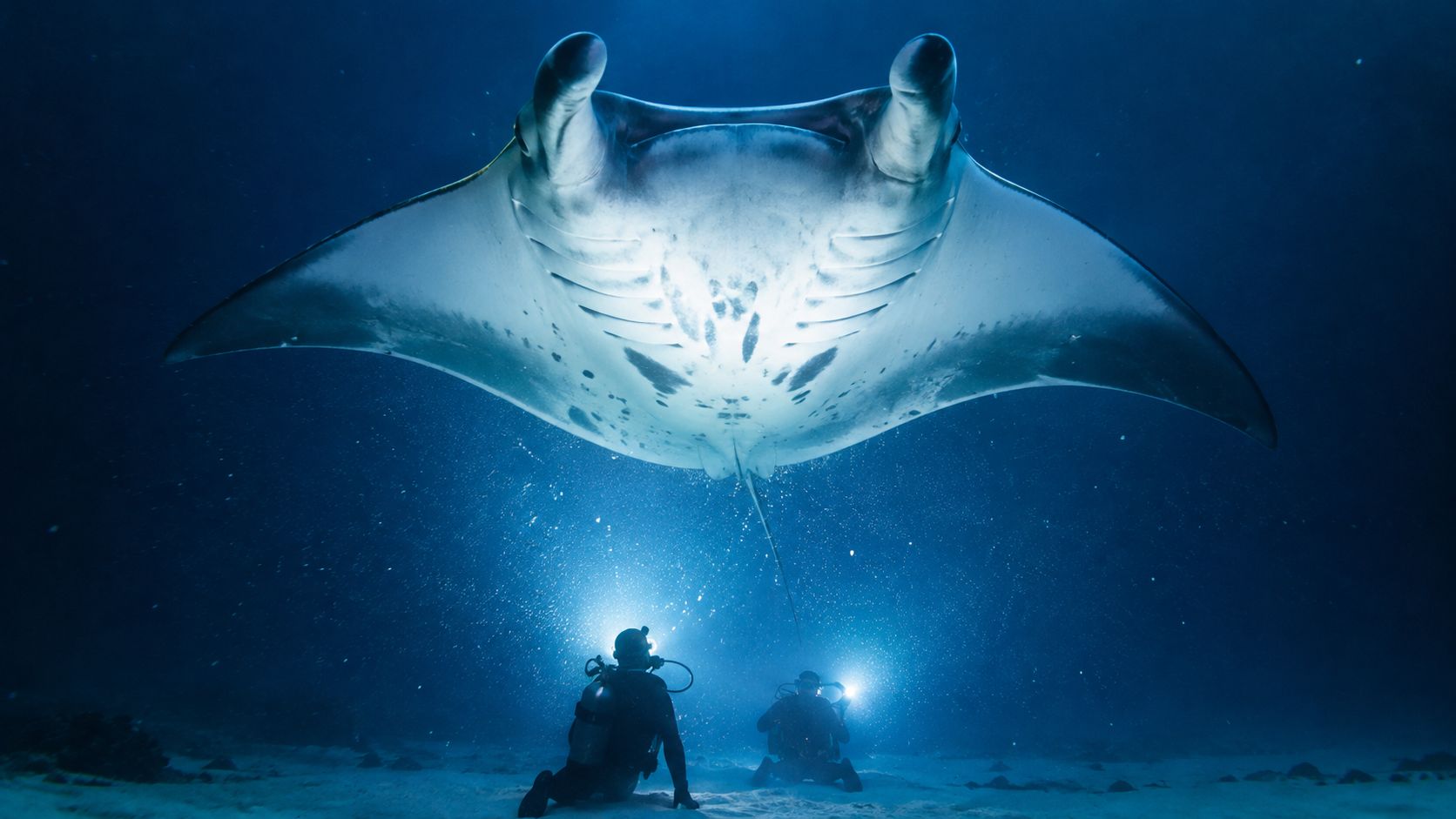
Kona's manta dive feels different because the encounter is tied to a known feeding pattern at Manta Heaven and Manta Village, and NOAA's observation study shows repeated sightings there over time (NOAA observation study). For divers, that consistency changes the mood of the whole night. You are not hoping for a lucky pass. You are settling into a site where the animals tend to return.
Why the scene feels so otherworldly
The mantas are filtering food in the light, and any sense of performance is in the viewer's head. You are watching a natural feeding station that happens to be accessible to divers, which gives the dive a calm, focused quality. The best nights often feel quiet rather than busy, because the action stays above the group.
Practical rule: The less you move, the more the dive gives back.
That stillness is part of the appeal. You settle, look up, and let the encounter come to you. If you want to see how the setup looks when it is working well, these Kona manta dive pictures show the scene clearly.
The Science Behind the Feeding Aggregation
The feeding pattern is straightforward, and that is part of why the dive stays so dependable. Underwater lights concentrate zooplankton in the lit water column, and reef manta rays return to that food source again and again to feed (plankton-light feeding mechanism). Divers are not the draw, the concentrated zooplankton is. The lights create an easy, predictable meal.
Why your position matters more than your approach
First-timers often want to follow a manta. That usually makes the encounter worse, because movement breaks up the lighted feeding corridor and sends plankton out of the viewing zone. Stay still on the seafloor, aim your light upward, and keep fin movement low so the vertical column stays intact.
That is why the guide keeps everyone grouped and settled. The setup is about holding a stable patch of light, not crowding the animal, so the ray can pass through the same feeding lane again and again. For a broader look at local species and behavior, this overview of manta rays in Hawaii fits the dive well.
A calm layout also cuts reef contact and accidental silt. The same habits that protect the animals usually make the dive better for everyone in the water.
Who Can Dive and How to Book Your Experience
For the scuba version, this is a certified dive, so you need to be comfortable with your basic skills before you add darkness and excitement. If you know night conditions make you anxious, say so early and choose the format that matches your comfort level instead of forcing yourself into the wrong trip.
What to expect before you board
A good operator should give you a clear briefing, not a rushed one. You want to know where you'll sit, how the entry works, what light placement the crew wants, and what happens if conditions change. The briefing matters because the dive is less about swimming and more about holding position correctly while the mantas feed above you.
Booking is also where people make easy mistakes. Price alone doesn't tell you much about boat organization, guide attention, or how tightly the group is managed in the water. I'd rather see a clean briefing, sensible load management, and a crew that stays calm than a cheap seat on a chaotic boat.
What to bring and what to leave at home
Bring the things that keep you comfortable and reduce task loading.
- Certification proof: Have your card or digital proof ready if you're scuba diving.
- A towel and dry clothes: The ride home feels much better when you can change quickly.
- A light layer: A sweatshirt or jacket helps more than people expect after a wet night trip.
- Water and a normal meal: Don't show up dehydrated or overly full.
- A well-fitting mask: Familiar gear helps you stay relaxed in low light.
If seasickness is even a small concern, handle it before you board. Options people commonly use include the Ship-EEZ seasickness patch, Dramamine pills, Bonine pills, Sea Band wristbands, and ginger chews. Choose what you tolerate well and test it before the trip, not the first time on the boat.
Bring less gear than you think you need. A small, organized bag keeps the evening calmer than a pile of extras you'll never touch.
If you're looking at a manta night dive Hawaii trip specifically, the operator's briefing and in-water control matter more than a flashy sales pitch. Kona Honu Divers' manta dive tours are built around that kind of structure.
Conservation Reality and Responsible Diving Etiquette
Hawaiian reef mantas aren't part of one huge interchangeable population. Genetic work shows about 104 adult breeders in the Hawaiʻi Island population and about 129 across Maui Nui, which is a strong reminder that these animals are locally structured and not endlessly replaced (NOAA genetic study). That changes how you should think about the dive.
Why resident animals need resident-level care
Repeated sightings at Kona's sites are a privilege, not proof that the population is invulnerable. These mantas return to familiar feeding areas, which means your behavior affects the same individuals other guests may see again in future nights. Touching, chasing, or kicking up turbulence doesn't just bother one animal for one minute, it can make the entire viewing lane worse.
Physical contact is especially bad because it can damage the animal's protective skin mucus layer. That's one reason the dive works best when everyone treats the feeding zone like an observation area, not a stage. For detailed low-impact habits, this guide to responsible and considerate diver etiquette aligns well with what works underwater.
Low-impact diving is also a safety system
The conservation angle and the guest-safety angle are the same thing here. Crowding, poor load control, and too many moving parts after dark create more risk for boats, divers, and animals. You don't need to turn the dive into a lecture to respect that reality.
Keep your fins quiet, keep your hands in, and give the mantas room to work.
The best divers understand that restraint improves the encounter. They stay low, hold their light where the guide wants it, and let the animals control the rest.
Boat Dives Versus Shore Dives, Which Is Right for You
Boat dives and shore dives both have a place in Kona, but they suit different travelers. Boat dives usually give you easier entry, more controlled site access, and a smoother setup for the night portion, while shore dives feel more spontaneous and can be cheaper, though they ask more of your body and your timing.
What boat dives do well
Boat access makes life easier when you're already planning a night dive. You get a structured briefing, a defined entry point, and a crew that can place the group where the lights work best. That usually means less scrambling and a better chance of settling into a calm viewing position before the mantas show up.
The trade-off is commitment. A boat dive takes more of your evening, and you're tied to the operator's schedule. If you like clear logistics and don't want to guess at tide windows or surf conditions, that's often a worthwhile trade.
What shore dives do well
Shore diving rewards flexibility. If you're already on the island, know the coast, and want a simpler, more self-directed experience, a shore option can fit well. It also appeals to divers who don't mind the extra physical effort of getting in and out without boat support.
The catch is that shore dives depend more heavily on conditions, and they're less forgiving if you're tired, cold, or new to night diving. If you're unsure which format matches you, this guide to the best shore diving on the Big Island helps frame the decision in practical terms.
| Option | Best fit | Main trade-off |
|---|---|---|
| Boat dive | Divers who want structure and easier site control | More time commitment |
| Shore dive | Confident divers who want flexibility | More physical effort |
For most visitors, the right choice comes down to comfort in open water and how much logistics you want the crew to handle.
Capturing Underwater Photos Without Harassing Mantas
Manta photography is harder than it looks because the scene is bright, dark, busy, and moving all at once. A wide-angle approach usually works better than trying to force a tighter composition, since the animal can come close and still fill the frame. The problem is not only getting the shot, it's getting it without dragging your body position all over the water.
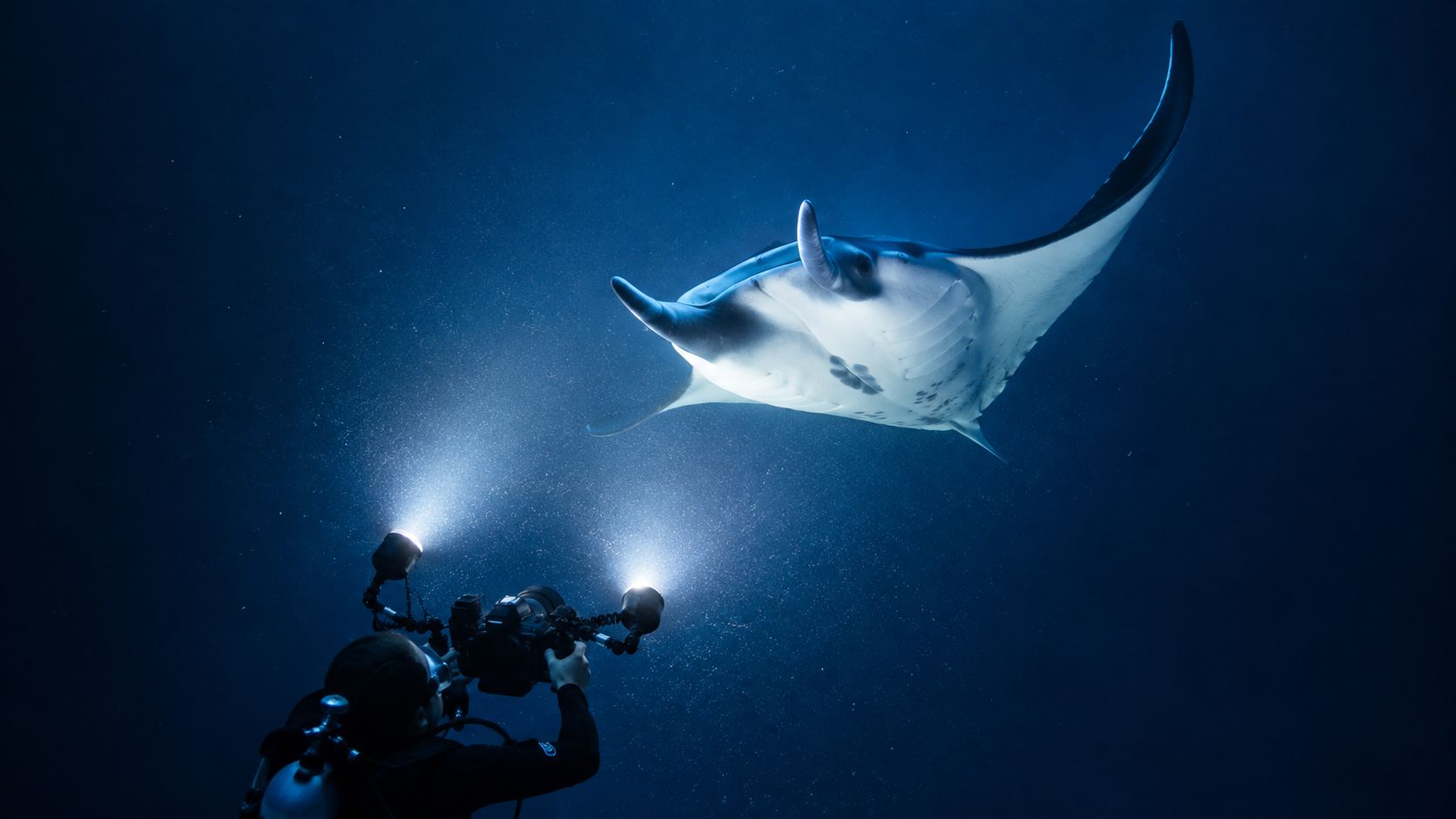
Light control matters more than gear hype
If your light is too aggressive, you'll blow out the scene and light up every particle in the water. Keep the beam where the guide wants it, avoid waving the light around, and let the manta come into the illuminated zone. That's the difference between a usable frame and a bright white haze.
Stability matters too. A diver who stays still usually gets better images than one who tries to reposition for every pass, because the animal keeps returning through the same corridor. For a tour that includes a photo-focused option, this manta night dive with photo package is worth a look.
Patient divers make better photographers on this dive. The mantas reward stillness, not pursuit.
Why Kona Honu Divers and Garden Eel Cove Stand Out
Garden Eel Cove, also known as Makako Bay, is one of Hawaii's two principal West Hawaii manta-viewing sites identified by the state, alongside Keauhou Bay, or Manta Village (state boating and safety assessment). For a guided manta night dive, that matters because a named, recognized viewing area is easier to stage, brief, and manage than an informal pickup spot.
Why the site choice changes the whole night
A protected setting supports a cleaner in-water layout. When the group can settle into a controlled viewing area, the lights hold better, the mantas have a clearer feeding lane, and divers spend less time correcting position. I prefer that kind of setup because it keeps the experience calm enough for first-timers and organized enough for experienced divers who care about the details.
The site itself is only half the equation. The operator has to run the boat well, keep the briefing tight, and manage entry and exit without creating extra chaos. Kona Honu Divers offers manta ray night dive trips, including a two-tank format that pairs a reef dive with the night manta portion, which suits divers who want a structured evening on the water.
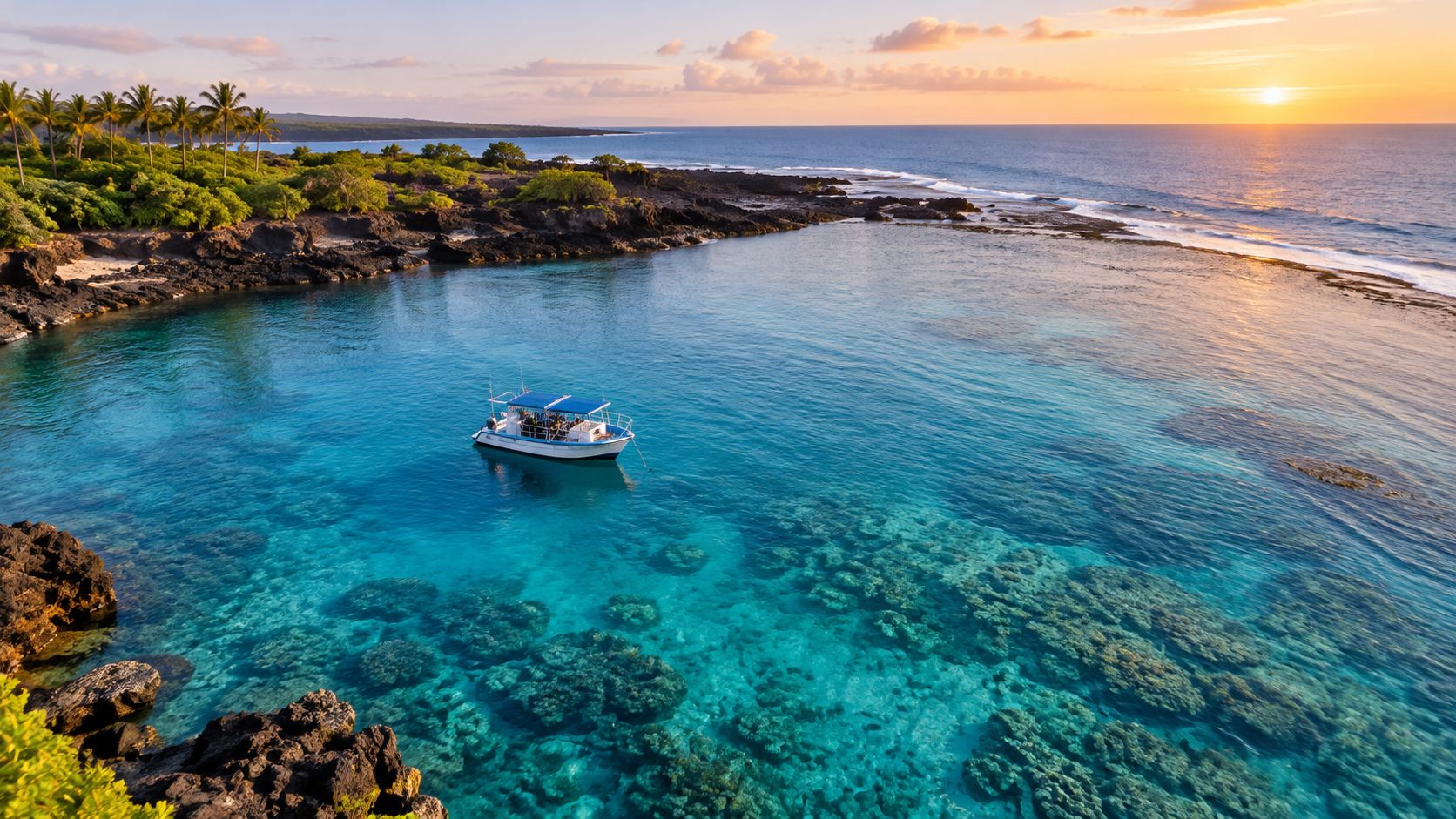
Garden Eel Cove works because the place and the process line up. When you combine a managed site with disciplined boat operations, the dive feels safer, smoother, and more rewarding from the first briefing to the last pass overhead.
If you want to book a manta night dive in Hawaii with a crew that knows how to keep the experience calm and organized, visit Kona Honu Divers and check the current manta trip options. Their tours fit the kind of controlled, safety-first night dive that makes Kona's mantas so memorable.