
You're standing on a Kona boat at sunset with damp hair, a mask on your lap, and that familiar mix of excitement and doubt. The crew says the mantas may show, the water looks dark, and you're wondering whether this is going to be a magical night or just another expensive ocean ride. The right answer is simple, if you want the manta dive Hawaii experience done well, book the site and the operator that respect the animals, control the crowd, and keep the whole thing organized.
What a Manta Night Dive in Hawaii Actually Is
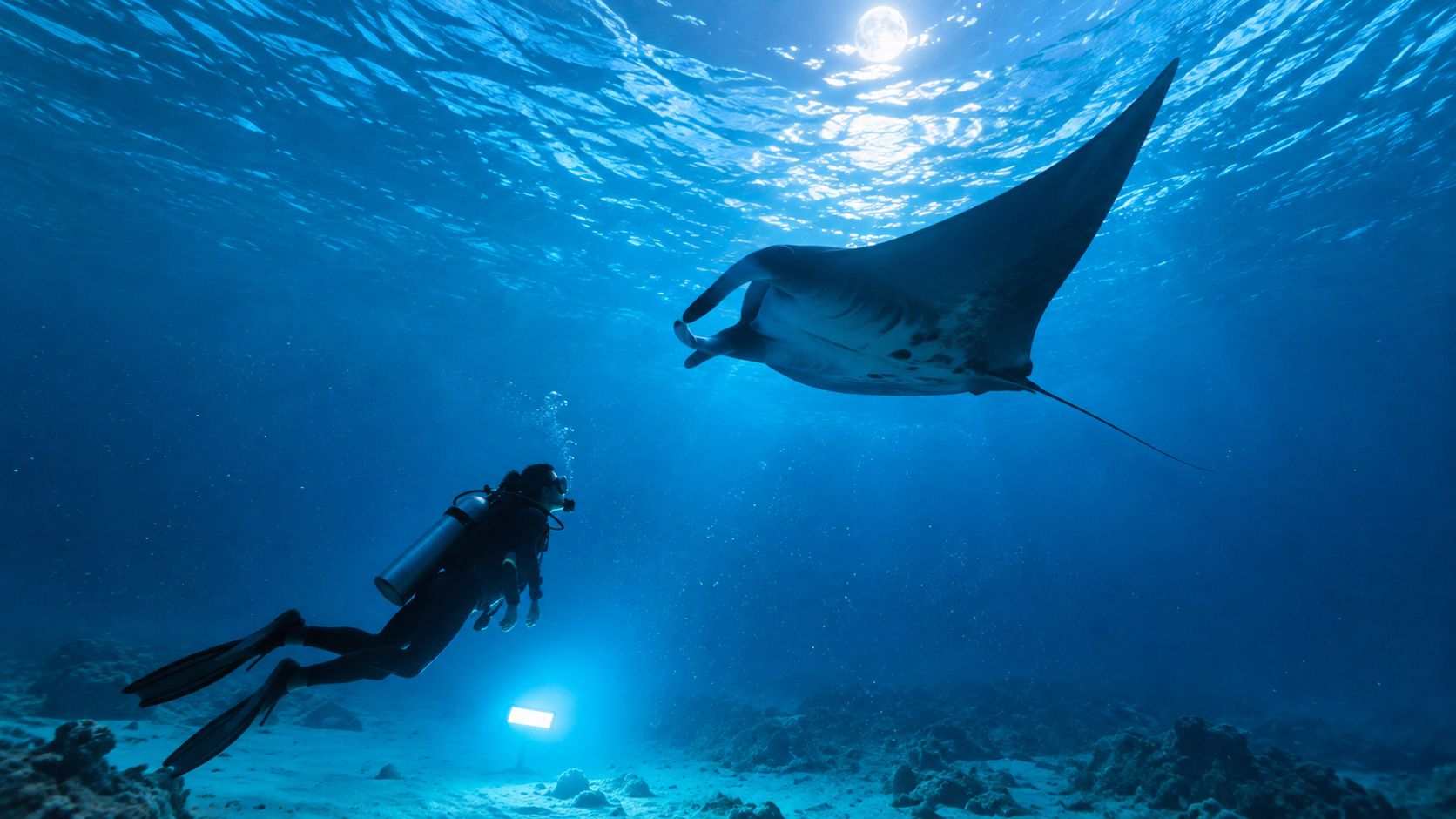
If you want the full picture of where mantas gather, start with this guide to where to see manta rays in Hawaii. A Kona manta night dive is a controlled feeding encounter, and that is the right way to understand it. You are not chasing wildlife through open water, and you are not signing up for a random novelty dive. You are setting up a predictable light-and-plankton scene and letting the mantas decide whether to join.
Kona's manta history did not happen by accident. The first widely documented modern night-diving encounter was in 1985, when Keller Laros met manta rays during a nighttime scuba dive, and by 1991 he had begun naming and cataloguing individual rays, which helped make photo-ID the backbone of local research Hawaii legislative testimony. That is why the local culture around these dives is built around known animals, not anonymous sightings.
The water setup is straightforward. Divers kneel or sit on the bottom, the crew points the lights upward, and plankton concentrates in that lit column. The mantas come in to feed and leave whenever they choose. NOAA's reef manta guidance describes that light geometry clearly, with the open water above kept clear so the animals can move freely NOAA reef manta guidance.
By 1993, the scene had already grown from one boat with a handful of divers to several boats and dozens of people in the water Hawaii legislative testimony. That growth says something important. This is a serious marine-tourism product, and crowd control is part of the dive, not an afterthought.
On a good trip, stay low, keep your lights where the crew tells you, and let the mantas work the lane.
How a Manta Night Dive Unfolds From Boat to Bottom
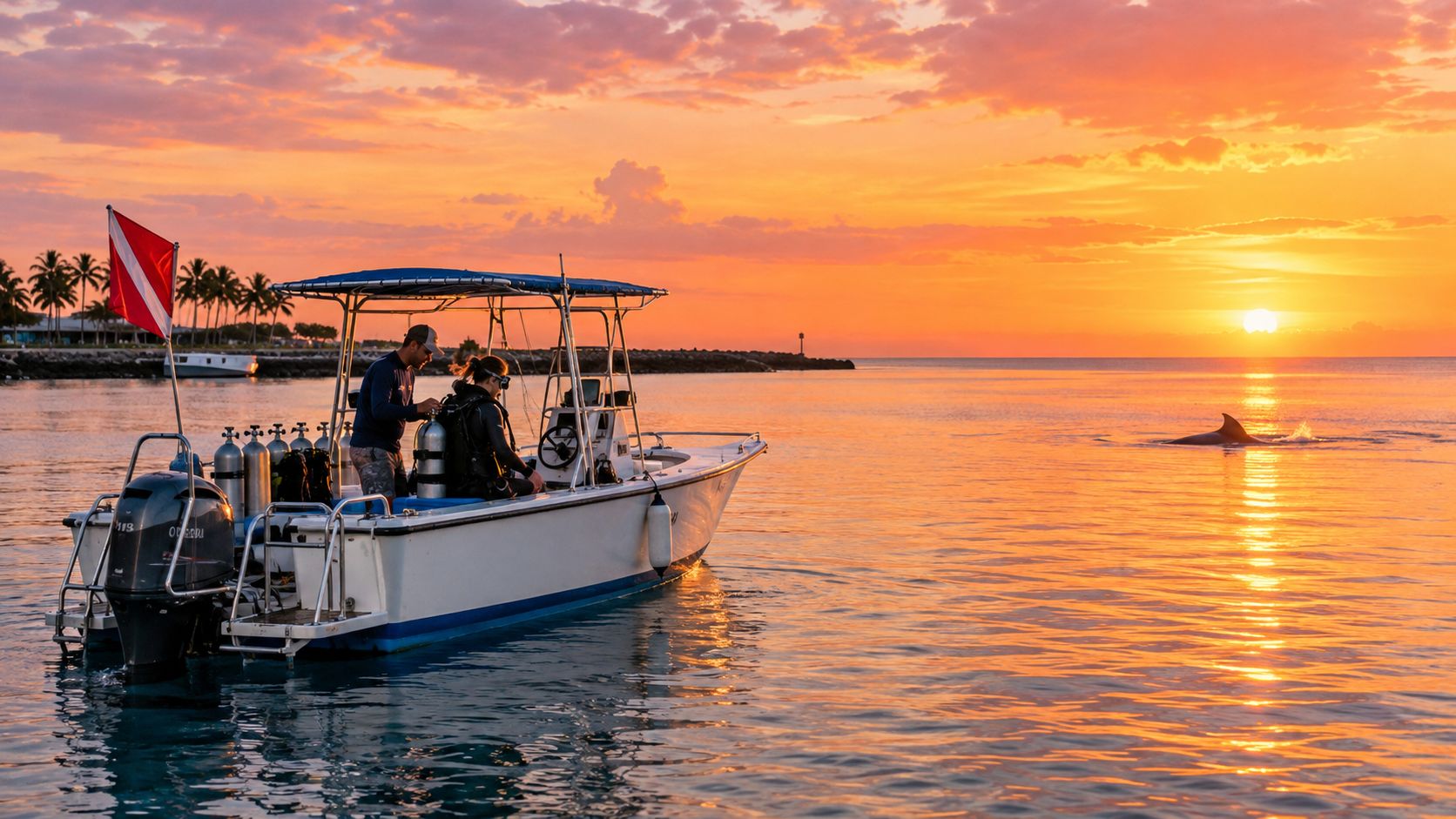
A good night starts before the water goes dark. You leave the harbor at sunset, settle into a short ride, and get a briefing that should sound clear and practiced, not theatrical. If the crew cannot explain where you will sit, how the lights will be used, and how they handle a crowded site, walk away.
What a proper briefing should cover
A solid guide explains the bottom layout, the light pattern, hands off the reef, and no swimming up into the feeding lane. On Kona trips, the setup is usually kept shallow enough for recreational divers to stay comfortable, while snorkelers do the opposite job and hold the surface light downward.
The entry should be calm and controlled. You roll back or giant-stride in, descend with the guide, and settle onto sand, rubble, or hard bottom before the lights go on. Once the plankton gathers in the lit water, the mantas start their passes. That is the moment body position matters most.
Stay low. Keep your fins still. Let the animals choose the distance.
A two-tank manta trip usually makes the evening easier because the first drop or snorkel gets everyone oriented before the main viewing window. If you are comparing boat programs in Kona, use the Big Island boat tour options to compare how different Kona boats run the evening, from briefing to ladder exit. Good operators keep the whole night calm, organized, and easy to follow, even after dark.
Garden Eel Cove vs Keauhou Bay
Garden Eel Cove wins. I don't say that lightly, because Keauhou has history and plenty of people have good memories there, but operationally it's the weaker choice for most visitors. If you care about a cleaner viewing geometry and less crowd chaos, Garden Eel Cove is the site I'd pick every time.
| Factor | Garden Eel Cove | Keauhou Bay |
|---|---|---|
| Viewing geometry | Defined sandy plain with scattered coral heads and lava-rock features, better for keeping the open water column clear | More variable site conditions and less consistent bottom structure |
| Reef and structure | Better perimeter structure for organizing divers and snorkelers around a clear lane | Historic manta area, but the setup is less tidy for group control |
| Crowd management | Easier to maintain a disciplined footprint when the bottom and viewing lane are organized | Historically more exposed to heavier vessel and participant crowding |
Garden Eel Cove sits on a gently sloping sandy plain with coral heads and lava-rock formations around it, which gives the crew a cleaner way to stage divers and keep the water column open Garden Eel Cove site description. That's not just prettier, it's safer and more usable. You want mantas moving through a clear vertical corridor, not weaving through a messy cluster of people.
Keauhou Bay is famous, but fame is not the same thing as operational superiority. The site can be busier, and crowded manta sites are exactly where the human problems start showing up first, boat traffic, participant drift, light spill, and poor spacing. If you want the most controlled experience, book a Garden Eel Cove manta tour, and if you're looking at Kona Honu Divers, their manta offering is built around that site.
For a deeper site comparison, use where the best place to dive with manta rays is in Kona.
When Mantas Actually Show Up in Kona
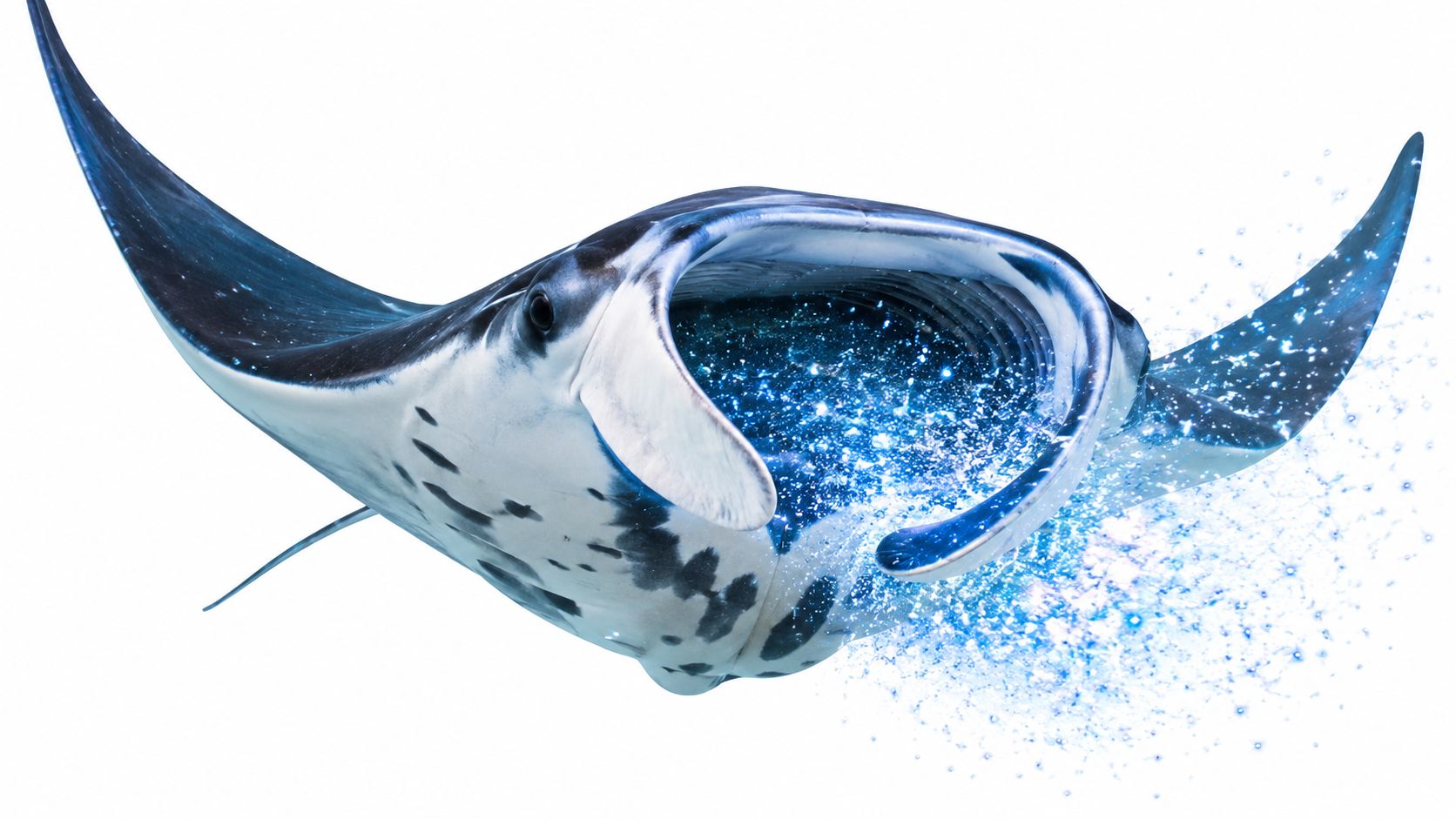
Forget the calendar version of “manta season.” Manta aggregations track zooplankton density, and that changes with local ocean conditions, not with a brochure timetable NOAA-linked monitoring summary. If you want to read Kona like a diver, follow the prey, then choose the date.
Book for conditions, not just the month
In practice, summer and early fall tend to bring calmer sea states, which is why many crews favor those months. Late summer also tends to feel warmer in the water, which matters when you are hanging on for a long night at the site. Winter can bring bigger swells, so the operator's judgment matters more than a fixed departure time.
Book two nights if you can. Mantas are wild animals, and they do not work around your itinerary. Pick a weeknight when possible, because the crowd footprint is usually easier to manage than on peak weekend evenings.
Don't book the idea of manta season. Book enough flexibility to let the plankton, the site, and the weather line up.
The aggregation work shows that stable groups can persist even with sustained tourism, while nightly counts still swing with prey availability manta aggregation study. That is the part glossy tour copy leaves out. One night can be packed with mantas, another can be quiet, and neither outcome automatically says much about the operator unless the briefing and site control were sloppy.
Who Can Do a Manta Dive and What Certification You Need
If you're diving, you need to be certified. Keep that line simple in your head and don't let anyone talk you into treating this like a try-it program if you aren't ready for scuba. The manta dive itself is shallow and controlled, but it's still a real night dive with gear, descent control, and a dark exit.
Divers, snorkelers, and first-timers
Certified Open Water divers, or equivalent, are the normal audience for the scuba version. Non-divers should book the manta snorkel instead, because you still get the light-and-plankton show without needing dive certification. If you're not certified but want to become a diver later, an open water certification course is the right separate investment, not something you cram into the same evening.
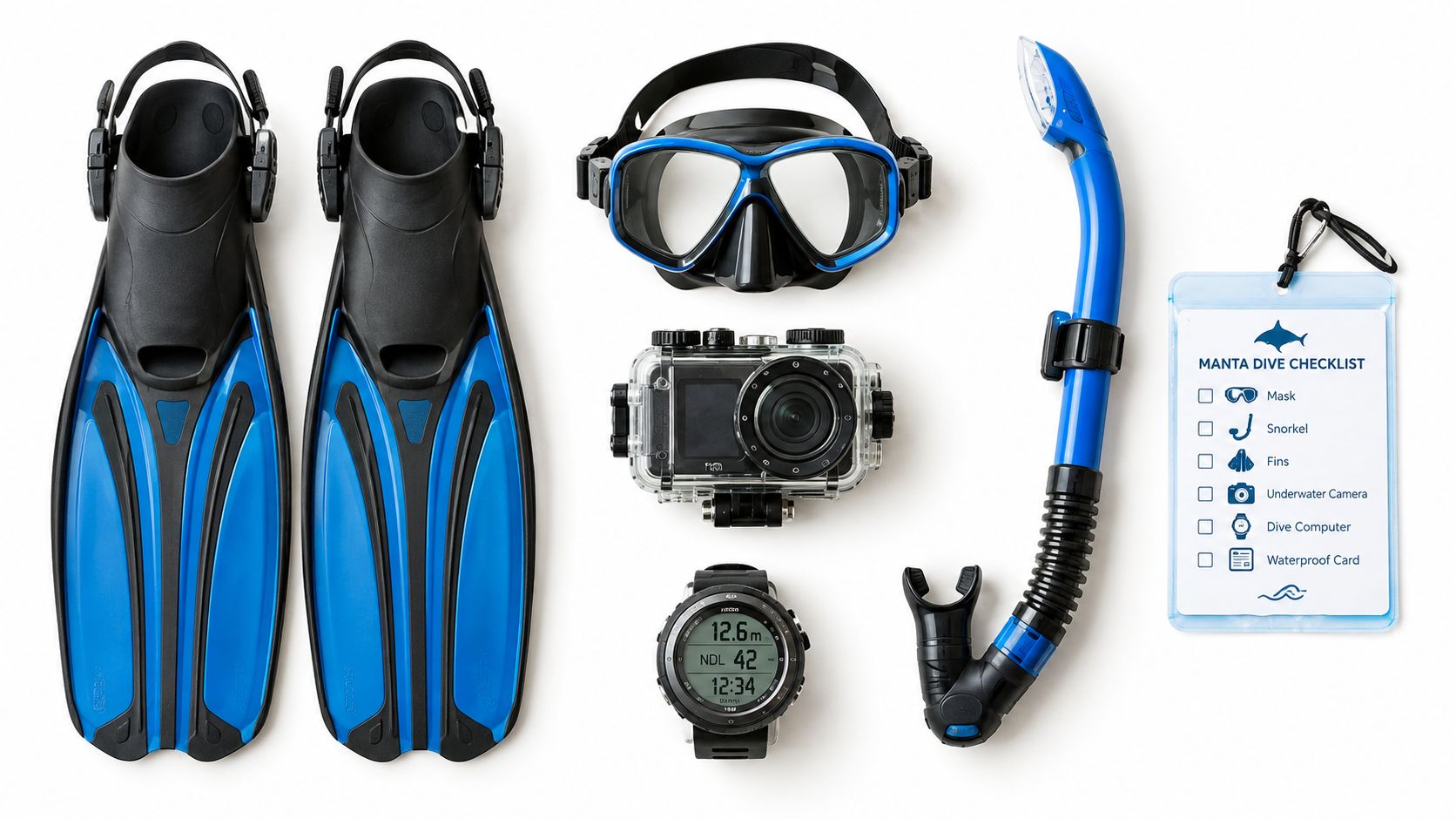
The practical gear list for the dive is straightforward, wetsuit, mask, snorkel, BCD, regulator, weights, and a primary dive light. Good operators also manage the gear fit carefully, because a sloppy mask or a bad weight check turns a beautiful night into a distraction. If you're nervous, say so before the boat leaves.
What non-divers should do instead
Book the snorkel if you're comfortable on the surface and want the manta encounter without scuba obligations. If you're traveling with mixed experience levels, split the plan rather than forcing everyone into one format. The worst decision is the one made to keep the group together at the expense of safety or comfort.
One operator that runs both manta dive and snorkel trips in Kona is Kona Honu Divers, and the important thing is not the label, it's whether the crew matches the tour to the guest. Choose the experience that fits your training, then do it properly.
Safety, Etiquette, and Crowd Control on a Manta Site
The manta is rarely the problem. The people are. That is why the briefing matters, and why a good operator treats crowd control as part of the dive, not an afterthought.
What the rules are actually preventing
Divers stay low and out of the feeding lane because swimming upward cuts across the mantas' path and raises collision risk. Snorkels come out of masks and get secured so a close pass does not snag gear or knock a mask loose. Lights stay aimed so they do not blast other guests in the face or turn the water into a mess of glare.
Touching a manta is off-limits because it can damage the animal's protective mucus coating, as explained in the responsible diver etiquette guide. If a guide treats touching, chasing, or free swimming into the lane as normal, leave that boat when you can.
Hawaiʻi's DLNR flagged overcrowding, user conflict, and safety concerns at manta-viewing sites in its 2013 assessment, and proposed controls such as passenger limits, timed shifts, guide-to-customer ratios, vessel lighting requirements, propeller guards, and dedicated lookouts DLNR boating assessment. Those were proposals from over a decade ago, not a list of current regulations, so check what has been adopted before you book. A serious operator will be clear about crowd handling and boat control.
A clean site feels calm before the mantas arrive. If the boat feels busy and chaotic before entry, the crew is improvising.
For a practical etiquette baseline, read the responsible diver etiquette guide, then compare it with the briefing you hear on the boat.
Booking, Gear, Photography, and FAQs
Kona manta dive pricing usually sits in the $130 to $220 range per diver, depending on the operator and whether the trip is built as a 2-tank format. Check manta ray dive tours and compare the actual package details, because key differences are in the light setup, the briefing, the bottom-time plan, and how firmly the crew manages the group.
Gear and camera choices that help the encounter
Bring a strong primary dive light. If the operator allows it, pack a backup light too. For surface shots, a red filter or red-mode setup keeps deck photos from blowing out. Underwater, a wide-angle lens with strobes beats tight zoom work, because mantas move through the light and frame better than they do as a cropped tail shot.
Stay on the sand and let the mantas come in. Chasing for a better angle wrecks the moment and usually ruins the photo. The cleanest images happen when the group stays still and the animals do the work.
Fast answers for first-timers
What if no mantas show? Wild animals do not keep a schedule. A quiet night can happen, and a solid operator should spell out the return policy or rebooking option before you pay.
Do manta tours run in rain? Light rain is usually not the issue. Sea state, visibility, and site conditions matter more.
What about rough water? Rough conditions can change the site plan or cancel the trip. A serious crew makes that call for safety, not to fill seats.
Is snorkeling easier than diving? Yes. Snorkeling removes the scuba certification and buoyancy workload, but you still need to be comfortable in open water at night.
For current trip options, check the broader diving tours page, then compare it with the way the crew explains the night.
If you want a manta night done right, book with a crew that knows the site, respects the animals, and keeps the dive organized from dock to ladder. Kona Honu Divers runs manta ray trips in Kona with the structure first-timers need and the site discipline experienced divers expect, so take a look at Kona Honu Divers and choose a night built around Garden Eel Cove, not crowd noise.