
You just landed in Kailua-Kona with a dive bag, a loose plan, and one big problem, too many operators promise the same thing. A good Kona diving company in Kailua-Kona, HI should help you choose the right water for your certification, the right boat for your comfort, and the right site for the day's conditions, not just sell you a seat.
Kailua-Kona is where the choice gets real. You can book a calm morning reef trip, a manta night dive, a blackwater drift, or a harder advanced run, and each one asks something different of your skills, your stomach, and your expectations. The smart move is to stop shopping by slogan and start shopping by trip style, boat setup, and how the operator handles crowding, briefings, and cancellations.
A lot of visitors want the same thing, a memorable dive without wasting vacation time. The people who get the best day here are the ones who pick the trip that fits the sea, not the brochure.
What It's Like to Book Diving in Kailua-Kona
A traveler lands in Kona, opens a phone, and has to decide fast, manta night dive, blackwater drift, or a straight-up two-tank reef trip. That's the core of the experience. The island gives you options, but the operator you choose decides whether those options feel organized or chaotic.
The strongest Kona diving company Kailua Kona HI options are the ones that treat the coast as a working dive environment, not a postcard. Kona's reefs carry real economic and ecological value, including NOAA's estimated $36.23 million annual recreational value for the Kona Coast's coral reefs and the state-wide reef valuation of roughly $9.7 billion as an environmental asset, with average annual benefits estimated at about $364 million (NOAA reef value assessment). That's why responsible operation matters. A shop that rushes briefings, crowds the boat, or shrugs at reef contact is ignoring the resource that makes the whole market work.
Practical rule: book the trip that matches the day's water, not the trip that sounds biggest on social media.
If you're certified and want one clean reef day, book a morning boat. If you want the weird, memorable stuff, book manta or blackwater. If you're new, don't pretend otherwise, start with a beginner-friendly option and get the basics right first. For a straightforward shop-and-site overview, use the Kona dive shops guide and compare how each operator handles the same ocean.
Signature Dive Styles Offered in Kona
Kona's dive menu is simple if you strip away the marketing. There are four trips that matter most, and each one serves a different diver. A good operator explains those differences clearly before your credit card comes out.
Morning reef, manta, blackwater, and advanced runs
The morning 2-tank reef dive is the workhorse. It fits certified divers who want stable visibility, two structured dives, and a sensible day underwater instead of a nighttime spectacle. The manta ray night dive is for travelers who care about the signature Kona encounter and are comfortable with a dark-water briefing, a fixed protocol, and a group setting.
The blackwater night drift is a different animal. It's for divers who want the open-ocean strange stuff, and it belongs on a shop's menu only if the crew is disciplined about buoyancy, light handling, tethering, and separation procedures. The advanced lava-tube and pinnacle trip is for divers who already know how to manage depth, gas, trim, and task loading without making the crew babysit every move.
| Kona Dive Style Comparison | Depth Range | Min. Certification | Best For |
|---|---|---|---|
| Morning 2-tank reef | Site-dependent, generally shallower reef profiles | Open Water or equivalent | Certified divers, photographers, relaxed exploration |
| Manta night dive | Site-dependent, typically a sandy or staged night site | Open Water or equivalent, with comfort at night | Wildlife fans, first-time night divers, experienced snorkelers moving to scuba |
| Blackwater night drift | Open-ocean night environment | Advanced comfort and operator screening | Divers who want the unusual and can follow strict procedures |
| Advanced lava-tube and pinnacle trip | Deeper, more demanding reef terrain | Advanced Open Water or equivalent experience | Experienced divers who want structure, depth, and more complex topography |
If you're still unsure, the blackwater option deserves a hard look only if you can follow a tight briefing. Use the blackwater dive tour page to see how a structured night-drift product should be presented.
Matching the Right Dive to Your Experience Level
Certification matters here, but so does honesty. A diver with plenty of logged shallow reef time may still be a poor fit for blackwater. A newer diver who listens well and stays calm may be a good fit for a controlled manta night dive. The operator should match the trip to the diver, not the other way around.
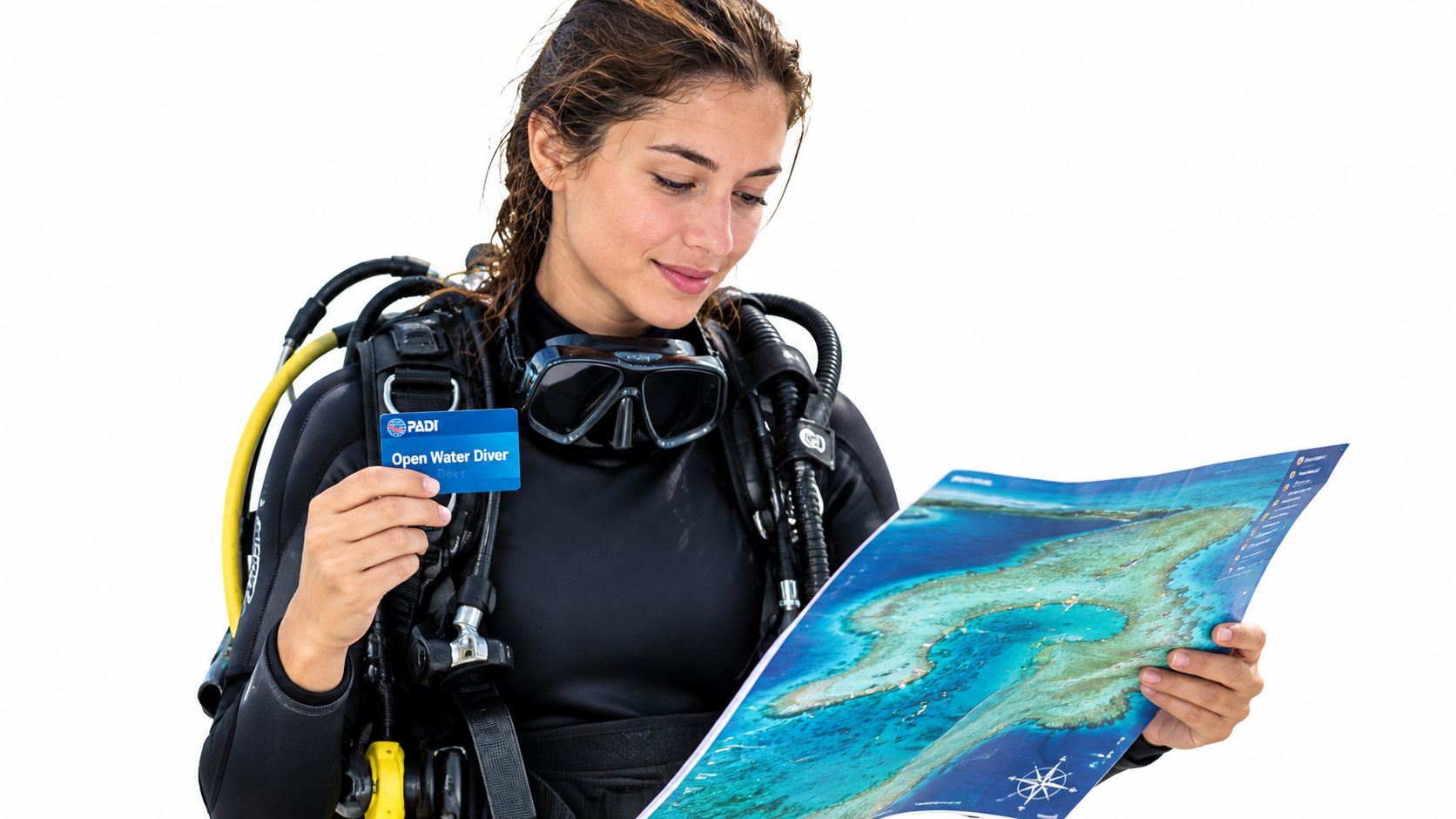
Open Water divers usually belong on reef trips and, if they're comfortable, on manta. Advanced Open Water divers can handle more ambitious bottom profiles and should ask directly about depth, current, and site complexity before they book. Beginners with no card need a real beginner pathway, not a sales pitch that assumes they'll somehow figure it out on the boat.
Here's the simplest way to look at it:
- Open Water divers: book reef and manta first, then decide whether the site level feels right.
- Advanced divers: ask about deeper pinnacles, lava relief, and more exposed terrain.
- No certification: start with Discover Scuba Diving or a full certification path.
- Mixed groups: choose a boat that supports divers and non-divers without making either group feel like an afterthought.
- Photographers: favor morning reef trips with steadier lighting and calmer pacing.
If you're bringing family or non-divers, the right operator is the one that can split the day cleanly, not the one that forces everyone into the same plan.
For new divers who want to move from curiosity to competence, the Big Island scuba diving for beginners guide is the better starting point than trying to jump straight into a hard trip.
Safety Standards and Credentials That Matter
A polished website means nothing if the boat is sloppy. Look for real safety habits, not decorative ones. Good operators run checks, brief clearly, and keep the crew focused when it counts.
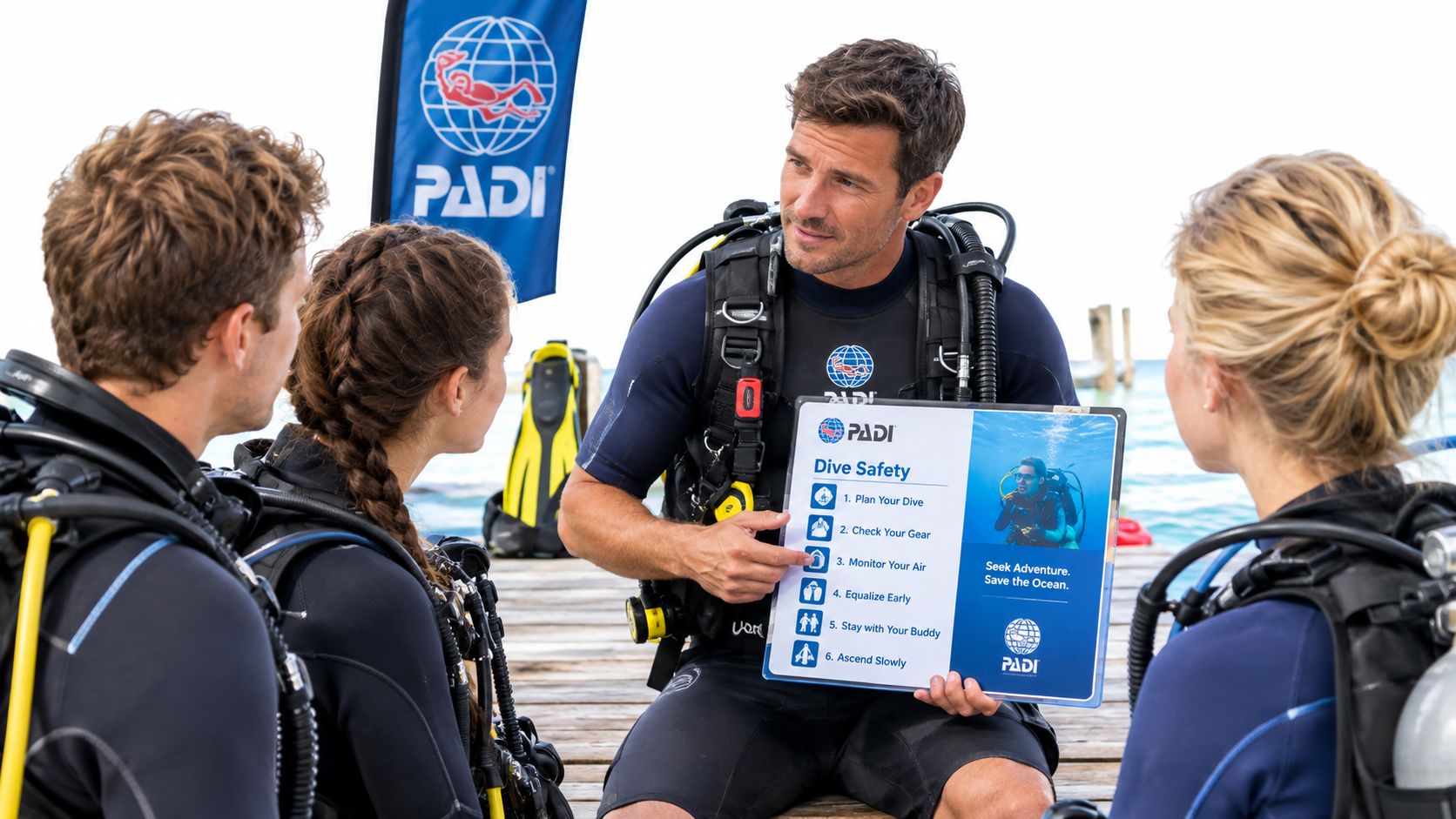
What separates a professional boat from a bare-minimum one
The obvious tells are comfort and order. Shaded seating, hot freshwater showers, and space for gear usually mean the operator planned for divers who spend real time on the boat, not just quick turnarounds. A crowded deck with poor storage is a warning sign, because frustration on the surface usually becomes sloppier behavior in the water.
The invisible tells matter even more. Ask about emergency oxygen, AED access, regulator service habits, sanitizer use between dives, and whether the crew does a pre-dive equipment check instead of assuming your kit is fine. If the shop offers nitrox to certified divers, that's useful, but it's not a substitute for good judgment or a careful briefing.
For divers who want a deeper understanding of rescue readiness, the PADI Rescue Diver certification page is the right reference point. A serious boat treats rescue skills as normal, not exotic.
Straight answer: if the briefing is vague, the gear looks tired, and nobody can explain the emergency setup, don't book.
How to Prepare Before You Book
Most bad dive days start before anyone reaches the harbor. People forget the card, skip the medical form, or show up hoping the crew will solve every comfort issue for them. Don't be that person.
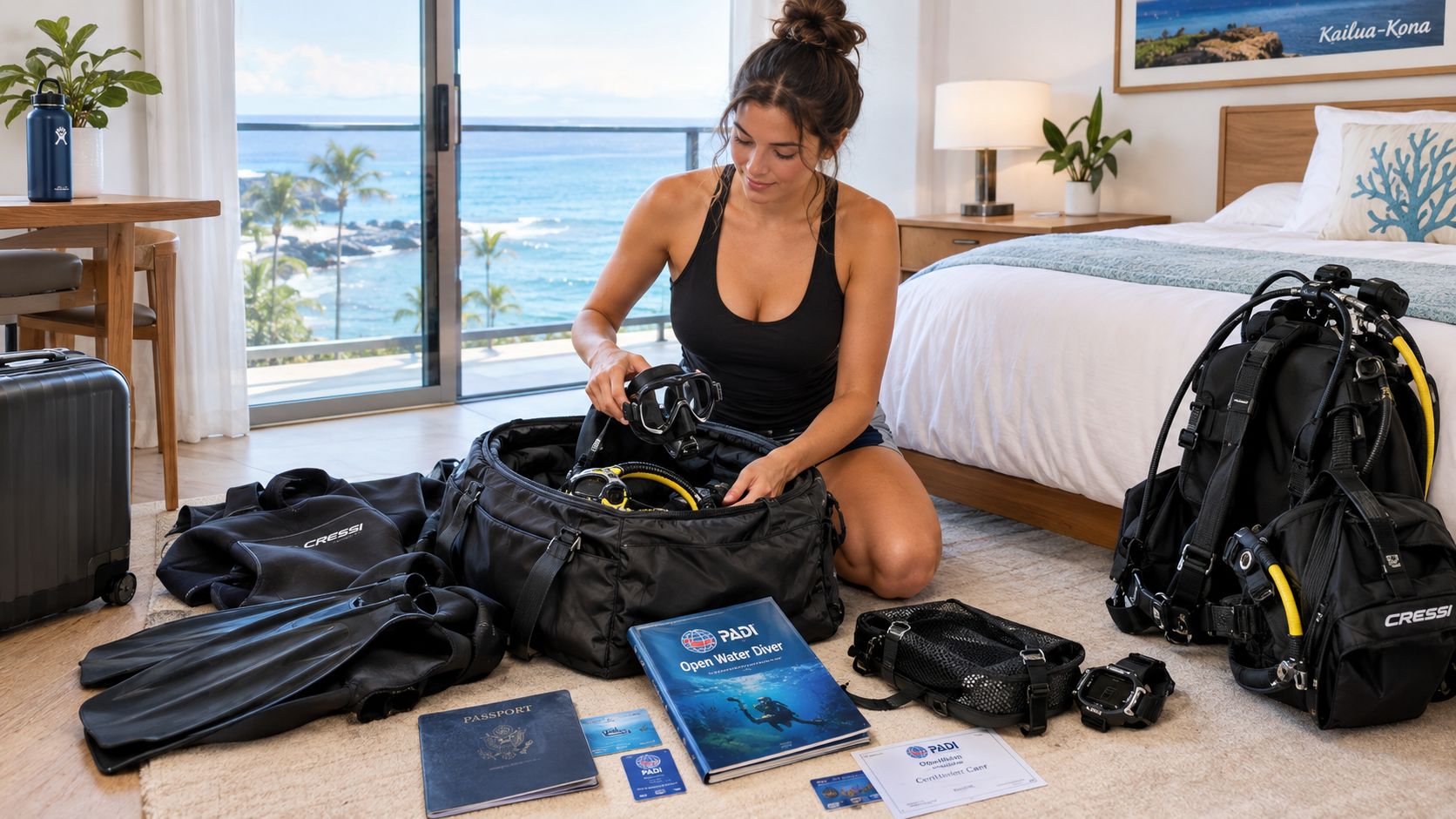
Pack for the water you're actually getting
Bring your certification card, complete the medical questionnaire with care, and ask for a refresher if your last open-water dive was a long time ago. Pack a rashguard, reef-safe sunscreen, a 3mm wetsuit if you run cold, a charged dive computer, and motion-sickness help if boat rides usually bother you. A shop may loan major gear, but you're still responsible for showing up prepared.
Hawaii also has legal surface-marker rules that matter. Divers and snorkelers need a diver's flag measuring at least 12 by 12 inches, groups can share one flag, and everyone must stay within 100 feet of it in ocean waters. If the dive happens between sunset and sunrise, the flag has to be clearly illuminated (Hawaii diving flag requirements).
A few things should be in your head before you step on the boat:
- Certification card: no card, no guesswork.
- Medical disclosure: be honest, because the water won't care about your optimism.
- Surface marker: required for ocean diving and especially important on shore and night dives.
- Dive insurance: carry coverage that helps if evacuation becomes necessary.
- Fallback plan: if you feel off, call it early instead of forcing the dive.
Why Garden Eel Cove Is the Better Manta Dive Site
Garden Eel Cove is the better manta site because the geometry works. A protected cove gives you calmer water, cleaner viewing lines, and less chaos than a more exposed setup. That matters at night, when divers need predictable positioning and animals need room to move without a wall of people pressing in from every side.
The site choice should beat the sales pitch
The strongest Kona manta operators know that crowd size and boat handling can make or break the night. Reporting in 2025 described proposals to reduce manta-tour operators at Keauhou and Makako Bays from roughly 70 to 24, along with concerns about hundreds of swimmers in the water and proposals for boats to tie to buoys instead of drifting with engines running (Kona manta reporting). That tells you exactly what matters, less noise, cleaner station-keeping, and more room for the animals.
Ask these questions before you book any manta night:
- How close does the group get to the mantas?
- Where are the lights placed, and who controls them?
- How many swimmers or divers are in the water at once?
- What happens if the site is too crowded?
- Will the operator switch sites or cancel rather than force a bad setup?
Garden Eel Cove is the better choice when you want structure and viewing quality over hype. If you're comparing tours, the 2-tank manta dive and snorkel page is the product page to check.
Booking Logistics, Pricing, and What to Expect Onboard
Book like an adult, not like someone hoping the ocean will sort it out later. Start with the tour menu, choose the trip that matches your skill level, and reserve early enough that you're not stuck with the last ugly time slot. If you want advanced diving, use the dive boat captain page to understand who's running the day.
The practical flow
Reserve the date, confirm what's included, and show up with the right paperwork. At check-in, expect gear fitting, a briefing, and a clear explanation of entry, exit, and site conditions. If the weather shifts, a professional shop talks about moving, postponing, or canceling before you're already offshore and committed.
I'd budget by trip type rather than chase a fake bargain. Morning two-tank reef trips usually sit in one price band, manta night dives typically run higher because of the dual-trip structure, and private charters cost more because you're paying for exclusivity and flexibility. That's not a reason to overspend; it's a reason to compare what you're getting.
The day should feel structured, not rushed. Park, check in, fit gear, listen to the briefing, dive, surface, repeat if it's a two-tank day, then head back with enough time to log the dives and ask questions. If the boat feels chaotic before you even leave the harbor, it'll only get worse offshore.
Audience-Specific Picks and Final Verdict
Certified divers who want the strongest underwater story should book the premium advanced trip. Night enthusiasts should go for the manta dive at Garden Eel Cove, not the loudest-looking option on the internet. Beginners should start with training or a true guided beginner product, not pretend they're ready for a technical night run.
Families do best when they split the day sensibly, snorkelers on one side, cert-seeking parents or older kids on the other. Underwater photographers should favor the morning reef trip, where light and surface conditions are usually easier to work with. Freedivers and spearfishermen should ask about surface support, storage, and how the crew handles mixed-use deck space before paying anything.
If you only book one dive in Kailua-Kona, make it the trip that matches your actual experience, not your ambition. For most certified travelers, that's a morning reef or manta night dive. For advanced divers, it's the deeper, more technical option.
Kona Honu Divers runs guided reef dives, manta nights, blackwater dives, advanced trips, and beginner-friendly training from Kailua-Kona with the kind of structure serious travelers should want. If you want a Kona dive day that fits your certification, your comfort level, and the actual ocean conditions, visit Kona Honu Divers and book the trip that matches how you really dive.