
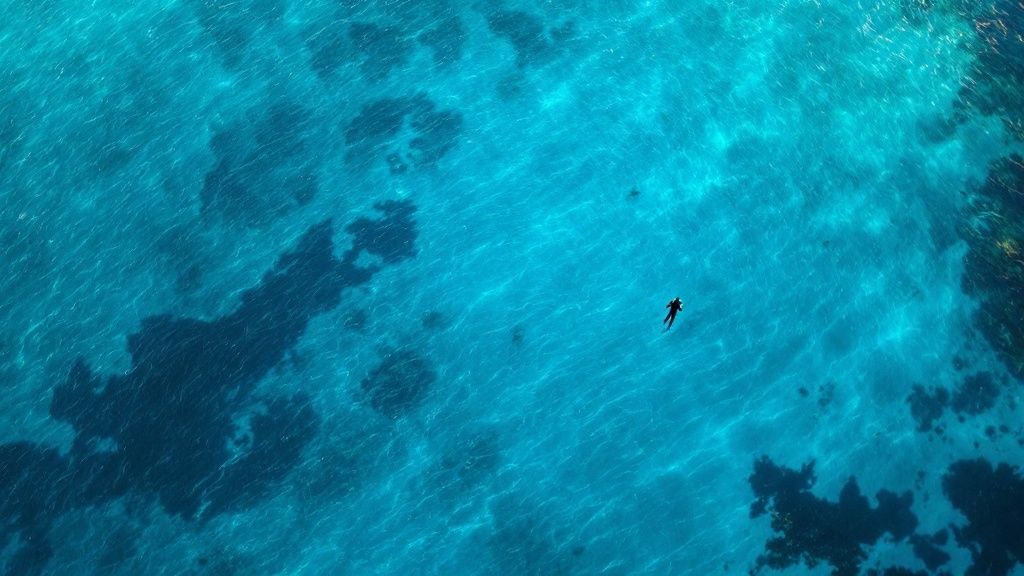
Picture this: you're drifting down into a world of brilliant turquoise, sunlight piercing the water and dancing through ancient lava tubes. A Hawaiian green sea turtle, a honu, glides past without a care. This isn't some far-off nature documentary. This is just another day of Kona diving.
The Big Island serves up a rare treat for divers—a unique combination of calm, clear water, unbelievable underwater landscapes, and a dizzying amount of marine life. It’s no accident this place is considered one of the world's best dive destinations.
Discovering an Underwater Volcanic Wonderland
So what's the secret to Kona's magic? It all comes down to the island's incredible geology.
The Kona coast is tucked away on the leeward side of two colossal volcanoes, Hualālai and Mauna Loa. These mountains act as a massive natural barrier, shielding the coastline from the strong trade winds that hammer other parts of Hawaii. The result is exceptionally calm, clear, and predictable ocean conditions all year long. It’s a dream come true for divers of every skill level.
But this volcanic activity did more than just create a safe haven; it sculpted a jaw-dropping underwater world. Ancient lava flows have frozen in time, forming a dramatic seascape of arches, pinnacles, canyons, and complex swim-throughs. Forget sandy bottoms—Kona’s coastline is a maze of solid rock, the perfect foundation for healthy coral reefs to take hold and thrive.
The Ideal Conditions for Divers
This consistently amazing environment is what brings divers here from all over the globe. The conditions in Kona simply remove a lot of the guesswork and variables that can make or break a dive trip elsewhere.
- Exceptional Visibility: The water clarity here is just incredible, often stretching beyond 100 feet. You can really take in the full scale of the dramatic landscapes and spot marine life from a distance.
- Warm Water Temperatures: You can leave the thick neoprene at home. Water temps hover around a comfortable 75°F in the winter and climb over 80°F in the summer, making for truly pleasant dives.
- Calm Seas: Being on the leeward coast means very little surface chop and gentle currents. It’s about as relaxing and safe as open-ocean diving gets.
Diving in Kona feels like you’re exploring a submerged volcanic park. Every single site reveals a new geological marvel to discover, from intricate lava tubes to massive underwater craters, all absolutely packed with life.
Beyond its world-class diving, Kona is also a hub for prestigious athletic events, which has helped cement Kona's reputation as a world-class destination for all kinds of adventures. It’s this blend of high-energy excitement and serene natural beauty that truly makes the region special.
If you’re ready to see this underwater paradise for yourself, we've got a full range of expertly guided diving tours on the Big Island waiting for you.
Exploring Kona’s Most Iconic Dive Sites
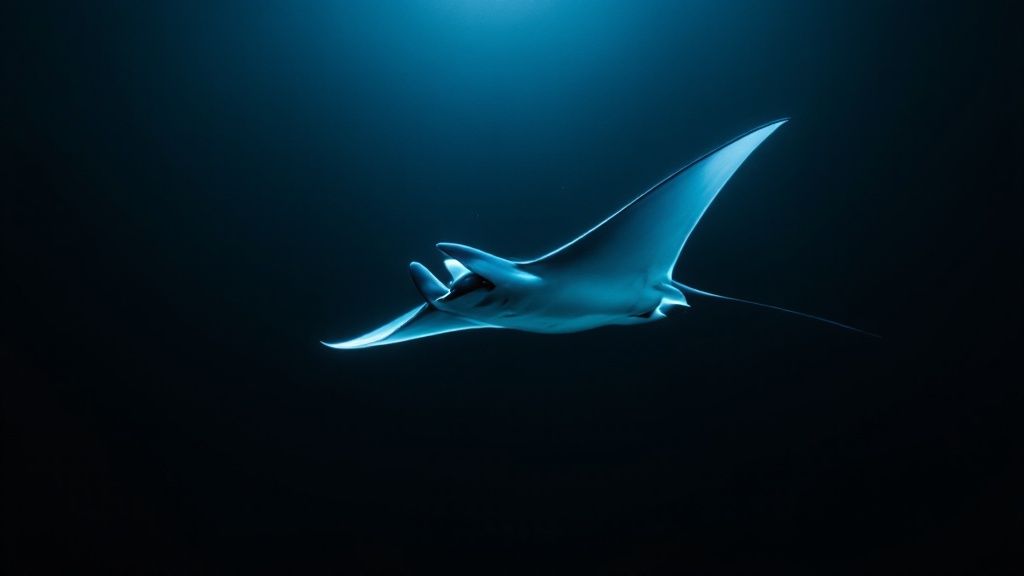
So, you’re ready to get your fins wet. Where do you even begin? The Kona coast is stacked with dozens of world-class dive sites, each one a unique window into Hawaii's volcanic soul and incredible marine life.
Choosing between dramatic lava tubes and vibrant coral gardens can honestly be the toughest part of planning your trip. We’re here to help you dial in your dive plan. Let’s walk through a few of the most legendary spots so you can pick the adventures that are perfect for your skill level.
Top Kona Dive Sites at a Glance
To give you a quick overview, here's a breakdown of some of our favorite spots. Think of it as a cheat sheet for planning your underwater adventures in Kona.
| Dive Site | Key Feature | Common Marine Life | Ideal For |
|---|---|---|---|
| Golden Arches | A massive, photogenic lava archway | Yellow Tangs, Raccoon Butterflyfish, Whitetip Reef Sharks | All skill levels, especially photographers |
| Turtle Pinnacle | A natural turtle "cleaning station" | Hawaiian Green Sea Turtles (Honu), Reef Fish | Turtle lovers and divers of all levels |
| Crescent Beach | A maze of underwater lava tubes | Eels, Octopuses, unique lava formations | Adventurous divers who love swim-throughs |
| Au Au Crater | A massive submerged volcanic crater | Large schools of Goatfish, occasional Eagle Rays | Divers looking for unique, large-scale topography |
Now that you have the highlights, let's dive a bit deeper into what makes each of these sites so special.
H3 Golden Arches
A true fan favorite, especially for anyone with a camera, Golden Arches is all about dramatic underwater scenery. The site gets its name from a massive lava rock archway—it's big enough to swim through easily and safely, and it's almost always surrounded by a glittering cloud of yellow tangs.
It’s a fantastic spot for divers of all stripes. The typical depth hovers between 30-60 feet, making it accessible for beginners but still fascinating for seasoned pros. You can almost always count on seeing huge schools of raccoon butterflyfish and Moorish idols, and it's not uncommon to spot a whitetip reef shark relaxing on the sandy bottom.
H3 Turtle Pinnacle
If you want to see honu (Hawaiian green sea turtles), this is the place to be. As the name suggests, Turtle Pinnacle is a magnet for them. It’s what we call a "cleaning station," a fascinating spot where turtles line up to let smaller fish nibble algae and parasites right off their shells. It’s a perfect example of nature’s teamwork in action.
The pinnacle itself is a submerged mountain rising from the seafloor to about 35 feet below the surface. It's completely covered in healthy coral, which in turn attracts a crazy amount of reef fish. You could spend the entire dive just slowly circling this single spot and never run out of things to see.
H3 Crescent Beach (Kua Bay)
For those who love a bit of adventure, Crescent Beach delivers. This spot is defined by its wild underwater landscape, featuring a whole network of interconnected lava tubes and caverns. It feels like you're exploring a sunken labyrinth, with sunlight piercing through cracks in the rock ceiling above you.
The experience of gliding through an ancient lava tube, watching your bubbles rise to find cracks in the ceiling, is a signature element of Kona diving that you won't soon forget.
It’s the perfect place to hunt for moray eels, octopuses, and other critters that love hiding in rocky crevices. The topography alone makes it an absolute must-do.
H3 Au Au Crater
Looking for something totally different? Au Au Crater, also known as "Suck 'em up," is a massive underwater volcanic crater that offers a dive experience you won’t find just anywhere. Imagine descending into a giant, bowl-shaped amphitheater with a sandy floor and steep, coral-covered walls.
You can spend your dive exploring the crater's perimeter, where you'll often find huge schools of goatfish and maybe even an eagle ray soaring overhead. The sheer scale of this place is breathtaking—it’s a powerful reminder of the volcanic forces that built the Big Island.
These are just a handful of the possibilities waiting for you. To see what else is out there, check out this more detailed list of the incredible dive sites Kona Honu Divers visits. Finding the right spot is the first step to an amazing adventure.
The World-Famous Manta Ray Night Dive
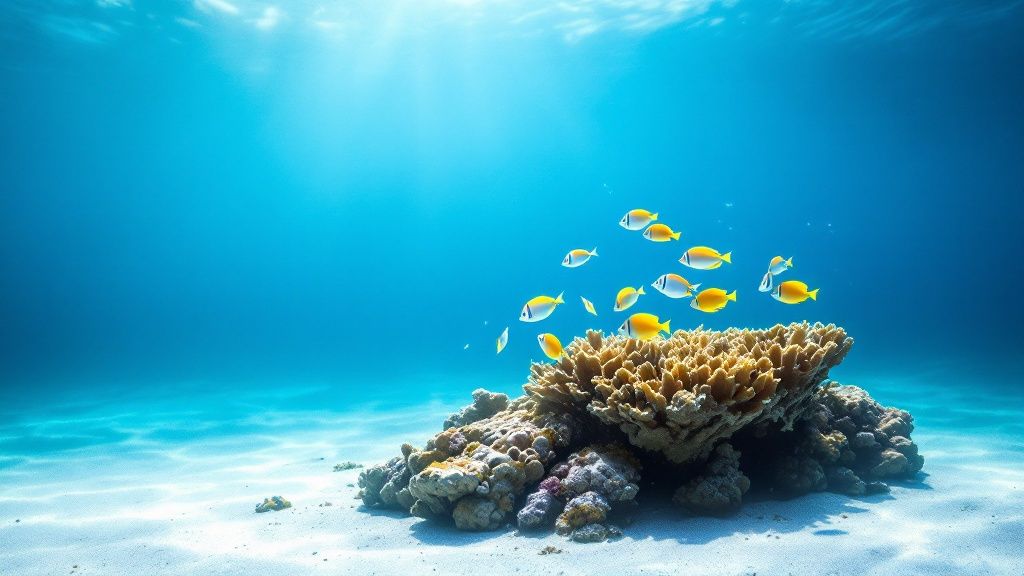
Some dives are just another logbook entry. Others completely change how you see the ocean. The Manta Ray Night Dive here in Kona? It’s definitely the second one.
This isn’t just a popular local tour; it’s a world-renowned, bucket-list adventure that has rightfully put Kona diving on the global map.
Picture it: you gear up and slip into the dark, warm Pacific waters right after the sun goes down. You settle onto a sandy patch on the seafloor, point your dive light toward the surface, and wait. It doesn't take long before massive, graceful shadows start to materialize out of the darkness, swooping and barrel-rolling through the light beams, sometimes just inches over your head.
That's the famous manta ray ballet. It's an absolutely surreal spectacle, and you just won't find it happening with this kind of consistency anywhere else on Earth.
What Makes This Dive So Special
The magic of the Kona manta dive is that it’s all-natural. Unlike other places where you might see mantas at a "cleaning station," our experience revolves around their feeding behavior. We aren't baiting them. The mantas are simply drawn to the huge clouds of plankton that get concentrated in the glow of our underwater lights. What you get is an up-close, incredibly personal, and truly moving underwater performance.
The dive site itself is another big reason for its success. We typically do this dive in a relatively shallow, sandy area, which makes it perfect even for divers without a ton of experience. The Kona coast's protected, calm waters also mean the dive is consistently comfortable and safe. You really can just chill out on the bottom and watch the show unfold above you.
There’s nothing quite like the feeling of a 12-foot manta ray gliding silently over you, its massive wingspan momentarily blocking out all the other lights. It’s a powerful, humbling moment that connects you to the ocean in a way you'll never forget.
The sheer popularity of this dive has been a game-changer for Kona's reputation as a world-class dive destination. The incredible reliability of the sightings, combined with easy logistics and calm seas, is the perfect recipe. It brings divers from all over the world, supports our local economy, and has fostered a community of operators who are deeply committed to keeping the encounter safe and sustainable for the animals.
If you want a deeper look into this incredible experience, check out our guide on why you should go on a manta ray dive in Kona.
Ready to see the underwater ballet for yourself? You can book your spot and get ready for the dive of a lifetime.
Meeting the Unique Marine Life of Kona
Sure, the dramatic underwater lava tubes and arches are a massive part of Kona's appeal, but the real magic? That belongs to the vibrant locals who call these reefs home. Dropping below the surface here is like wandering into a bustling underwater city, and every single resident is more fascinating than the last.
Hawaii's incredible isolation, plunked right in the middle of the Pacific, turned it into a natural laboratory for evolution. The result is that roughly 25% of the reef fish you'll see are found nowhere else on earth. This level of endemism is a huge part of what makes a Kona dive so unforgettable. To get a better look at who's who on the reef, check out this guide to endemic marine animals of the Big Island.
The A-Listers of Kona's Reefs
From the second you roll off the boat, you’re greeted by a spectacular cast of characters. Playful spinner dolphins often act as our escorts to the dive site, and you’re almost guaranteed to meet a serene Hawaiian green sea turtle, the honu, gliding effortlessly through the water.
But keep your eyes peeled for these other local celebrities:
- Humuhumunukunukuāpuaʻa: Hawaii's state fish. Its name is a mouthful, and its colors are an eyeful. This reef triggerfish is a common and welcome sight.
- Moray Eels: You'll often spot these guys peeking out from rocky hideouts. From the big yellowmargin morays to the rare and stunning dragon moray, they're always a thrill to find.
- Spinner Dolphins: Famous for their acrobatic aerial displays, these dolphins travel in big pods and are a frequent sight from the boat. Sometimes, if you're really lucky, you'll see them underwater.
- Whale Sharks: Okay, these are a rare treat. But the largest fish in the sea does occasionally cruise through Kona's deep, nutrient-rich waters. An encounter with one of these gentle giants is something you will never, ever forget.
Adventures in the Big Blue
Kona’s geography is wild—deep ocean trenches sit shockingly close to shore. This unique setup has created the perfect stage for some of the most specialized and mind-blowing dives you can do anywhere.
The calm seas and quick access to deep water make this the world capital for blackwater diving. People often describe it as a spacewalk, and they're not wrong. You drift at night over thousands of feet of water, watching the planet’s largest daily migration as bizarre, bioluminescent creatures rise from the abyss. For a deeper look into this unique dive, you can find more about Kona's biodiversity hotspots on DAN.org.
For certified divers itching to go deeper and meet some of the more elusive pelagic species, our advanced diving opportunities are designed to take you way beyond the standard reef tour and straight into the heart of the wild Pacific blue.
Diving Beyond the Reef into the Deep Blue
For divers who are ready to push past the familiar coral gardens, Kona offers something truly out of this world. While our reefs are nothing short of spectacular, some of the most profound encounters you can have here happen out in the vast, deep blue waters just offshore.
This is where you get a glimpse of a side of the ocean that very few people ever get to see.
The most famous of these adventures is, without a doubt, the legendary Kona Blackwater Dive. Forget everything you know about reefs and the seafloor—this dive is more like a spacewalk. We take you miles from shore at night, tether you to the boat, and let you descend into the deep open ocean to simply drift in the darkness.
It’s an experience that completely redefines Kona diving.
Witnessing the Great Vertical Migration
So, why are we floating out in the middle of nowhere at night? We’re there to witness the largest migration on Earth, an event that happens every single evening. Trillions of bizarre, often bioluminescent creatures rise from the crushing depths of the abyss toward the surface to feed under the cover of darkness.
You’ll come face-to-face with life forms that look more alien than anything you’ve ever imagined. These are true creatures of the deep sea, and seeing them up close is a rare privilege.
- Bioluminescent Wonders: Many of these animals produce their own light. The result is a surreal, silent fireworks display in the pitch-black water around you.
- Transparent Creatures: Get ready to see larval fish and invertebrates that are completely see-through, offering a wild, real-time anatomy lesson.
- Unique Pelagic Life: The cast of characters is always changing. You might see strange jellyfish, otherworldly cephalopods, or things you can’t even begin to identify.
The Kona Blackwater Dive is the ultimate adventure for the curious diver. Floating weightlessly in the immense darkness, watching these strange, beautiful creatures drift past, is a deeply humbling and unforgettable experience.
This one-of-a-kind trip is a must-do for any certified diver looking for that next level of adventure. You can learn more and book your own journey into the abyss on our Blackwater Dive tour page.
Advanced Reef and Pelagic Explorations
Beyond the blackwater experience, Kona’s unique underwater topography offers plenty of challenges for experienced divers. The deep volcanic structures have created stunning walls, pinnacles, and canyons that drop off sharply into the blue, acting as a magnet for larger pelagic species.
These sites offer a different kind of thrill. The focus is on dramatic underwater landscapes and the chance to spot sharks, rays, and other big animals cruising in from the open ocean. These dives require more advanced skills and solid buoyancy control, but they reward you with some of the most impressive sights the Big Island has to offer.
If you're ready to explore these deeper sites, our advanced tours page has charters designed specifically for more experienced divers.
Choosing Your Guide with Kona Honu Divers
An incredible dive site is one thing, but the right guide turns that dive into a memory that lasts a lifetime. The underwater world of Kona is absolutely spectacular, but honestly, the quality of your experience really hinges on the crew leading the way. That’s where choosing a top-notch operator like Kona Honu Divers makes all the difference.
Their whole philosophy is built around creating a personal, safe, and eco-conscious connection to the ocean. It’s not just about pointing out fish; it’s about sharing a genuine passion for Hawaii's marine ecosystem. This commitment starts with their team—highly experienced guides and instructors who live and breathe diving. You can get to know the awesome people who will be guiding your dive by getting to meet the Kona Honu Divers team.
The Kona Honu Divers Difference
So, what really sets Kona Honu Divers apart? A huge part of it is their dedication to small group sizes.
This isn’t just a talking point; it means every single diver gets personalized attention. It doesn't matter if it's your first time breathing underwater or if you're a seasoned pro checking out a new spot. This approach makes for a safer, more enjoyable, and way more intimate experience with the marine life all around you.
Another core principle is Malama i ke kai, or "to care for the ocean." This value is woven into everything they do, from their reef-safe practices on the boat to the educational briefings that help all of us become better ocean stewards. When you think about the fact that the Big Island sees over 150,000 dive tourists annually, you realize just how critical a commitment to conservation is for protecting this paradise.
But don't just take our word for it. See what fellow divers have to say about their experiences.
When you're ready to experience the best Kona has to offer, choosing the right guide is your first step toward an unforgettable adventure.
Your Kona Diving Questions Answered
Got a few questions before you book your Kona dive trip? Perfect. That's what we're here for. We get these all the time, so let's clear up some of the most common ones to help you get ready for an unforgettable adventure.
What Is the Best Time of Year for Diving in Kona?
Honestly, there's no bad time to dive in Kona. Thanks to the massive volcanoes shielding the coastline from the trade winds, our waters are famously calm pretty much year-round.
If you love warm water, aim for August through October, when temperatures hover around a balmy 80°F (27°C). Things cool down a bit from January to March, dropping to a still-comfortable 75°F (24°C).
The real bonus for winter diving? Humpback whale season. From December to March, the islands come alive with these gentle giants. It's a truly magical experience to be underwater and hear their haunting songs echoing across the reef!
Do I Need to Be an Advanced Diver to Enjoy Kona?
Absolutely not! Kona is a fantastic playground for divers of every skill level.
We have countless beautiful, shallow reefs that are perfect for beginners or divers who just got their certification cards. Our dive guides are pros at making sure everyone feels safe, has fun, and sees amazing marine life.
But if you are an experienced diver looking for a challenge, don't worry, we've got you covered. There are plenty of deeper sites and advanced specialty dives, like the world-famous Manta Ray Night Dive and the one-of-a-kind Blackwater Dive, to get your adrenaline pumping.
What Should I Pack for My Kona Dive Trip?
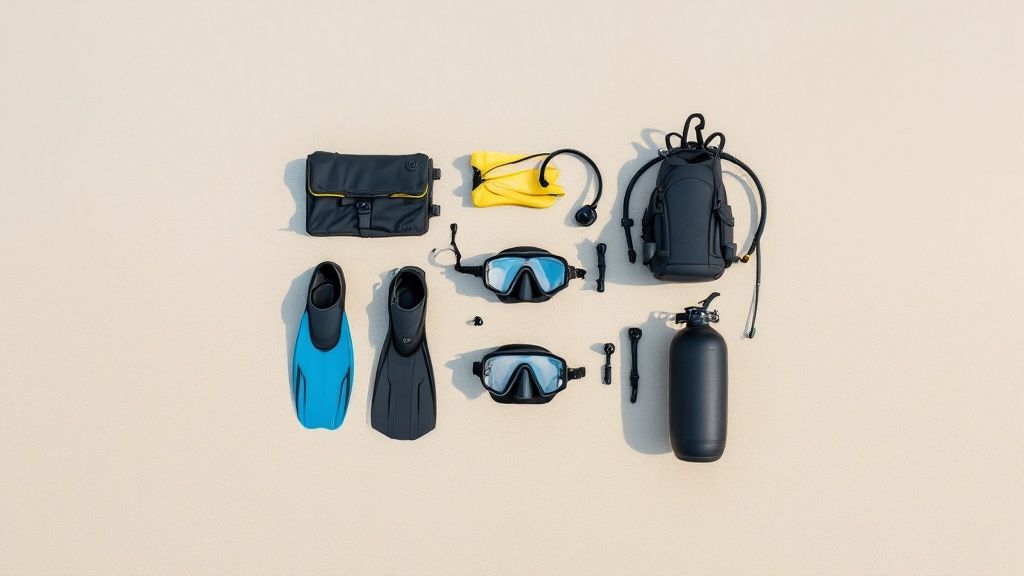
Besides the obvious stuff like your certification card and logbook, there are a few essentials you won't want to forget. Definitely pack some reef-safe sunscreen, a reusable water bottle to stay hydrated, and a good pair of sunglasses for the boat.
While we have top-notch rental gear available, many divers prefer the comfort and fit of their own mask and dive computer. It’s just one less thing to think about when you're gearing up.
One more pro tip: diving is an adventure sport, and it's always smart to be prepared. Before heading out on any thrilling underwater excursions, it's a good idea to look into specialized travel insurance for high-risk adventure sports activities.
When you're ready to see why Kona is a world-class dive destination, let us show you the best spots the Big Island has to offer. Book your next adventure with Kona Honu Divers!