
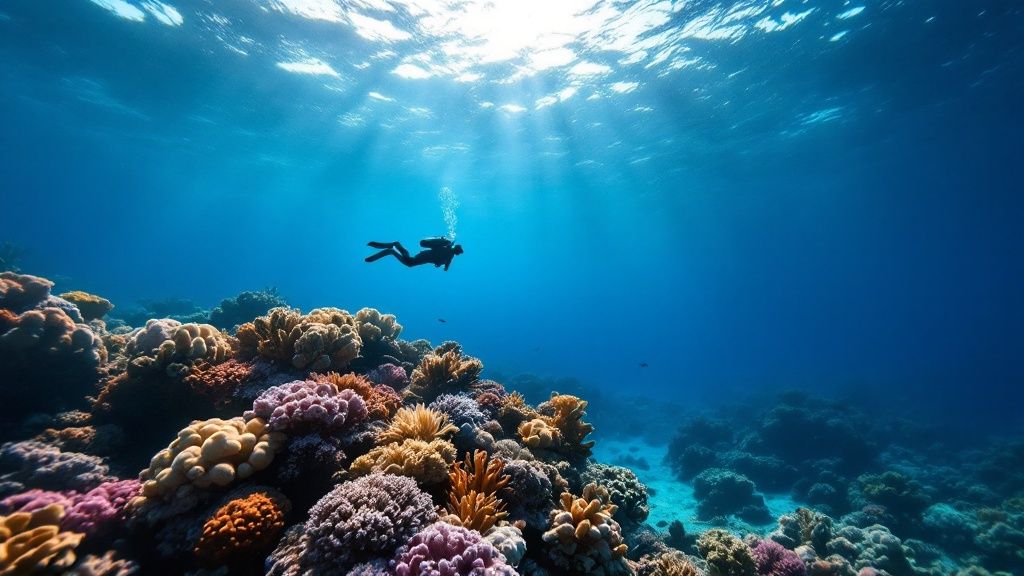
When you think about scuba diving in Hawaii, what comes to mind? For most people, it's the vibrant coral reefs, gentle sea turtles, and maybe even a dramatic volcanic landscape disappearing into the deep blue. Hawaii scuba diving packages are your all-access pass to that world, bundling everything you need—boat trips, gear, expert guides, and even unique dives—into one streamlined experience.
The key is finding the right one for you. Whether you're a complete beginner curious about breathing underwater for the first time or a seasoned pro chasing a once-in-a-lifetime encounter, there’s a package designed with you in mind. It's all about matching your skills and interests to the incredible variety of marine life Hawaii has to offer.
Finding Your Perfect Underwater Adventure
Hawaii's appeal goes far beyond its stunning beaches. Beneath the waves lies a completely different universe of ancient lava tubes, intricate coral gardens, and fascinating creatures you won't find anywhere else on the planet. This underwater playground has made the islands a top-tier destination for divers from all corners of the globe.
Just how popular is it? The numbers speak for themselves. With over 215 licensed dive shops, Hawaii hosts an estimated 1.5 million scuba dives every single year. That massive number is a testament to the islands' universal appeal, drawing everyone from first-timers to lifelong marine enthusiasts.
This incredible demand has led dive operators to create a whole spectrum of Hawaii scuba diving packages. By doing so, they ensure every diver can find an adventure that fits their budget, comfort level, and ultimate diving dream. For example, some shops offer multi-day deals that bundle several boat trips, giving you a comprehensive taste of the local scuba diving Kona, Hawaii scene.
Matching Your Skill Level to a Dive Package
So, where do you start? The first step is a quick, honest check-in on your own experience. Are you dipping your fins in for the very first time, or do you have a logbook full of underwater memories?
- For the First-Timer: If you're completely new to diving, you'll want to look for "Discover Scuba Diving" or "Introductory Dive" packages. These are designed for people with zero experience. You'll get a detailed safety briefing, practice some basic skills in calm, shallow water, and then go on a real dive closely supervised by a professional instructor.
- For the Certified Diver: Already have your C-card? A classic "2-Tank Morning" or "Afternoon Dive" is your go-to. These packages typically include a boat trip out to two different dive sites, letting you explore the best local reefs and marine ecosystems with a knowledgeable guide.
- For the Advanced Adventurer: If you're looking for a thrill, this is where it gets exciting. Seek out the specialty packages. Think deep dives to explore a sunken wreck, the world-famous manta ray dive, or the mind-bending Kona blackwater dive in the open ocean.
Figuring out which category you fall into is the best way to start planning an unforgettable trip.
To make things even clearer, let's break down the most common options you'll find. This table gives you a quick snapshot of what to expect based on your experience level.
Quick Guide to Hawaii Scuba Diving Packages
| Diver Level | Common Package Types | Key Inclusions | Best For |
|---|---|---|---|
| Beginner/First-Timer | Discover Scuba Diving, Open Water Certification | All gear, instructor, training, guided shallow dives | Individuals curious about scuba or wanting to get certified. |
| Certified Diver | 2-Tank Morning/Afternoon Dives, Shore Diving | Tanks, weights, dive guide, boat transport | Certified divers wanting to explore local reefs with a guide. |
| Advanced/Specialty Diver | Manta Ray Night Dive, Blackwater Dive, Advanced Charters | Specialized gear (lights), expert guides, unique locations | Experienced divers seeking thrilling, one-of-a-kind underwater encounters. |
With these categories in mind, you can confidently start browsing dive shop offerings and find the package that will turn your Hawaiian diving dreams into reality.
What to Expect in Your Scuba Diving Package
Booking a Hawaii scuba diving package feels like you're grabbing an all-access pass to an underwater paradise. But before you take the plunge, it's a good idea to know exactly what's included versus what might be an extra charge. It’s the difference between a smooth day on the water and a few unwelcome surprises back at the dock.
Most standard dive packages, particularly the ones that involve a boat trip, are going to cover the absolute essentials to get you in the water. This is your baseline for a safe and successful day of diving.
But here’s the thing: the details are where packages from different operators can look wildly different. A trip that seems like a steal at first glance might end up costing you more once you add up all the "extras."
What’s Typically Included
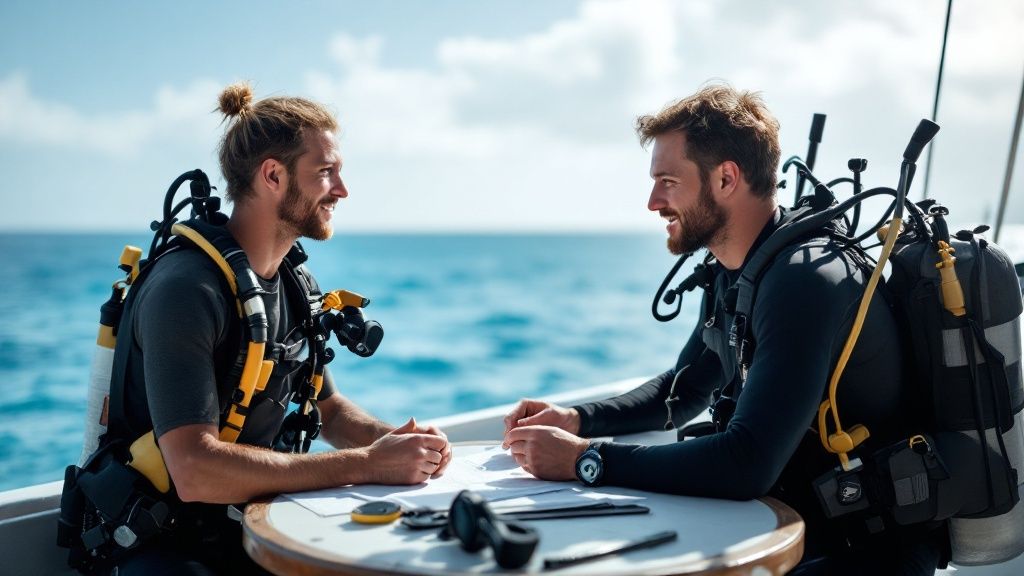
When you sign up for a standard 2-tank boat dive, you can pretty much count on a few core things being part of the deal. Think of these as the non-negotiables for any reputable dive charter.
- Tanks and Weights: These are the heaviest bits of gear, so it's a good thing nearly every operator provides them. You'll get standard air-filled aluminum 80 cubic foot tanks and the lead weights you need to get your buoyancy just right.
- A Certified Dive Guide: Your package pays for a professional, insured Divemaster or Instructor who knows the local sites like the back of their hand. They’re there to lead the way, point out cool marine life, and handle any safety issues.
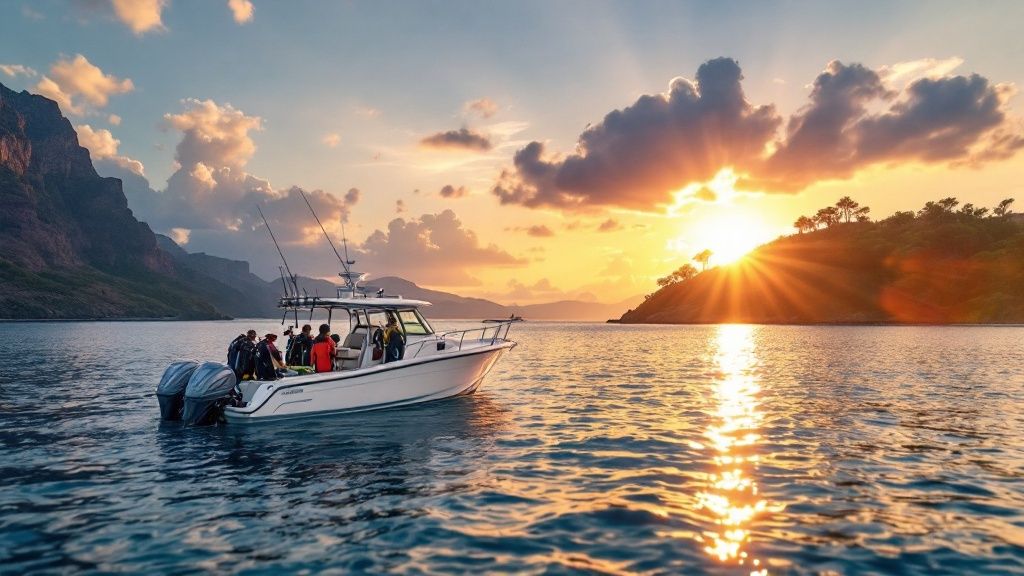
- Boat Transportation: The price covers your seat on a licensed and insured boat that will get you out to the dive sites and back, which are often a few miles offshore.
- Snacks and Drinks: Most good dive shops will have some light refreshments on board for your surface interval. We're talking water, juice, and simple snacks like fruit or granola bars to keep your energy up.
These basics will get you on the boat and into the water, but they don't cover the whole picture.
What’s Often an Extra Cost
This is where you need to put on your detective hat. A lot of essential gear and services are often considered add-ons, and they can definitely impact your budget if you aren't ready for them.
A good dive operator is always upfront about potential costs. They want you to know exactly what you're paying for before you commit, so there are no awkward conversations later.
Here are the common extras that usually aren't baked into the base package price:
- BCD and Regulator Rental: Your main life support gear is almost always rented separately. If you don't own your own BCD and reg, plan on paying a rental fee.
- Wetsuit, Mask, and Fins: Just like the hard gear, these more personal items are usually add-on rentals.
- Nitrox Fills: For certified Nitrox divers looking for a little more bottom time, enriched air is almost always an extra charge for each tank.
- Crew Gratuity: Tipping the boat captain and your dive guide is customary in the industry (15-20% of the trip price is standard) but it's never included in the package cost.
Knowing this ahead of time helps you budget properly and pick a package that truly fits what you need, without any last-minute sticker shock.
Questions to Ask Before You Book
To make sure you're totally clear on what you're getting, it’s always smart to ask some direct questions before you hand over your credit card. Great companies like Kona Honu Divers are well-known for being transparent and helpful, which is the standard you should look for.
Here’s a quick checklist of questions to run through with any dive operator:
- Does the price include all rental gear—BCD, regulator, wetsuit, the works?
- What’s your cancellation policy?
- Are there any other marine park fees, port fees, or taxes I should know about?
- How many divers do you typically have per guide?
- Is Nitrox available, and what's the extra charge per tank?
- Are snacks and drinks provided on the boat?
- Do you offer any discounts for booking multiple days of diving?
Asking these questions upfront is the best way to compare Hawaii scuba diving packages fairly. It empowers you to book with confidence, knowing you've got all the details sorted for your adventure.
Hawaii’s Most Iconic Dive Experiences
Sure, any dive in Hawaii is going to show you a stunning underwater world. But some experiences are so unique, so absolutely unforgettable, that they become the highlight of a diver's entire career. These are the dives people travel across the planet for. So, when you’re looking at Hawaii scuba diving packages, it's worth seeing if one includes a bucket-list adventure you’ll be talking about for the rest of your life.
These signature dives are a huge part of what makes Hawaii a global diving hotspot. The entire diving tourism market is booming, expected to jump from USD 11.2 billion in 2025 to a massive USD 18.5 billion by 2035. That growth is fueled by divers seeking out truly special encounters like the ones Hawaii offers.
Interestingly, many of Hawaii’s most famous dives happen long after the sun sets. The reefs completely transform at night, revealing a mysterious and thrilling side of the ocean. Let’s look at two of the most famous night dives in the world, both happening right here off the coast of Kona.
The Kona Manta Ray Night Dive
Picture this: you're kneeling on the ocean floor in the dark. Your guide has set up powerful lights that shoot beams up into the water column, attracting swarms of plankton. Then, out of the blackness, the first shadow appears. It's a giant manta ray, gliding effortlessly toward the light. Soon, it's joined by another, and another. They swoop, glide, and perform silent barrel rolls just inches above your head in a mesmerizing underwater ballet.
This is the world-famous Kona Manta Ray Night Dive, an experience that’s consistently voted one of the best night dives on the planet. While the mantas are completely wild, they've grown accustomed to the lights, making for a reliable and breathtakingly magical encounter.
There's nothing quite like watching these gentle giants, with wingspans stretching over 12 feet, perform their graceful feeding dance. It’s a peaceful, humbling, and profoundly moving experience for divers of every skill level.
This dive is a true can't-miss for anyone visiting the Big Island. You can dive deeper into what makes this experience so special and why Kona is the perfect spot for it in our complete guide to the manta ray dive.
The Kona Blackwater Dive
If you're looking for something truly surreal, the Kona Blackwater Dive is it. This isn't your typical reef dive. Instead, the boat takes you miles offshore, where the ocean floor is thousands of feet below. You drop down to about 50 feet and drift in the open ocean, tethered to the boat for safety, with only your dive light to pierce the inky blackness.
It’s like a journey into the abyss. As you float, you're witnessing one of the largest migrations on Earth, the Diel Vertical Migration. Countless tiny, bizarre, and often bioluminescent creatures rise from the depths to feed near the surface under the cover of darkness.
You’re likely to see things you've never imagined:
- Pygmy Squids: Miniature, iridescent creatures that flash with vibrant colors.
- Pelagic Sea Horses: Incredibly rare critters found floating far from any reef.
- Larval Creatures: The alien-looking baby versions of eels, lobsters, and fish.
The Kona Blackwater Night Dive is a thrilling peek into a hidden world, filled with life forms that seem straight out of a sci-fi movie. It's an advanced dive that delivers a feeling of pure discovery unlike anything else.
How To Choose the Right Dive Operator
Let’s be honest, the dive operator you go with can make or break your entire trip. This is probably the most important decision you'll make. They're so much more than a boat taxi—they are your guides to the underwater world, your safety crew, and the folks who know where all the cool stuff is hiding.
A fantastic operator turns a good dive into a memory you’ll talk about for years. On the flip side, a mediocre one can leave you feeling disappointed, or worse, unsafe.
Finding the right shop isn't about chasing the cheapest Hawaii scuba diving packages. It’s about finding a crew that matches your diving style and what you want out of the experience. You have to consider their safety record, the quality of their boats, how crowded their groups are, and if they actually care about protecting the reefs.
To give you a better idea, let's talk about a few of the most respected dive operators here on the Big Island. Each one has its own vibe and caters to different kinds of divers. Figuring out their strengths will help you know what to look for. And if you want to get really granular, we have a complete guide on how to choose a Kona dive shop.
Kona Honu Divers
These guys are consistently top-rated, and for good reason. Kona Honu Divers is all about the customer experience, and they're particularly known for keeping their dive groups small. This means you get way more personal attention, which is a game-changer for new divers needing a bit more guidance or photographers who need space to frame that perfect shot.
Their boats are custom-built with divers in mind—think warm freshwater showers after a dive and plenty of shade. They’re famous for running the legendary Manta Ray Night Dive and the mind-blowing Blackwater Dive, so they're a first stop for anyone with a bucket list.
Jack's Diving Locker
Jack's has been a Kona institution for ages, and they've earned a rock-solid reputation for excellent training and family-friendly trips. As a PADI 5-Star Instructor Development Center, they can teach you anything from your very first breaths underwater to becoming a dive professional yourself.
They have bigger, comfortable boats perfect for families or dive clubs traveling together. Besides the classic reef dives, they are a major player in the manta ray scene and run long-range trips to dive sites that are harder to get to. Their huge retail shop is also a lifesaver if you need to buy or repair gear.
Big Island Divers
If you're an experienced diver looking for a real adventure, Big Island Divers is probably your speed. They are known for exploring a massive variety of sites and for supporting technical diving, including rebreather trips. This makes them a go-to for seasoned divers who are hunting for something new and challenging.
They run a tight, professional operation with several boats. While they welcome divers of all levels, their trips naturally attract a more advanced crowd. If you're hoping to check out deeper reefs or get off the beaten path, Big Island Divers has the gear and the expertise to take you there.
Advanced and Specialty Diving Adventures
So, you’ve got your certification, and you’ve logged a decent number of dives. The familiar reef tours are great, but you’re starting to get that itch for something more—a new challenge, a different kind of dive. This is where Hawaii scuba diving packages for advanced and specialty diving come in. They’re designed for divers like you who are ready to explore deeper, push their skills, and see what really lies in the blue.
It’s not just about adding depth; it's about diving with a real sense of purpose. Advanced packages usually take you to more demanding sites, like the incredible lava walls that just drop off into the abyss or the sunken wrecks that have transformed into thriving artificial reefs. To dive these spots well, you need rock-solid buoyancy, sharp gas management, and an awareness of everything around you, which is a seriously rewarding challenge.
And it seems a lot of divers are looking for these unique experiences. The diving tourism market in the U.S. is booming, with Hawaii at the heart of it. It’s expected to grow from an estimated USD 1,101.6 million in 2025 to USD 1,585 million by 2035. That growth is all about the demand for dives that are more than just a tour—they’re an adventure. If you're curious about the numbers, you can dig deeper into this market growth on Future Market Insights.
Pushing the Boundaries of Your Dive Skills
When you’re ready for that next step, an advanced trip is more than just a spot on a boat; it's a chance to grow as a diver. Many operators run premium advanced dive tours that cater to smaller groups and head out to those more remote, challenging sites. These are perfect if you’re comfortable in the water and want to see something off the beaten path.
Just know that you'll need to meet a few prerequisites before you can jump on one of these charters:
- An Advanced Open Water certification (or an equivalent from another agency).
- A minimum number of logged dives, usually around 25 or more.
- You’ve been diving sometime in the last year, so your skills are fresh.
These aren't just arbitrary rules. They make sure everyone on board is ready for the conditions, which leads to a safer and way more enjoyable dive for the entire group.
Bundling Skills with Your Dives
Here’s a pro tip: one of the smartest ways to level up your diving is to bundle a specialty course with your dive package. Think of it as turning your vacation into a hands-on workshop. You get to learn a new skill and immediately put it into practice in one of the best diving destinations on the planet.
Combining a specialty certification with your dive package is an efficient way to expand your capabilities. You gain a new certification while exploring incredible sites, making every dive a learning opportunity as well as an adventure.
A few popular specialty courses that are perfect to add to a Hawaii package include:
- Enriched Air (Nitrox) Diver: This is easily the most popular specialty for a reason. Diving with nitrox gives you longer no-decompression limits. In simple terms, that means more bottom time, especially when you’re doing multiple dives a day. It’s a game-changer for photographers or anyone who just wants to soak up as much of the underwater world as possible.
- Deep Diver: This certification is your ticket to safely exploring down to 130 feet (40 meters). The course covers everything you need to know about planning deep dives, managing your gas, and handling safety procedures. It opens up a whole new world of deeper wrecks and dramatic geological formations that most divers never get to see.
- Underwater Photographer/Videographer: If you want your friends back home to see what you see, this is the course for you. You’ll learn about composition, working with natural light, and getting your camera settings dialed in to capture stunning shots of Hawaii’s incredible marine life.
By choosing a package that includes advanced dives or specialty training, you're doing more than just booking a vacation. You're investing in your own abilities. You'll head home from Hawaii not just with amazing memories, but with a new level of confidence and skill that will stick with you on every dive you do from here on out.
Common Questions About Hawaii Dive Packages
Let's talk through some of the questions that pop up most often when people are planning a dive trip to Hawaii. Getting these details sorted out ahead of time can make a world of difference. It helps you show up feeling prepared, confident, and ready to jump in.
Think of this as the final checklist for your underwater adventure, whether you're a seasoned pro or just getting your fins wet for the first time.
What Is the Best Time of Year to Scuba Dive in Hawaii?
Honestly, there's never a bad time to dive in Hawaii. The water is warm and inviting all year round. That said, the seasons do offer slightly different experiences.
Summer, from about May to October, usually means calmer seas and incredibly clear water. We're talking visibility that can easily push past 100 feet, making it perfect for exploring those vibrant coral reefs.
But winter, from November to April, has its own special kind of magic. This is when humpback whales make their way to the islands to breed and calve. Hearing their songs echo through the water during a dive is something you'll never forget. And don't worry about rough seas—the Kona coast on the Big Island is naturally shielded from most of the big winter swells, so it stays dive-perfect year-round.
Do I Need to Be Certified to Book a Diving Package?
Not at all! You don't need a single bit of experience to get in the water here. Most dive shops have something called a "Discover Scuba Diving" package, designed specifically for first-timers.
These beginner-friendly trips start with a clear safety briefing and some basic skills practice in shallow water. Then, a certified instructor will guide you on a real dive, staying right by your side the whole time. If you fall in love with it (and you probably will), you can easily sign up for an Open Water certification package to get your full dive license.
What Marine Life Can I Expect to See?
Hawaii's location in the middle of the vast Pacific has created an underwater ecosystem that’s truly one-of-a-kind. A huge number of the reef fish you'll see are endemic, meaning this is the only place on the planet you can find them.
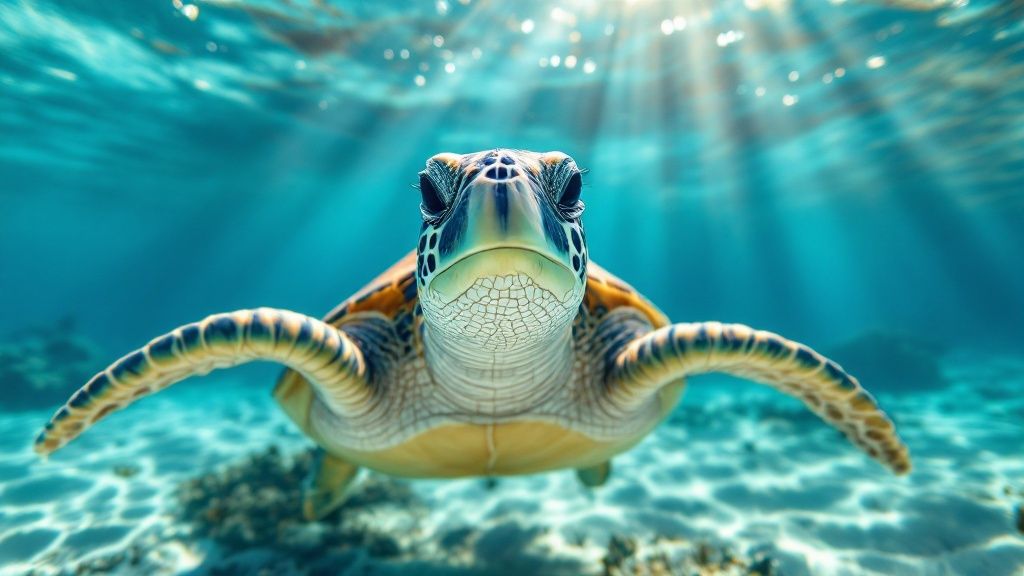
You're almost guaranteed to see Hawaiian green sea turtles (we call them honu), and spotting playful spinner dolphins from the boat is a common treat. Depending on where you dive, you might also run into whitetip reef sharks resting on the sand, graceful eagle rays, curious moray eels, and clever octopuses. And of course, if you book a specialty trip like the Manta Ray Night Dive, you're getting a front-row seat for a guaranteed encounter with those gentle giants.
How Much Does a Hawaii Scuba Diving Package Typically Cost?
Prices can vary quite a bit based on what you’re doing and what’s included. Here’s a general idea of what to expect:
- Standard Boat Dive: For a certified diver, a typical two-tank boat trip will usually cost between $150 and $250.
- Introductory Dives: First-time dives for beginners fall into a similar range, around $150 to $250.
- Specialty Dives: Bucket-list experiences like the Manta Ray Night Dive or a Blackwater Dive are more specialized and often cost a bit more, usually from $200 to $300.
- Certification Courses: A full Open Water certification course, which includes all your training and dives, can run anywhere from $600 to $1,000.
It's always smart to check directly with the dive shop for their current pricing and ask if they offer discounts for booking multiple days of diving.
Ready to explore the vibrant underwater world of Kona? The expert team at Kona Honu Divers is here to guide you on an unforgettable adventure, from the world-famous Manta Ray Night Dive to thrilling advanced charters. Book your dive today and see for yourself why we're Hawaii's top-rated and most-loved dive company.