
Kona usually gives you greater than 100 feet of visibility and water near 75°F, so the first descent can feel almost unreal. Big Island diving works best when you enjoy that clarity, but plan around it with the same care you'd use anywhere the ocean is deep and the boat is moving.
The reward is immediate. You drop into blue water, the reef starts showing shape instead of just color, and the ride back at dusk can feel like the whole day was built around that one quiet minute underwater. The part most visitors miss is that the best dives here aren't just about seeing more, they're about knowing how Kona's sites, weather, and biology work together.
Why Big Island Diving Stands Apart
The first thing you notice on a Kona dive is how quickly the water opens up. One minute you're at the surface with sunlight glittering off the chop, the next you're dropping into a world where the reef comes into focus fast and every fin kick matters. That sharp shift is why Big Island diving keeps drawing people back, not just for pretty water, but for the feeling that the island is letting you in on something local and alive.
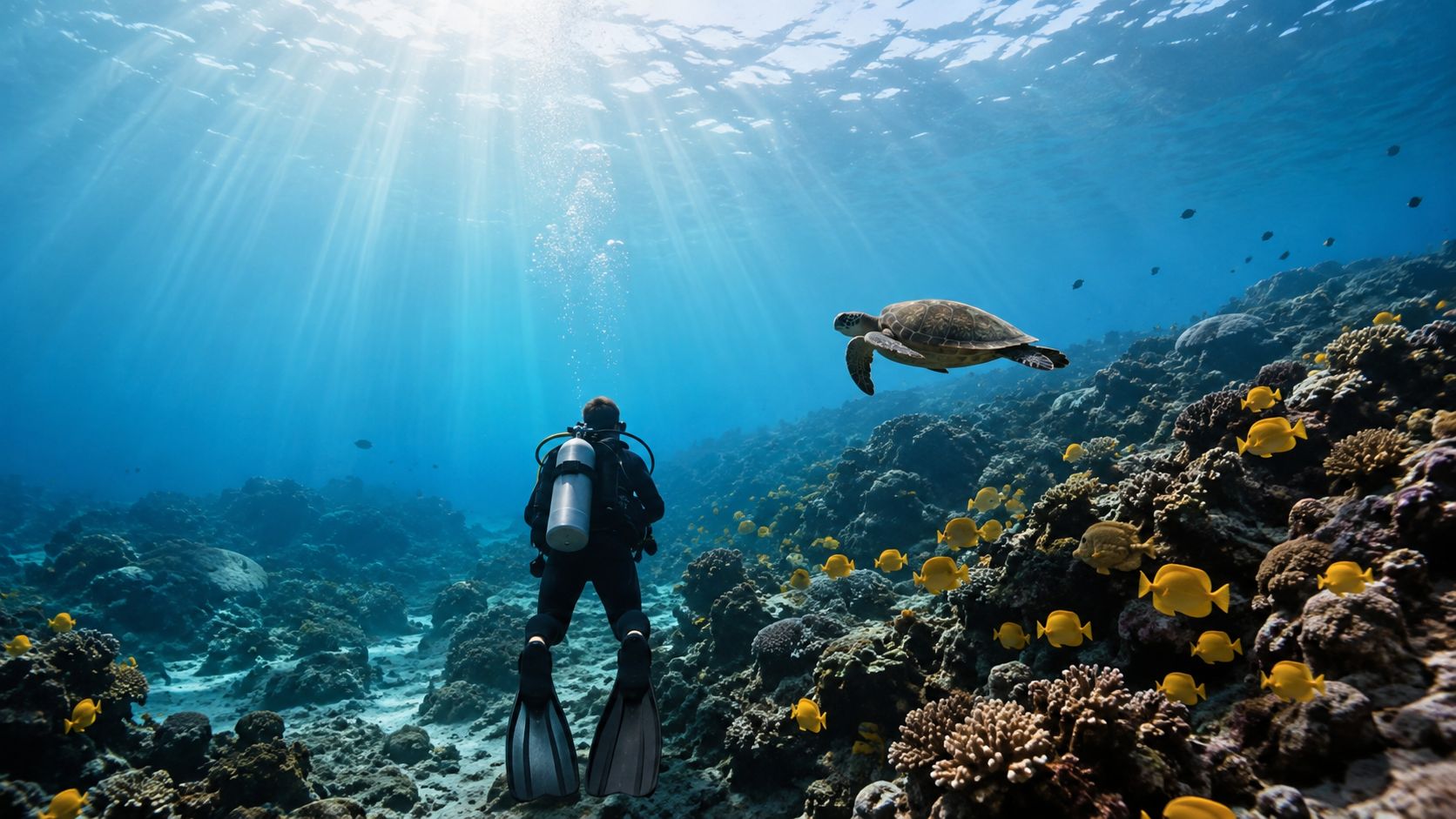
Kona's coastline is different because the dives feel site-specific rather than interchangeable. A manta site, a lava-tube reef, and a calm morning charter all reward different kinds of divers, and treating them like the same experience is how people end up disappointed. If you want the broader orientation, the Big Island scuba diving ultimate guide is useful, but the practical lesson is simpler, know what the site is built to show you.
Practical rule: pick the dive for the conditions and the goal, not just for the photo. The clearer you are about why you're going out, the better the day goes.
That matters here more than at many beach destinations. Kona isn't a place where you can assume one pretty reef will deliver the whole island's experience. The coast rewards divers who pay attention to the site, the time of day, and the way marine life uses each stretch of water differently.
Understanding Kona's Marine Environment
Kona's west side gives divers a real edge. The coast sits leeward, so surface conditions are often calmer and visibility is often strong, but that ease can make people relax too much. If you want a practical read on why the area dives the way it does, this overview of what makes Kona diving unique is a useful starting point.
Clear water doesn't mean easy diving
Long sight lines change how people behave underwater. Divers separate without meaning to, depth can feel flatter than it is, and a relaxed mood can turn into sloppy gas use if no one agrees on a turn pressure before entry. The smart habit is still the plain one, check swell, wind, current, and water temperature, then match exposure protection to actual conditions and planned bottom time Dive The World.
Kona's seasons matter, but the pattern is not a postcard promise. Winter storms can still interrupt the usual calm, while lower surf in warmer months often makes the west side feel friendlier. Local operators read the day, not the brochure, because one site can be easy in the morning and less forgiving later.
Gas planning matters even in beautiful water
Nitrox helps reduce nitrogen exposure on no-decompression recreational profiles, but it does not turn a dive into free time. Per NOAA's nitrox guidance, the maximum allowable depth is 144 feet seawater, or 150 feet freshwater for nitrox mixes, which is a good reminder that blend, maximum operating depth, and oxygen limit all need to be checked before the dive. In plain terms, nitrox is a planning tool, not permission to ignore depth, ascent, or decompression limits.
The other part of Kona that catches visiting divers off guard is how local the experience feels. Reef quality, current, and boat access can all change from one site to another, so the better plan is to read the day correctly instead of chasing a single “best” dive. That is also where seasickness management and post-dive choices matter. If you are prone to motion sickness, keep breakfast light, stay hydrated, and talk to the crew before departure. After the dive, give yourself time before driving upcountry, because elevation gain can make a normal dive day feel rough if you rush it.
The Manta Ray Night Dive Experience
The Kona manta dive works because the animals are feeding, not posing for divers. Artificial light gathers plankton, and the mantas rise from deeper water to feed by looping, passing, and barrel-rolling through the lit water column PMC research. That feeding pattern is why the encounter feels so close, and why diver behavior matters so much.
How to position yourself
Stay low, stay still, and let the mantas decide how close they come. Abrupt finning, chasing, or aiming lights directly into their eyes can interrupt feeding passes, which is poor practice whether you are scuba diving or snorkeling PMC research.
Practical rule: become part of the background. The less you try to control the encounter, the better it usually goes.
Kona's stronger manta sites are popular for a reason. The Kona manta ray dive guide explains why certain reefs keep drawing repeat visits, while conservation and site-fidelity work from the PMC research shows that these animals use specific habitats, not interchangeable stops. That matters for etiquette. If divers disrupt a site, the local animals do not just shift to another bay the way a migrating group might.
Why Garden Eel Cove gets the nod
Garden Eel Cove is the usual pick for manta-focused diving because the protected setting gives crews more room to manage a night encounter and keep the group organized around the light source. A site like that is easier to run at night and easier for divers to read once the mantas start circling. If you are comparing tour options, the Kona manta ray dive tours make more sense when the operator treats the site with care instead of rushing the group.
The conservation angle is local and immediate. Genetic research found strong female reproductive philopatry and small, genetically isolated island populations, and Hawaiʻi Island mantas also have a tighter home range with direct access to deep water. Protecting encounter sites matters because repeated disturbance here does not get diluted quickly by animals arriving from elsewhere.
Blackwater Diving vs. Day Reef Dives
Blackwater diving and day reef diving ask for different minds. In the day, you're reading structure, fish behavior, coral heads, and your buddy's position against a visible seascape. In blackwater, you're suspended in open darkness, watching strange deep-sea life drift up on the tether line, and the whole experience is more psychological than scenic.
What each dive gives you
Day reef dives are the better choice if you want color, orientation, and easy visual reference points. They suit newer divers, photographers who want structure, and anyone who likes the comfort of knowing exactly where the bottom is. Kona's reef dives can still feel dramatic because of lava formations, but the shape of the dive is familiar and readable.
Blackwater diving is for divers who can handle ambiguity. The appeal isn't coral walls or familiar reef traffic, it's the oddness of the open ocean at night and the chance to see pelagic creatures rise from below. Kona Honu Divers' blackwater dive tour fits that kind of curiosity, while the blackwater dive guide helps set the expectation that this is not a casual “just another night dive” outing.
Who should choose what
If you like calm structure and visible terrain, choose a reef day dive. If you're comfortable in the dark and want something stranger than a reef could ever be, blackwater makes sense. The mistake is treating one as a more advanced version of the other. They're different tools for different moods.
Practical rule: go reef diving when you want reliability, go blackwater when you want novelty and already know your buoyancy is dialed in.
Kona's advanced options make that split even clearer. Divers who want more demanding profiles can look at the advanced long-range dive tour after they've got the basics sorted, but the choice should match comfort in the water, not ego on the dock.
Planning Your Dive Adventures
Good Kona planning starts before you pack a mask. Certification, site choice, and operator style all shape the day, and the island rewards divers who decide those things before the boat leaves the harbor. That's especially true here, where one group may want easy reef time and another may want a more technical, current-aware profile.
Gear and certification
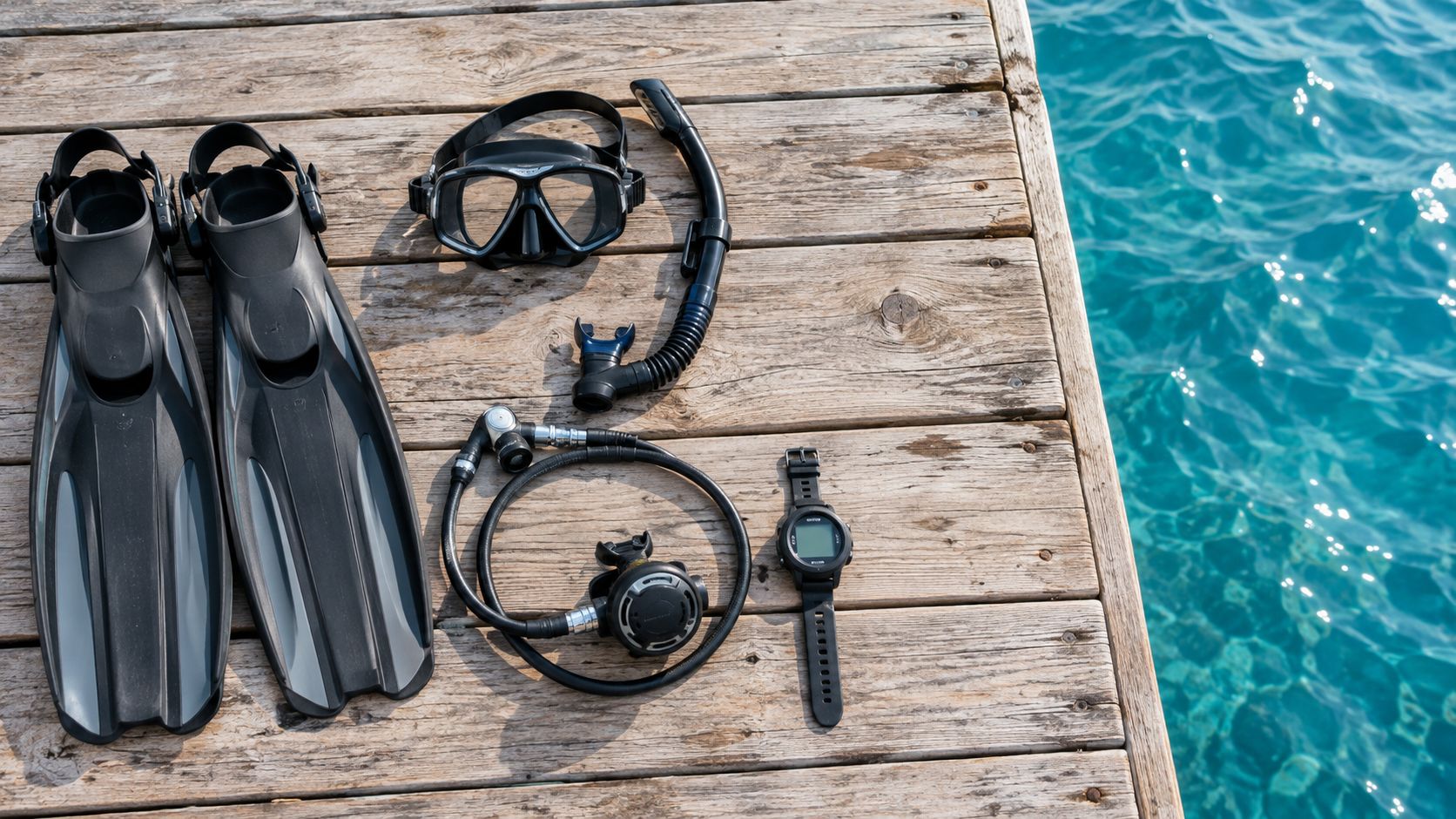
To rent scuba gear independently, you need a PADI or NAUI card. If you're not certified, a resort course gets you into the ocean under supervision without turning your whole vacation into a training block. For visitors who want the logistics handled, Kona Honu Divers' diving tours are one option among several on the coast, but the question is always whether the trip matches your skill level and the dive you want.
Bring the gear you trust most, then rent the bulky or backup items. A good mask fit matters more than fancy kit, and exposure protection should match the actual water and dive plan, not the weather you left behind on the mainland. If you're packing light, the goal is comfort and consistency, not looking overequipped.
Booking and boat logic
A lot of Kona boat dives leave from Honokōhau Harbor, so double-check the harbor name on your confirmation and give yourself time for parking and check-in. Mixed groups also matter. Some operators keep certified divers and snorkelers on the same boat, while others run tighter groups with clearer experience requirements, so choose the format that keeps your trip smooth instead of forcing everyone into the same expectation.
If you're deciding between a reef morning, a manta night, and something more advanced, build the trip around what you can enjoy end to end. A packed schedule can make a great boat day feel rushed, especially once gear, briefing, and harbor timing get involved. Better to leave room for a second dive day than to compress everything into one tired morning.
Safety Considerations and Health Tips
A good Kona dive can go sideways for simple reasons. Seasickness, medication timing, and what you do after the boat docks cause more trouble than reef conditions for a lot of visitors. Generic destination pages tend to skip those parts, but they are the ones that affect whether the day feels easy or miserable.
Seasickness before the boat ride beats seasickness on the water
Divers Alert Network says the center of the vessel has the least vertical movement, so that is the best place to settle if motion sickness starts. DAN also recommends staying low, keeping your eyes near the horizon, or closing them if looking outside makes things worse DAN motion sickness guidance. If you are sensitive to medication, read the label carefully and test your response before you are already on the boat. For a full breakdown of prevention strategies, see our how to avoid sea sickness guide before your trip.
Common over-the-counter options include Dramamine pills, Bonine pills, the Ship-EEZ Seasickness Patch, Sea Band wristbands, and ginger chews. DAN notes that Bonine and Dramamine may work better for some divers when taken the night before instead of the morning of the dive, but you still need to check how long they take to kick in and how long they last before you rely on them for a live trip DAN seasickness treatment guidance.
Elevation after diving is the trap most itineraries miss
The mistake many visitors make happens after the dive is over. Guidance cited in Hawaii's water-quality report advises avoiding elevations above 1,000 feet for 18 hours after the last dive Hawaii water-quality report. That matters on Hawaiʻi Island because you can leave sea level and gain elevation fast, and a Mauna Kea plan is a very different choice from staying along the coast.
The more dives you do, the more careful that timing gets. A summit reservation can look harmless on paper and still be the wrong move once nitrogen loading is part of the day. Dive first, climb later, and do not stack a mountain itinerary onto a fresh ocean day just because the calendar has room.
Practical rule: if you are tempted to “see how you feel after lunch,” the margin is already getting thin.
Sample Itineraries and Final Tips
A first-timer should keep it simple. Do a shallow or moderate reef day, then spend the rest of the afternoon near the coast instead of forcing a summit drive or long excursion. That gives you time to settle in, review what the water felt like, and decide whether your next dive day should be easier or more ambitious.
An experienced diver can stretch the plan a little more, but only if the body agrees with the schedule. A morning reef dive, a later night manta, and a third activity the next day can work if you stay disciplined about gas, rest, and elevation. The better plan is the one that leaves you wanting more water tomorrow instead of needing recovery time today.
For families and mixed groups, the smartest move is matching the boat to the least comfortable person, not the most confident one. If one traveler wants reef fish and another wants the manta show, choose an operator and site that can keep the whole group relaxed. That's where Big Island diving is at its best, because the island offers enough variety to keep everyone in the same vacation without forcing them into the same dive.
Respect for the reef is the constant. Stay off the coral, don't stir sediment, and treat every site like a living place instead of a stage. The coral may look tough from the surface, but stressed sites need cleaner habits, not louder tourists.
If you want a trip built around real Kona conditions, small-group diving, and the kind of logistics that keep the day smooth, book with Kona Honu Divers. They run the local dive formats people come here for, and they can help you choose the right mix of reef, manta, or advanced diving for your schedule.