
You're standing on a Kona dock before sunrise, wondering whether to book a calm reef trip, commit to the manta night dive, or try something more demanding. The answer depends less on a glossy list of sites than on your certification, comfort in open water, tolerance for boat motion, and the kind of marine life you most want to see.
Kona gives big island divers an unusually broad menu, from lava-formed reefs and daytime boat dives to manta encounters and blackwater expeditions. This guide gives you the straight version, including what each trip feels like, who should skip it, what gear matters, and how to book without guessing.
A First Morning on the Water in Kona
At first light, the Kona harbor is all practical noise. Tank valves click open, fins slide across the deck, regulators get checked, and the crew moves through the boarding routine while the coast is still shaded by the mountains. Once the boat clears the harbor, the shoreline quickly becomes a dark volcanic edge behind you, and the water opens into the deep blue that makes Kona different from a typical shallow reef destination.
The first decision is the simplest. Certified divers should choose the trip that matches their recent experience, not the most dramatic title. A two-tank reef charter gives you structure, marine life, lava formations, and daylight. A manta night dive adds darkness, wildlife etiquette, and a later return. Blackwater diving is a specialized mid-water experience for divers who are comfortable following strict instructions in open ocean.
Bring a swimsuit, towel, reef-safe sunscreen, and your logbook if you use one. Operators generally supply the core rental setup, but you should confirm whether you need a personal computer, specialty equipment, or a particular exposure suit before departure. If you aren't certified, a Discover Scuba experience can introduce you to a shallow reef environment without requiring a full certification first.
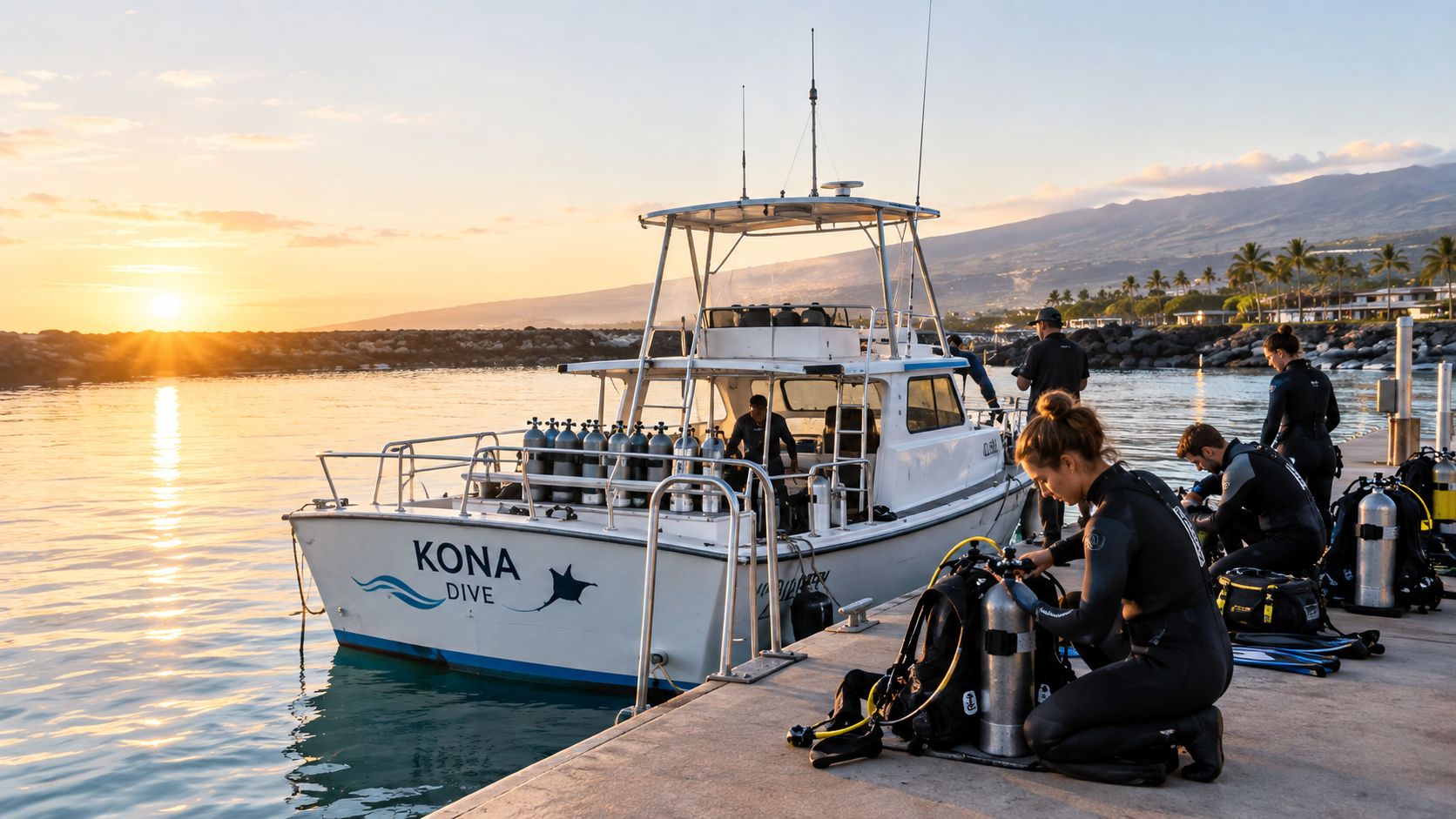
Kona's west-facing coast is usually sheltered from large Pacific swell by Hualālai and Mauna Loa, but shelter doesn't mean every entry is automatically easy. Local wind, winter swell, and microcurrents still affect the day, so check the same-day marine forecast before you commit to a shore entry or boat trip. That small habit prevents a common mistake, choosing an ambitious dive before checking the conditions that will shape it.
How Kona Became a World-Class Dive Destination
Kona became a serious dive destination because its geology gives divers variety close to shore. Volcanic lava forms tunnels, arches, ledges, and pinnacles, while the seabed drops quickly into deep offshore water. Hualālai and Mauna Loa shield much of the west coast from the largest Pacific swell, creating a more dependable operating area than many exposed island coastlines.
That setting supported a small pioneer scene in the late 1960s and early 1970s, then helped it grow into a mature tourism sector. According to Kona Honu Divers' historical overview, the coast developed from fewer than 5 dive shops in the 1970s to around 5 to 10 in the 1980s, 10 to 20 in the 1990s, 20 to 40 in the 2000s, and 50 or more from the 2010s to the present. The same overview estimates more than 50 dive shops and charters today, annual demand of about 150,000 dive tourists, and roughly 100,000 certified dives per year. (Kona's Big Island diving history and industry overview)
Read the coast before choosing a site
Kona can offer 80 to 100 feet or more of visibility, but winter swell can reduce clarity and make exposed entries unsafe. (Kona diving conditions and the best time to dive Hawaii) Check the specific coastline and the day's conditions rather than relying on a general forecast for the whole Kona area.
Site geology determines the experience. A sheltered lava formation may suit divers who want a calm swim-through and reef habitat. A wall or pinnacle better fits divers looking for vertical terrain and a more open profile. Ask the crew what the site offers, then match it to your comfort, experience, and goals.
Practical rule: Kona is a reliable diving destination, not a weather-proof one. Check conditions on the morning of the charter, especially before planning a shore entry.
Kona's geography lets day boats operate on dependable schedules and supports diving throughout the year. Limited current at many sites makes the coast approachable, but every diver still needs accurate buoyancy, gas management, and exposure protection. The setting creates the opportunity. Sound planning determines whether the dive feels comfortable.
Signature Dive Experiences on the Big Island
Kona's signature trips are different enough that choosing by headline alone is a mistake. Daytime reef dives are the broadest fit. Manta night dives are wildlife encounters with a defined viewing format. Blackwater dives are advanced, open-ocean expeditions built around pelagic life rather than a fixed reef.
Daytime reef and lava-formation dives
A daytime two-tank charter is the clear starting point for most certified visitors. You get daylight, easier navigation, and a chance to settle into the water before attempting a more specialized experience. The volcanic coast provides arches, tunnels, reef shelves, and marine-life habitat, so the trip still feels distinctive even if you've logged many tropical reef dives elsewhere.
This option suits divers who want dependable fundamentals: equipment checks, a normal descent, a structured bottom profile, and a surface interval between tanks. It's also the best choice for mixed groups where not everyone wants to dive at night.
Manta ray night diving
The manta dive is the most reliable wildlife-focused option. A 2013 study tracking 240 charter nights recorded mantas on 236 nights, a 99% sighting rate, with an average of 7.1 individual mantas per trip. Some September nights reached 15 rays. (Research and operating context for Kona manta encounters)
My preferred site is Garden Eel Cove. Its protected location, sandy bottom, defined viewing area, and productive reef structure create a better working environment than a rougher or more exposed setup. Light concentrates plankton near the viewing lights, and mantas return to cleaning-station areas where divers can observe them without chasing or touching them. The usual working depth of 15 to 30 feet makes the dive manageable for certified open-water divers with appropriate night-diving preparation.
For tour details, review the Kona manta ray diving experience. The trip suits divers who want a focused wildlife encounter and can remain calm, still, and aware of their position in the water.
Blackwater diving
Blackwater diving is not a reef night dive. It's a mid-water drift over deep open ocean, usually conducted from a boat positioned above steep offshore bathymetry. Kona's deep water begins unusually close to land, allowing divers to observe vertically migrating pelagic animals without a long offshore transit. (How Kona's blackwater dive works)
This is for experienced divers who manage buoyancy automatically and can follow a tethered profile in darkness. One operator describes 45-minute underwater segments for manta and blackwater trips, and nitrox can provide no-decompression advantages for suitable certified divers. (Kona two-tank manta and blackwater diving details)
| Dive Type | Entry / Depth | Certification | Best Time | Best For |
|---|---|---|---|---|
| Daytime reef | Boat entry, reef and lava formations | Certified diver | Daylight | Broadest range of certified divers |
| Manta night dive | Boat entry, 15 to 30 feet at the viewing area | Open Water with night-diving preparation | After dusk | Wildlife-focused divers |
| Blackwater dive | Boat entry, tethered mid-water profile over deep ocean | Experienced divers comfortable in open water at night | After dark | Advanced pelagic encounters |
Boats, Crew, and Gear You Will Actually Use
A good Kona charter should feel organized before the boat leaves the harbor. The 42-foot Force and Red Rock are built around practical dive-day needs, including a boarding layout that keeps gear movement straightforward, shaded cabin space, restroom access, and enough room for surface intervals without turning the deck into a pile of equipment.
The crew structure matters more than flashy boat language. Divemasters work with no more than 8 divers per guide, and local experience shows up in the briefing. Expect a site overview, entry and descent instructions, emergency procedures, gas-management reminders, and a clear explanation of what to do if you separate from the group. The Kona dive boat and captain information gives additional context on the operation.
Rental gear generally includes a BCD, regulator, wetsuit, fins, mask, and computer. Exposure protection may be a 3mm or 5mm wetsuit, depending on the season and your personal comfort. Confirm fit early. A mask that leaks or a wetsuit that restricts breathing can distract you throughout the dive.
| Provided on the Boat | Bring With You |
|---|---|
| BCD and regulator | Towel |
| Mask and fins | Swimsuit |
| Dive computer | Reef-safe sunscreen |
| Wetsuit, 3mm or 5mm depending on season | Logbook, if you keep one |
| Tanks and standard charter support | Personal medications and required certification details |
Leave bulky valuables at the hotel. Bring only what you'll use between the dock and the water, and keep loose items secured during the crossing.
Courses and Certifications for Every Level
The right course depends on what you want to do after the vacation. A first-time visitor who wants one underwater introduction shouldn't enroll in an advanced program. A certified diver planning manta and blackwater experiences shouldn't spend the entire trip repeating basic skills.
Start with the experience that matches your logbook
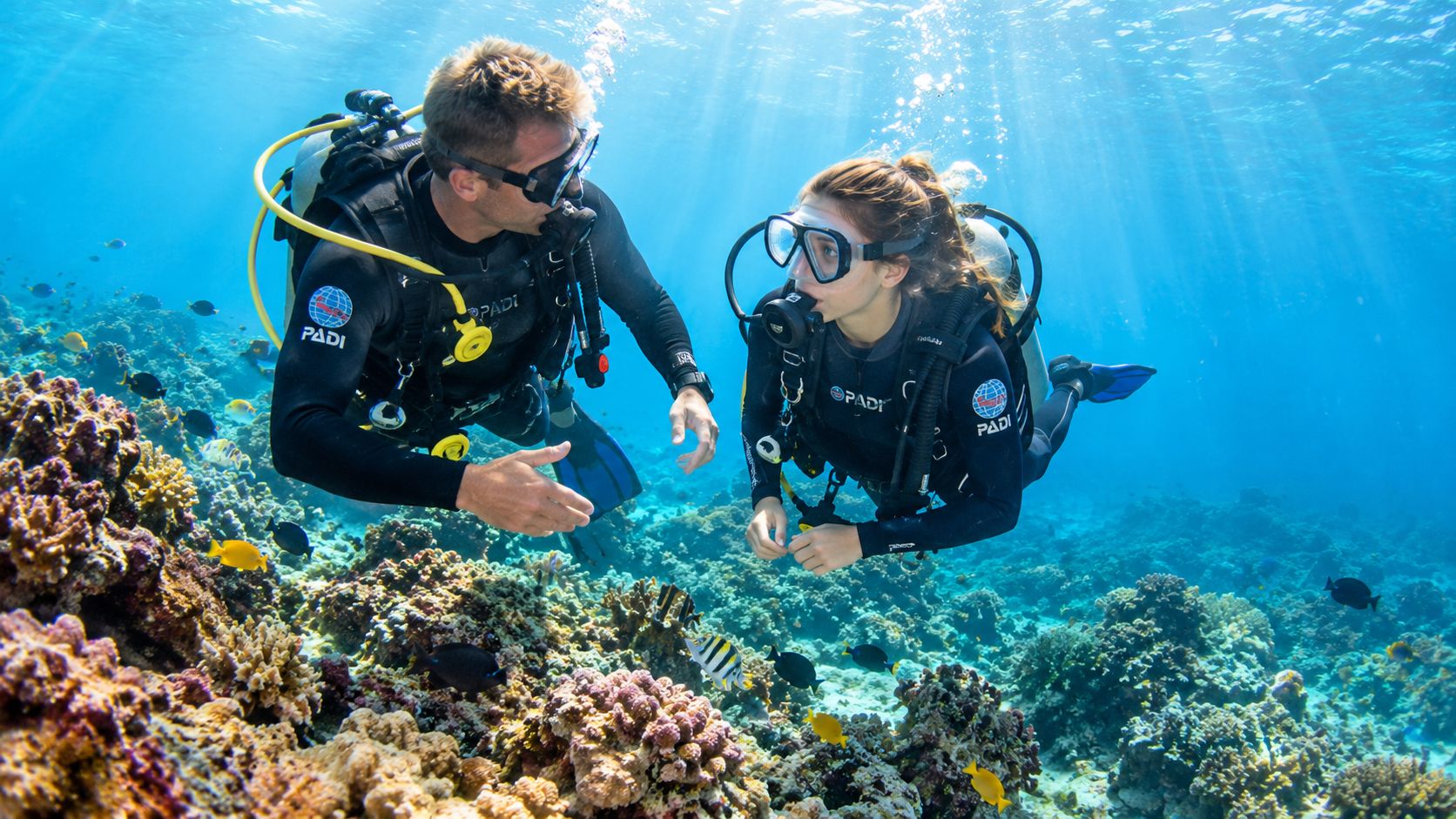
Discover Scuba suits first-timers who want a one-day reef introduction without beginning a full certification immediately. The instructor controls the pace, keeps the profile appropriate for the student, and focuses on comfort, breathing, basic equipment use, and simple underwater movement.
An Open Water referral completion fits visiting students who have already completed the academic and pool portions elsewhere. Kona becomes the location for completing the required open-water work, subject to scheduling and documentation.
The next step is Advanced Open Water, which builds experience across deeper and specialty-style dives. It makes sense for newly certified divers who want structured guidance before attempting demanding night or pelagic profiles.
Choose specialties for a reason
A Deep course builds judgment for deeper planning, gas use, buoyancy, and task loading. Nitrox focuses on gas analysis, operating limits, and deciding when enriched air suits the planned profile. Peak Performance Buoyancy is the most immediately useful specialty for divers who touch the reef, struggle with trim, or use too much gas.
Underwater photography adds camera handling without sacrificing buoyancy awareness. The Manta Ray Specialty is the local choice for divers who want a formal framework for wildlife behavior, positioning, and responsible observation.
Rescue training and Divemaster preparation belong to a different category. They require a serious commitment to problem management, leadership, and assisting other divers. Use the Big Island scuba classes to match prerequisites and scheduling to your current certification.
If your trip is short, book one course that solves a real weakness. If you're staying longer, combine training with a guided dive that lets you apply the new skill under supervision. More certifications don't automatically make someone ready for blackwater diving. Calm buoyancy, disciplined gas management, and honest self-assessment matter more.
Safety, Conservation, and Seasickness Preparation
Kona's water can look calm from the dock while still demanding disciplined preparation. Start with your computer. Use a dive computer on every dive, review the planned profile, and complete a deliberate pre-dive check of gas, releases, weights, regulator function, and exposure protection.
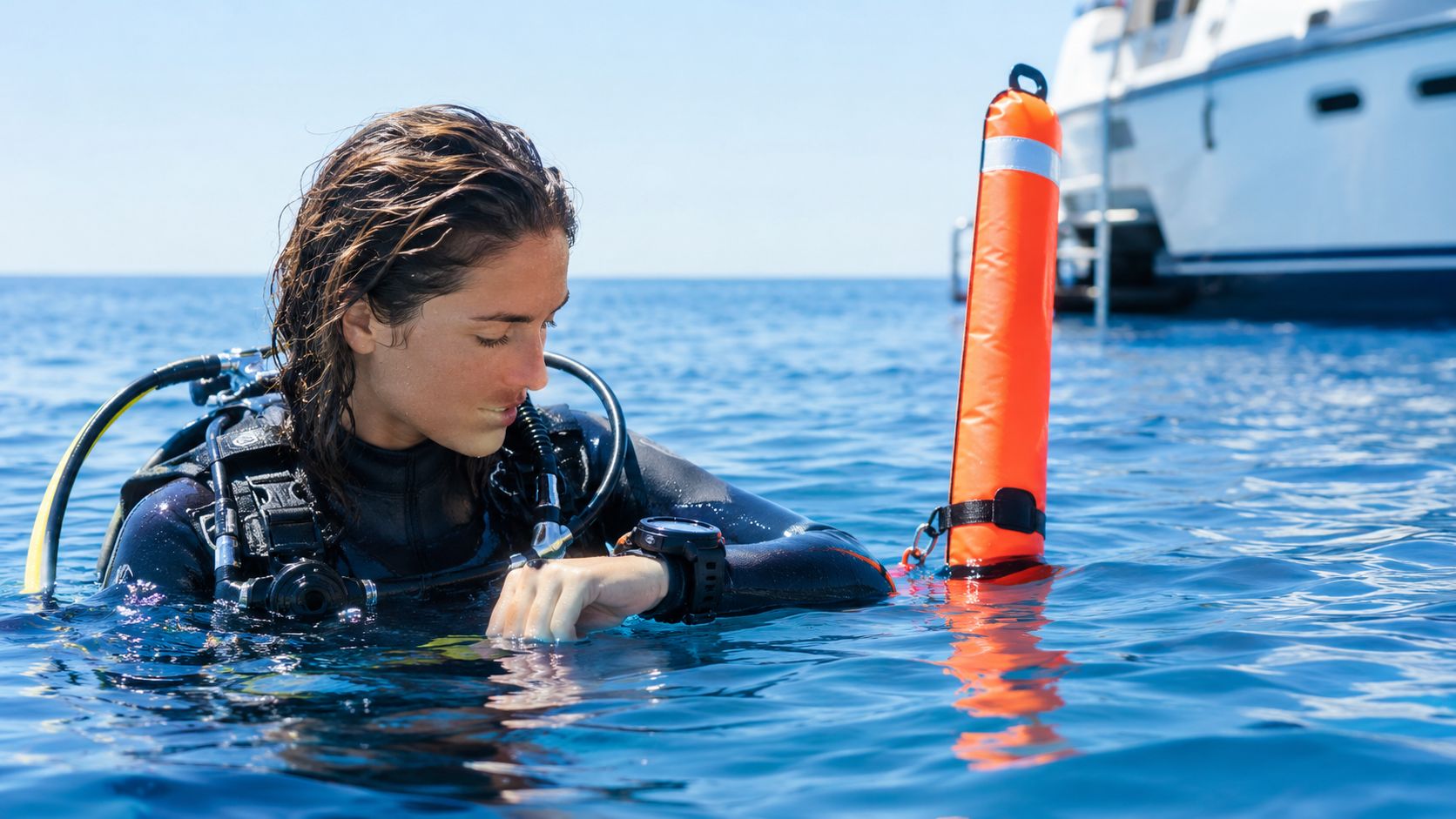
Carry or confirm access to a surface marker buoy when the dive plan requires one. Know the operator's emergency process and the location of the nearest recompression resources, including the reference to the hospital in Hilo. Don't treat a professional crew as a substitute for personal readiness.
Protect the reef and the animals
- Control your weighting: Correct weighting improves trim, reduces contact risk, and makes gas management easier.
- Secure loose equipment: Dangling gauges, clips, and cameras can snag coral or marine life.
- Keep your hands off the reef: Hover above the bottom instead of standing, kneeling, or grabbing formations.
- Use reef-safe sunscreen: Apply it before boarding so it has time to absorb and reduce runoff.
- Respect manta behavior: Stay near the sandy bottom or designated viewing area, never chase or touch rays.
Hawaiʻi law HRS 188-39.5 prohibits capturing, possessing, abusing, or entangling rays in state marine waters. The cited penalty structure begins at a $500 fine for a first offense and can rise to $10,000, with an additional administrative fine of up to $10,000 per animal. (Manta dive etiquette and Hawaiʻi ray protection rules)
Handle seasickness before the dock
Hydrate the night before, eat a light breakfast, and avoid boarding with either an empty stomach or a heavy meal. Ginger chews can help some guests, while over-the-counter options include Dramamine pills and Bonine pills. A lower-cost wristband option is Sea Band, and some guests use the Ship-EEZ Seasickness Patch.
These Kona seasickness tips also cover preparation. Ask a medical professional about prescription scopolamine patches before travel, especially if you have health conditions or take other medications. Test any medication before the charter, never combine products casually, and follow the label.
Booking, Logistics, and Discounts
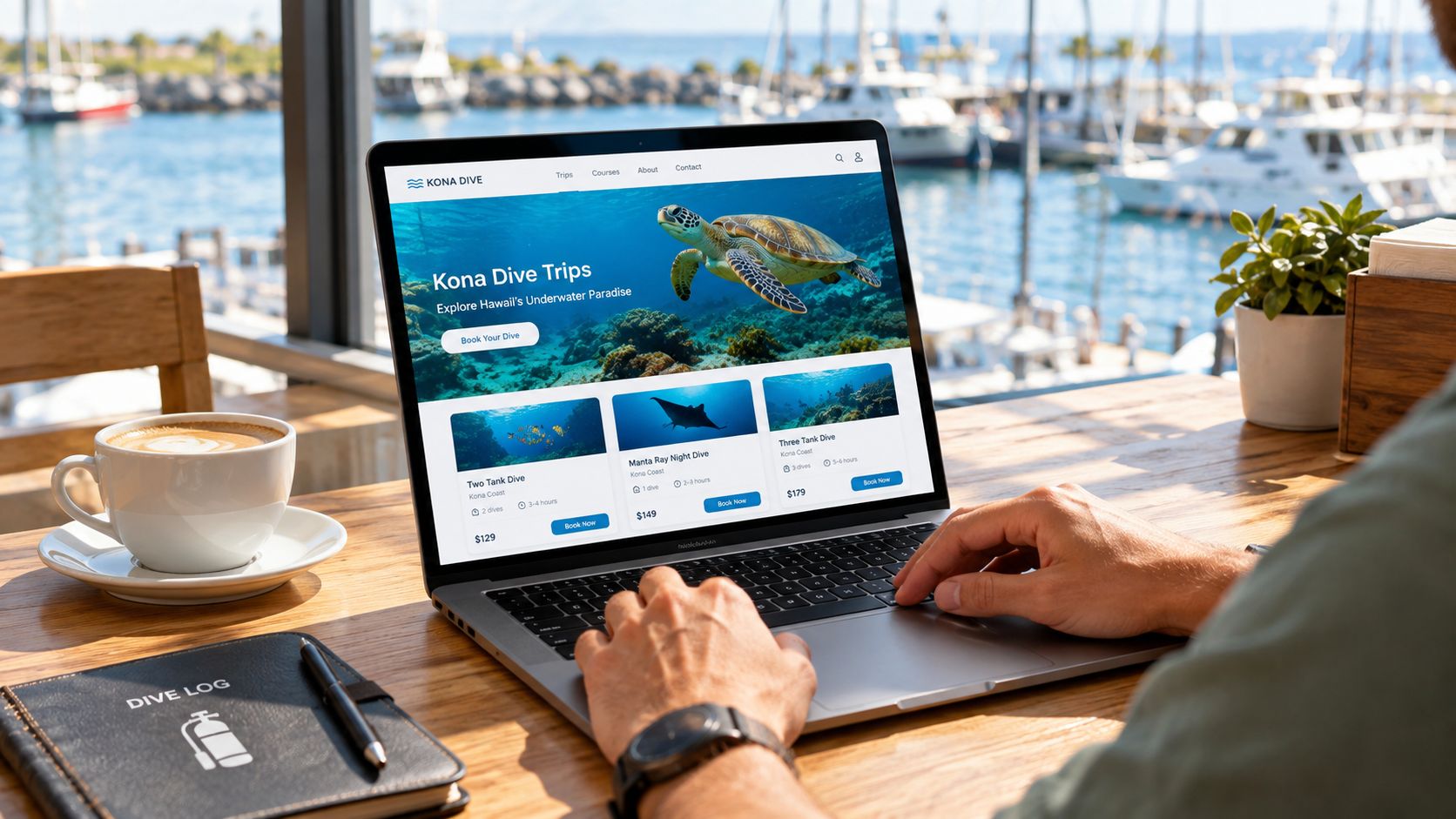
Use the booking widget like a checklist, not a guessing game. Select the date, enter the number of divers, then choose the experience that matches your certification and comfort. The main decisions are usually a manta night trip, a two-tank daytime reef charter, or a blackwater option.
Kona-side logistics are straightforward. Pickup is available from designated zones around Aliʻi Drive resorts, Keauhou, and Waikoloa, while guests driving themselves can use the harbor self-park lot. Confirm the exact pickup point in your reservation because resort access and loading areas can vary.
Match the departure to your priorities
The 8:00 a.m. boat is the practical choice when you want the calmest surface conditions and a full day after diving. Manta check-in occurs 30 minutes before dusk, which gives the crew time to organize equipment and complete the briefing before darkness. Blackwater launches run after dark and suit divers who specifically want a pelagic night profile.
Early risers should check the available coupons and early-diver offers. The operator advertises a reduced rate for bookings before 8:00 a.m. and free nitrox for certified EAN divers on qualifying boats. Confirm eligibility at checkout rather than assuming every trip qualifies.
Booking advice: Choose the trip first, then solve transportation. A convenient pickup won't make an unsuitable dive enjoyable.
Review the minimum certification level for the selected trip, the 24-hour cancellation terms, and the rebooking policy before paying. Weather decisions belong to the operator. If a charter is canceled, ask whether the reservation receives credit, rebooking, or refund under the current policy.
Pack a swimsuit under your clothes, a towel, reef-safe sunscreen, and any personal medication. The crew supplies the standard onboard dive equipment and charter support described earlier.
Why Choose Kona Honu Divers and FAQs
A first-time visitor, a newly certified diver, and a technical enthusiast should not choose the same Kona trip. Kona Honu Divers suits guests who want guided options across that range, with purpose-built boats, intimate groups, and instructors who can adjust briefings to different experience levels. Beginners can start with Discover Scuba, while experienced divers can book longer-range profiles around South Kona lava tubes and reefs.
That range matters more than a long activity menu. Choose a daytime reef trip for a measured introduction, a manta night for a focused wildlife encounter, or blackwater diving only if you already handle night conditions and demanding profiles comfortably.
Garden Eel Cove is the practical manta choice because its protected location, defined viewing area, and short surface swim simplify the experience. Kona Honu Divers is the only operator described here as running Garden Eel Cove manta trips nightly. Verify the current itinerary and operating conditions before booking.
Common questions from visiting divers
What visibility should I expect? Winter planning commonly uses 60 to 100 feet, while summer planning uses 80 to 120 feet, though swell, wind, and site selection can change conditions day to day. Treat those ranges as planning guidance, not a promise.
Can a non-diver ride along? Ask before booking. Ride-along availability depends on the boat, passenger capacity, and trip type.
How old must guests be? The stated minimum is 10 for Discover Scuba and 12 for boat trips. Confirm the current requirements for the exact activity, especially for night diving.
What happens if weather cancels the charter? The published operating approach is full credit or a refund when the operator cancels for weather. Confirm the current policy before finalizing your plans.
Is nitrox worth it for a two-tank trip? It can help certified EAN divers when the profiles and qualifying boat support it. It does not replace proper planning or disciplined gas management.
Can I record the manta dive? GoPro rentals are available onboard for manta-night footage. Keep the camera secondary to buoyancy, positioning, and animal behavior.
| Season | What to expect | Best fit |
|---|---|---|
| Winter | 60 to 100 feet visibility, with more swell possible at exposed entries | Choose sheltered sites such as Garden Eel Cove |
| Summer | 80 to 120 feet visibility and generally calmer entries | A good window for Discover Scuba and night dives |
Choose the trip around your certification, comfort, and goals. Kona Honu Divers offers guided daytime reef dives, manta night dives, blackwater trips, and scuba courses for different experience levels. Review the current options at Kona Honu Divers and select the Big Island dive that fits your logbook and schedule.