
Dreaming of exploring vibrant coral reefs and swimming alongside graceful sea turtles? Hawaii's warm, clear waters are the perfect classroom for new divers. But with so many islands and dive sites, choosing the right spot can feel overwhelming, especially when you're just starting out. This guide is specifically designed to eliminate that confusion and help you find the absolute best scuba diving in Hawaii for beginners, ensuring your first underwater adventure is safe, spectacular, and utterly unforgettable.
We've done the research for you, pinpointing the top-rated locations across the islands that are perfectly suited for novice divers. From the protected, crystal-clear coves of Maui to the historically rich bays of the Big Island, each entry details why it's ideal for those new to the sport. We'll break down the marine life you can expect to see, the typical conditions like depth and visibility, and what makes each spot a standout choice. Before embarking on your underwater adventure, it's crucial to consider safety and preparation, especially by looking into travel insurance for high-risk adventure sports activities to ensure you're covered for the unique aspects of scuba diving.
This listicle provides actionable insights to help you plan your dive with confidence. You'll learn which sites offer the calmest waters, the most abundant and easy-to-spot wildlife, and the most reliable tour operators to guide you. Our goal is to equip you with all the necessary information to select a beginner-friendly dive that matches your comfort level and exceeds your expectations, setting the stage for a lifelong passion for exploring the world beneath the waves.
1. Molokini Crater, Maui
Molokini Crater, a distinctive crescent-shaped islet just 2.5 miles off Maui's southwest coast, is a world-renowned destination and arguably one of the best spots for scuba diving in Hawaii for beginners. This partially submerged volcanic cinder cone forms a natural marine sanctuary, protecting its inner cove from the open ocean's strong currents and waves. The result is an exceptionally calm and controlled environment, perfect for those new to the underwater world.
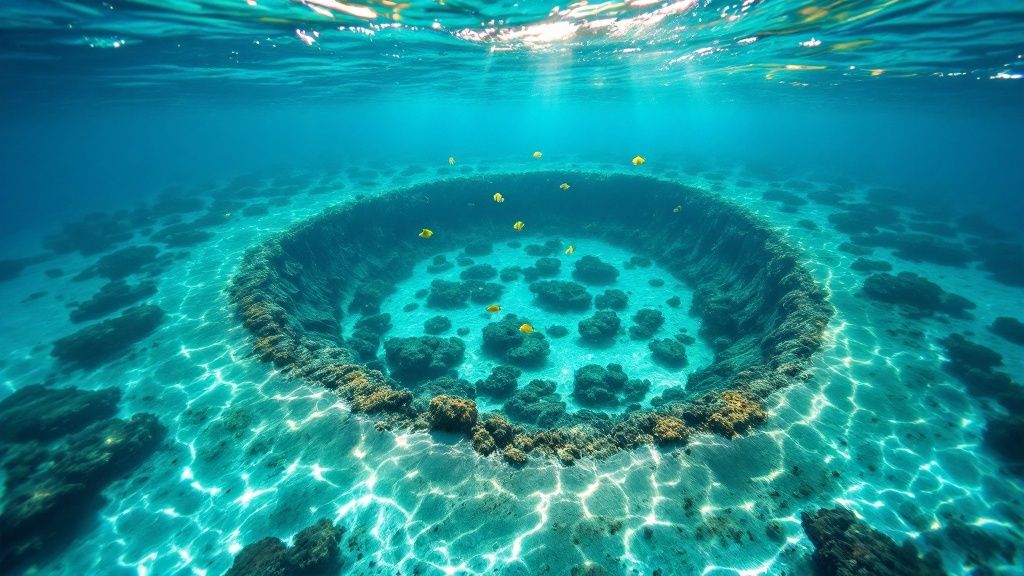
The crater's most significant draw for new divers is its phenomenal water clarity. Visibility often exceeds 150 feet, creating a bright, aquarium-like setting that helps build confidence and allows for breathtaking views of the vibrant coral reef and its inhabitants. The sheltered conditions mean minimal surge, making it easier for beginners to practice buoyancy control and focus on their breathing techniques without battling unpredictable water movement.
Why It's Perfect for Beginners
Molokini offers a gentle introduction to ocean diving. The shallow inner reef, with depths ranging from 20 to 50 feet, is teeming with a diverse array of marine life. First-time divers can expect to see:
- Colorful Reef Fish: Schools of yellow tang, parrotfish, butterflyfish, and Moorish idols are abundant.
- Unique Creatures: Look for the Hawaiian state fish, the Humuhumunukunukuāpuaʻa (reef triggerfish), octopus hiding in crevices, and elegant moray eels.
- Healthy Coral Formations: The crater boasts a thriving hard coral reef ecosystem, protected by its status as a Marine Life Conservation District.
Finding the Right Dive Operator
Numerous reputable dive companies on Maui specialize in taking beginners to Molokini, ensuring a safe and memorable first dive. They provide all necessary equipment, thorough safety briefings, and expert guidance from certified PADI instructors.
- Maui Dreams Dive Company: Known for its comprehensive beginner programs and friendly staff.
- Extended Horizons Scuba: Focuses on smaller group sizes for a more intimate and personalized diving experience.
- B&B Scuba: Offers daily trips with highly experienced instructors who excel at making new divers feel comfortable.
Actionable Tips for Your Molokini Dive
To make the most of your first dive at Molokini, consider these practical tips:
- Book an Early Morning Trip: The waters are typically calmest in the morning, visibility is at its peak, and you'll encounter fewer other boats and snorkelers.
- Choose a Small Boat Operator: Smaller groups mean more one-on-one attention from your instructor, which is invaluable for a first-time diver.
- Take an Introductory Course: If you're not certified, a "Discover Scuba Diving" (DSD) course is the perfect way to experience Molokini. This resort course teaches you the basics and allows you to dive under the direct supervision of a professional. For those wanting to take the next step, you can find information about comprehensive scuba diving certification courses.
- Protect the Reef: Use only reef-safe sunscreen to help preserve Molokini's fragile ecosystem. Avoid touching coral or marine life, as this can cause significant harm.
2. Hanauma Bay, Oahu
Hanauma Bay, a stunning Nature Preserve nestled within a volcanic cone on Oahu's southeast coast, is an iconic location for novice divers. As a protected Marine Life Conservation District, the bay's calm, clear, and shallow waters create an incredibly safe and accessible environment, making it a top contender for the best scuba diving in Hawaii for beginners. The unique circular shape of the bay shields it from ocean swells, resulting in pool-like conditions ideal for your first underwater breaths.
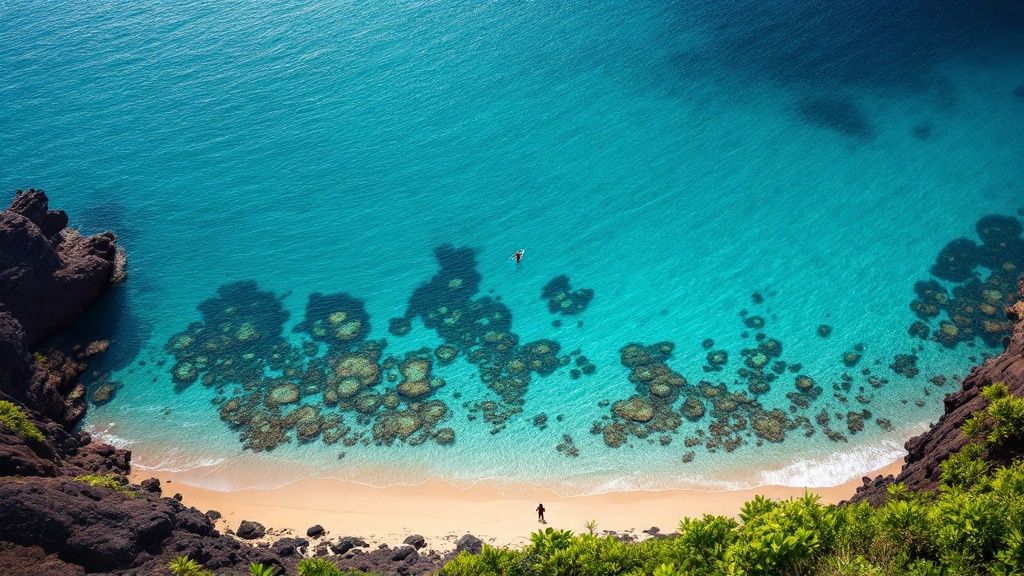
What truly sets Hanauma Bay apart for beginners is its emphasis on education and conservation. Before entering the bay, all visitors are required to watch a short educational video about the area's history, its fragile ecosystem, and how to interact responsibly with the marine life. This preparation builds a foundation of respect for the underwater world, ensuring new divers understand the importance of preserving this natural treasure while enjoying its beauty.
Why It's Perfect for Beginners
Hanauma Bay is essentially a natural swimming pool teeming with life, offering a gentle and highly rewarding introduction to scuba. The inner reef is very shallow, with depths often less than 15 feet, which helps alleviate any anxiety associated with deep water. Beginners can expect to encounter:
- Abundant Fish Life: The bay is famous for its dense population of tropical fish, including parrotfish, damselfish, surgeonfish, and Hawaii's state fish, the Humuhumunukunukuāpuaʻa.
- Hawaiian Green Sea Turtles: Encounters with graceful honu (sea turtles) are very common as they glide through the shallow waters to feed on algae.
- Easy Navigation: The defined reef structure and excellent visibility make it simple for new divers to orient themselves and stay close to their instructor without feeling overwhelmed.
Finding the Right Dive Operator
Several dive shops on Oahu are authorized to guide beginners in Hanauma Bay. These operators handle the required entry reservations and provide all the necessary equipment and professional PADI instruction for a safe and structured experience.
- Oahu Diving: Offers dedicated guided scuba experiences in Hanauma Bay specifically tailored for first-timers.
- Aaron's Dive Shop: A long-standing local favorite that provides comprehensive instruction and equipment rentals for dives at the bay.
- Island Divers Hawaii: Conducts beginner courses and guided dives here, known for their experienced and patient instructors.
Actionable Tips for Your Hanauma Bay Dive
To ensure a smooth and enjoyable dive at this protected preserve, planning is key.
- Make Reservations Well in Advance: A strict reservation system is in place to manage visitor numbers. You must book your entry time online, and slots fill up very quickly, often days ahead.
- Arrive Early: Get to the bay before your scheduled time to secure parking, check in, and rent any necessary gear without feeling rushed.
- Practice Snorkeling First: If you're nervous, spend some time snorkeling on the surface to get comfortable with your face in the water before attempting scuba.
- Protect the Fragile Ecosystem: Always stay within the designated areas and never touch, stand on, or kick the coral. Use only reef-safe sunscreen to protect the marine life.
3. Kealakekua Bay, Big Island
Kealakekua Bay, a stunning Marine Life Conservation District on the Big Island’s Kona coast, is as rich in history as it is in marine biodiversity. Famous for the Captain Cook Monument that marks its shoreline, this sheltered bay offers exceptionally calm and clear water, making it another top-tier destination for the best scuba diving in Hawaii for beginners. Its protected status ensures the coral reefs are pristine and the fish populations are abundant and unafraid of visitors. For those looking to explore the region, there are many excellent diving tours in Kona, Hawaii that frequent this iconic spot.
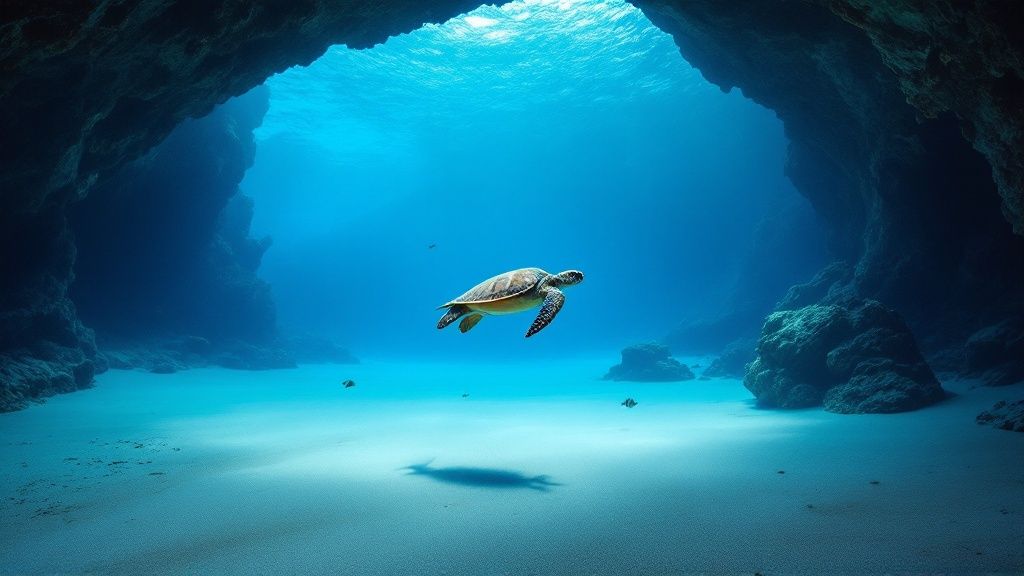
The bay's natural geography shields it from strong ocean currents and large swells, creating a tranquil, pool-like environment perfect for new divers. Visibility here frequently reaches 100 feet, allowing beginners to feel secure as they descend into a vibrant underwater world. The gentle conditions reduce stress and make it easier to master fundamental skills like buoyancy and underwater navigation without having to fight the water.
Why It's Perfect for Beginners
Kealakekua Bay provides an immersive and safe introduction to diving in a thriving ecosystem. The shallow reef slopes gently from the shore, with typical beginner dive depths ranging from 20 to 60 feet. New divers will be surrounded by an incredible density of marine life, including:
- Spinner Dolphins: The bay is a famous resting area for pods of spinner dolphins, which are often seen from the boat and occasionally observed underwater.
- Abundant Reef Fish: Expect to see large schools of yellow tang, raccoon butterflyfish, and sergeant majors, as well as the occasional green sea turtle (honu).
- Vibrant Coral Gardens: The protected reef showcases incredible coral health, with intricate formations that provide homes for countless creatures like eels and octopuses.
Finding the Right Dive Operator
The Big Island is home to many world-class dive operators that provide exceptional service and beginner-focused trips to Kealakekua Bay. They handle all the logistics, from equipment to expert instruction, ensuring your first dive is a success.
- Big Island Divers: Known for their professional and fun-loving crew, they offer excellent beginner tours that prioritize safety and an educational experience.
- Kona Diving Company: Provides comprehensive dive packages and is highly regarded for its knowledgeable instructors and commitment to small group sizes.
- Jack's Diving Locker: A long-standing Kona institution, they offer fantastic eco-tours that emphasize marine conservation and responsible diving practices.
Actionable Tips for Your Kealakekua Bay Dive
To get the most out of your dive in this historic bay, keep these tips in mind:
- Respect the Sanctuary: Kealakekua Bay is a protected area. Do not touch or stand on the coral, and give all marine life plenty of space.
- Prepare for the Boat Ride: The boat ride to the bay can sometimes be choppy. If you are prone to motion sickness, take medication beforehand to ensure you feel your best for the dive.
- Combine with Snorkeling: The bay's shallow areas are perfect for snorkeling. Many dive trips include a surface interval where you can snorkel, giving you a different perspective of the reef. Explore what a Captain Cook snorkeling tour has to offer on konahonudivers.com.
- Listen to Your Guide: Pay close attention to your dive master's briefing. They will share important information about the site's unique features and safety protocols.
4. Turtle Town, Maui
Stretching along Maui's sunny south shore between Nahuna Point and Black Sand Beach, Turtle Town is a series of underwater lava formations renowned for its high concentration of Hawaiian Green Sea Turtles (Honu). This is not one single spot but rather a collection of sites, each offering a unique glimpse into a vibrant marine ecosystem. The ancient lava flows have created a fascinating underwater landscape of arches, caves, and overhangs that provide shelter for an incredible diversity of sea life, making it a top choice for beginner scuba diving in Hawaii.

Unlike the deep-water crater of Molokini, Turtle Town offers relatively shallow dives, typically between 20 and 40 feet. This depth is ideal for new divers, allowing for longer bottom times and reducing anxiety. The gentle slope of the seafloor and generally calm conditions create a relaxed environment where beginners can comfortably hone their buoyancy skills while being mesmerized by the almost guaranteed turtle sightings.
Why It's Perfect for Beginners
Turtle Town provides an unforgettable and accessible wildlife encounter. The main attraction is the Honu, which are accustomed to divers and can often be seen resting on the reef, feeding on algae, or gracefully swimming to the surface for air. This reliable opportunity to dive alongside these gentle giants is a key reason it’s considered some of the best scuba diving for beginners in Hawaii.
- Abundant Marine Life: Besides turtles, you'll find schools of convict tang, butterflyfish, triggerfish, and moray eels peeking out from the lava rock crevices.
- Fascinating Topography: The underwater lava tubes and arches are simple to navigate and add an element of exploration and adventure to the dive without being intimidating.
- Shallow and Calm Conditions: The protected coves and shallow depths make for a very low-stress dive, allowing beginners to focus on their technique and enjoy the scenery.
Finding the Right Dive Operator
Many Maui dive shops offer guided tours to Turtle Town, often as the second dive of a two-tank trip after visiting Molokini. They provide excellent beginner support, including thorough briefings and attentive in-water supervision.
- Maui Dreams Dive Company: Offers specialty tours focused on Turtle Town and is highly regarded for its patient and encouraging instructors.
- Pacific Whale Foundation: Combines diving with a strong educational component, with certified Marine Naturalists on board to share insights about the turtles and the reef ecosystem.
- Lahaina Divers: Known for providing small-group experiences, ensuring personalized attention that is crucial for building confidence in new divers.
Actionable Tips for Your Turtle Town Dive
To ensure a safe and respectful encounter with the resident Honu, follow these guidelines:
- Maintain a Respectful Distance: Hawaiian Green Sea Turtles are a protected species. Never touch, chase, or block their path. Stay at least 10-15 feet away to observe them naturally.
- Practice Neutral Buoyancy: Perfecting your buoyancy control is key to protecting the delicate coral and avoiding stirring up sand, which can degrade the reef. Aim to float effortlessly above the seafloor.
- Bring an Underwater Camera: The photo opportunities are incredible. A GoPro or other underwater camera can help you capture amazing memories of your swim with the turtles.
- Choose a Guide with Local Expertise: An operator with marine biologist guides can enhance your dive by pointing out unique behaviors and hidden creatures you might otherwise miss.
5. Cathedrals I & II, Lanai
Just a short boat ride from Maui, the island of Lanai offers an otherworldly diving experience at its two most famous sites: Cathedrals I and II. These are not man-made structures but rather spectacular underwater lava tube formations. Over millennia, volcanic activity created vast caverns and swim-throughs whose interiors resemble the grand, vaulted ceilings and stained-glass windows of an ancient cathedral, making them a unique and awe-inspiring choice for novice divers.
The magic of the Cathedrals happens when sunlight streams through openings in the cavern ceilings, creating dramatic beams of light that pierce the deep blue water. This natural architecture provides a relatively sheltered environment with minimal current, allowing new divers to feel secure while exploring a truly remarkable underwater landscape. The combination of easy conditions and breathtaking scenery solidifies the Cathedrals' place among the best scuba diving in Hawaii for beginners.
Why It's Perfect for Beginners
The Cathedrals provide an adventure that feels advanced without posing significant technical challenges. The main caverns are large and have multiple clear exits, which helps prevent any feeling of confinement. The maximum depths are typically well within beginner limits, often around 50 to 60 feet.
- Dramatic Scenery: The experience of swimming through a massive lava tube and seeing the light rays is unforgettable and builds confidence.
- Unique Marine Life: These sites are known for attracting species that enjoy the shelter of the caverns, including Hawaiian green sea turtles, whitetip reef sharks resting on the sandy bottom, and schools of colorful fish.
- Accessible Adventure: The controlled environment of the main chambers allows new divers to experience the thrill of a swim-through under the careful supervision of a guide.
Finding the Right Dive Operator
Since the Cathedrals are located off the coast of Lanai, you will book your dive with an operator based on Maui. These companies make the channel crossing as part of the excursion.
- Extended Horizons: Known for its small group sizes and eco-conscious approach, offering dedicated trips to Lanai's best sites.
- Trilogy Excursions: Provides a premium experience on luxury sailing catamarans, combining diving with top-tier service and amenities.
- Maui Dive Shop: A long-standing operator that runs regular, reliable tours to the Cathedral sites with experienced divemasters.
Actionable Tips for Your Cathedrals Dive
To ensure a safe and spectacular dive at either Cathedral I or II, keep these tips in mind:
- Listen Carefully to the Briefing: Your dive guide will explain the layout of the cavern and the planned route. Pay close attention to entry and exit points.
- Practice Buoyancy Control: Before entering any overhead environment, ensure you have solid buoyancy control to avoid kicking up silt or bumping into the delicate lava rock formations.
- Stay Close to Your Guide: Always keep your divemaster or instructor in sight, especially when inside the cavern. They know the site intimately and will ensure you follow the safest path.
- Bring a Dive Light: While not strictly necessary due to the natural light, a powerful dive light will help you illuminate the darker crevices and see the vibrant colors of the sponges and corals growing on the cavern walls.
6. Black Rock, Maui
Black Rock, known locally as Pu'u Keka'a, is a prominent volcanic cinder cone at the northern end of Ka'anapali Beach, offering one of Maui's most accessible and rewarding shore dives. This unique geological formation extends into the ocean, creating a natural wall and artificial reef system that shelters a remarkable density of marine life. Its easy entry from a sandy beach and relatively shallow depths make it an ideal location for those looking for some of the best scuba diving in Hawaii for beginners.
The primary appeal of Black Rock for new divers is its convenience and the calm conditions typically found along the rock wall. Unlike boat dives that require a full-day commitment, this shore dive can be completed in just a few hours. The underwater topography consists of a gently sloping sandy bottom that meets the lava rock wall, with depths ranging from 10 to 35 feet. This contained and shallow environment is perfect for practicing fundamental skills like buoyancy and navigation without the stress of strong currents.
Why It's Perfect for Beginners
Black Rock provides an immediate and vibrant underwater experience just steps from the shore. The wall is covered in corals and sponges, providing a rich habitat for a wide variety of reef creatures. First-time divers are almost guaranteed to see:
- Hawaiian Green Sea Turtles: These gentle giants, or honu, are frequently seen resting along the base of the rock wall or gracefully swimming by.
- Abundant Reef Fish: Expect to be surrounded by schools of sergeant majors, butterflyfish, wrasses, and the iconic Humuhumunukunukuāpuaʻa.
- Unique Encounters: It's common to spot spotted eagle rays cruising past in the blue, as well as eels, frogfish, and octopus hiding among the rocks.
Finding the Right Dive Operator
While experienced divers can easily explore Black Rock on their own, beginners should go with a guide. Many Maui dive shops use this site for training and introductory dives due to its ideal conditions.
- Lahaina Divers: Offers guided shore dives at Black Rock, providing expert local knowledge and ensuring a safe, enjoyable experience.
- B&B Scuba: Frequently utilizes Black Rock for its PADI certification courses and Discover Scuba Diving programs, highlighting its suitability for training.
- Maui Dive Shop: A great option for certified divers looking to rent gear for an independent shore dive at this popular location.
Actionable Tips for Your Black Rock Dive
To ensure a safe and memorable dive at Pu'u Keka'a, keep these tips in mind:
- Check Ocean Conditions: Always assess the surf and current before entering. While usually calm, conditions can change, especially during winter swells.
- Enter via the Sandy Channel: The easiest and safest entry point is from the sandy beach just south of the main rock formation. This helps you avoid slipping on submerged rocks.
- Dive at Optimal Times: Early morning offers the best visibility and calmest waters. Late afternoon is also excellent for seeing more active marine life, but be mindful of the popular sunset cliff diving ceremony.
- Use a Dive Flag: As a popular spot for snorkelers and beachgoers, a surface marker buoy (dive flag) is essential for safety to alert boat and foot traffic to your presence.
Top 6 Beginner Scuba Spots in Hawaii Comparison
| Dive Site | Implementation Complexity 🔄 | Resource Requirements ⚡ | Expected Outcomes 📊 | Ideal Use Cases 💡 | Key Advantages ⭐ |
|---|---|---|---|---|---|
| Molokini Crater, Maui | Moderate – requires boat transport and guided tours | Medium – boat rental, professional guides, equipment included | High visibility, abundant marine life, calm waters | Beginner divers seeking safe, clear open water | Consistently calm conditions, multiple depth options, professional guides |
| Hanauma Bay, Oahu | Low – shore diving with entry restrictions | Low – entry fees, on-site rentals available | Safe diving with diverse fish species, coral reefs | Beginners wanting easy shore access and educational experience | Shore diving, lifeguards, educational programs |
| Kealakekua Bay, Big Island | Moderate – boat rides, remote location | Medium-High – boat tours, travel time | Excellent water clarity, diverse marine life, historical significance | Divers seeking pristine reefs and cultural context | Strong protections, calm conditions, diverse sites |
| Turtle Town, Maui | Moderate – boat transport needed | Medium – guided boat tours, equipment | High chance of turtle sightings and unique geology | Divers interested in marine life and underwater formations | Unique lava formations, abundant turtles |
| Cathedrals I & II, Lanai | Higher – boat transport, swim-through skills needed | High – full-day trips, boat, dive lights recommended | Dramatic underwater caverns, photo opportunities | Intermediate beginners seeking adventure with underwater architecture | Unique caverns, protected conditions, excellent visuals |
| Black Rock, Maui | Low – easy shore entry | Low – free shore diving, optional rentals | Accessible reef habitat with turtles and fish | Nervous beginners, shore diving practice | No boat needed, free entry, close to amenities |
Ready to Take the Plunge? Your Hawaiian Underwater Adventure Awaits
The Hawaiian Islands offer a truly unparalleled underwater classroom for new divers. From the submerged volcanic caldera of Molokini Crater to the gentle, fish-filled waters of Hanauma Bay, each location we’ve explored provides a unique and unforgettable entry point into the world of scuba. You've learned about the calm, protected conditions at Kealakekua Bay, the near-guaranteed turtle sightings at Turtle Town, the dramatic lava formations of Cathedrals, and the easy accessibility of Black Rock. Each site presents a vibrant tapestry of marine life and geology, promising an awe-inspiring first glimpse into the Pacific's depths.
Embarking on your scuba journey here means more than just seeing fish; it's about experiencing the profound tranquility of the underwater world in one of the safest and most beautiful settings on Earth. The key takeaways from our guide are simple but crucial for ensuring a fantastic experience:
- Choose the Right Site for You: Consider factors like travel time, desired marine life encounters, and whether you prefer shore or boat dives. Each island and dive spot has its own distinct personality.
- Prioritize Professional Guidance: Always dive with a reputable, PADI-certified operator. Their local knowledge, safety protocols, and expert instruction are invaluable, transforming a good dive into a great and safe one.
- Respect the 'Aina (Land and Sea): Practice responsible diving. Maintain neutral buoyancy, avoid touching coral or wildlife, and leave nothing behind but bubbles. Protecting these delicate ecosystems ensures they remain for generations of future divers.
While the options across Maui, Oahu, and Lanai are spectacular, many seasoned divers agree that the Big Island's Kona coast offers an exceptional concentration of world-class dive experiences, making it a premier destination for those seeking the best scuba diving in Hawaii for beginners. The leeward side of the island provides consistently calm, clear, and protected waters, creating an ideal, stress-free environment for learning and exploration.
One of the most compelling reasons to focus your beginner-diving aspirations on the Big Island is the sheer variety and quality of the underwater encounters available. Beyond the stunning coral gardens teeming with endemic Hawaiian fish, Kona is famous for its gentle giants. The world-renowned manta ray night dive is an ethereal, once-in-a-lifetime experience that is surprisingly accessible to new divers. Imagine kneeling on the sandy bottom in the dark, watching graceful manta rays with wingspans of over 12 feet glide and somersault just inches above your head. It’s a magical spectacle that anchors Kona’s reputation as a top-tier diving hub.
If your journey through the Hawaiian Islands brings you to the Big Island, we highly recommend exploring the underwater world with a trusted local operator. Their expertise will ensure your adventure is not only safe but also deeply enriching.
Exploring the Kona coast opens up a world of possibilities, from introductory dives to more specialized adventures as you gain confidence. For a truly unique thrill, the Kona blackwater dive offers a glimpse into the mysterious world of deep-sea creatures. And as your skills progress, you can tackle more challenging sites with an advanced dive tour. Your underwater journey is just beginning.
Your first breaths underwater are a memory you'll cherish forever. Make them count in a place that’s as welcoming as it is wondrous. The vibrant reefs, ancient lava tubes, and mesmerizing marine life of Hawaii are waiting to be discovered.
Ready to turn your dream of diving in Hawaii into a reality? For a five-star beginner experience on the Big Island, look no further than Kona Honu Divers. Their commitment to small groups, expert guides, and top-tier safety makes them the perfect choice for your first underwater adventure. Visit Kona Honu Divers to book a trip and start your journey into the blue.