
You’ve got the trip booked. Your gear is lined up. You can already picture the drop, the reef, the blue water, maybe even that night dive you’ve wanted for years.
Then the thought sneaks in. What if I get seasick before I even hit the water?
That worry is common, and it’s not something to shrug off. On a dive boat, sea sickness isn’t just uncomfortable. It can drain your energy, cloud your thinking, dry you out, and turn a great day on the ocean into a safety problem. The good news is that it’s manageable when you approach it the way an experienced dive crew does: early, calmly, and with a plan.
Don't Let Seasickness Spoil Your Kona Dive
A lot of divers feel embarrassed about sea sickness. They think taking sea sickness pills means they’re inexperienced, weak, or somehow less cut out for the ocean. That’s bad thinking, and it causes people to make poor decisions.
Some divers also get tripped up by a common logic error. They hear that surveys sometimes show more sick passengers took medication, then conclude the medication must not work. That doesn’t prove the pills failed. It often means the people who took them were already the ones most likely to get sick in the first place, and the medication may have prevented a much worse outcome, as explained in this breakdown of the survey fallacy behind seasickness medication doubts.
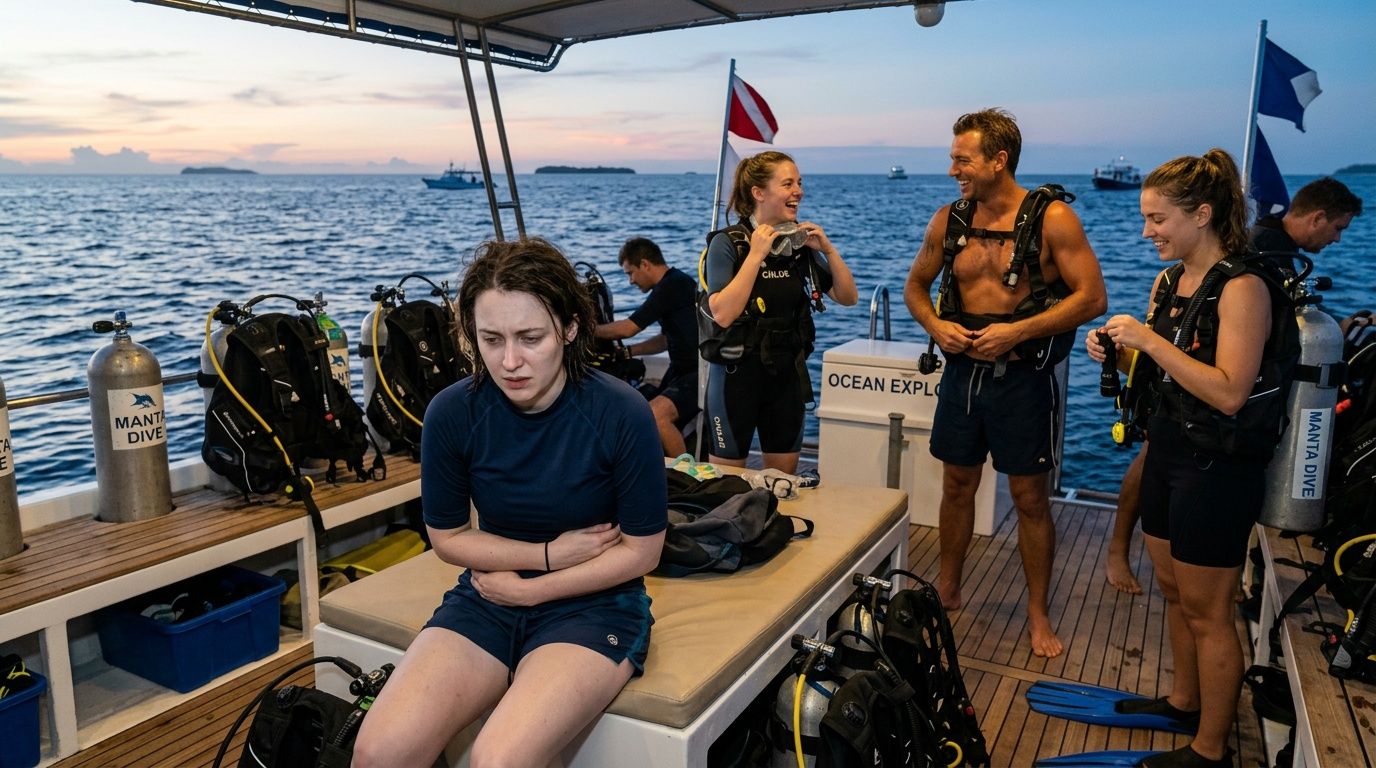
The smarter view is simple. If you know you’re prone to motion sickness, using prevention is no different than bringing a wetsuit when you run cold or carrying a backup mask because gear problems happen. It’s preparation.
Why divers need different advice
General travel advice often stops at “take Dramamine” or “try a patch.” Divers need more than that. A medication can calm your stomach but still create a different problem if it makes you drowsy, dries your mouth out, or blurs your vision at the exact moment you need to monitor depth, air, your buddy, and changing conditions.
That’s why sea sickness management for divers has to balance comfort and alertness. You’re not just trying to survive the boat ride. You’re trying to be clear-headed for the dive that follows.
Practical rule: The best sea sickness pill for a diver isn’t just the one that stops nausea. It’s the one you can use safely without compromising judgment.
A lot of new divers don’t learn that until after a rough morning offshore. They wait to see how they feel. They skip prevention because they don’t want to “need” it. Then they spend the transit getting worse, arrive at the site depleted, and have to decide whether to dive while feeling miserable.
That’s avoidable.
If you already know boat motion gets to you, start with a diver-focused primer like how to avoid sea sickness before a boat dive. Then build a plan around your body, your trip length, and the type of medication or non-drug option you tolerate best.
The goal is a safe, enjoyable dive day
Nobody wins when they tough it out for no reason. Good divers make conservative choices. Good boat crews respect prevention. Good trip planning starts before you ever leave the dock.
Sea sickness can happen to beginners, seasoned divers, snorkelers, and crew. The useful question isn’t “Should I be able to handle it?” The useful question is “What’s my plan if I’m the kind of person the ocean can tip off balance?”
Understanding Why Your Body Rebels at Sea
Motion sickness happens when your brain receives conflicting signals about movement. For divers, that conflict can start before you even reach the site.

Your eyes and inner ear disagree
Your inner ear works like your body’s motion sensor. It detects rolling, rising, dropping, and turning. Your eyes report what they see. When those two systems send different messages, your brain struggles to make sense of the situation, and nausea is one common result.
A boat sets up that mismatch well. You may be staring at a tank valve, threading a fin strap, or checking a camera screen while the deck moves under your feet. Your eyes are fixed on something close and steady. Your inner ear is tracking constant motion. That disagreement is a classic setup for sea sickness.
Scopolamine is used because it affects part of the signaling involved in that motion response, as described in this AAFP summary of evidence on motion sickness treatment.
For divers, this matters for another reason. The goal is not only to stop nausea. The goal is to stay functional enough to gear up correctly, listen to the briefing, enter the water calmly, and make good decisions once the dive starts. If you want a diver-specific overview of medication choices, this guide to the best sea sickness medicine for diving lays that out clearly.
Why dive boats can trigger it faster
Dive boats challenge your balance system in ways land travel usually does not. A car mostly turns and stops. A boat can roll side to side, pitch up and down, yaw, surge, and vibrate all at once. Then it may stop over a site and begin a different, more irregular motion pattern that bothers some divers even more than the ride out.
That stop-and-rock phase catches people off guard in Kona. You may feel fine underway, then start fading while assembling gear at the mooring. That is common on small boats, especially in open ocean swell.
Smaller vessels also produce more noticeable motion, and rougher conditions raise the chance of symptoms. A review in the Canadian Medical Association Journal notes that seasickness is more common on smaller boats and in adverse sea conditions, which fits what crews see in real life on charter operations and exposed coastlines (review of prevention and treatment of motion sickness).
A Kona diver should pay attention to this because the day does not end with a simple boat ride. You may still have a backward roll, a descent, and later a night return for the manta ray dive. Medication choices and timing have to match that full schedule, not just the first 30 minutes offshore. Some visitors compare options before the trip using resources on sea sickness pills, but the diving context adds another layer of caution.
What confusion looks like in real life
Sea sickness usually builds in stages.
- Early signs: You lose interest in food, feel unusually warm, or stop wanting to chat.
- Middle signs: Yawning, sweating, mild headache, dizziness, or a foggy feeling start to creep in.
- Progression: Nausea grows, energy drops, and simple tasks like checking gauges or clipping gear feel irritating.
- Late stage: You want to lie still, avoid eye contact, and do as little as possible.
New divers often say it hit all at once. Usually, the early signals were there, but they were easy to miss in the rush of gearing up.
That early window matters. Once nausea is established, your stomach may slow down and oral medication may work less reliably. For a diver, that can turn a manageable problem into a safety decision about whether you are still fit to enter the water at all.
Your Guide to Sea Sickness Medications
For divers, the best medication is not the one that stops nausea. It is the one that controls symptoms without clouding judgment, drying you out, or leaving you sluggish on a boat day that may include a morning charter, a surface interval, and a manta ray night dive.
If you want a second diver-focused overview before choosing, this guide to sea sickness pills is a useful companion read.
The two main medication families are anticholinergics and antihistamines. They calm motion sickness through different pathways, and that difference matters underwater. A medicine that feels acceptable for a ferry ride can be a poor fit for scuba if it blurs vision, slows reaction time, or makes it harder to stay hydrated in Kona’s sun and salt air.
Scopolamine patches
Scopolamine is the option many divers ask about first because it is made for prevention and lasts much longer than a standard pill. The patch is placed behind the ear before travel and releases medicine steadily over time. That steady delivery is part of its appeal. You are not trying to remember repeat doses while managing waivers, setup, entries, and surface intervals.
A practical review from the American Academy of Family Physicians notes that transdermal scopolamine is a standard option for motion sickness prevention and is generally less sedating than many oral alternatives, while still carrying side effects such as dry mouth, blurred vision, and confusion in some users. See the AAFP review of motion sickness treatments.
For divers, those side effects are not minor details. Dry mouth can push an already dehydrating boat day in the wrong direction. Blurred vision matters when you need to read gauges, check a computer, or spot hand signals in low light on a night dive. If a medicine leaves you mentally foggy, the problem is no longer comfort alone. It becomes a fit-to-dive question.
Scopolamine also is not appropriate for everyone. Divers with glaucoma, urinary retention issues, or certain medication interactions need medical guidance before using it.
Some travelers notice products like the Ship-EEZ Seasickness Patch while packing for vacation. Treat any patch product as something to clear with a physician or pharmacist before dive travel.
Antihistamines such as dimenhydrinate and meclizine
Antihistamines are the familiar pill options sold under names many travelers already know. They are widely used because they are easy to find, often effective, and straightforward to take before a boat ride. The tradeoff is simple. The same class that calms motion signals can also make you sleepy.
The CDC Yellow Book lists sedating antihistamines such as dimenhydrinate and meclizine among the established medications for motion sickness prevention, while also warning about drowsiness and other anticholinergic side effects that can interfere with tasks requiring alertness. See the CDC Yellow Book guidance on motion sickness.
That warning matters more for scuba than for sightseeing. A passenger can nap through mild drowsiness. A diver may need to kit up safely on a moving deck, monitor depth and gas, and respond calmly if conditions change. Sedation and diving are a poor combination.
Dimenhydrinate is common and easy to purchase, which explains why so many visitors reach for it first. Meclizine is another frequent choice, often preferred by people hoping for longer relief with less sleepiness, though response varies from one person to another. Brand names can mislead here. Check the active ingredient, because two boxes on the same shelf may look similar but behave differently in your body.
For a closer look at tradeoffs between these options, this guide to the best sea sickness medication for ocean trips can help.
Comparison of common seasickness medications
| Type (Brand Example) | Active Ingredient | How it Works | Typical Use Pattern | Duration | Key Diver Consideration |
|---|---|---|---|---|---|
| Prescription patch | Scopolamine | Reduces motion-sickness signaling through anticholinergic action | Applied before travel for prevention | Long-acting, often used across multi-day trips | Dry mouth, blurred vision, and confusion can affect dive safety |
| OTC pill (Dramamine Original) | Dimenhydrinate | Antihistamine that reduces nausea and motion sensitivity | Taken before travel, may require repeat dosing | Shorter acting than a patch | Drowsiness can interfere with safe gearing up and in-water awareness |
| Prescription antihistamine | Promethazine | Sedating antihistamine used for nausea prevention | Taken in advance under medical guidance | Longer acting | Sedation can be significant for divers |
| OTC pill (Bonine and similar) | Meclizine | Antihistamine used to prevent or reduce motion sickness | Usually taken before travel | Often longer lasting than dimenhydrinate | May be less sedating for some people, but still needs a test run before diving |
What to ask before you choose
A good medication choice starts with four practical questions.
- How do I personally react to it? Test it on a non-dive day first.
- Will it make me sleepy or mentally slow? That matters on deck and at depth.
- Will side effects create new problems? Dry mouth, blurry vision, and urinary trouble all matter on a Kona boat.
- Does it fit my health history and trip plan? A short morning charter is different from back-to-back dives or an evening manta trip.
A medication can control nausea and still be the wrong tool for a dive day.
Critical Safety Timing and Dosing for Divers
The diver who waits until the boat leaves the harbor to take a seasickness pill is already behind the problem. By the time nausea builds, your stomach is upset, your focus is slipping, and simple tasks like gearing up or listening to the dive briefing can start to feel harder than they should.
For divers, prevention is the useful window. Motion sickness medicines generally work better when they are taken before the rocking starts, so the drug is already in your system when your inner ear and eyes begin sending mixed signals. Once symptoms are rolling, you are trying to catch up while tired, uncomfortable, and more likely to skip water or food. That is a poor setup for a safe descent.
Equalizing works the same way. You start before pressure turns into pain. Seasickness control also rewards early timing.
What safe timing looks like
Each medication has its own clock, and that clock matters on a Kona dive day.
- Scopolamine patch: Place it well before the boat ride. Many products are used several hours ahead so the medicine has time to take effect.
- Dimenhydrinate: Usually taken before departure, often about 30 to 60 minutes ahead.
- Promethazine: Often needs more lead time and should be planned with a clinician because sedation can be pronounced.
Read the label. Follow your clinician’s instructions if you were prescribed the medication. Then count backward from actual departure time, not from when you wake up. That matters on early charters, and it matters even more on late-day schedules like Kona’s manta night dive, where a morning dose may wear off and a poorly timed second dose may leave you groggy at exactly the wrong time.
Why divers need a wider safety margin
A ferry passenger can sit and feel sleepy. A scuba diver has a task load.
You need to listen to the briefing, set up equipment correctly, monitor gas, read your computer, hold depth, stay with your buddy, and make calm decisions if conditions change. A medication side effect that seems minor on your couch can become a real safety issue on a moving deck or underwater.
Watch for these problems:
- Drowsiness
- Dry mouth
- Blurred vision
- Slower reaction time
- Feeling mentally foggy
Dry mouth deserves more respect than it usually gets. On a long Kona boat ride, in warm sun, with salt spray and a regulator in your mouth later, dry mouth can push you toward dehydration and make you feel worse before you even enter the water. Blurred vision matters too. You need to read a pressure gauge and dive computer clearly, especially on lower-light dives.
If you want a broader patient-focused read on side effects, especially sedation and visual issues, this article on understanding cyclizine side effects is worth reviewing.
Safety check: If a medication makes you feel sleepy, slowed down, or strangely detached, sit that dive out.
Do a dry run before trip day
Never let a Kona boat trip be the first time you learn how a motion sickness medicine affects you.
Test it at home on a non-dive day. Pay attention to how alert you feel, whether your mouth gets very dry, whether your vision changes, and whether you feel steady on your feet. That simple trial answers the question that matters most: can you function clearly enough to dive safely?
This is especially important for divers planning multiple dives in one day or a signature experience like the manta trip. You do not want your first lesson in medication side effects to happen during a night briefing, under a bright deck light, while the boat is rocking and everyone else is getting in the water.
Good dive planning is conservative by design. The same mindset applies to medicine timing, surface intervals, and decisions after the last dive, including why you can’t fly right after diving.
Alternatives to Pills Natural and Behavioral Strategies
Sea sickness control is not only about medication. For many divers, the best plan is a steady mix of simple habits and non-drug tools that keep the brain, eyes, and inner ear from arguing with each other once the boat starts rolling.
Wristbands and ginger
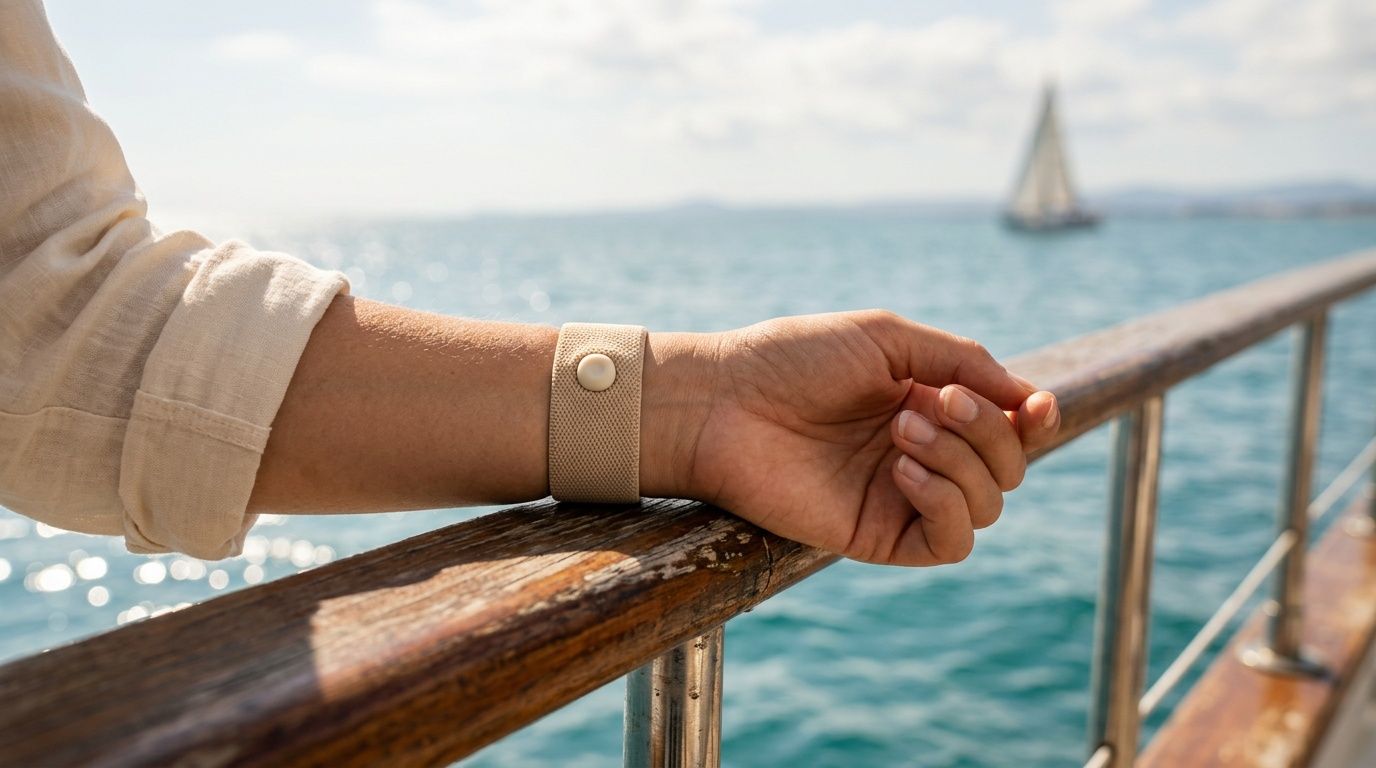
Acupressure wristbands appeal to divers for one big reason. They do not carry the same concern about drowsiness that makes some pills a poor fit before a scuba dive. They press on the P6 point near the wrist, and some people find that pressure helpful, especially if they put the bands on before the boat leaves the harbor instead of waiting until they already feel sick.
Results vary. That is normal.
A wristband is more like a mask strap than a regulator. It may improve comfort, but it is not life support. If it helps you stay ahead of mild nausea, that can be enough to keep the rest of the day on track. If you want a diver-focused overview, read this guide to Sea-Band sea sickness wristbands for boat dives.
Ginger is another option many divers add to the plan. Research on motion sickness has found mixed but promising results, so it is best treated as a helpful add-on, not a guaranteed fix. That makes it attractive for divers who want to avoid sedating medication before a Kona two-tank morning or the manta ray night dive, where alertness, clear communication, and comfort in the water all matter.
For convenience, a lot of divers pack Ginger chews in their dry bag or backpack.
Boat habits that reduce the spiral
The body usually gives warnings early. A little warmth. A little yawning. A vague sense that your stomach has stopped trusting the deck. That is the moment to act.
Use these habits early, not after nausea is in full swing:
- Watch the horizon: A stable visual reference helps your eyes match what your inner ear is feeling.
- Stay in moving air: Wind on your face and cooler air often reduce that closed-in queasy feeling.
- Choose the middle of the boat: The ride is usually gentler there than at the bow or stern.
- Eat light: A small, plain meal often sits better than greasy food or a completely empty stomach.
- Hydrate steadily: Small sips are easier on the stomach than trying to catch up all at once.
Looking at the horizon works like giving your brain a referee. Your eyes report one thing, your inner ear reports another, and the horizon helps settle the disagreement.
Build a layered plan
Divers often do better with a stack of small advantages than with one heroic solution. A light breakfast, steady hydration, fresh air, smart boat position, ginger, and a wristband can work together to lower the odds that mild discomfort turns into full nausea.
That matters even more in Kona. Some trips begin with a brisk ride to the site, and the manta night dive adds darkness, bright deck lights, and pre-dive task loading. You want your seasickness plan to reduce problems, not create new ones.
Choose a plan you can repeat calmly and safely. If a non-drug routine worked on one Kona boat day and left you clear-headed in the water, keep it in your kit for the next one.
Your Kona Honu Divers Seasickness Action Plan
A smooth dive day starts long before the mooring line comes tight. The divers who manage sea sickness best usually aren’t tougher. They’re better prepared.
Before the trip
Start with your health professional, not the boat deck. Tell your doctor or pharmacist that you’ll be on a dive boat and need to stay alert enough to dive safely. That one detail changes the conversation.
Then make your kit:
- Chosen remedy: Patch, pill, wristband, ginger, or a combination.
- Backup option: If your first choice is mild, bring a second line of defense.
- Water and simple snacks: Dry crackers, fruit, or another light option that sits well for you.
- A note to yourself: When to take the medication. Don’t leave timing to memory on an early morning.
The day before and the morning of
Keep things boring. That’s a compliment in dive planning.
Get sleep. Don’t overdo alcohol. Eat a light breakfast that won’t fight you once the boat starts moving. Avoid the trap of skipping food entirely if that tends to make you feel worse.
If you use a medication, take it on schedule. Not “sometime before boarding.” On schedule.
On the boat
Once you’re aboard, act early if you feel the first hints of trouble.
Do this:
- Move to fresh air
- Keep your eyes off close-up tasks
- Tell the crew early
- Stay hydrated in small sips
- Don’t disappear into silence and hope it passes
Most crews would much rather help you at the first sign than after you’re deep into the miserable stage.
Choose trips you’re excited to prepare for
The whole point of prevention is to protect the good part of the day. If you’re planning a special ocean experience, a little extra prep is worth it.
You can explore general Kona diving tours, plan a famous manta ray night dive tour, or look at the uniquely advanced black water night dive. If you want something geared toward more experienced divers, the premium advanced long-range dive tour is another strong option.
Tell the crew what you took. That isn’t oversharing. It’s useful safety information.
Frequently Asked Questions About Seasickness and Diving
Can I use sea sickness pills for snorkeling too
Often, yes. The same motion that affects divers can affect snorkelers and passengers. The bigger issue isn’t whether the activity is diving or snorkeling. It’s whether the product is appropriate for your health history and whether side effects will interfere with safety and enjoyment.
Should I tell the divemaster what I took
Yes. Tell the crew if you used a patch, an antihistamine, ginger, or any combination that could affect how you feel. That gives them better context if you seem sleepy, dehydrated, or off your game.
Is it okay to combine a patch with ginger chews or wristbands
People commonly combine medication with non-drug measures like ginger or acupressure bands, but don’t improvise with multiple drugs unless your clinician has told you it’s safe. A layered plan is smart. Random mixing isn’t.
What if I still get sick on the boat
Say something early. Get into fresh air, stop looking down, and keep your eyes on the horizon. Sip water. Don’t wait until you’re miserable and then try to act normal.
How long can sea sickness last
That depends on the person, the sea state, and whether the motion continues. Some people improve quickly once they’re in the water or back on land, while others feel wrung out for longer. If you want a practical read on what to expect, this guide on how long sea sickness can last covers the pattern in plain language.
What’s the safest mindset for divers
Think like a conservative diver. Test medications before the trip. Use prevention early. Respect side effects. Communicate with the crew. Skip the heroics.
Sea sickness is manageable. Poor decisions around sea sickness are what usually ruin dive days.
If you want a dive operator that takes comfort, preparation, and in-water safety seriously, Kona Honu Divers is a strong place to start. Their trips give you access to some of Kona’s most memorable underwater experiences, and a smart sea sickness plan helps you enjoy them fully.