
You're probably here because you've seen the photos, heard the stories, and now you're trying to figure out whether the experience lives up to the hype. It does, but only if you pick the right site, the right operator, and the right format. Manta ray diving Hawaii is not a generic tropical dive, it's a very specific night encounter, shallow, stationary, and heavily dependent on how the boat crew handles the lights, the spacing, and the crowd around you.
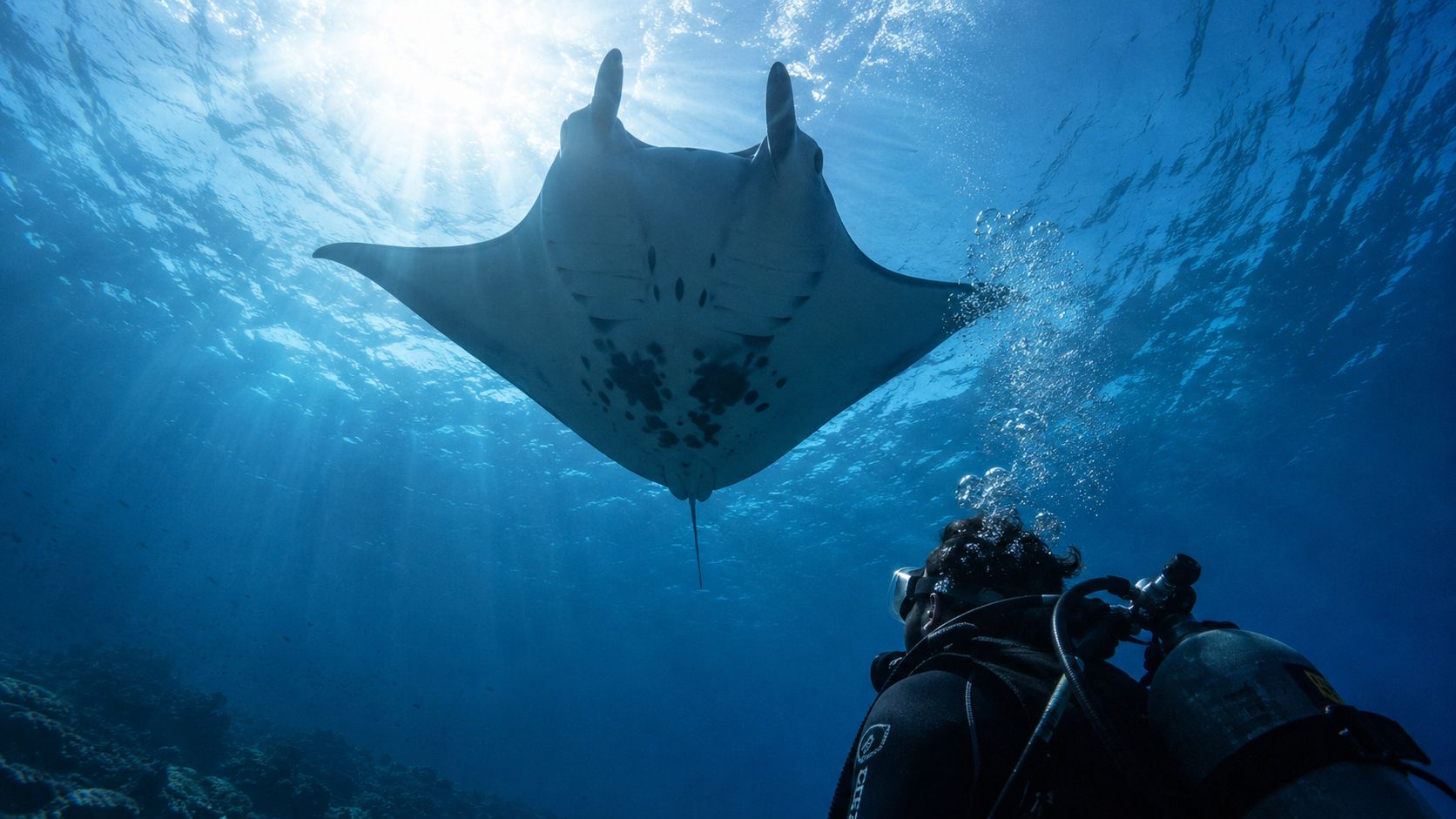
If you want the honest version, here it is. Kona is the place in Hawaii where this experience works with consistency, and the difference between a memorable night and a chaotic one usually comes down to crowding, light discipline, and whether your boat drops at Garden Eel Cove. If you're choosing a tour now, keep your eye on the operator that runs a tight briefing and a clean site plan, not the one with the loudest marketing.
What a Manta Ray Night Dive in Hawaii Actually Feels Like
A diver kneels in about 30 feet of water, the sand pale under the beams, and then a dark shape rolls through the light column above. The first pass is so smooth it almost looks unreal, a manta tilting its body and gliding inches over the group while everyone stops moving and just breathes. That's the authentic experience, not a dramatic chase scene, and it's why the dive works so well for first-timers who can stay calm and hold position.
The physical sensation matters as much as the wildlife. You feel the cool of the night water, the stillness of hovering in place, and that little spike of adrenaline when the first shadow appears. The encounter is shallow and stationary, usually in 25 to 40 feet of water for about 45 to 60 minutes as summarized in Kona operator data, so you're not battling depth or current the way you would on many open-water wildlife dives.
The key detail most travelers miss is that this is a light-driven feeding event, not a random luck dive. If the crew handles the setup well, the mantas come in close, barrel-roll, and feed in the beam, which is exactly what you paid for. If the boat is sloppy, the lights are weak, or the group crowds the zone, the whole thing gets less clean.
For the actual swim profile and what the surface entry looks like, the most useful preview is the manta ray night swim briefing.
Practical rule: Don't think of this as a “swim around and look for mantas” dive. Think of it as holding a station and letting the show come to you.
How the Manta Encounter Works
The whole encounter runs on plankton and light. Operators place powerful underwater lights so the water column turns into a feeding zone, and the mantas show up because the plankton gathers there. That campfire effect is the point, and it is why Kona's night dives feel so consistent compared with other wildlife trips where you are hoping for a passing animal in open water.
What You Do in the Water
The sequence is simple. You listen to the briefing, descend slowly, and settle into the viewing position while the crew handles the light setup. Scuba divers usually kneel or hover on sand in a designated area at about 30 feet, while snorkelers stay at the surface and hold a lit board, which creates the same feeding attraction from a different angle as described in the Kona snorkel dive overview.
That shallow profile is why the experience works for first-timers. You do not need advanced current-diving skills, but you do need discipline. Good buoyancy keeps your fins off the bottom, and that matters because stirred-up silt hurts visibility for everyone behind you and makes the feeding column less clean.
Stay still, keep your position, and let the mantas work the light. The best encounters happen when divers stop trying to control the encounter.
Kona's encounter is also a resident wildlife event, not a migration gamble. Local sources tied to the site estimate a resident manta population of 450+ identified individuals, which helps explain why the sightings are so dependable and why the same boats can run the dive year-round as noted by Kona-focused operators. The calmer window is generally from May to September, which usually makes the surface and the light column easier to manage according to the operational planning note from Kona Snorkel Trips.
For a closer look at the setup and how the viewing station is arranged, see diving with manta rays.
The Three Kona Manta Sites and Why Garden Eel Cove Wins
Kona has multiple manta-viewing locations, but they are not equal in feel or in ecosystem quality. The names you'll hear most often are Manta Village, Manta Heaven, which is also called Garden Eel Cove, and the Kohala-side location near Kawaihae. One Kona-focused source notes that the coast has three viewing sites and estimates a 60% to 80% sighting chance at those sites on a night dive, while other operator logs place the broader Kona experience higher because of the resident population and repeatable feeding behavior as summarized by Manta Ray Advocates.
Why Garden Eel Cove is the smarter pick
Garden Eel Cove is the site I'd choose for a first-timer who wants the cleanest overall experience. It's a protected location with a better viewing area, and the reef structure gives the mantas room to move without the cramped feel you get at more compressed sites. That matters for the animals and for you, because a wider station is easier to manage when the boat count climbs.
The older testimony from Hawaiʻi County makes the crowding reality hard to ignore. It found that 77% of respondents saw more snorkelers than their norm, 67% saw more scuba divers than their norm, and 68% saw more boats than their norm, which tells you the site often feels busier than travel pages admit as recorded in the county testimony. That is exactly why a more open, better-managed site wins.
Here's the blunt version.
- Manta Village: historically strong, but it can feel compressed when the boats stack up.
- Manta Heaven, Garden Eel Cove: my choice, because the viewing area is easier to manage and the site is better for clean positioning.
- Kohala-side site: less crowded, but the manta encounter is less consistent.
If you care about the actual dive, not just the headline, Garden Eel Cove is the better call. For tour planning from the Kona side, the Big Island diving overview is the simplest place to start.
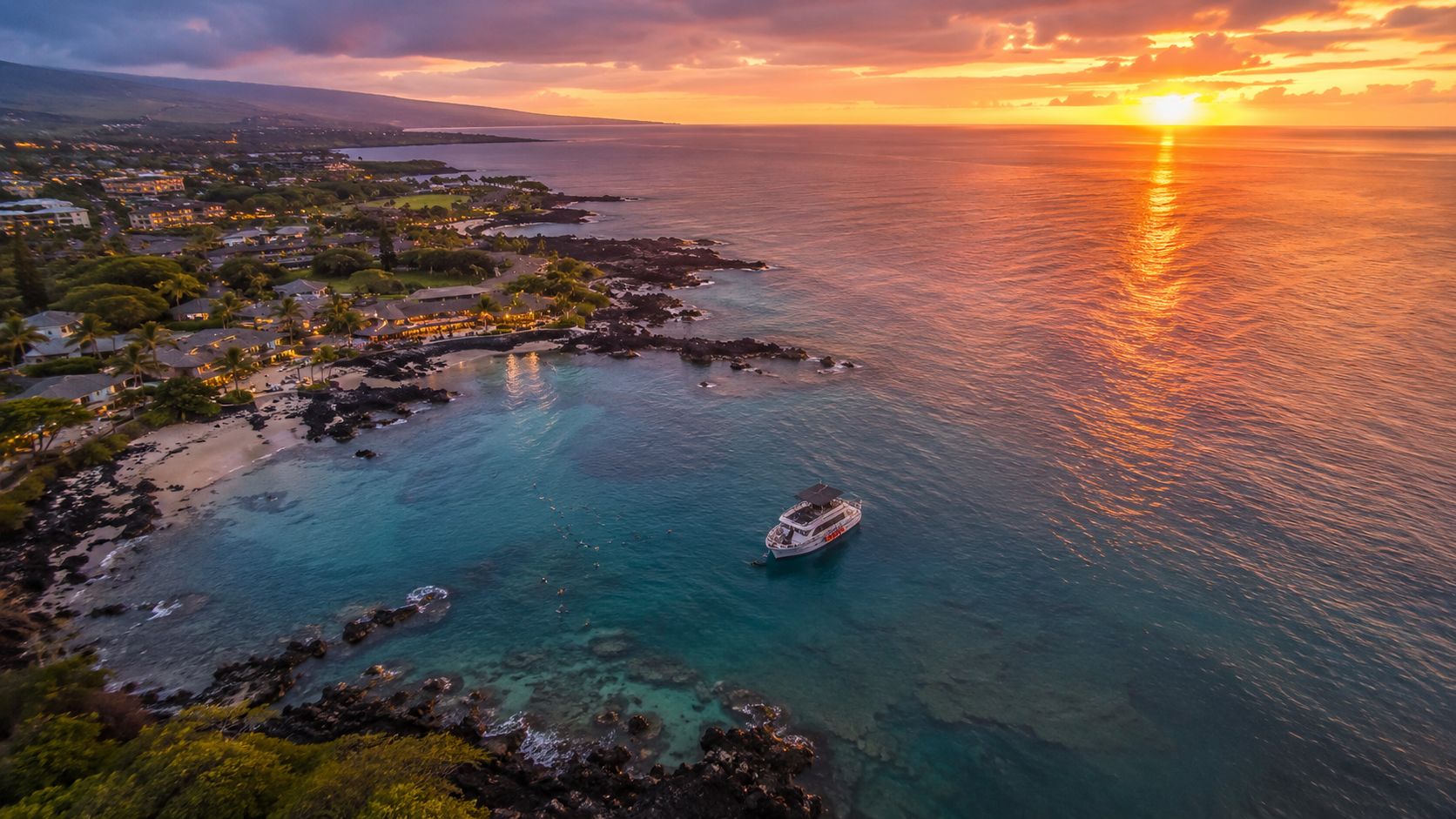
Seasonality, Sea Conditions, and the Crowding Reality
The mantas show up year-round, but the dive does not feel the same every month. The calmer stretch from May to September usually gives you smoother surface conditions and cleaner light columns, which makes entry, exit, and the ride out easier on first-timers as noted in the Kona planning guidance. In rougher months, the dive can still be worth it, but the boat ride gets choppier, and that matters if you get seasick or lose your composure when the water starts moving.
What the crowding means in practice
Crowding changes the encounter in three ways. More boats mean more light competition, and crews that do not coordinate well can split the plankton column and weaken the viewing setup. More divers mean a greater chance of silt, drifting fins, and poor positioning. Snorkelers and divers also use the space differently, so the operator's briefing matters more than the brochure language.
The crowding issue is not a rumor, it is part of the night dive. Hawaiʻi Ocean Watch's guidance still pushes no-touch and no free-diving behavior, which is the practical way to keep pressure off the animals and keep the viewing column usable for everyone. I take that seriously, because a busy site only works when the group acts like one group.
Practical rule: If you see a diver kicking sand or a snorkeler dropping into the feeding zone, move away from them. Bad positioning spreads fast in a crowded manta site.
For a first-timer, set your expectations clearly. You will probably share the water with other people, you may see multiple boats around the site, and a crew that manages light placement and guest spacing well will make the night feel calmer than the raw headcount suggests. The goal is not solitude. The goal is a clean, respectful, well-run night where the mantas keep coming back.
Traveling during a busier window means more dock activity and more boat traffic, so plan for that. The resident manta population and the long-established feeding sites are still why Kona keeps working, even when the site is busy as reflected in the site reliability data. For divers who are still deciding whether they are ready for the scuba version, the Open Water certification guide is the right readiness check.
Certification, Safety, and Gear You Actually Need
You do not need to be a technical diver to do this well. Open Water is enough for the scuba format, and the dive stays shallow enough that newer certified divers can handle it if they control buoyancy and stay relaxed. If you're uncertain about the certification side, the Open Water certification guide is the right place to sanity-check your readiness.
The safety gate is buoyancy, not bravado
Dark water makes some people tense up, and that's normal. The safety question is whether you can keep your fins off the sand and listen to directions under low light. If you can't do that, you shouldn't book the scuba version yet, because silt ruins the visibility and makes the whole group's view worse.
A good operator will cover the basics clearly, including where to sit, how to keep your body still, and how not to shove bubbles or fins into the mantas' path. The snorkel version has its own discipline, too, because snorkelers stay on the surface and should not drop down into the feeding column.
For gear, expect the boat to handle the essentials. Strong operators normally provide a wetsuit, mask, fins, weights, and lights, with snorkelers using a lit board and divers carrying their own underwater light. You should bring reef-safe sunscreen, a dry bag, and a light layer for the ride back, because the post-dive wind can feel colder than the water.
If seasickness is on your mind, plan ahead and don't wing it. People commonly use the Ship-EEZ Seasickness Patch, Dramamine pills, Bonine pills, Sea Band wristbands, or ginger chews, and the smart move is to take action before you feel bad, not after.
Bring the motion-sickness aid you trust, not the one you “might” try later. Late prevention is usually weak prevention.
How to Choose a Manta Ray Dive Operator in Kona
The operator matters more than the price tag. For a manta dive, you want a crew that knows the site, controls the lights, gives a real briefing, and keeps the guest count and positioning under control. That's the difference between a clean wildlife encounter and a crowded drift of people with flashlights.
What to look for before you book
Start with the boat. A good manta boat has shade, clean gear, and enough space that you're not fighting elbows while you suit up. Then check the light setup, because the quality and placement of the lights directly affects how strong the plankton column becomes.
Next, look at the briefing. If the operator gives you a rushed five-minute talk, skip it. You want a crew that explains buoyancy, light discipline, no-touch rules, and where each guest belongs in the water. That briefing is where the night either gets organized or starts sliding sideways.
Finally, ask where they run the tour. I'd rather see a crew that repeatedly uses Garden Eel Cove well than a company that sells a vague “Kona manta” and sends people wherever the conditions happen to be.
Kona Honu Divers fits that operational profile, with custom boats, maintained gear, and a manta-night structure built around their manta ray dive tours. They're one option among the Kona operators worth considering if you want the dive organized around site control and a proper briefing rather than a rushed cruise out to the action. You'll also see the same brand show up in broader Kona dive planning through their diving tours page, which matters if you're pairing the manta night with other dives.
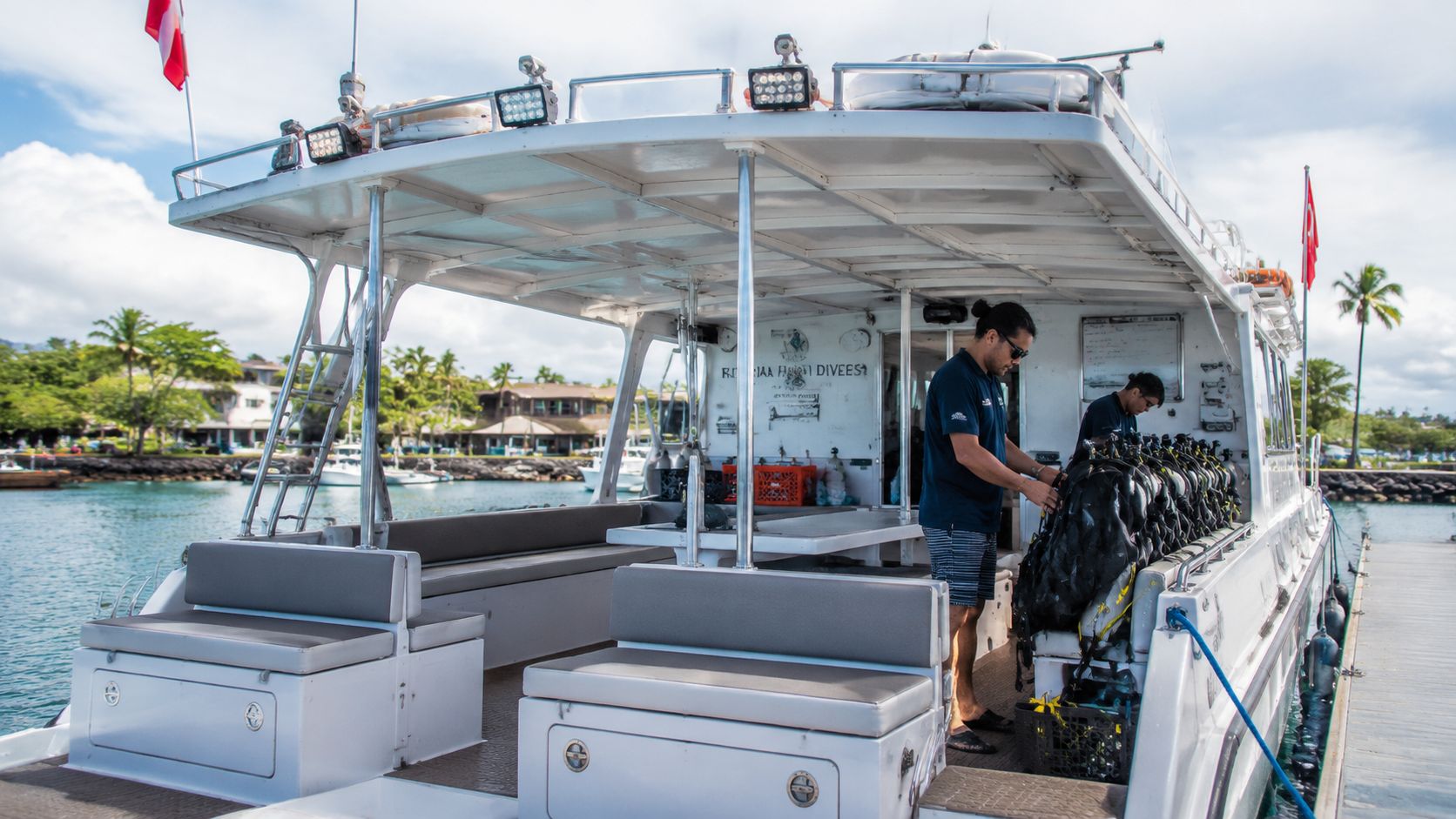
Pricing, What's Included, and Sample Itinerary
Manta pricing usually falls into three buckets. Snorkel-only surface tours sit at the lower end, 2-tank scuba manta combos sit higher because they use more boat time and gear, and private charters are the premium option for groups that want the boat to themselves. For broader context on dive costs in Hawaiʻi, see the Kona Honu Divers guide to scuba pricing.
What should be included
A solid manta package normally includes the briefing, the boat ride, in-water guide support, and basic rental gear such as wetsuit and mask. Many trips also include snacks and water, which sounds minor until you're standing on deck after a long night in the wind.
Watch for extras. Nitrox upgrades, photo or video packages, and gratuity expectations can all change the total if you're not paying attention. If you're booking a scuba combo, the value is usually in the full evening structure, not just the single underwater window.
A realistic night looks like this. You check in in the late afternoon, head out to Garden Eel Cove, spend the dive window in the water for 45 to 60 minutes, then return to shore by evening. That's enough time for a real encounter without turning the night into a marathon.
If you want to book rather than keep comparing, use the centered button below.
FAQs and the Packing Checklist
How likely are you to see mantas? In Kona, the encounter is one of the more reliable wildlife dives, and local operator data reports strong sighting odds on a single night dive, with some nights producing very active action as summarized in the Kona dive data.
Do you need to be certified? For scuba, yes, Open Water is enough for the standard shallow dive profile. Non-swimmers should not book the scuba version, but some snorkelers are comfortable with the surface format if they can stay calm and follow the crew.
Will you get seasick? Possibly, if you are prone to motion sensitivity and do not prepare. Bring the remedy you trust, plus a dry bag, swimsuit, rashguard, reef-safe sunscreen, phone or GoPro, and a light layer for the ride home.
The people who enjoy this dive most are the ones who pack light, listen closely, and do not fight the water.
For a simple packing checklist, take a passport or ID, swimsuit, rashguard, reef-safe sunscreen, motion sickness aid, dry bag, phone or GoPro with a red filter, and a warm layer. Check the tour details, book the manta dive, and leave yourself enough time to enjoy the night instead of rushing it.
If you want this trip handled by a crew that runs Kona manta nights with a real briefing and a clean site plan, take a look at Kona Honu Divers. Their manta tours, gear, and boat setup are built for the shallow, crowd-sensitive conditions this dive requires, and the right time to lock it in is before your Kona dates fill up.