
You're probably doing what most visiting divers do. You've picked Kona because the diving is famous, then you hit the wall: too many operators, too many promises, and not enough clarity about who runs the best boats, the safest trips, and the strongest signature dives.
That's the key decision. Not whether Kona is worth diving. It is. The question is which Kona diving company deserves your money and your dive days.
Your Guide to Diving in Kona
You land in Kona with three dive days booked, then the wrong operator burns one on a cramped boat, a sloppy briefing, and a site choice made for convenience instead of conditions. That mistake costs more than money. It costs bottom time, confidence, and one of the best parts of your trip.
Use a stricter filter. Judge every Kona diving company on three things first: safety culture, boat quality, and whether its signature trips are worth planning your vacation around. That framework cuts through the marketing fast, and it points serious divers toward Kona Honu Divers because the operation is built around strong day diving, the manta night dive, and advanced trips that go beyond the standard tourist schedule.
If you are still sorting out the right fit for your group, start with the full lineup of Kona diving tours. For a broader local overview, read this guide to diving Kona on the Big Island.
What good Kona diving looks like
Start with the boat. A good Kona operator runs a vessel designed around divers, with clean entries, sensible gear storage, and enough room that the trip feels organized instead of crowded. Then look at the crew. They should manage newer divers well without slowing the whole boat to beginner pace.
The trip menu matters too. Kona is not a one-dive destination.
Look for operators that consistently offer:
- Manta expertise: The manta night dive is Kona's signature experience, and the best operators run it with polished procedures and strong site knowledge.
- Quality daytime diving: Morning and afternoon charters should stand on their own, even if you never book a night dive.
- Advanced options: Blackwater and long-range trips separate serious dive operations from shops built only for casual vacation traffic.
- Clear prerequisites: Good operators tell you exactly who each trip is for, what conditions to expect, and when a diver should sit one out.
Use one simple rule. Book the operator you would still choose if the manta dive were unavailable. That standard weeds out one-trick shops fast.
You do not need the cheapest operator. You need the one least likely to waste a dive day. In Kona, that usually means paying for better crew judgment, better boats, and a schedule with real range. Kona Honu Divers stands out on all three, which is why it is the shop I recommend first.
Meet Kona Honu Divers The Gold Standard
You're standing at the harbor before sunrise, watching crews load tanks and sort gear. One boat already looks squared away. The deck is organized, the staff are focused, and nobody is scrambling. That kind of first impression usually holds up underwater. In Kona, Kona Honu Divers is the operator that gets the details right from the start.
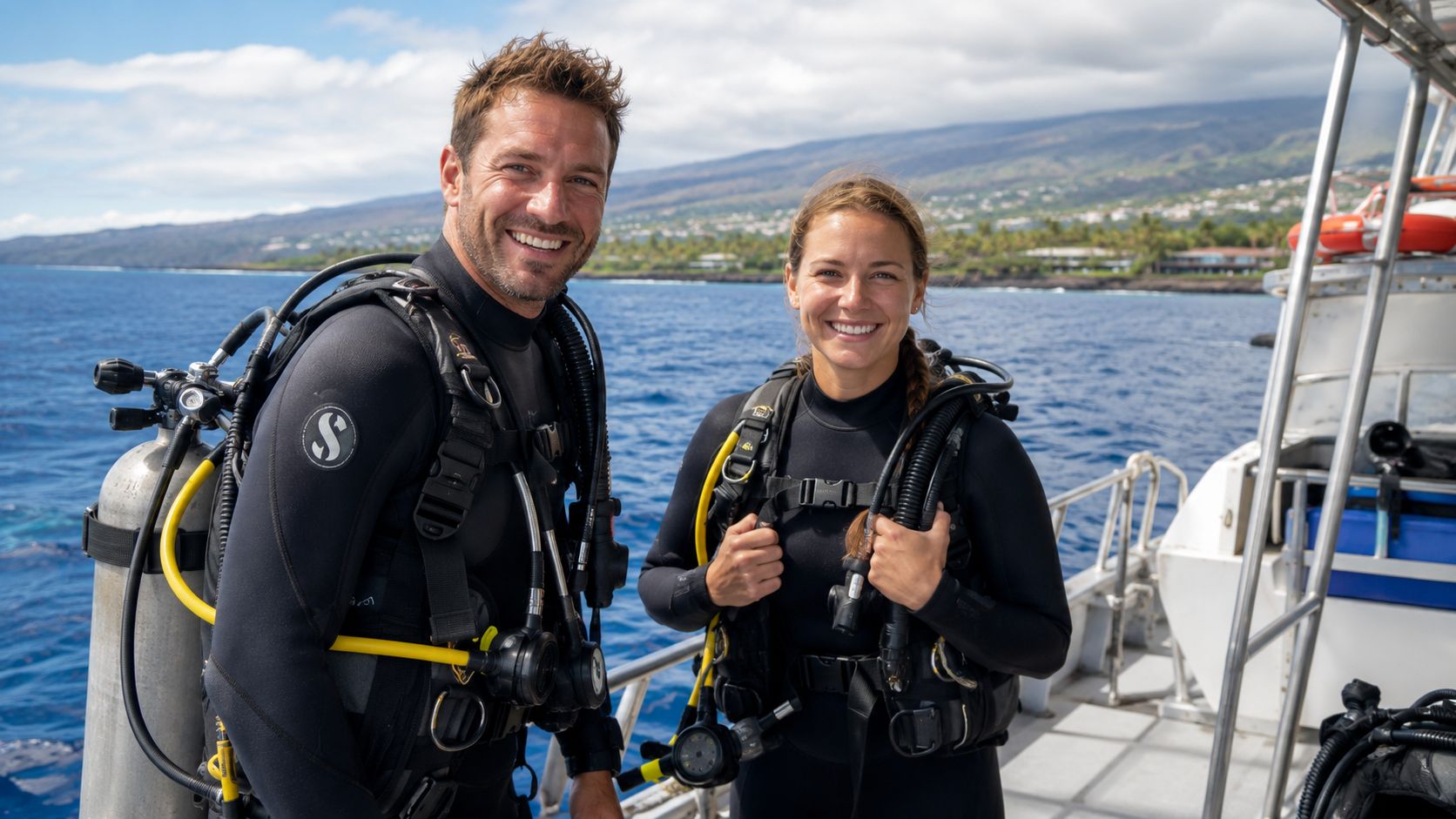
They have earned that position by running a serious dive operation, not by coasting on vacation hype. The company has a long track record in Kailua Kona, purpose-built boats, and the kind of staff depth that shows up in the small things. Briefings are clear. Entries stay orderly. Divers with different experience levels get the right amount of attention without the whole boat bogging down.
Why they stand above the pack
If you want one fast way to judge a Kona diving company, look at three things. Safety standards, boat quality, and whether the operator offers more than the same tourist trip on repeat. Kona Honu leads on all three.
Their standing in the market is hard to dismiss. They are widely recognized for both review volume and guest satisfaction, and their industry recognition is laid out clearly on Kona Honu Divers' awards and reputation page. That matters because high ratings mean more when a shop has handled a huge number of divers over time.
Here's what I tell people to look for:
- Boats built for divers: Better layouts reduce crowding, speed up entries, and keep gear handling clean.
- Free nitrox for certified divers: That is real value, especially if you plan to dive more than once.
- Trip range that goes beyond beginner charters: Operators with strong advanced offerings usually run a tighter overall program.
- Broad appeal without a watered-down experience: Newer divers, experienced divers, and families can all have a good day without the trip feeling generic.
A lot of shops can get you in the water. Fewer can do it with the consistency serious divers notice.
Kona Honu also stands out because the operation does not feel improvised. The day flows. Staff communicate well. Problems get handled early, before they affect the dive. That is the difference between a company that books dives and a company that runs boats well.
If you want a broad overview of their Kona dive offerings, trip styles, and training options, start with the full Kona Honu Divers overview.
My recommendation is simple. If safety, crew experience, and overall value matter more than saving a few dollars, book Kona Honu Divers first.
The World-Famous Manta Ray Night Dive Experience
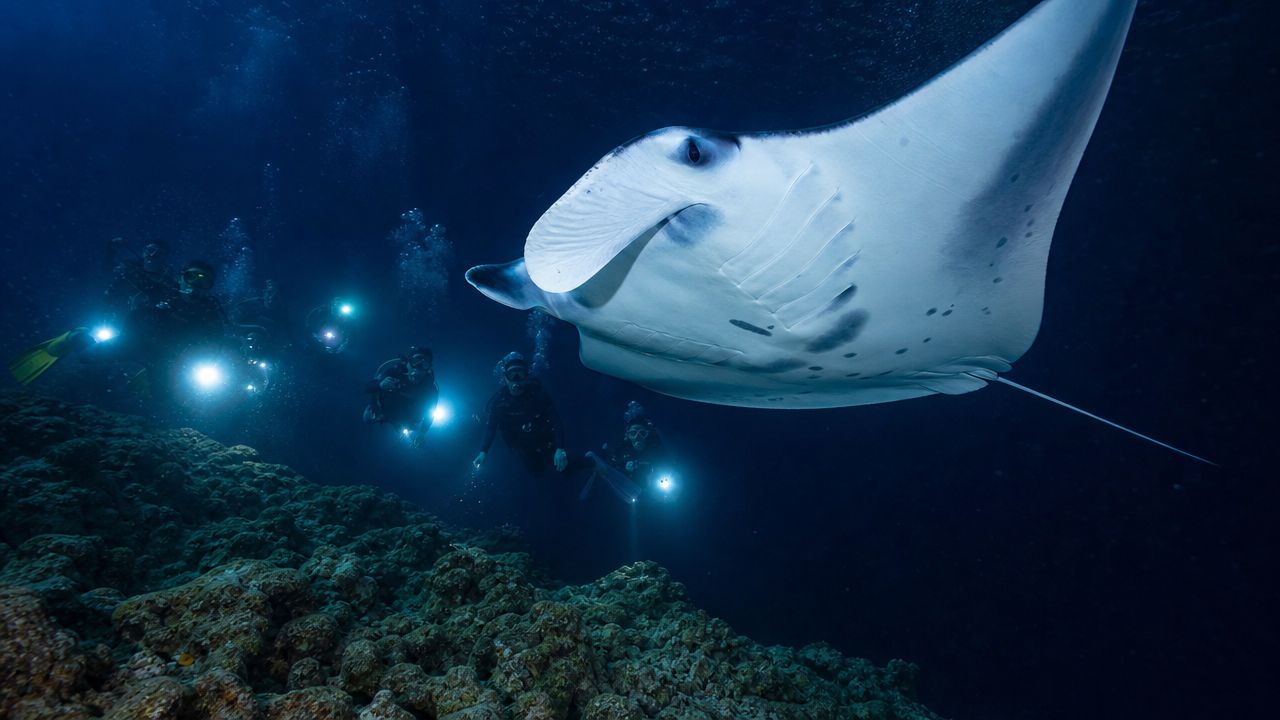
You drop into black water, kneel by the light box, and wait. Then a manta the size of a small car glides straight over your head, banks through the beam, and comes back for another pass. That is the moment people talk about for years.
This is Kona's signature dive. It is also the easiest place to spot the difference between a polished operator and a mediocre one. A good crew keeps the briefing tight, the entry organized, and the group calm once everyone is on the bottom. Kona Honu Divers does that better than the budget-heavy alternatives, including Kona Diving Company, and that matters more at night than anywhere else.
Why Garden Eel Cove is the right site
Garden Eel Cove, often called Manta Heaven, is the site I recommend first. The area is generally more protected and better suited to a controlled, comfortable manta dive than the rougher alternatives. That gives new night divers a better shot at relaxing and enjoying the show.
If you want a fuller breakdown of the site, conditions, and trip format, read the guide to manta ray diving in Hawaii.
What you can realistically expect
Expect a structured dive, bright lights on the bottom, and multiple close passes if conditions line up. Kona's manta encounters are dependable by any standard, which is exactly why so many operators sell this trip. The difference is execution.
Kona Honu Divers runs this experience the way it should be run. Clear briefings. Clean in-water positioning. Better control of spacing and diver behavior once the mantas arrive. On a crowded night, that discipline is the difference between an unforgettable encounter and a mess of fins, silt, and bad etiquette.
A few details shape the experience:
- Bottom viewing format: Divers stay settled in one viewing area instead of chasing wildlife around the site.
- Light-driven feeding activity: The lights attract plankton, which brings the mantas in close for repeated passes.
- Strong fit for mixed groups: Divers can do the full dive while non-divers still have a legitimate option to watch from the surface.
Watching a manta pass inches overhead shuts people up fast. Even experienced divers surface grinning.
Book the right format
Book the format that matches your group. Certified divers should choose the manta dive. If you have non-certified family or friends coming along, put them on the snorkel trip instead of forcing a bad fit.
Advanced and Unique Dives Blackwater and Long-Range Trips
You finish the manta dive, climb back on the boat, and start asking the right question. What's the best advanced dive in Kona if you want more than another standard reef run? Start with blackwater. If you want a long daytime boat trip to less-dived sites, book the premium advanced charter.
Kona separates good operators from average ones on these trips. Advanced diving puts boat handling, briefings, diver screening, and guide quality under a microscope. That comparison matters, and it is one reason Kona Honu Divers stays ahead of operators like Kona Diving Company.
Blackwater is Kona's standout advanced dive
Blackwater gives you something reef diving cannot. You descend into open ocean at night, suspended over deep water, and watch pelagic animals rise from the depths in the dark. Larval fish, jellies, squid, and other transparent drifters show up under the lights. The whole dive feels alien in the best way.
A lot of companies advertise blackwater because the dive sells itself. The better question is who runs it with the strongest standards and the most polished operation. Kona Honu is the operator I recommend because they have real experience with the format, a strong reputation among serious local divers, and a clear focus on running advanced trips well. If blackwater is on your list, book the Pelagic Blackwater Dive in Kona and do it with a crew that treats it like an advanced charter, not a novelty add-on.
Choose the trip that matches your experience
Use a simple framework.
- Book blackwater if you want the most unusual dive Kona offers and you are calm in open water, low light, and midwater positioning.
- Book the premium advanced long-range dive tour if you want a better boat day, longer range, and access to sites that get less traffic.
- Book standard reef charters first if your buoyancy still needs work or your recent experience is limited.
That last point matters. Advanced trips are better when everyone on the boat belongs there.
Why serious divers pay attention to these offerings
Any company can fill a boat for beginner-friendly reef diving in Kona. Advanced charters tell you much more. They show whether an operator can screen divers properly, brief clearly, run a capable crew, and deliver a trip that justifies the higher price.
Kona Honu does that consistently. Their advanced menu feels built for divers who want progression, not filler. That is the difference between a company that provides Kona diving and one that sets the standard for it.
Safety Protocols and Quality Gear You Can Trust
You feel the difference before the boat leaves the harbor. A good Kona dive operator asks direct questions, checks recent experience, and makes it clear who belongs on which trip. A weak one keeps the screening loose, gives a generic briefing, and hopes the crew can sort it out later.
Kona Honu runs trips the right way. They screen for fit, set clear prerequisites, and treat advanced diving like advanced diving. That matters in Kona, where night dives, current, surge, and blue water conditions can expose sloppy standards fast.
What a serious operator does before you ever hit the water
Start with the booking process. If a company is vague about prerequisites, assume the rest of the operation is loose too.
Kona Honu stands out because the standards are visible. Certified divers belong on dive trips. Divers heading onto more demanding profiles should also have recent experience and the judgment to match the conditions. That approach lines up with the safety-first guidance discussed in this DAN article about Kona diving.
Good operators also draw firm lines. They do not sell every trip to every tourist. They sort divers onto the right charter, brief the plan clearly, and adjust if someone is not ready for the conditions that day.
That is what experienced crews do.
The safety signals that actually matter
I pay attention to a short list:
- Clear prerequisites: You should know exactly whether a trip is right for your certification and recent experience.
- Honest trip matching: Advanced dives should be reserved for divers who can handle the profile without dragging down the whole boat.
- Crew judgment: The best captains and divemasters know when to slow a diver down, change the plan, or say no.
- Well-maintained rental gear: Regulators, BCDs, lights, and exposure protection should feel cared for, not cycled through until failure.
- Nitrox support for qualified divers: If you are certified, learn the benefits of nitrox diving and use it where it makes sense for longer, more comfortable dive days.
Why Kona Honu gets the recommendation
Safety is not a marketing line. It is screening, boat discipline, working gear, and a crew that has seen enough Kona conditions to make good calls without drama.
That is why Kona Honu consistently ranks above operators that feel more casual. They offer the best mix of safety standards, capable crew, and trip quality. If you want a Kona diving company that takes the details seriously, start with Kona Honu.
How Kona Honu Divers Compares to Other Operators
You are standing at the harbor with a week of diving ahead of you, and the wrong booking will shape the whole trip. That is why I compare Kona operators on three things first. Safety standards, boat quality, and whether they offer signature dives worth building a vacation around.
By that standard, Kona Honu sits at the top. Kona Diving Company has a place in the market, but it is not the same kind of operation. If your trip centers on scuba, especially multiple days of diving, Kona Honu is the better pick.
Kona Honu Divers vs. Kona Diving Company at a Glance
| Feature | Kona Honu Divers | Kona Diving Company |
|---|---|---|
| Best fit | Certified divers, repeat dive days, mixed-skill groups who want a serious dive operation | Travelers looking for a lighter snorkel-oriented outing |
| Safety approach | Strong trip screening, clear diver matching, and a crew known for disciplined operations | Less focused on full-spectrum scuba progression in the available information |
| Boat experience | Built around dedicated dive charters and diver comfort | Better known for a simpler snorkel-focused format |
| Manta experience | Strong choice for divers who want the full manta night dive experience | Better fit for guests who want to snorkel with mantas |
| Advanced diving | Blackwater and other specialty trips that set Kona apart | No comparable advanced program stands out here |
| Multi-day trip value | Better choice for divers planning several charters in one vacation | Less compelling for dedicated scuba travelers |
| Overall recommendation | Best overall combination of safety, experience, and value | Fine for snorkeling, weaker for a scuba-first trip |
The point is simple. Compare operators by what they do best, not by who shows up in the same search results.
What actually separates the good operators
A serious Kona dive company needs to do more than run a boat to the reef. It should handle new divers without slowing experienced ones to a crawl. It should run advanced charters with clear prerequisites. It should offer enough range that you can book several days without repeating the same shallow tourist format.
Kona Honu checks those boxes better than the competition.
Kona Diving Company works for snorkelers and casual ocean visitors. Kona Honu works for divers.
My recommendation
If you want one manta snorkel and nothing else, you have options. If you want a real Kona dive trip, book Kona Honu.
That recommendation gets even stronger if safety and trip quality matter more to you than shaving a few dollars off the price. Better crews, better diver matching, better specialty charters, and a better overall operation usually produce the better vacation. If you want practical details before you reserve, read the Kona Honu Divers FAQ page.
Planning Your Trip Booking Tips and FAQs
Kona diving rewards people who plan ahead. The good trips fill first, and the signature charters fill fastest.
That's especially true for manta trips. Approximately 80,000 people participate in manta ray night dives in Kailua Kona annually, which is why booking early is the smart move according to this Kailua Kona manta dive overview.
Booking advice that saves headaches
Don't overcomplicate this. Build your trip around the hardest reservation first, then fill in the rest.
- Book manta early: It's the most famous charter and demand stays high.
- Put advanced dives in the middle of your trip: You'll have a little time to settle in before committing to blackwater or long-range days.
- Use the operator FAQ page: Before you email, read the Kona Honu Divers FAQs. It covers many of the practical details people ask repeatedly.
Quick FAQs
Local advice: If a trip is central to your vacation, don't wait until you land in Kona to reserve it.
What should I bring?
Bring certification cards, swimsuit, towel, reef-safe sun protection, dry clothes, water, and any personal mask or computer you prefer using. Keep it simple.
I'm prone to seasickness. What should I do?
Handle it before the boat leaves the dock. Good options include Ship-EEZ Seasickness Patch, Dramamine pills, Bonine pills, Sea Band wristbands, and Ginger chews.
Can non-certified people still join part of the fun?
Yes. Snorkeling options make Kona accessible to mixed groups, especially on manta-focused outings.
What's the best time of year to dive Kona?
Kona is a year-round destination. The better question is what you want most: easy planning, manta diving, advanced charters, or a trip built around several consecutive boat days.
If you want the short answer, book with Kona Honu Divers. They're the operator I'd recommend to friends, experienced divers, and first-time Kona visitors who want the best mix of safety, signature experiences, and overall value.