
You've just landed, your hotel check in is sorted, and now you're staring at a dozen tabs for a Kona dive shop while your travel partner asks the only question that matters. Are we ready for the trip we're about to book? Don't pick by photo, price, or the loudest promise of mantas. Pick by certification, swimming confidence, and comfort on a boat at night, then match the trip to those answers.
Choosing the Right Kona Dive Shop for Your Trip
Start with a blunt self check. Are you certified and current, certified but rusty, or not certified at all? Can everyone swim confidently, climb a boat ladder unassisted, and handle getting on and off a moving boat? If any answer is shaky, say so before you pay. A good shop will steer you to a safer option instead of selling you the headline trip.
What a Good Shop Asks Before It Sells
You're choosing more than a boat ride. You're choosing briefings, guide ratios, gear standards, and how the crew handles a change in conditions. Ask directly about group size, recent dive requirements, cancellation terms, and what's included in rental gear. If a shop can't answer those questions clearly, don't book with them.
- Certification and recency: Have your card and last dive date ready. Don't guess.
- Swimming and mobility: Be honest about ladder climbing, seasickness, anxiety, and medical concerns.
- Trip purpose: Decide whether you want reef variety, a manta encounter, photography time, training, or a mixed diver and snorkeler outing.
- Schedule realism: Don't stack a night dive, an early morning charter, and a flight home without buffer time.
Practical rule: The right trip is the most demanding trip everyone in your group can do comfortably, not the most exciting trip one person wants.
This guide screens first and recommends second. You'll get trip matching by skill level, a direct comparison of Kona's two manta sites, certification pathways, boat and nitrox standards, sample itineraries, and packing and booking details. If that sounds less glamorous than a highlight reel, that's the point. Honest screening is what makes the highlight reel possible.
Why Kona Is a Premier Scuba Destination
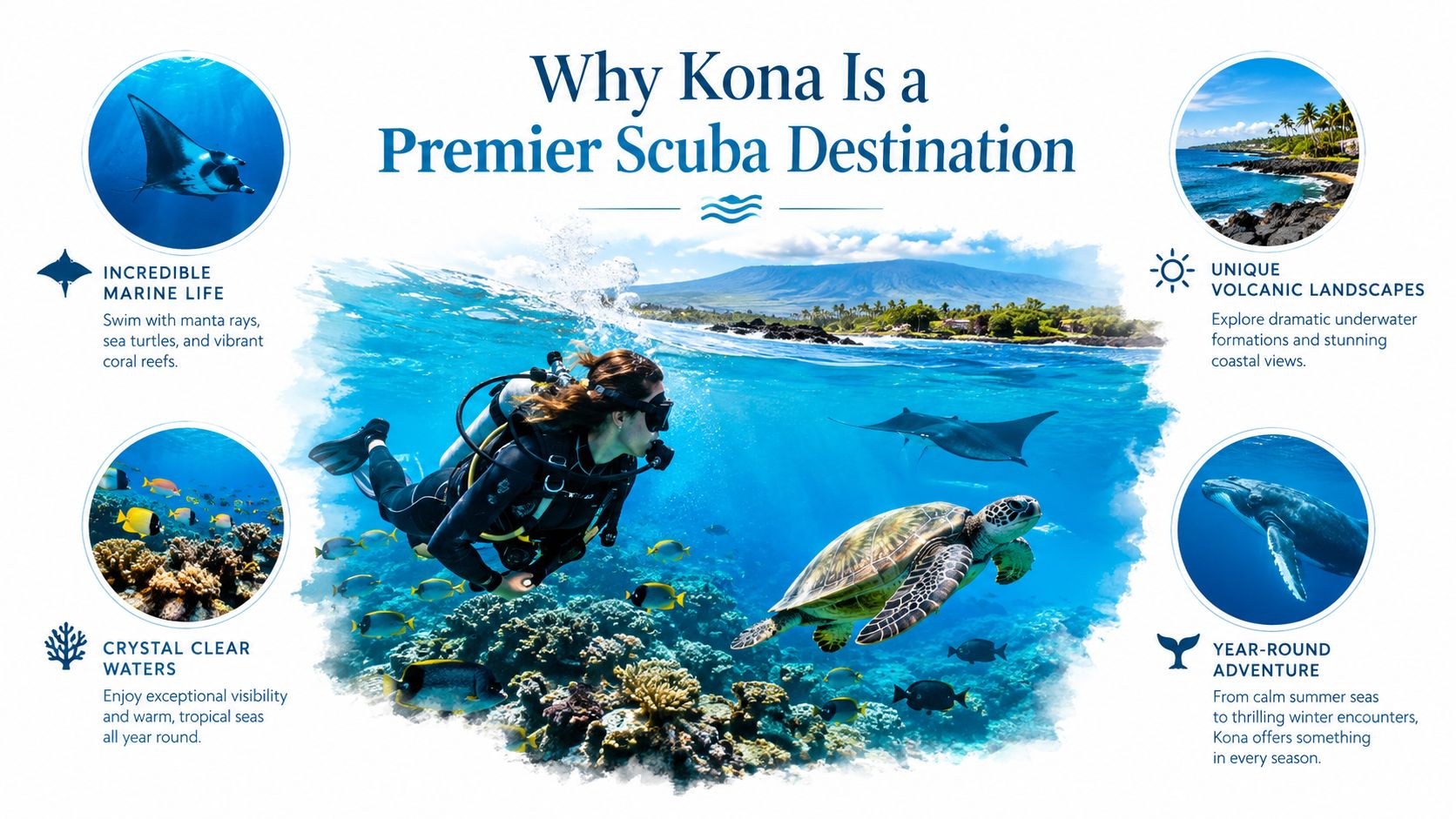
Kona sits on the leeward, west side of the Big Island, sheltered by large volcanoes from the trade winds that rough up other coasts. That geography gives you calmer water, less runoff, and clearer conditions for much of the year. Underwater, old lava flows have formed arches, tubes, walls, and coral gardens, so two dives in one morning can look completely different.
Reefs That Pay for Themselves and Protect the Coast
These reefs aren't scenery in the background of a vacation. They're working infrastructure. A NOAA coral reef valuation for Hawai'i estimated approximately $364 million in average annual benefits, with recreation and tourism accounting for about 85%, or roughly $304 million per year, and placed net present value at nearly $10 billion using a 3% discount rate.
Protection matters just as much. A U.S. Geological Survey assessment of reef flood protection in Hawai'i estimated Hawaiian reefs prevent approximately $836 million in annual flood related damages statewide and protect more than 6,800 people, with reefs around the Island of Hawai'i accounting for a combined about $50.7 million annually in avoided building and economic losses.
That context changes how you should dive here. Good buoyancy, no touching, and no standing on reef aren't politeness. They're how you avoid damaging the habitat that supports both your dive and the coastline behind you. Before you arrive, read up on diving Kona conditions and sites so you know why captains choose sites by swell, wind, and visibility on the day, not by a fixed wishlist.
You also get range in a small area. Shallow coral gardens suit training and relaxed reef diving. Steeper drop offs and lava formations suit experienced divers and photographers. At night, the same coast supports manta feeding and open ocean blackwater encounters you won't replicate on a daytime reef dive.
Matching Trips to Diver Profiles and Skill Levels
Don't book the most famous trip first. Book the trip that fits your logbook, your swim ability, and the least confident person in your group. Browse the full range of Kona diving tours and charters and scuba diving tours on the Big Island, then narrow by the profiles below.
Trip Matches That Actually Work
- Two tank morning reef dive: Best for certified divers who want variety, lava formations, and reef life in daylight. This is the right first boat dive for most visitors and the best way for a guide to see your buoyancy and air consumption.
- Advanced two tank trip: Book more experienced diving opportunities on the advanced two tank trip only if you're current, comfortable deeper, and self reliant. If you haven't dived recently, don't use this as your warm up.
- Manta ray night dive: Certified divers sit or kneel in a viewing area while mantas feed on plankton drawn to lights. Book the two tank manta dive and snorkel tour if mantas are your priority, and choose the site deliberately.
- Blackwater night dive: Book the Kona blackwater dive tour only with strong buoyancy and night comfort. You drift in open ocean watching small pelagic animals, not a reef.
- Snorkel and private charters: Best for mixed groups, weaker swimmers who still meet swim requirements, families, and non diving companions who want a shared day without splitting up.
Garden Eel Cove Versus Manta Village
Choose Garden Eel Cove for the manta dive. Hawai'i's Department of Land and Natural Resources identifies Makako Bay, also known as Garden Eel Cove, and Keauhou Bay in its manta viewing assessment as the two principal Kona viewing locations, where rays gather at night to feed on plankton. Garden Eel Cove is superior because of its protected location, better viewing area, and better surrounding reefs.
The long term record supports that choice. A University of Hawai'i study of Kona reef manta rays analyzed 2010 to 2022, covering more than 23,000 sightings of 167 individual reef manta rays, and found Garden Eel Cove consistently produced larger aggregations while Keauhou showed stronger female site fidelity. A legislative testimony document states mantas are observed on approximately 80% of dives at Garden Eel Cove each year. That's strong odds, not a guarantee. Plankton density drives aggregation size, so treat it as wildlife, not a performance.
Screen Yourself Before Any Night Trip
Independent visitor guidance states manta snorkeling requires confident swimming and unassisted ladder climbing, while scuba requires Open Water certification. That same guidance context notes snorkeling was associated with 225 ocean drowning deaths in Hawai'i from 2014 to 2023, including 205 visitors. Kona's calm reputation doesn't remove darkness, swell, boat traffic, or exit risk.
If you can't swim confidently without flotation, climb the ladder alone, or stay calm offshore at night, don't book the manta snorkel. Pick a daytime trip or ride along option and discuss it first.
For blackwater, set expectations correctly. Research on Kona blackwater diving and larval fish identification documented 76 larval fish specimens, with 44 identified to species or genus with at least a 99% match. A NOAA analysis of Kona blackwater biodiversity predictors found water temperature, bathymetry, and the El Niño Southern Oscillation index were the three most important predictors, and its model accounted for 43% of total observed deviation. You'll likely see salps, siphonophores, and ctenophores. If you want big animals guaranteed, this isn't your dive.
One option for these trips is Kona Honu Divers, which operates guided reef, manta, blackwater, and advanced charters from Kona and offers courses and rentals through its shop. Compare its prerequisites, group limits, and policies against other operators the same way you'd compare any shop.
Certification Courses and Skill-Building Options
If you're not certified, you have two honest paths. Do a short introductory experience under direct instructor supervision, or commit the time to full Open Water certification. Don't try to shortcut either one because you're on vacation. Review available scuba classes and certification courses in Kona before you set your dates, and finish online study at home if your course allows it.
From First Breath to Specialty Training
Discover Scuba suits curious beginners who want a supervised taste without earning a card. Open Water suits travelers who want to dive independently with a buddy on future trips and join standard boat charters. Expect knowledge development, confined water skills, then open water dives where you demonstrate mask clearing, regulator recovery, buoyancy control, and safe ascents.
- Advanced Open Water: Builds navigation, deeper diving awareness, and task management. Take it after you're comfortable, not immediately just to collect a card.
- Rescue Diver: The most useful course many recreational divers ever take. You'll practice self rescue, buddy assistance, and problem management, and you'll become a safer dive partner.
- Enriched air nitrox: Teaches gas analysis, computer settings, and maximum operating depth. It's practical for repetitive multi day diving in Kona.
- Deep and photography specialties: Worth it if you have a specific goal and enough foundational control to add a camera or depth without losing buoyancy.
Refreshers and Honest Time Planning
If you haven't logged a dive in a year or more, book a refresher. That's not an insult, it's cheap insurance for your first boat day. You'll review equipment assembly, checks, buoyancy, air sharing, and ascents with an instructor instead of remembering them under pressure with a group waiting.
Complete medical disclosures truthfully and early. Some conditions need physician clearance, and discovering that at check in can end your course. Protect non diving time in your schedule too. Courses need study, sleep, and no flying right after diving, so don't place training on your last full day.
Direct advice: Beginners who aren't ready to certify shouldn't force a scuba manta dive. A guided manta snorkel, if you meet the swim and ladder standard, gives you the same animals from the surface without pretending you're qualified for scuba at night.
Boats, Safety, and Rental Gear Standards
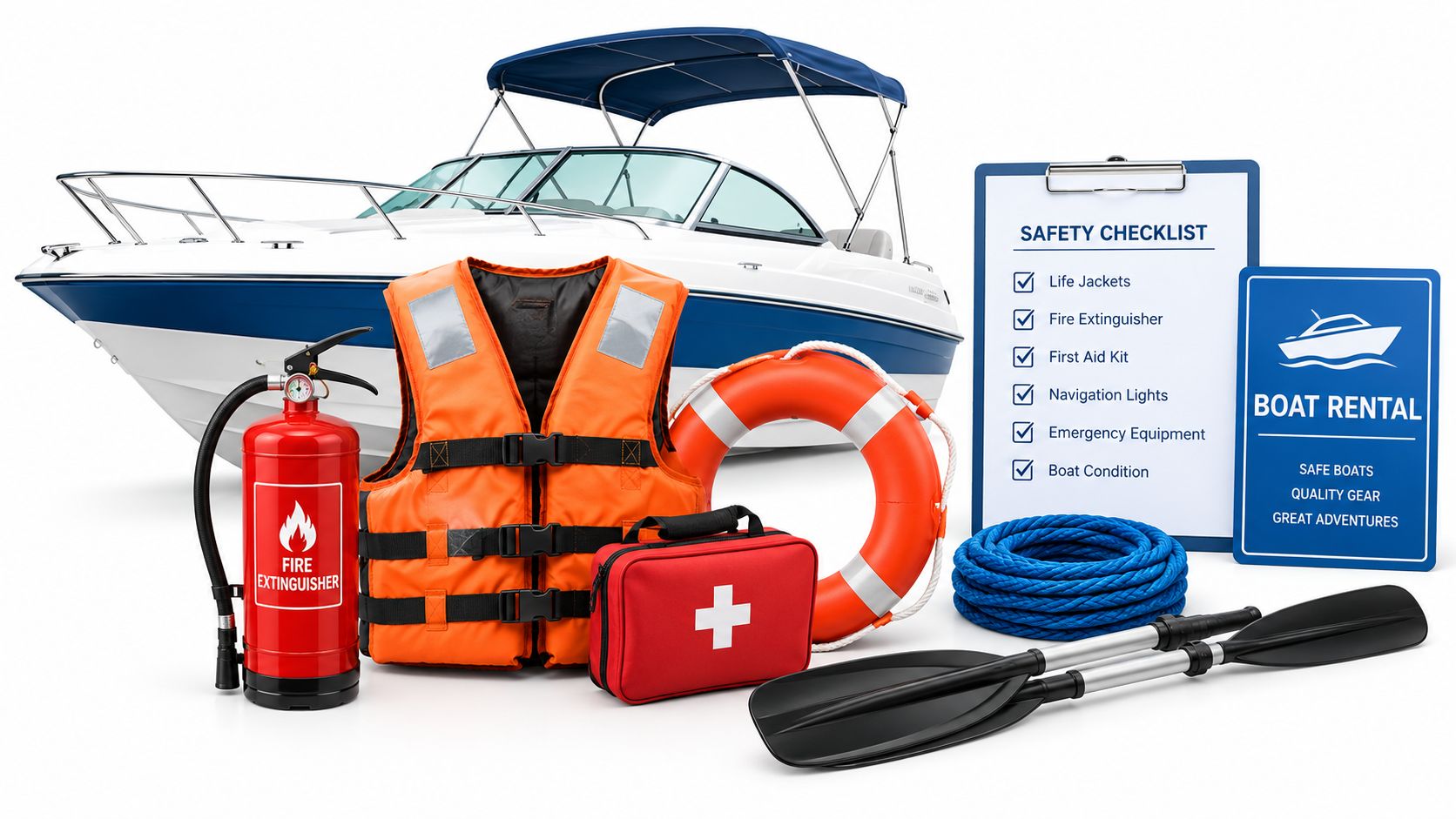
A quality Kona dive shop shows its standards before you leave the harbor. Look for shaded seating, dry storage, a clear head count system, emergency oxygen and an AED, and a crew that briefs entry, exit, recall, and lost buddy procedures without rushing. Hot showers are a comfort bonus. A disciplined roll call is non negotiable.
What to Check on Board and in the Water
Listen to the briefing even if you've dived the site before. Conditions, mooring position, current, and the exit plan change. Do a real buddy check, confirm weights and releases, test both regulators, and agree on turn pressure, maximum depth, and hand or light signals. On night dives, carry a primary light and a backup and confirm the guide's signals before descent.
Ask about divemaster to diver ratios and surface support. Smaller guided groups give the guide time to spot problems early, manage photographers, and keep newer divers off the reef. If you're not comfortable with the ratio, the site, or the conditions, speak up on the boat. Skipping a dive is always cheaper than an incident.
Gear, Nitrox, and Reef Discipline
Rental BCDs, regulators, masks, fins, and wetsuits should be proactively serviced, sanitized, and fitted before departure. Check scuba rental gear options in Kona and reserve sizes in advance. Bring your own mask and computer if you own them, since fit and familiarity matter most there. Inspect rental kit during assembly, breathe from the regulator, check inflator function, and report leaks immediately.
Free nitrox is valuable only if you use it correctly. NOAA defines nitrox as a breathing mixture containing 22 to 40% oxygen and limits bottom phase oxygen partial pressure to 1.40 ATA in its diving standards, requiring recognized nitrox training, as set out in NOAA diving technology and nitrox standards. Analyze your cylinder, label it, set your computer to the actual mix, and calculate your maximum operating depth. Don't trust a nominal sticker and don't follow a buddy deeper than your gas allows.
Nitrox reduces nitrogen loading for a given profile. It does not give you permission to stay deeper, ignore your computer, or skip analysis.
Use moorings rather than anchoring on reef where available, keep fins up, and don't grab coral to stabilize a photo. Good trim protects the site and improves your air consumption. That's not environmental messaging. It's competent diving.
Sample Itineraries for a 3 to 5 Day Dive Trip
Build your itinerary from easy to demanding. Start with a daytime reef dive so the crew sees your skills, then earn your way to night and advanced work. Leave buffer for weather, traffic to the harbor, gear rinse, meals, and sleep. Don't schedule diving immediately before a flight or a drive to altitude.
| Day | 3-Day Mixed Plan | 4-Day Diver Plan | 5-Day Advanced Plan |
|---|---|---|---|
| 1 | Arrive, fit gear, early night | Morning two tank reef dive | Morning two tank reef dive, check buoyancy |
| 2 | Diver morning charter, snorkeler beach morning, shared sunset | Morning two tank, afternoon rest | Advanced two tank trip |
| 3 | Shared manta night trip if everyone qualifies, depart next day after buffer | Manta two tank night dive | Rest day, photography review, early bed |
| 4 | Not applicable | Final morning reef dive, no fly buffer | Blackwater night dive |
| 5 | Not applicable | Not applicable | Final morning dive or course specialty, full no fly buffer |
How to Use These Plans
The three day mixed plan works for a couple with one diver and one snorkeler. Don't force the snorkeler onto a night boat if swimming or ladder ability is marginal. A private or mixed charter can keep the day shared without lowering the safety standard.
The four day diver plan gives you repetition. You'll improve trim and air use across days, which makes the manta night dive calmer and more enjoyable. Keep the afternoon before the manta trip light, eat early, and rig lights and cameras before you're tired.
The five day advanced plan deliberately separates the advanced charter and blackwater. You're sharper when you're rested, and blackwater demands precise buoyancy in blue water with no reference. Put photography on a later reef dive, after you've proven you can hold position without task loading. If weather cancels a signature night trip, the rest day becomes your reschedule window. That's why it's there.
Booking, Cancellations, and What to Pack
Book signature night trips and courses first, then fill morning charters around them. Confirm harbor, check in time, parking, what's included, rental needs, and prerequisites in writing. Read the Kona Honu Divers policies on booking and cancellations or the equivalent policy page for any shop you choose, especially deposit, payment timing, weather rescheduling, and no show terms.
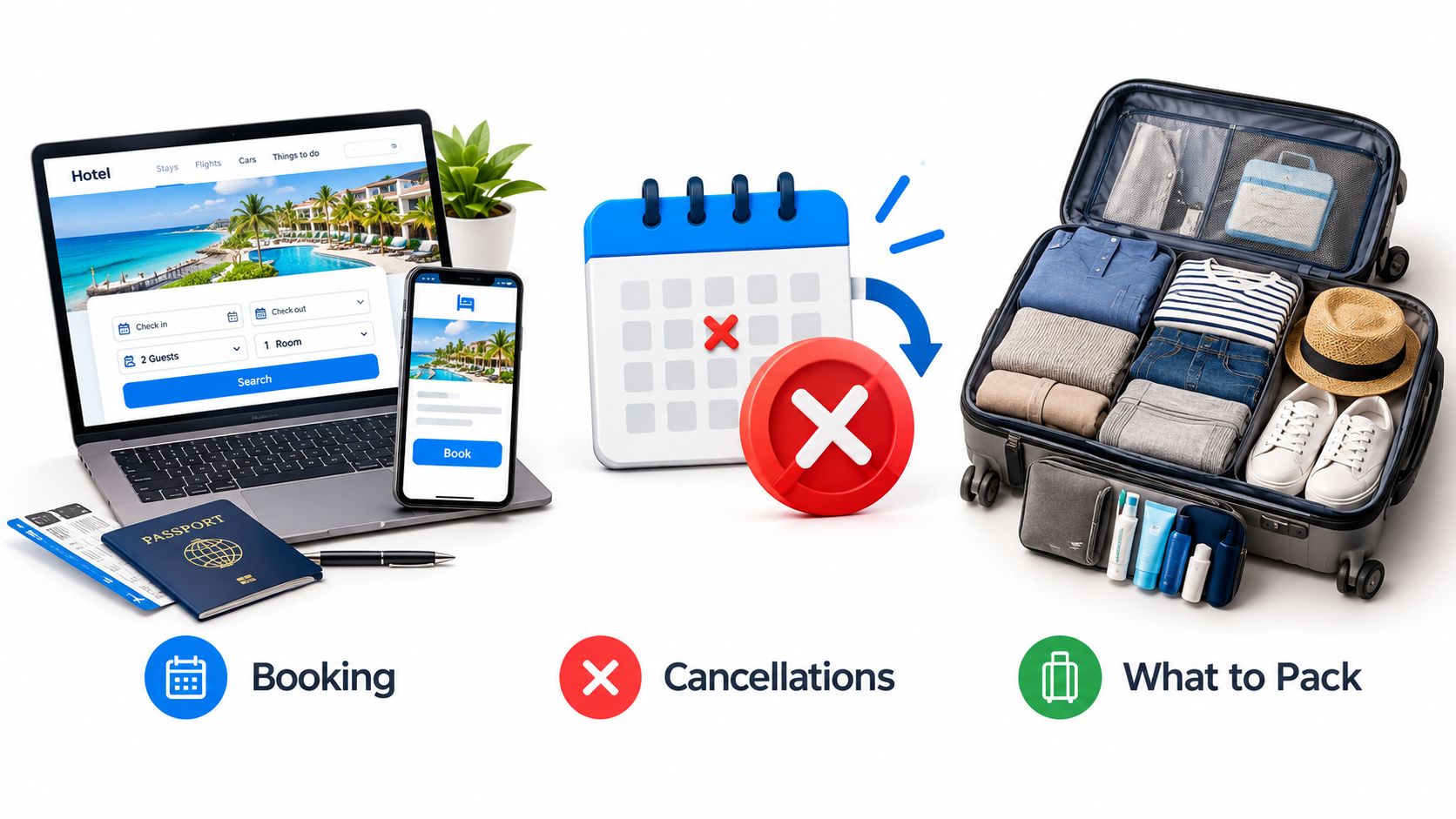
Arrive early, bring your certification card and logbook, and disclose medical, mobility, or anxiety concerns before the boat is loaded. If the operator cancels for unsafe conditions, accept the call. Captains aren't cancelling to inconvenience you, they're protecting entries, exits, and surface support.
Pack Smart and Prevent Seasickness
- Personal kit: Mask, snorkel, fins, computer, rashguard, towel, dry bag, and a warm layer for night returns.
- Documents and tools: Certification card, logbook, dive insurance details, reef safe sunscreen applied well before entering the water, and camera batteries charged the night before.
- Seasickness plan: Decide before departure day. Options include the Ship-EEZ Seasickness Patch, Dramamine pills, Bonine pills, Sea Band wristbands, and ginger chews. Test medication at home first for drowsiness, follow label directions, and don't experiment on dive morning.
Eat a light, familiar meal, hydrate, limit alcohol the night before, and sit where you can see the horizon during transit. If you're prone to motion sickness, tell the crew before departure so they can position you sensibly and check on you during the surface interval.
Pricing Expectations and Common Questions
Don't compare shops on headline price alone. Compare what's included, including tanks, weights, rental gear, nitrox, guide ratio, trip length, food and drinks, harbor fees, and cancellation terms. Courses, private charters, and specialty night trips cost more than a standard shared morning charter because staffing and logistics cost more. Confirm the current total before you book, since rates and inclusions change.
Are manta sightings guaranteed? No. Garden Eel Cove gives you the strongest setup, but plankton, weather, and animal behavior control the night.
Can beginners join boat trips? Non certified guests can join introductory experiences, snorkel trips if they meet swim standards, or ride along where offered. They can't join certified scuba charters without the required card.
Can non diving companions come along? Often yes as snorkelers or riders, depending on the vessel and trip. Confirm space, swim requirements, and supervision rules for children in advance.
What happens in poor weather? The operator may move sites, reschedule, or cancel. Build a buffer day for any trip you can't stand to miss.
If you're ready to book reef dives, a Garden Eel Cove manta night, blackwater diving, training, rentals, or a private charter, start by comparing dates and prerequisites with Kona Honu Divers. Choose the trip you and your whole group qualify for, disclose any swim, mobility, or medical concerns before you reserve, and you'll spend your time in Kona diving instead of fixing a booking mistake.