
TL;DR: Typically, on short boat trips like a dive or snorkel tour, seasickness fades within 1 to 4 hours after returning to land. On longer voyages, symptoms may last 24 to 72 hours while your body adapts, but for day trips the discomfort is usually brief.
You’re probably here because you’ve got a boat day coming up, or you just got off one and you’re wondering if this queasy, wobbly feeling is going to stick around. That’s a fair question. Fortunately, this feeling often passes quickly, and once you know what’s normal, the whole thing gets a lot less intimidating.
I’ve spent a lot of time around divers, snorkelers, first-timers, kids, grandparents, and very confident people who were absolutely certain they’d be fine until the boat started rocking. Seasickness doesn’t mean anything is wrong with you. It means your body is reacting to motion in a very normal way.
Understanding the Seasickness Timeline
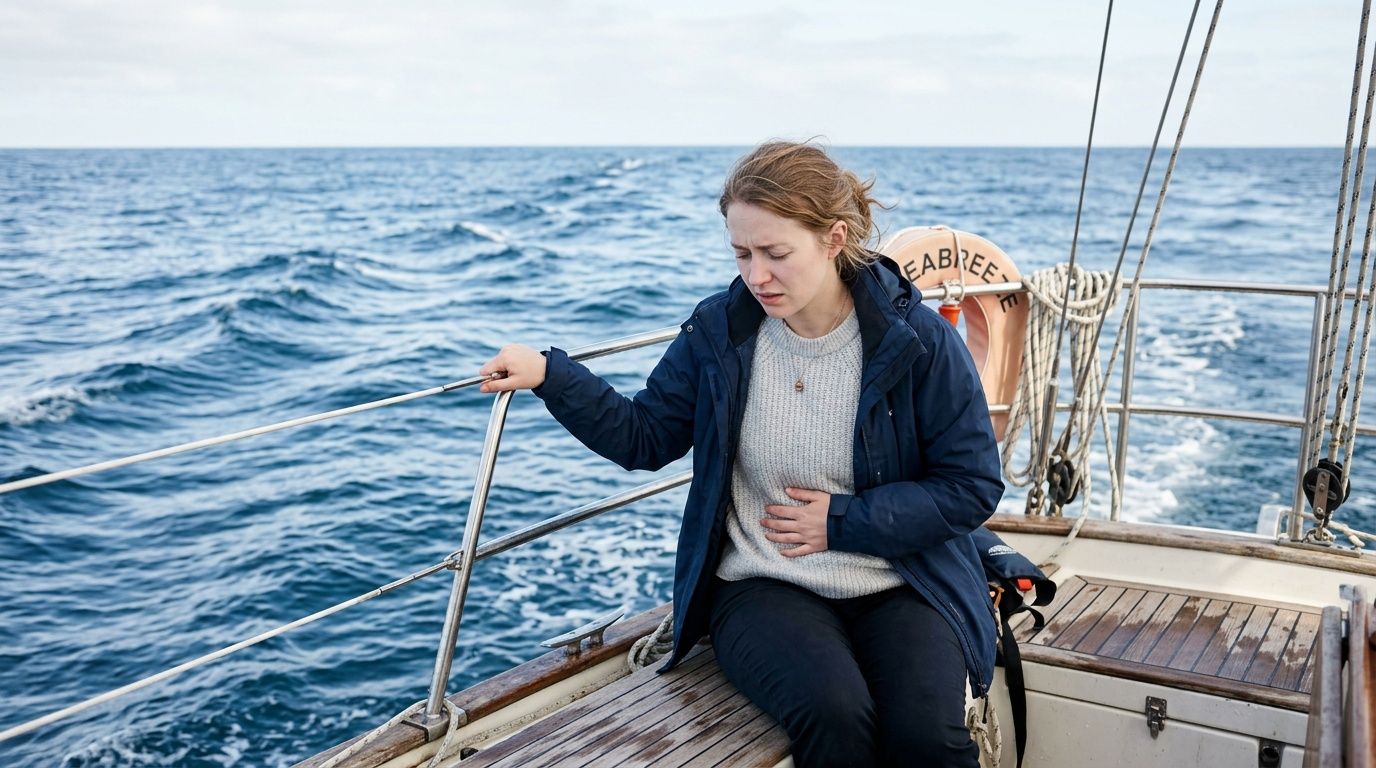
You step off the boat in Kona, plant your feet on the dock, and wonder whether your stomach is going to settle by dinner or follow you home. That question comes up all the time after snorkel trips, scuba charters, and manta ray night dives.
The timing usually depends on one simple idea. Your body has to switch from "boat mode" back to "land mode." While you are on the water, your inner ear tracks constant motion. If your eyes are locked on the deck, a tank bench, or your phone, your brain gets two different messages at once. That mismatch can lead to nausea, sweating, dizziness, or vomiting.
On a typical Kona day boat, the rough part is usually short-lived. For many guests, symptoms start easing once they are back on shore, sitting still, drinking water, and letting their balance system settle. A half-day dive trip and a longer liveaboard do not follow the same timeline, and that difference matters.
A good way to picture it is a snow globe. Shake it, and the water inside stays unsettled for a bit even after the motion stops. Your balance system works in a similar way. Once the boat ride ends, the "swirl" usually settles fairly quickly after a local snorkel or dive charter.
That is why many people feel much better within hours of a Kona excursion, even if they felt miserable on the ride out. This is especially reassuring for guests booked on shorter trips, including afternoon charters and evening manta dives, where the motion exposure is limited compared with an all-day offshore run.
What this looks like on a Kona dive day
If you feel seasick on the way to the site, that does not automatically mean the rest of your day is ruined. Many divers are surprised by how fast they recover after they are back at the harbor.
Short trips usually mean short recovery. Longer trips usually mean a slower reset.
For people who are pregnant or planning a trip while pregnant, the timing question can feel more stressful because treatment options are different. Our guide to sea sickness and pregnancy covers those extra considerations in more detail.
Why longer voyages can feel different
With longer exposure, the body sometimes needs more time to adapt to motion or to readjust after motion stops. That is why cruise guests and liveaboard divers may talk about finally getting their "sea legs" after a day or two. The reverse can happen too. After a long trip, some people feel a brief rocking sensation back on land.
Divers in Hawaii sometimes call that "land sickness," and it can feel strange if you have never had it before. Usually it is temporary. It is also different from dangerous post-dive problems, which is why paying attention to the full picture matters.
A plain-English overview from Kona Snorkel Trips on how long seasickness lasts gives another Hawaii-specific look at what guests often notice after boat tours.
The timeline in plain language
| Situation | Typical duration |
|---|---|
| Short Kona boat trip | Often fades within a few hours after returning to land |
| Longer voyage with continued motion | Can take a day or more for the body to adapt |
| After a multi-day trip ends | Some lingering rocking or imbalance can briefly continue on land |
The main point is reassuring. After the kind of shorter boat trips Kona Honu Divers runs, seasickness usually passes much faster than people expect.
Factors That Affect How Long You Feel Sick
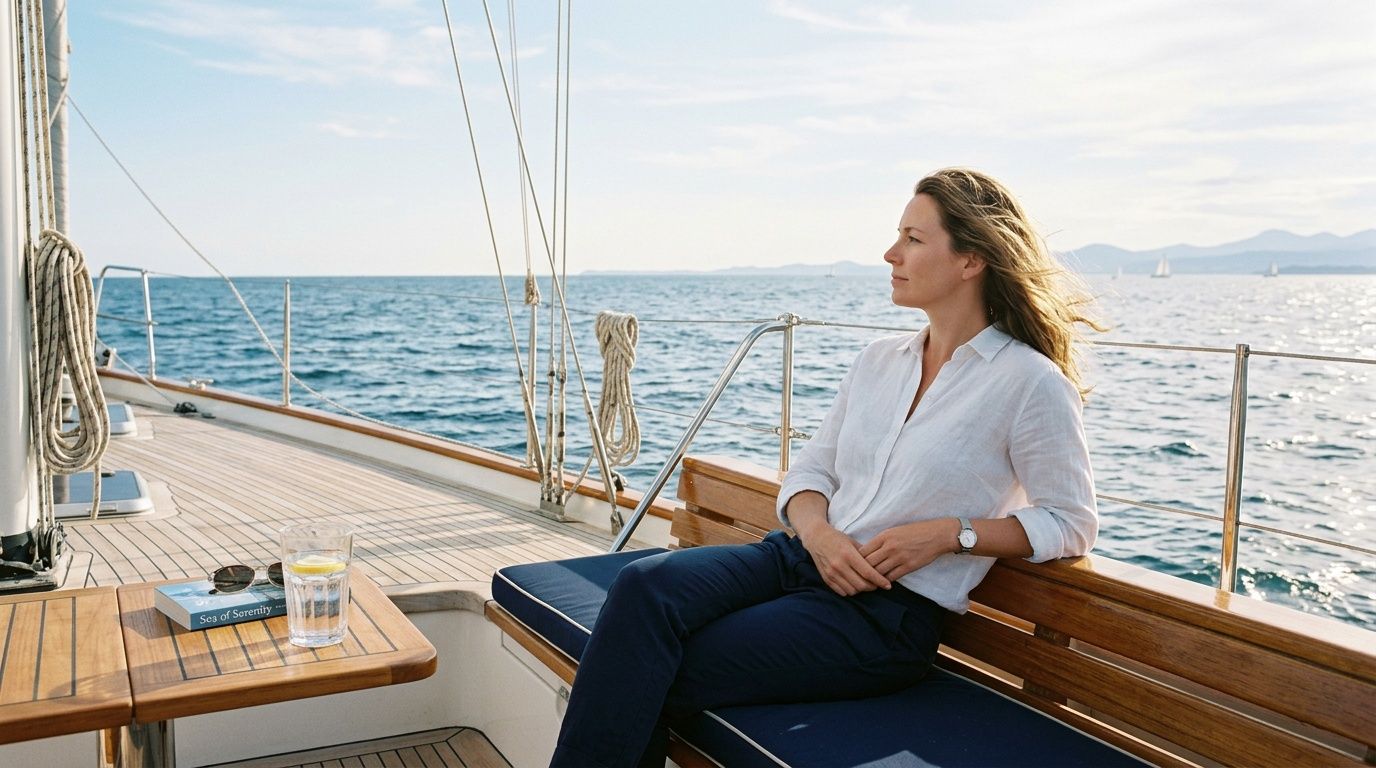
You can watch this play out on a Kona dive boat in a single morning. One diver is chatting comfortably on the ride out to the reef. Another starts to feel queasy before the site briefing ends. Same ocean, same boat, same route. The difference usually comes from a few predictable factors working together.
Motion type changes how long symptoms stick around
Your brain is trying to match three signals: what your eyes see, what your inner ear feels, and what your body senses. When those signals do not line up, nausea can start. A boat with quick bouncing motion often bothers people differently than a slower rolling motion, even if both trips cover the same distance.
That is one reason trip style matters in Kona. A short ride to a local reef may be easier for one guest, while another guest feels worse on a longer surface interval with more rocking at anchor. Manta ray night dives can be a special case because darkness reduces the visual cues that usually help your brain sort out motion, especially if you spend time looking down at gear instead of out at the horizon.
Boat size, seat choice, and air flow all play a part
Smaller boats usually pass more of the ocean's motion straight to your body. Larger boats often soften that feeling, but no boat removes it completely. Where you sit matters too. Midship generally feels steadier than the bow or stern, much like the middle of a seesaw moves less than the ends.
Fresh air helps many guests. So does staying where you can see outside. If you are tucked into a cabin, warm, and focused on a phone screen, your eyes are getting a very different message than your inner ear. That mismatch can turn a mild wobble into a longer recovery.
For guests who like pressure-point options, Sea-Band sea sickness wristbands are one simple tool some people use before boarding.
Your personal sensitivity sets the baseline
If you get carsick on winding roads, feel off on small boats, or dislike spinning rides, your system is already telling you it notices motion quickly. That does not mean you will have a bad Kona dive day. It means your setup matters more.
Sleep, hydration, stress, and food all influence how strongly you react. A very heavy meal can sit poorly. An empty stomach can also backfire. Many divers do best with a light, familiar meal, steady water intake, and a calm start to the day.
Hormonal changes can affect motion sensitivity too. If pregnancy is part of the picture, this guide to sea sickness and pregnancy covers those added considerations.
What I see affect recovery time most often
Guests usually recover faster when they catch the problem early. They recover more slowly when they spend the whole ride fighting the wrong conditions.
- Looking down for long stretches often makes symptoms last longer, especially during gear setup or phone use.
- Heat, stuffiness, and strong fumes can push mild nausea into full seasickness.
- Anxiety can amplify body signals. Once someone starts waiting for the next wave of nausea, every roll feels bigger.
- Repeated exposure during the same day can add up. A diver may feel fine on the way out, rough during the surface interval, and worse on the ride home if they never reset.
The reassuring part is this. Many of these factors are adjustable. On Kona Honu Divers trips, small choices such as where you sit, when you eat, whether you stay in the breeze, and how you use your eyes can make a real difference in both how sick you feel and how quickly you feel normal again.
Fast-Acting Treatments and Natural Remedies
You are on the boat, the harbor is behind you, and your stomach suddenly feels half a beat behind the ocean. That is the moment to act early and keep things simple.
As noted earlier, seasickness usually fades after the motion stops. The faster you settle your senses and your stomach, the faster many people feel normal again. On Kona dive trips, that matters because a short ride to a reef feels different from a longer outing, and a calm manta ray night dive can still be uncomfortable if nausea has already built momentum before you enter the water.
What to pack before a boat trip
Bring one primary remedy and one backup. That is the approach I recommend most often.
If you use medication, take it exactly as directed and early enough to work before the boat is moving. If you prefer drug-free options, pack those with the same intention. Wristbands, ginger chews, and a bottle of water are small items, but they can make a rough ride much easier to manage. If you want a practical pre-trip plan, this guide on how to avoid sea sickness before a boat dive lays it out clearly.
If you like a wristband-based option, this overview of Sea-Band sea sickness wristbands is a helpful starting point.
Seasickness remedy comparison
| Remedy Type | How It Works | Best For | Potential Side Effects |
|---|---|---|---|
| Ship-EEZ Seasickness Patch | Medicated patch worn before travel | People who want a longer-acting option for boat days | Side effects vary by person |
| Dramamine pills | Motion sickness medication taken before travel | Guests who want a familiar over-the-counter option | Can cause drowsiness |
| Bonine pills | Motion sickness medication taken before travel | Mild to moderate motion sensitivity | Can cause drowsiness in some people |
| Sea Band wristbands | Acupressure wristbands | People who want a drug-free option | Usually low risk, but effectiveness varies |
| Ginger chews | Ginger-based stomach-settling aid | Mild nausea or as a backup in your bag | Effect varies by person |
What works best in real dive-day situations
A remedy is only useful if it fits the trip in front of you.
- If you usually get sick early in the ride: A preventive medication or patch often makes more sense than waiting until the swell is already bothering you.
- If you are doing a shorter Kona reef trip: Ginger or wristbands may be enough if your motion sensitivity is mild.
- If you are doing a longer boat day or know you react strongly: A longer-acting option is often the safer choice.
- If you are diving at night for mantas: Be extra careful with anything that makes you sleepy. You want to feel settled, clear-headed, and ready to follow the crew’s directions in the dark.
- If you have never tried a product before: Test it on land before vacation, not on the morning of a dive trip.
- If vomiting has started: Shift your focus to fluids, cooling down, and resting your eyes on a stable point.
The goal is not to tough it out. The goal is to stop the spiral while it is still small.
Fast practical steps on the boat
Use the remedy you brought, then help your brain and inner ear get back in sync. A good comparison is a camera with shaky image stabilization. The picture improves when you hold it steady and point it at something fixed.
- Look at the horizon or shoreline. Your eyes need a stable reference.
- Stay in moving air. Fresh breeze helps more than people expect.
- Choose the most stable spot you can. Mid-boat usually feels calmer than the bow or stern.
- Take slow sips of water. Big gulps can backfire.
- Put the phone away. Looking down is one of the fastest ways to feel worse.
- Loosen anything tight around your neck or waist. Small comfort changes can reduce that trapped, overheated feeling.
If you still feel off after the ride ends, do not be surprised if your body seems to keep swaying for a while. Divers sometimes call that land sickness. It is different from active seasickness, and it can feel strange after a day on the water, especially after multiple dives and a long ride back.
Proactive Prevention for Your Kona Dive Adventure
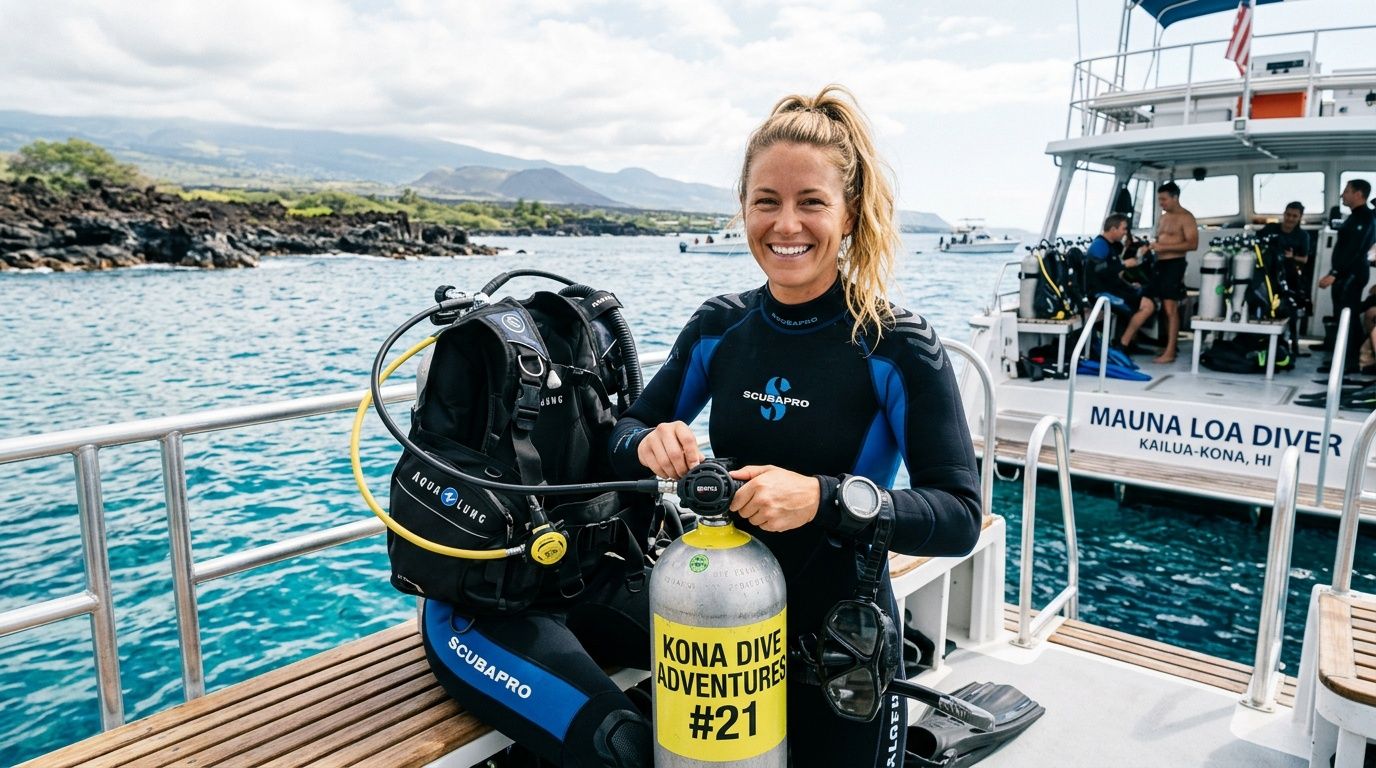
The best fix for seasickness is preventing it before your brain and stomach start arguing. That matters even more on a dive day, because comfort on the surface affects how relaxed and focused you feel in the water.
For guests heading out on Kona diving tours, I’d keep the pre-trip routine simple and repeatable.
The pre-boat checklist I’d use
- Sleep well the night before: Fatigue makes motion feel worse.
- Eat lightly: Think simple, easy-to-digest food rather than a giant greasy breakfast.
- Hydrate early: Start before you board, not after you feel sick.
- Take your chosen remedy in advance: Most options work better before symptoms begin.
- Board with a plan: Pick a stable seat and know that the horizon is your friend.
A lot of people wait until they feel bad to do something. That's the mistake. Seasickness is much easier to prevent than to chase.
Boat habits that help right away
Once you're underway, help your senses agree with each other. Stay outside if possible. Face forward. Watch the coastline or horizon. Avoid reading, scrolling, or staring down into your lap.
If you want a deeper rundown of pre-trip habits, this how to avoid sea sickness guide lays out practical strategies that fit a Hawaii boat day.
The most useful prevention tip isn't fancy. Keep your eyes on something stable in the distance and give your body a chance to settle.
Why this matters for dives like manta nights
Night trips can make some guests more nervous because the visual environment changes. Once the sun goes down, you lose some of the easy horizon cues that help during daylight. That’s one reason it helps to start the evening hydrated, rested, lightly fed, and already using your chosen prevention method if you need one.
If you're going out for a manta experience, staying comfortable on the ride often means you enjoy more of the actual underwater part.
Check AvailabilitySeasickness and Scuba Diving Safety
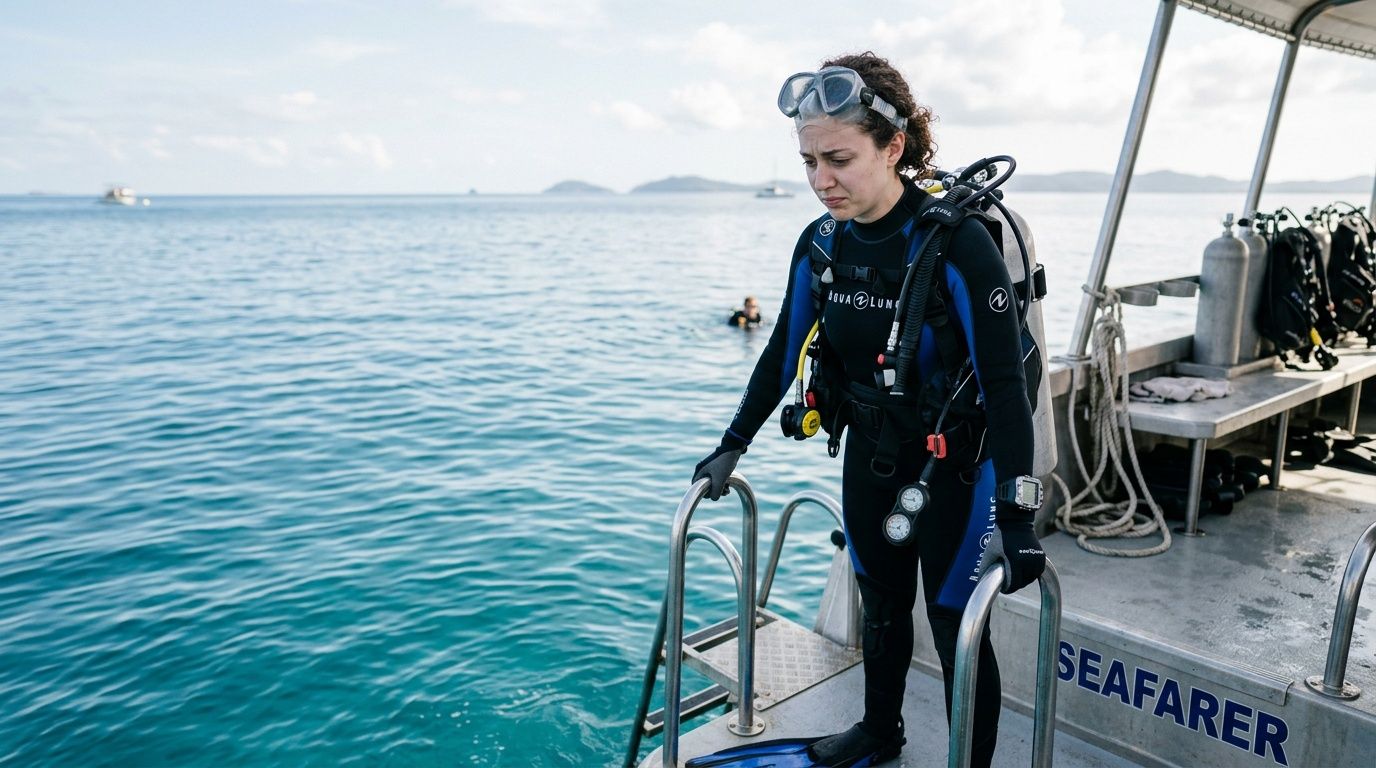
Seasickness isn't just uncomfortable. For divers, it can become a safety issue. Nausea, dizziness, fatigue, and vomiting can drain your focus before you ever hit the water.
A broad seafarer study found that 34% suffer from seasickness, and while most symptoms like nausea resolve within 24 hours of returning to land, some people experience a lingering rocking feeling called mal de debarquement, which usually fades within a few hours to two days, according to this report on seasickness and post-trip rocking sensations.
Why divers shouldn't try to tough it out
Diving asks you to do simple things well. Watch your depth. Track your gas. Listen to the briefing. Move deliberately on entries and exits. Seasickness can make all of that harder.
Vomiting also means fluid loss. If someone has been very sick on the boat, I want them thinking carefully about whether they’re in the right condition to dive at all.
Normal land wobble versus a problem
After a boat trip, some people step onto shore and still feel a little sway. That can be normal. The key question is how long it lasts and whether it’s improving.
For more context on medication options divers commonly ask about, this overview of sea sickness pills is a useful companion read.
Trips where you want to feel especially sharp
Some dive plans demand more from you. If you’re considering a Kona Blackwater Dive or a premium advanced long-range charter, showing up well-rested, hydrated, and symptom-free matters even more.
If you feel too sick to gear up confidently, that's useful information. Listen to it.
The goal isn't to be tough. The goal is to be safe and have a good dive.
When Symptoms Linger What To Do Next
Most seasickness ends quickly. Sometimes the nausea is gone, but you still feel like you’re gently rocking even after you’re back on land. That sensation is called mal de debarquement, often shortened to MDD.
A study of Navy crew found that 75% experienced transient MDD, and 88% of those cases cleared within 6 hours. It becomes a clinical concern if it lasts more than 3 days, which is the threshold for prolonged MDD in this Clinical Advisor review of post-trip rocking sensation.
What's normal
Normal post-trip land sickness usually feels like mild swaying or bobbing. It often improves with rest, hydration, and time. Many people notice it most when standing still, showering, or lying in bed after a day on the water.
When to pay closer attention
Use this as a simple guide:
- A few hours of rocking: Usually within the normal range.
- Up to a couple of days: Can still happen after sea exposure.
- More than 3 days: Worth medical follow-up.
- Severe vomiting or dehydration: Get medical advice sooner.
If something feels off, especially if symptoms are strong, not improving, or interfering with walking, eating, or sleeping, it’s smart to check in with a clinician. Most cases settle down. The few that don’t deserve proper attention.
Set Sail Confidently with Kona Honu Divers
Fear of seasickness keeps some people from booking amazing ocean experiences they’d probably handle just fine. In real life, most short-trip seasickness passes quickly, and a little preparation goes a long way.
At Kona Honu Divers, the crew sees the whole range. Guests who never get sick. Guests who always bring ginger. Guests who feel queasy on the ride out and then have an unforgettable dive anyway. Good planning, the right seat, fresh air, hydration, and the right remedy can make a big difference.
If Hawaii diving is on your list, don’t let worry make the decision for you. Give yourself the best setup possible, know what’s normal, and step on the boat with a calmer mind.
Check AvailabilityReady to get in the water with a crew that understands both comfort and safety on boat dives? Take a look at Kona Honu Divers and plan a trip that lets you focus on the reef, the manta rays, and the experience instead of worrying about the ride.