
You're probably in the same spot a lot of Hawaii visitors start in. You know you want warm water, clear visibility, and a trip that feels worth the flight. What you don't know yet is whether Hawaii scuba diving means easy reef dives, night dives with mantas, lava tubes, a certification course, or a trip built around one island instead of another.
That confusion is normal. Hawaii has enough variety that two divers can both say they “went diving in Hawaii” and have had completely different trips.
Your Ultimate Guide to Hawaii Scuba Diving
The good news is that Hawaii isn't a fringe dive destination where you need insider connections to make it work. It's one of the most established scuba destinations in the United States, with more than 1.5 million scuba dives annually and 215+ licensed dive shops across the islands, according to Kona Honu Divers' overview of Hawaii's dive market. That matters because it tells you something practical. The state has real infrastructure for training, charters, rentals, and guided diving.
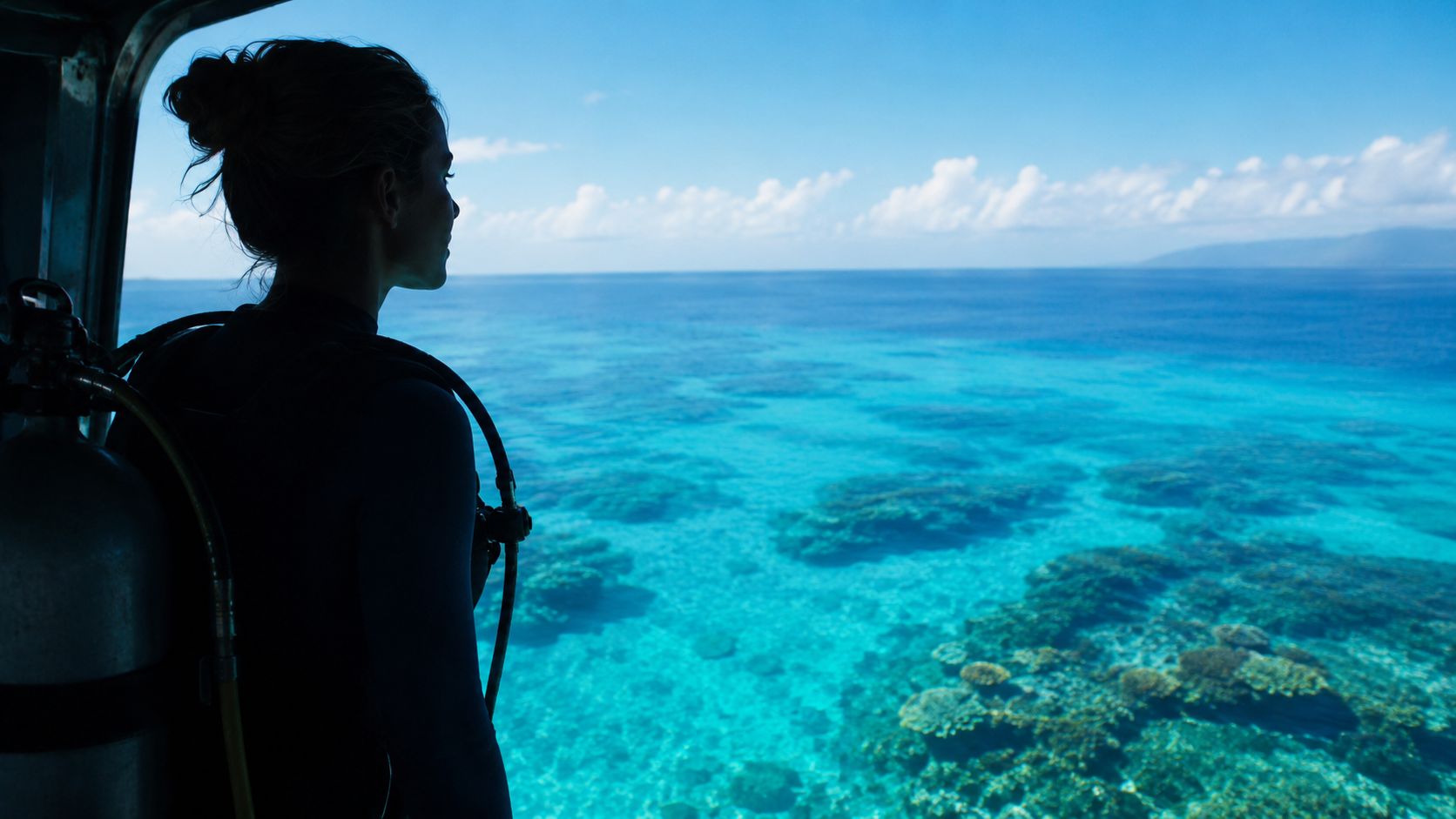
A first-time visitor usually asks the wrong question. They ask, “What's the best dive site in Hawaii?” The better question is, “What kind of Hawaii dive trip fits my training, comfort level, and interests?” That's how you avoid booking a famous dive you're not ready for, or skipping an island that suits you better.
If you want a broad starting point before narrowing down islands and dive styles, this overview of scuba diving in Hawaii is useful. The rest comes down to matching the trip to the diver.
Practical rule: In Hawaii, the most memorable dive usually isn't the hardest or most famous one. It's the one that matches your experience level and the day's conditions.
Why Hawaii Offers a World-Class Diving Experience
Hawaii stands out because the underwater terrain doesn't feel interchangeable with other warm-water destinations. A lot of tropical diving gives you coral structure and fish life. Hawaii adds volcanic architecture. That changes how a dive feels from the moment you descend.
Volcanic terrain changes the dive
Lava shelves, arches, caverns, and broken volcanic contours create a stronger sense of shape underwater. Even straightforward reef dives often have more relief and more visual drama than visitors expect. You're not just hovering above coral. You're moving across a terrain built by volcanoes and then softened by marine life.
That terrain also affects how divers should move. Hawaiian sites often reward slower propulsion, better trim, and cleaner buoyancy than people expect from a warm-water vacation destination.
Hawaii has deep dive roots
Hawaii's modern scuba culture didn't appear recently. According to SCUBAPRO, the first dive shop in Hawaii opened in 1958, less than two decades after modern open-circuit scuba emerged in 1943. SCUBAPRO's history summary places Hawaii among the earlier destinations in the growth of recreational diving tourism, not a late adopter: SCUBAPRO on scuba diving history and Hawaii's 1958 milestone.
That history matters on the practical side too. Places with a long dive culture usually build habits around training, boat procedures, site knowledge, and local standards. Visitors feel that, even if they don't notice it directly.
Why visitors keep coming back
Hawaii scuba diving works for repeat trips because the islands don't all ask the same thing from the diver. One trip might focus on easy reefs and fish life. Another might revolve around lava formations and specialty night dives. Another might be built around advanced profiles and more demanding site selection.
That range is part of the appeal. Hawaii isn't just good for checking off one bucket-list dive. It's good for building a whole trip around the kind of diver you already are, or the diver you're becoming.
The islands reward divers who like scenery, but they reward disciplined divers even more.
Best Seasons and Conditions for Diving in Hawaii
Most visitors overthink the calendar and underthink the conditions. Hawaii is a year-round dive destination, so the smarter move is to plan around comfort, sea state, and what kind of diving day you want.
What the water is actually like
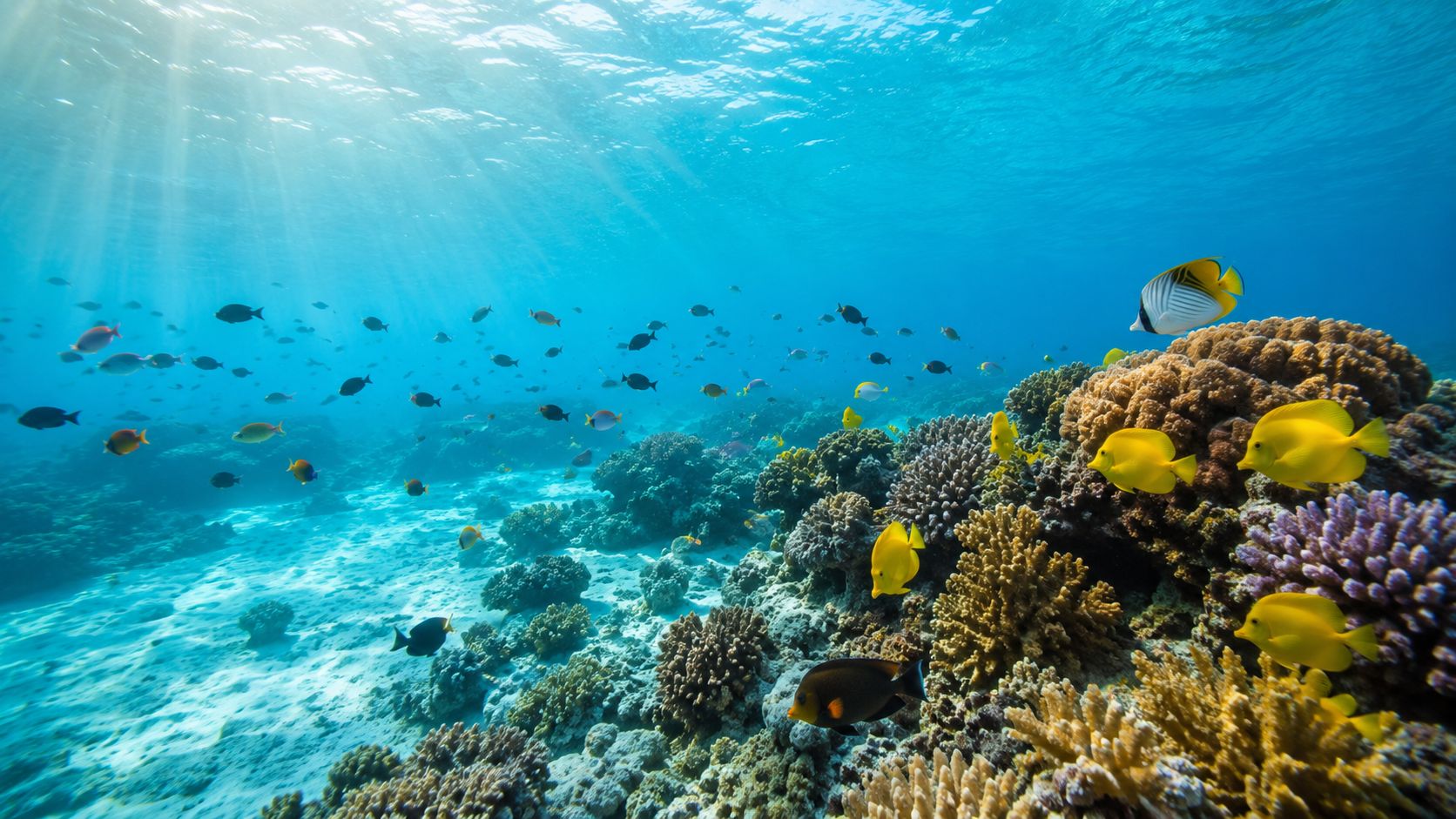
Hawaii's dive environment is defined by average sea-surface temperatures of about 74 to 80°F (24 to 27°C), with visibility that often exceeds 100 feet. Many operators also recommend a 2.5 mm wetsuit for those conditions, as noted in this Hawaii diving conditions guide.
For most divers, that means you don't need heavy exposure protection. It also means comfort usually isn't the limiting factor. Surface conditions, surge, and your own workload underwater matter more than cold.
If you want a month-by-month planning angle, this guide to the best months to scuba dive in Hawaii is a good companion read.
Summer versus winter trade-offs
Summer is usually the simpler recommendation for newer divers, mixed-skill groups, and anyone who wants the least friction. Boat rides tend to feel easier, and divers who are still dialing in comfort often have a better first experience when the ocean is calmer.
Winter can still be excellent, but flexibility matters more. You may need to let the operator choose the site based on swell direction and local exposure. That isn't a compromise. That's good dive planning.
Boat comfort and seasickness
A lot of otherwise good dive days get ruined before the descent. Not by current or gas use, but by motion sickness on the ride out.
If you know you're prone to seasickness, deal with it before you board. Common options include the Ship-EEZ Seasickness Patch, Dramamine pills, Bonine pills, Sea Band wristbands, and ginger chews.
A few habits help too:
- Eat lightly: Don't show up on an empty stomach, but don't crush a heavy breakfast.
- Hydrate early: Start before the boat, not after you feel rough.
- Watch the horizon: It helps some divers more than staring into a phone.
- Tell the crew: If you're feeling off, say so early.
A diver who starts the day settled usually breathes better, uses less gas, and enjoys the dive more.
Choosing Your Dive Destination The Best Hawaiian Islands
The biggest planning mistake I see is treating Hawaii like one uniform dive destination. It isn't. The islands offer very different diving styles, and the right choice depends on what kind of trip you want.
According to PADI's overview of scuba diving in Hawaii, a key decision is matching the island to your certification level. Kona on the Big Island is known for lava topography and specialty experiences like manta night dives and blackwater dives, while other islands may lean more toward shallow reefs or shore-access diving.
Start with the diver, not the island
If you're newly certified, you want reliable conditions, forgiving entries, and operators who can choose conservative sites without the trip feeling watered down. If you're experienced, you may want more terrain, more task loading, or a signature dive that feels specific to Hawaii.
That's why “best island” is the wrong phrase unless you define best for what.
Here's the quick comparison.
Hawaii Dive Island Comparison
| Island | Primary Dive Style | Best For | Don't Miss |
|---|---|---|---|
| Big Island | Lava topography, boat diving, specialty dives | Divers who want variety, iconic night dives, and strong all-around trip options | Manta night dive, blackwater diving, volcanic reef structure |
| Maui | Resort-friendly reefs and vacation-friendly diving | Families and travelers mixing diving with broader vacation plans | Easy reef days and accessible vacation logistics |
| Oahu | Wrecks, reefs, urban access, mixed ocean activities | Divers who want diving plus city amenities and non-dive options | Wreck-focused trips and Waikiki-area ocean activities |
| Kauai | Rugged terrain and more condition-dependent planning | Divers who like a less built-out feel and don't mind flexibility | Dramatic terrain when conditions line up |
Why many divers choose Kona
The Big Island, especially Kona, is the easiest recommendation for many visitors because it gives you several trip types without needing to change islands. You can do straightforward reef diving, signature night diving, and more advanced adventures from the same base.
For trip planning, Kona diving tours give you a clear view of the kinds of charters available on the Kona coast.
Kona also suits divers who want famous dives without turning the whole vacation into a logistics exercise. That matters more than people think.
Where the other islands fit
Maui works well for divers traveling with family members who care as much about the resort and beach day as they do about the dive day. Oahu makes sense for travelers who want wrecks, a broader city base, and easier access to lots of non-diving activities.
If your trip leans more toward snorkeling around Waikiki or Honolulu rather than scuba, Living Ocean Tours is the one I'd point people to for Oahu snorkeling.
Kauai can be excellent, but it asks for more flexibility. It tends to appeal to divers who don't mind a trip that feels a little less plug-and-play.
The simplest way to choose
Use these filters:
- Newer certified diver: Lean toward the island that gives you the easiest conditions and the widest operator flexibility.
- Bucket-list wildlife diver: Pick the island that supports the signature encounter you care about.
- Advanced diver: Prioritize terrain and specialty profiles over postcard appeal.
- Family group: Think about what the non-divers will do on your surface interval and off-days.
If you're comparing islands directly, this guide on which Hawaiian island is best for scuba diving is worth reading before you book flights.
Must-Do Dives Iconic Underwater Adventures in Hawaii
Some dives are famous because they photograph well. Others are famous because they still hold up after years of hype. Kona has a few that do.
Manta ray night dive
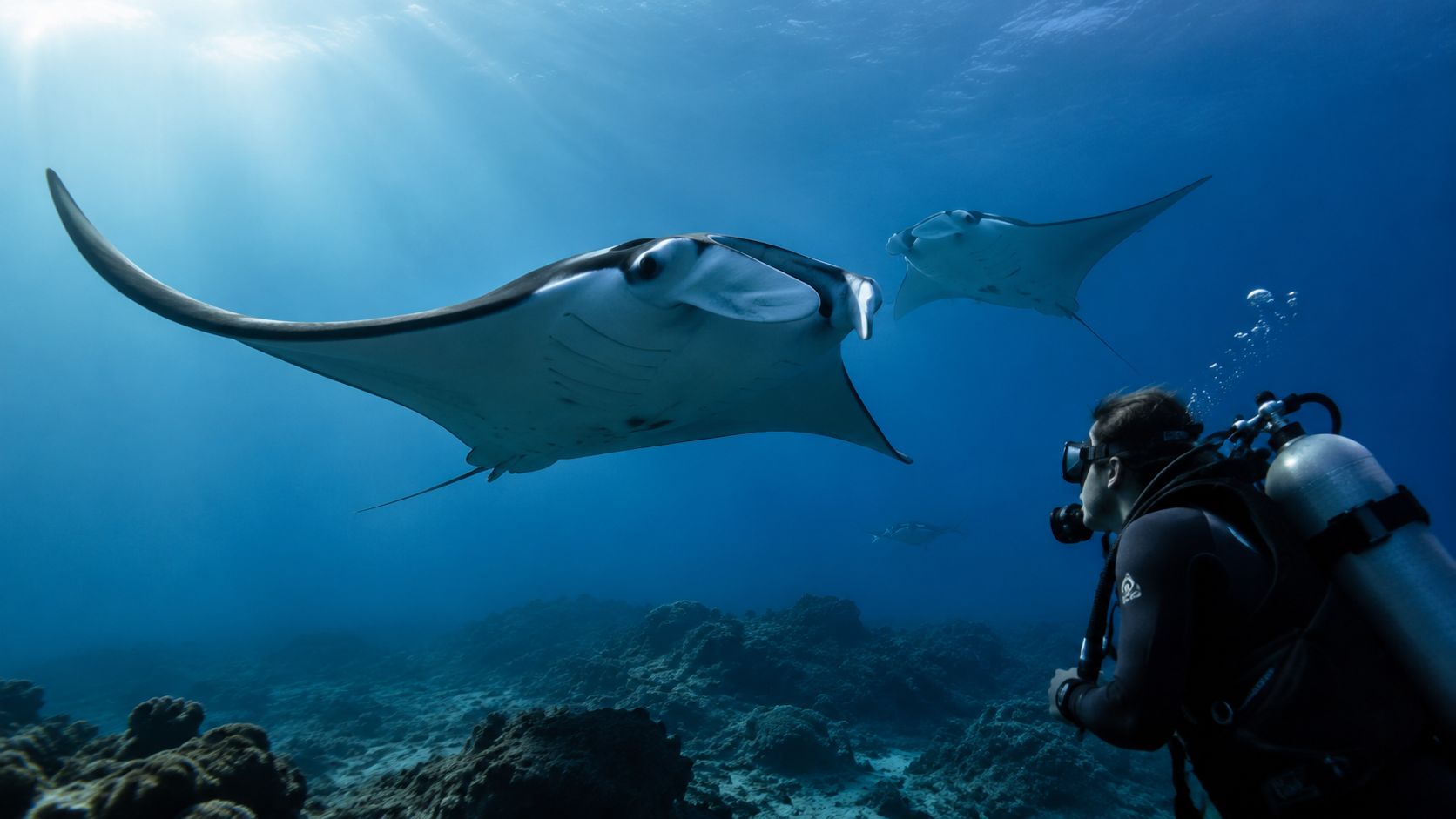
If you're certified and comfortable diving at night, the manta dive belongs high on the list. The reason is simple. It isn't a chase dive. It's a controlled viewing setup where divers stay put and let the encounter happen above them.
For visitors deciding between sites, I favor Garden Eel Cove because the location is more protected, the viewing setup is better, and the surrounding reef adds to the overall dive. If the goal is a clean, well-structured manta experience, that combination matters.
If you want details on the experience itself, this manta ray night swim guide gives the basic picture, and the direct manta dive tour page covers booking options.
Stay still, keep your light where the guide wants it, and let the mantas control the distance. That's what works.
Blackwater diving off Kona
Blackwater isn't just another night dive. It's one of the most unusual dives you can do in Hawaii. You're suspended in open ocean at night, focused on pelagic life rising from the deep.
That makes it unforgettable for some divers and mentally demanding for others. If you need a reef, wall, or bottom for orientation, this may not be your favorite profile. If you love rare life forms, unusual behavior, and the feeling of being in open water with a clear system and briefing, it's a standout.
The dedicated Kona blackwater dive tour page is the right place to look if that kind of dive is on your list.
Lava tubes and advanced profiles
Hawaii's volcanic terrain gives experienced divers another reason to choose Kona. SCUBAPRO notes that Hawaii's lava tubes and caverns create a distinct technical profile, and that some tunnel systems sit in 15 to 45 feet of water. That shallow depth doesn't make them casual. It increases the importance of buoyancy, surge management, and clean entries and exits. SCUBAPRO also notes that a dependable dive light is essential, and that sidemount can improve maneuverability for more complex penetrations: SCUBAPRO on Hawaii scuba diving terrain and gear considerations.
That's why I tell divers not to confuse shallow with easy. A tunnel with surge can demand more control than a deeper open-water reef dive.
For divers looking at more demanding sites and longer-range options, the advanced long-range dive tour is the right fit to review.
Which iconic dive should you choose first
If you only have room for one specialty dive, choose based on temperament.
- Choose manta night dive if you want a signature Hawaii experience with a clear focal point and a structured format.
- Choose blackwater if you already like night diving and want something far less conventional.
- Choose advanced lava structure diving if terrain and control matter more to you than wildlife spectacle.
Hawaii scuba diving is at its best when you pick the dive that fits your headspace, not just your social feed.
Finding the Right Dive Operator and Gear in Hawaii
A lot of visitors spend too much time picking the island and not enough time picking the operator. That's backwards. On a short trip, the operator shapes almost everything you'll remember, from the site choice to the briefing quality to whether you finish the day feeling relaxed or overloaded.
What to sort out before arrival
Get clear on three things before you book dives:
- Certification status: If you're not current, say so. If you're not certified, ask about entry-level options rather than forcing a full dive schedule.
- Medical paperwork: Don't wait until the dock to realize a medical question may require follow-up.
- Trip goals: Decide whether this trip is about easy fun diving, a certification course, or a few specific signature dives.
Rent versus bring your own
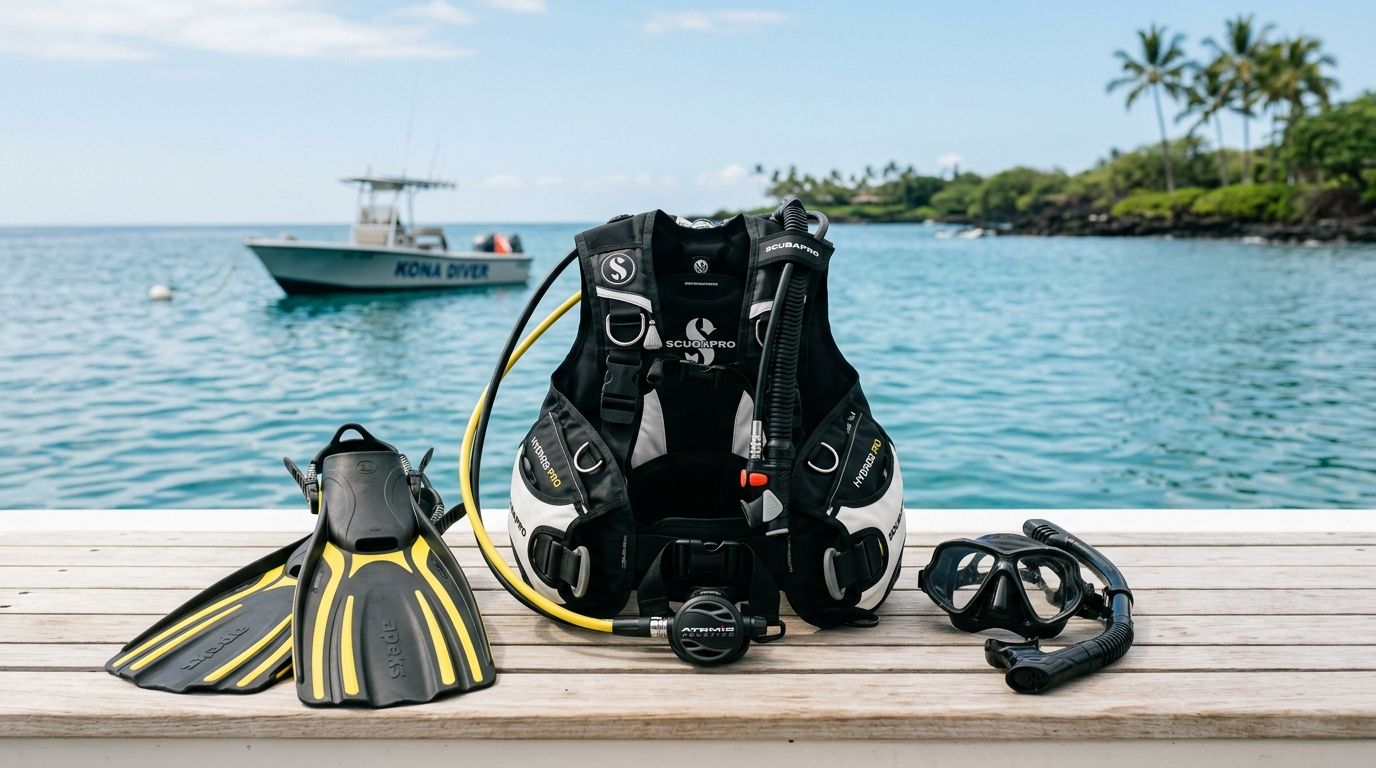
Most divers should consider bringing personal gear that affects fit the most. Mask first. Fins if you're picky. Computer if you know how you like your settings and displays.
Renting the heavy gear often makes sense. But inspect it before the boat leaves. Check inflator response, hose routing, weight system logic, and whether the exposure gear matches how warm or cold you usually run.
What a good operator does differently
A strong operator doesn't just fill tanks and drive to a mooring. They match the site to the ocean and the divers on the boat.
Look for these habits:
- Clear briefings: You should understand the terrain, the profile, the exit, and the specific risk points.
- Site selection discipline: Crews should adapt to swell, surge, and diver ability rather than forcing the original plan.
- Gear organization: Boats and rental systems should feel deliberate, not improvised.
- Attention in the water: Guides should notice stress early, before a diver starts burning through gas or losing buoyancy control.
One local option people regularly consider is Kona Honu Divers. They run day and night dive charters on the Kona coast, along with courses, gear rentals, and specialty trips.
A good crew doesn't just tell you where the fish are. They make the whole dive feel calmer before you ever hit the water.
Safety First Marine Conservation and Diver Etiquette
Good Hawaii scuba diving depends on two things at once. You need to protect yourself, and you need to stop acting like the reef is there to absorb your mistakes.
Safety starts with control
The usual basics still matter. Do your predive checks. Confirm weights. Review the plan with your buddy. Stay within the limits of your certification and actual comfort level, not the one you imagine you should have on vacation.
In Hawaii, buoyancy control matters even more because volcanic structure, hard bottom, caverns, and surge reduce your margin for sloppiness. A small mistake in trim or finning can turn into contact with rock, coral, or another diver fast.
Wildlife etiquette is not optional
Hawaii rewards passive observation. That applies whether you're looking at reef fish, turtles, dolphins, or mantas.
A few simple rules carry a lot of weight:
- Give animals space: Don't close distance just because the visibility makes everything feel closer.
- Don't touch marine life: That includes turtles, mantas, and anything resting on the reef.
- Hold position when told: On specialty dives, the setup works only if divers follow the pattern.
- Keep your fins under control: Most reef damage comes from poor awareness, not bad intent.
The manta night dive is the clearest example. Divers should stay still and let the mantas feed through the light field. Chasing them or reaching out doesn't improve the encounter. It degrades it.
Respect the site and the group
A diver who is easy to brief, easy to guide, and easy to dive with gets more out of Hawaii than the diver who treats every descent like a private challenge.
If you want a solid behavioral baseline, this guide to responsible and considerate diver etiquette is worth a read before your trip.
The best divers in Hawaii usually aren't the flashiest. They're the ones who leave the least trace and create the fewest problems for everyone else.
Hawaii Dive Trip Planner Checklist and Itinerary
Once you've picked the island and the kind of dives you want, the rest is execution. Keep it simple. Pack for comfort, build some flexibility into the schedule, and don't stack your highest-workload dive on day one if you haven't been in the water for a while.
Packing checklist
Essential dive gear
- Mask: Bring your own if you have one that fits well.
- Dive computer: Familiar screens and alerts reduce mental clutter.
- Exposure layer: A suit or layer that matches how warm you usually run.
- Defog and basic save-a-dive items: Small fixes matter on vacation.
Personal items
- Sun protection: Rash guard, hat, and reef-conscious sun habits.
- Water and light snacks: Especially important on multi-dive days.
- Seasickness support: Bring the product you already know works for you.
- Dry clothes for the ride back: You'll appreciate them more than you think.
Documents and admin
- Certification card
- Logbook or digital records
- Photo ID
- Medical info if relevant
Sample Kona-focused itinerary
Here's a clean way to build a short trip around variety.
Day 1
Start with an easy daytime reef charter. Treat it like a checkout day even if you're certified and experienced. Get your weighting right, settle your breathing, and relearn boat rhythm.
Day 2
Book your signature dive. For many visitors, that means the manta night dive. Don't cram in a bunch of extra obligations that afternoon. Eat lightly, rest, and show up focused.
Day 3
Choose based on skill and energy. If you want another unusual experience, go blackwater. If you want structure and terrain, look at a more advanced lava-focused charter. If you want a lower-workload finish, do another daylight reef trip and leave wanting one more dive.
A good itinerary leaves room for weather calls, surface intervals, and one change of plan. That isn't weakness. That's how smart divers travel.
If you're ready to turn the planning into actual dive days, Kona Honu Divers is a practical place to start for Kona charters, training, and specialty dives on the Big Island.