
You're probably in one of two places right now. You're either staring at flight tabs and wondering if Kona diving is really worth building a trip around, or you already know you want to dive the Big Island and you're trying to avoid booking the wrong kind of trip.
That's a smart concern. Diving Kona Big Island isn't just “Hawaii diving” in a general sense. Kona has a very specific underwater personality. The coast is dry, the water is often clear and calm, the reef structure is volcanic rather than soft and rolling, and the signature experiences are distinct enough that divers travel here for them alone. If you choose well, you can spend one morning moving through lava formations and reef slopes, then return after dark for one of the most memorable night dives anywhere in the Pacific.
What separates a good Kona trip from a disappointing one usually comes down to fit. Newer divers need calm entries, patient briefings, and forgiving profiles. Experienced divers usually want more than a standard reef loop. They want site variety, tighter group control, and access to advanced dives that are run with real discipline, not marketed as thrill products.
Welcome to a Diver's Paradise in Kona
Kona makes sense the moment you descend. The reef doesn't feel manufactured for tourism. It feels geologic. Lava tubes, old flow lines, arches, fingers of black rock, and coral growth stacked onto volcanic structure create a scene that looks raw and lived-in at the same time.
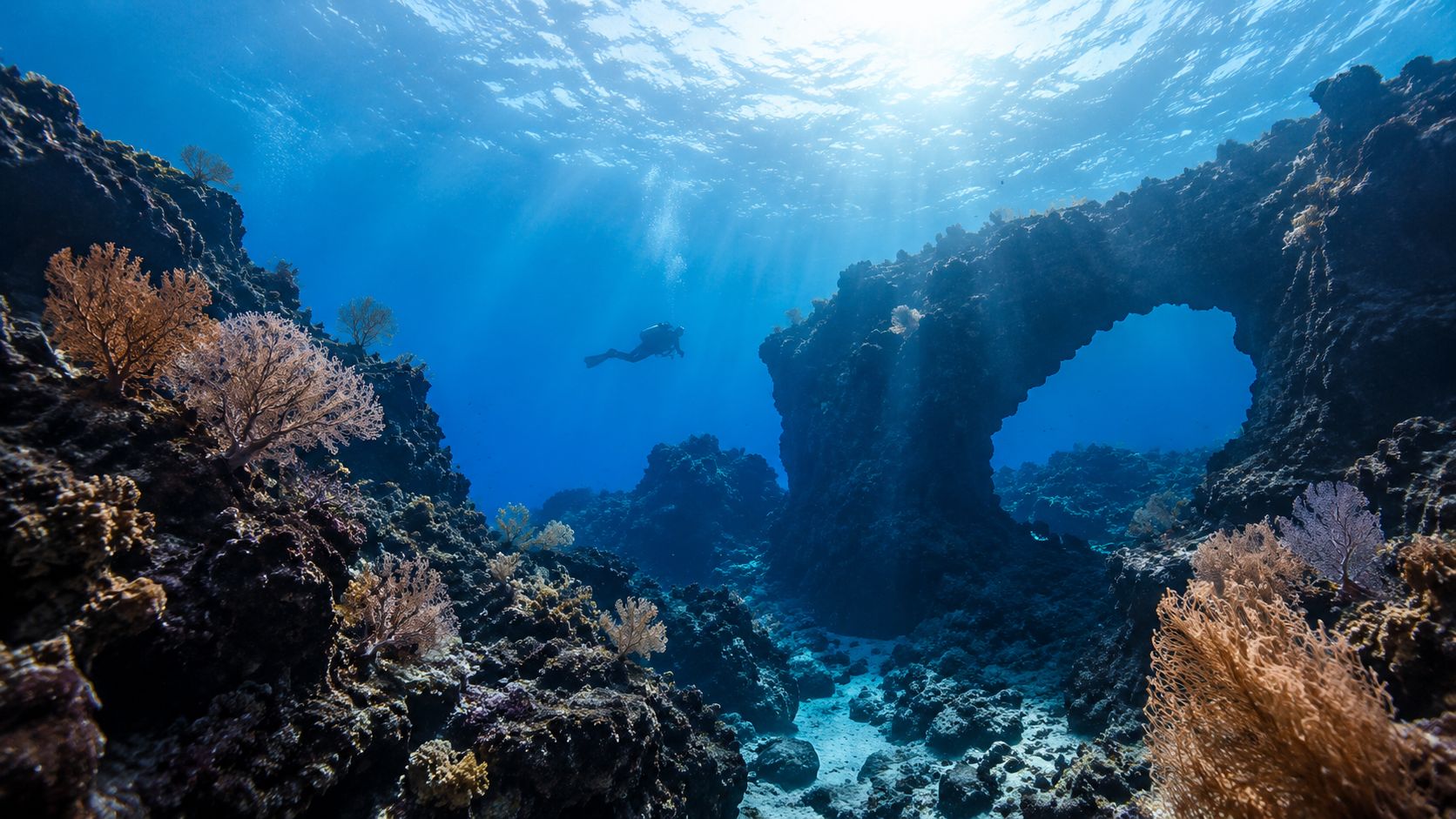
Divers usually remember Kona first for mantas, but the daily appeal starts earlier than that. One dive can give you a turtle on the ledge, clouds of reef fish over lava, and an eel tucked into a crack you'd miss if you rushed by. Then a night plan changes the whole mood of the day. That range is why Kona keeps people coming back instead of treating it as a one-and-done tropical stop.
Divers Alert Network notes that Kona has the world's highest rate of endemism for both marine fish and invertebrates, and the same area is known for clear blue water, calm seas, and the chance to see turtles, blackwater plankters, mantas, sharks, dolphins, and whales in one region in its Kona diving overview. That combination is rare. Plenty of places offer pretty reef. Far fewer offer reef diversity plus reliable signature dives plus conditions that make repeatable wildlife-focused operations possible.
Why Kona feels different underwater
Kona rewards attention. If you only look for big animals, you'll miss half the point. The small life here matters. Endemic species give local dives a distinct feel, and the volcanic terrain creates the kind of negative space that marine life uses well. Crevices hold eels, overhangs frame schools of fish, and light plays dramatically across dark rock in a way that makes even moderate-depth dives visually striking.
A lot of visitors also underestimate how much good conditions shape enjoyment. Calm seas and clean visibility don't just make photos nicer. They reduce stress. Newer divers breathe better, experienced divers can slow down and observe more, and guides can spend more time showing life instead of managing chaos.
Practical rule: In Kona, the quality of the dive often comes from conditions and pacing, not just depth.
For readers looking at operators and trip styles, what's unique about diving in Kona is that the destination supports both classic recreational reef diving and highly specific advanced experiences from the same coastline.
If you want a straightforward place to compare options for reef dives, night dives, and advanced charters, the full Big Island diving tours page lays out the main trip types clearly.
Kona's Unforgettable Signature Dives
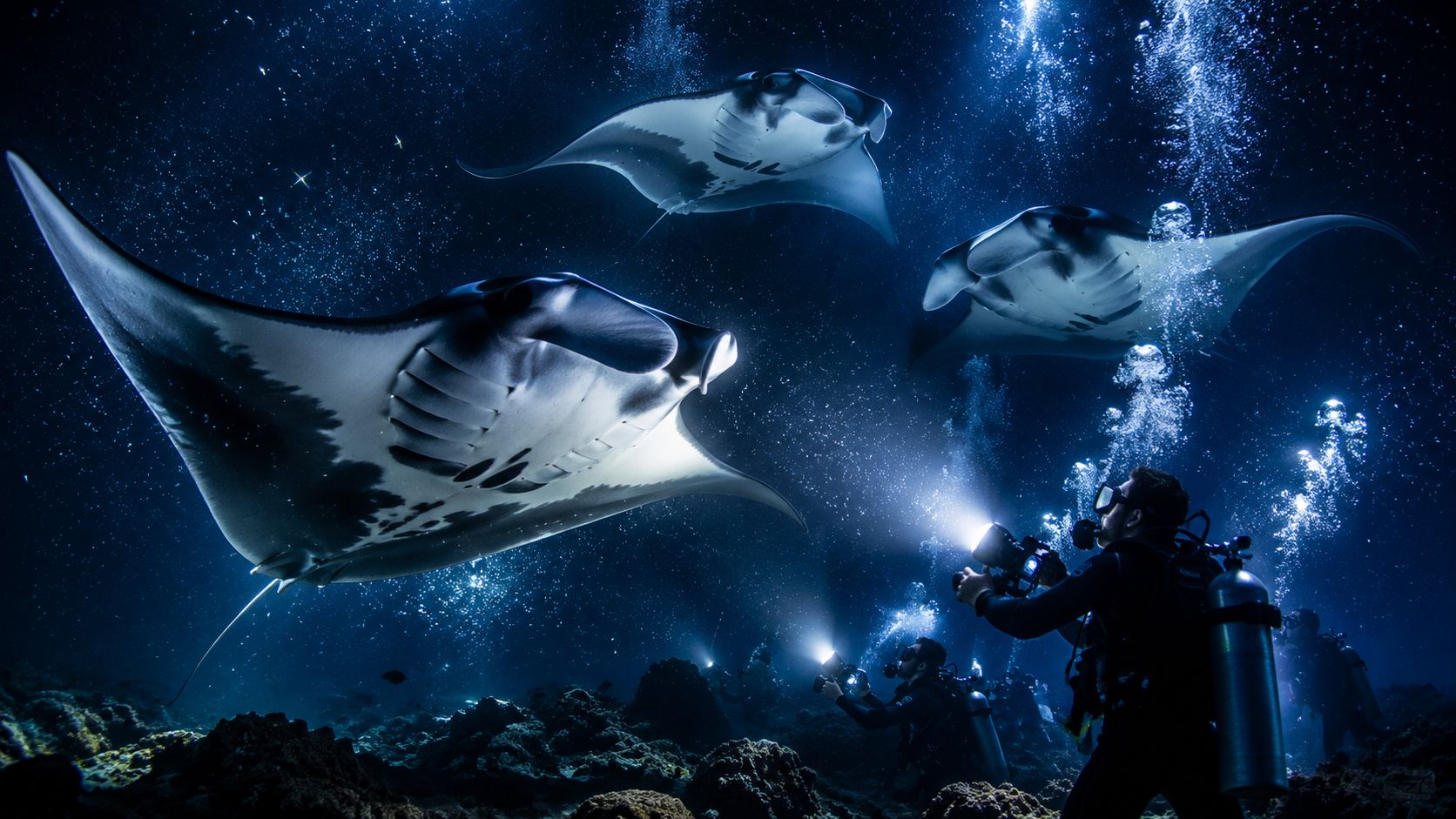
You drop into dark water after sunset, settle onto the bottom, and hold your light steady. A few minutes later, a manta ray the width of a small car rolls overhead, close enough that you can hear the crowd exhale through their regulators. That moment puts Kona on a lot of divers' bucket lists, but it is only one part of what makes this coast special.
Kona's signature dives fall into three groups: manta night dives, blackwater dives, and daytime reef diving. They are all memorable for different reasons, and they ask for different things from the diver. The smart way to plan Kona is to choose the experience that fits your comfort level, then choose the operator that runs it with clear standards, good site selection, and a crew that does not cut corners.
The manta ray night dive
The manta dive gets the attention, and for good reason. Done properly, it is one of the most reliable big-animal dives in Hawaii. Divers kneel or settle in at a fixed viewing area while lights attract plankton and mantas circle overhead to feed. Good buoyancy and good discipline matter here. The better everyone holds position, the better the encounter stays for the group and for the animals.
Site choice matters more than the brochure.
For manta diving, Garden Eel Cove is usually the better pick because the site is more protected and the layout is easier to manage underwater. That affects the whole dive. Entries are often calmer, briefings are easier to apply once you descend, and newer night divers usually settle faster. The reef itself also adds value, so the dive feels like a complete experience instead of a short wildlife stop in the dark.
Kona's manta program works because the animals return to predictable feeding areas. Researchers with the Manta Pacific Research Foundation have identified hundreds of individual mantas along this coast, which helps explain why Kona is so closely tied to this dive.
If manta is high on your list, book a dedicated Kona manta ray tour and look closely at how the operator runs it. Kona Honu Divers stands out here for a simple reason. Safety standards are tight, the crew keeps the in-water setup organized, and the operation is built around divers rather than mixed snorkel traffic. That makes the briefing clearer and the underwater experience less chaotic.
The blackwater dive
Blackwater is the dive experienced divers talk about for years.
You head offshore at night, clip into a suspended line system, and descend into open ocean with no reef, no bottom reference, and very little visual structure beyond the lights. Around you, larval fish, jellies, squid, and pelagic drifters rise from the deep during the nightly vertical migration. The animals are extraordinary. The setting is also demanding.
This dive rewards calm divers with precise buoyancy control. It can punish overconfidence fast.
That is why a minimum experience threshold matters. A diver who is comfortable on night reefs can still feel overloaded in blackwater if they have weak trim, inconsistent breathing, or a habit of chasing subjects. The divers who enjoy it most are usually relaxed, patient, and able to hover without constant correction.
Kona Honu Divers has built a strong reputation on this trip because the crew treats it like a serious specialty dive, not a gimmick. The value is not only the boat ride offshore. It is the quality of the briefing, the line handling, the staff attention in the water, and the fact that experienced divers can use free nitrox on qualifying daytime dives before or after a blackwater night. Early bird pricing helps too, especially if you are stacking several charters in one trip.
If you are qualified and interested, book a dedicated Blackwater Dive tour. If you feel unsure, listen to that instinct. Kona has plenty of excellent diving that does not require this level of comfort in open water at night.
The daytime reef dives
Daytime reef diving is the foundation of a strong Kona trip. It does not have the headline value of mantas or blackwater, but it often ends up being the diving people want more of once they get here.
The volcanic structure gives these dives their character. Lava fingers, swim-throughs, broken ledges, and archways create natural routes that feel active without becoming complicated. Marine life fills in the rest. Turtles cruise the shallows, eels work the cracks, schools stack over the rock, and endemic Hawaiian fish give repeat dives more depth than many visitors expect.
The trade-off is simple. Not every reef site suits every diver equally well.
Some sites are better for new divers or for shaking off rust after a long break. Others are more enjoyable for divers who want stronger topography, sharper buoyancy work, or a little more depth and contour. Good Kona operators sort that out before departure. Great ones do it while keeping the boat comfortable, the briefings practical, and the pace efficient. That is another reason Kona Honu Divers earns so much repeat business. The site rotation is broad, the crew matches divers to conditions well, and perks like free nitrox make a noticeable difference for photographers, multi-day divers, and anyone who wants longer no-decompression time on suitable profiles.
Explore Top Kona Dive Sites for All Divers
The best Kona site plans start with a simple question on the boat. What kind of dive will suit this group today? On the west side of the Big Island, that question matters because the coastline gives crews real options. A newer diver can have an easy, confidence-building morning, while a more experienced diver can spend the same trip hunting lava tubes, sharper relief, and cleaner blue-water entries on a better-matched charter.
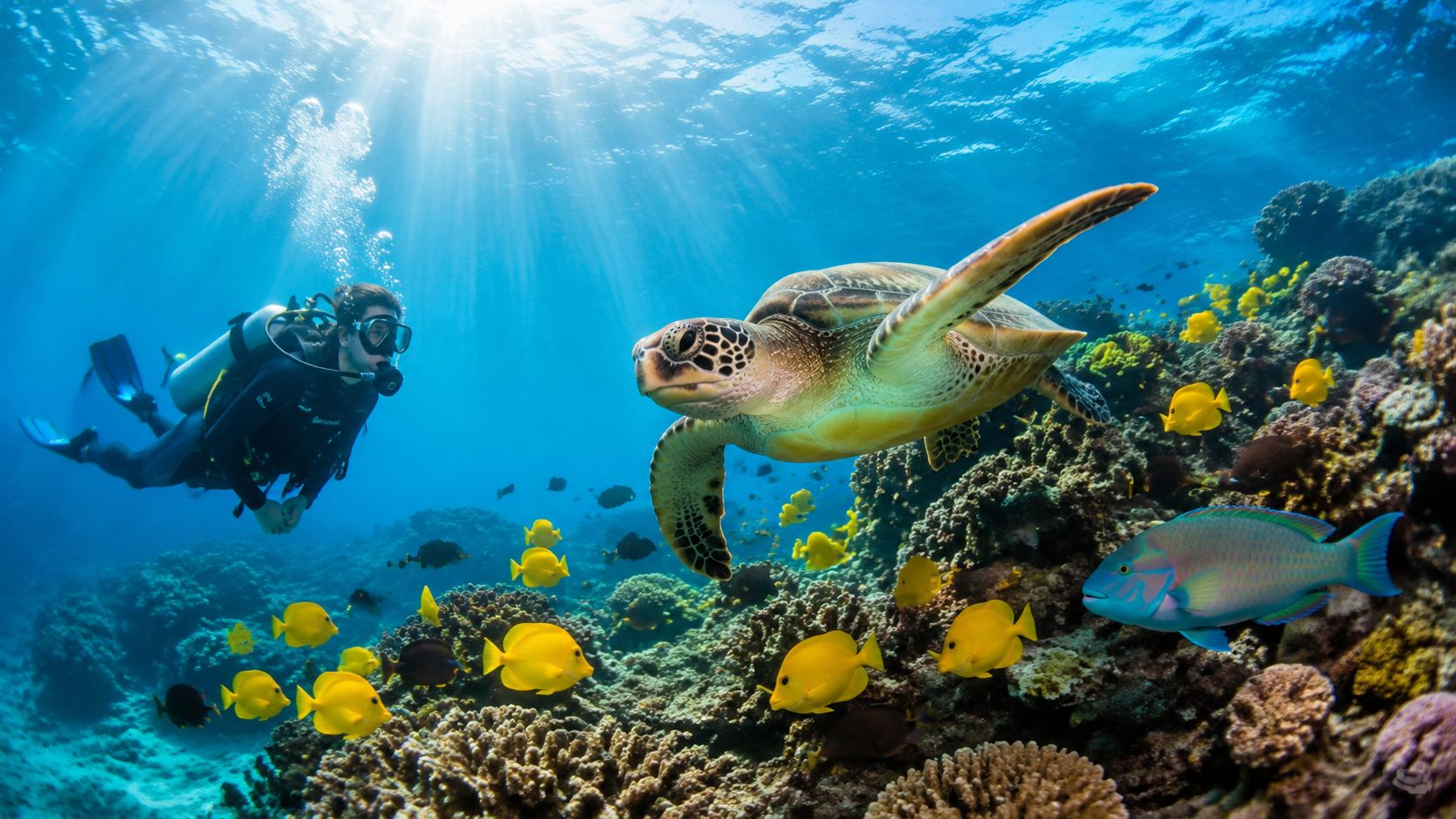
That range is one of Kona's real strengths. The local rotation is broad enough that good operators can adjust for swell, current, visibility, and diver skill instead of forcing the same plan every day. I have seen that make the difference between a diver merely getting through a trip and finishing the week ready to book more diving. Kona Honu Divers stands out here because the crew tends to sort people into the right experience early, the briefings are clear, and practical extras like free nitrox help qualified divers get more out of repetitive dive days.
Good fits for newer and recently certified divers
Newer divers usually do best on sites with an uncomplicated layout and strong natural reference points. You want an easy descent, a reef that is interesting without pulling the group in six directions, and conditions that let you settle in during the first few minutes instead of chasing comfort for the whole dive.
The best entry-level sites in Kona often share a few traits:
- Straightforward profiles: Moderate depths and easy ascents keep the dive manageable.
- Clear orientation: Lava structure, fingers of reef, and visible bottom contours make it easier to stay relaxed and aware.
- Plenty to see without covering much ground: Turtles, reef fish, eels, and coral heads can hold a diver's attention close to the group.
For many visitors, the broader marine setting matters too. A look at Kealakekua Bay and the Kona coast helps explain why west side diving feels so varied from one boat day to the next.
Better fits for experienced divers
Experienced divers usually want sites that reward control. That can mean more dramatic lava topography, stronger blue-water awareness, or charters built around advanced profiles rather than mixed-skill compromise. Depth alone is not the point. Good advanced diving in Kona is about being comfortable enough to enjoy the terrain instead of spending the whole dive correcting trim, gas use, or position in the water.
That is why trip selection matters. A standard two-tank morning can be excellent, but it is not automatically the right platform for every advanced goal. Divers who want more demanding site choices are usually better served by a premium advanced two-tank trip, where the day is built around those expectations from the start.
Choose the charter that matches the dive you prefer. It is the cleaner, safer call, and it usually leads to better bottom time.
Plan Your Trip Conditions Seasons and Skills
Good Kona planning is mostly about matching your expectations to the trip type. Conditions are favorable often enough that diving is attractive year-round, but your experience still depends on season, recent weather, and whether you've booked a dive that matches your comfort level.
What conditions usually feel like
The west side of the Big Island is known for relatively calm water and good clarity. That's one reason Kona supports such a strong boat-diving culture. Even so, “calm” doesn't mean identical every day. Surface texture, surge, and current can all change the feel of a dive.
Winter adds a bonus many divers love. You may hear whale song underwater during the humpback season. It doesn't change your dive plan, but it can change the emotional tone of the dive in a way that's hard to forget.
Here's a practical planning table you can use before booking:
| Season | Water Temp (F) | Visibility | Marine Life Highlights |
|---|---|---|---|
| Winter | Mild to warm | Often clear, with conditions varying by swell | Whale song may be audible underwater, plus reef life and signature night dives |
| Spring | Mild to warm | Frequently clear | Strong general reef diving, turtles, manta opportunities |
| Summer | Warm | Often very clear | Calm-feeling reef days, manta dives, blackwater conditions when weather cooperates |
| Fall | Warm to mild | Often clear | Excellent general diving, reef life, night diving opportunities |
Skill requirements that matter
Many travelers make a common mistake: They assume certification alone answers the readiness question. It doesn't.
A standard reef charter may be perfectly appropriate for a diver with limited recent experience, especially if the operator keeps groups controlled and gives clear site-specific briefings. Blackwater is different. For advanced experiences like the Blackwater dive, prerequisites are critical for safety. The open-ocean, night-time conditions require operators to enforce strict standards, such as a 25-logged-dive minimum and a low instructor-to-guest ratio, to manage the inherent risks of the activity, based on the verified fact set provided for this article.
Before you commit, it helps to review whether diving experience is needed for Big Island dives. The right question isn't “Can I get on the boat?” It's “Will I enjoy this profile and handle it well?”
A simple decision filter
Use this quick self-check before you book:
- Choose reef dives if you're newly certified, returning after a break, or want a relaxed marine-life-focused day.
- Choose manta dives if you're comfortable at night and want a structured wildlife experience with a clear format.
- Choose blackwater only if night diving, buoyancy control, and open-water composure already feel natural.
A Diver's Perfect Day and Night Itinerary in Kona
A strong Kona dive day has rhythm. The people who enjoy it most don't try to cram every possible activity into one schedule. They dive well, eat, rest, hydrate, then head back out with enough energy to enjoy the night portion fully.
Morning on the reef
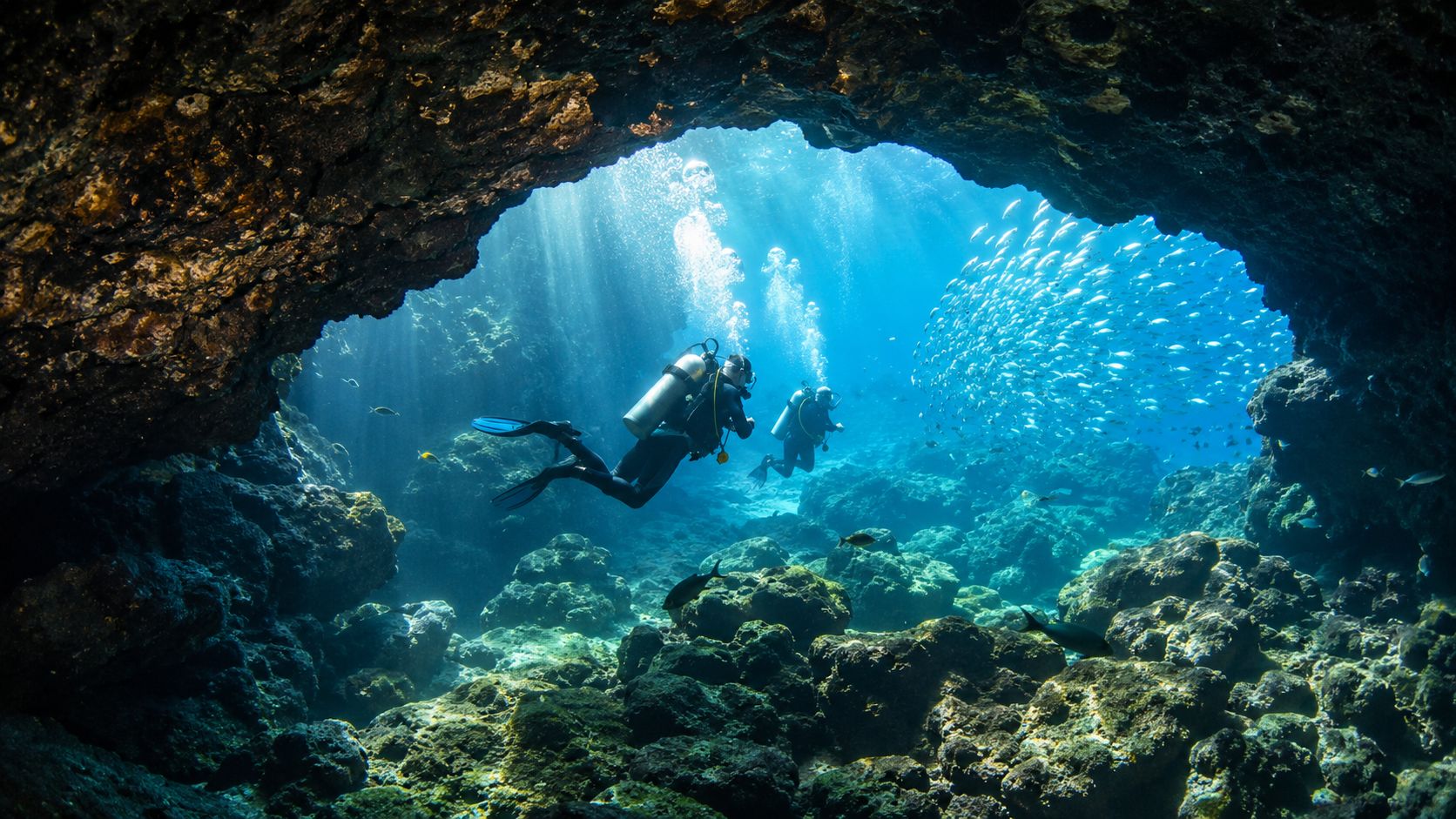
Start with a two-tank morning charter. The first dive is often the sharper one. Everyone is fresh, air consumption is better, and it's easier to settle into the underwater pace that Kona rewards. Volcanic contours show best in daylight, especially when sunlight cuts across arches, ledges, and broken lava terrain.
The second dive often feels more relaxed. By then, divers have adjusted weighting, gotten comfortable with the guide's style, and stopped overthinking. That's usually when they start noticing more of the small life instead of chasing only the obvious highlights.
The smart afternoon break
The worst afternoon plan is a packed sightseeing schedule. If you're diving again after dark, keep the break simple. Eat something steady, stay out of the sun, rehydrate, and give yourself time to reset. That matters even more if you're prone to motion fatigue or if the night dive is a big emotional bucket-list moment for you.
A good night dive starts in the afternoon. If you show up tired, rushed, or dehydrated, the water will feel less forgiving than it should.
Ending with mantas
The evening shift has a different mood from the morning boat. Briefings become more deliberate. Gear checks matter more. Sunset on the run out sets a calm tone, then the ocean changes character as daylight drops out of the water.
When the manta dive works, the transition is beautiful. The lights come on, plankton gathers, the bottom team settles in, and then the first ray moves through the beam. After that, time gets strange. Divers stop checking gauges every few seconds and just watch the looping passes overhead. Even people who arrived focused on cameras usually end up lowering them for a moment and observing.
That's the day Kona does particularly well. Reef structure in the morning. Recovery in the afternoon. A signature wildlife encounter at night that feels earned rather than rushed.
Booking Your Dives and Essential Pro Tips
Booking the right Kona dive trip is mostly about honesty. Be honest about your recent diving, your comfort at night, your air consumption, and whether you want a relaxed sightseeing dive or a more technical-feeling outing. The wrong booking creates stress. The right one makes the whole coast feel accessible.
When you compare operators, look past the brochure language and focus on operational details. Group size matters. Site rotation matters. Whether an operator supports advanced night products responsibly matters. For divers who value smaller in-water groups and specialty offerings, Kona Honu Divers offers reef charters, manta dives, blackwater trips, free nitrox for qualified divers, and early diver discounts.
What to pack and bring
A smooth dive morning usually comes down to simple prep, not exotic gear.
- Bring your C-card: Digital or physical, but have it ready before check-in.
- Pack your dive computer: Rent one if needed, but don't show up assuming every operator can improvise at the dock.
- Use reef-safe sun protection: You'll feel the boat ride and surface interval sun faster than you expect.
- Carry a light layer and towel: Night dives and post-dive boat rides can feel cool even after warm daytime weather.
- Accurately log your recent dives: Especially if you're trying to book advanced profiles.
If you get seasick, plan before the boat leaves
Seasickness is manageable when you address it early. It gets much harder once you're already queasy and underway. If that's a concern, review practical prevention advice in this guide on how to avoid sea sickness.
Some common options people use include Ship-EEZ Seasickness Patch, Dramamine pills, Bonine pills, Sea Band wristbands, and Ginger chews.
Booking advice that actually helps
A few practical habits make a real difference:
- Book specialty dives early: Manta and blackwater spots are more limited than standard morning charters.
- Put advanced dives later in your trip: Give yourself a reef day first if you haven't been in the water recently.
- Ask about prerequisites before paying: Especially for night and open-ocean profiles.
- Don't stack too much after diving: Keep your schedule flexible enough to enjoy the day instead of racing through it.
Kona Diving FAQ
Is diving in Kona safe for beginners
Yes, with the right trip. Beginners and recently certified divers usually do best on standard reef charters with clear briefings, modest conditions, and guides who don't rush the pace. Kona is a good place to build confidence because the coastline often offers calm, clear diving. The key is not booking an advanced product just because it sounds exciting.
What are my chances of seeing manta rays
Kona's manta night dive is well known because it has a high probability of success year-round, as described by Divers Alert Network in the Kona reference cited earlier. Wildlife is never guaranteed in the strict sense, but established manta sites in Kona are not based on random luck. They're built around a repeatable feeding pattern supported by local conditions.
Is blackwater diving safe for a certified diver without deep-ocean experience
Not automatically. Certification is only the starting point. Blackwater diving asks for comfort in darkness, open water, tether procedures, and neutral buoyancy without visual structure. If you haven't done much night diving or you get uneasy without a reef or bottom reference, a normal reef or manta itinerary is the better call.
Can I dive if my family wants to snorkel instead
Often, yes, depending on the trip. The manta experience is one of the better examples because both divers and snorkelers can enjoy the same general wildlife event from different positions in the water. That makes Kona easier for mixed-interest families than destinations where dive and snorkel outings are completely separate.
What marine life should I expect besides mantas
Expect reef life first. Turtles are a common highlight. Eels, endemic fish, and a wide range of smaller creatures make daytime dives rewarding even when no headline animal appears. Depending on season and conditions, divers in the region may also encounter dolphins or hear whales underwater.
Are Kona daytime dives or night dives better
They do different jobs. Daytime dives show off Kona's volcanic architecture and classic reef life. Night dives deliver the destination's most unusual experiences. If you can do both, that combination gives the clearest picture of why diving Kona Big Island stands apart.
How do I know which trip to book first
Use your comfort level, not your ambition. Book reef dives first if you're getting reoriented. Book manta when you want a structured signature night dive. Book blackwater only if your recent diving supports it. The people who love Kona most usually build up through the trip instead of trying to peak on day one.
If you want help choosing the right Kona dive plan for your skill level and interests, start with Kona Honu Divers. Their trip lineup makes it easy to compare reef dives, manta nights, blackwater outings, and advanced charters without guessing which experience fits you best.