
You're probably deciding between a few very different Kona dive days. One trip promises mantas. Another advertises blackwater. A third looks like a classic reef charter with lava tubes and turtles. The hard part isn't finding diving on the Big Island. It's figuring out which version of Kona diving fits your skill level, your comfort on boats, and the kind of underwater experience you'll remember years from now.
That's the right way to plan diving Kona Big Island. Don't start with a giant list of site names. Start with the experience you want, then match it to the conditions, your experience, and the operator.
Welcome to Kona The Jewel of Big Island Diving
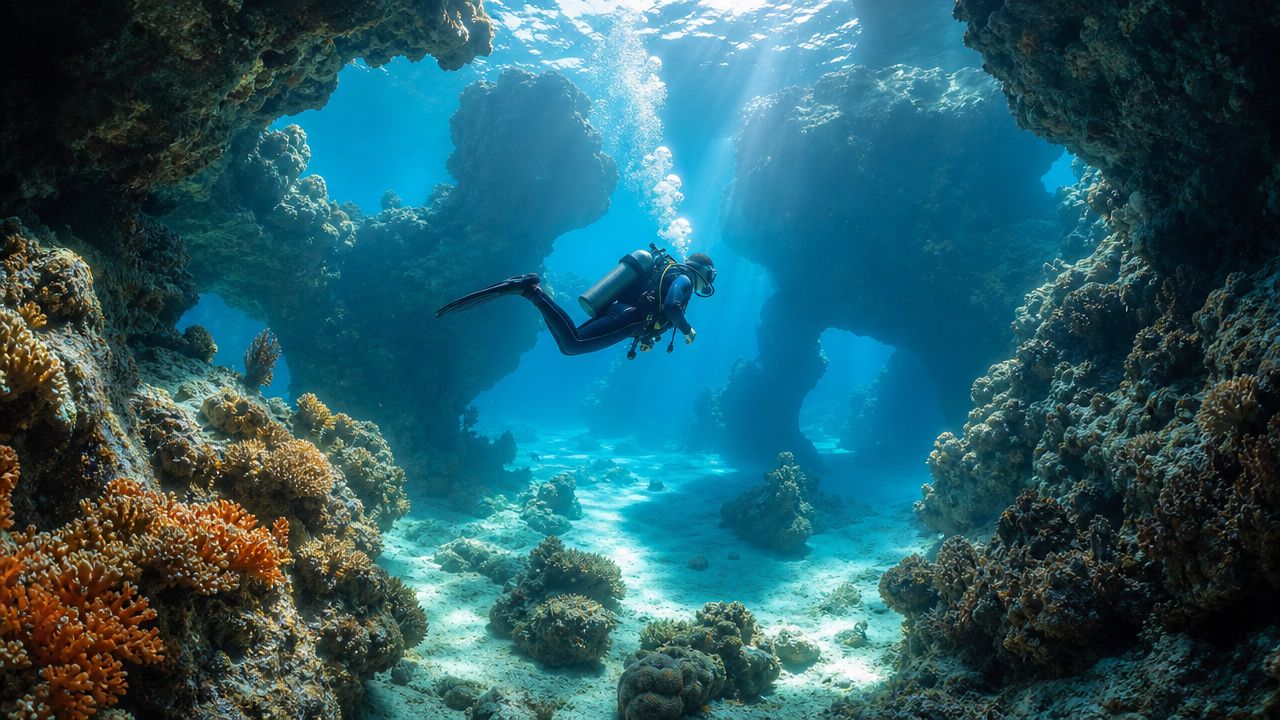
Kona earns its reputation the moment you drop below the surface. You're not descending onto a generic tropical reef. You're entering a coastline shaped by lava, cut by arches and tubes, and filled with marine life that feels unusually local to this part of Hawaiʻi.
Why Kona feels different underwater
What separates Kona from many famous warm-water destinations is biological uniqueness, not just pretty water. The Divers Alert Network says Kona has the world's highest rate of endemism for both marine fish and invertebrates, and local guidance commonly cites 80–100 ft (24–30 m) visibility with water temperatures often 75–85°F depending on season, as noted in DAN's Kona diving overview.
That matters in practical terms. You're not just seeing reef life. You're seeing a marine community shaped by isolation, volcanic geography, and clear Pacific water along the island's sheltered west side.
If you want a broader sense of what makes the area stand out, this overview of what is unique about diving in Kona is worth reading before you book anything.
Practical rule: In Kona, the headline isn't only visibility. It's the combination of clear water, volcanic structure, and species you won't encounter the same way elsewhere.
What the underwater terrain actually gives you
Kona's lava coastline creates dives with personality. One site may feel wide open and fishy. The next may be all structure, with swim-throughs, ledges, and dramatic topography. That variety is a big reason experienced divers come back. Even when conditions change, operators still have room to choose dives that work well on that day.
Three features shape most daytime Kona dives:
- Volcanic architecture: Lava tubes, arches, fingers of rock, and broken shelves create navigation choices and shelter for marine life.
- Clear ambient light: Good visibility changes how the whole dive feels. You can track your buddy easily, spot animals from farther away, and appreciate the scale of lava formations.
- Protected west-side conditions: Kona often gives divers a more forgiving surface and underwater environment than many visitors expect from open-ocean Hawaiʻi.
Why that matters for trip planning
A lot of travelers book Kona because they've heard “the diving is good year-round.” That's broadly true, but it misses the more useful point. Kona supports several distinct styles of diving, from easy reef dives to advanced offshore night experiences, and the right one depends on your comfort and certification.
That's why the smartest divers plan around fit, not hype. If you're new, calm reefs and easy entries will make the trip. If you're advanced, the specialty dives are what set Kona apart. If you're traveling with mixed experience levels, site selection and briefing quality matter as much as the destination itself.
When to Go and What to Expect Underwater
The short answer is that Kona is diveable year-round. The better answer is that conditions are not identical across the year, and pretending they are doesn't help anyone.
The seasonal pattern that matters
Independent guides note that Kona usually offers its best conditions from spring through fall, while winter surf can occasionally muddy the water, even though visibility over 100 ft is common on the Kona side in good conditions, according to Love Big Island's scuba guide.
If you want the most reliable window for easy planning, spring through fall is the safer bet. If you're visiting in winter, don't assume every day will be poor. Just expect a little more variability, especially if you're hoping for very clean water or you're doing shore-oriented activities around your dive schedule.
What to wear in the water
Independent local guidance describes Kona water temperatures as generally running from the mid-70s to low-80s °F, with summer often around 79 to 81°F and winter around 75 to 78°F. That translates into simple exposure choices:
| Season feel | Typical choice | Who should consider more |
|---|---|---|
| Warmer months | 3mm wetsuit | Divers who chill easily |
| Cooler months | 5mm or more | Anyone doing repeated dives |
| Long or technical-style days | Thicker exposure protection | Divers who know they cool off fast |
Repeated dives change the equation. A suit that feels fine on your first dive can feel thin by the second or third. If you know you run cold, pack for that reality instead of the brochure version of Hawaiʻi.
Water temperature isn't the only comfort issue. Bottom time, repetitive dives, wind on the ride back, and a late-day night dive all make exposure feel different.
Boat comfort and seasickness
A lot of divers worry about current and depth, then get sidelined by seasickness before they even hit the first site. Most Kona days are manageable, but if you know you're sensitive, prepare before the boat leaves the harbor.
Useful options include Ship-EEZ Seasickness Patch, Dramamine pills, Bonine pills, Sea Band wristbands, and Ginger chews.
A few habits work well:
- Eat lightly: Don't board on an empty stomach, but don't crush a giant breakfast either.
- Take your remedy early: Most motion-sickness preventatives work better before you feel sick.
- Stay outside if possible: Fresh air and a steady horizon usually help more than sitting below.
- Choose your dive type realistically: If offshore night diving sounds exciting but you already know boats at dusk make you miserable, pick a daytime charter instead.
What doesn't work
What doesn't work is assuming every month feels the same, every wetsuit rental will suit you, or every dive profile is equally comfortable for every diver. Kona rewards realistic planning. If you do that, the water usually delivers.
Kona's Signature Dives The Big Three Experiences
If you ask divers what defines Kona, three experiences come up again and again. They are not interchangeable. One is ideal for a broad range of certified divers. One is squarely for experienced divers. One is the everyday backbone of Kona diving and often the dive that surprises people most.
Manta ray night dive
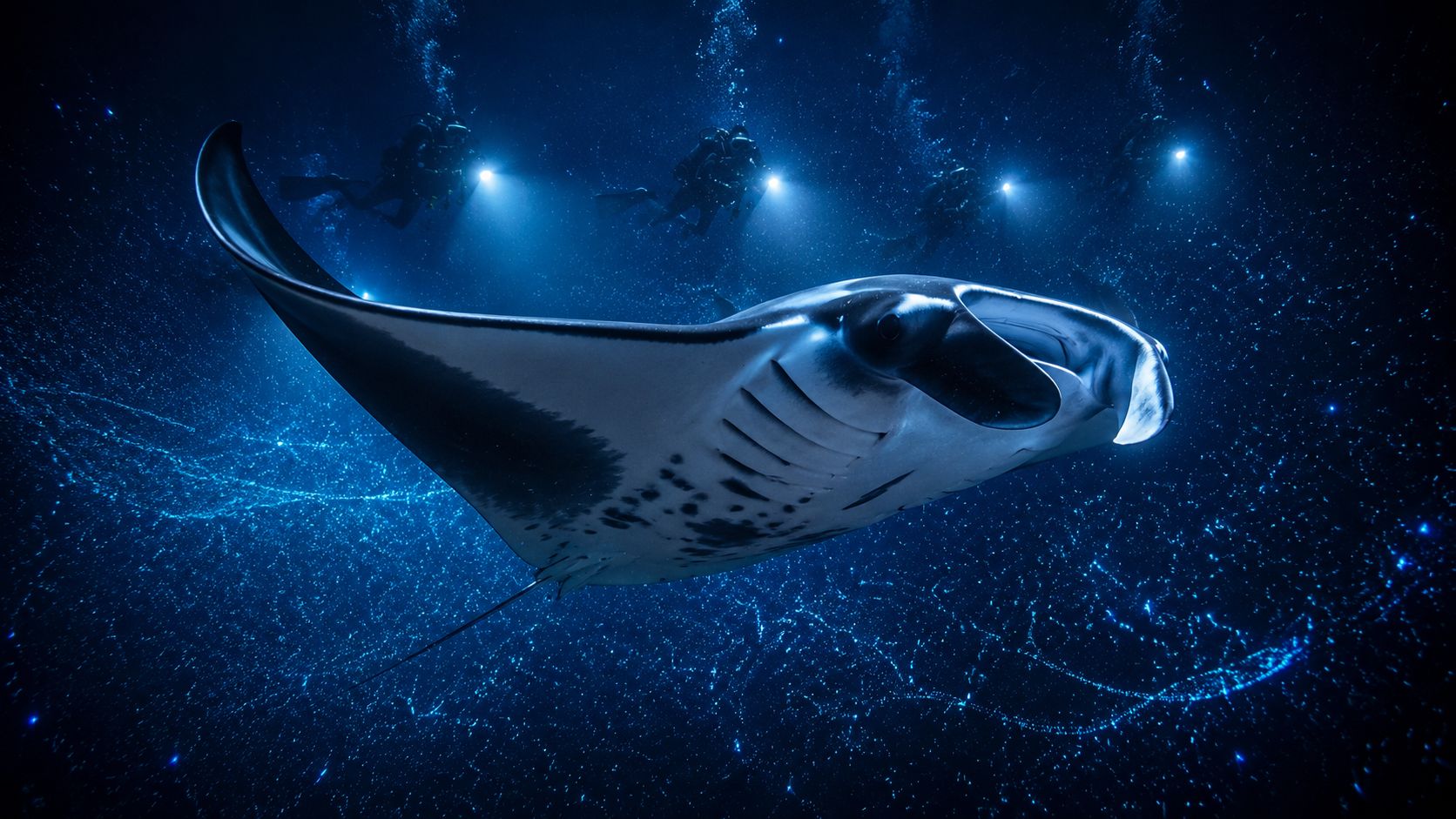
The manta dive is Kona's signature spectacle for good reason. You descend at dusk, settle into position, and wait while the lights pull in plankton. Then the mantas start looping through the beams. When the dive works well, it feels less like wildlife searching and more like being invited into a feeding pattern that's already underway.
For site choice, Garden Eel Cove is the strongest pick. Its more protected location usually makes the experience cleaner and calmer, and the viewing layout works well for divers who want to settle in and let the action come to them.
If that's the dive you're planning around, the Kona manta ray dive overview gives a solid sense of how the experience unfolds.
Blackwater dive
Blackwater is the most unusual dive Kona offers. You head offshore at night, suspend over open ocean, and watch tiny pelagic life rise from the deep. It does not feel like a reef dive. It feels like floating in a vertical migration route.
That difference is exactly why blackwater is not for everyone. It asks for composure, buoyancy control, and comfort in darkness without a bottom reference. It's typically offered to experienced divers with 25+ logged dives, and it goes offshore into water where the seafloor can drop to about 6,000 feet, as described in Scuba Diving Magazine's Big Island guide.
Blackwater isn't “hard” because of exertion. It's demanding because your normal visual references disappear, and your attention has to stay disciplined.
Reef and lava tube dives
This is the part many visitors underestimate. Daytime reef diving in Kona isn't filler between manta and blackwater. It's the foundation of the destination. You drop onto volcanic structure, move through changing terrain, and often spend the dive alternating between fish watching and geological sightseeing.
These dives are usually the best fit for:
- Newer certified divers who want comfortable entries, clear water, and a straightforward profile
- Photographers who prefer stable backgrounds, ambient light, and animals that aren't appearing for a split second in the black
- Mixed-skill buddy teams who want a shared experience without pushing anyone too far
How to choose the right one
A simple way to pick:
| Experience | Best for | Main trade-off |
|---|---|---|
| Manta night dive | Certified divers wanting a famous Kona experience | Night diving format |
| Blackwater | Experienced divers comfortable offshore at night | Psychological intensity and specialized profile |
| Reef and lava tubes | Almost everyone with appropriate certification | Less “bucket-list” branding, even though the diving is excellent |
The mistake I see most often is divers booking by internet fame rather than readiness. Mantas are memorable because they're accessible. Blackwater is memorable because it's surreal. Reefs are memorable because they show you the character of Kona. Choose the one that matches how you dive.
Exploring Top Kona Dive Sites
Kona doesn't run on one or two famous locations. That's a big advantage once you understand it. Local guides note there are over 40 dive sites within a 20-minute boat ride of the harbor, which gives crews real flexibility to match conditions and diver ability, while still offering everything from lava tubes to coral gardens for different experience levels, as noted earlier in the cited Big Island coverage.
Good matches for newer divers
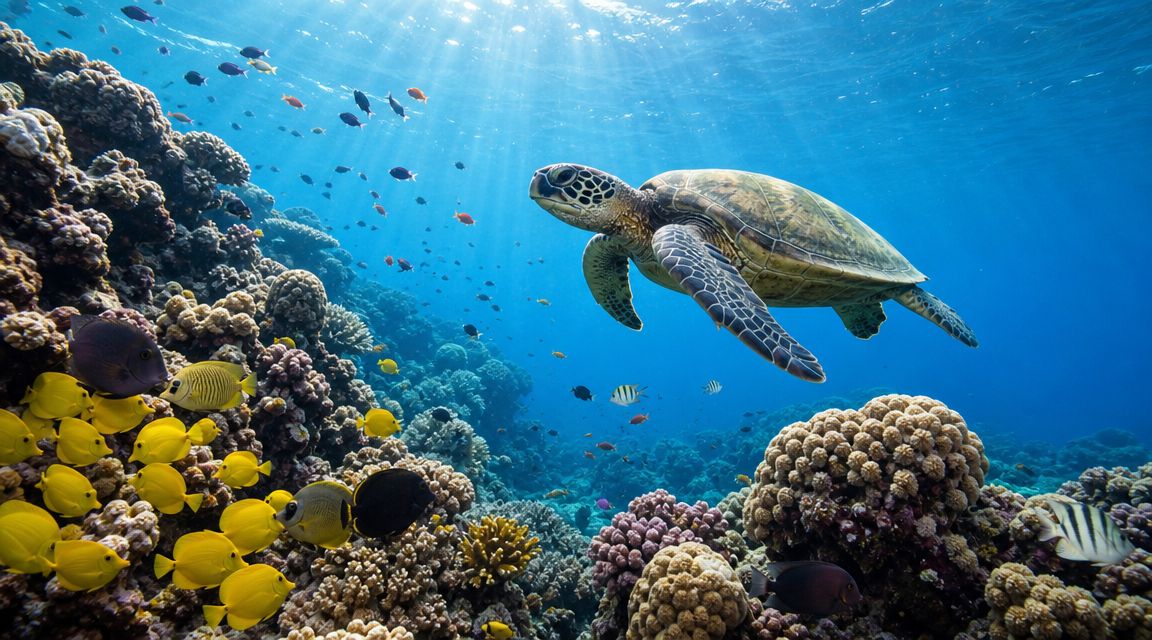
If you're recently certified, look for sites with easy descents, modest surge, and simple navigation. The names vary by operator and daily conditions, but the principle stays the same. Start on friendlier reefs where you can settle your breathing, dial in weighting, and enjoy the fish life instead of spending the whole dive working.
These sites tend to reward slow diving. Turtles, reef fish, and small behavior become more obvious when the group isn't pushing a complex route.
Better picks for intermediate divers
Intermediate divers usually get the most out of Kona's structure dives. Here, lava tubes, swim-throughs, and more textured topography become the main attraction. You don't need a technical background to enjoy them, but you do need decent buoyancy and the discipline not to crowd the person in front of you in tighter features.
A few things make these dives better:
- Stable trim: You'll appreciate swim-throughs much more if you're not fighting your position.
- Good light use: A compact light helps bring out details in cracks, overhangs, and caverns.
- Awareness of the group: The diver behind you needs room. So does the one taking photos.
Advanced site planning
Advanced divers usually care less about the site name and more about the combination of sea state, depth profile, current, and who else is on the boat. That's the right mindset. The strongest advanced days are built around conditions, not marketing.
For divers who want more range in site selection, Kona diving tours cover the standard local options, and the premium advanced long-range dive tour is the type of format experienced divers should look at when they want dives chosen for challenge and variety rather than broad beginner compatibility.
Site type versus diver type
| Diver type | Usually enjoys | Usually should avoid first |
|---|---|---|
| Newer certified diver | Calm reefs, open terrain | Tight or overhead-feeling structure |
| Intermediate diver | Lava tubes, arches, varied topography | Demanding offshore specialty profiles |
| Experienced diver | Long-range planning, advanced structure, specialty dives | Booking only the most famous site without regard to conditions |
If you're honest about your current skill, Kona is easy to love. If you overbook your ability on day one, you can make a great destination feel stressful for no reason.
For a look at one of the island's most iconic marine areas from a broader trip-planning angle, Kealakekua Bay near Kona is a useful reference point.
Your Ultimate Dive Trip with Kona Honu Divers
The operator matters more in Kona than many visitors think. Site lists can look similar online, but the day feels different depending on how the crew briefs, how they group divers, how much local judgment goes into site choice, and whether the operation is set up for comfort as well as safety.
What a smart booking decision looks like
When divers compare operators, I'd focus on five things:
- Group management: Smaller, well-matched groups usually mean calmer dives and better attention in the water.
- Boat comfort: Shade, a sensible entry setup, and space to gear up properly all matter more after your first dive.
- Site flexibility: The crew should choose for the day's conditions, not force a fixed itinerary.
- Advanced options: If you may want blackwater, manta, or longer-range diving, check that the operator runs them.
- Operational clarity: Booking, check-in, gear setup, and briefings should feel organized, not improvised.
Kona Honu Divers is one Kona option that runs local charters, manta trips, and blackwater diving, which makes it practical for travelers who want to build several kinds of diving into one trip.
A simple three-day plan that works
For many visitors, the best Kona trip isn't all advanced diving. It's a sequence that lets you settle in, then build toward the more specialized experiences.
Day one works best as a daytime reef or lava-tube charter. Shake off travel fatigue, confirm your weighting, and get comfortable with the local style of diving.
Day two is where experienced divers can add a more ambitious profile, such as an advanced or longer-range outing if conditions line up and everyone on the boat is suited for it.
Day three is a strong place for the manta night dive. By then, most divers feel more comfortable in the water, and a night format feels less like a leap.
A good itinerary gets better each day. A bad one tries to peak on day one and spends the rest of the trip recovering.
What often gets overlooked
The best dive day is rarely just about the underwater portion. It's also about whether the operation keeps things smooth on the surface. Clear check-in, realistic briefings, help with gear, and a crew that adjusts to the actual divers on board all reduce stress.
That matters for families, mixed-experience groups, and anyone doing multiple dive days in a row. People remember the manta pass. They also remember whether the day felt rushed, confusing, or crowded.
Essential Prep for Your Kona Dive Adventure
Pack for the boat ride as much as for the dive itself. Divers often remember mask and certification card. They forget sun protection, a dry layer for the ride back, and whatever personal gear makes them comfortable.
Bring the basics that actually matter
A practical Kona dive bag should include:
- Reef-safe sun protection: Sunscreen, a hat, and sunglasses matter before and after the dive.
- Hydration gear: A reusable water bottle helps, especially on repeat dive days.
- Personal comfort items: Your own mask, computer, and exposure layer if you have preferences.
- Certification materials: Bring your C-card and anything else your operator requires for check-in.
- Motion-sickness backup: If you're unsure how you handle boats, read through these sea sickness medication tips for Kona diving before your trip.
Dive in a way that protects the place
Kona rewards controlled divers. Good buoyancy protects coral, keeps silty areas from getting kicked up, and makes animal encounters better for everyone. Don't touch turtles. Don't crowd mantas. Don't treat lava structure like a handrail.
Listen to the briefing, especially on entries, exits, lights, and spacing. Kona has easy dives, but it also has volcanic terrain and offshore specialty profiles that punish sloppy habits.
The cleanest, calmest divers usually get the best wildlife encounters. Marine life reacts better when you stop chasing the dive.
If you arrive prepared, choose dives that fit your experience, and respect the local environment, diving Kona Big Island usually lives up to the hype.
If you want a straightforward way to turn this planning into a real itinerary, start with Kona Honu Divers. Their site makes it easy to compare local charters, manta trips, and blackwater options so you can book the type of Kona diving that matches your experience level and trip goals.