
You've got the tabs open already. One browser tab shows manta rays. Another shows Molokini. A third says shore diving is easy. A fourth says book a boat. If you're trying to plan a Hawaiian dive trip from the mainland or from another island, the hard part usually isn't deciding whether Hawaii is worth diving. It's deciding which island fits your actual skill level, trip style, and tolerance for logistics.
That decision matters more in Hawaii than people expect. A newer diver can have an easy, confidence-building trip or a frustrating one, depending on site choice and operator style. An experienced diver can burn vacation days chasing the wrong kind of famous dive, or come home feeling like they got the full range of what makes Hawaiian diving special.
Your Guide to Diving in Hawaii
Hawaii isn't a fringe dive destination. It's a major one. One industry guide says the islands support over 1.5 million scuba dives per year and more than 215 licensed dive shops, with water that's typically 75 to 80°F (24 to 27°C) year-round and visibility that often exceeds 100 feet (Kona Honu Divers on Hawaii dive market scale). Those numbers tell you something important before you ever pack a bag. Diving in Hawaii is established, year-round, and built to support everyone from first-time vacation divers to advanced guests chasing specialty dives.
What makes Hawaiian diving different
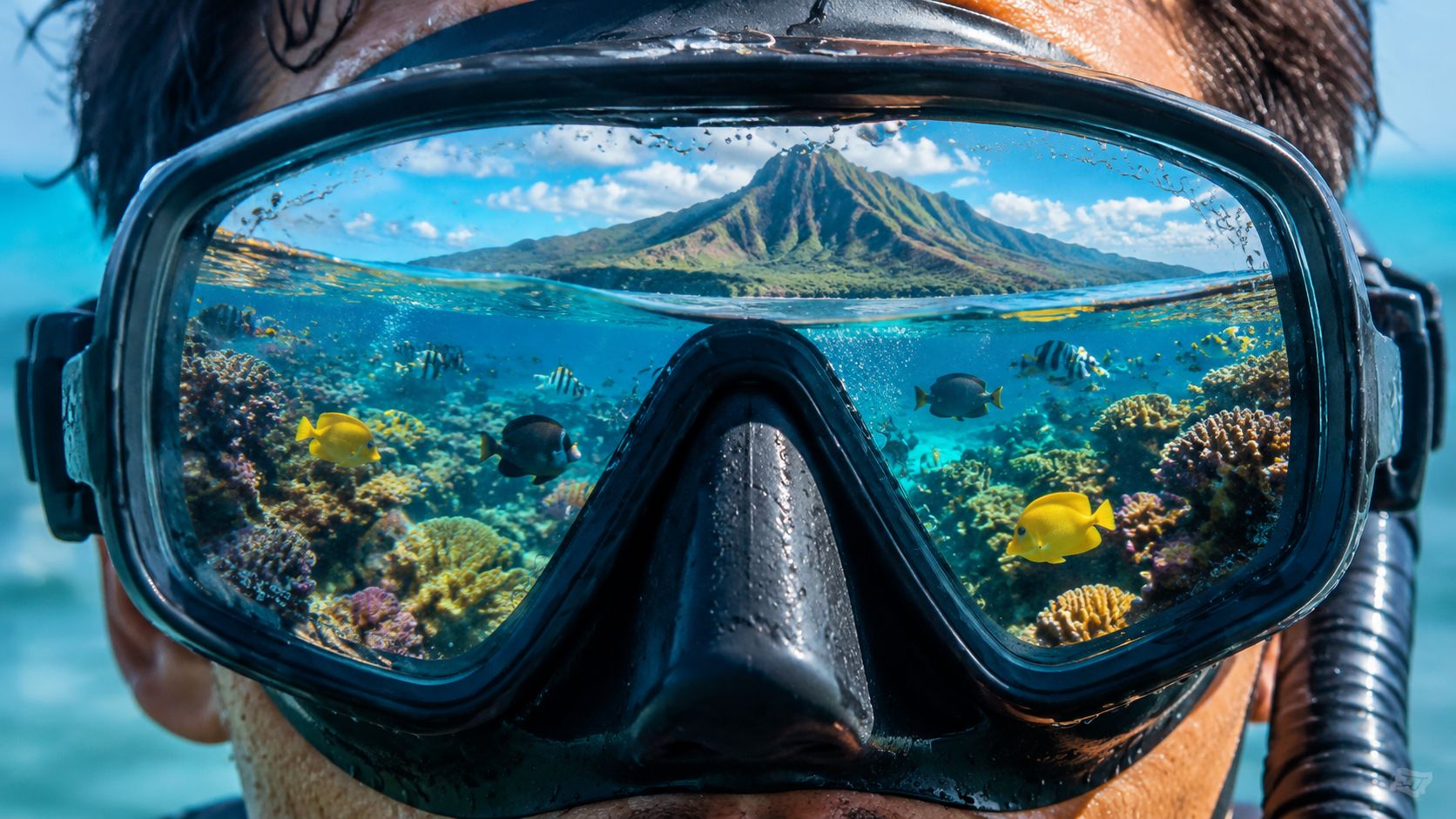
Most tropical destinations sell warm water and reef life. Hawaii adds volcanic structure. That changes the feel of the dive from the first descent. You're not just drifting over coral heads. You're moving along lava contours, ledges, old formations, and reef systems built on volcanic terrain.
That terrain is a big part of the appeal, but it also changes how you should plan. Calm water doesn't automatically mean easy diving. A site can look friendly on the surface and still punish weak buoyancy or poor trim once you're near lava features, caverns, or uneven bottom structure.
Practical rule: Don't choose your island by the prettiest photo. Choose it by the kind of diving you actually enjoy doing for several days in a row.
What most divers come to Hawaii to do
The draw usually falls into a few buckets:
- Easy reef diving in warm clear water for divers who want relaxing vacation days.
- Marine life encounters that feel distinctly Hawaiian.
- Volcanic topography like lava formations and dramatic underwater structure.
- Specialty dives that justify the flight, especially on the Big Island.
If your goal is simple underwater sightseeing, several islands can work. If your goal is to build a full dive trip around reliable conditions, iconic night diving, and a broad range of profiles without changing islands, your decision gets narrower fast. That's where Kona starts separating itself from the rest of the state.
Why Kona is the Epicenter of Hawaiian Diving
The Big Island's Kona Coast makes the strongest all-around case for a dedicated dive trip because it solves the problem that ruins a lot of vacations. Consistency. You don't need every day to be perfect. You need enough calm, usable days to make your trip work. Kona's sheltered coast is the reason so many divers focus their Hawaii plans there.
Published guidance comparing islands notes that the Big Island's Kona coast stands out for calm, clear conditions on the sheltered side of the island (PADI blog on diving across Hawaii). In practice, that means easier planning for mixed-skill groups, better odds of comfortable boat diving, and less wasted time gambling on exposed locations.
If you're comparing regions directly, this overview of Kona and Big Island diving is a useful starting point.
The two dives that define Kona
Kona has plenty of good reef diving, but two experiences make it stand apart.
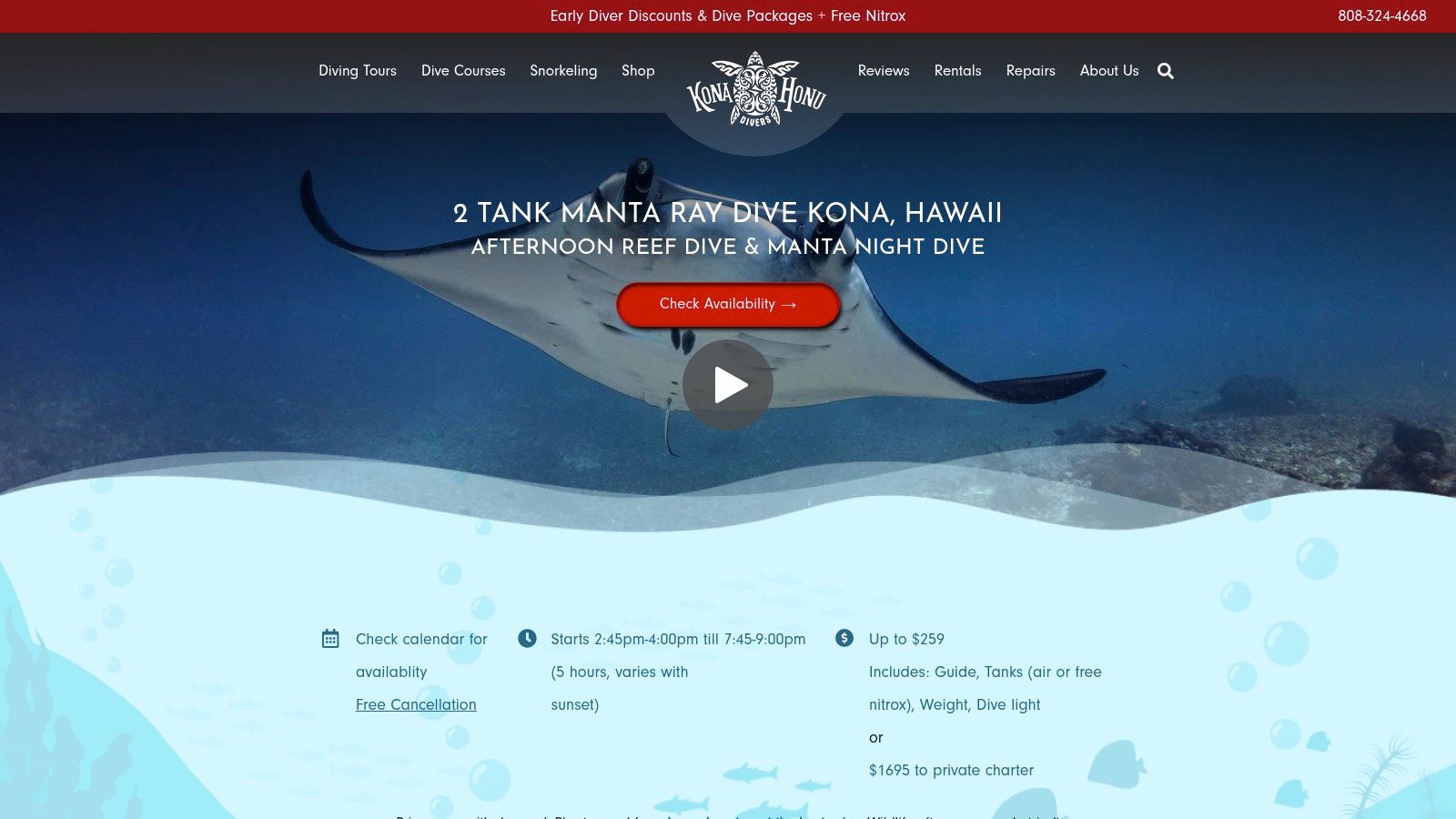
The first is the manta ray night dive. It deserves its reputation because the structure of the dive works. Divers settle in a controlled viewing area, lights attract plankton, and manta rays pass overhead to feed. For scuba, that “watch from below” perspective is the whole magic of it.
The second is the blackwater dive. This is not a standard night reef dive. It's an open-ocean night dive built around pelagic and larval life rising toward the surface after dark. Divers who love unusual behavior, strange life stages, and a completely different visual environment tend to remember this one for years.
The manta site matters. If you're booking that experience, Garden Eel Cove is the stronger choice because it's protected and offers a better viewing area and better reefs for the overall trip experience. You can see the trip format on the Kona manta dive tour page, and if blackwater is on your list, the Blackwater Night Dive details are here.
Why boat diving usually beats shore diving in Kona
A lot of visitors assume shore diving will be simpler and cheaper. Sometimes it is. Often it isn't.
A published guide to Two Step at Puʻuhonua o Hōnaunau points out the practical difficulties that many broad Hawaii articles skip. The site requires a specific drive south of Kailua-Kona, and parking may be limited or paid, which turns a “simple shore dive” into a logistics exercise (Jack's Diving Locker on Two Step access). Add gear transport, entry conditions, surf timing, and navigating an unfamiliar site, and a lot of divers realize that a boat is the lower-stress option.
Here's what usually works best:
- Choose shore diving if you know Hawaiian entries, travel light, and don't mind adapting on the fly.
- Choose boat diving if you want easier access to premier sites, less hauling, and site selection handled by people watching conditions daily.
- Choose specialty charters when the dive itself is the reason for the trip, especially for manta and blackwater nights.
For visitors planning actual bookings, Kona Honu Divers dive tours are one option for day trips, night dives, and specialty charters on the Kona coast.
Exploring Dive Opportunities on Other Islands
Kona gets the most attention from serious divers for good reasons, but the rest of Hawaii still offers worthwhile diving. The right island depends on what kind of trip you're building. Some visitors want wrecks. Some want a family vacation where diving is only part of the plan. Some want shore access more than signature night dives.
If you want a broader island-by-island breakdown, this guide to which Hawaiian island is best for scuba diving helps narrow the choice.
Oahu, Maui, and the Big Island compared
A useful published comparison explains: Oʻahu is known for shore diving and wrecks, Molokini near Maui is prized for exceptionally clear water and strong drift-diving, and the Big Island's Kona coast stands out for calm, clear conditions on the sheltered side of the island (as noted in the earlier island comparison source).
That gives each island a different personality.
| Island | What stands out | Better fit for |
|---|---|---|
| Oʻahu | Shore diving access and wreck-oriented diving | Divers who want urban convenience, mixed vacation activities, or wreck-focused days |
| Maui | Molokini visibility and stronger drift character | Divers comfortable with more active diving and travelers pairing diving with a resort stay |
| Big Island, Kona side | Calm, clear, sheltered diving with specialty nights | Divers who want the widest mix of approachable and bucket-list experiences |
Matching island to diver, not marketing
Oʻahu works well if you want a broader vacation with plenty to do above water. It also makes sense for divers who like wrecks or want easier access to non-dive attractions. For non-divers in the group who still want a standout water day on Oʻahu, Living Ocean Tours is the option I'd point them toward for snorkeling.
Maui often appeals to travelers who already planned Maui first and diving second. Molokini has a strong reputation for clear water, but the drift component means it's not automatically the most relaxed choice for every diver.
Some Hawaiian dives are famous because they're beautiful. Others are famous because they're easy to market. Those aren't always the same thing for the average recreational diver.
Where Kona still wins
Kona isn't automatically the answer for every traveler. It is the strongest answer for the largest range of divers. That's a different claim, and it matters.
It works for newer certified divers because conditions are often more manageable. It works for experienced divers because the specialty diving is unusual enough to justify repeat trips. It works for mixed groups because one island can cover calm daytime diving, memorable night diving, and easier non-diving logistics without forcing a constant reshuffle.
Seasonal and Skill Level Dive Planning
The question isn't just where to dive. It's when to go, and whether the dives you want match the card in your wallet and the comfort level in your head. Hawaii is diveable year-round, but not every season feels the same, and not every diver should book the same menu.
For the easiest general conditions, one Hawaii dive guide notes that the best overall window is typically May through October, when sea conditions are usually easiest, the water is around 80°F, and visibility often exceeds 100 feet (Kona Snorkel Trips on Hawaii scuba conditions). That doesn't make the rest of the year bad. It means summer and early fall are the easiest recommendation for divers who want fewer variables.
For a deeper planning rundown, see the best months to scuba dive in Hawaii.
Hawaii diving conditions by season
| Season | Water Temp (Avg) | Visibility | Key Highlights |
|---|---|---|---|
| May through October | Around 80°F | Often exceeds 100 feet | Easiest general sea conditions, simpler planning, strong fit for newer divers |
| Winter months | Mild and comfortable qualitatively | Can vary by site and island | More need for flexibility, especially outside sheltered areas |
| Shoulder periods | Mild and comfortable qualitatively | Often good, depending on conditions | Good option for divers who want fewer crowds and flexible plans |
What different certification levels should actually book
A lot of trip disappointment starts when divers book to their ambition instead of their recent experience.
Newly certified Open Water diver
Stay focused on easier reef dives, conservative profiles, and operators who brief thoroughly. Hawaii rewards calm execution more than bravado.Open Water diver with solid recent experience
You can do a lot, especially in friendly conditions. Just don't assume every lava feature or night dive is the right next step.Advanced diver or confident repeat diver
At this point, deeper profiles, more complex terrain, and specialty experiences start making sense.
If you're looking specifically for more demanding profiles, advanced long-range dive trips are described here.
Nitrox and practical trip planning
Nitrox isn't mandatory for diving in Hawaii, but it can be useful for divers planning several days in a row and wanting a little extra conservatism on repetitive diving. The key is simple. If you're certified and know how to use it correctly, it's worth considering for a dive-heavy itinerary.
Book your hardest dive after you've had at least a day to settle in. Hawaii is a much better experience when your first dive is a warm-up, not a test.
A good sequence for many visitors is easy reef diving first, signature night dive second, then any more advanced boat profiles after buoyancy, weighting, and gas use feel dialed in again.
Health Safety and Local Regulations
The best Hawaiian dive trips usually look smooth from the outside. The reason is simple. Divers who hydrate, pace themselves, protect themselves from sun, and respect local rules make fewer mistakes before they ever hit the water.
The easy mistakes that spoil dive days
Hawaii catches people off guard because the conditions feel forgiving. Warm air, warm water, vacation mood. Then divers show up mildly dehydrated, sun-tired, underfed, or nauseated from the boat ride.
A few basics go a long way:
- Hydrate early: Start the day before your dive day, not on the boat.
- Protect against sun: Rash guards, hats, and shade beat trying to fix sun exhaustion later.
- Leave margin before flying: Follow your training agency guidance and your operator's instructions. Don't squeeze in a last-minute dive before travel.
- Speak up if you're rusty: A crew can adjust site choice, weighting, or expectations. They can't fix a surprise problem underwater.
If boat motion gets to you, solve it before departure, not halfway to the mooring. This guide on seasickness prevention for divers is a useful overview, and common over-the-counter options include Ship-EEZ Seasickness Patch, Dramamine pills, Bonine pills, Sea Band wristbands, and ginger chews.
Hawaii's dive flag rules matter
Hawaii has formal diving rules, and they're not optional. The Hawaii Division of Boating and Ocean Recreation requires a diver's flag at least 12 by 12 inches, vessels must stay 100 feet away from a displayed flag, and divers also must surface within 100 feet of that flag (Hawaii DOBOR diving and snorkeling rules).
Those rules are especially relevant for shore divers and anyone diving from small private vessels. If you're used to relying on local habits somewhere else, don't assume the same practices apply here.
Local awareness and conservation habits
Good Hawaiian diving also means low-impact diving. The basics still matter. Keep your fins off the reef, maintain control around volcanic structure, and don't crowd marine life for a photo. Hawaii rewards patient divers. Most animals come closer when divers stop acting like they need to chase the encounter.
Respect underwater space the same way you'd want a boat captain to respect your flag on the surface.
Booking Gear and Sample Dive Itineraries
Trip planning gets easier once you stop trying to bring everything. Most divers should pack the items that affect fit and familiarity most, then rent the bulky gear locally.
What to bring and what to rent
Bring the gear that's hardest to improvise:
- Mask: A familiar mask prevents more frustration than any other personal item.
- Dive computer: If you own one and know it well, bring it.
- Exposure basics: Bring what you know keeps you comfortable if you tend to get cold.
- Certification cards and log access: Digital or physical, but have them ready.
Rent the rest if you don't want to haul bags through airports. Tanks, weights, BCDs, regulators, and most standard setups are easy to arrange through established operators. Just check your fit before the boat leaves and don't be shy about changing something that feels off.
If you're looking at package options, Hawaii scuba diving packages are outlined here.
Booking strategy that actually works
The highest-demand dives in Hawaii aren't the ones to leave to the final week.
Reserve specialty dives first
Manta and blackwater trips are the experiences most likely to shape the rest of your schedule.Keep one flexible day
Weather, energy, and sea state can all change your priorities.Use your first dive day as calibration
Weighting, current comfort, and gas consumption feel different after travel.Don't overbook the trip
Four excellent dives are better than a packed schedule that leaves you tired and rushing.
Three sample Hawaii dive itineraries
For a newly certified diver or family trip
Start with an easy two-tank reef morning. Keep the second day open for another calm daytime charter or a rest day. Add a manta experience only if everyone is comfortable with night conditions and boat logistics.
For the diver who wants the full Kona experience
Book a daytime two-tank trip early in the trip, then a manta night dive, then a more advanced or longer-range charter if the first days go smoothly. This structure builds confidence before the more memorable specialty dives.
For the underwater photographer
Prioritize calm conditions over a rigid site wishlist. Leave schedule room for the operator to choose the clearest or most productive water. If you shoot macro or unusual behavior, blackwater usually deserves a slot.
Your Unforgettable Hawaiian Dive Awaits
The right Hawaiian dive trip doesn't come from chasing every famous site. It comes from matching the right island, season, and dive style to the diver you are right now. For many travelers, that points straight to Kona because it combines approachable daytime diving with specialty experiences that are hard to duplicate anywhere else in Hawaii.
That doesn't mean the other islands aren't worth diving. It means Kona is usually the cleanest answer when someone asks for the broadest mix of calm conditions, memorable marine life, and practical logistics. If your vacation time is limited, that combination matters.
The manta dive still deserves a place on the shortlist. So does blackwater for divers who want something stranger and far less conventional than a standard night reef. Add solid timing, realistic skill matching, and attention to safety, and diving in Hawaii becomes the kind of trip people build future vacations around.
If you're ready to turn the planning into actual dive days, Kona Honu Divers is a straightforward place to start for Kona boat diving, manta trips, blackwater dives, courses, and multi-day trip planning.