
You're probably in the same place most Hawaii dive travelers start. You've seen the manta photos, heard someone mention lava tubes, and now you're trying to figure out whether diving in Hawaii is really worth building a trip around.
It is, if you plan it correctly.
Hawaii isn't a place where you just book any boat, grab any site, and expect the same result. The islands offer excellent diving, but they reward divers who match the right coast, conditions, and experience level to the kind of trip they want. A new diver usually wants calm water, simple logistics, and a guide who slows the day down. An experienced diver may want night diving, lava formations, and more demanding profiles. Hawaii can do both.
The reason so many divers come back is simple. Few destinations combine warm water, dramatic volcanic structure, and marquee marine encounters the way Hawaii does. If you want the short version, start with the Kona Honu Divers homepage and then keep reading for the bigger picture.
Your Underwater Paradise Awaits
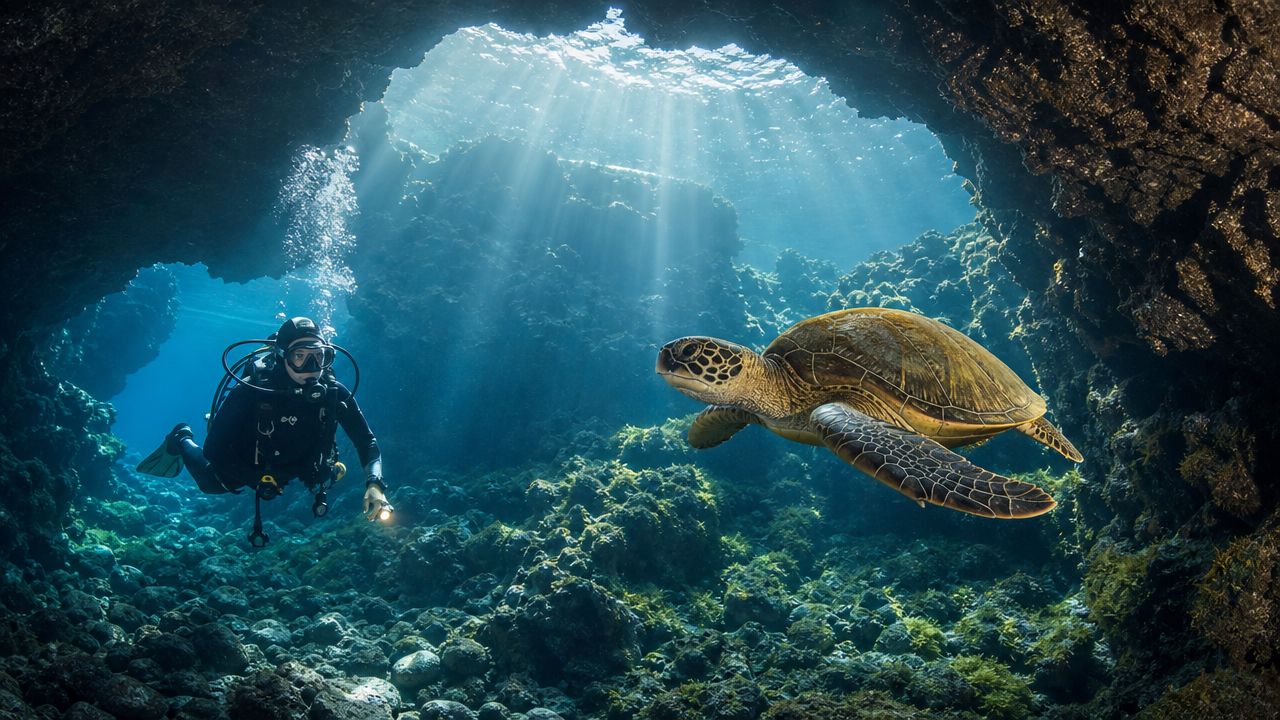
Your first good Hawaiian dive tends to stay with you. You drop below the surface, your breathing settles, and the bottom sharpens into black lava, coral growth, and the slow glide of a sea turtle moving through clear blue water. It doesn't feel like a generic tropical reef. It feels older, rougher, and more alive.
That difference matters. Hawaii's underwater world was shaped by volcanoes and isolation, so the dives often have more structure than visitors expect. Instead of long sandy slopes, you get ledges, arches, swim-throughs, and hard volcanic relief that give even an easy dive some drama. That's one reason diving in Hawaii feels distinct from other warm-water destinations.
What catches new divers off guard
A lot of first-timers expect fish and coral. They don't expect the terrain.
The seafloor in Hawaii often looks carved rather than grown. You move over lava shelves and around openings in the rock, and that changes how the whole dive feels. It also changes what works underwater. Calm breathing, neutral trim, and patient finning matter more here than charging from one photo opportunity to the next.
Practical rule: Your best first Hawaii dive usually isn't the deepest or most famous one. It's the one where you're relaxed enough to notice everything.
Why the dream holds up in real life
Hawaii has the scenery people hope for, but it also has the support system that makes a real dive vacation work. You can find beginner-friendly experiences, classic reef dives, training, and specialty charters without treating the whole trip like an expedition.
The Kona coast deserves special attention because it combines access, marine life, and site variety in a way that's hard to beat. If your goal is to turn a Hawaii trip into a true dive trip, Kona is where many divers end up focusing most of their time.
Why Hawaii is a Top Global Dive Destination
A good Hawaii dive trip is easy to build and hard to forget. That combination is rarer than it sounds.
Plenty of warm-water destinations offer pretty reefs for a few calm months a year. Hawaii adds something more dependable. You get clear water, established training and charter operations, shore and boat diving, and enough site variety to keep both new divers and experienced repeat visitors engaged for an entire trip. If you're still comparing islands, this guide to which Hawaiian island is best for scuba diving is a useful starting point.
Conditions that reward a wide range of divers
The basics work in Hawaii's favor. Water is comfortable by scuba standards, visibility is often excellent, and many dive days do not require the kind of narrow timing window that complicates travel elsewhere.
For newer divers, that usually means less task loading. Good visibility reduces the boxed-in feeling some people get underwater, and moderate exposure protection keeps the dive simpler. For experienced divers, the payoff is different. You can spend less attention on coping with conditions and more on buoyancy, photography, animal behavior, and the structure of the site itself.
That said, Hawaii is not a pool. Surge, entries over lava rock, and seasonal shifts still matter. The better operators brief those trade-offs clearly and match the plan to the diver, not the other way around.
A destination built on real dive repetition
Hawaii has a long recreational diving history, and that shows up in practical ways. You can find training, gear support, guided shore diving, advanced charters, and specialty trips without hunting for one-off availability.
NOAA's marine recreation material also places Hawaii firmly inside the larger U.S. dive market and notes Oʻahu's importance in scuba certification activity through its marine recreation and diving report archive. That matters because destinations with active training culture tend to produce better briefings, clearer procedures, and crews who are used to working with mixed experience levels.
As a divemaster, I see that difference immediately. In mature dive destinations, crews catch small problems early. Weighting gets fixed before descent. Uneven air consumption gets addressed before it turns into stress. The whole day runs better.
Why divers often end up focusing on Kona
Hawaii works as a statewide dive destination, but the Big Island, especially Kona, has unusual depth to its offering. You can do classic reef and lava-tube diving by day, then add experiences that are hard to match elsewhere, especially manta night dives and blackwater charters.
That is a key advantage. Kona is not just another place with good visibility and turtles. It gives divers a way to stack very different underwater experiences into one trip without constant repositioning, canceled logistics, or long transfers between islands. For visitors who want more than a couple of pleasant reef dives, that changes the value of the whole vacation.
Operators matter here. A well-run Kona boat with experienced local crew makes these specialty dives far more approachable, and that is one reason serious divers often book multiple days with Kona Honu Divers instead of treating Kona as a one-and-done stop.
What sets Hawaii apart
Hawaii stands out because the diving feels both wild and workable.
The terrain is volcanic, the animal encounters are memorable, and the trip itself is realistic to plan. You are not choosing between easy logistics and worthwhile diving. In Hawaii, and especially in Kona, you can have both.
Exploring Hawaii's Premier Dive Regions
Every main Hawaiian island gives divers something worthwhile. The mistake is assuming they all give you the same kind of trip.
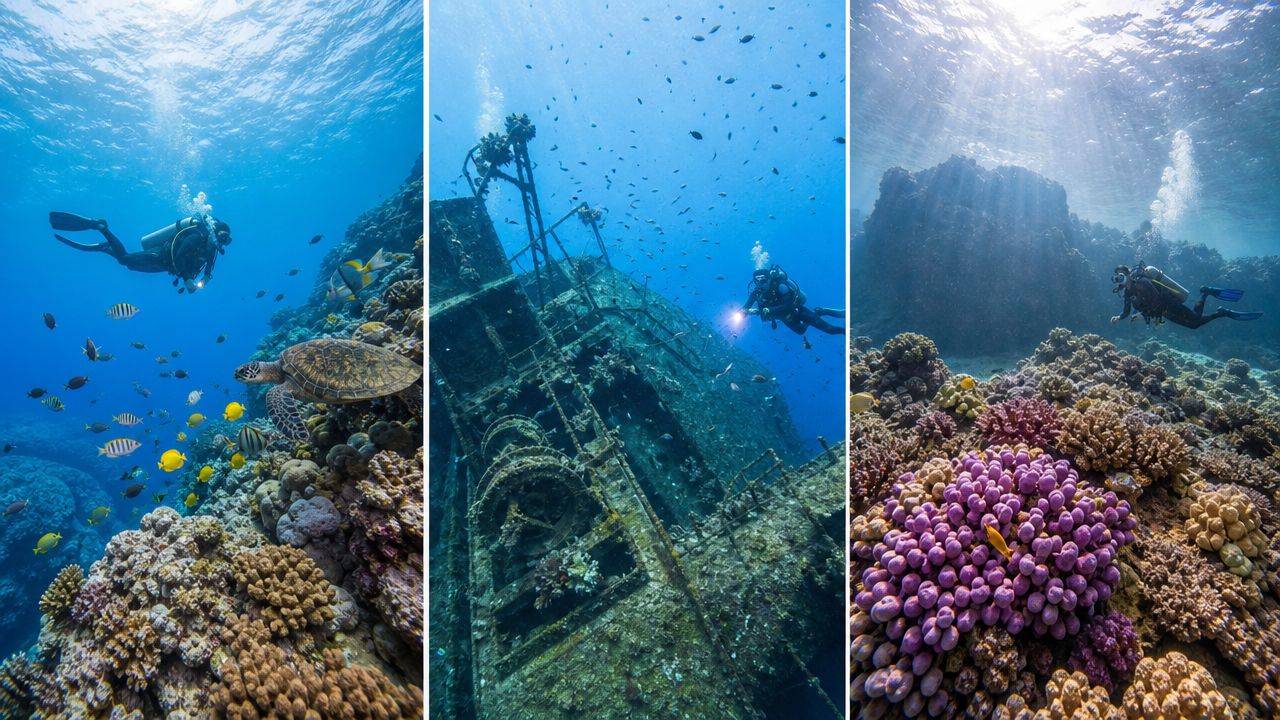
Maui attracts divers who want a vacation mix of resorts, beaches, and easy access to well-known sites like Molokini. O'ahu works well for travelers who like variety on land and in the water, especially wreck-oriented diving and a broad training scene. Kaua'i has a more rugged personality, and that appeal is real if you enjoy dramatic scenery and don't mind a little less predictability.
What each island tends to do well
| Island | Common appeal | Good fit for |
|---|---|---|
| Maui | Scenic trip with famous crater diving | Families mixing beach time and a few dives |
| O'ahu | Wrecks, training volume, broad activity mix | Travelers who want urban access and ocean variety |
| Kaua'i | Wild topography and a less polished feel | Divers who like flexible plans and dramatic terrain |
| Big Island | Dive-focused travel, specialty experiences, accessible site variety | Divers who want the strongest all-around package |
O'ahu also deserves a quick note for surface travelers. Snorkeling is hugely popular there, and for turtle snorkeling in Waikiki, Living Ocean Tours is the one I'd point people toward first.
Why the Big Island keeps rising to the top
If a diver asks which island gives the most complete trip, I usually point to the Big Island. More specifically, I point to Kona.
The leeward Kona coast tends to make life easier. Sites are close, conditions are often manageable, and the range is unusually broad. You can do comfortable daytime reef diving, dramatic lava structure, night diving, and some of the most unusual specialty dives in the state without changing islands or rebuilding your itinerary every day.
That mix is why so many divers who compare islands end up centering their plans here. This breakdown of which Hawaiian island is best for scuba diving lines up with what many local professionals see in practice.
The practical trade-off
Maui, O'ahu, and Kaua'i can all produce memorable dives. But they usually shine in narrower ways. Kona stacks more strengths in one place.
- Accessibility: Boat rides to good sites are often straightforward.
- Range: Beginner reefs and advanced specialty dives can coexist in one trip.
- Repeat value: You don't feel finished after one or two charters.
If you only have a few dive days in Hawaii, consistency matters more than novelty. Kona usually gives you more usable diving per vacation day.
That doesn't make the other islands lesser. It makes Kona the easiest recommendation when someone wants the highest chance of a smooth, dive-heavy trip.
The Unforgettable Dives of Kona
Kona is where Hawaiian diving shifts from very good to unforgettable.
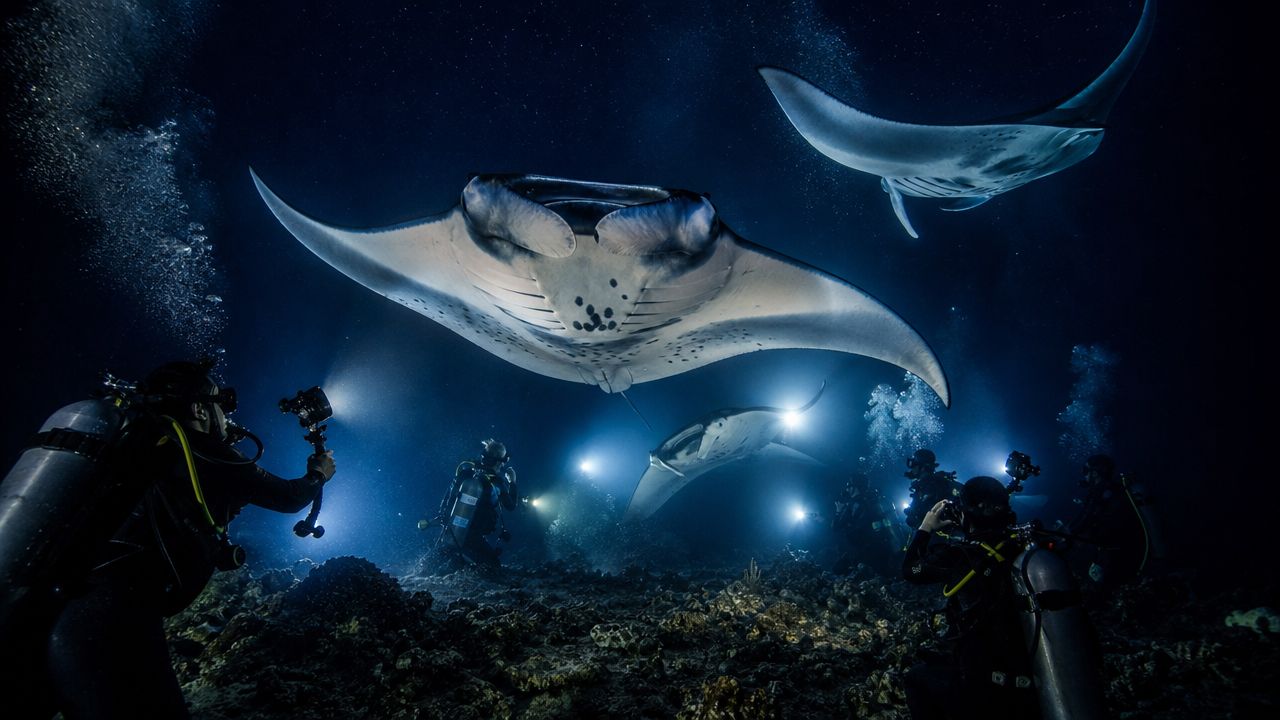
This coast has the kind of variety that changes how you build a trip. One day you're moving through volcanic structure on a daylight reef dive. Another evening you're kneeling in the sand while manta rays wheel above your light. Then, if you want something completely different, you head into black water at night with no reef beneath you at all. If you're comparing the area broadly, this guide to diving Kona on the Big Island is a useful primer.
The manta ray night dive
This is the dive people ask about first, and for good reason.
A manta night dive works because it turns the whole group into a stable viewing setup. Divers stay settled low, lights draw in plankton, and manta rays come in to feed overhead. When it's done properly, you don't chase anything. You hold position, keep your light where the guide wants it, and let the encounter come to you.
Garden Eel Cove is the location I'd choose. Its protected setting, stronger viewing layout, and better reef environment make it the superior site for this experience. If manta rays are on your list, book a charter built around the right format rather than the loudest marketing. The dedicated manta ray night dive tour is the right place to start.
Stay still on a manta dive. Divers who settle in and follow the light protocol usually get the best show.
The blackwater dive
Blackwater isn't just another night dive. It's a different category of diving.
You descend into open ocean after dark, suspended in the water column while pelagic and larval creatures rise from the deep. There's no reef to orient to and no lava wall next to you. That's exactly why experienced divers love it. It feels alien, technical in mindset, and visually unlike almost anything else in recreational diving.
This isn't the dive to book because it sounds trendy. It's the dive to book if you're comfortable at night, comfortable without a bottom reference, and excited by small, strange, rare ocean life. The dedicated Kona blackwater night dive explains the format well.
The day dives that round out the trip
Kona's signature charters get the headlines, but the daytime diving is what gives the destination depth.
You can expect reef systems built around lava fingers, ledges, arches, and scattered coral growth. The terrain is what keeps many repeat divers interested. Even on a less flashy site, the underwater shape gives the dive personality. That's also why a good operator briefing matters here. A site isn't just “fish and coral.” It's a route through contour, surge zones, and structure.
For divers building a full itinerary, the broader list of Kona diving tours is worth reviewing so you can pair iconic dives with easier daytime dives and avoid overloading one trip with too many demanding profiles.
Kona Honu Divers runs these specialty charters and day trips as one local option for visitors who want boat diving, manta charters, and blackwater in the same trip.
Essential Guide for Every Diver
Hawaii is friendly to a wide range of divers, but it isn't a place to get sloppy.
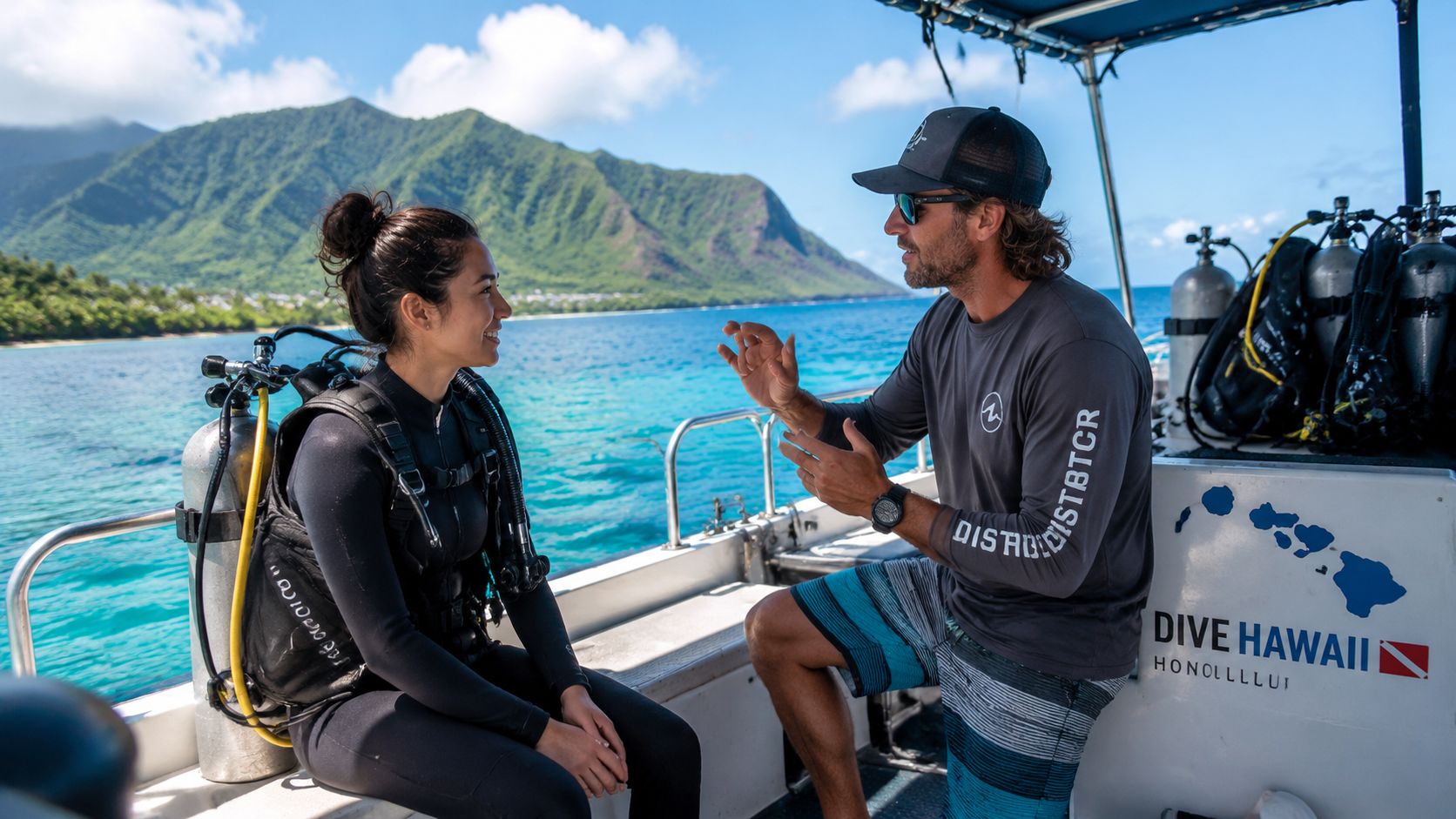
New divers can absolutely enjoy it. Discover Scuba experiences and easier certified dives can work well if the site and guide match the diver. Experienced divers have more room to stretch out, especially on night dives and more terrain-heavy profiles. The key is honest self-assessment. Hawaii usually rewards control more than bravado.
Why buoyancy matters more here
Hawaiian dive operations are shaped by a hard-bottom volcanic environment, not broad forgiving sand flats. Independent guidance on Hawaiian diving notes that water temperatures are about 75 to 80°F and visibility often exceeds 100 feet, while the geology creates lava tubes, ledges, and complex relief that reward stable depth control and good trim, as described in this overview of scuba diving conditions in Hawaii.
That has a direct practical consequence. If you're over-weighted, fluttering constantly, or trying to fix buoyancy with your inflator every few seconds, you'll work harder and enjoy less. On volcanic structure, poor trim also puts you closer to contact with rock and fragile growth.
A few habits work well:
- Dial in weighting early: Don't treat the check dive like a throwaway.
- Slow your kick cycle: Fast finning usually makes small buoyancy problems worse.
- Pause before entering swim-throughs: Stable divers use less gas and move cleaner through structure.
The diver flag rule is not optional
Hawaii's surface signaling rules are unusually important in real-world dive planning. The state requires a diver's flag for free diving or scuba. Flags must be at least 12 x 12 inches for shore or small-vessel use and 20 x 24 inches for larger vessels. Divers must stay within 100 feet of the flag in ocean waters, and vessels are prohibited from approaching within 100 feet of a displayed flag, according to Hawaii's official diving and snorkeling safety guidance.
That affects more than paperwork. It changes how you manage shore dives, current drift, and surface intervals.
Surface signaling in Hawaii is a core safety control, not an accessory. If the flag isn't being managed, the plan isn't finished.
Matching the dive to the certification
A simple way to understand this:
- Trying scuba for the first time: Stay with supervised introductory programs and easy sites.
- Certified but recently inactive: Book conservative dives first and ask for a refresher mindset.
- Experienced and looking for more: Choose profiles that justify your skill set, not just your certification card.
If you want more demanding profiles, longer runs to less-frequented sites, or dives built for experienced guests, the premium advanced 2-tank trip is the sort of option worth looking for in Kona.
Planning Your Dive Logistics
Good Hawaii dive trips are usually won before the boat leaves the harbor.
Most problems I see on vacation dives aren't dramatic. They're small planning misses that stack up. A diver packs for the hotel pool instead of a full day on the water. Someone waits until the boat starts moving to think about seasickness. Another diver books strictly by price and ends up with the wrong pace, wrong group, or wrong site selection style. If you're budgeting the trip, this article on how expensive scuba diving is in Hawaii helps frame the choices.
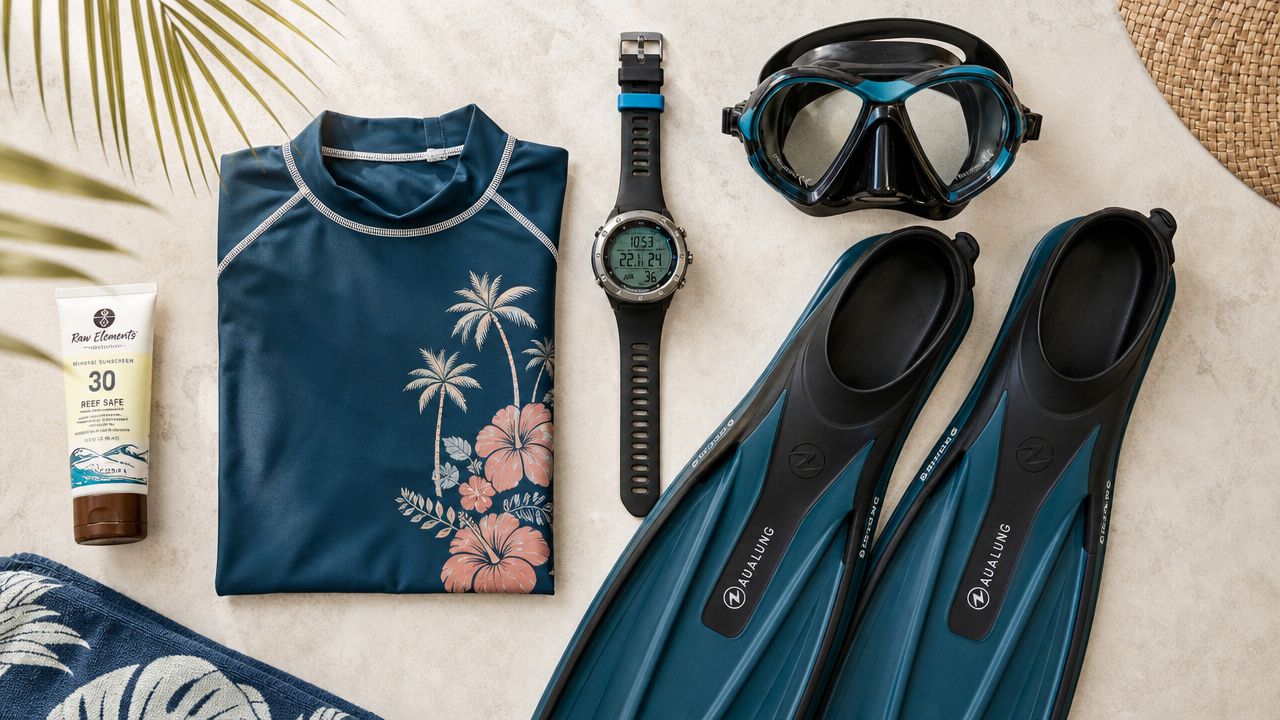
What to pack for a smoother day
Bring the items that affect comfort and fit first. Rent the bulky gear if you want, but don't skimp on the stuff that can make a good dive irritating.
- Mask you trust: A familiar mask solves more issues than almost any other personal item.
- Rash guard or sun shirt: Boat days in Hawaii are bright, and deck exposure adds up.
- Dive computer: Even on guided trips, your own computer keeps your diving cleaner.
- Reef-safe sun protection: Better yet, combine sunscreen with clothing and shade.
- Dry bag and towel: Small details, big difference on repeat charter days.
How to judge a dive operator
Don't just ask where they go. Ask how they run the day.
A strong operator usually shows it in the basics. Clear briefings. Logical site selection. Crew who watch diver comfort before problems become incidents. Boats set up for diving instead of generic tourism. Practical extras matter too. Some divers specifically look for features like free Nitrox because it adds value for certified users on repetitive diving days.
When people compare charters in Kona, they often look for custom boats, experienced crew, manageable group structure, and safety-focused procedures rather than pure marketing language.
Seasickness is fixable if you handle it early
Boat motion can ruin a dive day if you wait too long. If you know you're susceptible, prepare before boarding.
Options people commonly use include Ship-EEZ Seasickness Patch, Dramamine pills, Bonine pills, Sea Band wristbands, and Ginger chews.
If you think you might get seasick, treat that as a planning item, not a personality test.
Beyond the Dive A Complete Marine Adventure
A strong Hawaii trip doesn't have to stop at scuba.
The best itineraries usually mix big underwater moments with lower-effort ocean days. That's especially useful if you're traveling with non-divers, newer divers, or family members who want the marine life without the full dive schedule. One of the easiest add-ons on the Big Island is Kealakekua Bay, where the snorkeling near the Captain Cook monument is famous for good reason. If that's on your list, look at the Kealakekua Bay Captain Cook monument snorkel tour and Captain Cook snorkeling tour options.
Kona works so well because it lets you build a layered trip. You can do easy reef dives, save a night for mantas, book something more technical like blackwater if it suits you, and still leave room for a snorkel day that keeps the whole group involved. If manta encounters are the priority, this overview of the Big Island manta ray tour experience is a good next step.
The smart move is to plan realistically. Choose dives that fit your comfort level, leave room in the schedule for the ocean to dictate details, and work with crews that brief clearly and don't rush people through the experience. That's how diving in Hawaii turns from a vacation activity into the reason you start planning the next trip before this one ends.
If you're ready to turn the idea into real dive days, Kona Honu Divers is a practical place to start for Kona scuba planning, from daytime reef trips to manta and blackwater charters.