
You're probably staring at a trip calendar, trying to figure out how to squeeze the most out of a Big Island vacation without wasting a dive day on the wrong site, the wrong boat, or the wrong level of challenge. That's the right instinct. Diving Big Island waters is too good to wing.
Most visitors show up with a generic checklist. Mantas, maybe a reef dive, maybe a shore dive if they're feeling independent. That approach leaves a lot on the table. The Big Island rewards divers who understand the local mechanics. Which sites are worth a boat ride. Which “easy” shore entries punish sloppy technique. Which night dives are beginner-friendly, and which ones absolutely are not.
Why the Big Island Is a Diver's Paradise
You descend on the Kona coast, hit clear blue water, and the bottom looks like nowhere else in Hawaii. Black lava shelves, arches, ledges, tubes, and pockets of reef life create a sharper, more dramatic underwater layout than many visiting divers expect.
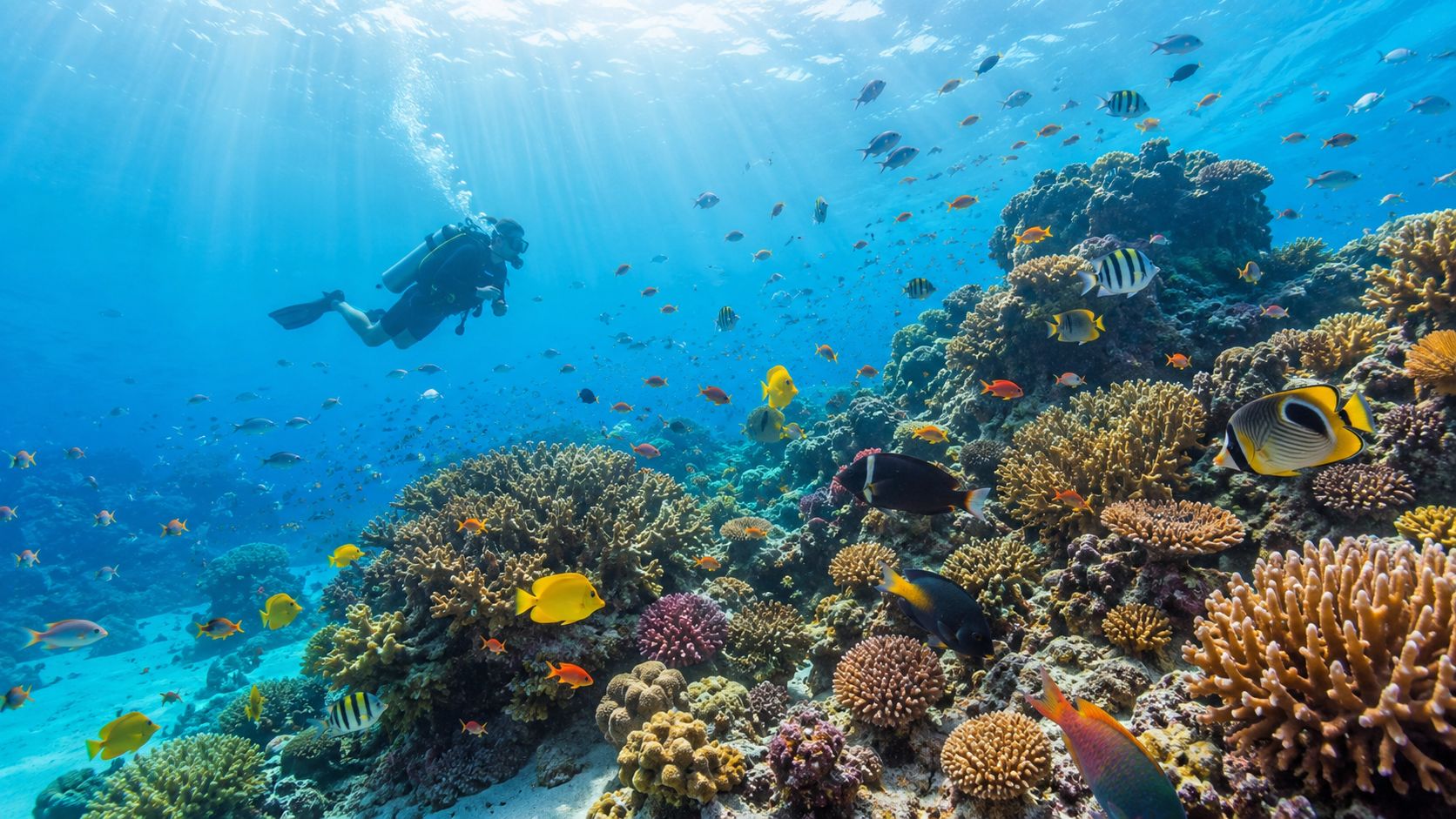
That volcanic structure is the foundation of the whole experience, but it is not the only reason the Big Island stands out. A Kona Honu Divers overview notes that the island draws heavy dive traffic every year, supports a large professional operator base, and offers an unusually wide range of sites for one destination, from protected reef dives to advanced offshore specialties.
What matters to you is how that plays out on a real trip. You can do a calm daytime reef dive, a manta night dive, a demanding shore entry, or a true pelagic blackwater experience without wasting half your vacation on transfers between islands or repetitive diving. Few destinations give you that much variety with this much consistency.
What makes Kona different
The west side is the engine behind that reputation. It gets the lee protection that visiting divers care about because it helps boats run reliably and keeps many sites divable when other parts of the island are rough.
That consistency changes how you should plan.
Instead of hoping one marquee dive carries the trip, you can stack very different experiences across several days and still expect solid conditions. That is the distinct advantage here. If you want a clearer feel for the geography, conditions, and volcanic topography that shape these dives, read what makes Kona diving different from other Hawaii dive destinations.
Local truth: The Big Island rewards divers who match the site to the goal. Mantas need the right location. Shore dives need honest self-assessment. Blackwater demands comfort in open ocean at night. Visitors who understand those differences get far more out of Kona than visitors who book by thumbnail photo.
Why visitors do better with a plan
The island has enough operators and enough site variety to make sloppy planning expensive. A diver who wants easy reef diving can accidentally book a trip that feels too advanced. Another diver with strong skills can waste prime conditions on a generic schedule that never gets past the obvious highlights.
Treat Kona like a place with layers. Pick your dives based on what you want underwater, then match that goal to the right format, site type, and operator. That approach is why experienced visitors come home talking about more than one great dive.
The Unmissable Big Island Dive Experiences
You drop in off Kona after sunset, settle onto the bottom, and a manta the size of a small car sweeps inches over your head. The next night, you hang over thousands of feet of black water watching alien-looking larvae pulse up from the deep. Then you spend the morning weaving through lava tubes and clean reef on an easy daytime dive. That range is why diving Big Island trips stand out. The smart move is picking the right experience for the right diver, not treating every famous dive as interchangeable.
The manta dive
Start with the dive that earns its reputation.
The Kona Manta Ray Night Dive is one of the most reliable signature dives in Hawaii because the setup is simple and effective. Lights attract plankton. Plankton attracts mantas. Divers stay put and let the show happen above them. A Kona Honu Divers overview of the manta dive explains why that feeding pattern makes sightings unusually consistent at the right site.
If you have a choice, book Garden Eel Cove. It gives you the better overall manta experience. The site is more protected, the viewing area is more dependable, and the reef adds value before the mantas even arrive. A stripped-down manta stop can still produce animals, but Garden Eel Cove is the one I recommend to visiting divers who want the highest-quality version of this dive.
If you want more background before you book, read this guide to manta ray diving in Hawaii. If you want the actual trip, book a manta ray dive tour at Garden Eel Cove.
The blackwater dive
Blackwater and reef night diving are different dives with different demands.
On a reef night dive, you still have structure, a bottom reference, and a familiar environment. On a blackwater dive, you are suspended in open ocean at night over deep water, usually focused on tiny pelagic animals and larval species rising toward the surface. The appeal is real. So is the skill requirement.
This dive is for divers who are calm in darkness, precise with buoyancy, and fully comfortable without a reef under them. If your night diving is shaky, or you have never been relaxed in blue water without visual reference, do not force this one onto your schedule. Get a few strong day dives and a standard night dive under your belt first.
If that description still sounds exciting, book a dedicated Blackwater Dive tour. It should feel serious. That usually means you are judging it correctly.
Blackwater is for divers who want rare pelagic life and can hold position cleanly in open water at night. Curiosity helps. Control matters more.
The daytime reef dives
Day reef dives are the foundation of a good Kona trip. They are also where visiting divers often get the most underwater time, the most variety, and the least stress.
Expect lava formations, arches, healthy reef life, eels, turtles, and long easy profiles when conditions cooperate. More important, these dives let you settle in. You can sort out weighting, breathing, trim, and air consumption before adding specialty dives that demand more focus. That makes daytime reef diving the right first booking for rusty divers and the right anchor day even for experienced ones.
It is also where operator quality shows up fast. Good crews pick sites based on conditions and diver ability, not on a canned schedule.
Big Island Signature Dives Compared
| Dive Type | Best For | Avg. Depth | Skill Level | Key Sightings |
|---|---|---|---|---|
| Manta Ray Night Dive | Divers who want a signature Kona experience | 35 to 50 feet | Comfortable certified divers | Manta rays |
| Blackwater Dive | Experienced divers seeking pelagic life | Varies by operation and drift setup | Advanced and very comfortable at night | Pelagic organisms and deep-ocean migrants |
| Day Reef Dive | Most visiting divers, including those shaking off rust | Varies by site | Beginner to advanced, depending on site | Reef fish, lava formations, eels, turtles |
What I'd book first
With two dive days, book one daytime reef charter and one manta night dive. That gives you the best introduction to Kona.
With more time, add blackwater only if your night skills and open-water comfort are already solid. If they are not, skip the ego test and spend that dive on another excellent reef charter instead.
Choosing Your Adventure Boat Dives vs Shore Dives
Visitors love the idea of shore diving because it sounds flexible. In practice, it's often where people make the worst decisions of the trip.
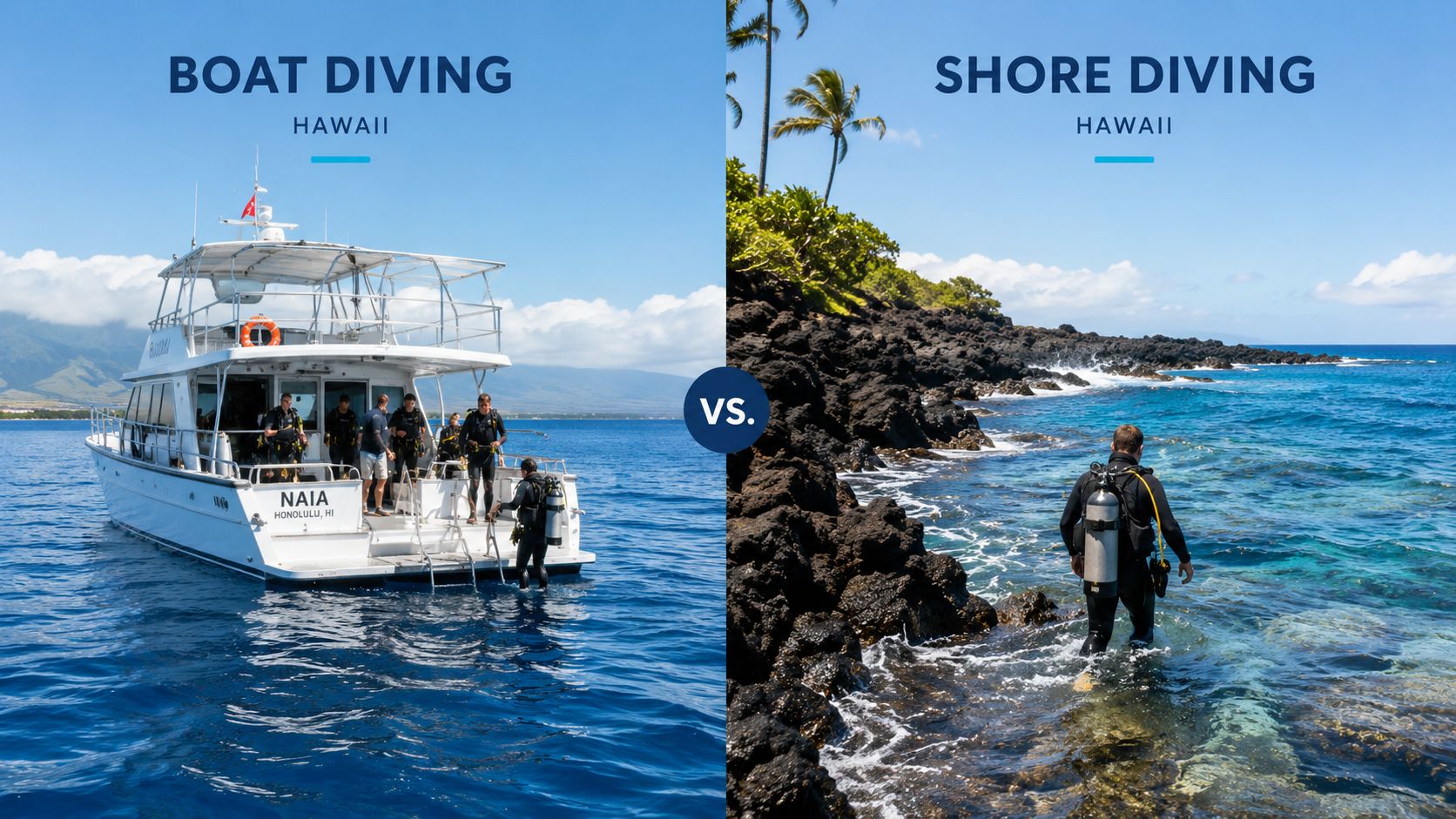
Why boat diving is the smarter choice for most visitors
Boat diving gets you to the sites that justify traveling here. Better placement. Better support. Better briefings. Better exits. That matters more than people admit.
You also get surface support, a crew that knows the day's conditions, and guides who can steer you away from the classic vacation mistakes. If your goal is to maximize underwater quality and minimize hassle, boat diving wins.
Shore diving is not a shortcut
Shore diving has its place, especially for experienced local-style divers who know how to evaluate swell, entries, exits, and site-specific quirks. But many visiting divers underestimate the hard part. It's not the underwater portion. It's the entry, the exit, and the decision-making.
Guides for popular shore sites like Two Step often fail to explain the need for specific entry techniques in tricky conditions or the value of refresher training for divers with shaky skills, which leaves a real gap in practical safety guidance, according to this discussion of shore-diving hazards.
My recommendation for Two Step and similar sites
If your equalization is inconsistent, your buoyancy is sloppy, or you haven't dived in a while, don't “save money” with independent shore dives. Do a refresher or get on a boat. That's the adult decision.
For visitors who still want to understand the local shore scene, this guide to the best shore diving on the Big Island is a useful starting point.
Practical rule: If the lava entry makes you pause on land, trust that instinct. Shore dives punish hesitation, bad timing, and weak technique long before the reef does.
Planning Your Dives Best Seasons and Conditions
The good news is simple. Diving Big Island trips work year-round. The better news is that you don't need to obsess over finding one magic month. You do need to plan around comfort, trip goals, and how your body handles boats.
What to expect from conditions
Some visitors prefer warmer-feeling days and flatter mornings. Others care more about fitting manta, reef, and advanced dives into one clean schedule. Either way, conditions matter less than booking the right style of trip and staying realistic about your own comfort.
For season-specific planning, check the best months to scuba dive in Hawaii.
Handle seasickness before it handles you
Boat nerves ruin more dives than bad marine life luck. If you tend to get motion sickness, act like you know it in advance.
When you're on the boat and feeling queasy, sit in the center where motion is minimized and fix your gaze on the stationary horizon. That's the core non-drug technique described in this seasickness prevention guide.
Use a preventative if you know you need one. Don't wait until you're green.
- Patch option: Ship-EEZ Seasickness Patch
- Classic tablet: Dramamine pills
- Less drowsy favorite for many travelers: Bonine pills
- Drug-free wrist option: Sea Band wristbands
- Simple backup to keep in your bag: Ginger chews
If you do get nauseated underwater, keep your regulator in your mouth. Don't rip it out in a panic. Regulators are generally designed to handle vomiting through them, as explained in this underwater seasickness safety article.
How to Choose the Right Big Island Dive Operator
You can book the same manta site with two different shops and have two completely different nights. One crew runs a tight briefing, sets expectations clearly, and gets you in the right position for the show. The other gives you a generic speech, drops a mixed-skill group in the water, and spends the dive managing preventable problems. On the Big Island, operator choice matters as much as the site.
Start by judging how the shop handles real diving, not how polished the website looks. I want to see a crew that asks about recent experience, explains entry and exit procedures clearly, and says no when a diver is not a fit for a specific trip. That is a good sign, not bad customer service.
What actually matters
Boat quality matters, but deck workflow matters more. A clean, organized boat with a calm crew makes giant stride entries, camera handling, and post-dive exits much easier. You also want guides who keep groups small enough to supervise properly underwater. Big groups create slow descents, scattered air consumption, and rushed ascents.
Trip matching is where good operators separate themselves from tourist mills. A solid shop will tell you that some shore dives demand better surf judgment than visitors expect, and that blackwater is not just a reef night dive in deeper water. It is blue-water drifting at night over deep ocean, on a downline, with different task loading, different reference points, and less margin for a diver who is already overloaded.
That is why I pay close attention to specialty standards. If a shop treats manta dives, blackwater, and advanced charters like interchangeable products, keep looking.
One operator worth considering
Kona Honu Divers is worth a look if you want one operator offering the full range, from training and standard reef charters to manta and blackwater trips. They also run advanced long-range dive tours for divers who want a more demanding day and are ready for it.
That range matters because the best operators do more than sell seats. They sort divers into the right experience. If you are newer, rusty, or still building comfort in current and low light, you want a shop that will say so plainly and put you on the right trip.
Booking standards I'd use myself
Ask blunt questions before you hand over your credit card.
- How are divers grouped underwater? Ask whether groups are split by experience, air consumption, or objective.
- What experience does this specific trip require? Manta, blackwater, and advanced charters should not get the same answer.
- What happens if a diver is rusty? Good operators have a plan before that diver becomes a problem on descent.
- What is the backup plan if conditions change? Kona conditions shift. The crew should answer quickly and specifically.
- Why do you run this trip from this site? A strong operator can explain site choice in practical terms, including why Garden Eel Cove is the preferred manta location for many divers.
Your Pre-Dive Checklist Certifications Gear and Booking
The easiest way to improve your trip is to show up prepared. Not overloaded. Prepared.
Certifications and recent experience
Most standard reef charters are fine for certified recreational divers. Specialty trips require more honesty. If your last logged dive feels ancient, that matters more than the card in your wallet.
Book a refresher if you're rusty. No shame in that. It's smarter than spending your first ocean dive fighting buoyancy, fumbling with gear, and burning gas because you skipped the obvious step.
If you're not certified yet, start with Open Water certification in Kona.
What to pack
Bring the items that are personal, familiar, and annoying to replace at the last minute.
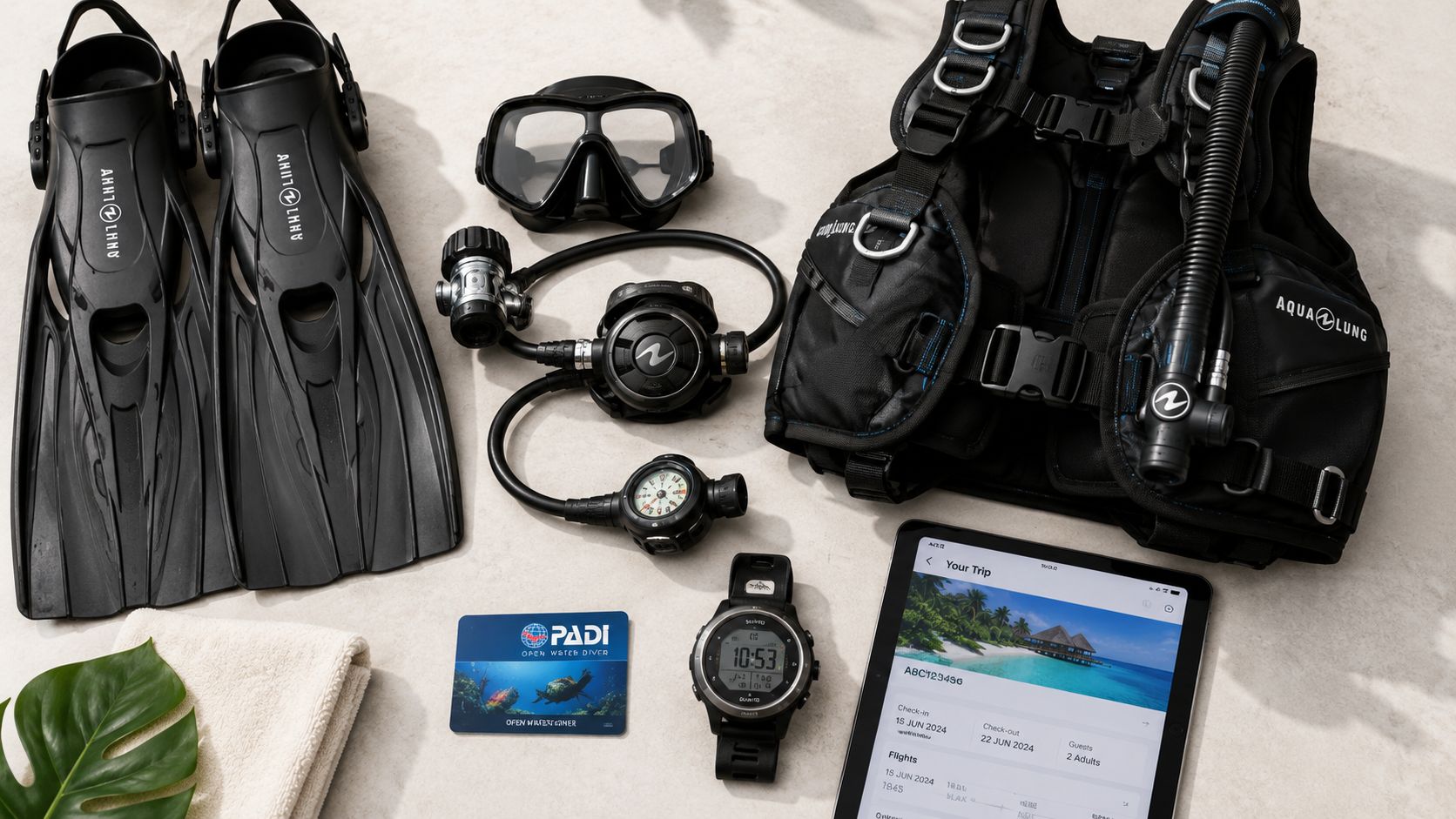
- Certification records: Your cert card and logbook, whether digital or physical.
- Core personal gear: Mask, computer, and anything you strongly prefer to use yourself.
- Boat basics: Swimsuit, towel, dry clothes, water, and reef-safe sunscreen.
- Medication needs: Anything you rely on regularly, especially motion-sickness prevention.
What to rent
Most traveling divers don't need to drag full kit across the Pacific. Rent the bulky stuff locally unless you have a strong reason not to.
- Heavy gear: BCD, regulator set, wetsuit, tanks, and weights.
- Convenience items: Fins if you're packing light.
- Specialty fit items: Rent only if the operator has your size and you're comfortable doing so.
Bring your own mask if you can. A bad rental mask won't ruin every dive, but it can ruin the dive you were most excited about.
Booking advice that saves headaches
Specialty dives book first. That's the pattern. If manta or blackwater is on your list, reserve those early and build the rest of your trip around them.
Also, don't stack your most demanding dive on day one if you're arriving tired. Give yourself a soft landing. Reef first, specialty after.
Beyond Scuba Snorkeling and Family Options
Not everyone in your group needs a tank to have a strong water day. That's one of the best things about the Big Island. Families, mixed-skill groups, and non-divers still have access to excellent marine life experiences if they choose the right trips.
Manta snorkeling for non-divers
The manta encounter isn't just for scuba divers. Snorkelers can enjoy the same spectacle from the surface, and for many families that's the easier call.
Kealakekua Bay for easy crowd-pleasing water time
If your group wants calm water, clear snorkeling, and a classic Big Island outing, Kealakekua Bay is the obvious play. The Captain Cook area remains one of the cleanest family-friendly water experiences on the island when you go by boat instead of trying to improvise the day.
Use operators focused on that route, like Kealakekua Bay Captain Cook Monument snorkel tours or Captain Cook snorkeling tours.
The smart move for mixed groups is simple. Let the divers dive, and give the non-divers a water activity they'll enjoy instead of dragging them onto a trip built for tanks and bottom times.
Frequently Asked Questions About Big Island Diving
Is the Big Island good for beginners
Yes, if beginners dive with a professional operator and stick to appropriate sites. The mistake is jumping into shore diving or specialty night diving too early. Start with guided reef diving.
Should I do a shore dive on my first day
Usually no. Visitors often underestimate entries, surf timing, equalization, and gear management from shore. A boat charter is a cleaner first-day choice.
Is the manta dive worth it if I only dive once at night
Yes. It's the signature experience for a reason. If you're going to do one night dive on the Big Island, make it the manta dive at Garden Eel Cove.
Is blackwater suitable for casual vacation divers
No. It's for divers with the right background, calm night-diving behavior, and comfort in deep open-water drift conditions.
Can solo travelers dive easily on the Big Island
Yes. Boat diving is especially friendly for solo travelers because operators can pair divers and handle logistics. Just be honest about your experience and recent dive history when booking.
Do I need to bring all my gear
No. Bring the gear you trust most, especially your mask and dive computer if you have them. Renting the bulky gear is normal and often the easier call for airline travel.
If you want one operator that covers reef diving, manta trips, blackwater, training, and advanced options from a single Kona base, take a look at Kona Honu Divers. Book early if your trip hinges on specialty dives, and be honest about your skill level when you reserve. That's how you end up with the kind of Big Island dive trip you'll want to repeat.