
You're probably deciding between a couple of very different Hawaii trips right now.
One version is easy. Sit on the beach, snorkel once, call it good. The other version is the one divers remember for years. Drop into clear blue water off Kona, settle over lava formations, watch turtles cruise past, then come back after dark for mantas or head offshore for a blackwater drift that feels like diving in space.
If that second version is what you want, the Big Island is where you should be. Not Maui. Not Oahu. The Kona coast has the range, the conditions, and the marine life encounters that keep certified divers coming back.
Welcome to a Diver's Paradise in Kona
You hit the water off Kona, level out, and realize within seconds what kind of trip this can be. One day you are on a calm reef with turtles and lava structure. That night you are kneeling in the dark while manta rays sweep overhead. If you are advanced and want something completely different, you head offshore for a blackwater drift and watch deep-ocean life rise out of the blue.
That range is what makes big island scuba diving worth planning around. Kona gives beginners a forgiving place to build confidence, gives families dives that are exciting without being chaotic, and gives experienced divers enough variety to fill a full week without repeating the same profile. Start with a solid Kona diving trip planner so you can match the right dives to your experience instead of booking at random.
What makes Kona different
The smart way to think about Kona is by dive type, not by a generic list of sites. Reef dives are the foundation. They are where newer divers, rusty vacation divers, and mixed-skill groups should begin. Night dives are the signature experience, especially the manta dive, but site choice matters. Garden Eel Cove is the better call for most divers because the setup is predictable, the bottom works well for the light attraction, and the manta interaction is usually more organized than the rougher alternatives.
Blackwater is a different category entirely. It is not an ordinary night dive offshore. It is a blue-water drift over deep ocean, and it belongs on the schedule for advanced divers who are comfortable with buoyancy, situational awareness, and diving without a reef under them.
Local knowledge also matters more here than visitors expect. Volcanic coastlines can create subtle thermal layers that change how the water feels and how your buoyancy responds during a dive. If you are slightly overweighted, you will notice it fast. Good operators brief that well, and good divers adjust before it turns into a sloppy descent or a noisy ascent.
Kona Honu Divers is one of the operators many visitors look at because they run reef, manta, and blackwater trips. That is useful if you want one shop that can line up different dive styles for different skill levels on the same vacation.
Why The Big Island Offers World-Class Diving
Drop below the surface off Kona and the first thing you notice is shape. The Big Island is built from lava, and that volcanic structure gives dives along this coast more relief, more shelter, and more personality than the broad sand channels and flatter reef zones you get in plenty of other tropical destinations.
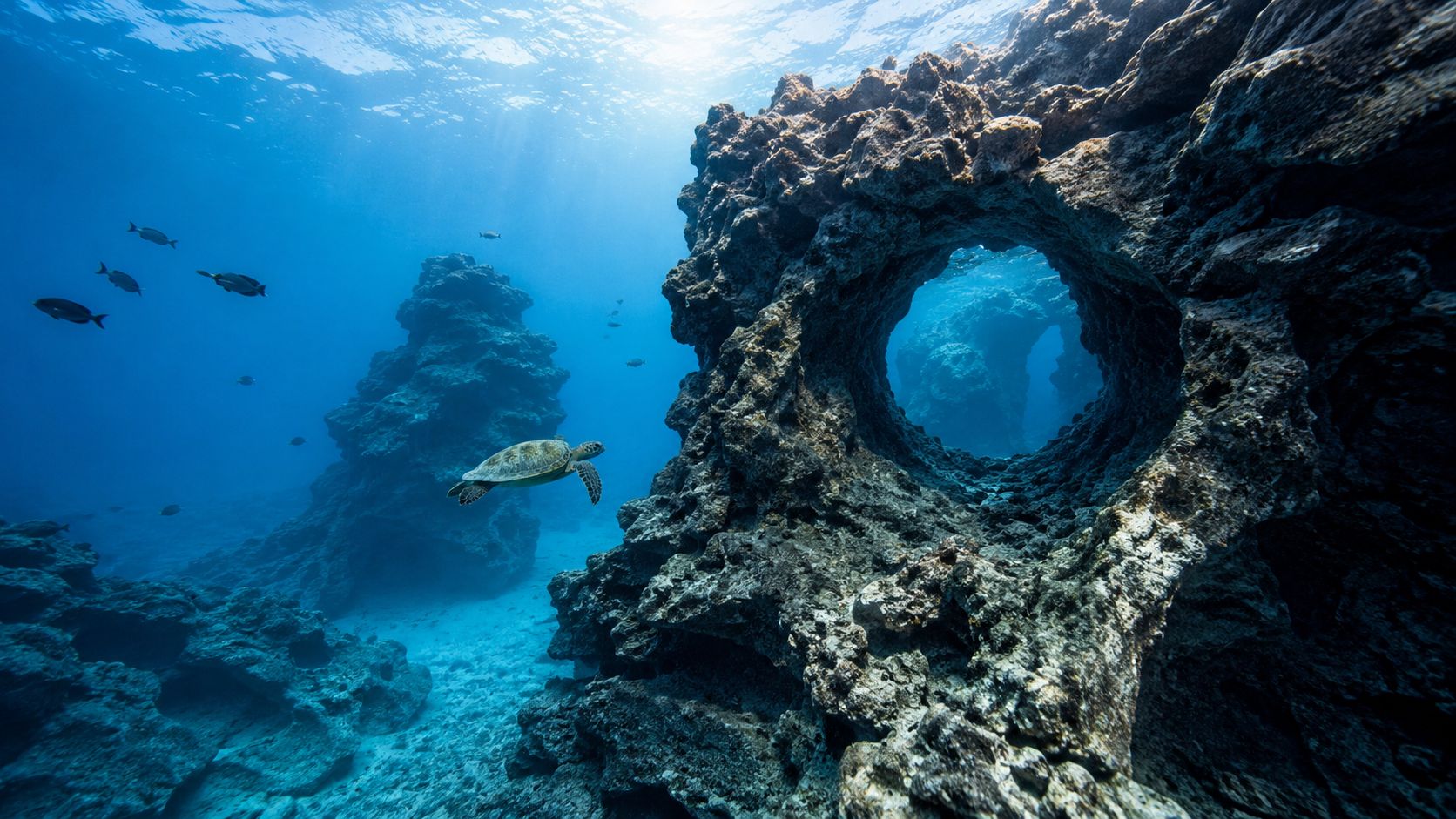
If you want a solid primer on what sets this coast apart, read what is unique about diving in Kona.
Volcanic structure creates better diving
Lava tubes, arches, terraces, and hard drop-offs do more than make the scenery look dramatic. They create fish habitat, current breaks, and natural reference points that help divers stay oriented. That matters on reef dives, especially for newer divers and families who want an easy site that still feels exciting.
It also means no two dive types feel the same. A daytime reef dive can be calm and forgiving. A night dive on the same coastline feels completely different once your world shrinks to a beam of light and the reef comes alive. Offshore, advanced divers get blue-water conditions that are shaped by deep ocean, not by a visible bottom.
That range is a big reason Kona stands out.
The water usually works in your favor
Kona is known for clear water, and clear water changes the whole dive. You spot turtles and eels sooner. You use less energy on navigation. Newer divers stay calmer because they can see the site instead of staring into green haze and hoping the guide appears.
Surface conditions are often friendlier on the Kona side than visitors expect from a volcanic island. The leeward coast gets protection from the prevailing trade winds, which helps operators run a wide mix of reef, night, and advanced offshore dives through much of the year. That gives you more flexibility when you are building a trip around skill level instead of forcing everyone into the same profile.
Kona suits different divers for different reasons
For novices, the Big Island works because the entry point can be simple. Start with reef dives, dial in weighting, and get comfortable with the local feel before you book anything more demanding.
For families and mixed-skill groups, Kona works because one vacation can include easy daytime dives, snorkeling, and a manta night experience without spending every day in rough conditions or on long boat runs.
For advanced divers, the appeal is variety. You can do a relaxed reef dive one day, a manta night dive the next, and then commit to blackwater once your buoyancy and situational awareness are sharp. Few destinations offer that progression so cleanly.
Timing matters, but planning by dive type matters more
Water temperature and visibility are often very good through much of the year, with especially comfortable stretches in the calmer months. Winter can still be excellent. You may trade a little consistency for the chance to hear humpback whales underwater, which is a bonus no brochure can really explain well.
My advice is simple. Do not choose dates first and dives second. Choose the kind of diving you want. If your group includes rusty certified divers, build the trip around easy reef profiles. If the goal is mantas, protect that night on the schedule. If you want blackwater, leave room to acclimate first and book it with an operator who briefs it seriously.
That is why the Big Island earns its reputation. It is not just pretty underwater. It gives beginners, families, and advanced divers different ways to have a great trip, on the same coast, in the same week.
Signature Dives You Cannot Miss
Drop into Kona on the right trip and you can do three completely different kinds of diving in a few days. A calm reef in the morning. Mantas after dark. Open-ocean blackwater once your buoyancy is dialed. That range is why the Big Island stands out.
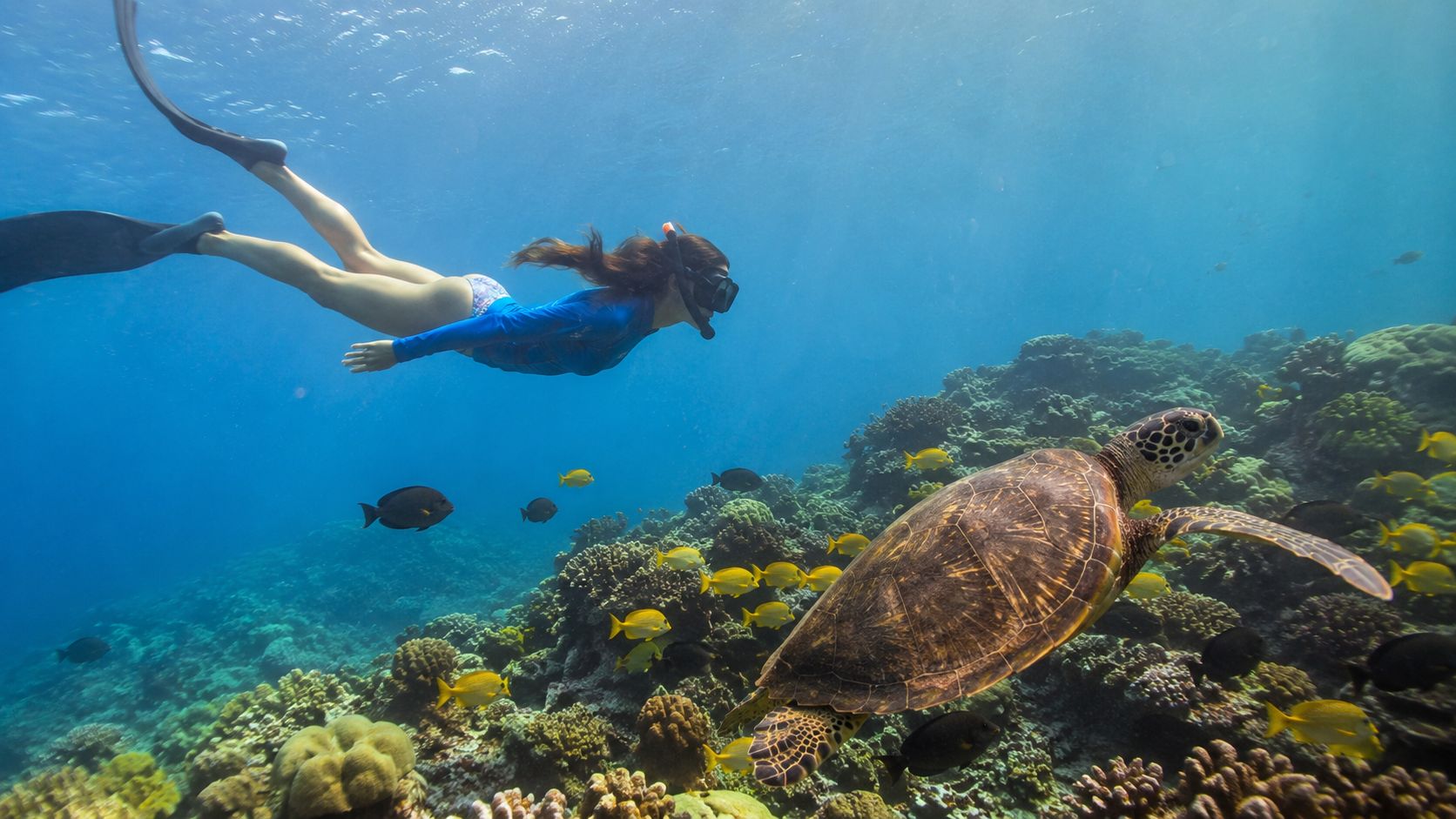
Manta Ray Night Dive
Start with the manta dive if you want Kona's signature experience.
The draw is simple. You settle onto the bottom or hold a controlled position near an underwater light source, plankton gathers, and manta rays sweep through the beams at close range. It is dramatic, reliable, and accessible to a wide range of certified divers. Families with snorkelers can often split the experience too, with divers below and snorkelers on the surface.
If you have a choice of sites, book Garden Eel Cove. It is the stronger setup for most visitors. The bay is typically more protected, the viewing area is cleaner, and the whole dive feels more organized underwater. That matters at night, especially for newer divers who do better in calmer conditions and for photographers who want less chaos in the light field.
Read the full manta ray diving in Hawaii guide if you want the site layout and what the encounter feels like underwater. If you are ready to reserve, use the manta ray dive and snorkel page.
My advice is blunt. Do not shop for this dive by price first. Shop by operator discipline. A proper briefing, controlled diver placement, and good light management make the difference between a memorable manta dive and a sloppy one.
Blackwater Dive
Blackwater is for advanced divers who want something rare and who can stay calm in a very unusual environment.
You run offshore over deep water, descend on a tether system, and hover in the dark while larval and pelagic life rises from below. Strange jellies, transparent juveniles, and animals you will never see on a reef drift through your lights. The setting feels empty at first. Then it feels full of life.
It also exposes weak buoyancy fast. Kona's offshore water can have subtle thermal layering, and around volcanic islands those temperature shifts can change how your exposure suit feels in the water column. The effect is not dramatic, but good divers notice it. If your buoyancy is already inconsistent, you will work too hard and miss the point of the dive.
Scuba Diving magazine's Big Island guide notes that blackwater here is conducted over very deep ocean and uses tether procedures that differ from a standard night dive. Treat that seriously. This is a dive for people who can hold depth, manage task loading, and stay composed without visual reference points.
If that describes you, use the Blackwater Dive tour page.
Reef Dives And Day Boats
Do not treat reef dives as filler between specialty trips. That is a mistake.
Kona's reef diving is where novices get comfortable, families get easy wins, and experienced divers enjoy the island without extra complexity. Lava fingers, arches, hard volcanic contours, and healthy reef life give these dives more character than the average vacation checkout dive. You can spend a morning on a modest profile and still come back having seen turtles, eels, octopus, and schools of endemic fish.
Match the reef day to the diver.
| Dive type | Best for | Why it works |
|---|---|---|
| Reef day dives | Beginners, families, easy fun-diving days | Straightforward profiles, good marine life, a better way to settle in before night diving |
| Manta night dive | Comfortable certified divers and snorkelers | Kona's signature wildlife encounter, with Garden Eel Cove usually giving the best overall conditions |
| Blackwater | Advanced, confident divers | Open-ocean pelagic encounter that rewards excellent buoyancy and calm situational awareness |
One insider tip. If you have not dived volcanic terrain before, expect buoyancy to feel slightly different as you move through warm and cool layers on some dives. Nothing is wrong. Add or vent small amounts of gas early, stay ahead of it, and keep your trim clean.
For the broader menu, use the main Kona diving tours page.
What To Expect On Your Dive Trip
You roll down to the harbor before sunrise, coffee in hand, gear bag over your shoulder, and by the time the boat leaves the slip you should already know what kind of day you're on. Reef morning with the family. Manta night dive after sunset. Blackwater if you're an advanced diver who wants the strange, beautiful open-ocean stuff. Good Kona operators keep that plan clear from the first briefing.
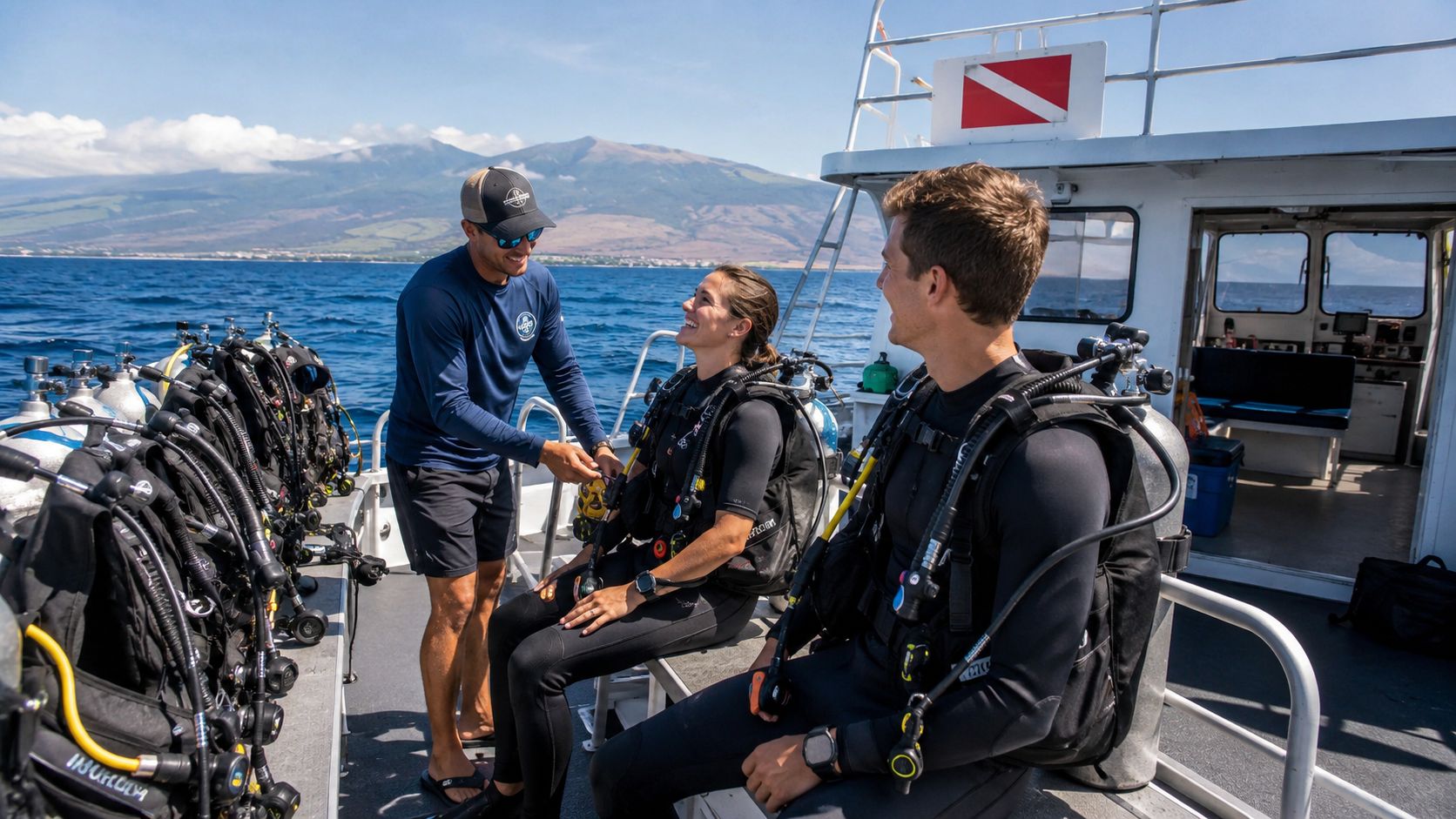
A solid boat day in Kona feels organized, calm, and efficient. You check in, set up gear, listen to the site brief, and get in the water without the circus you see in sloppier dive destinations. That matters. Divers make better decisions when the operation is not rushed.
Expect the crew to sort divers by comfort level, not just certification card. That is how the day should run on the Big Island. Novices and families do better with easy entries, conservative profiles, and clear turnaround points. Experienced divers want enough freedom to enjoy their gas, settle into the lava topography, and avoid having every dive cut short by the least comfortable person on board.
How the day usually flows
Most daytime charters follow a simple rhythm, but the details matter:
- Check-in and paperwork: Bring your certification card, logbook if requested, and any rental needs sorted before departure.
- Gear setup: Build your kit carefully. Do not assume the crew caught a loose strap or half-open tank valve.
- Boat briefing: Listen for site objectives, depth limits, current direction, exits, and what to do if you surface away from the boat.
- First dive: Usually the orientation dive. Use it to dial weighting, breathing rate, and buoyancy over volcanic structure.
- Surface interval: Drink water, eat a little, and fix small problems before they become second-dive problems.
- Second dive: This is often the better dive of the day because everyone has settled down.
If you want a more demanding profile and less standard site selection, the advanced long-range dive tour is a better fit than a basic local boat.
Kona conditions are often forgiving, but the ocean still punishes sloppy preparation. Volcanic thermal layers can change how buoyant you feel as you move through warmer and cooler water. Stay ahead of that with small BCD adjustments instead of waiting until you are floating high over the reef or finning into the bottom.
What different divers should expect
A novice diver should expect coaching, reminders, and a slower start. Good. That is not hand-holding. That is how you build a relaxed first dive in real ocean conditions.
Families should expect a morning that runs better when everyone is honest about skill level. Put the strongest diver in the family into the role of helper, not hero. If one person is anxious, say it before the briefing so the crew can set the team up properly.
Advanced divers should expect Kona to reward patience and control, not bravado. If you are booking blackwater, deep profiles, or training that sharpens your judgment, the professional-level divemaster training path in Kona gives you a strong next step beyond casual vacation diving.
Seasickness can ruin the trip before the first giant stride
Do not guess on this.
If boats ever make you uneasy, solve it the night before. Eat light, hydrate early, and use a remedy you already know works for you. A diver trying to manage nausea at the mooring line misses the briefing, breathes badly underwater, and usually calls the second dive.
- Patch option: Ship-EEZ Seasickness Patch
- Classic tablet: Dramamine pills
- Less drowsy favorite for many divers: Bonine pills
- Non-med option: Sea Band wristbands
- Simple backup: Ginger chews
Night trips feel different from day boats. The pace is quieter, the briefings are tighter, and small mistakes matter more because you are task-loaded from the start. Show up early, confirm your lights, check your attachment points, and get weighted correctly before the descent. That first few minutes decides whether the dive feels calm and controlled or messy and distracting.
Certifications Courses And Advanced Training
The Big Island works for almost every skill level, but only if you're honest about where you are. New diver, rusty diver, active diver, advanced diver. Those are different categories, and they should book differently.
If you've never dived before
A Discover Scuba experience is the cleanest entry point. You get instruction, controlled supervision, and a real chance to find out whether you like breathing underwater before committing to a full course.
Kona's usual calm conditions make learning easier. New divers aren't battling ugly surface conditions while also trying to remember mask clearing and regulator recovery.
If you want your full certification
Open Water certification in Kona makes sense because your checkout environment is authentic. Lava reef, fish life, ocean conditions, actual boat diving. You learn in the setting you came for instead of treating training like an obstacle between you and the fun part.
If you're already certified, adding advanced training here is a smart move because it provides access to more of the island. Better site selection. More confidence at night. Better buoyancy. Better task loading when the dive gets busy.
A useful next step for committed divers is professional-track training like the PADI Divemaster certification path, especially if you want to sharpen navigation, rescue awareness, and leadership in actual ocean conditions.
What advanced really means here
For signature dives, the bar should be real. Reputable operators require Advanced Open Water certification and a minimum of 50 logged dives for scuba participants on the manta night dive because divers need reliable buoyancy control in low light with other divers nearby. Open Water guests can still join as snorkelers, as explained in this Kona diving experience guide.
That requirement isn't gatekeeping. It's a filter that protects the dive.
One more note for certified divers. If an operator offers free Nitrox for qualified guests, pay attention. Nitrox can be a strong value add on repetitive dive days because it gives certified users more flexibility in planning surface intervals and bottom time. If you don't have the cert yet, Kona is a good place to get it.
Gear Safety And Medical Considerations
Bring the gear that affects your comfort and awareness. Rent the gear that's bulky if you want to travel lighter. That's the simplest rule.
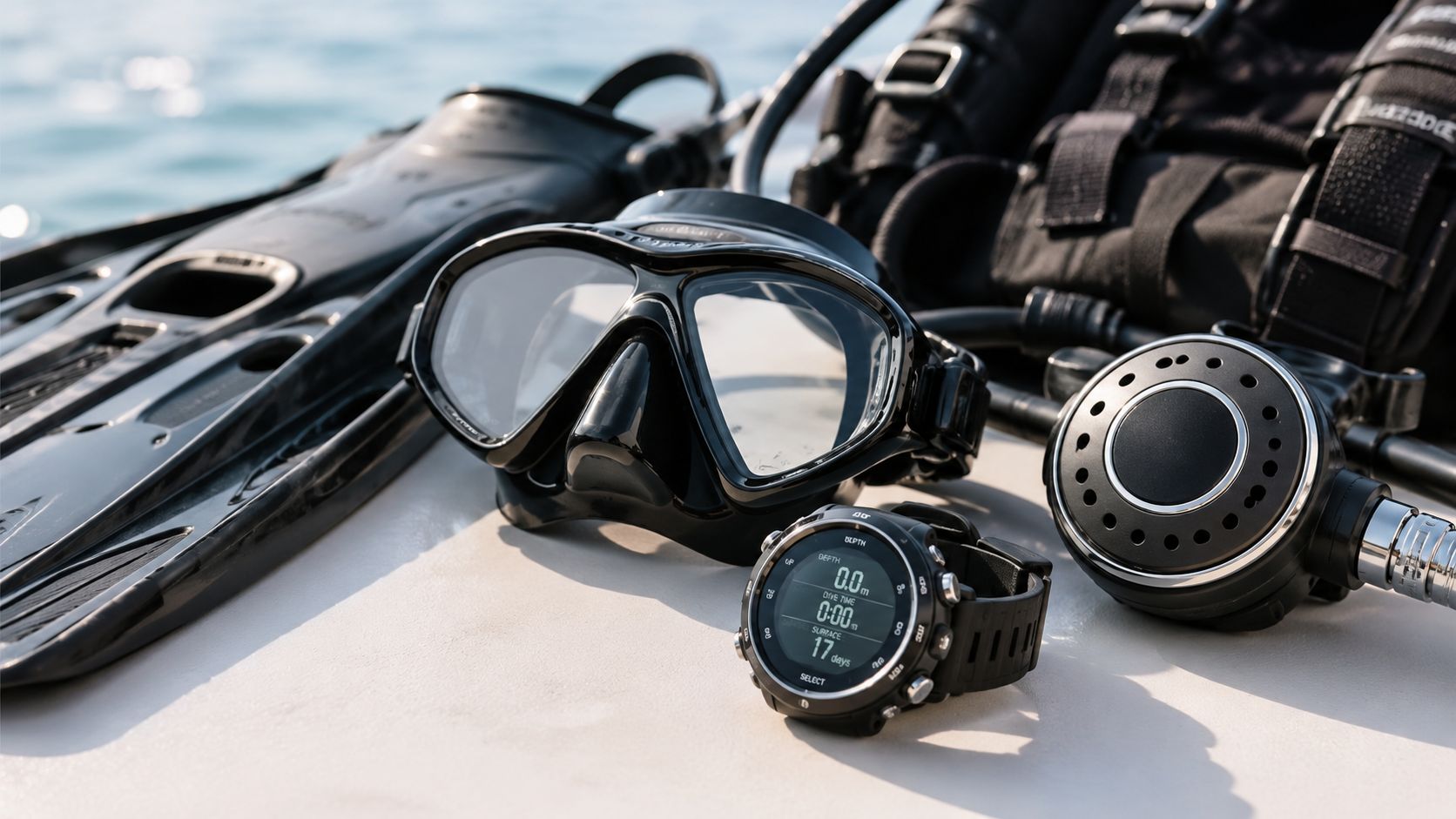
What I'd pack no matter what
If you own these and trust them, bring them:
- Mask: Fit matters more than brand. A leaking rental mask can ruin an otherwise easy dive.
- Dive computer: Don't rely on someone else's rental habits if you already know your own instrument.
- Exposure protection: Bring what keeps you comfortable, especially if you chill easily on second dives or night dives.
- Fins if they're compact enough: Familiar kick mechanics are underrated.
Rental BCDs, regs, and tanks are usually the easiest items to leave behind unless you're extremely particular.
Local safety issue most visitors don't think about
The Big Island's volcanic topography creates distinct thermal layers where underwater freshwater springs mix with saltwater. Those pockets of different temperatures and densities can affect buoyancy control and gas consumption, which makes them a legitimate safety factor, according to this analysis of Big Island thermal layers and dive planning.
That sounds abstract until you hit one underwater and suddenly feel slightly off in the water column.
Here's what to do:
- Don't chase buoyancy with big corrections. Make small adjustments and give them time.
- Watch your breathing rate. Divers who get surprised by density changes often start overworking.
- Listen when the briefing flags springs or unusual layering. This is site-specific local knowledge, not trivia.
- Stay tighter to your buddy than usual if you're new to these conditions.
If you want a broader comfort read on boat prep and motion management, this sea sickness guide for divers is helpful.
Conditions on the Big Island aren't hard just because they're Hawaiian. They get tricky when divers assume tropical water means easy water.
Medical prep that matters
A few basics are essential:
- Complete the medical form accurately: If you need physician clearance, get it before your vacation.
- Carry dive insurance: Not exciting, but smart.
- Respect no-fly timing after diving: Don't dive all morning and then rush to altitude or the airport.
- Dive within your current ability: Certification card and actual readiness are not the same thing.
Most dive problems start long before the emergency. They start with rushed packing, skipped hydration, ego-based booking, or ignored briefings.
Booking Your Unforgettable Kona Dive
Booking well is simple. Match the trip to your actual skill level, reserve your marquee dives early, and don't leave manta or blackwater until the end of the trip if those are your priorities. Weather, scheduling, and personal energy are all easier to manage when your key dives aren't crammed into your final day.
If you're building a multi-day dive plan, ask about package options and early booking deals directly when you reserve. That's usually where the practical value is, especially for divers stacking morning reefs with a night experience.
Frequently Asked Questions About Big Island Diving
Is scuba diving on the Big Island good for families and beginners
Yes, especially on the Kona coast.
Families do well here because one group member can dive while another snorkels or rides along depending on the charter format. Beginners do well because operators can choose milder reef sites and keep the first experience controlled. If someone in your group isn't certified, a Discover Scuba session is usually the right move instead of pushing them straight into a full course during a short vacation.
What can non-diving family members do while I'm diving
They've got options. Some join as snorkelers on the same kind of coastal outing, some spend the morning around Kailua-Kona, and some just take the smarter route and enjoy the beach without pretending they want to wake up for a dawn harbor check-in.
If your group mixes divers and non-divers, plan at least one split day. Don't make everyone orbit the dive schedule every single day.
When is the best time of year to see turtles dolphins or whales
Turtles and dolphins are common enough in Kona planning that I treat them as year-round possibilities rather than trip-defining seasonal targets. Whale season is typically December through March, so winter travelers have the best chance of hearing or encountering humpbacks in the area.
If mantas are your main goal, season matters less because that dive remains available year-round. If warmer water and cleaner visibility are your priority, aim for the broader April through November window mentioned earlier.
Do I need to be a strong swimmer to scuba dive
You need to be comfortable in the water. That's different from being fast.
Scuba is about calm movement, control, and following directions. Certification courses include basic water comfort skills, but diving itself isn't a sprint sport. People who stay relaxed usually do far better than strong swimmers who kick too hard and breathe too fast.
Good divers move slowly, think ahead, and keep their breathing under control. Raw athleticism doesn't impress anybody underwater.
Is the manta night dive okay for every certified diver
No. A certification card alone doesn't guarantee you're ready for that environment.
If your buoyancy is shaky, your situational awareness drops in the dark, or you haven't dived recently, do a daytime reef refresher first. That's the smart play. Save the manta dive for when you can hold position cleanly and avoid turning a famous wildlife encounter into an obstacle course for everyone around you.
If you're ready to stop browsing and get underwater, book with Kona Honu Divers. They offer the core Big Island experiences most divers come for, from reef dives to manta and blackwater trips, and they make it easy to match the right charter to your experience level.