
The first time I stepped off the boat in Kona, the water was so clear it felt like hovering in glass. A few minutes later, a manta ray swept past the lights, close enough that the whole group went quiet. That's the kind of moment that makes scuba diving Hawaii feel less like a vacation activity and more like a lesson in how the ocean works.
Introduction to Scuba Diving Hawaii
A first trip to Hawaii often teaches divers the same lesson. The islands reward people who plan with the same care they would give a reef profile or gas check. Hawaii has a mature dive economy, with over 1.5 million scuba dives annually spread across 215+ licensed dive shops and 580,000+ unique participants each year industry reporting citing Hawaii DLNR permit activity. That scale is significant because the state is not a niche stop for one-off trips, it is a place where dive operators, site logistics, and traveler expectations have been shaped over time.
Warm water, clear visibility, and active marine life keep Hawaii high on many divers' lists. The appeal is not just that the water is pleasant, it is that the islands offer several kinds of diving in one destination. Calm leeward reefs, advanced deep walls, wrecks, and night dives all exist here, so the right choice depends on certification, comfort level, and the conditions you will face on that day. If you are still deciding how the islands compare, this guide to choosing the right Hawaiian island for diving can help frame the options before you book.
Start With the Dive, Not the Destination
A common question from first-time visitors is, “Where should I dive in Hawaii?” The better question is, “What kind of dive am I ready for?” That shift matters because a relaxed reef boat, a manta night dive, and a deep wreck charter ask very different things of a diver.
Practical rule: choose the dive that fits your certification first, then choose the island second.
That approach is the one I would use throughout this guide. A new diver may be happiest on a shallow guided reef day with easy entries and steady fish activity. Another diver may be looking for a manta-ray night dive in Kona, or comparing wrecks, drift sites, and advanced lava formations. Hawaii gives you those choices, but the smart plan is to match the site to your training and the season, then decide where to go.
Best Dive Regions on Each Major Island
Hawaii's major islands each fit a different kind of diver. Big Island, Maui, Oahu, and Kauai all have their own strengths, so the better question is not which island is “best,” but which island matches your certification, comfort level, and the conditions you are likely to meet that day. If you want a broader way to compare them before you book, this Hawaii island comparison guide is a useful place to start.
The Big Island, especially Kona, usually draws divers who want calm leeward water and a wide range of site types. Maui often suits reef-minded divers who want accessible entries and a slower pace. Oahu works well for divers interested in wrecks, south shore sites, and trips that fit into a city stay. Kauai tends to appeal to divers who prefer a quieter feel and are comfortable letting local conditions decide the day's plan.
Comparison of Major Hawaiian Dive Regions
| Island | Key Sites | Depth Range | Visibility |
|---|---|---|---|
| Big Island, Kona | Manta viewing areas, lava tubes, walls, blackwater routes | Shallow reefs to advanced deep sites | Often very clear, especially on the leeward side |
| Maui | Reef systems, calmer resort-area diving, protected coastal spots | Mostly recreational depths | Good to very good when swell stays friendly |
| Oahu | Wrecks, south shore reefs, harbor-adjacent sites | Recreational to advanced profiles | Variable by site and season |
| Kauai | Reefs and offshore coastal sites | Mostly recreational depths | Can be excellent, but conditions matter |
A table helps, but divers usually need a simple rule. If you are newly certified, start with the island that gives you the most forgiving conditions and the cleanest shallow reef options. If you already have comfort in deeper water, wrecks, night dives, or more exposed sites, you can widen the search and let the island's signature dives guide the choice.
Read the Island Through Your Certification
A common mistake is booking the island first and treating the dive plan as an afterthought. That can leave a new diver on a site that feels like too much, or an experienced diver on a route that feels repetitive. A better approach is to treat certification like the gate at the dock, then choose the island once you know what kind of site you can handle.
Kona usually stands out for divers who want variety, because it can support everything from easy reef diving to more advanced options. Maui often makes sense for divers who want a softer introduction and a vacation rhythm that stays relaxed. Oahu fits divers who want to mix diving with other activities and still have access to different site styles. Kauai is a good match for people who want a quieter schedule and are willing to stay flexible if the ocean asks for a different plan.
The tradeoff is simple. A diver should never force an advanced site just because it sits on a famous island, the way you would not choose a steep trail without checking the path first. Let the island serve the dive, not the other way around.
Seasonal Conditions and Visibility Trends
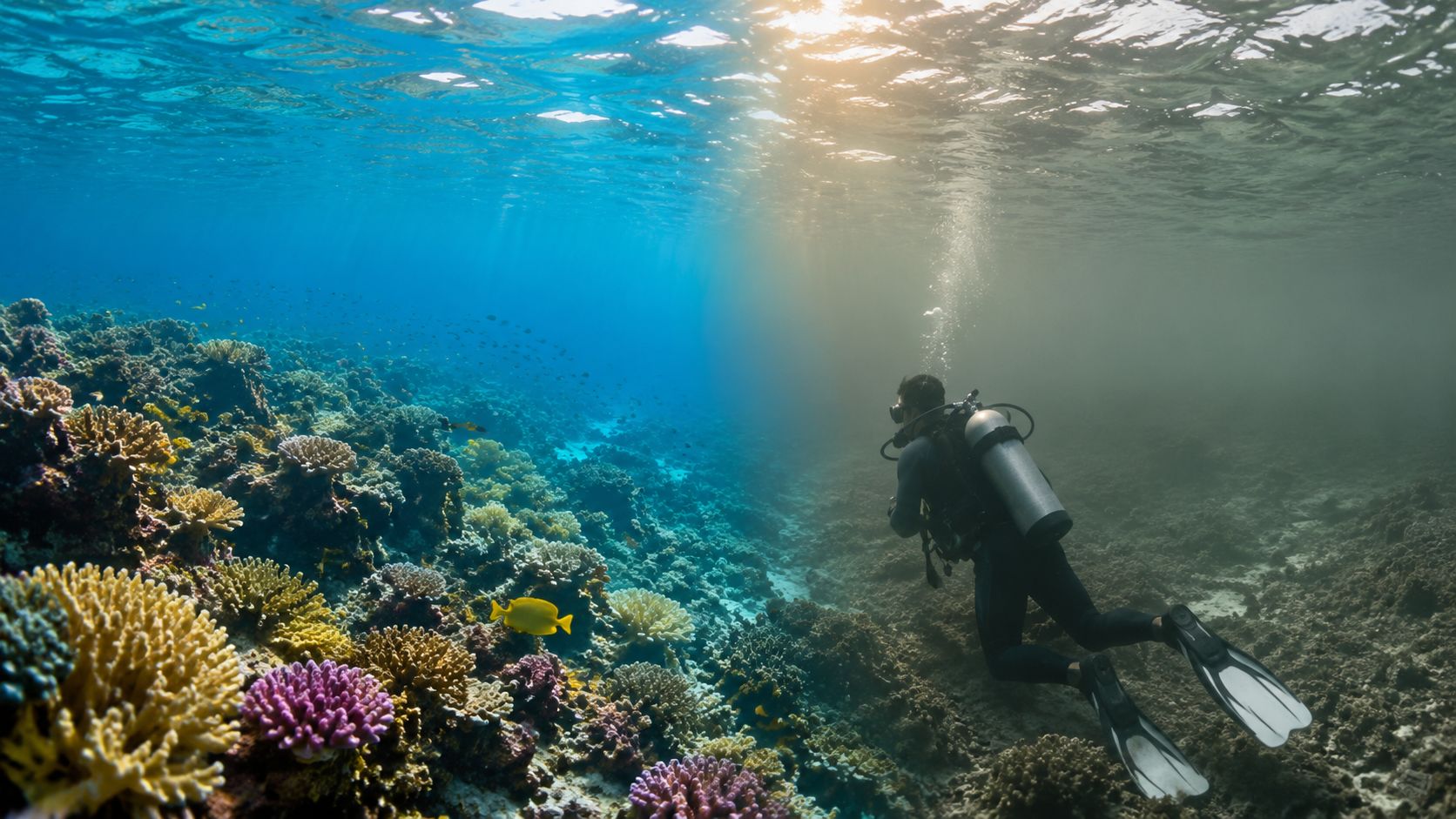
Hawaii doesn't have the same hard seasonal swing you'd expect in colder destinations, but the islands still change with trade winds, swell direction, and local exposure. That matters because a site that looks perfect on a map can feel completely different depending on whether the ocean is glassy or pushed around by surf. In planning terms, you're not just booking a dive, you're booking a window of weather, light, and water movement.
Kona is the easiest place to understand because its leeward geography creates calm, protected water, and visibility often exceeds 100 feet year-round Kona Honu Divers. That stability is one reason manta-ray night dives and blackwater dives are such signature experiences there. For travelers, it means Kona tends to be the most forgiving place to schedule around if you want a dependable dive day rather than a gamble.
How to Time Your Trip
If you're choosing travel dates, I'd think in terms of exposure more than exact calendar months. Sheltered leeward sites generally hold up better than exposed shore entries when surf builds. The same logic applies to boat diving, because operators can often shift sites more easily than shore divers can.
Practical rule: book the island first, then leave room for the operator to choose the exact site based on conditions.
For Kona specifically, there's a helpful month-by-month planning lens in this best months to scuba dive in Hawaii guide. That's especially useful if you want to stack the odds toward cleaner water and calmer entries.
What Conditions Change Most
Visibility is only part of the picture. Wave direction can make shore entries easier or more demanding, and night dives depend heavily on calm surface conditions so boats can hold position safely. Wreck dives and deeper routes also become less forgiving when swell and surge increase, because task loading rises quickly when you're dealing with a more complex profile.
So the planning habit I recommend is simple. Check the weather, check local ocean reports, and let the operator confirm the day's site plan. Hawaii diving works best when you treat conditions as part of the itinerary rather than as background noise.
Marine Life Highlights Across Hawaii Waters
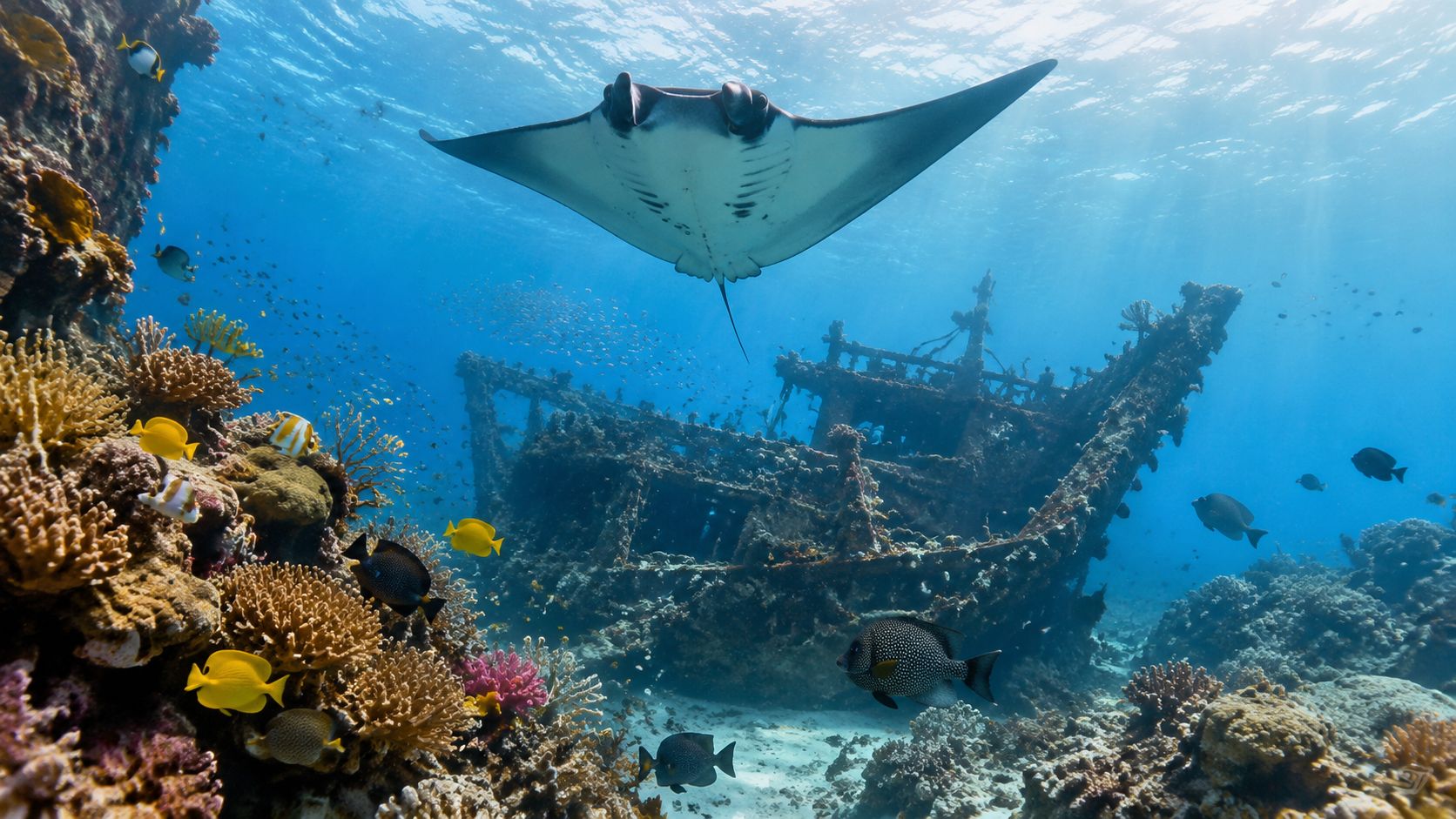
Hawaii's marine life stands out because the encounters feel close, calm, and easy to read. You're not usually fighting heavy current just to stay in view of the action. That gives divers more time to observe behavior, which is the difference between “I saw a fish” and “I understood what it was doing.”
Kona is the headline act for manta rays, and the manta ray diving Hawaii guide makes clear why the setting matters. Garden Eel Cove is the controlled viewing area for the night dive, and the lights draw plankton, which draws the mantas. That sequence makes the dive feel organized rather than chaotic, which is exactly why the site works so well.
What You're Likely to See
A practical marine-life expectation is better than a fantasy list. On a Kona manta night dive, the star is obvious. On reef dives elsewhere, you're more likely to be reading the little things first, such as fish behavior near cleaning stations, turtles moving through the reef edge, and schools of tropical fish shifting around the structure.
Oahu and other islands can add a more historical flavor to the experience when wrecks or artificial structures become part of the habitat. Those sites often attract resident fish and give divers a different kind of underwater neighborhood to explore. The animals don't know they're on a “tour stop,” so the best viewing comes when divers stay still, breathe calmly, and let the scene settle.
Respect the Animal, Not the Photo
Marine life is easiest to enjoy when you stop trying to force it. Mantas, turtles, reef fish, and other animals are more relaxed when divers hold position and avoid sudden movement. That's also why good guides keep briefings focused on spacing, buoyancy, and where to look rather than on chasing something around the reef.
Let the animal choose the distance. If you try to close the gap, you usually lose the moment.
For travelers, the main lesson is to choose a site that suits the encounter you want. Kona is the natural choice for manta-focused diving. Reef divers should think about structure, depth, and visibility first. Wreck divers should plan for slower, more deliberate observation. In Hawaii, the best wildlife moments usually belong to the divers who stay still long enough to notice them.
Certification and Skill Requirements for Dives
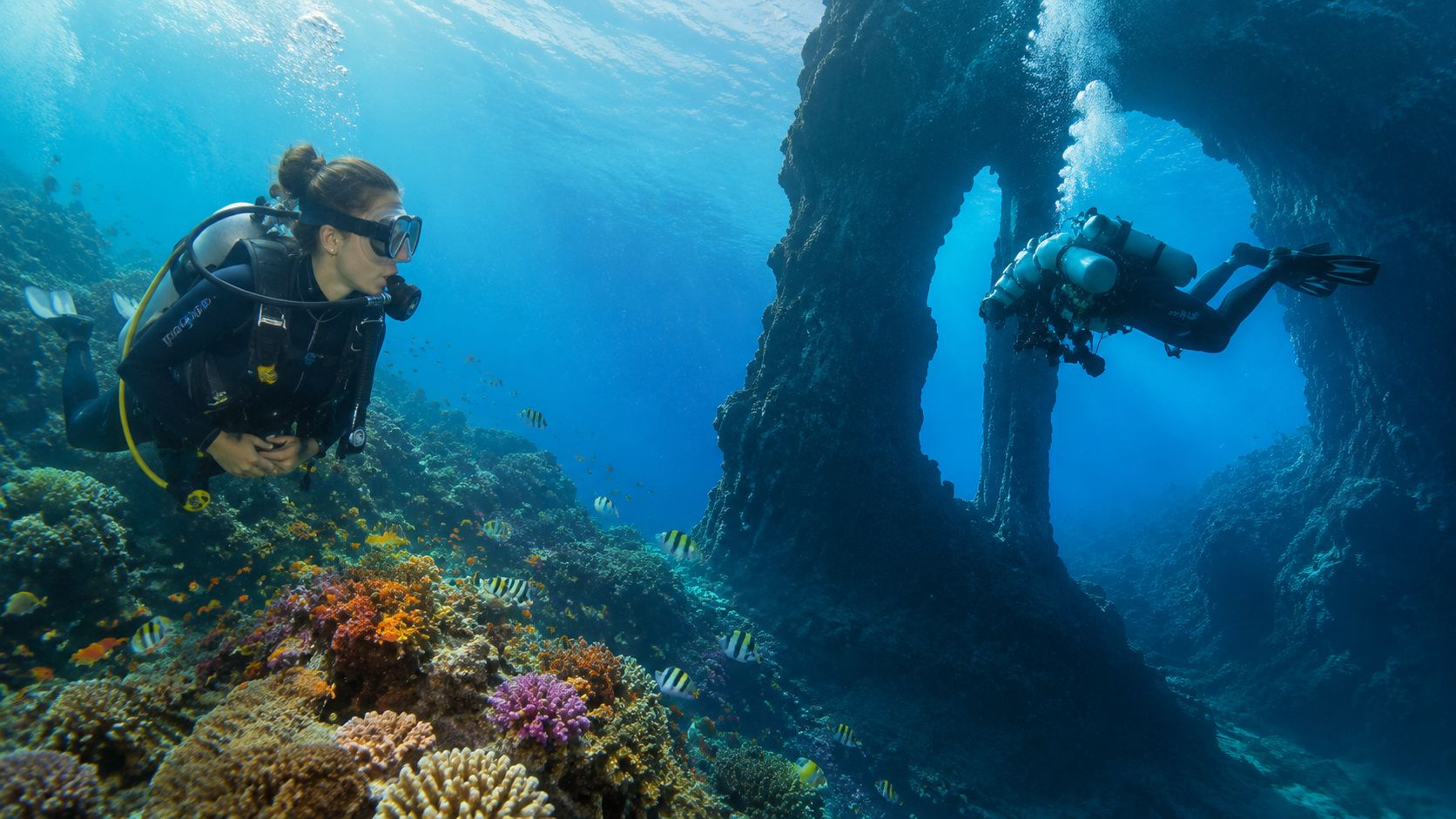
The easiest way to ruin a Hawaii dive trip is to book something that sits above your certification. Standard guided dives typically require recognized certification, with Open Water as the minimum for basic boat dives, while deeper wrecks, advanced profiles, and specialty charters may require higher certifications or more experience Kona Snorkel Trips guide. That isn't gatekeeping, it's how operators protect you from a dive that asks for more judgment than you currently have.
Match the Dive to the Card
Here's the simple decision rule I use with newer divers. If you're Open Water certified, start with basic guided boat dives and reef routes that keep the profile straightforward. If you're advanced trained and comfortable with deeper or more complex sites, you can start looking at wrecks, night dives, and specialty charters that demand better buoyancy and navigation.
Some trips are even more selective. Deep wrecks, long-range routes, and low-light or overhead-style environments are not just “another fun dive,” they're more demanding because they compress more tasks into the same amount of bottom time. That's where comfort, not just credentials, becomes the ultimate test.
When to Upgrade
A lot of divers wait too long to get better training because the title sounds more serious than it feels. In practice, an upgrade makes sense when you're already being offered dives that sound exciting but a little out of reach. If you keep passing on advanced opportunities because you're unsure of your buoyancy, air use, or navigation, that's a sign to train before the next trip.
For new divers, the learning to scuba resource is the right starting point if you want to build confidence before booking a more ambitious itinerary. It's much easier to enjoy Hawaii when your certification matches the kind of water you want to enter.
Think in Layers, Not Labels
A certification card is only the first filter. Operator policy, site conditions, and your recent dive history matter too. A diver who's certified but rusty can still struggle on a simple site if they haven't been in the water for a while.
That's why the best booking habit is to be honest with yourself and the shop. Say what you're trained for, what you've done recently, and what you're nervous about. Good operators can work with that. Bad fits usually start when people try to buy the dive they wish they were ready for.
Sample Dive Itineraries for Every Diver
A good itinerary removes guesswork. In Kona, a manta-night plan is built around timing as much as around the dive itself, and one independent Big Island guide says the boat departs Honokōhau Harbor at 6:00 PM with 5:30 PM check-in, reaches Garden Eel Cove in about 25 minutes, and returns around 9:00 to 9:30 PM Love Big Island. That schedule tells you something important, the dive is not a quick sunset add-on, it's a structured evening outing.
Kona's manta-ray night dive also uses Garden Eel Cove's protected location, better viewing area, and healthier reefs, which is why it's treated as the superior choice for the tour Kona Honu Divers. The site choice matters because a controlled bottom and a strong light setup make the encounter easier for both divers and the mantas.
Three Common Trip Styles
- Morning reef boat: best for divers who want a straightforward two-tank schedule and a relaxed return before lunch.
- Kona manta night dive: best for certified divers who want a focused, evening-only wildlife experience with a predictable viewing setup.
- Advanced long-range day trip: best for experienced divers who want deeper or more specialized profiles and don't mind a more demanding plan.
If you're comparing advanced options, the premium advanced 2-tank trip is the kind of route worth looking at once your comfort level supports it.
What a Booking Actually Looks Like
The practical part is usually simple. You check availability, confirm certification, and decide whether you need a morning, afternoon, or night window. For manta dives in particular, certification matters because uncertified divers are not allowed on that experience Big Island Divers certification note.
If you're building a Kona plan from scratch, start with the Big Island dive tours page. It's a cleaner way to compare options than trying to assemble the day from separate pages and half-remembered notes.
Safety Guidelines Environmental Practices and Equipment Checklist
Hawaii's surface rules are simple, but they're not optional. Any SCUBA or freediving in navigable waters requires a diver's flag at least 12 by 12 inches, and each diver must remain within 100 feet of that flag Hawaii DLNR diving rules. That changes how you plan a shore dive, because the flag is not decoration, it's your operational boundary.
For shore entries, that means you need to think about the route before you hit the water. If the site is busy with boat traffic or the exit is awkward, the safest answer may be to choose another location. For group diving, the flag also shapes spacing and surface support, because people need to know where the team is relative to the marker at all times.
Safety Comes First, Gear Second
I tell divers to pack for the dive they're doing, not the one they wish they were doing. For daytime reef dives, that means the basics. For night diving, it means adding redundant lighting and checking batteries before you leave the hotel. For more demanding profiles, it means paying extra attention to buoyancy control, gas management, and how you'll communicate underwater.
Environmental habits matter just as much. Stay off the reef, keep fins up in shallow water, and avoid grabbing anything for stability. The ocean in Hawaii rewards stillness and awareness far more than it rewards force.
Equipment Checklist
- Mask, fins, and snorkel: bring gear that fits well, because bad fit creates avoidable stress.
- Exposure protection: choose a suit that matches the day's comfort level and the amount of time you'll spend in the water.
- Redundant light for night dives: carry a backup, not just a primary.
- Certification card and ID: operators will check both for guided dives.
- Surface marker and flag plan: know who is responsible for the flag before the dive begins.
- Reef-safe habits: keep contact with the reef at zero whenever possible.
If you're the type who likes a quick pack check, ask yourself three questions before every dive, do I know the site, do I know the exit, and do I know the plan if the conditions shift. That mindset prevents most avoidable mistakes.
Choosing Your Dive Operator and Booking Logistics
The right operator is the one that matches your certification, your comfort level, and the kind of day you want. In Kona, that means looking for clear site briefings, sensible group sizes, and a boat that fits the dive you're booking. If you're comparing options, Kona Honu Divers is one operator that runs guided dives, training, and specialty trips from the Big Island Kona diving company.
The booking step should be straightforward. Use the red Check Availability button below, confirm the trip type, and make sure your certification and recent experience match the itinerary. If you're planning around airport transfers or hotel logistics, give yourself enough slack that you're not arriving tired and rushed for the first dive briefing.
A smart Hawaii dive trip isn't built on hype, it's built on fit. Choose the island that matches the style of dive you want, choose the operator that matches your experience, and give the ocean enough respect to work on its own terms. Book your next dive with Kona Honu Divers and start with a plan that fits the water, not just the postcard.