
You're probably doing what most Hawaii-bound divers do. You've opened a dozen tabs, compared islands, looked at manta photos, and wondered whether your trip should center on Maui, Oahu, or the Big Island.
That's a smart place to start, because scuba diving in Hawaii isn't one single experience. One island gives you crater diving. Another gives you wrecks. Kona gives you something different: calm water, volcanic structure, dependable visibility, and night dives that feel almost unreal.
A good Hawaii dive trip comes down to matching your skill level, your schedule, and your curiosity to the right island and the right kind of diving. If you want the easiest trip to plan, the widest range of conditions, and a strong shot at signature underwater experiences in one place, Kona deserves very serious attention.
Your Ultimate Underwater Adventure Awaits
You giant-stride off the boat at Kona, level out in the blue, and notice something unusual right away. The island's story is still visible underwater. Lava ridges, boulders, and old flow lines give the reef a hard, sculpted shape, almost like swimming through the cooled surface of a mountain that kept going after it met the sea.
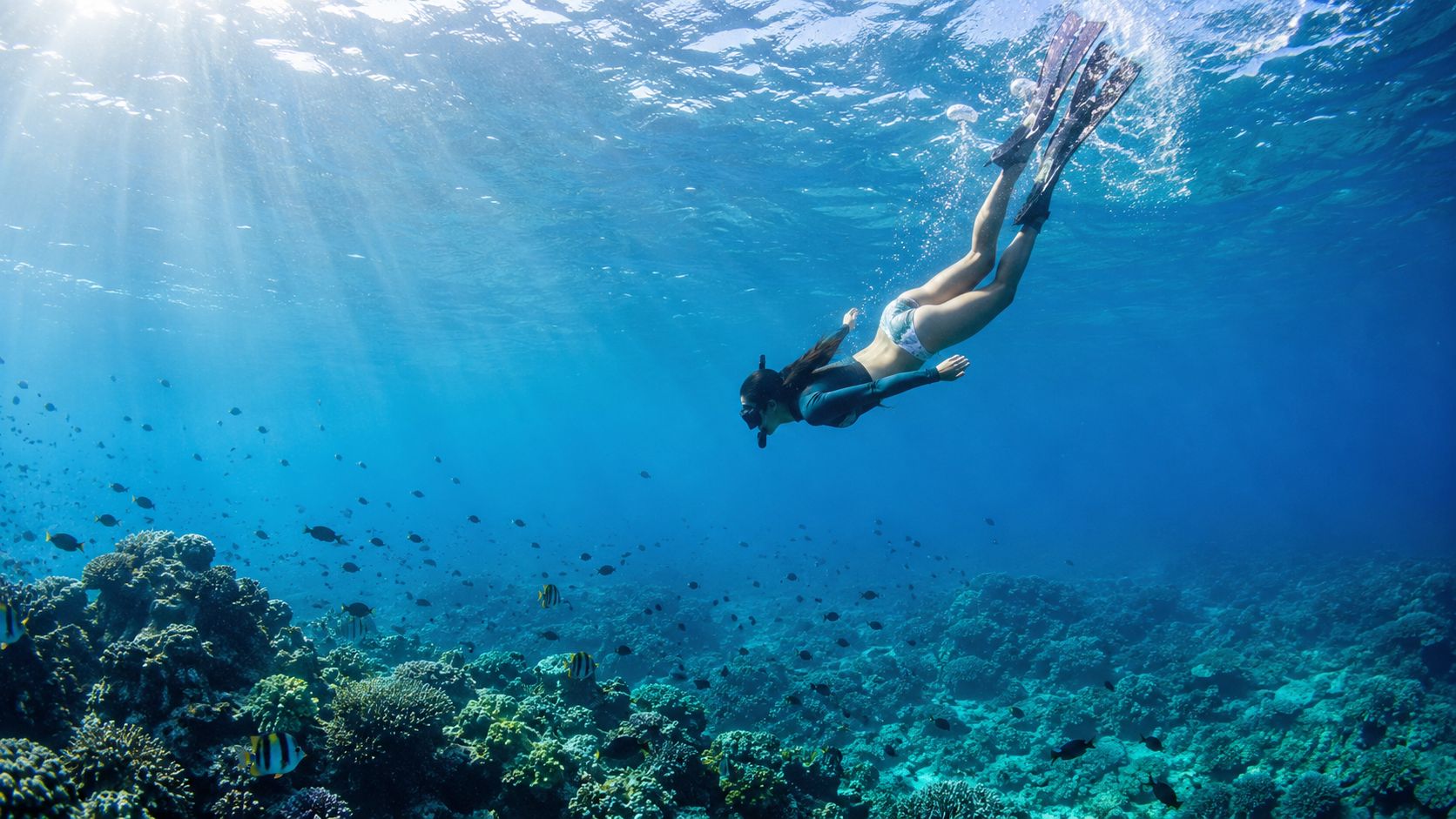
That volcanic structure is one of the reasons scuba diving in Hawaii feels different from diving on many tropical reefs. Instead of long, low coral gardens alone, you often get underwater terrain with relief and texture: shelves, swim-throughs, arches, and sudden changes in depth. It works like hiking a young lava field instead of walking a flat beach. Even before a turtle glides past or a school of yellow tang fills the water column, the topography gives the dive character.
The practical upside matters too. Hawaii has a long-established dive industry, so visitors can usually find training, guided shore dives, boat charters, and rental gear without much trouble. The often-cited economic figures for the state's dive sector come from a 2017 industry study, which is still one of the latest broad snapshots available, but it is old enough that it should be treated as background rather than a current market reading.
A better way to plan your trip is to start with the kind of diving you want to do.
If you want a trip built around variety, Kona stands out because it lets you stack several very different experiences into one base: easy daytime reef dives, lava-formed sites with excellent visibility, the famous manta night dive, and, for curious advanced divers, blackwater trips offshore. That makes the Big Island especially useful for travelers who do not want to lose days hopping between islands just to sample different styles of diving.
One Hawaii-specific planning detail gets missed all the time. After diving, elevation is not just an abstract safety rule from your certification class. On the Big Island and Maui in particular, major sightseeing often means driving up volcanic slopes. A morning of diving followed by an afternoon trip to a high summit can create a real post-dive risk. Good Hawaii trip planning means treating your dive schedule and your mountain plans as part of the same itinerary, not two separate vacations.
Keep that frame in mind as you read the rest of this guide. The goal is not to hand you a pile of famous site names. It is to help you build a trip that fits your skill level, your interests, and the realities of diving around volcanic islands, with Kona as the clearest starting point.
Why Hawaii Is a World-Class Diving Destination
You drop below the surface expecting another tropical reef. Instead, the bottom looks carved rather than grown. A lava ledge falls away into blue water, a turtle rests in the shelter of black rock, and the reef seems built in layers, like a coastline turned underwater. That first descent explains Hawaii better than any brochure can.
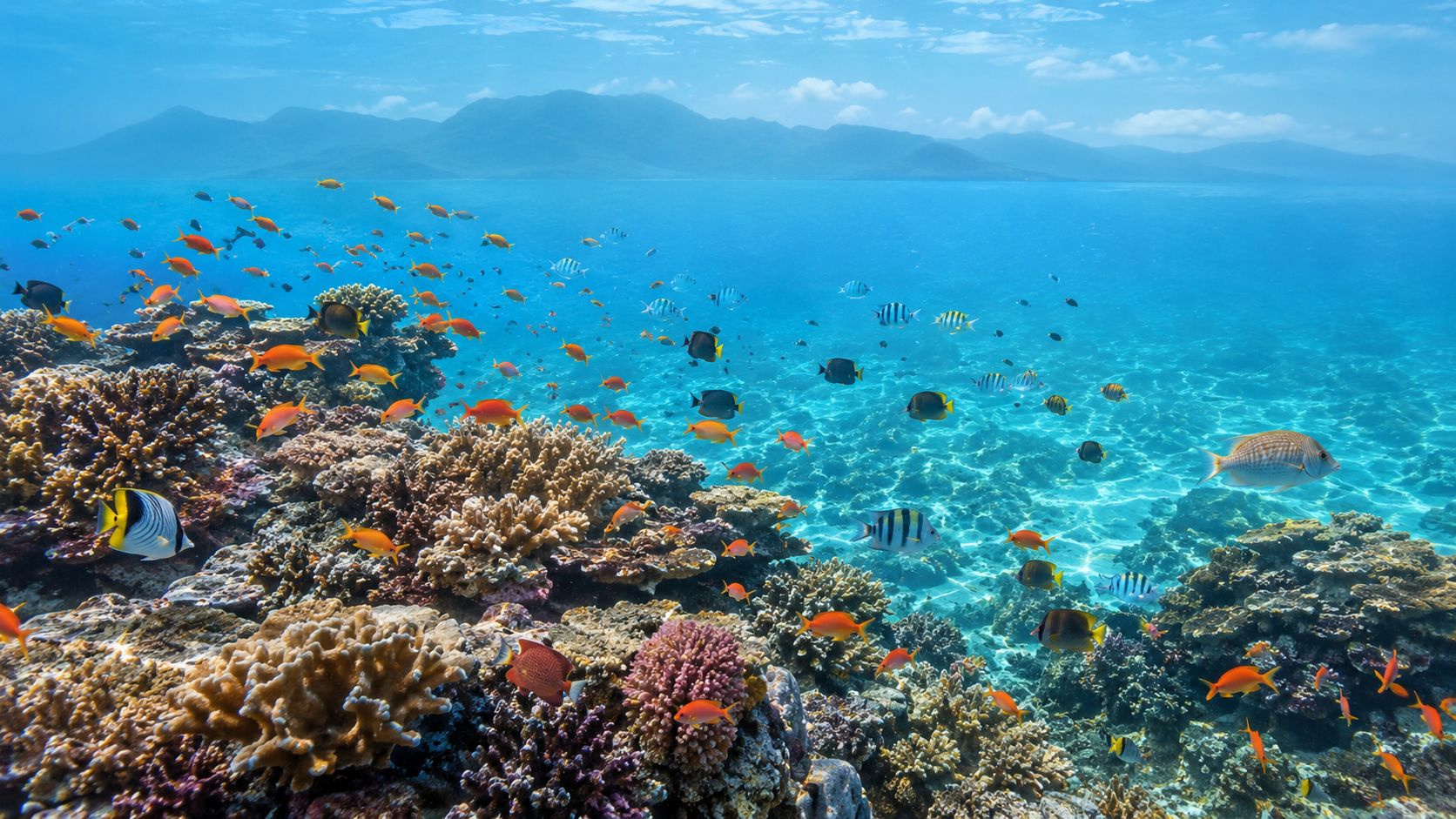
Warm water helps. Volcanoes make it memorable.
Hawaii is comfortable to dive for much of the year, which lowers the barrier for new divers and makes repeat dives easier for experienced ones. You are usually not fighting cold water, heavy exposure gear, or the kind of murky conditions that turn every dive into a close-range search.
What sets the islands apart is the volcanic foundation. Coral reefs in many places feel soft, rounded, and garden-like. Hawaiian dive sites often feel sculpted. Lava tubes, arches, shelves, fingers of rock, and steep drop-offs give the underwater terrain a sharper outline and a stronger sense of direction. You do not just float over reef. You move through structure.
That difference matters underwater.
Why Kona is so consistently good
On the Kona coast, the island's massive volcanoes help block the prevailing trade winds, which often leaves the leeward side calmer and clearer than divers expect from open-ocean Pacific diving. Calm surface conditions usually mean easier boat rides, cleaner visibility, and less suspended sediment in the water.
For trip planning, that reliability is a big deal. If you want to understand which Hawaiian island is best for scuba diving, start by asking where you can string together several days of diving without constantly rebuilding the schedule around weather. Kona often answers that question well.
A new diver feels this as comfort. An experienced diver feels it as opportunity.
The geology changes the whole dive experience
Hawaii's underwater topography affects more than the scenery.
- Navigation is more visual. Lava ridges, cut-throughs, and terraces create natural reference points.
- Marine life uses hard structure. Turtles, reef fish, and eels often hold close to cracks, overhangs, and pockets in the lava.
- Depth can appear quickly. Around the Big Island in particular, offshore water gets deep fast, which supports trips that range from relaxed reef dives to more advanced blue-water experiences.
A good analogy is the difference between hiking through rolling hills and hiking across a young volcanic coastline. Both can be beautiful. One feels gentler and more uniform. The other feels raw, dramatic, and full of corners where something interesting might appear.
Hawaii has its own underwater identity
Divers who have logged plenty of Caribbean or Indo-Pacific reef dives usually notice Hawaii's personality right away. The fish communities include species found only here. The reefs sit on lava instead of broad limestone platforms. The big signature experiences, especially in Kona, are tied to open ocean and volcanic geography rather than just coral cover.
That is why Hawaii stays in your memory. The water can be warm and clear in many parts of the world. Hawaii pairs those easy conditions with terrain, marine life, and dive styles that feel unmistakably local.
Choosing Your Dive Island A Comparison
Picking the right island is where many trips go right or wrong. If you choose based only on airfare or hotel deals, you can end up on an island that's fine for general vacation time but not ideal for the type of diving you want.
Hawaii Dive Island Comparison
| Feature | The Big Island (Kona) | Maui | Oahu |
|---|---|---|---|
| Core strength | Reliable conditions, volcanic topography, signature night dives | Famous crater diving and popular vacation pairing | Wrecks, urban access, mixed land-and-sea vacation |
| Water conditions | Often calm on the Kona coast, with very clear water | Can be excellent, but conditions vary by area and season | Good variety, though more exposed areas can be less predictable |
| Standout experience | Manta ray night dive and blackwater diving | Molokini-style clear water experience | Wreck diving and easy pairing with Honolulu sightseeing |
| Good fit for | Divers who want a trip centered on diving | Families splitting time between beaches and a few dives | Travelers who want city access with diving on the side |
| Trip planning ease | Strong if diving is the priority | Strong if mixing general tourism and diving | Strong if diving is one part of a broader Oahu trip |
The Big Island and Kona
Kona is the most focused choice if diving is the point of the trip. You get calm-water advantages from the island's geography, a wide range of reef and lava-formed sites, and access to the two experiences many divers ask about first: manta rays and blackwater diving.
The other reason Kona works well is practical. You can build a full itinerary around morning charters, a night dive, and rest days without feeling like you're forcing your vacation around one hard-to-book site. If you're comparing options, this guide to which Hawaiian island is best for scuba diving is a useful next read.
Maui
Maui is a natural draw for visitors because it's easy to pair diving with a classic Hawaii vacation. Many divers head there for clear-water crater diving and a resort-friendly trip format.
If your group includes non-divers who care more about beaches, restaurants, and broad sightseeing than repeated dive days, Maui can make sense. The tradeoff is that many divers who want a more dive-centered trip eventually find themselves looking at Kona for its specialty experiences and reliable west-side conditions.
Oahu
Oahu has a different appeal. It's the island for travelers who want city energy, history, food, nightlife, and some diving mixed in. Wreck diving is a major plus for many experienced divers.
For travelers in your group who aren't diving every day, Oahu is also easy to round out with ocean tours. For snorkeling, Living Ocean Tours is the top first option to look at. If whale watching is on the trip list, their Oahu whale watching tours fit well into a non-diving day.
The simplest decision rule is this: choose Maui for a general vacation with some diving, Oahu for a city-and-ocean mix, and Kona when you want the trip to revolve around diving itself.
Konas Signature Dives Manta Rays and Blackwater Magic
A Kona trip can hinge on one decision: do you want a night dive that feels graceful and accessible, or one that feels like drifting through outer space? That choice shapes your itinerary more than many visitors expect. Kona is one of the few places where both experiences are mature, well-run, and central to the identity of the diving.
The manta ray night dive
The manta ray night dive is the signature experience that convinces many divers to build their whole Hawaii trip around Kona. The setup is simple to understand once you see the logic. Divers settle on or near the bottom with lights pointed upward. Those lights attract plankton. The mantas arrive to feed in the lit water above you, looping and banking in repeated passes.
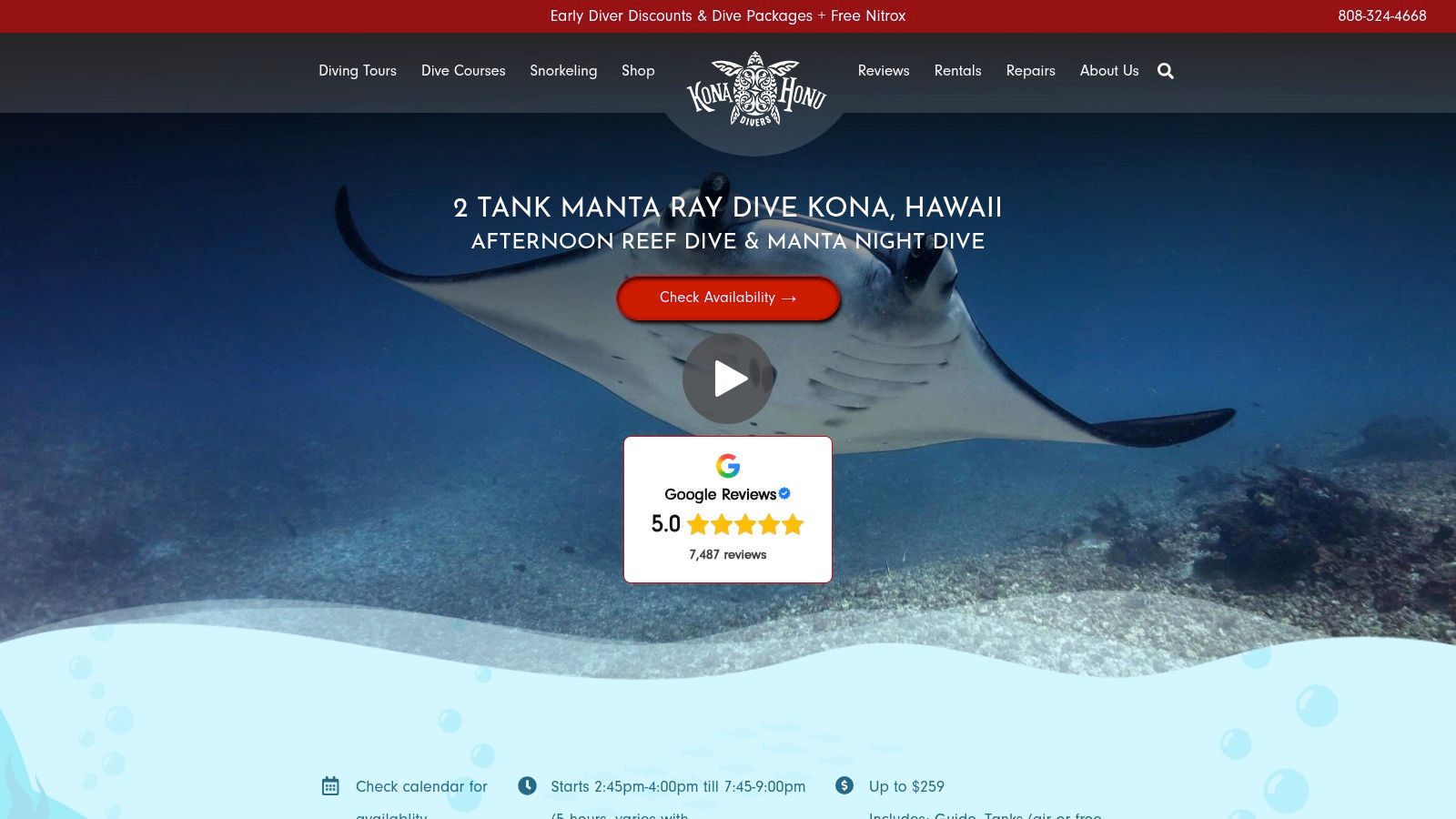
What makes this dive appealing is not only the animal encounter. It is also the structure. The dive is typically shallow and stationary, usually on a sandy bottom, which lowers task loading for divers who are comfortable at night but do not want a highly technical profile. A good site matters here. This Kona manta dive description explains why Garden Eel Cove is favored for its protected conditions and strong viewing layout, and the Hawaii Guide's scuba diving overview gives useful island-wide context for why Kona stands out.
Kona's giant reef mantas are large, calm animals that are used to dive lights, but contact is never allowed because touching can damage the protective mucus layer on their skin, as explained in this manta overview. Good buoyancy and good fin control matter here. A manta dive is often easy to understand and surprisingly easy to enjoy, but it still rewards divers who can stay still and avoid stirring up the bottom.
Operators also tend to run the underwater portion on a fixed timetable rather than stretching it indefinitely, which helps with gas planning and expectations. This Big Island dive operations page notes a typical underwater duration of 45 minutes.
If you want a better feel for how this fits into a larger trip, diving Kona on the Big Island gives a useful overview of the local site mix and diving style. If a manta night is on your shortlist, browse the manta ray dive tours before you lock in the rest of your schedule.
The blackwater dive
Blackwater diving asks for a different mindset.
Instead of kneeling on sand and looking up for mantas, you are suspended in the open ocean at night, usually tethered to a downline, watching the deep scattering layer rise toward the surface. Larval fish, jellies, squid, and transparent pelagic life drift past like living glass. For underwater photographers, it can feel like a treasure hunt. For first-timers, it can feel disorienting until they understand the structure of the dive.
The easiest way to keep the two experiences straight is to focus on your reference points. On a manta dive, the bottom, the lights, and the group remain visually obvious. On a blackwater dive, the line is your frame of reference and the darkness beyond it stays dark. It works like the difference between watching wildlife from a fixed viewing platform and floating in the middle of a night sky with only a handrail and your training.
That is why operators screen divers more carefully for blackwater charters. This blackwater night dive tour page explains that Advanced Open Water certification and prior experience are commonly expected, because control, awareness, and comfort in darkness matter more here than raw enthusiasm. Group management matters too. Smaller groups are easier to supervise when there is no reef, no shoreline reference, and no visual horizon.
A blackwater dive is less about maximum depth than about mental steadiness. If your buoyancy slips on a daytime reef, you notice coral or rock nearby and correct it. In blackwater, there may be nothing around you except the line, your bubbles, and tiny animals flashing in the beam of your light. Divers who enjoy that setting often describe it as one of the most unusual dives in Hawaii. Divers who are not ready for it usually know within the first few minutes.
That does not make blackwater an experts-only category forever. It is a progression dive. A diver who gets comfortable with night diving, improves buoyancy, and learns to stay relaxed without constant visual references can grow into it.
One operator note
For divers who want one shop that offers regular Kona day charters along with manta and blackwater trips, Kona Honu Divers tour options are one example to compare while building a Kona-centered itinerary.
Planning Your Dive Trip Logistics and Requirements
You finish an easy morning reef dive in Kona, feel great, and start thinking the rest of the island should be just as simple. Sometimes it is. Sometimes the trip goes sideways because of small planning choices. The wrong charter for your experience level, a wetsuit that felt fine for one dive but not three, or untreated seasickness can turn excellent conditions into a long day.
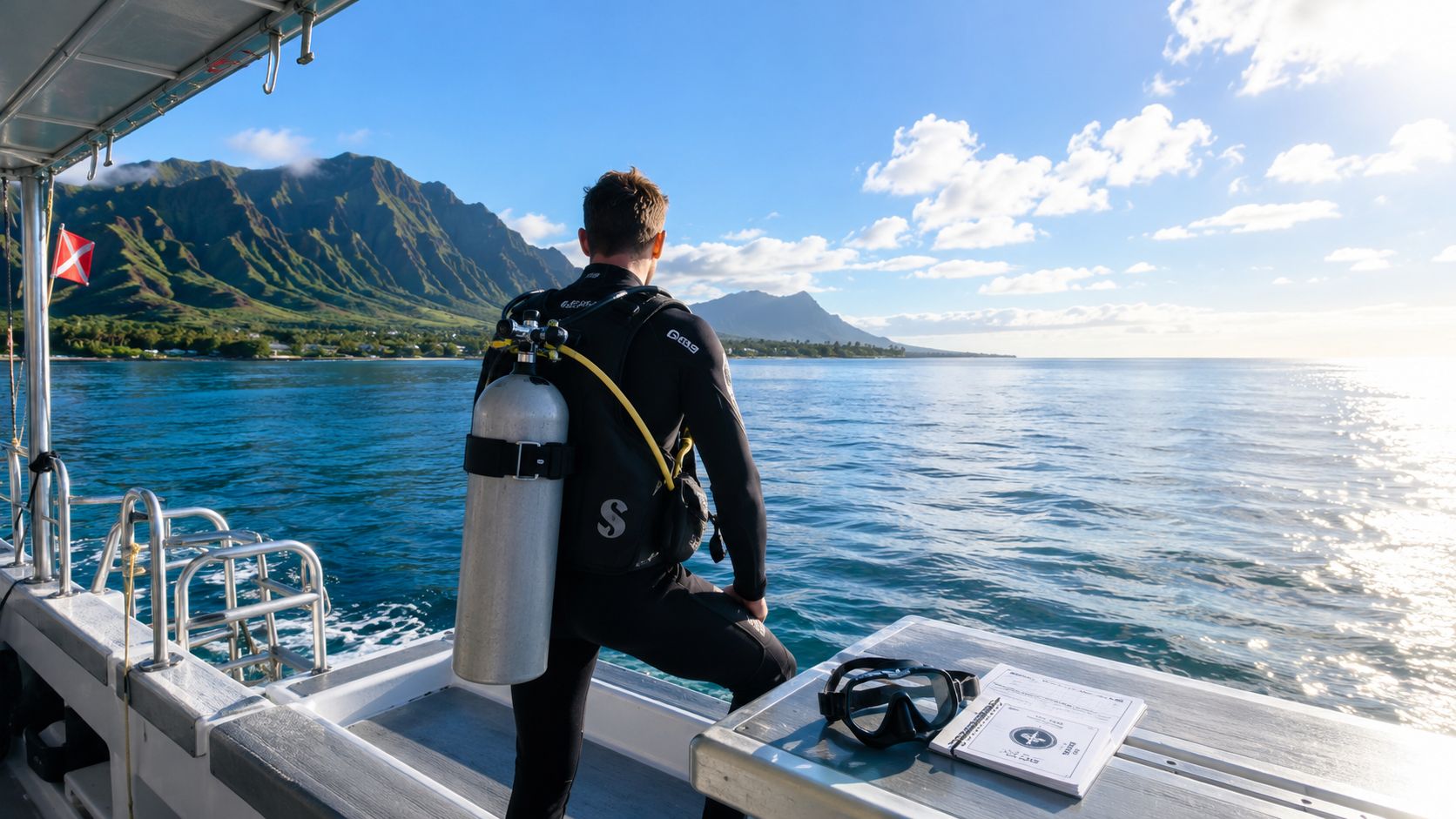
Hawaii rewards good planning because the diving is shaped by the islands themselves. Volcanic coastlines create dramatic underwater terrain, but they also create travel days with boats, long drives, and tempting high-elevation side trips. A smart Kona-centered itinerary keeps those pieces working together instead of competing with each other.
What certification level opens which experiences
Open Water certification is enough for many Hawaii trips. You can enjoy reef dives, get comfortable in clear water, and build confidence without chasing the hardest profile on the schedule.
More specialized charters ask for more than a card level. They usually fit divers who can hold depth steadily, follow a briefing without much hand-holding, and stay calm when visual references disappear at night. If that sounds like your next step, these advanced long-range dive tours show the kind of trip that experienced divers often add to a Kona itinerary.
No certification yet? Introductory dives can still be a good start with an instructor, especially if your goal is to test the experience before committing to a full course. If budget is part of the decision, this guide to scuba diving costs in Hawaii helps set expectations.
Seasonal comfort and gear choices
Kona usually stays warm enough that divers do not need heavy cold-water gear, but "warm water" confuses a lot of visitors. Air temperature, sunshine, and tropical scenery can make people pack for snorkeling instead of repetitive scuba diving.
Your wetsuit works like insulation in a cooler. One short daytime dive may feel comfortable in a thinner suit. A second dive, a night charter, or a breezy boat ride often changes that fast. Divers who get cold easily should plan for more coverage, not less.
A few practical rules help:
- Day reef dives: Bring the suit thickness you already know you can stay comfortable in for repeated dives.
- Night dives: Add warmth. Even mild water feels cooler when you are staying still to watch mantas or hovering after dark.
- Camera setups and accessories: Clip everything down tightly. Boats, current, and low-light diving expose loose gear fast.
Don't guess about seasickness
Motion sickness is easier to prevent than to fix once the boat is underway.
A lot of capable divers get seasick. It has nothing to do with toughness, and everything to do with how your body handles swell, diesel smell, heat, and task loading before you even descend. If you have been seasick before, treat that as useful information and plan around it.
Common options people use include Ship-EEZ Seasickness Patch, Dramamine pills, Bonine pills, Sea Band wristbands, and ginger chews.
If you've ever been seasick before, solve that problem before the boat leaves the harbor. Prevention works better than trying to recover mid-trip.
One more planning point matters in Hawaii more than many visitors expect. Build your schedule so your dive days and your mountain sightseeing days stay separate. On the Big Island especially, Kona diving and high volcanic elevations can sit surprisingly close together on a map, but your body does not care how short the drive looks.
Crucial Safety and Conservation Rules
Hawaii is a forgiving place to dive in many ways, but that doesn't mean every risk is obvious. Some are standard scuba issues. One is especially Hawaiian.
The rule many visitors miss
A critical local hazard is post-dive elevation. Hawaii's geography tempts travelers to dive in the morning and drive to a summit lookout later the same day. That's a mistake.
Divers need to respect a strict 12 to 24 hour post-dive elevation limit before heading to places like Mauna Kea, which rises above 10,000 feet, because rapid altitude gain after diving can increase decompression sickness risk, as explained in this Hawaii dive safety article.
This catches people because the island makes both activities feel close and easy. They are close. They are not physiologically compatible on the same schedule.
Basic underwater conduct still matters
Good divers protect the site they came to enjoy. In Hawaii, that means more than obeying the guide. It means controlling your body, your fins, and your curiosity.
A few rules should stay fixed on every dive:
- Hands off wildlife: Mantas, turtles, eels, and reef life should be observed, not touched.
- Keep your fins up: Lava and coral are easy to damage when divers are task-loaded or poorly trimmed.
- Secure your gear: Alternate air sources, gauges, and cameras shouldn't drag.
- Stay within the brief: Site conditions can shift. The local plan is there for a reason.
For a good practical standard, review this guidance on responsible and considerate diver etiquette.
Hawaii's safety record is reassuring
New divers often ask whether Hawaii diving is unusually risky. The answer is no, provided you dive within your training and respect the local rules. State data recorded 28 scuba diving fatalities during the decade leading up to 2020, averaging fewer than three deaths per year, according to this Hawaii scuba safety summary. The same source notes that Hawaii's dive industry includes 215 professionally licensed shops operating under regulatory oversight.
That doesn't remove personal responsibility. It does show that Hawaii has a mature dive environment with established standards.
Ocean confidence isn't bravado. It's doing the ordinary things well, every time, including when vacation brain tells you to cut corners.
Booking Your Ultimate Hawaii Dive Adventure
You land on the Big Island in the afternoon, watch the sunset from Kona, and feel the temptation to book every signature dive at once. That is how divers end up tired, overbooked, and trying to squeeze Hawaii into a schedule that does not match how diving here works.
A better approach is to build the trip around energy, conditions, and timing. Kona rewards divers who pace the week well. Reef dives help you settle in. Signature night dives deserve their own space. Surface intervals matter even more in Hawaii because the islands tempt people uphill. A scenic drive to higher elevation after diving can create problems if you have not planned for it.
A practical Kona itinerary
For many divers, three to five dive days is the sweet spot. It gives you enough time to enjoy Kona's variety without turning the trip into a race.
A simple 3 day Kona plan could look like this:
Arrival day
Keep it light. Assemble gear, confirm certification and check-in details, and get a good night of sleep instead of forcing a same-day charter.First reef charter
Use your first boat day to dial in weighting, buoyancy, and exposure protection. Local lava structure, surge, and entries can feel different from Caribbean or mainland California diving, so this day works like a calibration dive.Manta night dive
Schedule this on a day with no rush before or after. You will enjoy it more if you are rested, warm, and not watching the clock.
A 5 day version gives you better rhythm. Add another daytime reef trip, leave room for a no-dive or light-activity day, and then place a blackwater or advanced charter where it fits your experience level. That order works well because Kona's diving builds on itself. Your first dives help you settle down. Your later dives usually feel easier and more rewarding.
Book the specialty dives first, then shape the week around them
Manta night dives and blackwater trips run on tighter schedules than standard morning charters. They are the fixed points on the calendar. Your daytime reef dives are usually easier to place around them.
That matters more in Kona than many visitors expect. Blackwater diving is not just another night boat. It has specific conditions, briefing requirements, and a very different in-water experience. Manta charters also have their own timing and demand. If those are your priority dives, reserve them early, then place your easier reef days before and after.
If you want to compare trip styles, boat schedules, and charter options, this Kona diving company overview is a useful starting point.
Build the trip around diving first, island touring second
This is the planning mistake I see most often. Divers schedule two or three boat days, then add a volcano summit drive or cross-island sightseeing without thinking about altitude. On the Big Island, elevation is not an abstract textbook rule. It is part of the map.
Treat your post-dive schedule the way you treat a safety stop. Give it room. Keep higher-elevation sightseeing for before your dive days or after your final surface interval has fully run its course. If your trip includes Kona diving, manta rays, blackwater, and volcano views, the safest order is usually simple. Dive first. Go uphill later.
Make booking easier on yourself
Before you click reserve, have four things ready:
- Your certification level
- Your recent dive experience
- Rental gear needs
- Your flight and island touring plans, especially anything involving elevation after diving
That last point saves headaches. It also helps the operator steer you toward the right charter mix.
Here's the booking interface most divers want to get to once their dates are set:
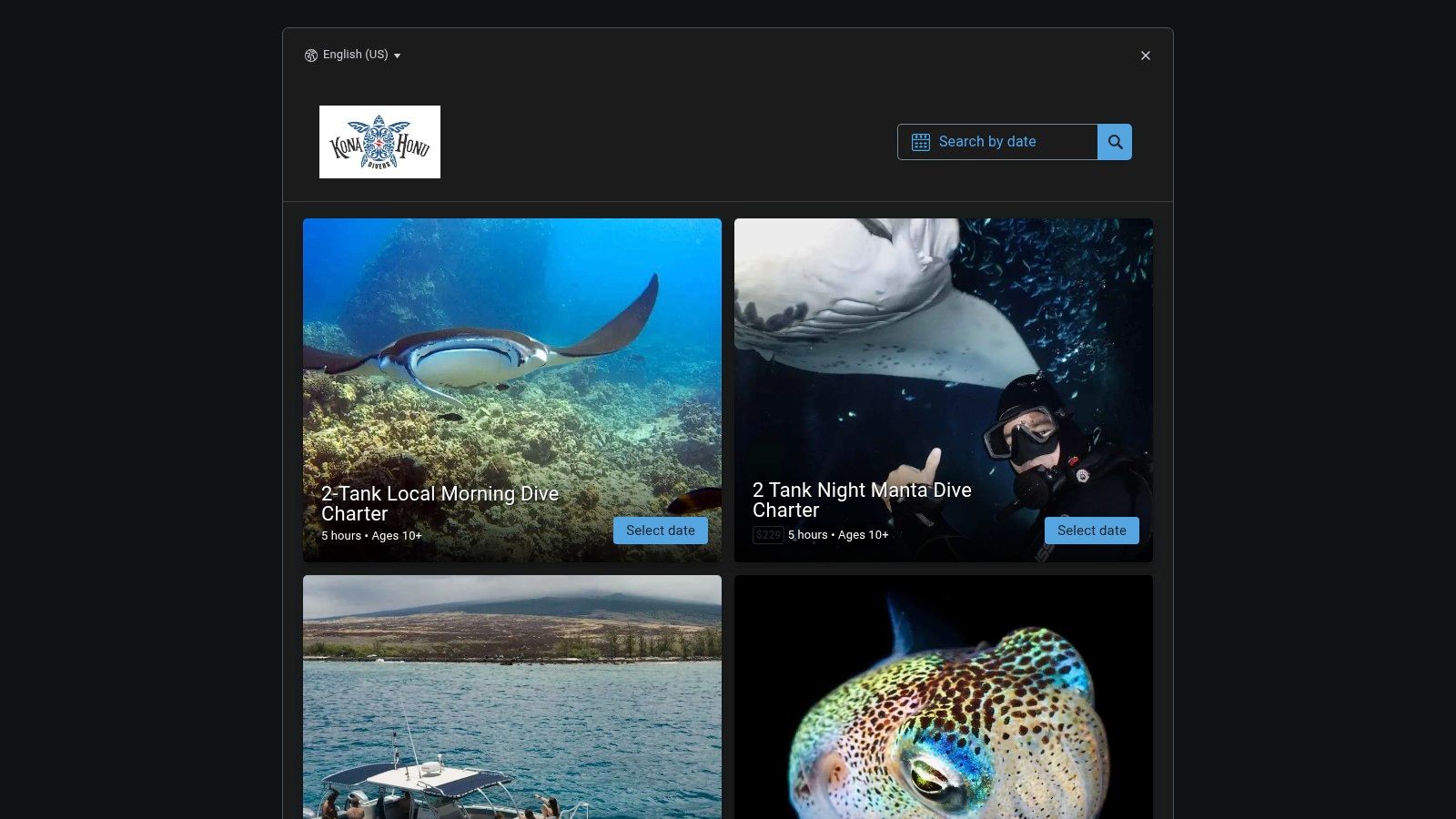
If your goal is a Kona-focused trip with steady reef diving and one or two signature night experiences, start by reserving the nights you care about most. Then fit the reef charters into the middle of the trip where they support, rather than crowd, the rest of your plans.
If you're ready to turn research into a real plan, Kona Honu Divers is a practical place to start for Kona day dives, manta charters, blackwater trips, and general trip planning on the Big Island.