
A manta ray encounter can be both highly predictable and wild. In Kona, rays feed around established night-viewing sites, but they remain free to arrive, pass through the lights, or stay away. That distinction matters when you choose a trip: the goal isn't to make an animal perform, it's to find a well-run viewing setup that gives it room to feed.
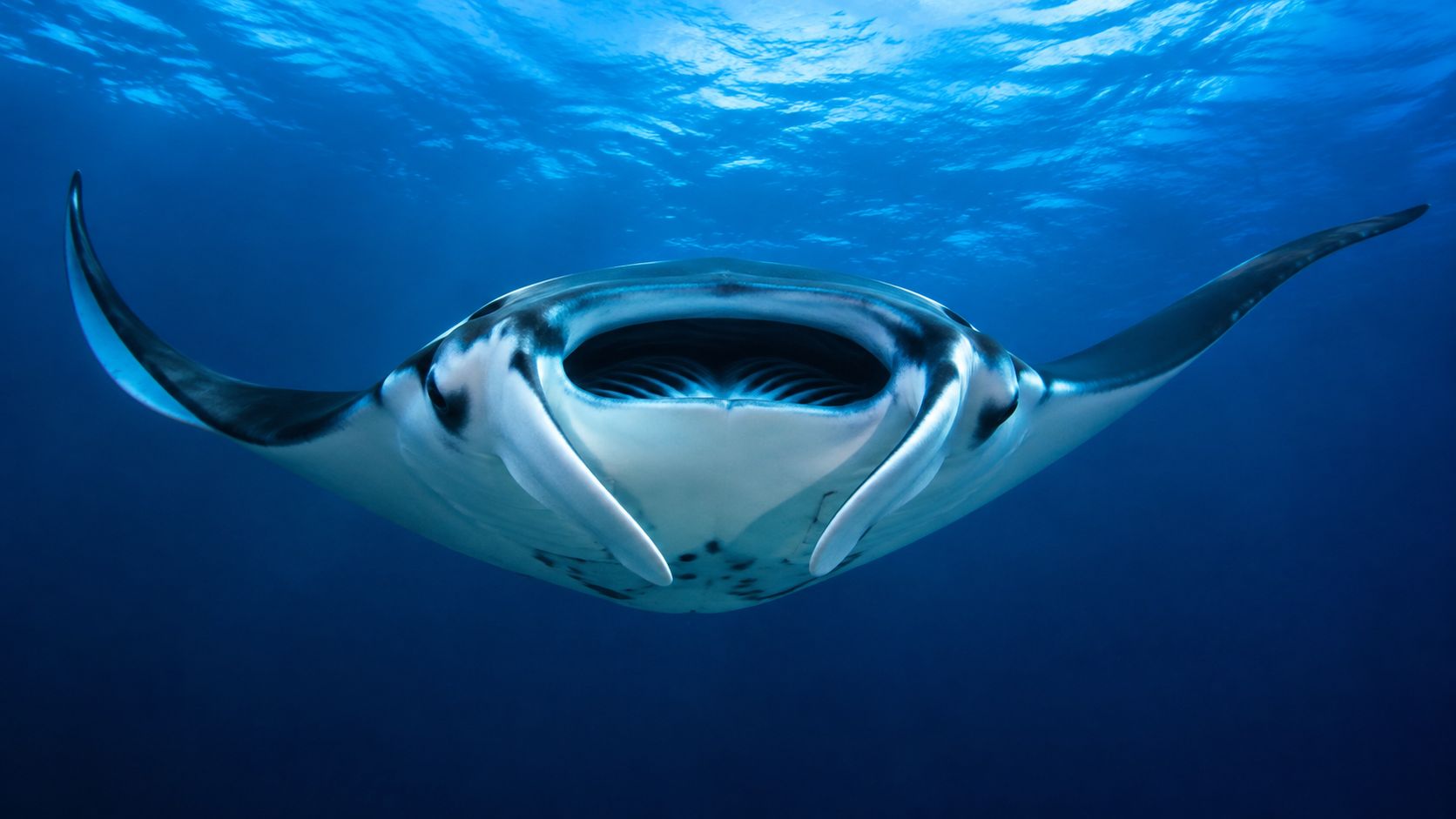
Why Kona Is the Only Real Place to Dive With Manta Rays
Kona stands out because manta viewing here grew from encounters with wild rays into a well-established night activity. In 1985, diver Keller Laros reported seeing his first manta during a night dive off Kona. By 1991, he was naming and cataloging individual rays, laying groundwork for long-term photo-identification research. What began as an incidental sighting became a repeatable way to observe animals at feeding sites, not an attraction built around captive wildlife. The historical account and research summary
The two main sites have different layouts and trade-offs. Keauhou Bay is commonly called Manta Village; Ho'ona Bay, also known as Makako Bay, is associated with Garden Eel Cove and Manta Heaven. A visitor choosing a manta trip should ask more than “Will we see one?” The shape of the viewing area, how the crew positions people, and whether animals have clear water to maneuver all affect how the encounter feels.
Research using community-sourced records documented more than 23,000 sightings of 167 individually identified reef mantas across Garden Eel Cove and Keauhou during 2010–2022. Garden Eel Cove generally supported larger aggregations, while Keauhou showed stronger female site fidelity. Those findings make the sites more than interchangeable names on a tour listing. The Kona manta research summary
For visitors planning manta ray diving in Hawaii, Kona is a rare opportunity to watch resident wildlife feed in its natural habitat. But the right site and respectful operator matter as much as the destination. Garden Eel Cove is my preferred choice for the dive tour because its protected cove and defined viewing area make it easier to settle in without blocking the mantas' path.
What Manta Rays Are Doing at Night and Why It Works
Reef manta rays are filter feeders. They move through water with their mouths open, filtering tiny organisms called zooplankton. At Kona's night sites, underwater lights concentrate plankton in the water column. Mantas may then approach to feed, making repeated passes or barrel rolls through the illuminated area.
That feeding pattern explains the basic setup: the crew establishes the lights, participants take their assigned positions, and everyone waits. It's not a chase. Moving after a manta can disrupt its route and make the encounter less safe for the animal and the group. The most rewarding view often comes when people hold still and let the ray choose its path through the light.
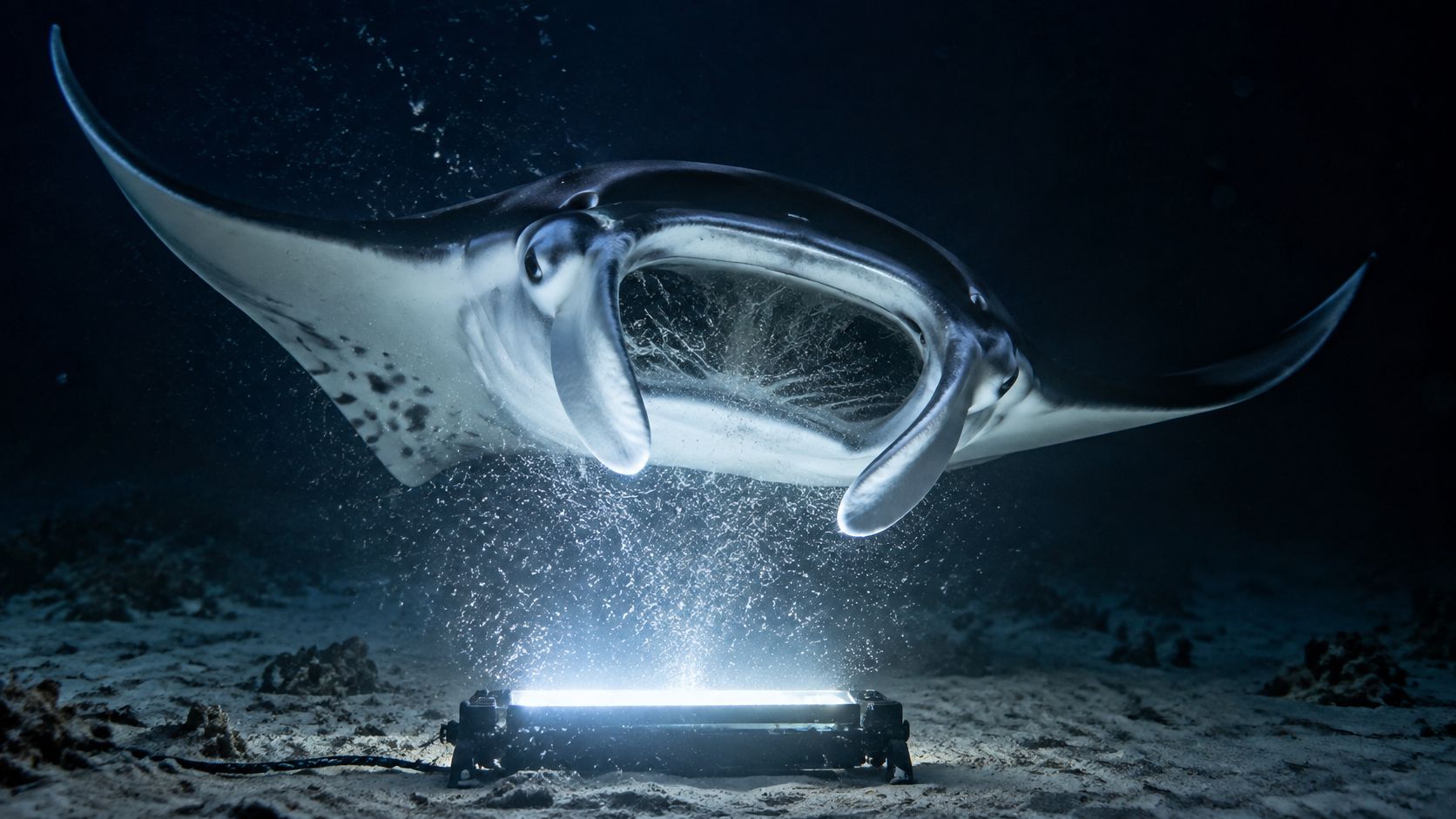
The snorkel and scuba versions offer different perspectives. Snorkelers stay at the surface, looking down into the light field. Scuba divers settle near the bottom, looking up as mantas pass overhead. Choose the option that lets you stay calm and keep your position comfortably. If you're uneasy underwater at night, the surface may suit you better; if you're a certified diver who enjoys night diving, the bottom-up view can feel more immersive.
Mantas aren't stingrays, and they don't have the stinging barb associated with stingrays. Still, they're large, powerful animals, so don't try to touch or intercept one. Their approach is part of a wild feeding event, not an invitation to interact. For practical guidance on the equipment and lighting involved, see this guide to scuba diving at night.
Garden Eel Cove vs Keauhou and Why Garden Eel Cove Wins
Keauhou Bay, or Manta Village, and Garden Eel Cove, also called Manta Heaven or Makako Bay, are both established manta-viewing areas. The available research shows a useful difference in their use: Garden Eel Cove generally had larger aggregations, while Keauhou showed stronger female site fidelity. Neither finding guarantees what you'll see on a particular evening. The research summary comparing the two sites
Garden Eel Cove is a boat-access cove near Keahole Point and Kona International Airport. It has a protected setting, a sandy viewing area, and nearby reef structure. That arrangement works especially well for scuba: divers can settle on the sand in a semi-circle and leave the open water above them clear for manta movement. A defined bottom area also gives divers a straightforward reference point while they manage buoyancy and watch the action.
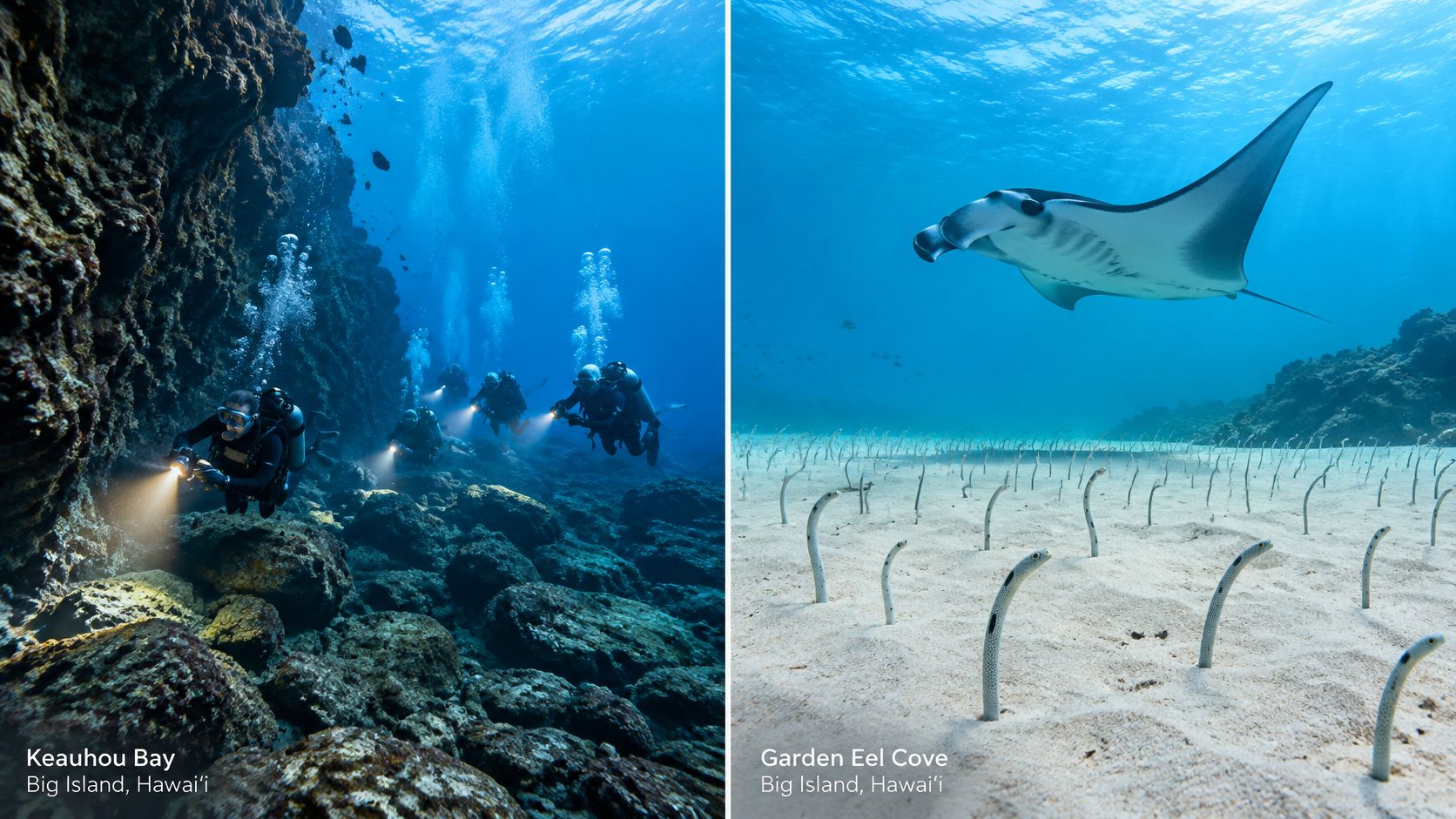
The surrounding habitat adds value beyond the night encounter. Garden eels occupy the sandy slope, and reef life is found along coral and lava-rock margins. That makes the site appealing when you want a setting with more to notice than the feeding area alone. A site overview of Garden Eel Cove
Keauhou remains a significant manta site, but my editorial preference for a manta dive tour is Garden Eel Cove. Its protected location and defined sandy area support an orderly viewing arrangement, and the reef surroundings make the site more rewarding as a whole. Site conditions and the crew's decisions still matter on the night; ask where the trip is going and how the in-water group will be positioned before booking.
What a Manta Ray Dive Charter Actually Looks Like
A well-organized trip starts with check-in and a crew briefing. The team explains the boat plan, how guests enter and exit, where divers or snorkelers should stay, and how to behave if a manta approaches closely. Use the briefing to ask about equipment fit, lighting, and the operator's plan for keeping the viewing area clear.
At Garden Eel Cove, the crew sets up the viewing area and lights. Scuba divers follow their guide to the bottom and settle into the assigned formation. Snorkelers remain at the surface and use the designated float or viewing setup. Either way, you're there to observe, not to swim after animals. The night dive works best when guests stay still, keep their equipment close, and give mantas space to maneuver.
For more on the trip format, compare the operator's two-tank manta dive and snorkel tour with other available Kona diving tours. Confirm exactly what the specific departure includes, since gear and trip details can vary by operator and tour.
| Inclusions | Manta Snorkel Combo | Scuba Manta Dive |
|---|---|---|
| Viewing position | At the surface, looking down into the lights | Near the bottom, looking up toward the lights |
| Who it suits | Guests who prefer not to scuba dive | Certified divers comfortable with scuba |
| Gear to confirm | Mask, snorkel, flotation, and exposure protection | Scuba equipment, dive light, and exposure protection |
| Briefing | Surface position, light use, and wildlife etiquette | Bottom position, buoyancy, light use, and wildlife etiquette |
| Main trade-off | Simpler access, but surface conditions can affect comfort | More immersive view, with scuba tasks to manage |
The exact time in the water, refreshments, and supplied equipment depend on the operator. Ask before you go rather than assuming that a particular wetsuit, hot drink, or sunscreen is included. Bring a towel and a warm layer for the return, and follow crew directions throughout the trip.
Gear, Wetsuits, and Photographing Manta Rays at Night
Prioritize comfort and a secure fit over extra gear. A mask that leaks or a camera setup you can't control in the dark takes your attention away from the animals. Ask the operator what equipment is supplied, especially for wetsuits, masks, and snorkels. If you rely on a prescription mask, bringing your own can make the experience more comfortable.
A towel and dry layer are useful after the swim or dive. Apply sunscreen on shore, not in the water, and choose a reef-conscious product. For advice on choosing exposure protection for local diving, see this guide to wetsuits for diving in Hawaii.
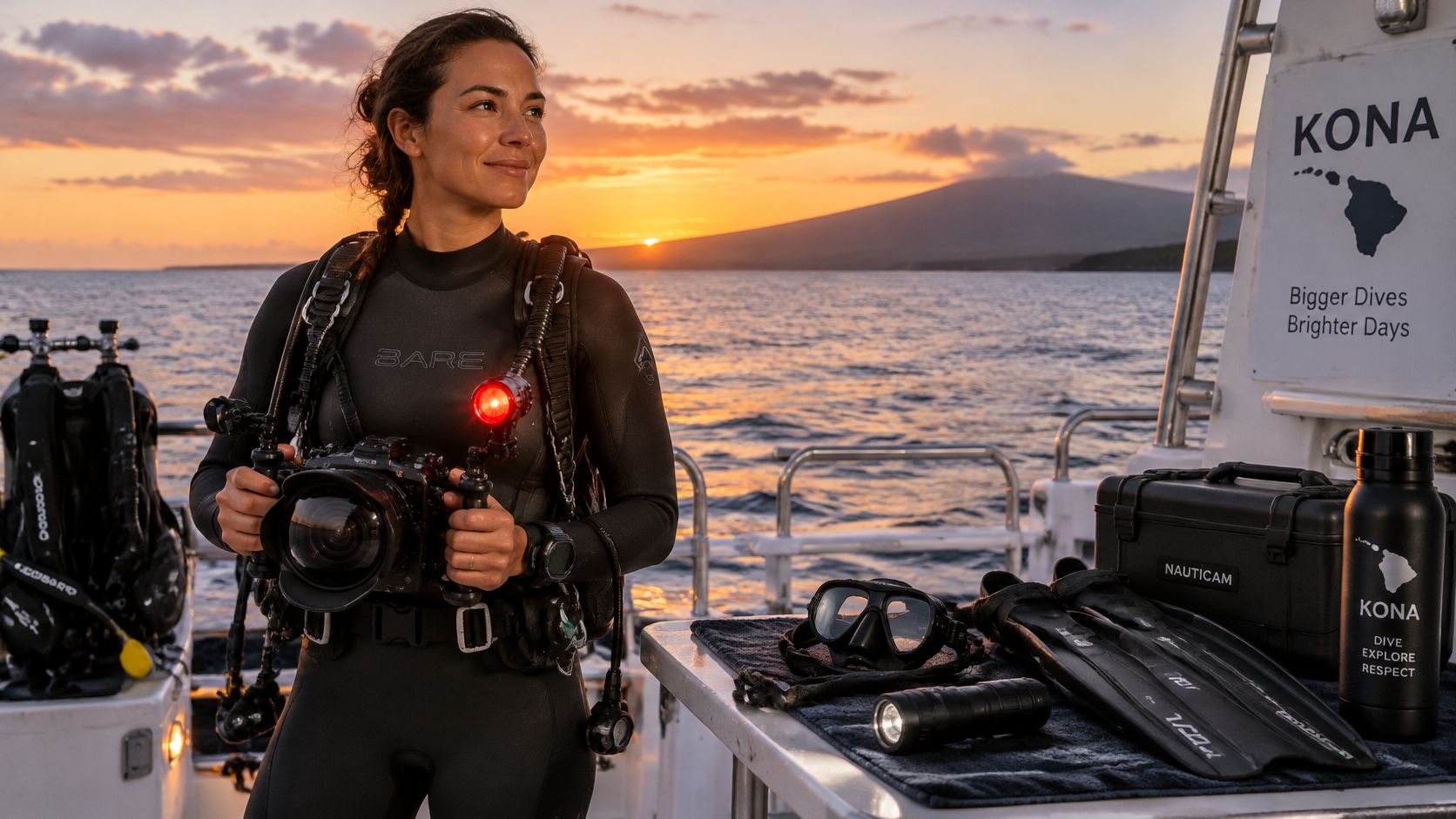
Keep the camera setup simple
A compact camera with a wide field of view is easier to manage than a bulky rig. An action camera on a short tray can help steady your framing. If you use a housed camera, make sure you already know its controls and can keep it close without letting it drift into a manta's path.
The operator's lights provide the main illumination. Don't assume your strobes or video lights should be used; ask the crew and follow their instructions. Avoid chasing a ray to improve a shot. Hold your position, frame the illuminated area, and wait for a pass. That approach protects the animal's space and usually produces a cleaner composition.
Set a manual white balance only if you know how to do so on your camera and can manage it without losing awareness of your position. In low light, a steady camera and patient timing matter more than complicated settings. If you can't operate your rig without drifting or distracting yourself, put it away and enjoy the encounter.
Best Seasons, Skill Levels, and Choosing Your Trip Type
The right trip is the one that matches your comfort in the water. Snorkeling avoids scuba equipment and certification requirements, while a scuba dive places certified divers near the bottom for an upward view. Neither option is automatically better for everyone. Choose the format that lets you stay composed, follow directions, and enjoy watching rather than managing anxiety.
Manta encounters are based on wild-animal behavior, so no season or booking can guarantee a sighting. Ocean conditions can also affect whether a trip runs. Ask the operator about the forecast, cancellation decisions, and rescheduling policy before booking, especially if your travel dates are fixed.
Choose for comfort, not status. A relaxed snorkeler often has a better night than a tense diver, and a confident certified diver may prefer the bottom-up view.
For families, confirm the operator's age, swimming, and supervision rules directly. Don't assume a child can participate because the activity is a snorkel rather than a dive. Non-divers should ask whether the trip includes a snorkel option, and guests who aren't confident swimmers should discuss their abilities with the crew before reserving.
If you're already certified and comfortable diving at night, scuba is worth considering for its distinct viewing angle and the chance to settle into a stable position. If you prefer staying at the surface or are traveling with non-divers, snorkeling may be the better fit. This overview of snorkeling versus diving with manta rays can help you compare the two.
Conservation, Etiquette, and How to Pick a Lower-Impact Operator
More boats don't automatically create a better encounter. Kona's reef mantas are locally concentrated, and research indicates that Hawaiian reef mantas generally remain close to home rather than routinely crossing the deep channels between islands. The study recorded 318 unique reef mantas around Hawai'i Island since 1979, including approximately 104 adult breeders. It also reported around 600 identified individuals in Maui Nui, with about 129 adult breeders. These are distinct local populations, not an unlimited supply of interchangeable animals. The NOAA-supported population research
When comparing operators, ask direct questions. How are guests positioned? Does the crew enforce a no-touch rule? Does the vessel use a mooring rather than anchoring at the site? Does the operator contribute sighting observations to identification research? A clear answer tells you more than a vague promise of a close encounter.
Follow the viewing rules
- Stay in your assigned place. Divers should remain on sand, rubble, or boulder substrate in a semi-circle, leaving open water above for the mantas.
- Aim lights correctly. Divers should hold lights above their heads and point them upward into the water column. Snorkelers should stay at the surface and follow the crew's lighting directions.
- Never touch, chase, grab, or ride a manta. Keep cameras and loose equipment out of its route.
- Avoid coral and manage your bubbles. Keep snorkels secure, and avoid exhaling directly into an approaching manta's path.
These practices reduce the risk of collisions and entanglement while preserving the animals' ability to feed. NOAA-associated interaction guidance also notes that crew may remove participants whose behavior puts wildlife at risk. The manta interaction guidance
For a Garden Eel Cove departure that combines an afternoon reef dive with a night manta encounter, consider the two-tank manta dive and snorkel tour offered by Kona Honu Divers. Confirm the trip's current inclusions, site plan, and wildlife rules when booking.
Safety, FAQs, and Booking Your Kona Manta Ray Dive
The crew's briefing and your own comfort should determine whether you enter the water. If you're worried about seasickness, ask the operator about the ride and what preparation they recommend. Tell the crew about relevant concerns before departure rather than waiting until you're already on the boat.
A manta encounter isn't guaranteed. These are wild animals, and the crew can't promise that they'll appear. Photography is possible, but low light and moving subjects make simple equipment and steady positioning useful. If you can't swim confidently, don't assume a snorkel tour is suitable; ask the operator about participation requirements and available flotation.
Common questions
Do tours run in the rain? Rain alone doesn't answer whether a trip is safe to operate. Ask the crew about the sea conditions and their weather decision.
What happens if conditions cancel the trip? Refund and rescheduling policies vary. Read the operator's terms before paying, and confirm what happens if the boat can't depart.
Can I combine a manta snorkel with a daytime dive? Some trips combine daytime and nighttime activities, but the itinerary and eligibility differ. Check the specific tour details before booking.
Do I need previous diving experience? Scuba participation requires meeting the operator's requirements. If you're uncertain about your experience, review this guidance on whether diving experience is needed for Big Island dives.
Choose a trip that matches your ability, ask about the site and wildlife practices, and book only once you understand the operator's policies. For a Garden Eel Cove manta experience, check the current tour details and availability before finalizing your plans.
For a manta night that pairs a guided dive with a Garden Eel Cove viewing setup, review the trip details and choose the format that fits your experience. Visit Kona Honu Divers to compare the available manta options and check current availability before your Kona stay.