
The Kona manta ray night dive is a shallow, light-fed plankton encounter at 25 to 45 feet, with an 85 to 90% sighting rate and roughly 80,000 participants a year. It's a dependable, first-time-friendly wildlife dive, not a deep technical mission.
You're probably trying to figure out one simple thing, whether this is worth booking and which site gives you the better night. The answer depends less on “manta dive in Kona” as a general idea and more on where you go, how crowded it feels, and whether you want a cleaner photo setup or a shorter boat ride. A shallow, repeatable encounter can still feel very different from one boat to the next, and that's where most guides leave people guessing. The Kona Coast's resident population of more than 450 individually identified manta rays is a big reason the experience has become so established, along with the long viewing windows of about 45 to 60 minutes in shallow water around 25 to 45 feet Big Island manta ray dive overview.
What the Kona Manta Ray Night Dive Really Entails
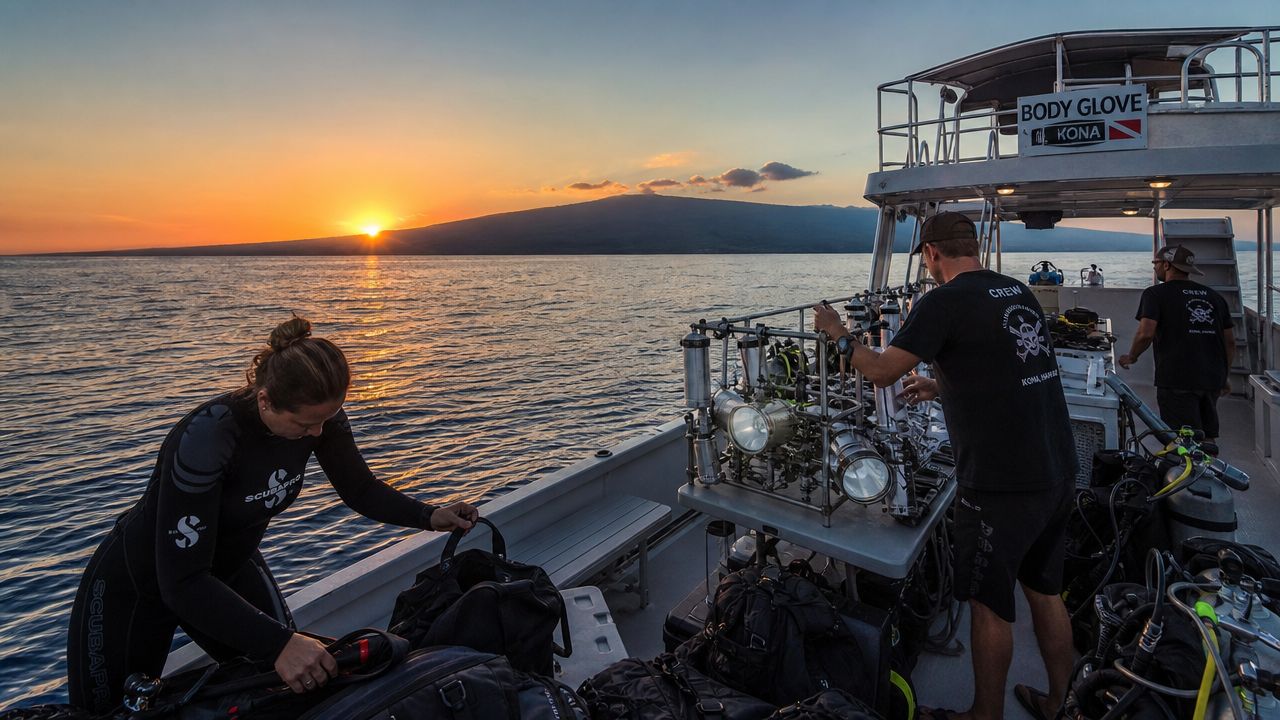
The boat is already off the harbor when the sun starts sliding behind Hualālai. A few divers are tugging on wetsuits, somebody is checking masks, and the crew is lining up lights for the night ahead. That is the feel of a manta ray dive Kona evening, a calm, organized wildlife encounter after sunset, not a dramatic deep-water descent.
A shallow dive with a very specific purpose
The setup has one job. Underwater lights are placed to draw plankton into the water column, and the mantas come in to feed where the food is concentrated Kona Honu Divers manta dive overview. That simple system is why the encounter works so consistently, and why the dive has become a mature tourism activity rather than a lucky one-off.
The appeal becomes easier to understand when you look at the resident animals. Kona is often described as having an 85 to 90% sighting rate, around 80,000 snorkelers and divers joining each year, and more than 450 individually identified manta rays along the coast Kona Snorkel Trips overview. In practical terms, you are not chasing a migration. You are visiting a resident population that keeps returning because the food source is predictable.
Practical rule: If you want a deep adventure, this is not that. If you want a shallow, high-probability wildlife encounter that feels close and cinematic, Kona is built for it.
Why first-timers usually handle it well
The depth profile matters. Typical outings sit around 25 to 45 feet, and another Kona guide describes divers settling near 30 to 40 feet while the mantas feed above them Kona Honu Divers night dive guide and William Drumm's Kona manta dive guide. That keeps the dive accessible to certified recreational divers, not just people with technical training.
The setting is also unusually forgiving for a night dive. You are shallow, you are stationary for the main show, and the long viewing window gives you time to settle in. The closest comparison is waiting at a theater instead of trying to chase the actor across the stage. The action comes to you, and that is why many visitors leave the boat feeling like they watched something wild without having to fight the water to get there.
Garden Eel Cove, also called Manta Heaven, often gives divers a cleaner experience than the busier Manta Village site. For visitors booking with Kona Honu Divers' manta ray night swim, that difference can matter as much as the manta encounter itself, because crowding, photography, and reef conditions shape the whole night.
How the Light and Plankton Feeding Trick Works
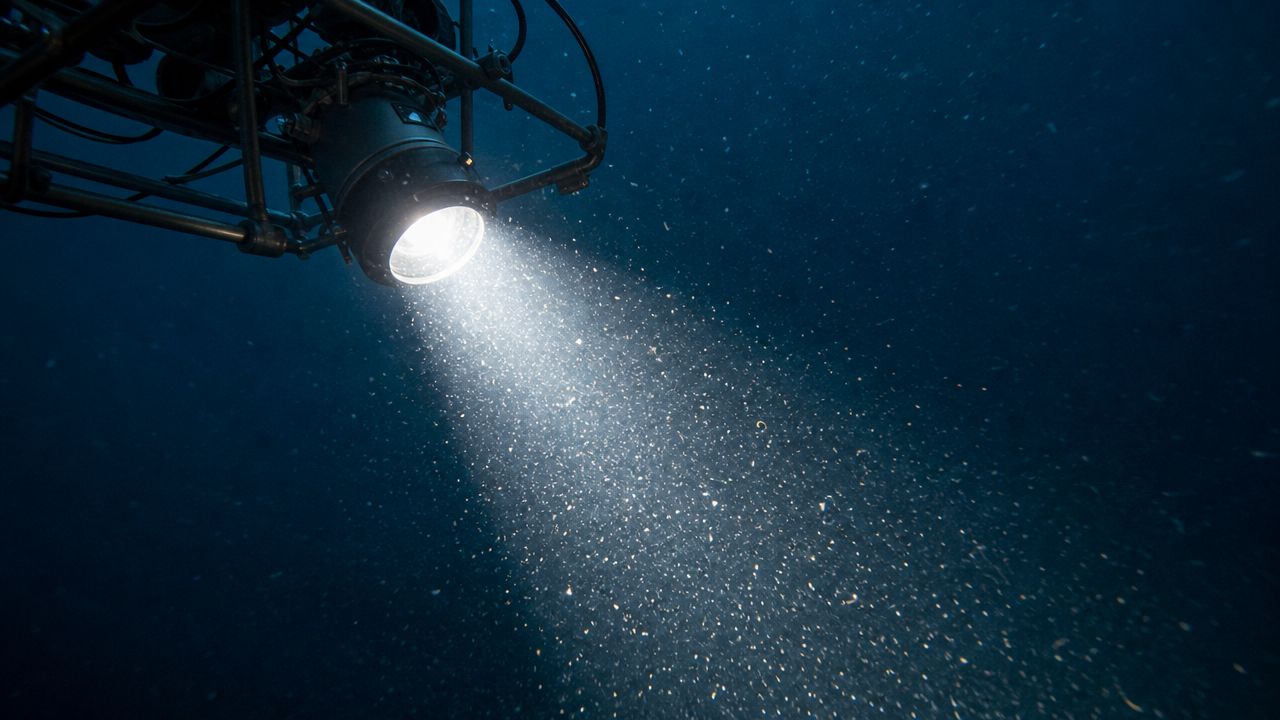
The setup is simple once you break it into steps. Crew members place bright lights in the water, the lights attract zooplankton, and the mantas arrive to feed on that concentration of tiny prey Kona Snorkel Trips on the light-driven feeding system. Kona Honu Divers' overview of manta ray diving in Hawaii explains the same basic pattern from the operator side, and that sequence is what drives the entire dive.
Why the mantas keep circling
Mantas do not feed by biting in the way many visitors expect. They move through the lit water with their mouths open, filtering plankton as they pass in a looping pattern that often looks like a slow underwater ballet. Once you understand the mechanics, the repeated passes make sense. They are not chasing divers, they are following the food.
The etiquette is designed to keep that feeding pattern steady. Divers stay low on the sand, avoid blowing bubbles directly into a manta's face, and use lights only the way the crew instructs Kona Snorkel Trips on best-practice behavior. That matters because the encounter stays better when the animals remain calm enough to keep feeding instead of breaking away.
Stay still, stay low, and let the animals make the show happen.
What snorkelers and divers do differently
The setup changes a little depending on whether you are snorkeling or diving. One Kona guide explains that snorkelers stay near the surface while divers shine lights upward, so the viewing angle shifts even though the feeding behavior stays the same Kona Honu Divers 2-tank manta dive and snorkel page. The mechanism is identical, but the experience is not.
That difference is one reason guest behavior matters so much. A calm group creates a clearer feeding window, while a crowded or noisy group can break up the scene and send the mantas on a shorter pass. If you have watched fish scatter around a dock when too many people crowd in, the same basic idea applies here, just on a far more graceful scale.
Garden Eel Cove Versus Manta Village and Why the Cove Wins
A first-time manta diver in Kona usually hears the same two names again and again, Manta Village and Garden Eel Cove. They are both reliable night-dive sites, but they do not feel the same in the water. Manta Village sits near Keauhou Bay in the south, while Garden Eel Cove, also called Manta Heaven, is the northside site that usually offers a cleaner viewing setup and less crowd pressure, as noted in this site-selection analysis.
Side by side, the differences are real
The easiest way to compare them is by the experience around the mantas, not just the fact that mantas show up at both places. Manta Village is the shorter southern run and usually the more crowded option. Garden Eel Cove sits farther north, tends to feel less compressed, and often gives photographers a clearer frame because there are fewer people clustered around the light. If you care about spacing, image quality, and a calmer feel, that difference shows up fast.
| Criterion | Garden Eel Cove (Manta Heaven) | Manta Village (Keauhou) |
|---|---|---|
| Crowd feel | Generally less crowded | Often busier |
| Photo conditions | Often better for photography | Good, but more people can clutter the frame |
| Boat ride from Honokohau Harbor | Farther north | Shorter ride from the southern departure area |
| Viewing geometry | Cleaner setup and better reef feel | Effective, but more compressed |
| Overall fit | Better for most divers | Good for guests prioritizing convenience |
The protected location at Garden Eel Cove helps operators set up a more orderly viewing area. That gives the site a steadier rhythm, with enough room for the mantas to circle without the scene feeling packed. It feels less like people gathering around a flashlight and more like a controlled underwater stage, where the animals can keep feeding in a natural pattern.
Why I'd steer most guests north
If you are booking a manta dive with Kona Honu Divers, Garden Eel Cove is the stronger pick. The sheltered setup and better reef structure suit divers who care about the quality of the encounter, not just whether they saw a manta at all. The site still offers a high-probability wildlife experience, but the cove's layout usually makes that success feel more comfortable and less chaotic.
That does not make Manta Village a poor choice. It makes it the more practical option for guests who value convenience over atmosphere. Garden Eel Cove is the site that tends to reward the traveler who wants a cleaner night, better photos, and less visual clutter.
Who Can Join, When to Go, and What Certification You Need
A first-time visitor often asks the same question before booking a manta ray dive Kona trip, can I do this if I am not an advanced diver? In most cases, yes. The usual entry point for scuba participants is Open Water certification, and the shallow profile of the dive keeps the experience within reach for many certified travelers. Open Water certification guidance If you are picturing a deep, technical night dive, this is a different kind of outing. The site is shallow enough that the crew can focus more on the manta encounter and less on managing depth.
The setting helps explain why. A shallow manta dive reduces the gas use and decompression demands that come with deeper night dives, so the pacing feels more manageable for newer certified guests. That does not mean the dive is casual in the sense of being careless. It still asks for basic comfort in the water, attention to the briefing, and the ability to stay calm when the lights go down.
Timing is flexible, but your body still matters
You can plan this as a year-round activity Kona manta dive overview. The season does not make the decision for you, though. Weather, surface conditions, and how you handle being on the water still shape the night, and a short boat ride can still feel rough if the surface chop bothers you.
Health questions deserve an honest answer before you book. If your ears do not equalize easily, if you have active asthma, if pregnancy is a concern, or if motion sensitivity hits you hard, the medical waiver is not just a form to get through quickly. It is how the crew judges whether the dive fits your current condition. The right call is the one that keeps the night comfortable, not the one that gets you on the boat at any cost.
A quick self-check before you book
- Certification: Open Water certification is the usual baseline for divers.
- Age: Operator minimums vary, often around 8 to 10 for some family-focused tours, so check the specific trip page before you assume a child can join.
- Comfort in mild chop: Even a short ride can feel long if seasickness hits you early.
- Equalization: If your ears do not clear well, a night descent can turn frustrating fast.
- Scheduling: Year-round means you can plan around your trip, not a narrow migration window.
A practical way to judge readiness is to ask whether you can handle a calm descent, follow instructions in low light, and stay relaxed if the manta does not appear right away. That last point surprises some guests. A good crew can create a strong setup, but the ocean still decides the pace, and patience is part of the dive.
If you are unsure about your certification status or readiness, verify it before you choose a date, not after you have already committed to one.
A Real Dive Day From Check-In to Surfacing
The evening often begins with a dock check-in, a gear fitting, and the quiet attention that shows up right before a night dive. You meet the crew, sort out your equipment, and head out while there is still enough light to see the coastline clearly. By the time the boat reaches the site, the day has slipped into night in that very Kona way, with the sky changing first and the water following behind.
The sequence usually feels like this
First comes the ride out and, on many two-tank trips, a reef dive or sunset dive before the manta portion. Then comes the surface interval, which gives everyone time to regroup, ask questions, and watch the lighting setup come together. One tour description says the manta portion itself lasts about 45 minutes, and another guide says the full encounter commonly runs 45 to 60 minutes Kona Honu Divers 2-tank manta dive and snorkel page and William Drumm's Kona manta dive guide.
After the briefing, you drop to the sand and settle low. The light boards and seafloor lamps take over from there, almost like turning on a dinner bell in the dark, and the water above you begins to fill with movement. Sometimes the first manta arrives quickly. Sometimes the water stays empty long enough to make everyone stare harder into the black. That uncertainty is part of the night, even at a site where encounters are often likely.
What can go sideways
A rough ride can make the whole evening feel longer than planned. A quiet manta night can test patience, even at a well-established site. That is why the briefing matters so much, it gives everyone a shared plan if the animals take their time.
The exit is usually calm and low-key. Crew members help with gear, answer questions, and everyone does the familiar post-dive replay, who saw what, when the biggest pass happened, and how close the mantas came. The dive ends the way a good wildlife night should, with people talking in hushed tones because the experience still feels bigger than their words.
Gear, Packing List, Nitrox, and Photo and Video Tips
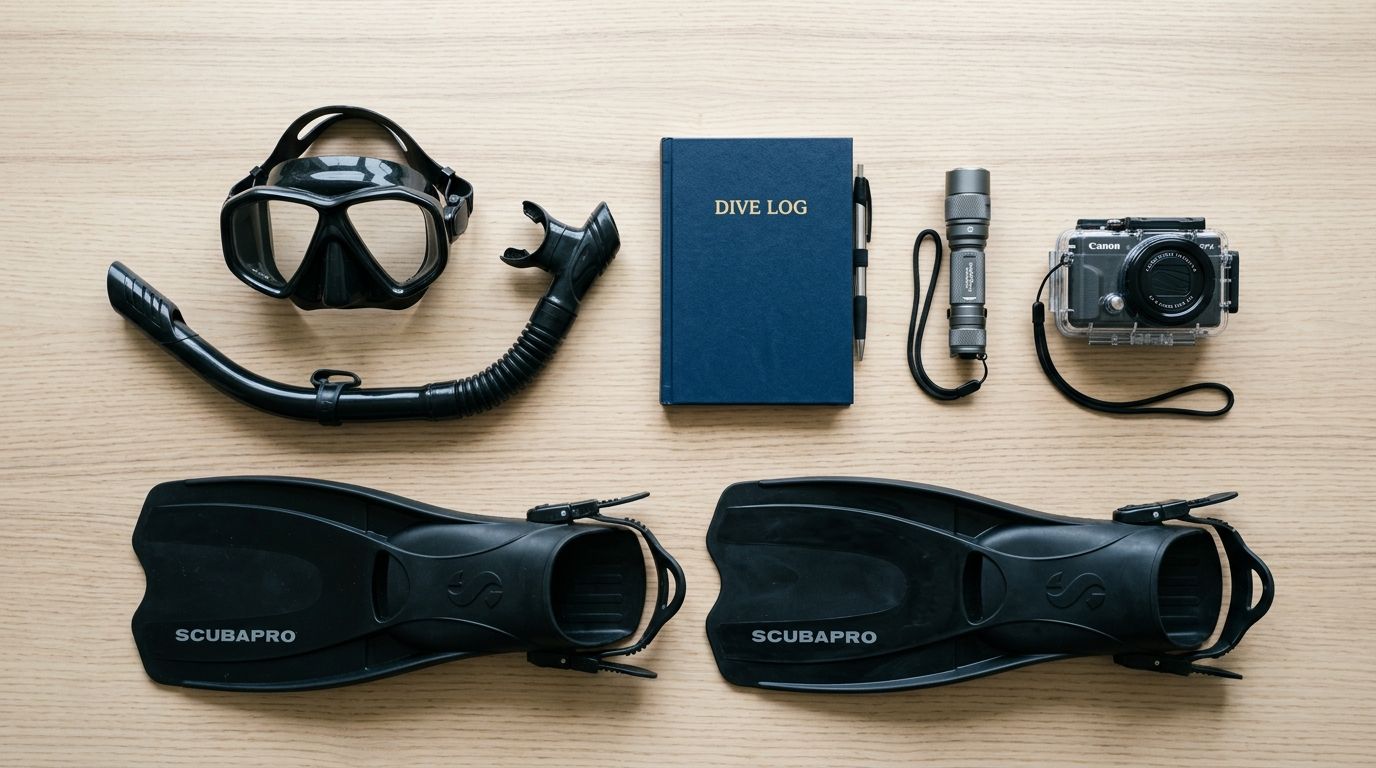
First-time divers usually bring too much and miss the small items that make a night dive feel calm. For a manta trip, the smart baseline is simple: a mask that seals well, exposure protection matched to the cooler nighttime water, and a camera setup that stays out of the way of the animals and the people around you. A hooded vest can also make back-to-back dives feel easier, especially if you plan to spend more than one dive in the water.
What to bring and what to leave alone
Keep the packing list tight.
- Mask and fit: Bring your own mask if it fits your face well and you trust the seal.
- Wetsuit needs: Light thermal protection is usually enough in cooler night water.
- Surface safety: A surface marker can be a smart addition if your operator recommends it.
- Sun protection: Put on reef-safe sunscreen earlier in the day, not right before entry.
- Camera gear: Choose gear you can manage with one hand in the dark.
Free Nitrox is worth using if you are certified and doing a second dive. It can make the later dive feel easier because you are breathing a gas mix that some divers use to reduce fatigue on repetitive dives, and Kona Honu Divers explains the practical side of that on its Nitrox diving benefits page. If you are not Nitrox certified, air still works fine for a single shallow night dive.
Shooting mantas without making the night worse
Low-light photography rewards restraint. A red focus light helps if you have one, a controlled white beam keeps the water clear for everyone, and manual white balance can improve color when your camera allows it. In this setting, higher ISO usually makes more sense than forcing a bright flash.
Do not strobe a manta in the face. That can interfere with the animal's feeding rhythm and distract other divers who are trying to watch the same pass. If you want a cleaner image, let the manta come through the light, keep the frame simple, and use the motion in the scene instead of trying to overpower it with your camera.
Booking Tips, Pricing, and Packages Worth Knowing
Book the trip that matches the night you want. If your goal is a full evening on the water, a shared two-tank manta trip usually fits well. If you are bringing a non-diving partner, a snorkel-only option makes more sense. If your group wants more control over pace and spacing, a private charter gives you that room.
How to think about the main package styles
A two-tank trip gives you the full shape of the evening, and it usually includes a reef dive before the manta portion. That setup works well if you want more time underwater and more value from one boat run. A private charter gives up the shared-boat atmosphere, but it gives you flexibility in return, which matters if you are traveling with mixed experience levels or just want a quieter deck.
Certified nitrox divers should look for free Nitrox upgrades where they are included. On a night like this, that is a practical benefit, not a marketing flourish. It can make the second dive feel easier. If you are not certified, there is no reason to force it. The shallow profile already keeps the dive manageable.
Booking around your goals
Some guests care most about crowding and photos, so the cove-focused option fits that priority better. Others care more about convenience and may prefer the shorter-ride southern site. If you are trying to combine diving with other Hawaii plans, decide whether the manta night should stand alone or pair with a later, more advanced experience such as blackwater diving.
Kona Honu Divers offers a manta dive, a wider set of diving tours, and trip structures that work for both new and experienced guests, which makes planning easier if you want to compare options from one operator. For the booking itself, start with the Kona Honu Divers main site and choose the format that matches your certification, your comfort with night water, and how much you care about a cleaner viewing setup.
Why Kona Honu Divers and Garden Eel Cove Are the Smart Choice
A good manta night in Kona starts with the right site, not just the right boat. If you want clearer views, less crowding around the light board, and better conditions for photography, Garden Eel Cove usually gives you the cleaner setup than Manta Village. The difference is simple. One site tends to feel more organized and spacious, while the other can feel busier when several groups are in the water at once.
Kona Honu Divers fits that style of dive well because its manta trips are organized around a controlled evening in the water, with briefing and support that help first-time visitors settle into the rhythm of the dive. Their broader schedule also gives experienced guests a way to pair the manta night with other Kona dive options or a more advanced outing, including the advanced dive tour page. If you want to keep the planning straightforward, use the Kona Honu Divers main site to choose the manta format that matches your comfort level and how much structure you want on the boat.
The practical choice comes down to what you want the night to feel like. Garden Eel Cove gives many divers a better chance at open viewing lanes, cleaner camera angles, and a calmer setup around the lights. Manta Village can still produce a strong encounter, but if you are comparing the two head-to-head, the cove is usually the smarter default for visitors who care about space and photos.
That is why the pairing of Kona Honu Divers and Garden Eel Cove makes sense for a lot of travelers. You get a site that supports the encounter instead of crowding it, and an operator that keeps the evening organized from check-in to the end of the dive. For a first manta night, that combination removes a lot of guesswork.
The bigger lesson is straightforward. A memorable manta dive is not only about seeing rays, it is about giving yourself enough room to watch them well. Kona offers that, and the cove-focused approach is often the cleaner way to get it.
A CTA for Kona Honu Divers.