
You're probably staring at a few browser tabs right now, trying to figure out whether Kona Diving Company is the right fit, whether there's a better operator for scuba, and what matters beyond star ratings. That's a smart place to pause. In Kona, the difference between a decent dive trip and a memorable one often comes down to small operational details: site choice, diver screening, briefing quality, and whether the crew is built for beginner reef dives, advanced pelagic dives, or both.
As a longtime dive educator, I tell students to think of a Kona operator the same way they'd think about a buddy. You don't just want someone friendly. You want someone predictable, skilled, and suited to the dive you're planning. That matters even more when you're comparing a snorkel-forward company like Kona Diving Company with an operator known for advanced scuba experiences, structured safety culture, and specialty dives.
Getting Started with Kona Honu Divers
You arrive at the harbor before sunrise. Tanks are being staged, cameras are getting one last check, and the ocean still looks undecided. For a new diver, that moment can feel like the first five minutes of a class practical. You are not judging the water yet. You are judging the system.
A strong Kona operator shows its standards early. The crew sets expectations clearly, screens divers for the dive they booked, and explains the plan in a way that lowers stress without watering down the details. That matters even more if you are sorting through operators with different strengths, especially if your trip may include advanced scuba rather than a snorkel-first outing.
Kona Diving Company often enters that discussion because travelers notice its family-run identity and strong public reputation. A more useful question is narrower. Which operator is built around structured scuba procedures, higher-consequence specialty dives, and repeatable safety benchmarks instead of broad vacation appeal? One published review of the local options points readers toward Kona Honu Divers for experienced divers who want advanced offerings and stronger safety emphasis for dives such as blackwater trips (comparison details).
You can usually spot that teaching culture before the boat leaves the harbor. The Kona Honu Divers team page lays out staff roles and instructor experience in a way that helps divers understand who is leading, who is supporting, and how the operation is organized. That works like a well-run predive briefing. Everyone knows the plan, the hand signals, and what happens if conditions change.
For students, I explain it this way. A good dive day is built in layers, like setting up gear from the cylinder valve forward. First comes fit. Then communication. Then site selection. Then execution. Operators that excel at manta and blackwater diving usually follow that same order because those dives reward calm procedures, precise supervision, and clear diver readiness checks.
That is the right starting point with Kona Honu Divers. You are not only booking a seat on a boat. You are choosing an operation whose reputation is tied to how consistently it runs the details that keep memorable dives both exciting and controlled.
Discover Signature Dives at Kona Honu Divers
A diver can finish two Kona trips with the same total bottom time and come home with completely different memories. The difference usually comes from dive design. Kona Honu Divers is best known for signature dives where the procedure matters as much as the marine life, especially on manta and blackwater charters.
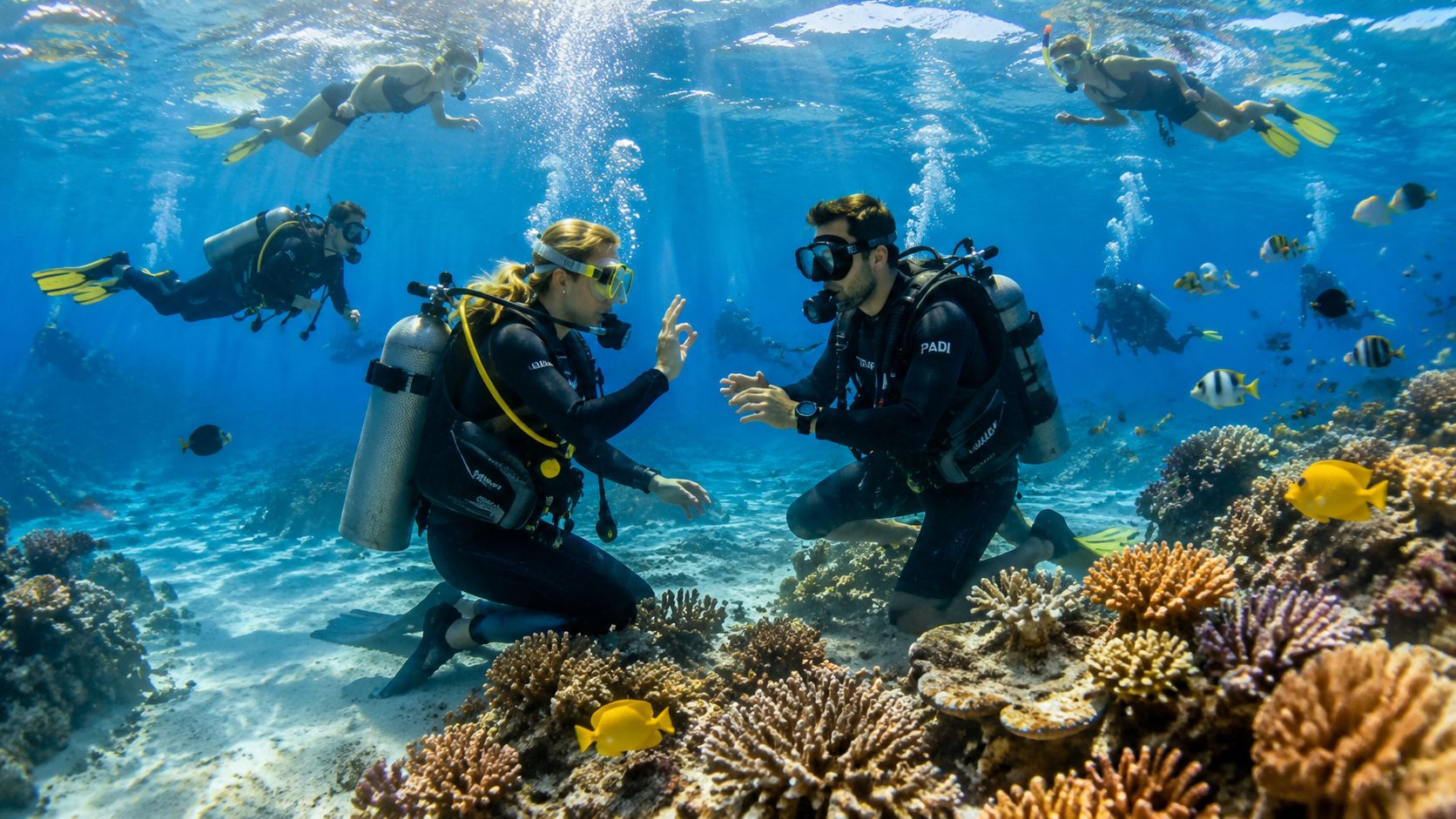
The manta night dive
The manta dive is the easier signature experience to understand first because the pattern is clear. Divers descend, settle into position, keep lights aimed correctly, and avoid swimming around the viewing area. That setup works like a campfire ring. Once everyone stays in place, the action comes to the center instead of scattering in every direction.
At Garden Eel Cove, the protected location near Keahole Point gives calmer summer conditions and a better viewing area than alternatives such as Manta Village, along with stronger reef topography for the experience (site overview). One operator protocol states that the manta dive uses a 45-minute underwater exposure duration at 30–40 feet to maximize encounter rates near Garden Eel Cove (dive protocol). Their published encounter rate is 80%, and when mantas don't appear, the backup is an alternative night reef dive rather than a flat cancellation (trip details).
That kind of consistency matters. Mantas respond best when the group behaves predictably, and divers usually enjoy the encounter more when they are not chasing animals through the dark. If you want a clearer picture of how the experience feels underwater, this guide to manta ray night diving in Hawaii walks through the flow of the dive.
Practical rule: A strong manta briefing should sound methodical on the boat. Clear spacing, fixed positions, and simple light use usually produce better viewing than a loose plan.
The blackwater night dive
Blackwater asks for a different mindset. Reef dives give you reference points. Blackwater removes them. No bottom. No wall. No coral head to check your position against.
That is why screening and protocol matter so much here.
On Kona's blackwater dives, divers are suspended in the open ocean on a controlled line system and watch deep-water animals rise toward the surface at night. It feels less like touring a reef and more like hovering beside a research station in midwater. Your buoyancy, breathing pace, and comfort in darkness all matter more because your brain has fewer visual cues to work with.
The blackwater night dive page is the best place to review the experience before booking, especially if you want to understand who it suits and why diver readiness standards are higher than on a standard reef charter.
For experienced divers, that is the primary signature difference at Kona Honu Divers. These trips are memorable because the wildlife is unusual, but they are also memorable because the operator builds the encounter around repeatable procedures, controlled diver placement, and clear safety benchmarks.
Explore Tours and Courses at Kona Honu Divers
A good dive plan starts the same way a good pre-dive check starts. You match the dive to the diver. That matters more than picking the flashiest marine life or the most unusual boat schedule, because the right course or tour should fit your current skills, your comfort level, and the kind of task loading you can handle without stress.
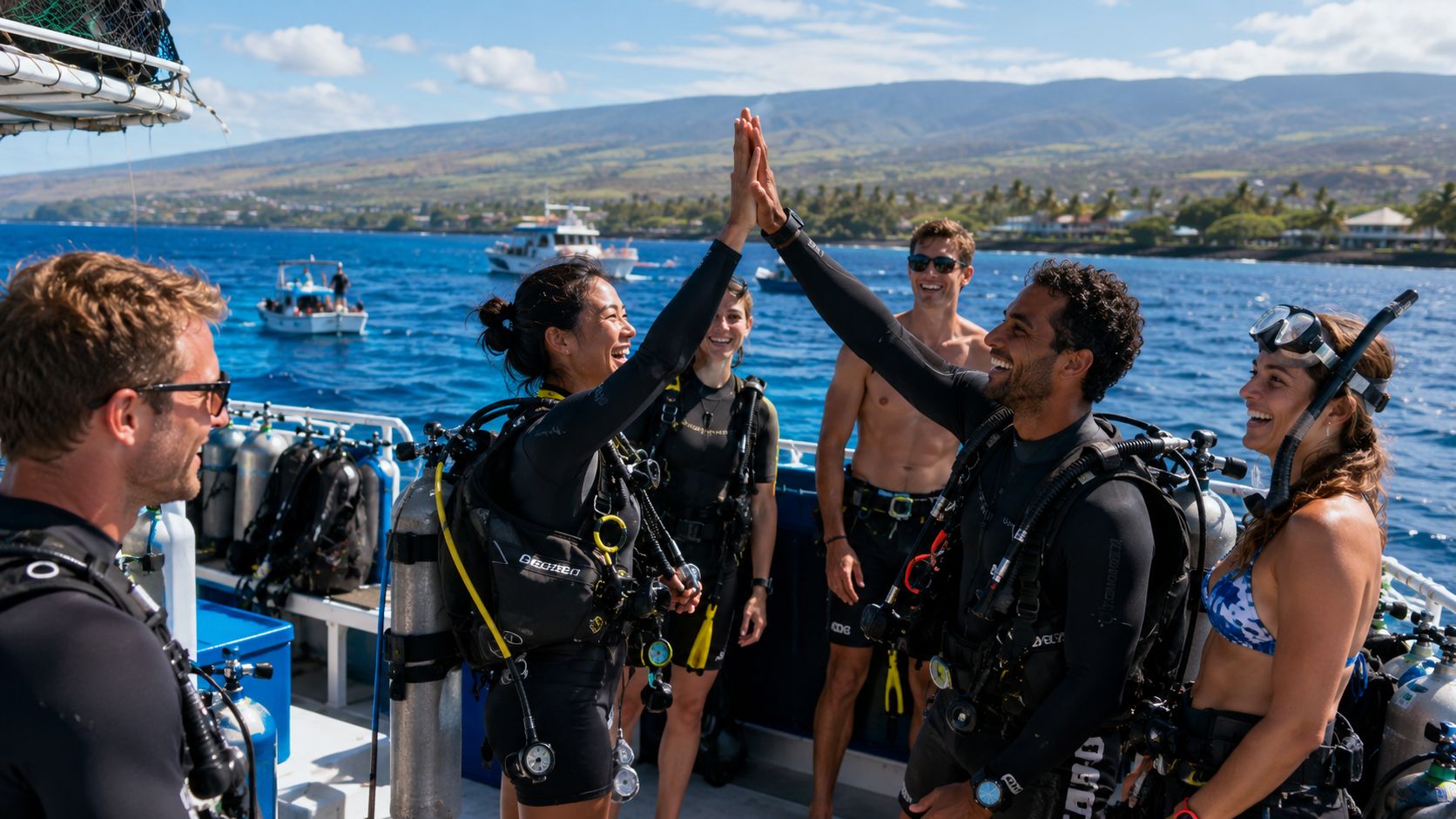
If you're new to scuba
New divers usually do better when the first goal is control, not adventure. Breathing calmly, equalizing early, clearing a mask, and holding position in the water are the foundation. If those pieces feel shaky, adding darkness, surge, or open-ocean reference loss can turn a fun day into a tiring one.
The best starting point is a course path that builds one layer at a time. Kona Honu's scuba certification classes and training options let beginners sort out whether they need a first exposure program, an entry-level certification, or a refresher before booking more demanding dives.
A practical progression often looks like this:
Begin with supervised skills work
Use the first session to settle your breathing, equalizing, and buoyancy.Move into easier boat dives
Familiar conditions help those early skills become automatic instead of rushed.Add specialty or night diving later
Low light and unfamiliar conditions are much easier once trim and gas control feel routine.
If you're already certified
Certified divers usually sort options by workload. Some trips are straightforward reef dives with familiar visual references and a lighter mental load. Others ask you to manage more at once, such as navigation, light discipline, current awareness, or comfort in a water column with very few reference points.
That difference is why many travelers who contrast Kona Diving Company against scuba-focused operators realize they are not evaluating the same product type.
A simple way to choose:
| Diver type | Better fit |
|---|---|
| Recently certified | Mainstream reef charters and refresher-friendly trips |
| Comfortable, moderate experience | Two-tank day charters and night reef dives |
| Advanced and curious | Specialty dives and longer-range advanced outings |
One of the stronger advanced options is the premium advanced long-range dive trip. It suits divers who already have solid buoyancy, decent air consumption, and enough situational awareness to enjoy a more demanding profile instead of just getting through it.
Blackwater draws divers who are comfortable holding position in open water and following tight procedure. The focus is the water column itself, not reef scenery.
Why the tour list matters
Course selection tells you how to learn. Tour selection tells you where your current skill set fits best.
At Kona Honu Divers, that distinction matters because the menu includes both approachable charters and highly specific experiences, especially on the advanced side. The standout difference is not just unusual wildlife. It is the way these dives are built around repeatable protocols, controlled diver placement, and clear readiness standards. That data-driven approach is easy to miss if you only shop by destination photos.
For trip planning, treat the tour list like a dive briefing board. Start with your certification. Add recent experience, comfort in night conditions, and how well you handle buoyancy when visual references drop away. Then choose the dive that matches that profile. Divers who do that usually end up with better in-water performance and a much better memory of the trip.
Compare Packages and Discounts at Kona Honu Divers
A lot of divers shop by sticker price. In practice, value is usually about fit. A cheaper trip that doesn't match your certification, your goals, or your comfort in the water can cost you a dive day you can't get back.
What experienced divers usually look for
Most package decisions come down to a few practical questions:
- Dive volume: Are you trying to add more in-water time over several days?
- Gas choice: If you're nitrox certified, does the operator include nitrox or charge separately?
- Trip type: Are you booking standard reef days, night dives, or advanced excursions?
- Group structure: Are you coordinating with family, mixed certifications, or a private group?
The package page at Hawaii scuba diving packages is useful because it frames these choices around trip style rather than forcing you to compare disconnected bookings one by one.
How to think about discounts without guesswork
Early booking incentives can matter, but only if your itinerary is already stable. The same goes for bundled dives. A multi-day package is smart when you know you'll dive those days and not lose one to fatigue, weather nerves, or sightseeing priorities.
For nitrox divers, included fills can be meaningful because they remove one recurring decision from the planning process. For groups, package logic often matters even more than discount language. If one diver wants advanced outings while the rest want easier reef dives, the “best deal” is the one that keeps everyone on realistic schedules.
Book around your energy level, not your optimism. Kona rewards divers who leave margin in the schedule.
Understand Safety Standards and Gear
When divers tell me they want a “safe operator,” I ask what they mean. They often mean they want to feel taken care of. That's part of it, but safety on a dive boat is more mechanical than emotional. It comes from repeatable checks, clear prerequisites, and crews who don't blur the line between a diver who is certified and a diver who is ready.
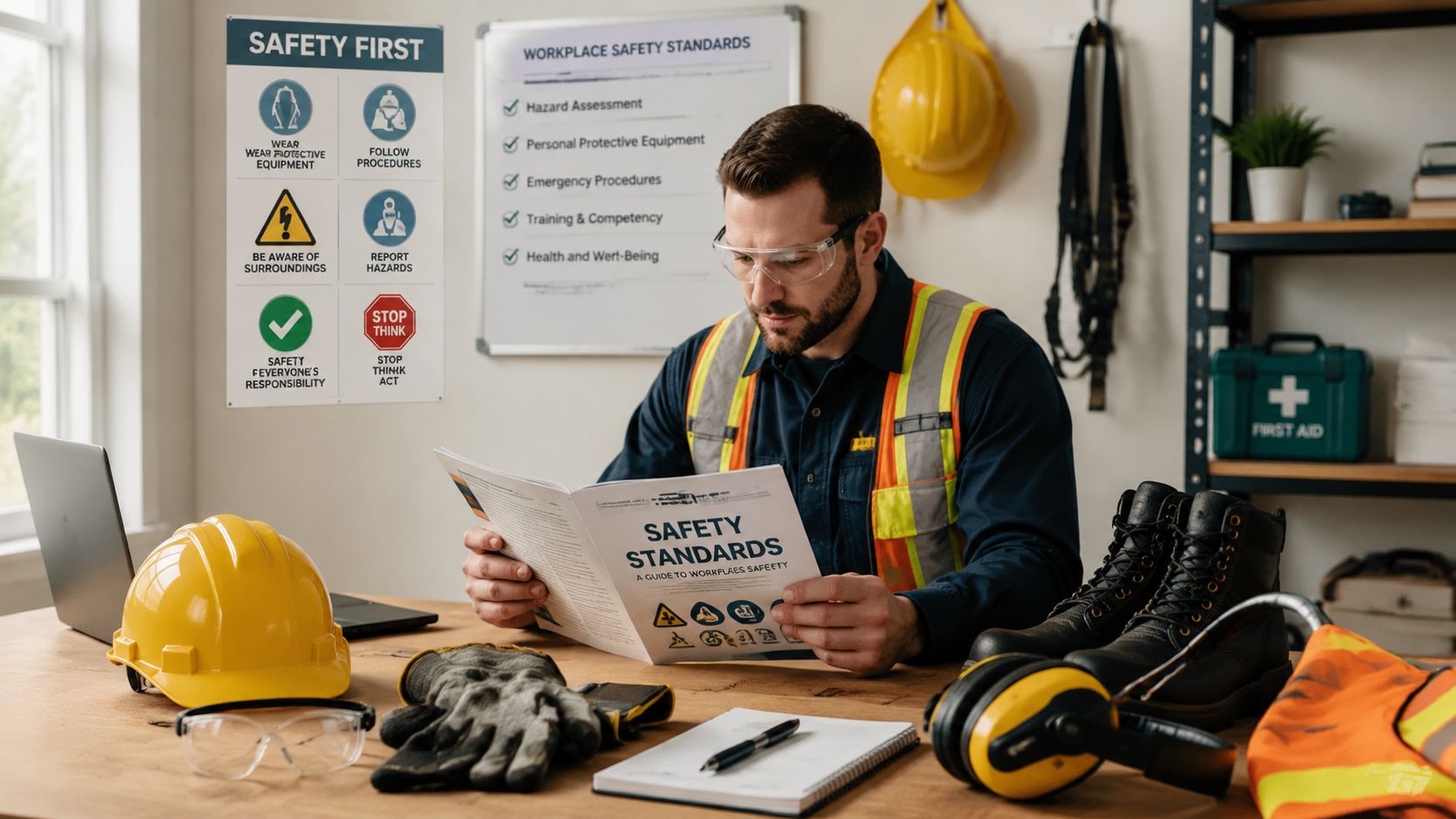
The gear checklist mindset
Think of dive prep like a pilot's walk-around. You don't check gear because you expect failure. You check it because small misses become big problems underwater.
A solid routine includes:
- Mask and fin check to confirm fit before the boat leaves.
- Regulator and alternate air test before gearing up.
- BCD inflation check so buoyancy control isn't a surprise in the water.
- Computer and gas planning review with your buddy.
- Exposure check so you aren't distracted by being cold.
That sounds basic, but basics are what keep dives calm.
Why standards matter more on advanced trips
The difference between ordinary charter diving and specialty diving becomes sharp. In a high-reference reef environment, a diver can often self-correct quickly. In low-reference or night conditions, confusion compounds faster. That's why stronger operators screen harder for advanced dives and brief more thoroughly.
Environmental discipline matters too. Good buoyancy protects reefs, but it also protects divers from task overload. A diver who can hold position cleanly uses less gas, stirs up less sediment, and has more awareness for buddy contact and situational changes.
Plan Your Booking and Logistics
Logistics are where many otherwise good dive vacations get messy. People focus on the highlight dive and forget the practical stuff: where to meet, what time to arrive, whether they need rental gear, and how much buffer to leave before and after the charter.
Before you reserve
Start with the contact page and verify the current details you care about most. That matters because at least one published discrepancy exists around Kona Diving Company's shop hours, with one source showing 10am–3pm daily while a PADI listing reportedly shows 10am–3am, and the operator's current public information doesn't fully resolve that mismatch for travelers planning logistics (contact information reference). If you're comparing operators, that kind of transparency gap is worth noticing.
Here's the booking sequence I recommend to students:
Choose the dive type first
Standard reef, manta, blackwater, course work, or advanced long-range.Match it to your certification and comfort
Don't reverse this step. Wanting a dive doesn't make you ready for it.Decide on rental needs early
Full gear, partial gear, computer, wetsuit, lights, or camera handling.Check transportation and harbor timing
Kona traffic and resort transfer timing can feel easy until you're late.
What to bring on the day
Keep your kit simple and deliberate:
- Certification card and ID for check-in.
- Swimsuit and towel so you're not changing in a rush.
- Reef-safe sun protection for topside exposure.
- Dry layer for the ride back because even warm climates feel cool after diving.
- Personal meds and hydration if you know you need them.
Build in breathing room
If you're renting gear or setting up camera equipment, don't plan to arrive at the last possible minute. Underwater photographers especially need more time than they think. O-rings, batteries, housing checks, and strobe setup all eat minutes fast.
Tips for Novice and Experienced Divers
The best dive advice changes with experience. A new diver usually needs less information and better pacing. An experienced diver often needs fewer reminders, but more discipline about not skipping them.
For novice divers
If you're nervous, slow your breathing before you ever hit the water. Long exhalations help more than trying to “take bigger breaths.” New divers often do better when they treat the first few minutes of descent like easing into a dark movie theater. Let your eyes, ears, and body adjust.
A few simple habits help a lot:
- Pause on the surface: Confirm your regulator, mask seal, and buddy before descent.
- Equalize early: Don't wait for pressure to build.
- Move less: Efficient motion saves gas and reduces stress.
- Ask for clarification: A short question on the boat beats confusion underwater.
For experienced divers
Experienced divers can improve a Kona trip by refining task loading. If you're shooting photos, simplify the rest of your setup. If there's current, stabilize first and work the camera second. If you're diving at night, make light discipline part of your buddy routine, not an afterthought.
For comfort on boat days, some divers like to prepare for seasickness before it becomes a problem. Common options include Ship-EEZ Seasickness Patch, Dramamine pills, Bonine pills, Sea Band wristbands, and ginger chews. Pick one that matches your own tolerance and travel habits.
If you know you get motion sick, treat the boat ride like part of the dive, not a separate event.
FAQs and Next Steps with Kona Honu Divers
Travelers usually ask the same smart questions near the end of the decision process. Here are the ones that matter most.
Common questions
How long should I wait before flying or going to altitude after diving?
Use conservative planning. Many divers follow a full-day surface interval before flying or heading to high elevation. Don't schedule a last dive that puts pressure on your departure day.
Is Kona Diving Company the same kind of operator as a scuba-focused charter?
Not always. This is one of the biggest sources of confusion. Some companies are stronger for snorkel experiences, while others are built around training, advanced scuba, and specialty diving.
Can a newly certified diver book every famous Kona dive?
No. Certification card in hand doesn't automatically mean readiness for every site or night format. Blackwater and other advanced dives demand more comfort and situational control.
Should I bring my own camera rig?
Bring it only if you can manage it without harming your buoyancy or losing awareness. A compact setup is usually smarter than a complicated one on a first Kona trip.
What if I'm traveling with mixed experience levels?
Split expectations early. One person may want an easy reef dive while another wants a more technical-feeling outing. The best itinerary often uses different days for different goals.
If your schedule is firm and your dive goals are clear, book sooner rather than later. Specialty dives and popular night trips tend to be the least forgiving when you wait.
If you want a Kona operator that goes beyond generic reef charters and is known for advanced experiences like manta night dives and blackwater diving, take a closer look at Kona Honu Divers. Their trip lineup, training options, and detail-heavy approach make them a strong next step for divers who want to match the right experience to the right skill level.