
You're standing on the boat after sunset, mask in hand, listening to the water lap against the hull while a guide explains where to sit and when to hold still. For a lot of travelers, that's the moment Kona becomes more than a destination, it becomes a choice between very different kinds of dives, from calm manta encounters to deeper advanced trips and even offshore blackwater nights. The trick is not just finding something to do, it's matching the excursion to your comfort level, certification, and the kind of ocean story you want.
Why Kona Is a World-Class Diving Destination
The first thing many divers notice in Kona is how the water changes the whole pace of the night. You're floating under lights, and instead of looking for wildlife from far away, you're watching reef mantas glide straight through the beam, feeding in a place they return to again and again. That repeat use isn't an accident, NOAA-hosted research recorded 25,444 manta observations involving 118 individual reef manta rays across Kailua-Kona sites over six years, which is why Kona feels more like a predictable aggregation area than a lucky sighting spot (NOAA study).
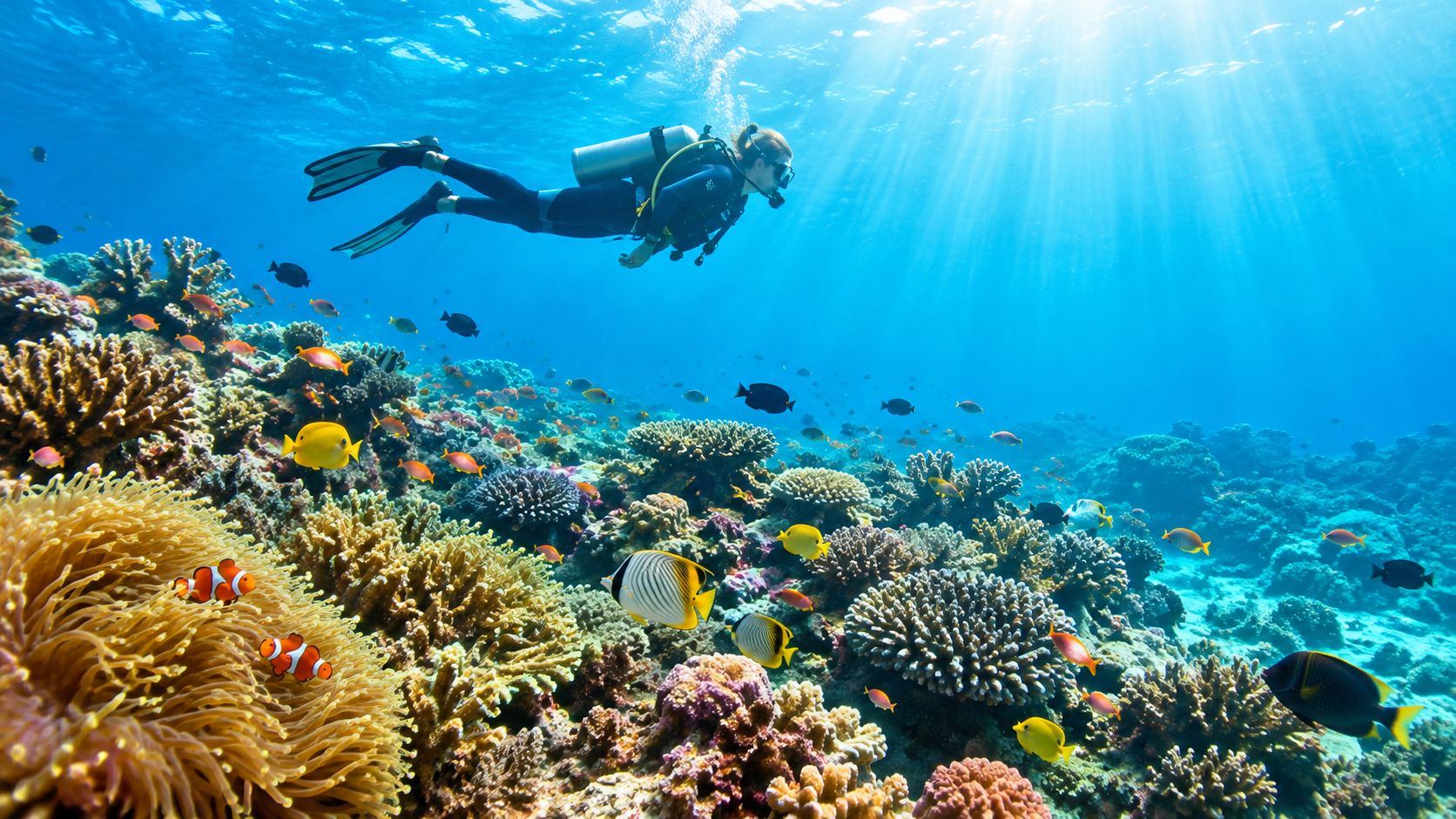
The setting matters just as much as the wildlife. Kona sits on the leeward side of the Big Island, so its coastal conditions support a wide range of reef, night, and advanced dives, and the volcanic terrain gives the underwater world real structure instead of just flat sand. Lava tubes, arches, and pinnacles create routes that feel different from one site to the next, which is why two divers on the same trip can come back talking about completely different moments.
For travelers, that variety solves a common problem. One person wants an easy, memorable first dive, another wants something technical, and a third wants to snorkel without missing the action. Kona works because the ocean here can support all three on the same vacation, as long as each person picks the right tour.
You can see that diversity mapped out in more detail in this overview of what makes diving in Kona unique.
Signature Dive Tours and Who They Are For
Kona's signature trips aren't interchangeable, and treating them that way is where people get disappointed. A manta night dive, a blackwater excursion, and a deeper advanced charter all use the ocean after dark, but they ask very different things from the diver. The right choice depends on whether you want calm visibility, unusual biology, or more demanding terrain.
Manta, blackwater, and advanced dives
The Manta Ray Night Dive is the easiest place to start for many travelers because the appeal is simple and the experience is controlled. Garden Eel Cove, also known as Manta Heaven, is a protected boat-access site with a sandy bottom of about 30–45 feet (9–14 meters), and the nighttime setup is designed around stationary lighting and a defined viewing zone (site description). Mantas feed on plankton attracted to those lights, so the action happens overhead while divers stay put.
The Blackwater Dive is the opposite kind of wow. Instead of a reef or cove, you're offshore in open water, watching pelagic life rise through the upper water column at night. This is the right choice for people who like unusual, photographic, sometimes surreal encounters, not for anyone who wants a relaxed reef-style swim. The Big Island's steep drop-off allows boats to reach deep water quickly, which is what makes this style of dive practical here.
The Premium Advanced 2-Tank Trip is for divers who already know they like a little challenge. Volcanic terrain in Kona means lava tubes, swim-throughs, and pinnacles can show up inside otherwise straightforward outings, and those features demand better buoyancy and route awareness. If you're still thinking hard about your ears, your trim, or your air consumption, that trip may be more pressure than pleasure.
| Tour Type | Depth | Best For |
|---|---|---|
| Manta Ray Night Dive | Shallow, commonly around the viewing zone at Garden Eel Cove | Beginners, mixed-ability groups, photographers, snorkelers and divers who want a calm, iconic wildlife experience |
| Blackwater Dive | Offshore open-ocean water column | Experienced divers, macro photographers, travelers who want something unusual and biologically focused |
| Premium Advanced 2-Tank Trip | Varies by site, often more demanding terrain | Certified divers who want lava formations, stronger current awareness, and a more technical profile |
One useful way to think about these tours is not “which one is coolest,” but “which one fits my day.” A tired diver after a long flight may enjoy the manta dive far more than a demanding advanced charter. A confident photographer may prefer blackwater over a crowded reef. If you want a broader sense of manta-specific options, Kona Honu Divers' manta dive page lays out the format clearly.
Getting Certified and Building Your Skills
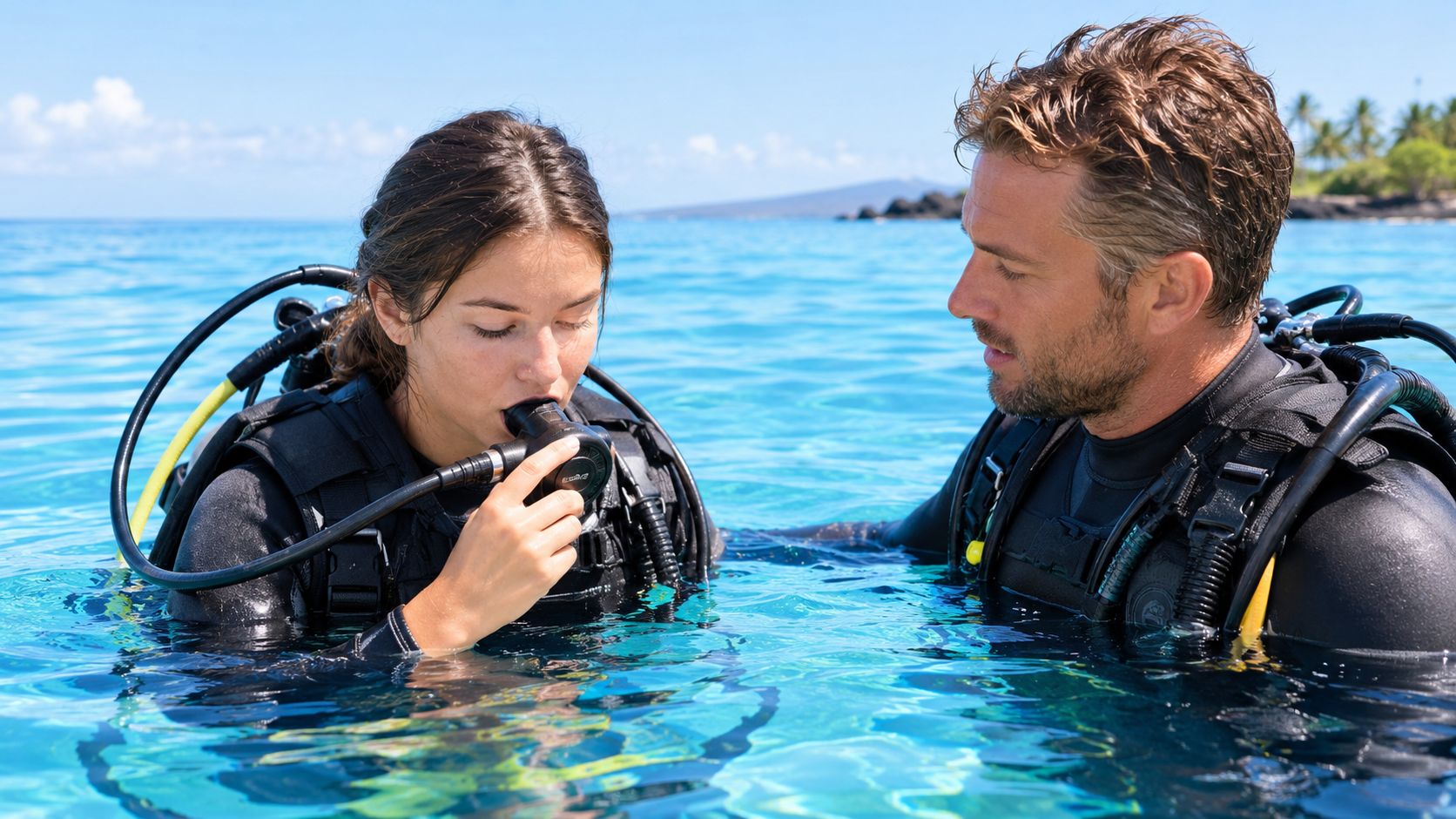
If you've never had a regulator in your mouth, Kona is still a realistic place to start. The learning curve is manageable because the environment supports instruction, and the bigger challenge is usually mental, not technical. Most new divers do better when they understand the sequence before they ever step on the boat.
A simple path from beginner to certified diver
Start with a Discover Scuba or resort-style introduction if you want to test the water first. That gives you supervised ocean time without committing to a full multi-day course, which is useful if you're traveling with family or don't yet know whether diving is your thing. If you enjoy that first experience, move into a full open water class.
Next comes the classroom or e-learning portion. It's where you learn the rules that make everything else feel calm underwater: equalization, buoyancy, and how pressure changes affect your body and your gear. People often skip over this mentally, then wonder why the practical dives feel rushed. The theory is what makes the water time usable.
After that comes confined water practice, then open water dives. The confidence boost comes from repetition, not from being told to relax. A student who has already practiced mask clearing and regulator recovery is far less likely to panic when a small problem happens in the ocean.
Practical rule: if you're rusty, don't treat that as a personality flaw. Treat it as a reason to book a refresher before you add more ambitious sites to the plan.
The final step is choosing dives that fit your current ability, not your ideal self. That matters because Kona offers everything from beginner-friendly reef sessions to stricter advanced outings, and the gap between those trips is real. If you want the course options in one place, Kona Honu Divers' certification page is a useful starting point.
Fleet Amenities and Rental Equipment Quality
Comfort on a dive day starts long before you enter the water. Boats with room to move, gear that's already been maintained, and a place to rinse off afterward reduce the little frictions that turn an exciting trip into a tiring one. That's especially true on repeat days, when a small annoyance gets bigger every time you gear up.
What to compare before you book
A good dive boat should give you space to organize yourself without feeling crowded. Hot showers help after salt, sun, and repeated entries. Shaded seating matters more than people expect, because the surface interval is where fatigue and dehydration start to show.
Rental equipment deserves the same level of scrutiny. Regulators should breathe cleanly, BCDs should fit without wrestling, and dive computers should be simple enough that you're not second-guessing them underwater. Gear that's recently serviced gives you confidence you can't really fake.
Free Nitrox is another meaningful value point for certified divers who can use it. It doesn't make a trip magical by itself, but it can make repetitive diving more comfortable from a planning standpoint. That's one reason some travelers compare overall package quality instead of just looking at the ticket price.
Kona Honu Divers is one operator that combines several of those practical features in one fleet and gear setup, but the deeper lesson is broader, compare support systems, not slogans. Two boats can leave the same harbor and still feel very different once everyone is loaded. The better experience is usually the one where the operator has already solved the mundane parts well.
You remember the dive site. You also remember whether the boat made the day easy or exhausting.
For travelers who care about what happens between dives as much as underwater, that difference is worth paying attention to.
Best Seasons and Top Dive Sites to Explore
Kona is diveable year-round, but the coast does not feel identical in every month. Seasonal conditions shape the kind of trip you'll enjoy, and the safest way to think about that is to match expectations to the time of year. You're not just choosing a date, you're choosing a style of water.
Season changes without overpromising the sea
NOAA notes that the April and July window showed higher manta use for many individuals, while January was the low point in the long-term observation set (NOAA study). That doesn't mean January is bad for divers, it means manta activity has a seasonal rhythm, and good operators plan around that rhythm instead of pretending it doesn't exist. For general diving, Kona's leeward side still stays much more usable than many other coastlines in rough weather.
Site choice matters just as much as the calendar. Garden Eel Cove, also called Manta Heaven, stands out because it combines a protected position with a clear sandy viewing zone, which is exactly why it works so well for structured manta trips. Other sites, like those used for reef and advanced outings, can be more dramatic but less forgiving.
Matching the site to your goal
If your goal is ease, pick a site that reduces variables. A protected cove, calmer water, and a clear viewing zone are what first-time manta guests tend to appreciate most. If your goal is adventure, a lava formation site can feel more dynamic, but you should expect more buoyancy control and more attention to your surroundings.
The broader lesson is that a good Kona itinerary should not try to cram every style of diving into one day. A relaxed reef and manta pairing makes sense for mixed groups. A more technical plan makes sense for certified divers who want challenge. Trying to force both into one outing usually leaves someone underwhelmed.
For a site-by-site look at where different Kona dives happen, this Big Island dive site guide helps connect the terrain to the type of trip.
Booking Tips, Safety Advice, and Local Logistics
Popular trips fill first, especially manta night dives, so the easiest mistake is waiting too long to book. Travelers often build the whole vacation around one signature outing, then discover their preferred date is gone. Booking early protects the plan, and it also gives you room to reschedule if weather changes.
What to check before you confirm
Read the cancellation policy before you pay. Weather can affect boat schedules, and a good plan includes what happens if the operator moves or cancels a trip. That matters even more if you've stacked other activities tightly around diving.
Be honest about your health and your recent dive history. If you haven't been in the water for a while, a refresher makes the rest of the day safer and calmer. If you're prone to seasickness, handle it before boarding rather than after symptoms start, because nausea can unravel an otherwise perfect trip fast.
A few simple habits make a real difference:
- Hydrate early: Start drinking water before the boat leaves, not after you already feel dry.
- Skip alcohol beforehand: Even a small amount can make motion and fatigue harder to manage.
- Equalize gently: If your ears feel tight, slow down and signal the guide instead of pushing through pain.
- Plan for the return: Keep dry clothes and a warm layer ready, especially after night dives.
Kona's logistics are fairly straightforward once you know the harbor and your pickup point. That's why it helps to choose an operator with clear harbor instructions and a familiar departure pattern. Kona Honu Divers' company page is a practical reference if you're comparing how a local operator organizes its outings.
For mixed groups, don't assume everyone needs the same trip. A certified diver may want the main boat charter while a snorkeler or beginner family member does better on a different outing or a calmer mixed-ability plan. That kind of split is often the difference between forcing a compromise and giving everyone a good day.
If you want help matching your certification level to the right Kona outing, Kona Honu Divers offers reef dives, manta night dives, blackwater trips, and certification courses from a single local base. Visit Kona Honu Divers to compare the options, check availability, and choose the dive that fits your group instead of squeezing everyone into the same experience.