
You are probably trying to answer one practical question, not plan a marine biology thesis. You want to know whether diving Big Island means a calm reef tour, a famous manta night dive, a shore entry you can handle, or a trip that is better left for another day. The island makes that decision easier because the options are varied enough to fit different comfort levels, trip lengths, and group needs.
That choice matters because the Big Island dive scene has real structure behind it. Kona has developed into a mature dive market with many operators, boats, and specialty trips, and that gives you room to choose the format first, then the site. A family can treat that like picking the right trail before choosing a viewpoint. A new diver may do better with a simple shore entry or an easy boat charter, while a more confident diver might plan around a night dive or another specialty outing. Kona Honu Divers overview
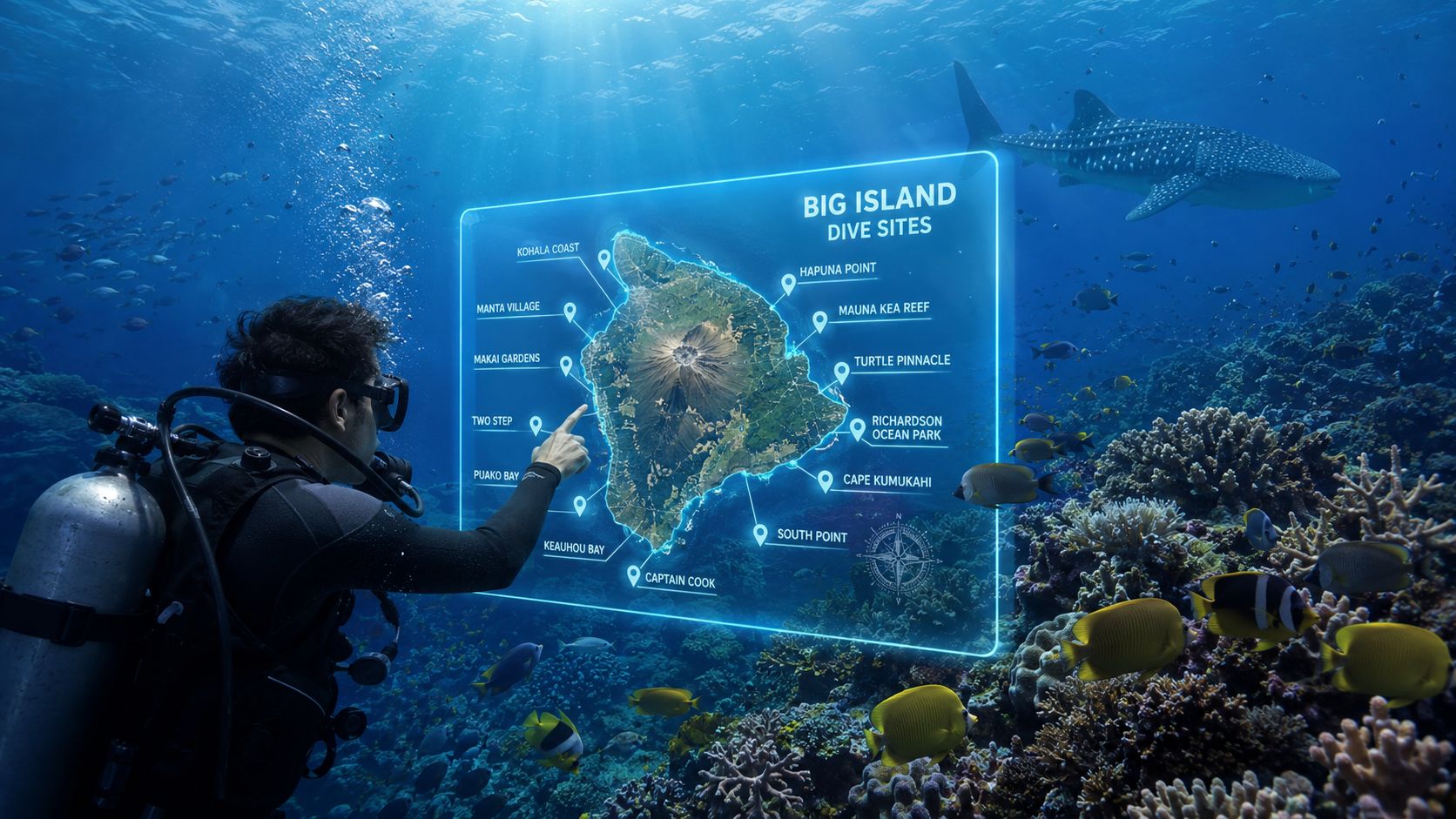
Planning Your Big Island Dive Adventure
A family arriving in Kona for the first time often starts with the same assumption, that all water activities here are basically the same. The choice feels simple until the options stack up. Shore diving, boat diving, manta night dives, snorkeling, and specialty night trips each ask for different levels of comfort, timing, and effort, and the Big Island's size means the right pick depends on where you are staying, who is in your group, and how much of the day you want to spend in transit or on the water.
Why the island rewards early decisions
Kona did not become a dive destination by accident. Local tourism history places the area's growth in the late 1960s, when adventure travel began to take hold and the island started building the dive infrastructure visitors rely on now. That history matters because it explains why Kona has enough shops, boats, and specialty charters to support very different trip styles.
If you are newly certified, the first question should not be, “What is the coolest dive?” It should be, “Which format fits my experience, my group, and my schedule?” A shore dive can look simple on a booking page but still feel demanding if the entry is rocky or the surf is up. A boat dive removes some of that hassle, but it adds check-in time, boarding time, and a set schedule. A signature night dive can be memorable, but it asks more of your buoyancy, comfort in low light, and confidence with the pace of the group.
Practical rule: Choose the dive format first, then choose the site. That order keeps you from booking a famous experience that does not fit your skill level.
A good example is the difference between a first-timer and a diver who already feels relaxed underwater. A beginner often does better with a guided program that starts with a clear briefing and shallow, controlled conditions, which is why a resource such as beginner scuba diving on the Big Island can be a better starting point than a headline-grabbing specialty trip. A more experienced diver may be ready for a night outing or a longer boat day, but even then the decision should still match the group's pace and the rest of the itinerary.
The other reason to plan early is that certification and refreshers take time. Some travelers can step directly into guided experiences, while others need an Open Water course or a quick confidence reset before they are ready to enjoy the water instead of thinking about what comes next. A good plan makes the trip feel relaxed from the start instead of turning the harbor into a classroom.
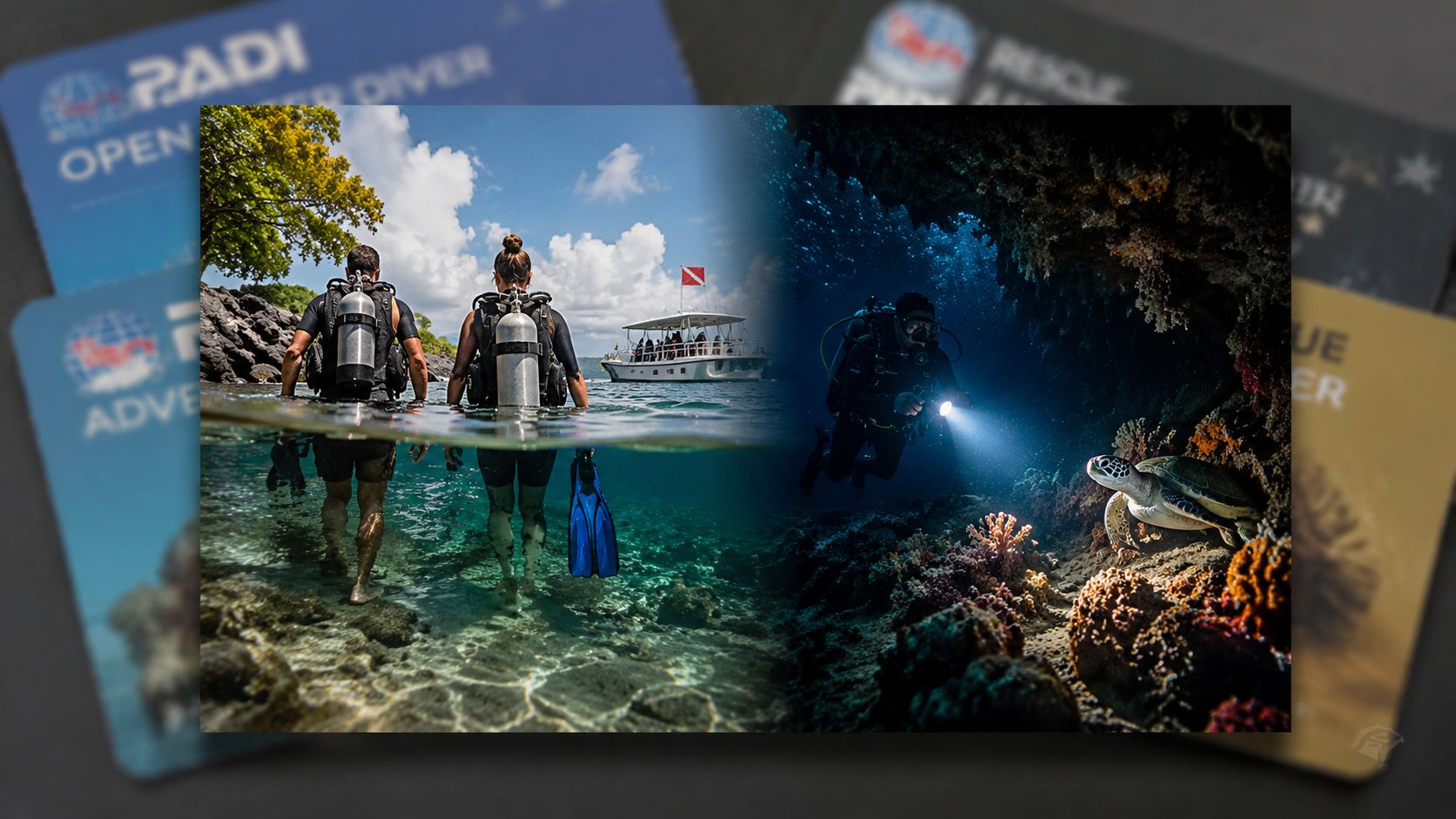
Understanding Dive Types and Skill Levels
Big Island diving offers distinct experiences, much like the difference between a casual hike and a guided night walk. The setting may be the same island, but the demands on your body, timing, and comfort level change from one format to another. That is why a dive that suits a confident diver may frustrate a snorkeler, and why a calm beginner reef can be a better choice than a signature specialty outing.
Shore dives, boat dives, and specialty nights
Shore dives on the Big Island can give experienced divers a lot of freedom, because they set the pace and control many parts of the entry. The tradeoff is that some sites use volcanic rock entries and longer surface swims, so an easy shore dive is not always as simple as the label suggests, as noted in the Love Big Island dive guide. Boat dives remove some of that friction by handling the entry point and giving operators more flexibility in choosing a site. That helps when the surf changes or when you want to spend your energy underwater instead of managing a rough entry.
Specialty night dives sit in a different category. The manta ray night dive is popular because it stays relatively shallow while still giving divers a dramatic wildlife encounter, while blackwater diving asks for much more experience and advanced certification, as described in the Love Big Island dive guide. The water may not be deep for the sake of depth, but the setting is less forgiving, which changes how you plan the trip, how you brief the dive, and how you think about your own comfort in the dark.
Snorkelers still have real wildlife options on the Big Island, even without a tank. The manta dive can work for both certified divers and snorkelers, so mixed groups can share the same outing and still take part safely, according to Holualoa Inn dive guide. That is one reason families and groups with different comfort levels often choose it, since it gives everyone a common experience without forcing everyone into the same underwater setup.
A simple decision framework
Before you book, use three questions.
- How much experience do I really have? If you are rusty, a refresher or guided beginner option makes more sense than a demanding entry or a dive with a faster pace.
- Who is in the group? A mixed group usually needs a format that works for both divers and snorkelers, or someone ends up waiting while the others dive.
- How much adventure do I want? A calm reef day and a blackwater night dive both belong on the Big Island, but they create very different kinds of memories.
If you are brand new to scuba, start with a guided beginner path like beginner scuba diving on the Big Island. Basics feel easier later when they are already familiar, just as a short practice route makes a longer hike feel less intimidating.
Some travelers assume the famous night dives should be the first choice. That is not true for everyone. A calmer reef or a supervised intro dive can give newer divers a better first impression and a safer trip, especially when the goal is to enjoy the water instead of spending the whole outing thinking about the next step.
Top Dive Sites and What Makes Them Special
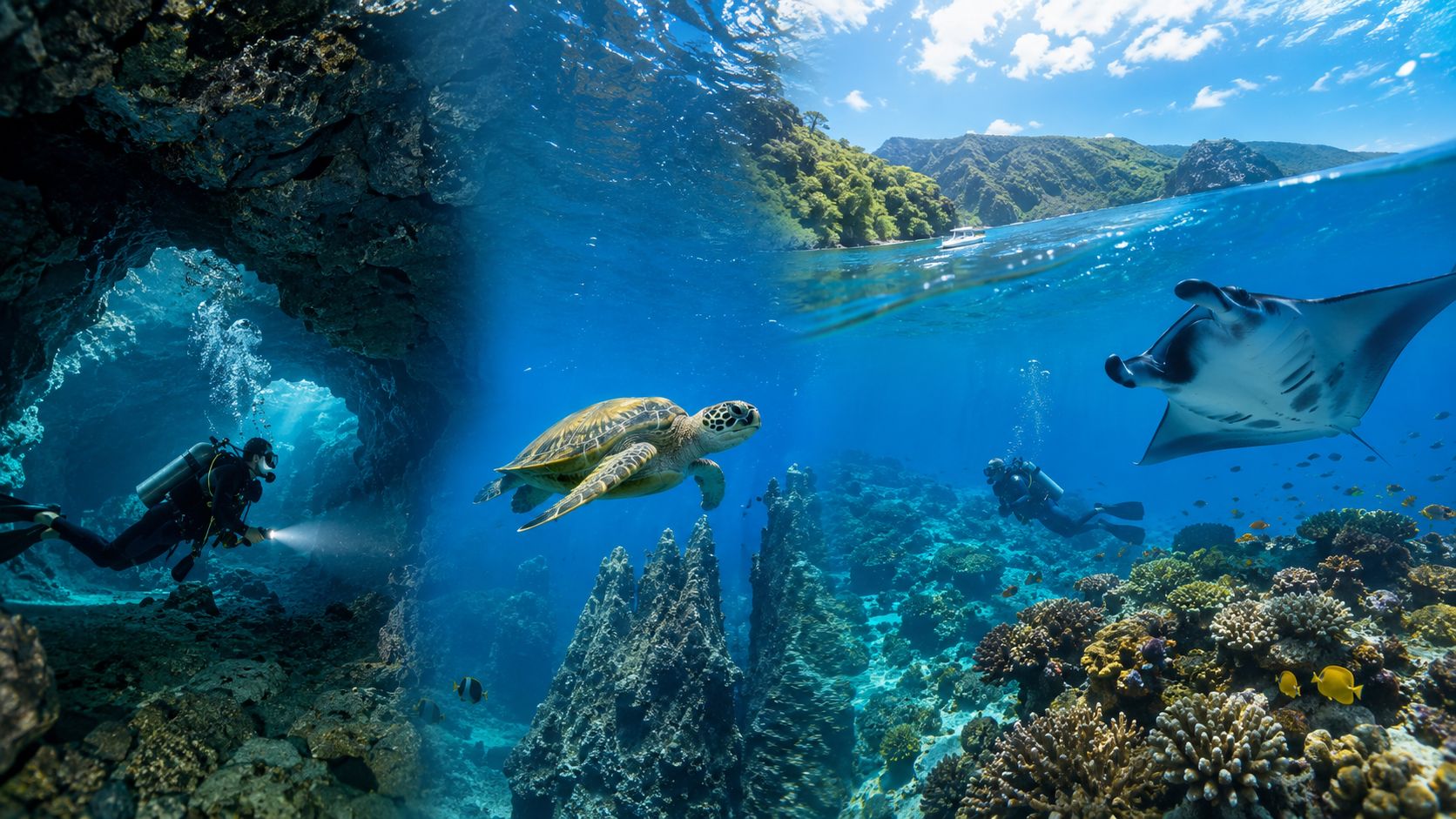
The Big Island's standout sites are not all special for the same reason. Some reward you with turtles and easy reef time, some stand out for clear water and history, and some are known for a single night encounter that feels unlike a daytime reef dive. The best choice depends on the people in your group, their comfort in the water, and how much structure or adventure you want from the outing.
The headline sites and who they fit
Turtle Pinnacles and similar reef areas work well for divers who want a relaxed underwater day with marine life and less pressure to keep up with a fast pace. That makes them a practical choice for families and newer divers who want something active without turning the outing into a test. Kealakekua Bay belongs on the list for the same reason it often comes up in planning conversations, the water is protected and clear, and snorkelers usually get a strong view of the reef without needing to push into rougher conditions. For a closer look at that kind of outing, see Kealakekua Bay snorkeling options.
Underwater lava tubes show why the island feels different from many other tropical dive destinations. Lava has shaped arches, drop-offs, and cave-like forms that give the dive more texture than a simple open reef swim. These sites usually suit divers who are comfortable with changing terrain and want a site that feels more structured from start to finish.
Why Garden Eel Cove stands out
The Manta Ray night dive at Garden Eel Cove sits in its own category because the site is built around light, plankton, and a predictable feeding setup that draws mantas in after dark. Industry coverage says dives there commonly happen at 30 to 40 feet, with up to 10 reef mantas and 12-foot wingspans, and operators report encounter rates as high as 95% (Kona Snorkel Trips manta guide). Another Kona guide describes the dive as taking place in 35 to 40 feet of water, with mantas reaching up to 16 feet in wingspan (Kona Honu Divers manta overview).
That setup explains why Garden Eel Cove draws so much attention. The lights concentrate the feeding activity, the calmer layout helps operators keep guests in the right place, and the reef structure supports the experience from start to finish. For travelers who want a booked outing rather than a do-it-yourself plan, the manta dive tour page is here: Big Island manta ray dive tours.
Seasonal Factors and Water Conditions
Conditions don't just change the way a dive feels, they change whether the dive is a good idea at all. On the Kona coast, the smartest travelers pay attention to swell, wind, and how a site handles the day's weather. A calm bay can make a beginner feel relaxed, while an exposed shoreline can turn a simple shore entry into a bad decision.
Month-by-month conditions in practical terms
The Big Island's seasons matter more by feel than by rigid calendar rules, so the table below keeps the language qualitative instead of pretending the ocean follows neat monthly scripts. Use it as a planning guide, not a promise.
| Month | Visibility | Water Temperature | Notes |
|---|---|---|---|
| January | Variable, often affected by winter swell | Cooler than summer | Surf can reduce comfort at exposed sites |
| February | Variable, often affected by winter swell | Cooler than summer | Good for boat diving when operators choose sheltered sites |
| March | Improving in many areas | Mild | Transition month, often easier than peak winter |
| April | Generally better | Mild to warm | A strong planning month for mixed groups |
| May | Often clear | Warm | Reliable for reef dives and beginner-friendly outings |
| June | Often clear | Warm | Popular for calm-water trips and night dives |
| July | Often clear | Warm | Good visibility is common on many west-side outings |
| August | Often clear | Warm | Stable conditions can help newer divers |
| September | Often clear | Warm | A useful shoulder window with good overall conditions |
| October | Often clear | Mild to warm | Conditions usually stay workable for many site types |
| November | More changeable | Cooling trend | Watch for more variable surf patterns |
| December | Variable, with winter weather influence | Cooler than late summer | Best to stay flexible on site selection |
The key point is simple. Spring through fall is usually easier for west-side diving because surf tends to interfere less, while winter swell can make exposed sites less predictable (Kona Honu Divers overview). If you're traveling with beginners, that matters more than chasing a theoretical perfect month.
How to read the ocean without being dramatic
A calm-looking morning still needs a check of local swell and wind before you commit to a shore entry. A site that looks fine from land can feel very different once you're at the lava shelf. If your group is nervous, a boat dive or sheltered bay is usually the smarter choice.
Practical rule: If the entry point looks awkward, pick a different site. Good dives are built on good judgment, not stubbornness.
Typical Dive and Snorkel Itineraries
A Big Island trip gets easier to plan once you can picture the pace of each outing. A morning reef dive, a manta night, and a blackwater dive all ask for different timing, different confidence levels, and different amounts of energy. Snorkeling usually sits on the simpler end of that spectrum, which is why mixed groups often do better when they choose the activity first and the schedule second.
A day dive and a snorkel day
A standard boat dive usually begins with check-in, gear fitting, and a site briefing before the boat leaves the dock. After that, the ride out becomes part of the day instead of dead time, giving divers a chance to settle in before entering the water. The dive itself is often relaxed and shallow enough for comfortable bottom time, while the operator still has room to choose sites that fit that day's conditions.
A snorkel day follows a lighter rhythm. There is less equipment, less setup, and less to think about before getting in the water. That makes snorkeling a practical choice for families, casual travelers, and anyone who wants marine life without the mental load of a full scuba setup. If you are deciding between the two, the simplest question is whether your group wants a fuller underwater experience or an easier day that still gets you close to the reef.
Practical rule: If your group includes both divers and non-divers, build the day around the snorkeler's comfort first. That keeps the outing balanced instead of turning it into a wait-and-see exercise for half the group.
The manta night and the blackwater night
The manta ray night dive is the clearest example of a short, high-impact outing. At Garden Eel Cove, the action happens in roughly 30 to 40 feet of water, and the lights attract plankton, which brings the mantas in with them. If you are planning that kind of trip, a good place to start is the Kona Honu Divers manta dive tours, and the broader Kona Snorkel Trips manta guide helps explain how the experience works.
The blackwater dive has a very different feel. It is for experienced divers who want open-ocean night exploration, so it belongs in the advanced category rather than the casual bucket list. If that is the style you are after, the dedicated blackwater dive tour page is the right reference point.
Pre-dive prep that actually helps
- Wear your swimsuit early: It makes check-in and wetsuit fitting easier.
- Keep the evening light: Heavy meals can make boat rides less comfortable.
- Pack a dry layer: Night air can feel cooler after you get out of the water.
- Confirm your certification card: Certified diving requires it.
If you want one reference point for comparing tour formats, Kona Honu Divers offers standard boat diving, manta nights, and blackwater trips from Kona. For readers who are still deciding what gear to bring for a first trip, this beginner scuba gear checklist is a useful place to start.
Essential Gear Checklist and Packing Tips
The easiest way to make a dive trip feel professional is to pack like you know what matters. You don't need a giant duffel full of gadgets, but you do need the right basics for the specific kind of water you're entering. Shore diving, boat diving, and night diving each ask for slightly different preparation.
What belongs in the bag
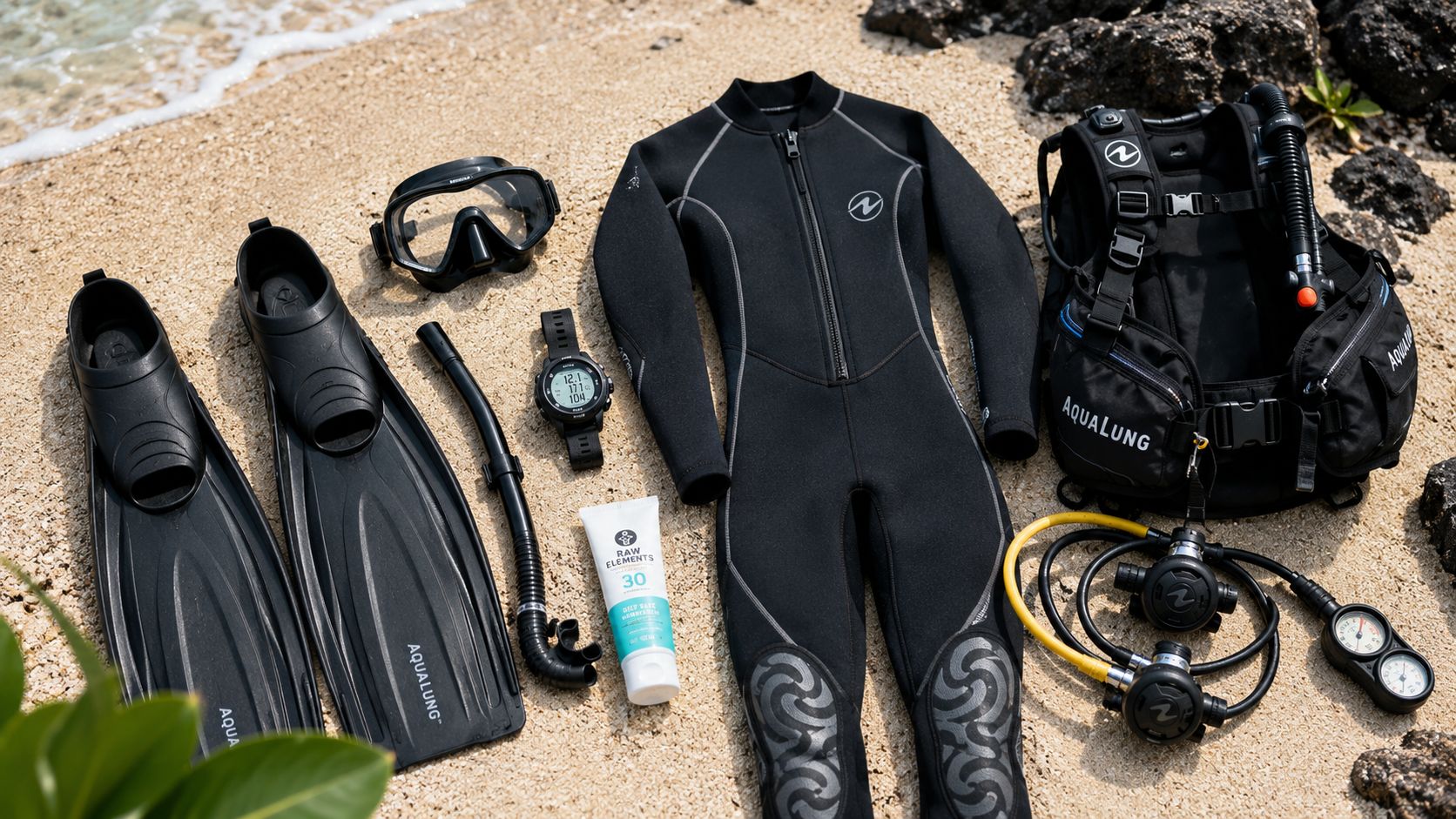
For scuba, the core items are straightforward. Bring a mask, fins, wetsuit, and if you own them, your regulator and dive computer. For snorkeling, the list is smaller, but a well-fitting mask and comfortable fins matter more than most first-timers expect. A bad mask fit can ruin the day faster than a cloudy sky.
Reef-safe sunscreen belongs in the bag too, but timing matters. Use it responsibly before exposure, not as a last-minute afterthought on the dock. For night dives, add a towel, a dry layer, and anything you need to stay warm after the boat ride back.
Seasickness options that are worth considering
If you're prone to motion sickness, plan ahead instead of hoping you'll be fine. The article's gear and comfort mix can include a Ship-EEZ seasickness patch, Dramamine pills, Bonine pills, Sea Band wristbands, and ginger chews. Different people respond to different remedies, so it helps to test what works before a boat day if you can.
Practical rule: Don't wait until the boat is moving to think about seasickness. The best option is the one you've already chosen, packed, and tolerated before departure.
Packing by dive style
- Shore entries: Choose footwear that handles rough lava rock and make sure you can carry your own gear comfortably.
- Boat trips: Keep valuables to a minimum and pack a dry change of clothes.
- Night dives: Bring a compact routine, because too much gear slows you down when light and visibility are already part of the challenge.
If you're still building your kit, this beginner gear guide is a useful place to compare what's worth buying first and what you can rent without stress.
Booking Tips and Budget Planning
A dive booking should fit the way you travel, not just the lowest number on a page. A small boat, a calm briefing, and crew who can handle different experience levels often matter more than a bargain price, because those details shape the whole day once you're offshore or at the shoreline.
What to ask before you book
Start with the basics. Ask about group size, boat age and maintenance, staff credentials, cancellation policy, and whether the operator can adjust site selection if the ocean changes. Then ask how they handle mixed certification levels, because that tells you how much attention your group is likely to get.
Budget also needs context. Gear rental, certification needs, and whether you're diving or snorkeling all change the final total, so the headline price rarely tells the whole story. For a detailed breakdown of the usual cost factors, see how expensive scuba diving in Hawaii can be.
A practical budgeting mindset
Build the budget in layers instead of chasing one number.
- Core dive cost: the boat, guide, and tank fill.
- Extra gear: rentals, computers, or specialty setup.
- Trip-specific add-ons: night dives, mixed snorkel access, or refresher training.
- Flexibility buffer: room in the plan if weather changes the day's site.
This approach helps you avoid the common trap of choosing the cheapest trip and finding out later that the parts you need were extra. A careful buyer usually ends up happier than the person who only compared the headline price, because the full experience is shaped by what is included and how the operator runs the day.
If you want a straightforward comparison point while you shop, Kona Honu Divers offers standard boat dives, manta trips, blackwater dives, and beginner-focused support from Kona. That mix gives you a practical benchmark for comparing what other operators include and how they structure their boats.
Conclusion and Next Steps for Diving Success
The simplest way to make diving Big Island work is to stop treating every underwater experience as interchangeable. Shore dives, boat dives, manta nights, blackwater trips, and snorkeling each solve a different problem. Once you match the format to your skill level, the decision gets much easier and the dive itself usually gets much better.
The other big takeaway is that the Big Island rewards preparation. The island has a large, mature dive economy, enough infrastructure to support beginners and advanced divers, and a few signature experiences that have earned global attention. But the famous names only matter if your group is ready for them. If you're rusty, a refresher or a guided beginner option can make the difference between a stressful outing and a relaxed one.
Timing and conditions matter too. A flexible plan beats a rigid one, especially if you're mixing shore entries with boats or trying to fit a night dive into a short stay. The ocean doesn't care about your calendar, so the best travelers build a plan that can adapt to weather, swell, and comfort level without falling apart.
Gear and booking decisions matter just as much. Bring the right basics, think ahead about seasickness if it's a concern, and ask operators the questions that reveal how they handle real-world conditions. A calm harbor check-in, a clear briefing, and the right dive format can turn a good vacation into a trip people talk about long after they're home.
If you're ready to turn the plan into a real itinerary, lock in your dates, confirm whether you need a certification refresher, and choose the dive style that fits your comfort level instead of chasing the most dramatic headline. The Big Island's underwater world is rich enough to give you a great experience at almost every level, as long as you book it with a clear head and the right expectations.
A CTA for Kona Honu Divers.