
You're probably in one of two places right now. Either you've booked a Hawaii trip and want one unforgettable underwater experience, or you already dive regularly and you're trying to decide how to stack your days so you don't waste a single boat ride.
That's where Big Island scuba diving stands apart. Kona gives you the kind of menu most destinations can't. One night you can kneel on sand and watch manta rays loop overhead. Another night you can drift over blue water so deep it drops beyond 6,000 feet during a blackwater dive, meeting pelagic animals that rise from the abyss after dark, as described by DAN's overview of Kona diving. During the day, you can cruise reef sites that work for newer divers and still keep experienced divers interested.
The trick is knowing what each dive feels like, who it suits, and when to schedule it. That's what experienced local crews learn over years of running boats in Kona. This guide breaks it down in plain English so you can build a trip that fits your certification, comfort level, and curiosity.
Introduction to Big Island Scuba Diving
Your first morning in Kona often starts the same way. Gear bags on the dock. Salt already in the air. Someone checks a pressure gauge while another diver stares out at water so blue it almost looks edited.
Then the questions start. Is the manta dive worth doing if you only have a few days? Is blackwater too advanced? Which reefs are good if you haven't dived in a while? Those are smart questions, because Big Island scuba diving isn't one single experience. It's a collection of very different dives stitched together by clear water, volcanic topography, and easy access to deep ocean.
A lot of visitors arrive thinking Hawaii diving is all coral heads and sea turtles. Kona can do that, but it also offers highly specialized dives that very few places run as consistently. The island's most famous attraction is the manta ray night dive, a local signature experience with a documented 98% sighting rate and about 150,000 dive tourists annually, according to this overview of Big Island scuba diving and manta encounters.
If you want the fast version of what makes this coast different, this guide on what is unique about diving in Kona is a helpful companion.
Big Island diving makes more sense when you stop thinking “What's the best dive?” and start asking “Which dive fits this day, this weather, and this diver?”
Dive Highlights and Core Concepts
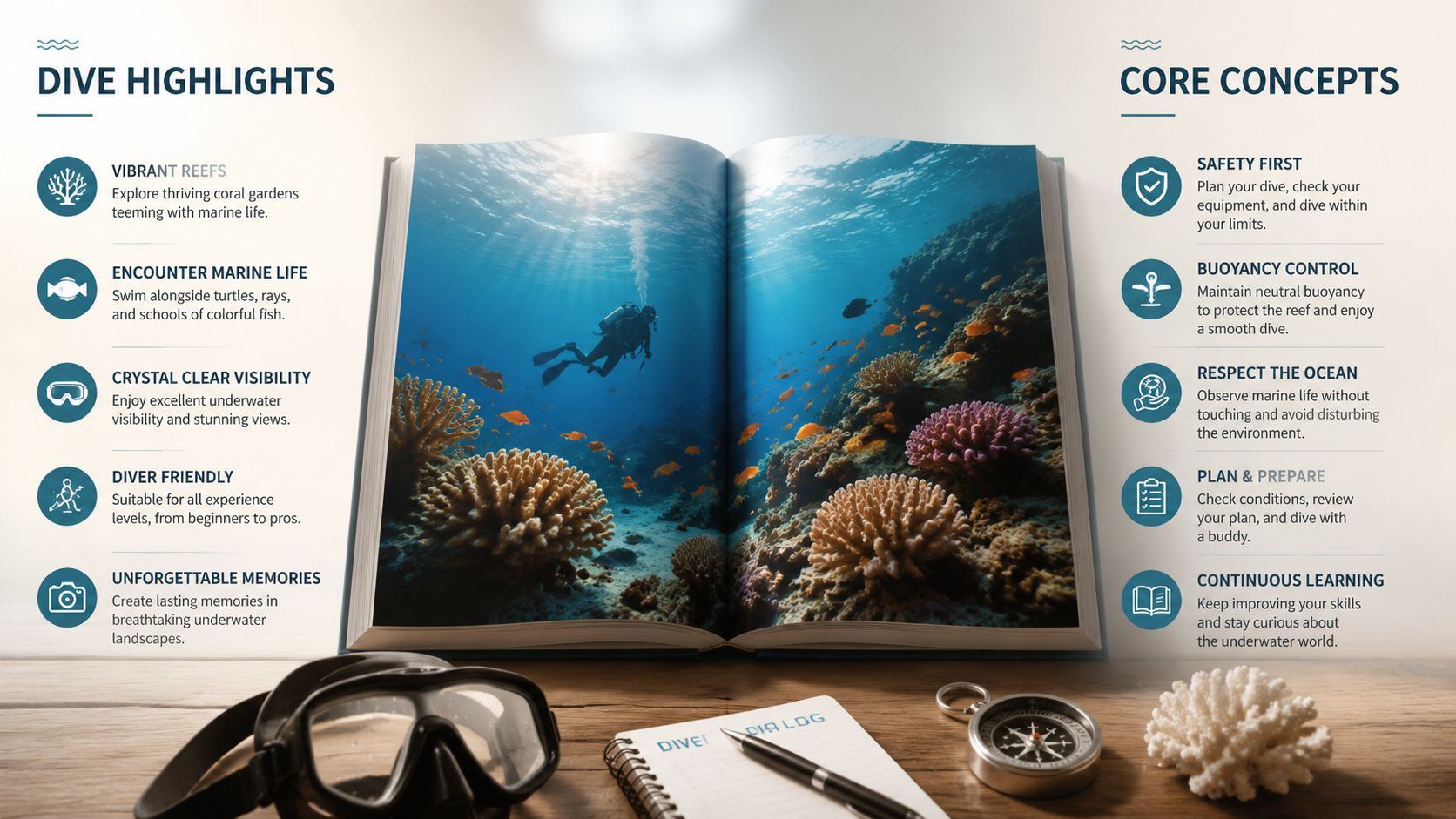
Big Island scuba diving becomes much easier to plan once you sort it into three lanes. Reef diving, manta night diving, and blackwater diving all start from the Kona coast, but they ask for different skills, different expectations, and sometimes a different mindset.
A simple way to frame it is this. Reef diving is your daytime classroom. Manta diving is a carefully staged wildlife encounter. Blackwater is open-ocean observation in its purest form.
Reef diving as the foundation
For many divers, reef dives are day one for a reason. They let you settle back into breathing rhythm, buoyancy, and local conditions after travel. If you have not been in the water for a few months, this is usually the smartest place to start.
Kona's reef diving often feels cleaner and more structured than divers expect from a volcanic island. Lava rock forms shelves, fingers, swim-throughs, and ledges instead of the broad coral gardens people picture in other tropical destinations. That underwater terrain works like a road map. Even newer divers can follow the shape of the reef, while experienced divers can slow down and study eels, endemic fish, and the small life tucked into cracks in the lava.
Depth also matters here. Some areas stay shallow and forgiving, while others drop into more advanced profiles. According to DAN's article on diving in Kona, Hawaii, local dives range from relatively easy bay environments to sites around 18 to 20 meters. That spread is one reason Kona Honu Divers can help mixed-experience groups build multi-day plans without making every diver do the same kind of dive.
Mantas as the signature experience
The manta night dive is famous because the setup is so different from a typical wildlife dive. You are not finning hard to track an animal. You settle into position near a light source, the light draws in plankton, and the mantas come to feed.
The result feels almost theatrical, but the behavior is natural. Divers stay low, keep their bubbles and hands to themselves, and let the animals control the interaction. For newer divers, that structure can make the experience easier than a busy daytime drift or navigation-heavy reef dive. For veteran divers, the appeal is precision. Good trim, calm breathing, and patient observation all matter.
This is also where trip planning gets more interesting. A manta night can pair well with a morning reef check-out dive on the same day, while blackwater usually deserves its own mental space. Teams with long local experience, including the Kona Honu Divers crew, often build itineraries around that energy curve, not just around a list of famous sites.
Blackwater as Kona's specialty niche
Blackwater diving is the dive that changes how many experienced divers think about the ocean. Instead of using a reef for reference, you descend over very deep water at night, usually while clipped into a suspended downline system. Your attention shifts from the horizon and bottom to the water column itself.
That can feel disorienting at first. It helps to treat blackwater like night diving in outer space. Your reference points are limited, your buoyancy has to stay disciplined, and the subjects are tiny, transparent, and constantly moving. In return, you get a view of larval fish, pelagic juveniles, jellies, and other animals that rarely show up on standard recreational dives.
Kona stands out because these niche dives are not random add-ons. They are part of the local dive culture. With more than 200 years of combined team experience, Kona Honu Divers has seen how divers progress through them over several days. A smart itinerary often starts with reef dives, adds a manta night once buoyancy is dialed in, and places blackwater later for divers who are comfortable in darkness, open water, and unusual visual cues.
For a broader view of how Kona fits into the state's underwater options, see this guide to diving in Hawaii.
- Reef dives are the practical starting point for orientation, buoyancy checks, photography, and mixed-skill groups.
- Manta dives are structured wildlife dives with a mostly stationary profile and clear behavioral rules.
- Blackwater dives suit divers who are calm in open water at night and comfortable without a reef as a constant reference.
Top Dive Sites and Why They Matter
A good Kona dive plan works like building a great meal over several days. You do not want five versions of the same dish. You want contrast. One day should teach you the reef's structure and rhythm. Another should center on a signature wildlife encounter. A later dive can add the kind of challenge that changes how you see the ocean.
That is why site choice matters more than collecting names.
Kona's west side offers three experiences that shape a trip in very different ways. First, manta sites give you a focused night wildlife encounter with a clear viewing area and repeat passes overhead. Second, daytime reef sites show you the lava-built architecture that makes Big Island diving visually distinct. Third, offshore blackwater adds a specialized open-water night dive for divers who want something far outside the standard reef template. Kona Honu Divers' team has spent decades helping divers arrange these in the right order, especially on multi-day trips where comfort and confidence build from one dive to the next.
Manta Heaven and Manta Village
The two manta areas divers hear about most are Manta Village near Keauhou Bay and Manta Heaven at Garden Eel Cove. Both can deliver the experience people come to Kona for, but they solve slightly different trip-planning problems.
Garden Eel Cove often appeals to divers who want a cleaner, more settled viewing experience. The layout tends to help divers stay oriented once they are in position, which matters at night when even a simple task like holding trim can feel more demanding. If you are trying to show a newer night diver why manta diving is special, this setting often makes the lesson easier to absorb.
Manta Village has a different advantage. For divers staying farther south, the run can be more convenient, and convenience matters more than many visitors expect on an evening dive. A shorter outing can mean less fatigue, less motion stress, and an easier fit for families or mixed-experience groups.
The better question is not “Which manta site is best?” It is “Which manta site fits this trip?” If you want a broader comparison of how divers weigh those choices, this guide to the best dive sites in Kona for different goals gives useful context.
Practical rule: If your schedule allows one signature night dive, make it a manta dive. Then choose the departure area and site style that best match your group's comfort, location, and trip pace.
Blackwater off Kona
Blackwater matters because it adds a completely different category of diving, not just a different patch of reef. Your attention shifts away from lava, coral heads, and bottom references. The subject is the midwater world itself, lit only by the dive lights and the suspended line system.
For experienced divers, that difference can be the highlight of the whole trip. Reef dives reward observation along a surface. Blackwater rewards observation in a volume. You are watching larval fish, jellies, and pelagic juveniles rise through the water column, often transparent and easy to miss if your buoyancy or light discipline slips for even a moment.
It also changes how you should plan your days. Blackwater usually fits better after you have already settled into Kona diving, adjusted your weighting, and grown comfortable with local night procedures. With more than 200 years of combined team experience, the Kona Honu Divers crew has seen that progression enough times to know that sequence matters.
Day reef sites and longer-range options
Daytime reef diving is where many divers learn what makes the Big Island different from other tropical destinations. The island's underwater structure was built by lava first and reef growth second. That combination creates ledges, folds, pockets, and hard contours that read clearly in daylight, almost like hiking a volcanic trail with much better visibility and fish life.
Honaunau Bay stands out for that reason. It gives divers a chance to slow down and read the terrain. Newer divers can focus on trim, breathing, and marine life without the extra task loading of a night environment. Experienced divers often enjoy it for the same reason photographers enjoy good natural light. The structure is easier to interpret, and the details stand out.
Longer-range and deeper reef plans add another layer. These dives are less about checking off a famous name and more about finding terrain that fits divers who already know they want steeper walls, deeper profiles, or a little more complexity in the day's conditions. On a well-built itinerary, these dives often fit between the easier orientation day and the more specialized night dives.
Comparison of Big Island Dive Sites
| Site | Depth | Best Season | Difficulty | Highlights |
|---|---|---|---|---|
| Garden Eel Cove or Manta Heaven | Typical Kona manta night-dive depth range | Often especially comfortable in calmer summer conditions | Intermediate comfort with night diving helps | Protected feel, stable viewing setup, strong manta focus |
| Manta Village | Typical Kona manta night-dive depth range | Good year-round option | Intermediate comfort with night diving helps | Historic manta site, convenient for some south Kona departures |
| Honaunau Bay | Typical reef depth range | Good year-round, depending on daily ocean conditions | Beginner to intermediate | Lava structure, coral growth, relaxed daytime orientation |
| Kona blackwater zone | Open-ocean night profile | Year-round, weather dependent | Advanced comfort in open water and darkness recommended | Pelagic larvae, jellies, drifting midwater life, no reef reference |
| Long-range advanced reefs | Deeper reef profile varies by site | Condition dependent | Advanced | More ambitious site selection, deeper terrain, added variety |
Seasonal Conditions and Water Temperatures
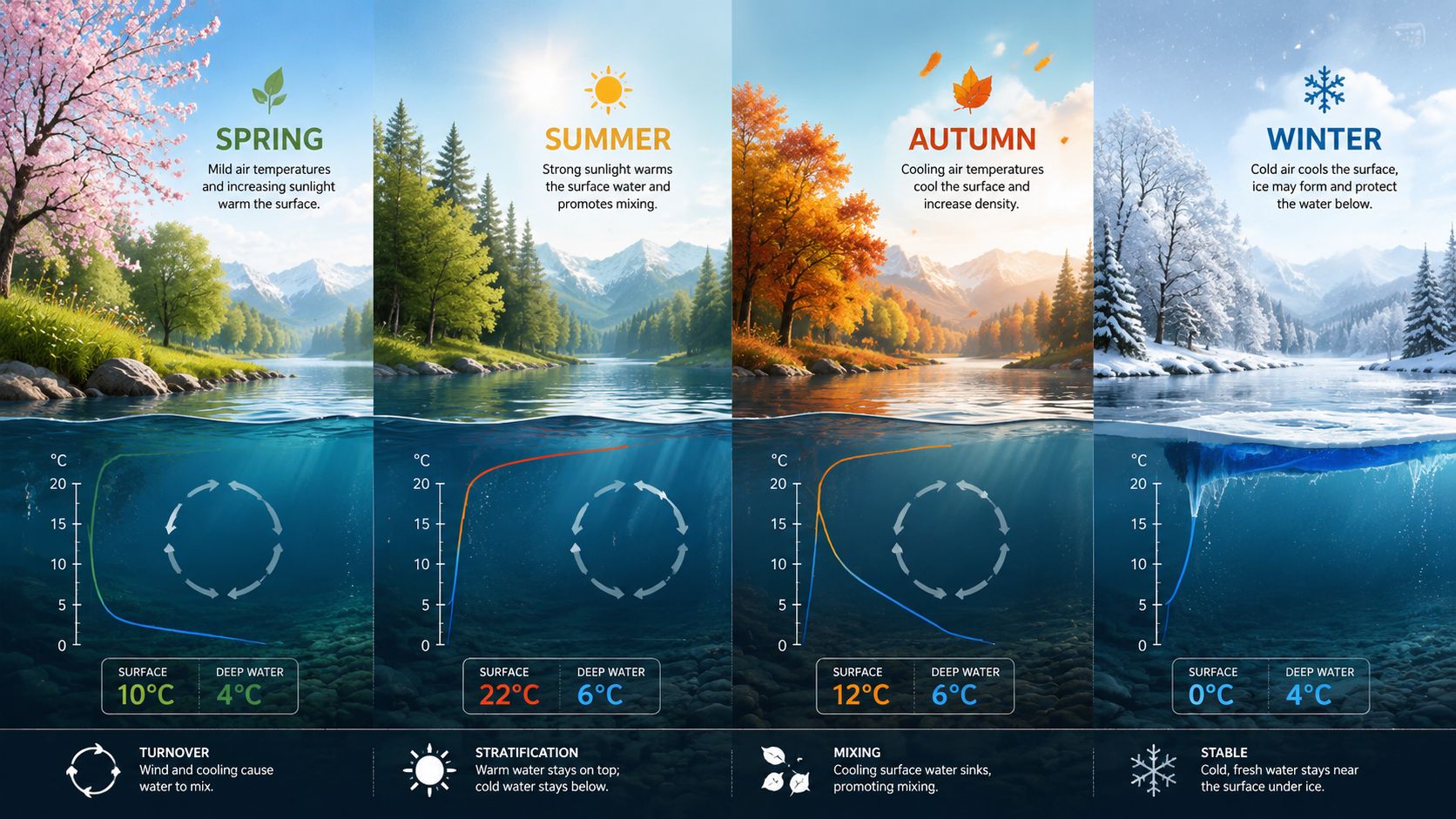
You arrive in Kona with four dive days on the calendar. Day one looks calm enough to sip coffee on deck without spilling it. Day three has more wind, more surface texture, and a captain reworking the plan. That is what seasonal planning looks like on the Big Island. Kona offers year-round diving, but the ocean does not present the same version of itself every month.
For trip planning, summer is often the easier season to work with. Surface conditions are commonly calmer, night entries can feel less intimidating, and multi-day itineraries are easier to build around specialized dives. Winter still delivers excellent diving, but it rewards flexibility. If you want mantas one night, a relaxed reef the next morning, and a blackwater charter after that, conditions may shape the order more than your original spreadsheet does.
Water temperature shifts matter too, especially over several days of diving. A few degrees can be the difference between feeling comfortable on your first tank and feeling chilled halfway through your second day. If you want a practical breakdown of exposure protection by season, this guide to Kona water temperatures is the useful packing reference.
How seasons affect the dive itself
Newer divers sometimes hear "warm water" and assume every dive will feel easy. Instructors know it works more like hiking on the same trail in different weather. The route may be familiar, but current, surge, visibility, and surface conditions change how much effort the day requires.
Summer often gives crews more room to run a clean sequence. Morning reef dives tend to feel simpler at the surface, and night dives can be less stressful for divers who are still getting used to darkness, boats, and entry timing. That matters on custom itineraries. Kona Honu Divers can often pair easier daytime dives with specialty nights more smoothly when the ocean is cooperating.
Winter adds another layer of decision-making. You may still get beautiful visibility and memorable wildlife encounters, but exposed sites can see more surge or moving water. For experienced divers, that can be interesting rather than problematic. For mixed-skill groups, it usually means the best plan is a flexible one, with site selection adjusted day by day instead of locked in too early.
Matching the season to your goals
A good Kona itinerary works like building a class schedule. Put the demanding sessions where conditions are most likely to support them, then leave yourself room to swap pieces if the ocean changes.
- If mantas are your main goal, calmer stretches often make the overall night-dive experience more comfortable, especially for divers who are excited but a little nervous.
- If your group has different experience levels, calmer months can make it easier to combine beginner-friendly reef dives with a specialty dive later in the trip.
- If blackwater or advanced reef plans are high on your list, leave open space in the schedule so the operator can place those dives on the best weather window.
- If you have several dive days, start with the highest-priority experience early in the trip, then let the rest of the itinerary adjust around conditions.
That last point is one locals learn quickly. Do not save your one must-do dive for the final evening if your travel schedule is tight.
The Big Island rewards divers who plan by season, but it rewards flexible divers even more. Summer often makes a multi-day Kona trip easier to organize. Year-round access is still one of the coast's biggest strengths, especially when an experienced team can reshuffle the order and keep the diving productive.
Suitability Levels and Certification Requirements
A common mistake is booking by excitement instead of by fit. The manta photos look amazing, blackwater sounds rare, and deeper reef charters sound adventurous. None of that matters if the dive exceeds your comfort level.
If you're brand new
You don't always need a certification card to get underwater in Kona. Introductory programs exist for people who want supervision and a controlled first experience. The main thing to understand is that these aren't shortcuts to every dive on the menu. They're a bridge into basic reef diving with close guidance.
If you're unsure what you can legally and safely book without certification, read can you scuba dive in Hawaii without certification.
If you're newly certified
Newly certified divers usually do best on daytime reef dives first. This isn't about limiting you. It's about lowering workload. You're still refining buoyancy, trim, and air awareness, so it helps to start where daylight, structure, and easier communication all work in your favor.
After that, many new divers can enjoy the manta night dive because it's a stationary bottom dive rather than a navigation-heavy swim. According to this explanation of the manta ray scuba dive format, certified divers typically descend to an average depth of 35 to 50 feet and remain on a sandy bottom around the central light setup for 45 minutes to an hour.
If you're experienced
Experienced divers usually split into two groups in Kona. One group wants animal encounters with minimal task loading. They often love mantas. The other group wants novelty, challenge, and a dive profile they can't get at home. That group tends to gravitate toward blackwater and advanced charters.
A good self-check is simple:
- Reef dives fit divers who want orientation, photography, or a lower-stress day.
- Manta dives fit certified divers comfortable at night and happy staying in one viewing area.
- Blackwater dives fit divers with strong buoyancy control who stay calm without a reef beneath them.
- Advanced long-range dives fit divers who already know they want a more technical-feeling recreational day.
If darkness, open water, or unfamiliar task loading tends to spike your breathing rate, choose the easier dive first and build upward.
Safety Tips and Gear Essentials
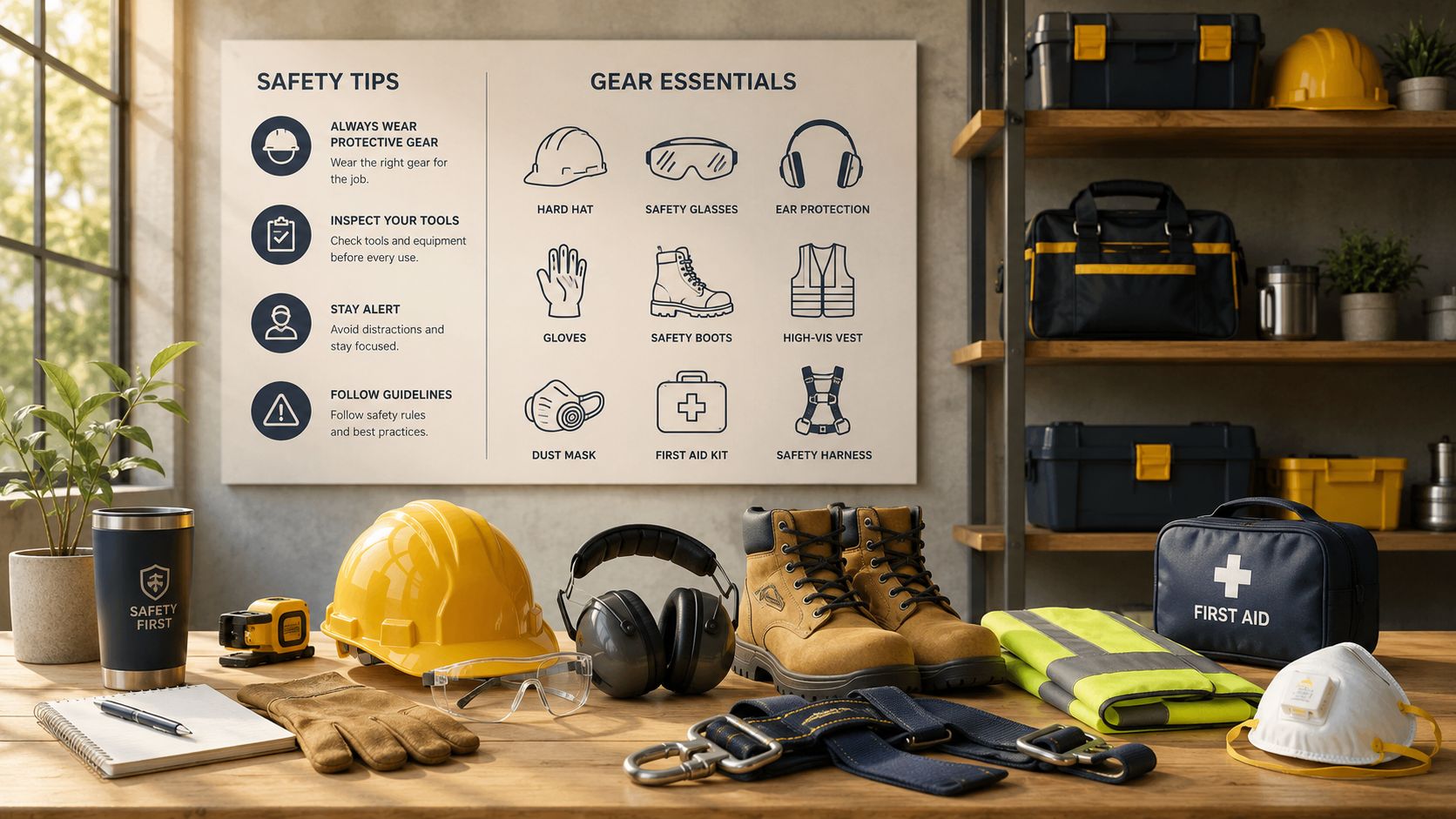
You feel the boat rock at the mooring, zip your suit, and realize this is not the moment to wonder whether your mask strap is aging out or whether your night light battery is half dead. Safe diving in Kona starts much earlier. It starts when your kit matches the dive, your routine is familiar, and small problems stay small.
That matters even more on the Big Island because the menu of dives is wide. A calm morning reef charter, a manta night dive, and a blackwater trip can all happen in the same week, but they do not ask the same things of you. Kona Honu Divers guides these dives every day, so one of the smartest planning habits is to pack for the specific profile you booked, not for a generic tropical vacation.
Match your gear to the dive plan
Your baseline setup is simple. Bring the equipment that affects fit, comfort, and muscle memory most: mask, fins if you prefer your own, computer, and exposure protection.
Then add the specialty items your itinerary calls for.
For a daytime reef dive, the focus is comfort and familiarity. For a manta or blackwater dive, your setup works more like a car dashboard at night. You want every control easy to find without hunting for it. A computer you already know, a light with a simple switch, and clipped accessories reduce task loading when the sun is gone.
A practical pre-boat check looks like this:
- Mask you already trust: Travel days are a poor time to experiment with a mask that sometimes leaks or fogs.
- Exposure protection that fits the season and your tolerance: Some divers run warm. Others chill quickly on second dives or evening departures.
- Dive computer you know by feel: Familiar alarms and screens help on repetitive and night diving.
- Primary light and backup light for night profiles: One light helps you see. The second protects the plan if the first one fails.
- Small spares: An extra mask strap, fin strap, batteries, and defog often save a dive.
If you prefer to travel light, renting bulky gear locally is a reasonable choice. Many visiting divers bring only personal-fit items and rent the rest. One operator to look at for Big Island diving tours is Kona Honu Divers, which runs reef, manta, blackwater, and introductory options.
Seasickness is easier to prevent than to fix
Boat anxiety and motion sickness often get mixed together, but they are different problems. Motion sickness can hit experienced divers with excellent buoyancy and hundreds of logged dives, especially on a tired travel day or an evening charter after a full afternoon in the sun.
Plan for it before breakfast, not on the ride out.
Some common purchase options include the Ship-EEZ Seasickness Patch, Dramamine pills, Bonine pills, Sea Band wristbands, and ginger chews.
It also helps to eat lightly, hydrate early, and avoid showing up rushed. A calm diver usually breathes better, listens better, and enters the water in a better headspace.
Safety habits that matter once you splash
Kona conditions are often friendly, which can tempt divers to get casual. Keep the same discipline you would use anywhere else.
- Stay close enough to communicate with your buddy clearly: At night, distance grows fast even when the water feels calm.
- Agree on the simple stuff before descent: Maximum depth, turn pressure, where to regroup, and who carries signaling gear.
- Protect your ascent: Slow ascents, a pause at the end, and good spacing matter just as much on an easy-looking dive as on an advanced one.
- Follow wildlife briefing rules exactly: Manta and pelagic encounters work well when divers stay predictable and let the animals control the interaction.
- Keep hands, gauges, and fins off the reef: Good trim is not just style. It protects the habitat and keeps visibility better for everyone behind you.
One more point is easy to overlook. Multi-day dive plans should build gradually. Treat your first dive day like the first mile of a hike on new terrain. Confirm weighting, dial in buoyancy, and make small adjustments early so your signature dives later in the trip feel calm instead of rushed.
Good preparation does not make the dive less adventurous. It gives you more attention to spend on what you came to Kona for: the lava topography, the clean water, the mantas overhead, and the unusual dives that reward divers who show up ready.
Sample Itineraries and Booking Guidance
Your third dive day should not feel like a coin toss.
A good Kona plan works like pacing on a long hike. The first day checks your footing. The second day holds the feature you came for. The last day either adds one more strong experience or gives your body room to recover. Kona Honu Divers helps groups build trips this way because the island rewards timing, not just enthusiasm. That matters even more when your wishlist mixes classic reef diving with specialty nights like manta rays or blackwater.
Itinerary one for newer certified divers
This schedule fits certified divers who want a memorable trip without loading every day to the limit.
Day 1, morning reef dives
Start with a standard daytime boat dive. Use it to sort out weighting, get comfortable with Kona's lava structure, and shake off the stiffness that follows travel. Many divers are surprised by how much easier the rest of the trip feels after this reset. Leave the afternoon open so you can eat well, rest, and show up calm for the next day.
Day 2, manta night dive
Put your headline experience here, not on arrival day. For many certified divers, the manta dive feels easier than a roaming night reef dive because the setup is structured. You settle into position, keep your light where the guide asks, and let the action come to you. It is still a night dive, but the task load is often lower than divers expect.
Day 3, easy reef repeat or full rest day
Choose this based on how Day 2 felt, not on what looks good on paper. If the group finished the manta dive energized, a relaxed morning reef charter can be a great closer. If anyone felt mentally tired, take the win and keep the final day light.
Itinerary two for experienced divers
Experienced divers usually enjoy Kona most when the trip has contrast.
Day 1, advanced daytime diving
Begin with a daytime charter that lets you read local conditions and settle into the rhythm of the boat. Even very capable divers benefit from one daylight session before specialty nights. It is the difference between arriving at a trailhead and sprinting uphill, versus walking the first stretch and learning the terrain.
Day 2, quiet afternoon, blackwater at night
Keep the full day pointed at this dive. Blackwater asks for attention, buoyancy control, and comfort in open water with no reef below. The first few minutes can feel disorienting if you have never done it before. That is normal. Divers who protect their energy, eat early, and listen closely to the briefing usually enjoy it far more than divers who try to squeeze it in after a packed day.
Day 3, manta night dive or a second advanced day dive
Two strong options work here. If you want variety, follow blackwater with mantas. The contrast is part of the appeal. Blackwater feels suspended and otherworldly, while the manta setup feels grounded and deliberate. If wildlife is not your main goal, use Day 3 for another advanced daytime profile while local knowledge from the first two days is still fresh.
Booking advice that saves headaches
Book the trip in layers.
Start with the one experience you would be disappointed to miss. That is your anchor. Then place easier support dives around it. This simple order solves a lot of planning mistakes before they happen.
A few rules help:
- Put your priority dive in the middle of the trip: You get a buffer on both sides for travel fatigue or changing ocean conditions.
- Give specialty dives their own space: Blackwater, manta nights, and more demanding daytime profiles each ask for focus in different ways.
- Match the schedule to the least comfortable diver in the group: One anxious diver can turn a fun plan into a rushed one if every day is stacked.
- Ask booking questions that reveal fit: Recent dive history, comfort at night, motion sensitivity, and air use often matter more than raw certification level.
Mixed groups need even more planning. One couple may want blackwater while another wants an easier reef schedule, and that is common in Kona. The strongest multi day plans do not force everyone into the same template. They build around shared highlights, then leave room for side adventures. That is where local operator experience really shows, especially when a team has spent years watching how weather, season, and diver comfort shape the week.
Why Choose Kona Honu Divers and Next Steps
You arrive in Kona with a mixed group. One diver wants manta rays, another is curious about blackwater, and someone else has not been in the ocean much at all. The right operator keeps that week from feeling patched together.
Kona Honu Divers is a strong fit for that kind of trip because the team plans around diver comfort, ocean conditions, and trip goals instead of forcing everyone into one template. As noted earlier, the staff brings a long track record in Kona waters, and that matters in a place where the same week can include an easy reef morning, a night manta dive, and a more technical-feeling specialty profile. Their range also helps. You can organize introductory experiences, guided reef dives, manta trips, blackwater outings, rental gear, and practical trip support through one shop, which makes the schedule easier to build and easier to adjust.
A good Kona dive week works like a well-built course plan. You start with the class that fills first, then place the supporting pieces around it.
Use this order:
- Pick the one dive that defines the trip: For many visitors, that is manta or blackwater. For others, it is a specific reef or a private charter with more flexibility.
- Build the rest of the week around energy, not just calendar space: A night specialty dive and an advanced daytime profile can both be excellent, but they ask for different kinds of focus.
- Be honest about the least experienced diver in the group: Certification card level is only part of the picture. Recent dive history, current buoyancy control, and comfort after dark often matter more.
- Pack for the dives you are doing: A computer, exposure protection that matches your cold tolerance, motion-sickness preparation, and dependable lights can change how relaxed the trip feels.
This is also where local insight pays off in a very practical way. A team with years in Kona can help you choose the better day for mantas, decide whether blackwater fits your experience and confidence, and shape a multi-day plan that does not leave everyone tired by day three.
Start with the experience you would regret missing. Then schedule the supporting dives around it and confirm the details with the shop early, especially if your group mixes new divers, night-dive first timers, and experienced guests chasing a specialty adventure.